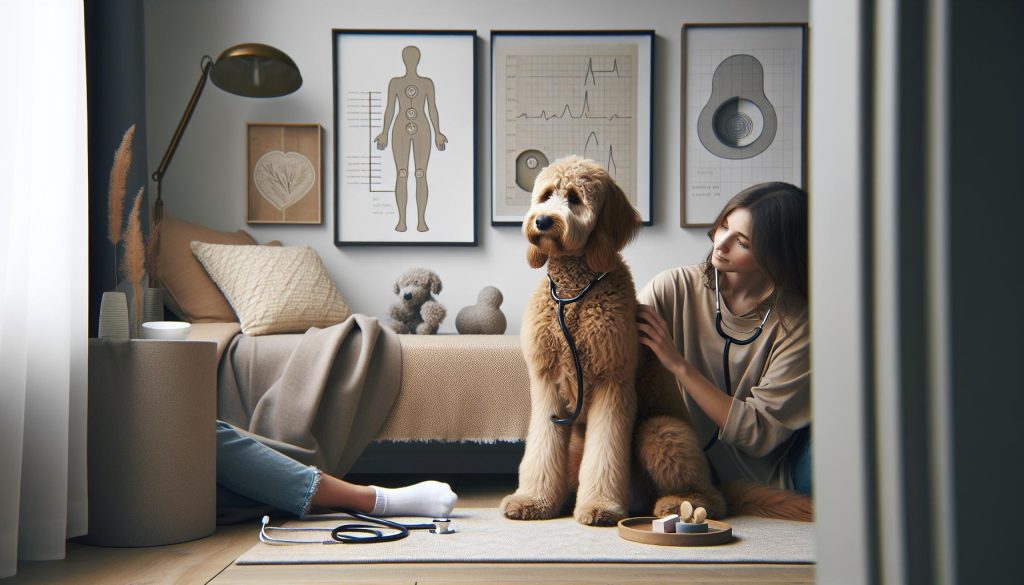
Labradoodles are not just beloved for their friendly demeanor and adorable appearance; their health is a vital concern for potential and current owners alike. Understanding the health aspects of this popular breed is crucial, as it impacts their well-being and longevity. Did you know that Labradoodles, being a mix of a Labrador Retriever and a Poodle, can inherit health traits from both breeds? This breed is known for its playful spirit and intelligence, but like any dog, they can be predisposed to genetic conditions. As a responsible pet owner, it’s essential to stay informed about these potential health issues and how to best care for your furry friend. In this article, we’ll explore the health considerations specific to Labradoodles, enlightening you on how to keep them vibrant and thriving. Join us as we dig deeper into this fascinating breed’s health overview!
Is the Labradoodle a Healthy Breed?
Labradoodles have quickly become one of the most beloved breeds, not just for their charming looks but also for their generally robust health. The cross between a Labrador Retriever and a Poodle was originally intended to create a hypoallergenic companion that would also have the friendly demeanor of the Lab. While many Labradoodles enjoy good health, it’s essential to recognize that, like all breeds, they can be predisposed to certain health issues.
Generally, Labradoodles are known for their vitality and longevity, often living between 12 to 14 years. However, potential health concerns can arise, particularly based on the generation of the Labradoodle (F1, F1b, Multigen) and the size (standard or miniature). Some common health issues to watch for include hip dysplasia, elbow dysplasia, allergies, and certain genetic conditions, such as progressive retinal atrophy (PRA). These conditions can affect not only their quality of life but may also lead to expensive veterinary bills if not planned for accordingly.
In striving for a healthy Labradoodle, prospective owners should always prioritize selecting a responsible breeder who implements health testing for both parent breeds. This crucial step helps identify any hereditary conditions, ensuring the puppies have the best chance at a healthy start. Furthermore, regular vet check-ups, combined with preventive care measures such as proper nutrition and exercise, can go a long way in promoting long-term health. By committing to responsible ownership and proactive health strategies, you can help ensure that your Labradoodle remains not only a beloved companion but also a healthy one.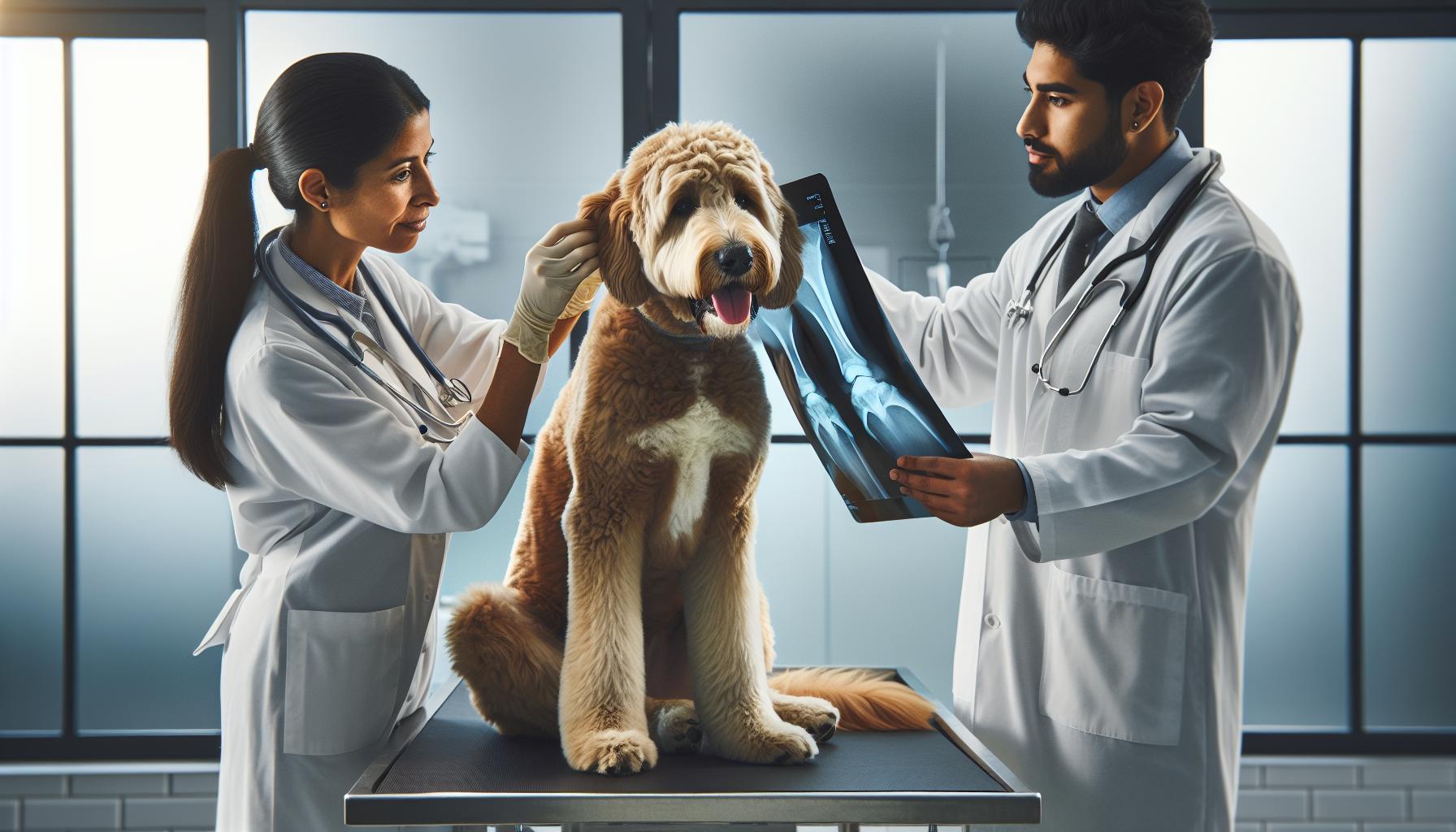
Common Health Issues in Labradoodles
The delightful Labradoodle combines the friendly spirit of the Labrador Retriever with the intelligence and low-shedding coat of the Poodle, making them a sought-after family companion. However, just like any breed, they are not without their potential health challenges. Recognizing and understanding these common health issues is vital for current and prospective owners to ensure a long, happy life for their furry friends.
One of the most prevalent concerns among Labradoodles is hip dysplasia. This genetic condition, where the hip joint doesn’t fit snugly into the hip socket, can lead to arthritis and pain. Keeping your Labradoodle at a healthy weight and providing joint supplements can help mitigate this condition. Elbow dysplasia is another issue that can affect their mobility and overall quality of life, similar to hip dysplasia. Early detection through veterinary check-ups and X-rays is crucial for these conditions.
Allergies also plague many Labradoodles, often manifesting as skin irritations or digestive issues. These allergies can be environmental, like pollen or dust mites, or food-related, necessitating a careful examination of their diet. Regular grooming, along with a high-quality diet tailored to your dog’s needs, can help manage these sensitivities. Another genetic condition worth considering is progressive retinal atrophy (PRA), a degenerative eye disease that can result in blindness. Selecting a responsible breeder who screens for this condition can significantly reduce the risk of it affecting your pup.
In summary, while Labradoodles tend to be healthy dogs, they can be prone to specific health issues that deserve attention. Being informed about these potential problems and implementing regular preventive care strategies, such as nutrition management and routine veterinary visits, can help ensure your Labradoodle leads a healthy, vibrant life. Remember, proactive care is key to celebrating many joyful years together!
Genetics: How Breed Mix Affects Health
When it comes to mixed-breed dogs like the Labradoodle, understanding genetics can greatly illuminate potential health outcomes and challenges. The Labradoodle, resulting from a cross between a Labrador Retriever and a Poodle, inherits a combination of traits from both parent breeds. This can be beneficial, as hybrid vigor often leads to fewer genetic disorders compared to purebreds. However, it also means that Labradoodles can inherit health issues common to either breed, making responsible breeding practices crucial for their overall well-being.
One significant advantage of hybrid dogs is their potential resilience to genetic disorders that often plague purebreds. For instance, while Labradors may be prone to certain conditions, and Poodles to others, a Labradoodle might inherit the best attributes of both, such as reduced risks for hip dysplasia or certain skin conditions. That said, these dogs are not completely free from genetic health issues. Common problems include hip and elbow dysplasia, progressive retinal atrophy, and allergies, many of which stem from their ancestry. Being aware of these risks allows potential owners to make informed decisions when selecting a puppy and helps manage their health proactively.
It’s paramount for prospective Labradoodle owners to seek out responsible breeders who prioritize health screening and genetic testing. A reputable breeder will test for common hereditary conditions in both the Labrador and Poodle lines, reducing the likelihood of passing on harmful traits. By reviewing the health clearances of both parent dogs, owners can significantly enhance the chances of acquiring a healthier puppy. Additionally, genetic testing for specific hereditary conditions can help owners tailor their preventive care strategies to meet their dog’s unique needs.
In summary, the genetic mix of the Labradoodle can provide many advantages, but it also requires diligence and awareness from owners. By understanding the genetic predispositions of this hybrid breed and partnering with knowledgeable breeders, you can ensure a happier, healthier life for your Labradoodle. Regular veterinary care, a balanced diet, and an active lifestyle further contribute to the overall health and vitality of this delightful breed.
Preventative Care Strategies for Labradoodles
Keeping your Labradoodle healthy involves proactive care and attention to their specific needs. These affectionate and intelligent dogs thrive when given a nurturing environment, and as an owner, your role is pivotal in ensuring their well-being. One fascinating aspect of Labradoodles is their potential combination of the best traits from both Labradors and Poodles, but this also means you need to be mindful of the specific health issues that could arise from both breeds.
To start, regular veterinary check-ups play a crucial role in preventative care. Ensuring your Labradoodle gets annual physicals can help catch health issues early, allowing for timely interventions. It’s recommended to keep vaccinations up to date and to discuss routine screenings for conditions like hip and elbow dysplasia, which are more common in this breed mix. A trusted vet can offer personalized advice based on your dog’s family history and lifestyle.
In addition to medical check-ups, daily exercise is vital. Labradoodles possess a lot of energy, and they need regular physical activity to stay fit and mentally stimulated. Engaging in activities such as fetching, agility training, or long walks not only keeps them in shape but also helps prevent obesity-a common concern in this breed. Aim for at least an hour of exercise each day; mixing in some playful training sessions can foster mental engagement.
Another critical component is nutritional care. A balanced diet tailored to your Labradoodle’s age, size, and energy level will support their overall health. Look for high-quality dog food with appropriate protein sources and avoid fillers that can lead to obesity and related health issues. Always consult with your vet about any dietary changes to ensure they meet your dog’s specific needs.
Lastly, maintaining a proper grooming routine is essential. Labradoodles can have coat textures ranging from wavy to curly, which means they are prone to matting and skin issues if not groomed regularly. Regular brushing-at least once a week-and occasional trips to a professional groomer will help keep their coat healthy. Don’t forget to check their ears, eyes, and teeth as part of your grooming routine to prevent common issues in these areas.
By integrating these practices into your routine, you’re laying the groundwork for a happy, healthy life for your Labradoodle. The time and effort you invest in preventive care not only strengthens your bond but also ensures that your furry friend remains playful and vibrant throughout their life.
Nutrition Tips for Optimal Labradoodle Health
Providing your Labradoodle with the right nutrition is a cornerstone of keeping them healthy and happy. These energetic and intelligent dogs thrive when they receive a balanced diet that meets their unique needs. To ensure your furry friend flourishes, consider these essential tips for optimal Labradoodle health.
Start by selecting a high-quality dog food formulated specifically for large breed dogs if your Labradoodle is on the bigger side, or choose one suited for their life stage, whether they’re a puppy, adult, or senior. Look for foods that list real meat as the first ingredient, such as chicken or lamb, which provide essential proteins for muscle development. It’s also important to avoid dog foods with fillers like corn or soy, as these can lead to weight gain and lack the nutrients your dog needs.
To help maintain a healthy weight, portion control is key. Use the feeding guidelines on the dog food package as a starting point but remember to adjust according to your dog’s activity level. A Labradoodle that regularly engages in play and exercise may require more calories than a less active one. Additionally, consider incorporating fresh fruits and vegetables as healthy treats, such as carrots or blueberries, which can provide vitamins and minerals without the extra calories.
Incorporating a variety of foods can also be beneficial. Some owners find success by adding cooked chicken or fish to their dog’s meals for added flavor and extra protein. Just be sure to avoid seasoning, as many spices can be harmful to dogs. Always consult your veterinarian before making significant changes to your Labradoodle’s diet to ensure all their nutritional needs are being met.
Finally, hydration is crucial. Always ensure your Labradoodle has access to fresh water, especially after exercise or play. Keeping your dog well-hydrated aids digestion and overall health, making them feel their best every day. By following these nutrition tips, you’ll be setting the stage for a long, happy life filled with joy and companionship with your Labradoodle.
The Importance of Regular Vet Check-Ups
Regular veterinary check-ups are a fundamental aspect of maintaining your Labradoodle’s health and happiness. These appointments not only help catch potential health issues early but also ensure that your pup is up to date on vaccinations and preventive care. In fact, many of the common health problems associated with Labradoodles-such as hip dysplasia, allergies, and obesity-can often be managed more effectively if detected early.
During a typical vet visit, your veterinarian will perform a thorough physical examination, covering everything from checking your dog’s weight and coat condition to assessing dental health and detecting any unusual lumps or bumps. By establishing a routine schedule, ideally once a year for a healthy adult and more frequently for puppies or older dogs, you foster a proactive approach to care. This allows you to maintain a record of your dog’s health over time, making it easier to spot changes that may require attention.
In addition to physical exams, vet visits are crucial for discussing diet, exercise, and behavioral issues. For instance, your vet can provide insights into your Labradoodle’s unique dietary needs based on their size, age, and activity level, which helps prevent obesity-one of the primary health concerns for this breed. Regular check-ups also offer a great opportunity for owners to ask questions about training, grooming, or any changes in behavior, giving you valuable advice from professionals who are experienced in caring for dogs.
Moreover, many vets recommend preventive treatments like parasite control, dental cleanings, and spaying or neutering, all of which play significant roles in your Labradoodle’s long-term health. Keeping an open line of communication with your vet is essential; they can guide you through the specific health challenges your Labradoodle might face, ensuring a tailored health plan. By making vet visits a regular part of your pet parenting routine, you’re investing in the happiness and wellness of your furry family member, allowing them to lead a long, vibrant life filled with joy and companionship.
Exercise Needs: Keeping Your Labradoodle Fit
To keep a Labradoodle fit, it’s essential to understand their exercise needs, which are influenced by their energetic nature and intelligent temperament. Labradoodles are a blend of Labrador Retrievers and Poodles, both known for their high activity levels. Regular exercise not only helps maintain a healthy weight but also prevents behavioral issues that may arise from boredom and pent-up energy.
Aim for at least 60 minutes of physical activity daily, which can include walks, playtime, and various dog sports. Here are some engaging ways to keep your Labradoodle active:
- Daily Walks: Two brisk walks around the neighborhood not only provide physical exercise but also mental stimulation through new scents and sights.
- Fetch and Retrieve: Labradoodles love to chase! A good game of fetch using a ball or a frisbee can give them a great workout.
- Agility Training: Whether done at a local training club or in your backyard, agility courses provide both physical and mental challenges, making it fun for your dog.
- Social Playdates: Regular playdates with other dogs can help improve their social skills and provide crucial exercise opportunities.
Integrating variety into their routine is crucial to keeping your Labradoodle engaged and motivated. Some owners have found success with doggy daycare or taking their pups to dog parks to encourage socialization and exercise simultaneously. Don’t forget about mental stimulation as well; puzzle toys and training exercises can tire them out mentally, complementing their physical activities.
Maintaining a consistent exercise schedule is key, as Labradoodles thrive on routine and knowing what to expect. As they mature, you may need to adjust their exercise regimen to accommodate changing energy levels, especially as they transition from puppyhood to adulthood, and finally to their senior years. Regular, enjoyable exercise will not only keep them fit but will also strengthen the bond between you and your furry friend.
Understanding Labradoodle Lifespan and Aging
Understanding the aging process of Labradoodles is crucial for any owner looking to provide the best care throughout their dog’s life. Typically, Labradoodles enjoy a lifespan of 12 to 14 years, much like their Poodle and Labrador Retriever parents. However, many factors influence this, including genetics, diet, exercise, and regular healthcare. As your Labradoodle matures from a playful puppy into a wise senior, their needs will change significantly, and being prepared can make a world of difference.
One major aspect to consider is the transition in dietary requirements. Senior Labradoodles may require specific nutrient-rich diets that cater to their reduced activity level and changing metabolism. You might find it beneficial to switch to senior dog food, which is lower in calories yet still rich in essential nutrients to maintain their health. Additionally, keeping an eye on their weight is crucial; obesity can lead to health complications, putting unnecessary strain on their joints and internal organs.
Regular veterinary check-ups become even more important as your Labradoodle ages. Schedule visits every six months to catch any potential health issues early. Look out for signs of discomfort or behavioral changes, as these can often indicate underlying issues. Common ailments in older Labradoodles include arthritis, dental disease, and vision problems, which require attentive care and management.
Lastly, ensuring your Labradoodle stays mentally and physically active cannot be overstated. While they may not have the same energy as a puppy, engaging them in gentle exercise and brain-stimulating activities can significantly enhance their quality of life. Activities like short walks, scent games, and puzzle toys can keep their minds sharp and spirits high, making their golden years enjoyable. As you observe your Labradoodle aging, tailor your approach to their changing needs, ensuring that each stage of their life is filled with love, comfort, and joy.
Grooming Practices for Healthier Coats
Grooming is more than just a beauty regimen for Labradoodles; it’s an essential aspect of maintaining their health and well-being. This affectionate mix of Labrador Retriever and Poodle boasts a coat that may range from wavy to curly, heavily influenced by the genetics of each parent. Regular grooming not only helps keep their coat looking fabulous but also plays a critical role in preventing skin issues and promoting overall comfort.
To ensure your Labradoodle has a healthier coat, it’s important to establish a consistent grooming routine that includes the following steps:
- Brushing: Daily or at least several times a week, brushing will help remove loose hair, prevent matting, and distribute natural oils throughout the fur. Use a slicker brush or a comb designed for curly hair to navigate those dense locks smoothly.
- Bathing: Labradoodles generally benefit from a bath every 4 to 6 weeks. Use a gentle, dog-specific shampoo to avoid irritating their skin. Overbathing can strip their coat of essential oils, so finding the right balance is key.
- Ear Care: Regularly check and clean their ears to prevent moisture buildup, which can lead to infections, especially in Poodle-type breeds. Use a veterinarian-recommended cleaner and cotton balls; never use cotton swabs deep in the ear.
- Nail Trimming: Keep an eye on their nails, trimming them every 3 to 4 weeks. Long nails can lead to discomfort or mobility issues.
Beyond the basics, investing in quality grooming tools can make a significant difference. Consider a high-velocity dryer to help reduce drying time after baths or a de-shedding tool for those periods of heavy shedding. Pay attention to any changes in your Labradoodle’s skin or coat, as these can be indicators of underlying health issues.
For active and playful Labradoodles, outdoor adventures may lead to dirt and debris getting trapped in their coats. Incorporating regular spot-checks after playtime can help you catch any knots or tangles early, preventing them from becoming bigger problems later on. A well-groomed Labradoodle not only shines on the outside but feels healthier and happier on the inside, and the bonding time spent during grooming can strengthen your relationship, making grooming a mutually enjoyable experience.
Socialization and Behavioral Health in Labradoodles
To ensure that your Labradoodle grows into a well-rounded, confident adult dog, it’s crucial to prioritize socialization from a young age. Labradoodles are known for their friendly and affectionate temperament, but without proper exposure to various environments, people, and other animals, they might become fearful or overly excitable. This breed is particularly sensitive and impressionable, making early experiences critical. Introducing your Labradoodle to diverse settings-like parks, pet-friendly stores, and different types of people-can help them learn appropriate behaviors and become more adaptable.
Understanding Socialization
Incorporating socialization into your Labradoodle’s daily routine can drastically improve their behavioral health. Aim for structured interactions with other dogs-both large and small-as well as positive encounters with various humans. Puppy classes are an excellent avenue for this, allowing your Labradoodle to engage safely with peers under supervision. The positive reinforcement techniques typically employed in these settings not only promote good behavior but also forge social bonds.
Activity and Engagement
Labradoodles thrive on mental and physical stimulation, meaning a lack of engagement can lead to behavioral issues such as digging, barking, or chewing. Interactive toys, puzzle feeders, and obedience training are excellent ways to keep their minds active. With their intelligence and eagerness to please, Labradoodles excel in activities like agility training, which not only challenges them but also strengthens your bond.
Routine Checkups
Regular veterinary visits can help monitor your Labradoodle’s behavioral health as well. Vets can provide insights into any underlying medical issues that might influence behavior, such as pain or allergies. In addition, addressing behavioral problems early can lead to more effective treatments and modifications to your routine.
By making socialization a priority and ensuring ongoing engagement and veterinary support, you’ll be setting up your Labradoodle for a happy and balanced life. With their affectionate nature and eagerness to socialize, these pups often thrive on the connections they make-ensuring they grow into the brilliant companions you hoped for.
Choosing a Responsible Breeder for Healthier Puppies
Selecting the right breeder can be the cornerstone of ensuring a healthy start for your Labradoodle. A responsible breeder prioritizes the health and well-being of their dogs above all else, which translates to healthier puppies for potential owners. Unlike puppy mills, where profit often trumps care, genuine breeders are committed to producing well-tempered and sound puppies. They take the time to understand the breed and properly socialize and care for their dogs, setting the stage for lifelong health and happiness.
When searching for a responsible breeder, don’t hesitate to ask probing questions. Inquire about the health testing conducted on the parent dogs for common issues such as hip dysplasia, eye disorders, and skin conditions. A reputable breeder will not only have documentation to show that they conduct these tests but will also share the results with you-transparency indicates trust. Additionally, good breeders will provide a health guarantee for the puppies and be willing to explain their breeding program, including their efforts to improve the breed and breed out genetic problems.
Visiting the breeder’s facility can also provide valuable insights. A clean, well-cared-for environment is essential. Observe how the puppies and their parents behave; friendly and healthy interactions are a good sign of a nurturing upbringing. Ideally, you should see the puppies being raised in a home-like setting where they can be properly socialized from an early age. Exposure to voices, sounds, and even different people are important for developing well-rounded pups.
Lastly, don’t forget to seek recommendations or read reviews from previous puppy owners. Feedback regarding their experiences can help you gauge which breeders have built strong reputations for the quality of puppies they produce. By taking these steps, you’ll not only foster a relationship with a breeder who shares your commitment to your pup’s health but also ensure that your labradoodle has the best chance to thrive both physically and emotionally.
Success Stories: Healthy Labradoodles in the Community
Labradoodles have made their mark not only as beloved companions but also as shining examples of healthy, well-adjusted dogs when raised in loving environments. Across communities, heartwarming success stories illustrate how responsible breeding, combined with positive socialization and proper care, can lead to thriving Labradoodles that exemplify the breed’s charm and vitality. One poignant example involves a family in a local pet therapy program, where their Labradoodle, Max, has been a beacon of hope and joy for children facing health challenges. His regular vet visits and engagement in recreational activities have kept him in peak condition, showcasing how a community can rally behind a breed to promote health and well-being.
Owners frequently share inspiring anecdotes about their Labradoodles who have benefited from an active lifestyle enriched with exercise and social interactions. For instance, a group of Labradoodle owners created a weekend walking club, where they not only keep their dogs fit but also educate each other on best practices for nutrition and preventive healthcare. This camaraderie has led to decreased health issues and improved knowledge, reinforcing their dogs’ robust health. Many have found that by pooling resources and experiences, they can leverage community support to ensure their Labradoodles live longer, healthier lives.
Noteworthy is the commitment of local veterinary clinics to host events focused on the health of Labradoodles and similar breeds. These sessions often include free health screenings and nutrition workshops that educate owners on how to spot early signs of common health issues and optimize their pets’ diets. By actively participating in these community endeavors, Labradoodle owners not only improve their own pets’ health but also contribute to a culture of responsible pet ownership that uplifts the breed as a whole.
As you explore the joys of being a Labradoodle owner, remember these success stories are not mere happenstance; they arise from conscious, informed choices made by responsible pet parents. Building a supportive network can significantly enhance your own Labradoodle’s health experience, ensuring your furry friend not only thrives but also brings joy to all who meet them.
FAQ
Q: What are the main health challenges faced by Labradoodles?
A: Labradoodles are prone to several health issues, including hip dysplasia, elbow dysplasia, and certain genetic conditions related to their parent breeds. Regular veterinary check-ups and genetic testing can help manage these risks. Consult the “Common Health Issues in Labradoodles” section for more details.
Q: How does diet affect Labradoodle health?
A: A balanced diet directly impacts a Labradoodle’s overall health. Nutrient-rich foods can promote a healthier coat, better digestion, and weight management. For specific nutrition tips to enhance your Labradoodle’s health, refer to the “Nutrition Tips for Optimal Labradoodle Health” section.
Q: What role does exercise play in a Labradoodle’s health?
A: Regular exercise is crucial for maintaining a Labradoodle’s physical and mental well-being. It helps prevent obesity and behavioral problems. Aim for daily walks and playtime; detailed suggestions can be found in “Exercise Needs: Keeping Your Labradoodle Fit.”
Q: How can socialization impact the health of Labradoodles?
A: Socialization is essential for a Labradoodle’s emotional health. Properly socialized dogs are less likely to develop anxiety or aggression. Early training and exposure to various environments can promote positive social behaviors, as discussed in the “Socialization and Behavioral Health in Labradoodles” section.
Q: Are Labradoodles prone to allergies?
A: Yes, Labradoodles can develop skin allergies and sensitivities. Regular grooming and a high-quality diet can help alleviate allergy symptoms. For more on prevention strategies, see the “Preventative Care Strategies for Labradoodles” section.
Q: What preventative measures should be taken for a healthy Labradoodle?
A: Preventative care includes regular vet visits, vaccinations, and dental hygiene. Consistent monitoring of your Labradoodle’s health will ensure early detection of potential issues. Find more tips in the “The Importance of Regular Vet Check-Ups.”
Q: How often should Labradoodles see a veterinarian?
A: Labradoodles should visit the vet at least once a year for routine check-ups. Puppies might need more frequent visits. For more information on creating a vet schedule, refer to “The Importance of Regular Vet Check-Ups.”
Q: What lifespan can a healthy Labradoodle expect?
A: A healthy Labradoodle typically lives between 12 to 14 years. Factors like genetics, diet, exercise, and preventative care can influence this lifespan. For tips on caring for aging Labradoodles, check “Understanding Labradoodle Lifespan and Aging.”
Closing Remarks
In summary, understanding the health aspects of Labradoodles is crucial for any prospective owner. These lovable companions, mixing the energetic Labrador Retriever and the intelligent Standard Poodle, can bring immense joy to your life with proper care and attention. Remember, regular vet check-ups, a balanced diet, and consistent exercise are key to maintaining their health and well-being. Don’t wait-start your journey to becoming a responsible Labradoodle owner today!
For more insights into maintaining your Labradoodle’s health, explore our articles on Labradoodle grooming tips and nutritional needs for your Labradoodle. Join our community by signing up for our newsletter for ongoing tips and care guides tailored specifically for Labradoodle enthusiasts! If you have questions, feel free to drop a comment below-let’s keep the conversation going. Your journey with a Labradoodle can be a fulfilling one, filled with tail wags and love!