
Did you know that Labradoodles, known for their friendly demeanor and hypoallergenic coats, also have surprising aquatic abilities? Many owners wonder if this popular mixed breed has the natural inclination to thrive in water. Understanding the swimming instincts and water comfort of Labradoodles can enhance your pet’s recreational experiences and overall well-being. This guide dives into whether Labradoodles are truly water dogs, exploring their genetic traits, training tips, and safety considerations for aquatic activities. Whether you’re a new puppy parent or an experienced owner, discovering how your Labradoodle interacts with water can add joy to your adventures together, so let’s explore their unique affinities for swimming!
Are Labradoodles Natural Swimmers? Understanding Their Instincts
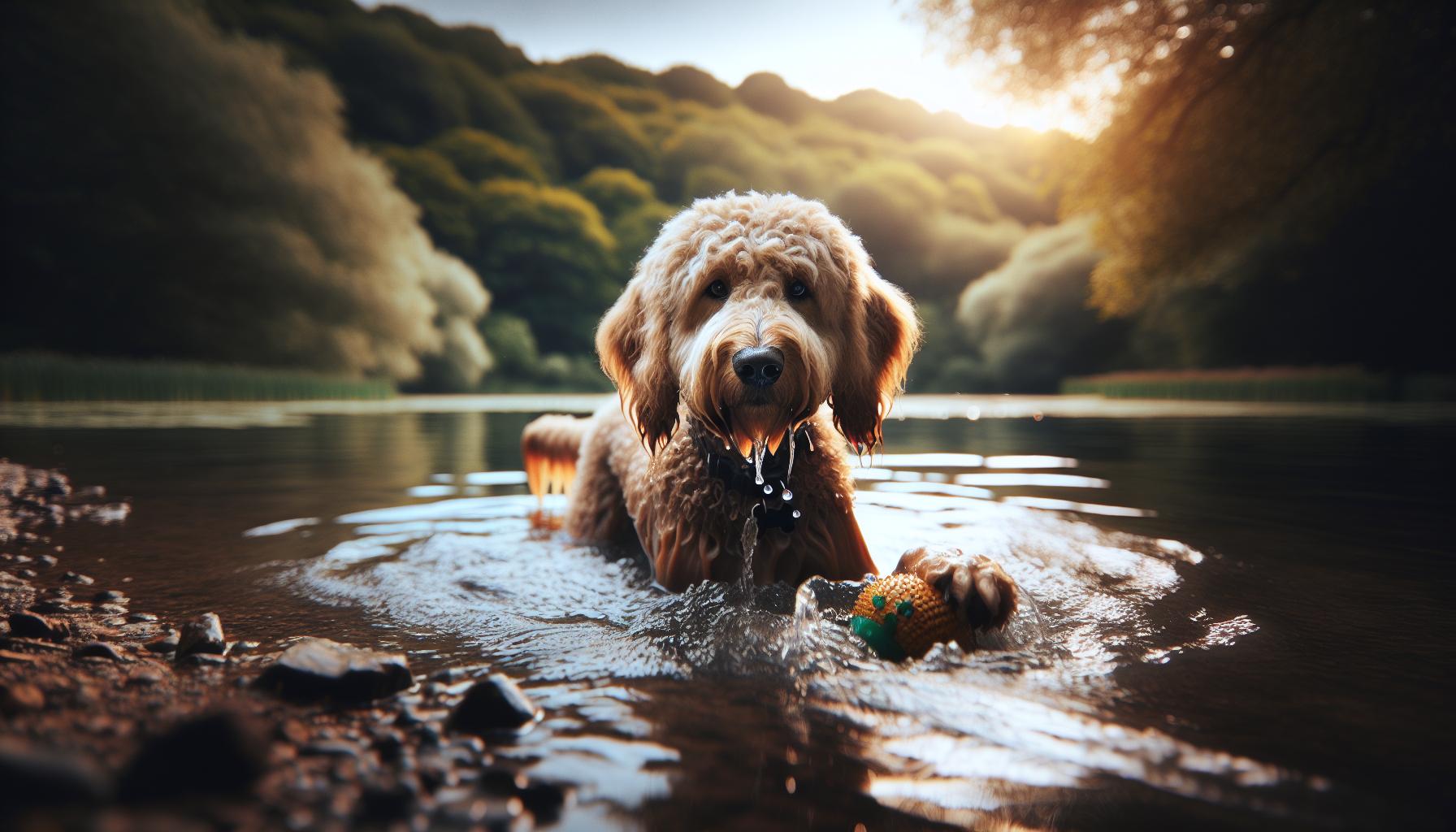
Labradoodles are often considered natural swimmers, a trait that stems from their lineage and inherent instincts. Bred as a cross between the Labrador Retriever and the Poodle, they inherit strong swimming capabilities from the Labrador side, which is a breed well-known for its love of water. Labradors were originally developed as hunting dogs, specifically to retrieve game from the water, which imbues them with incredible aquatic instincts. This heritage suggests that many Labradoodles are naturally inclined to take to the water with enthusiasm and grace.
When engaging with water, Labradoodles often display a playful spirit paired with confidence. Many owners report that their Labradoodles jump into pools, lakes, or the ocean with little hesitation, showcasing their instinctual desire to swim. Individual personalities may vary, but it’s common to see these dogs using their powerful limbs and streamlined bodies to navigate water with ease. Observing your Labradoodle’s reactions to water can give you insights into their comfort level; some may delight in splashing around, while others may take a more cautious approach.
To nurture this instinct and ensure a positive experience, introduce your Labradoodle to water gradually. Start with shallow spaces where they can wade and play without feeling overwhelmed. Positive reinforcement through treats and praise will encourage their confidence and eagerness to explore. Moreover, it’s essential to monitor their body language for signs of enjoyment or anxiety, allowing you to tailor their water experiences to suit their needs. By understanding these natural instincts, you can foster a healthy, adventurous relationship between your Labradoodle and water activities.
The History of Labradoodles: Bred for Versatility

The Labradoodle is a fascinating blend of two distinct breeds-the Labrador Retriever and the Poodle-each known for their unique versatility and aptitude. This hybrid was first bred in Australia in the late 1980s, primarily aimed at creating a hypoallergenic service dog that could assist individuals with disabilities, particularly those allergic to dog fur. The breeding of Labradoodles was not just a stroke of luck; it was a thoughtful process to harness the best traits from both parent breeds, making these dogs adaptable to various roles, including as companions, therapy animals, and, yes, even water-skimming enthusiasts.
Labrador Retrievers are renowned for their love of water, having been developed for hunting. Their history traces back to the icy shores of Newfoundland, where they adeptly retrieved waterfowl from both land and water. This intrinsic passion for swimming and diving was a crucial trait passed down to Labradoodles, influencing their enjoyment of aquatic activities. On the other hand, Poodles are not only intelligent and highly trainable but also natural swimmers, historically used in hunting settings for retrieving game from water. Thus, the Labradoodle combines these characteristics, often displaying an affinity for swimming based on their lineage.
Today, many Labradoodles enthusiastically engage in water activities, whether it’s fetching a ball or splashing through the surf. This joyful approach to water sports can be attributed to their history as versatile working dogs. Owners report that Labradoodles hardly shy away from water-many jump into pools or lakes without hesitation. However, it’s essential to remember that each dog’s temperament and instinct will vary, and some may require a gentler introduction to aquatic environments. To ensure a positive swimming experience for your Labradoodle, owners can utilize their natural instincts and adaptability by gradually introducing them to water and monitoring their reactions.
In summary, the Labradoodle’s rich heritage as a combination of two water-loving breeds makes them excellent candidates for water activities. With patience and positive reinforcement, new and seasoned owners alike can unlock the aquatic potential of their Labradoodles, allowing these versatile dogs to thrive in various environments. Whether your Labradoodle is a natural swimmer or a cautious player in the water, understanding their history can deepen the bond you share while ensuring fun, engaging experiences together.
Physical Traits that Influence Aquatic Skills
Labradoodles come equipped with a fascinating blend of physical traits inherited from their parent breeds, the Labrador Retriever and the Poodle, which greatly enhance their aquatic capabilities. One standout characteristic is their water-resistant coat. Labradoodles often possess a coat texture that can be wavy or curly, similar to that of a Poodle, which helps to repel water and keeps them warmer while swimming. This trait, combined with the Labrador’s thick, water-repellent double coat, gives Labradoodles an advantage in aquatic environments.
Additionally, Labradoodles inherit strong, powerful limbs-traits from both parent breeds that enable them to swim efficiently. Their muscular build allows for propelling through water, making it easier for them to engage in energetic swimming sessions. The webbed feet, a common trait in many retrievers, also play a significant role by providing increased surface area for paddling, allowing for a more effective swimming motion. This combination of physical features means Labradoodles can navigate water with confidence and agility.
Understanding Their Instincts
It’s not just their physical structure that makes Labradoodles great in the water; they also have a keen instinct that drives their love for aquatic play. The affectionate and social nature of Labradoodles encourages interaction with their families in varied environments, including water. Many owners share how their Labradoodles instinctively leap into pools or lakes, reflecting their inherited passion from Labradors for fetching and swimming. This natural enthusiasm ensures that they can easily adapt to water-based activities, whether it’s splashing around or serious swimming.
To enhance your Labradoodle’s experience in the water, consider their physical health and conditioning as well. Regular exercise not only keeps them fit but also strengthens their swimming muscles, allowing for better performance during water activities. Providing positive reinforcement when they engage in swimming can help build their confidence and enjoyment, making water experiences more rewarding for both dog and owner.
In conclusion, the combination of their water-resistant coat, strong limbs, webbed feet, and instinctive love for water make Labradoodles exceptional swimming companions. Whether you’re aiming for playtime in the pool or a more serious swim, recognizing and cultivating these traits can lead to joyful aquatic adventures.
Do Labradoodles Love Water? Signs to Look For
It’s no secret that Labradoodles, with their playful and affectionate nature, are drawn to water like magnets. Whether it’s a kiddie pool in the backyard or a nearby lake, many Labradoodles display an enthusiastic love for aquatic play. Recognizing the signs that your Labradoodle loves water can enhance your bonding experiences and ensure you make the most of water-based activities together.
Some common signs that your Labradoodle has a preference for water include:
- Excitement Around Water: If your Labradoodle eagerly bounces around whenever they are near a pool, lake, or ocean, it’s a strong indicator of their excitement for water play. They might even wag their tail furiously or bark in anticipation.
- Involuntary Leaps: Many Labradoodles exhibit a tendency to jump or dive straight into the water, showing a spontaneous action that reflects their natural affinity for swimming. This is often seen during outings when they spot water sources.
- Retrieving Behavior: If your Labradoodle loves to fetch sticks, balls, or other toys thrown into the water, it’s a clear sign they relish swimming. This behavior is deeply rooted in their retriever instincts and can be encouraged through training.
- Curiosity and Exploration: A Labradoodle that actively investigates water-splashing around or digging by the water’s edge-demonstrates curiosity and a desire to engage with it. This can include lying down in shallow water or making funny faces as they interact with waves.
Understanding these signs helps you create a positive environment for your Labradoodle’s aquatic experiences. When planning water activities, consider their comfort and safety. Gradually exposing them to water-starting with shallow areas and always providing positive reinforcement-will build their confidence. Pay attention to their body language to ensure they remain comfortable and relaxed during these interactions.
In summary, the signs that your Labradoodle loves water are quite evident if you know what to look for. By acknowledging their enthusiasm and allowing them to explore, you set the stage for rewarding aquatic adventures that strengthen your bond as a team. Whether splashing in a lake or fetching toys from a pool, these moments will enhance your Labradoodle’s joy for water and enrich your time together.
Training Your Labradoodle for Water Activities
Labradoodles are not just playful companions; they are also natural swimmers thanks to their lineage from the Labrador Retriever, a breed known for its aquatic abilities. To make the most of your time by the water, it’s essential to train your Labradoodle specifically for these activities. Whether your pup is a seasoned swimmer eager for aquatic adventures or a hesitant first-timer, a few training techniques can ensure a safe and enjoyable experience for both of you.
Start by introducing your Labradoodle to water gradually. If you’re near a pool, lake, or beach, let them explore the area without pressure. A great tip is to use a long leash during this introduction, allowing them to feel comfortable while ensuring their safety. Once they’re accustomed to being near the water, try playing with toys that float. This not only will spark their interest but also encourage a retrieval instinct, enhancing their desire to swim. If they show even a hint of enthusiasm, reward them with praise or treats to reinforce positive behavior.
Building Confidence in Water
Once your Labradoodle is comfortable near the water, it’s time to facilitate their swimming confidence. Start in shallow areas where they can stand and get used to the sensation of water without feeling overwhelmed. Encourage them to paddle while standing to familiarize them with the swimming motion. You might even consider getting into the water yourself to model the behavior; dogs often mirror their owners!
Keep in mind that the key to effective training is consistency and positive reinforcement. If your Labradoodle hesitates, do not force them. Instead, create scenarios where they can succeed, such as retrieving toys or following you as you swim alongside them. Celebrate small milestones, as this builds their confidence over time. Remember, patience is crucial; every dog learns at their own pace!
Essential Training Tips
To help you train your Labradoodle for aquatic activities, here are some straightforward tips you can implement immediately:
- Start Slow: Gradually increase their exposure to water to avoid overwhelming them.
- Use Positive Reinforcement: Praise and reward your dog for every step they take towards comfortable swimming.
- Involve Play: Incorporate toys to keep the experience fun and engaging.
- Model Behavior: Show them how to swim by getting in the water yourself.
With a thoughtful approach to training, your Labradoodle can become a confident swimmer and a joyful participant in water activities. Whether you’re fetching balls at the beach or splashing around in your backyard, the bond you form through these shared adventures will be immensely rewarding.
Safety First: Precautions for Swimming with Labradoodles
When it comes to water activities, ensuring your Labradoodle’s safety is a top priority. These dogs may have a natural affinity for swimming, but like any breed, they require careful supervision and preparation to have a safe and enjoyable experience. Understanding the unique needs of your Labradoodle while they’re splashing about not only keeps them healthy but also enhances the fun for both of you.
Before heading to the water, it’s essential to assess the swimming environment. Check for potential hazards such as strong currents, sharp objects, or excessive algae, which could pose health risks. Always choose a safe location-preferably one designated for pets-to minimize the chances of accidents. Keeping a watchful eye on your Labradoodle while swimming is crucial, as even experienced swimmers can encounter difficulties. Having a well-fitted life jacket can greatly enhance safety, especially for puppies or adult dogs who are new to swimming.
Hydration should not be overlooked while your Labradoodle enjoys their aquatic adventures. Swimming can be exhausting, so ensure they have access to fresh water at all times to prevent dehydration. Additionally, consider the temperature of the water; dogs can overheat just as easily as humans, so take frequent breaks and watch for signs of fatigue. If your Labradoodle starts to tire, it’s best to encourage them to take a break and acclimate to cooler surroundings.
Lastly, keeping your Labradoodle clean after a swim is important. Rinse them off thoroughly to remove chlorine or saltwater, which can irritate their skin and coat. Dry their ears well to prevent infections, as moisture can lead to ear problems, especially in breeds with floppy ears like Labradoodles. By taking these precautions, you’re not only ensuring a safe swimming experience but also fostering a love of water activities that can strengthen the bond between you and your furry friend.
Fun Water Activities for Labradoodles and Owners
There’s nothing quite like watching a Labradoodle leap joyfully into water, their fur glistening as they paddle and splash with utter delight. These intelligent and sociable dogs not only enjoy swimming but also thrive in water-based activities that can enhance their physical health and strengthen the bond between you and your furry companion. Engaging your Labradoodle in fun aquatic activities creates a fantastic environment for play and exercise while also helping them build confidence in the water.
A perfect way to start is with a simple game of fetch at the lake or a pool. Toss a durable, waterproof toy like a Chuckit! Ball into the water and watch your Labradoodle swim out to retrieve it. This not only boosts their stamina but also plays into their love for retrieving, thanks to their heritage from both Labrador Retrievers and Poodles. Additionally, setting up a splash pad in your backyard can provide endless fun, especially during warmer seasons. Use a kiddie pool or sprinkler to invite your Labradoodle for splashy playtimes; it’s a great way to introduce them to water in a controlled environment.
Swimming Races and Obstacle Courses
Why not turn swim time into a challenge? Organize swimming races between your Labradoodle and their canine friends to add a competitive twist to their water play. This not only encourages exercise but also socialization among dogs. If you’re feeling creative, you can design an obstacle course using pool floaties and other safe items. Have your dog navigate through the obstacles to reach a tasty treat or toy at the end, making it both a mental and physical workout.
Water Sports and Activities
Diving into more structured activities can provide even more excitement. Many Labradoodles will enjoy dock diving-a sport where dogs jump off a dock into the water to fetch a toy. This can be adapted even for home use with a sturdy poolside setup. Alternatively, consider paddleboarding with your Labradoodle; these adventurous pups often find it exhilarating to ride along with you on calm waters, giving them a unique experience while you bond further.
By participating in these fun water activities, you’ll see your Labradoodle’s confidence in the water grow, enriching their life with plenty of stimulation and joy. As always, remember to have fun and be patient, allowing your dog to acclimatize to activities at their own pace, ensuring every splash is a happy one!
How to Introduce Your Labradoodle to Water
Introducing your Labradoodle to water can be a delightful experience filled with splashes, wagging tails, and a lot of fun! These affectionate dogs often have a natural affinity for water, owing to their lineage as a mix of Labrador Retrievers and Poodles. However, a gentle introduction is essential to help them build confidence and enjoy the aquatic adventures ahead.
Start by choosing a calm and safe environment, such as a shallow pool or a quiet lake. Before heading to the water, make the experience exciting by bringing along their favorite toys. Consider getting a floating toy that can easily bob on the water surface, enticing your Labradoodle to engage. Begin the process by allowing your dog to explore the water’s edge, sniffing and getting familiar with the surroundings without any pressure to jump right in. This initial exploration is crucial as it helps them understand that water is a safe and enjoyable place.
Once your Labradoodle appears comfortable, encourage them to take the plunge! You might get into the water yourself to lead by example, creating a fun atmosphere. Using treats can also be an effective motivator. Toss a few treats or toys just a short distance into the water, coaxing them to retrieve it. If your dog hesitates, give them time and space to process the situation, as patience is key. Always keep sessions short and positive, gradually increasing the water exposure as they gain more confidence.
Signs Your Labradoodle is Ready to Swim
It’s essential to pay attention to your Labradoodle’s body language throughout this process. Look for these positive signs indicating they’re ready to swim:
- Curiosity: If they eagerly approach the water, sniffing or splashing their paws, that’s a good sign they’re interested.
- Playfulness: If they engage with toys and seem excited about fetching, they are likely ready to take the plunge.
- Relaxation: Watch for signs of relaxation; a calm demeanor suggests comfort with the water environment.
If your Labradoodle displays uncertainty or anxiety, take a step back. Use positive reinforcement, praise, and treats to reassure them, thus reinforcing the perception that water is a fun place. Building their confidence slowly will help ensure that swimming becomes a fun, regular activity for years to come! By doing so, you’ll be nurturing not just their swimming skills, but also a meaningful bond between you and your furry friend.
Comparing Swimming Abilities: Labradoodles vs Other Breeds
When it comes to swimming, Labradoodles often surprise owners with their capabilities, but how do they measure up against other breeds known for their aquatic prowess? As a cross between a Labrador Retriever, one of the most enthusiastic water-loving breeds, and a Poodle, which is also a strong swimmer, Labradoodles inherit a blend of traits that make them competent swimmers. While not all Labradoodles will instinctively leap into the water, many have a strong affinity for it, influenced by their lineage.
In comparison to breeds like Labradors or Golden Retrievers, which are celebrated for their exceptional swimming abilities, Labradoodles can hold their own, particularly when it comes to playfulness and eagerness to fetch in water. However, their swimming style may vary depending on the individual dog’s confidence and introduction to water. For instance, while a Labrador might dive headfirst into the waves, a Labradoodle might take a more cautious approach, especially if they are not familiar with the water.
It’s essential to understand that while Labradoodles have the potential to be wonderful swimmers, their experience may not mirror that of breeds bred specifically for water activities. Training and early exposure play crucial roles in enhancing their natural abilities. For instance, introducing them to water gradually and associating it with fun activities, like retrieving toys, can bolster their confidence and swimming skills over time. By contrasting their capabilities with other breeds, you can tailor your training strategies, focusing on the unique traits of your Labradoodle.
Ultimately, all dogs are individuals, and factors like personality, prior experiences, and genetics significantly influence their swimming abilities. Whether you’re planning a beach day or a pool party, knowing how your Labradoodle compares to other water-friendly breeds can help you create a safe and enjoyable aquatic experience for your pet. With patience and encouragement, you may find that your Labradoodle becomes just as enthusiastic about swimming as their purebred counterparts!
Health Considerations for Water-Dwelling Labradoodles
When it comes to our water-loving Labradoodles, it’s essential to consider their health, especially when swimming or participating in water-related activities. These dogs, being a delightful mix of Labrador Retriever and Poodle, often revel in water, yet they face unique health considerations that every owner should be aware of. Whether you’re planning a fun day at the beach or a backyard splash party, ensuring your Labradoodle is healthy and safe in the water is paramount.
One of the primary health concerns for swimming Labradoodles is ear infections. Due to their floppy ears, water can easily become trapped in the ear canal, leading to potential irritation and infections. To mitigate this risk, it’s advisable to dry your Labradoodle’s ears promptly after swimming. Check their ears regularly for signs of redness or odor, indicating a possible infection. As a precaution, you can also use vet-recommended ear drying solutions to keep their ears as dry as possible.
Another concern is the risk of ingesting contaminated water, particularly in lakes or oceans. Parasitic infections and gastrointestinal issues could arise from bacteria or chemicals in the water. To reduce this risk, always monitor the water quality of the swimming area and discourage your dog from drinking large amounts of water while swimming. Providing plenty of clean, fresh water nearby can help satisfy their thirst without turning to potentially unsafe sources.
Furthermore, physical condition plays a significant role in your Labradoodle’s swimming abilities. Regular vet check-ups will help ensure your dog is in good health, as conditions such as hip dysplasia or obesity can impact their agility and stamina in water. Engaging them in regular exercise, not only in the water but also on land, supports muscle strength and contributes to their overall fitness.
Lastly, it’s wise to consider their paw health. Swimming in natural environments can expose their paws to rough surfaces, sharp objects, or even parasitic organisms. After every swim, examine their paws for any signs of cuts or abrasions; ensuring their pads are healthy is essential for both land and water activities.
By keeping these health considerations in mind and implementing preventive measures, you can ensure that your Labradoodle enjoys their aquatic adventures while remaining safe and healthy. Embrace the joys of swimming together, knowing that with the right care, your dog can thrive both in and out of the water!
Labradoodle Care Essentials for Aquatic Adventures
Taking your Labradoodle for aquatic adventures can be one of the most joyful experiences you share with them. These dogs, known for their playful and energetic nature, often exhibit instincts that make them natural swimmers. However, before diving into the fun, there are some essential care tips and preparations you should consider to enhance both their enjoyment and safety in the water.
First, it’s vital to ensure your Labradoodle is physically prepared for water activities. Regular exercise helps maintain their overall fitness, which is crucial for their stamina and agility while swimming. Consider incorporating swim sessions into their exercise routine, starting slowly and gradually increasing the duration and intensity. This can help build their confidence and strength in the water. Additionally, a health check with your veterinarian is important. Conditions like hip dysplasia, common in the breed, can significantly affect their swimming capabilities, so having a professional assessment is advisable.
Keeping their ears healthy is another crucial aspect of care. Floppy ears can trap water and create a breeding ground for infections. After a swim, dry your Labradoodle’s ears carefully with a soft towel, and consider using a vet-recommended ear drying solution. Regular ear checks for any signs of redness or discharge can also prevent potential issues and keep your dog comfortable.
Finally, consider the environment where you will be swimming. Always inspect the area for hazards like rough surfaces, sharp objects, or toxic algae blooms. Creating a positive experience starts with choosing a safe, clean location. Additionally, having the right gear is just as important. Consider a canine life vest, especially if your Labradoodle is new to swimming or if you’ll be in deep water. Life vests provide safety and confidence, allowing them to enjoy their time in the water without risking exhaustion or distress.
By being proactive and mindful of these care essentials, you can set the stage for a delightful aquatic experience with your Labradoodle. Watching them frolic and swim with joy is one of the many rewards of being a dog owner, so ensure both you and your furry friend are well-prepared for your adventures together!
Choosing the Right Gear for Water Activities
Taking your Labradoodle for a day of aquatic fun can be a thrilling adventure, but the right gear makes all the difference in ensuring both safety and enjoyment. When preparing for water activities, your choice of equipment can protect your dog and enhance their experience. Here are key items to consider that every Labradoodle owner should keep handy.
Canine Life Vest
A properly fitted canine life vest is essential, particularly for Labradoodles who are still getting accustomed to swimming. Life vests not only help buoyancy but also provide a sense of security, allowing your furry friend to gain confidence in the water. Look for vests with adjustable straps and a handle on the back for easy lifting if necessary.
Water Shoes
In environments like rocky shores or riverbeds, water shoes can provide protection for your Labradoodle’s paws. These shoes, designed to be lightweight and secure, can help prevent cuts or abrasions while they are splashing about. Ensure they fit snugly to avoid slipping off while swimming.
Towel and Ear Drying Solutions
After swimming, drying your Labradoodle is crucial, especially for those floppy ears that can trap water. Keep a soft, absorbent towel on hand to dry their body and ears thoroughly. Additionally, using a vet-recommended ear drying solution can help prevent ear infections, which are common in water-loving breeds like Labradoodles.
Hydration and Treats
While you’re enjoying a water-filled day, don’t forget hydration! Bring along fresh water and collapsible bowls to keep your Labradoodle hydrated between swims. You might also pack some high-value treats to reward them after successful swims or as a positive reinforcement during training sessions.
Safety Checklist
To ensure you have everything covered for a safe aquatic experience, refer to this checklist:
- Canine Life Vest – for safety and buoyancy
- Water Shoes – to protect paws on rough surfaces
- Soft Towel – for drying off post-swim
- Ear Drying Solution – to prevent infections
- Fresh Water and Bowl – to keep your Labradoodle hydrated
- High-Value Treats – for rewards and encouragement
By equipping yourself and your Labradoodle with the appropriate gear, you can ensure an enjoyable and safe water adventure. Not only does the right equipment enhance the swimming experience, but it also reinforces your bond with your furry friend as you embark on fun experiences together!
Faq
Q: Are Labradoodles good swimmers?
A: Yes, Labradoodles are generally good swimmers due to their physical traits and instincts. Being a mix of Labrador Retrievers, who are known for their swimming abilities, and Poodles, they often enjoy water and can excel in aquatic activities with proper introduction and training.
Q: What are the benefits of swimming for Labradoodles?
A: Swimming provides excellent exercise for Labradoodles, promoting physical health and muscle strengthening without impacting their joints. It also helps in cooling them down in hot weather and can improve their social skills when they swim with other dogs.
Q: How can I tell if my Labradoodle likes water?
A: Signs that your Labradoodle enjoys water include eager behavior when near water, splashing, and playful jumping in. Additionally, if they retrieve toys thrown in the water or swim without hesitation, these are clear indicators of their affinity for aquatic activities.
Q: Should I be concerned about my Labradoodle’s swimming ability?
A: While most Labradoodles are natural swimmers, individual comfort levels vary. Monitor your dog’s behavior, and if they appear nervous around water, consider building their confidence gradually and ensuring safety with flotation devices if necessary.
Q: Can Labradoodles be trained to love water?
A: Yes, Labradoodles can be trained to enjoy water. Start by introducing them gradually to shallow water and using positive reinforcement. Engage in fun activities like fetching toys or using a splash pool to encourage their comfort and excitement around water.
Q: What precautions should I take when swimming with my Labradoodle?
A: Ensure your Labradoodle is supervised at all times while swimming and provide them with a life jacket if they are inexperienced. Avoid busy water areas to minimize stress and keep a first aid kit handy for any minor injuries.
Q: Are there specific breeds that Labradoodles swim better than?
A: While Labradoodles are strong swimmers, they may swim better than small, brachycephalic breeds like Bulldogs, which struggle due to their physical structure. However, they may not outswim all working breeds, such as Newfoundlands, which are exceptional water rescue dogs.
Q: How can I keep my Labradoodle safe during water activities?
A: To keep your Labradoodle safe during water activities, make sure they are well-hydrated, take regular breaks, and are not pushed beyond their limits. Always have a safety plan in place and ensure their swimming area is free of hazards or strong currents.
Wrapping Up
As we’ve explored, Labradoodles bring a unique blend of traits that can make them quite the aquatic companions. While not traditionally classified as water dogs, their love for swimming and playful nature means they can thrive in the water with the right training and supervision. If you’re considering making a splash with your Labradoodle, be sure to check out our articles on “Top Water Activities for Your Labradoodle” and “Essential Swim Safety Tips for Dogs” for expert insights and practical tips.
Don’t wait to dive into an enriching experience with your furry friend-get started today! If you have any lingering questions or want personalized advice, feel free to leave a comment below. Your journey with your Labradoodle is just beginning, and we’re here to support you every step of the way. Explore our site for more dog care resources, and don’t forget to sign up for our newsletter for the latest updates and exclusive content!