Poodles are not just intelligent and elegant; they can also make fantastic family pets! With their playful energy and gentle temperament, many parents wonder, “Are poodles good with kids?” This guide delves into the family-friendly nature of poodles, offering insights into their social behaviors, adaptability, and nurturing instincts that can enrich family life. The bond between children and pets can foster empathy, responsibility, and joy, making it crucial to understand how various dog breeds interact with kids. Whether you’re considering a poodle for your home or simply curious about their compatibility with young ones, you’ll find valuable information here that will help you make informed decisions. So, get ready to discover the unique characteristics of poodles and why they could be the perfect playmate for your child!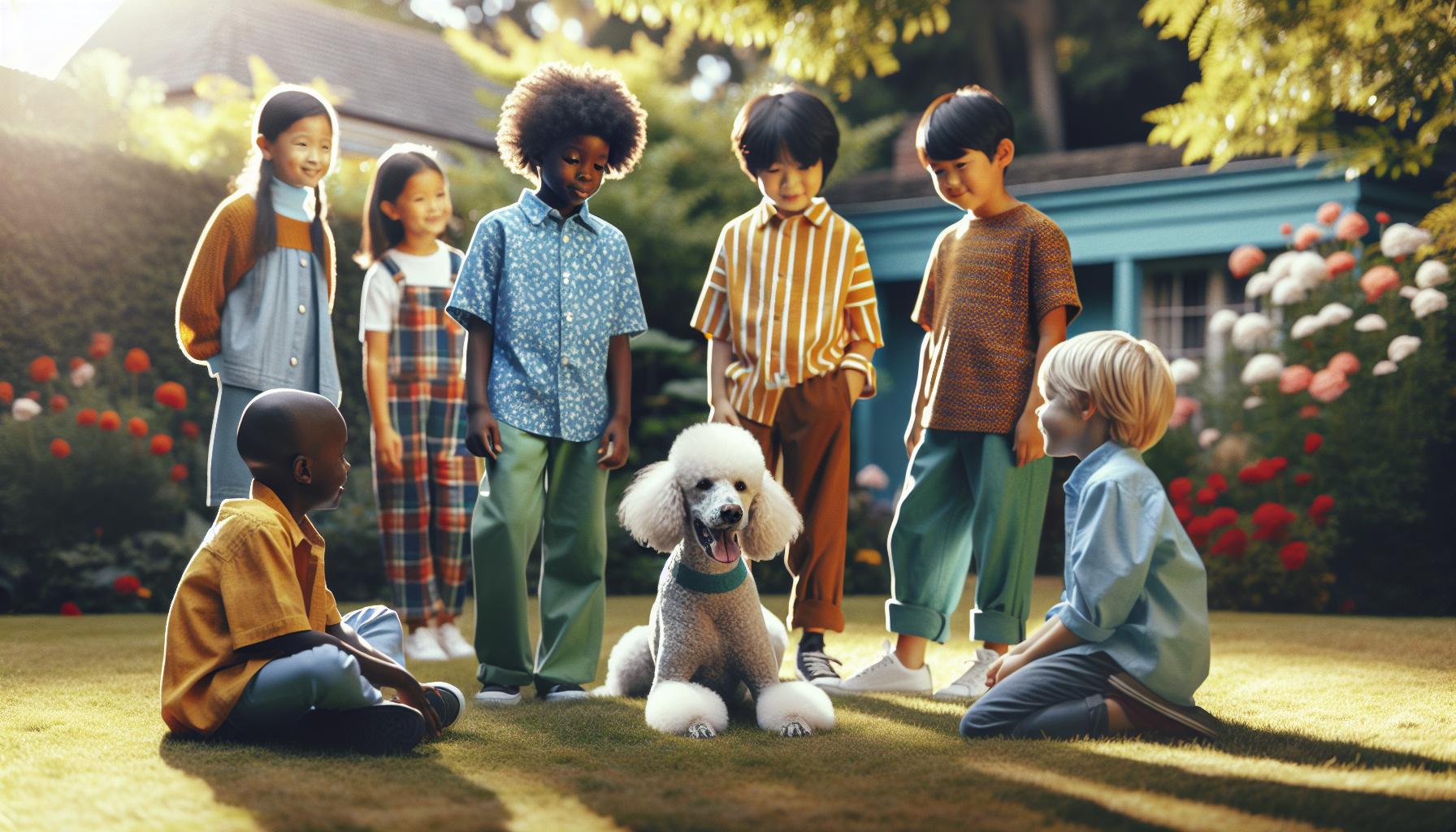
Understanding Poodle Temperament Around Children
Poodles are renowned for their friendly disposition, making them particularly suitable for households with children. Known for their playful and intelligent nature, Poodles often exhibit an affectionate temperament that meshes well with the energy levels of kids. They typically demonstrate patience and gentleness, which is essential when interacting with little ones, as they can often be unpredictable and exuberant. Moreover, Poodles have a natural instinct for companionship, which makes them eager to participate in family activities, fostering strong bonds with children.
To ensure a harmonious relationship between Poodles and children, it’s vital to understand that early socialization plays a significant role. Introducing a Poodle to various situations, environments, and interactions with children at a young age helps them adapt and respond positively. Regular exposure to different voices, movements, and behaviors aids in developing their confidence, reducing the likelihood of anxiety when faced with the sometimes chaotic nature of family life. Encouraging interactions that promote gentle play, alongside supervision to guide both dog and child, can help reinforce positive behavior and mutual respect.
Additionally, Poodles are known for their intelligence, making them highly trainable. Teaching your Poodle basic commands such as “sit,” “stay,” and “gentle” can make interactions with children safer and more enjoyable. Establishing rules around playtime and treating can greatly enhance the Poodle’s awareness of boundaries, ensuring that both the dog and children learn to engage in a fun yet respectful manner. As a result, families can enjoy a nurturing environment where both children and dogs thrive together.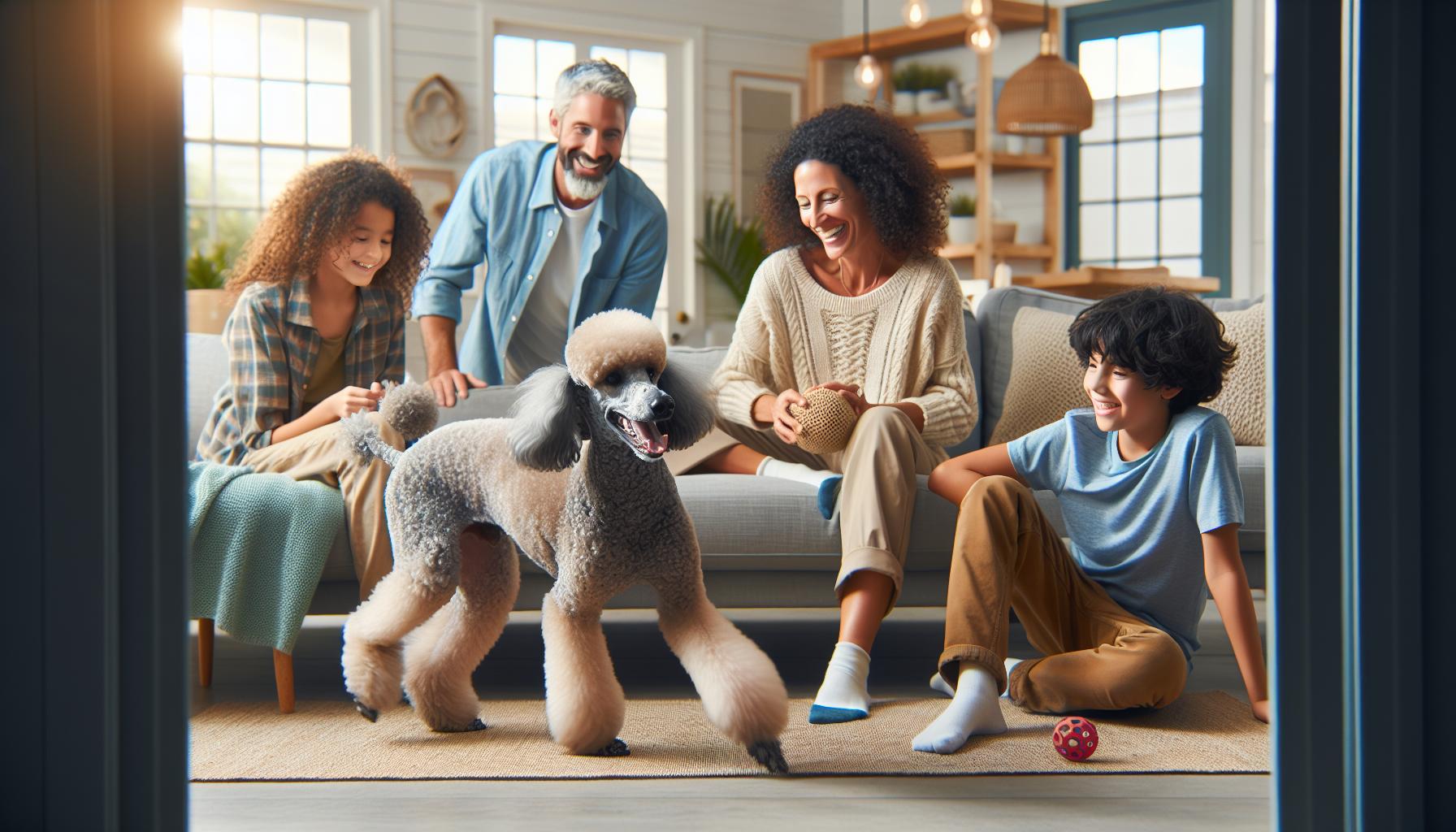
Why Poodles Are Ideal Family Pets
Poodles are often celebrated not just for their stylish looks but also for their incredible compatibility with family life, especially when children are involved. These spirited dogs rank high on the list of ideal family pets due to their gentle temperament, unwavering loyalty, and playful energy. A well-trained Poodle is not only a source of joy and laughter but also a protective companion for children, patiently engaging in their adventures while fostering resilience and strong emotional bonds.
One of the standout features of Poodles is their natural affinity for social interaction. They thrive in a busy household filled with activity, making them the perfect playmates for children. Because Poodles are highly intelligent dogs, they can quickly learn and adapt to the dynamics of a family. Whether it’s participating in games of fetch, tag, or simply lounging during family movie nights, Poodles integrate seamlessly into family routines. Their eagerness to be involved means they often become integral to family activities, further enriching the companionship between pets and kids.
Furthermore, Poodles possess an innate sensitivity that makes them exceptionally aware of the emotions of those around them. This quality nurtures a compassionate relationship, allowing them to respond appropriately to a child’s needs. For instance, if a child is feeling down, a Poodle might instinctively provide comfort with gentle nudges or by curling up beside them. This emotional intelligence not only helps teach children valuable lessons about empathy and care but also ensures that the family environment remains harmonious and supportive.
When considering whether to welcome a Poodle into your home, it’s crucial to recognize that, like all pets, they require purposeful training and socialization to thrive. Setting clear expectations for behavior and creating structured routines will ensure that both the Poodle and the children understand their roles in the household. Regular family activities not only foster positive interactions but also facilitate learning and reinforcement of good behavior. With love, patience, and the right guidance, Poodles can become cherished members of any family-a blend of joy, intelligence, and affection that enriches the lives of everyone involved.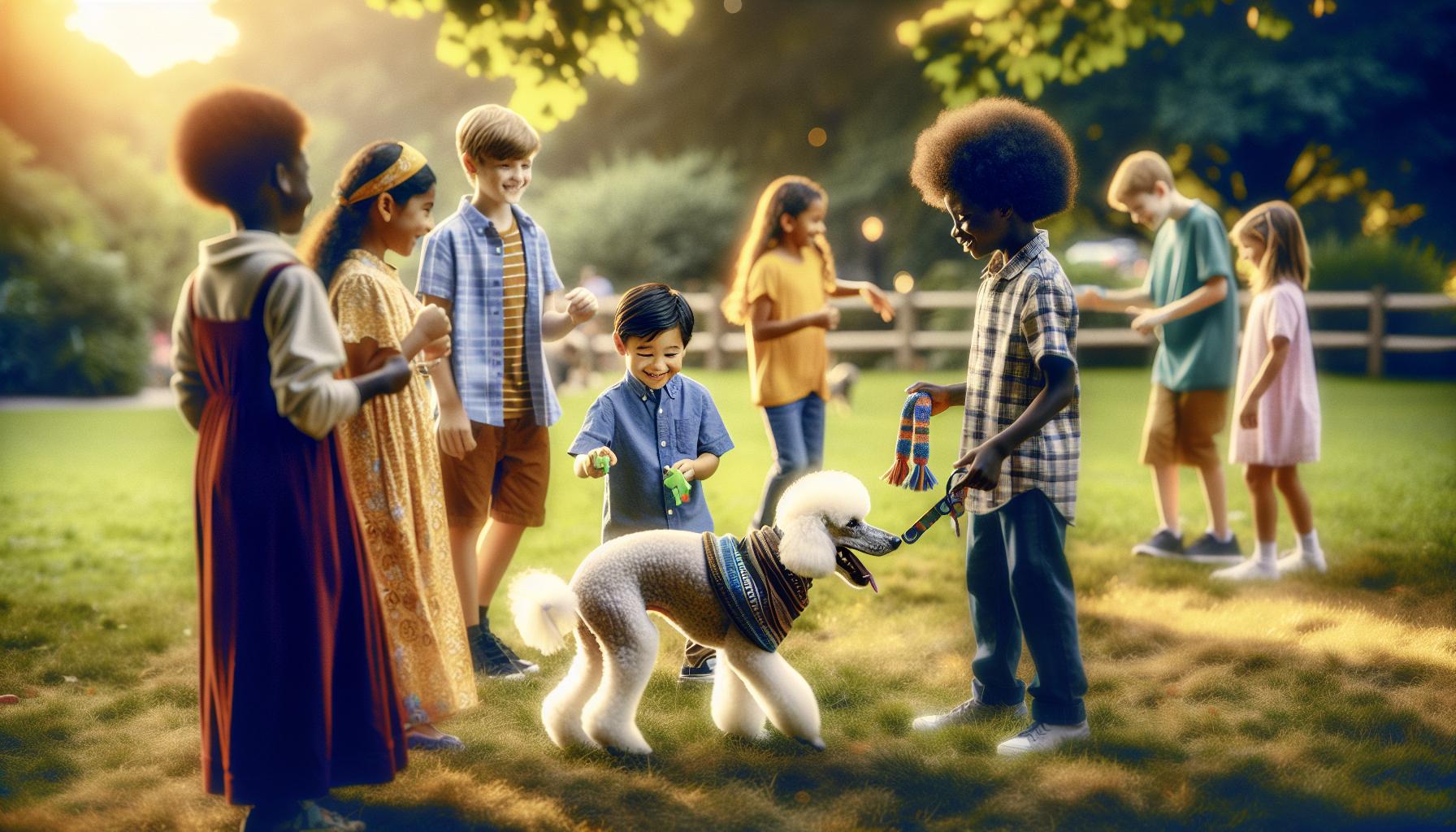
Socialization Tips for Poodles and Kids
Creating a harmonious environment for both your Poodle and your children starts with effective socialization. From their puppy days, Poodles benefit immensely from early exposure to various people, environments, and experiences. Socialization helps them develop confidence and adaptability, making them more comfortable around active, sometimes unpredictable kids. A well-socialized Poodle is likely to be more patient, tolerant, and playful with children, enhancing family dynamics.
To facilitate successful socialization, consider these practical tips:
- Positive Experiences: Introduce your Poodle to children gradually. Supervise interactions to ensure they are positive. Use treats and praise to reward calm behavior, reinforcing that children are a source of fun and joy.
- Structured Playdates: Organize playdates with children of various ages. This exposure teaches your Poodle how to interact with kids who may be loud or quick-moving. Observe their body language to ensure they’re comfortable.
- Training Classes: Enroll your Poodle in training classes that also allow for controlled interactions with children. This environment provides valuable lessons on obedience and social skills while promoting their confidence.
- Visit Parks or Community Events: Take your Poodle to family-friendly events or parks where they can meet kids and other dogs. The diversity of experiences reinforces their social skills and diminishes fear of new situations.
Consistent, gentle reinforcement will help your Poodle learn how to navigate their interactions with children effectively. Every family member can participate in this socialization process, enhancing the bond between the Poodle and your kids. This teamwork not only fosters trust but also establishes boundaries for acceptable behaviors, crucial for both child and dog safety. Over time, these positive interactions will help your Poodle become a beloved family companion that loves playing with your children.
Poodle Sizes: Which is Best for Families?
When selecting the perfect Poodle for your family, understanding the differences between their sizes is essential. Poodles come in three main varieties: Standard, Miniature, and Toy, each offering unique advantages and personality traits that can impact their compatibility with children and family life.
The Standard Poodle, the largest of the three, typically weighs between 40 to 70 pounds and stands over 15 inches tall at the shoulder. Their size often translates into a calm and steady demeanor, making them excellent companions for older children who can interact with them in more dynamic ways, such as playing fetch in the yard or joining for a run. Their intelligence and adaptability make them easy to train, fostering an environment where they can thrive alongside active families.
Miniature Poodles, weighing between 15 to 17 pounds and measuring around 10 to 15 inches tall, strike a balance between size and playfulness. They are highly energetic and can engage enthusiastically with kids, often becoming a child’s best friend. Due to their medium size, they can comfortably navigate both small and larger living spaces, making them suitable for families who may live in apartments or homes with limited yard space. Their affectionate nature can help strengthen bonds with children during quiet home activities or energetic play alike.
Finally, the Toy Poodle, the smallest variation weighing 4 to 6 pounds and standing about 10 inches tall or less, is incredibly charming and playful. While their tiny size makes them adorable companions, they require careful supervision around younger children who may inadvertently play too roughly. However, a well-socialized Toy Poodle can bring joy and laughter into a home, thriving on companionship and becoming closely attached to family members.
When choosing the best Poodle for your family, consider your children’s ages and activity levels, along with your living circumstances. Families with younger children may find that a Standard or Miniature Poodle provides the resilience and playfulness needed for companionship. In contrast, families looking for a delightful yet more manageable pet may lean towards a Toy Poodle. Regardless of the choice, early socialization and consistent training are key to ensuring any Poodle becomes a loving, integrated member of your family.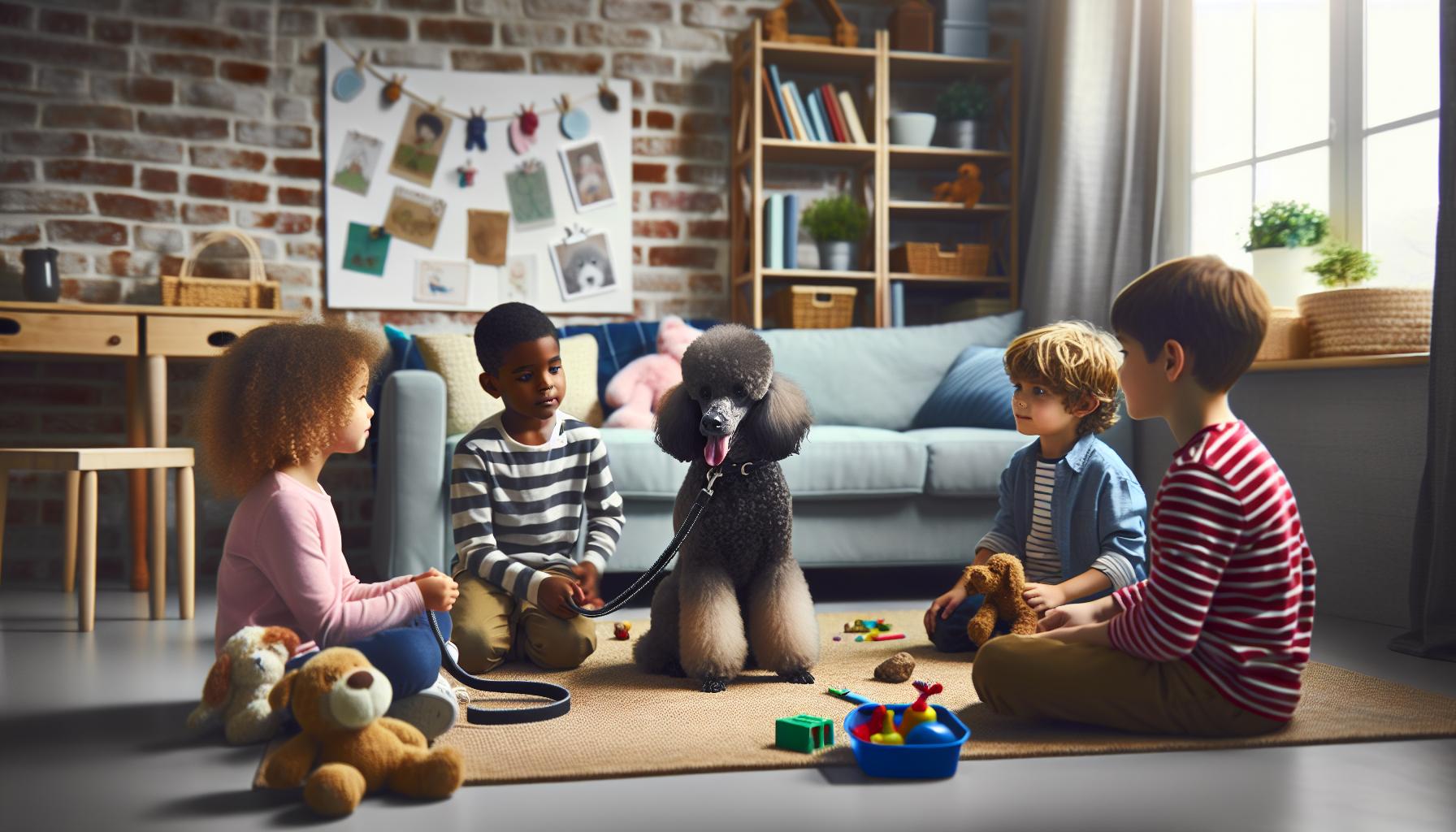
Training Your Poodle for Child Interaction
Training a Poodle to interact positively with children can be a rewarding experience for both the dog and the family. Poodles are intelligent and eager to please, which makes them generally responsive to training and commands. However, instilling proper behavior from a young age is crucial, especially with the lively energy children bring into a household. A well-trained Poodle can enjoy harmonious playtimes and become a trusted companion to your kids.
Start by introducing basic commands such as sit, stay, and come. Training sessions should be short, engaging, and fun to hold your Poodle’s attention. Incorporating treats and positive reinforcement can significantly enhance the learning process. For instance, reward your Poodle immediately when they follow a command correctly, creating a positive association. Moreover, practice these commands in varying environments, including places where your children play. This versatility ensures your Poodle learns to obey commands regardless of distractions.
It’s also important to expose your Poodle to children gradually. Begin with short, supervised interactions where kids can calmly approach and gently pet the dog. Encourage your children to use soft voices and slow gestures to avoid startling the Poodle. If your Poodle exhibits signs of anxiety, such as hiding or barking excessively, praise them for calm behavior and allow them to take breaks as needed. This process helps them adapt to the liveliness of children, teaching them how to react positively in these situations.
As your Poodle becomes more comfortable, involve your children in the training process. Kids can learn to give commands or offer treats, fostering a bond of trust and teamwork. Not only do they learn responsibility, but they also gain a deeper appreciation for the Poodle’s communication cues. Include your children in daily walks and play to reinforce good behavior and exercise, making it a family affair. This practice not only benefits your dog’s training but also strengthens the relationship they share with your little ones, creating lasting memories and a loving family dynamic.
Signs of a Happy and Healthy Poodle
A spirited and playful demeanor is often the first sign that your Poodle is happy and healthy. Poodles are known for their lively personalities, and a wagging tail, playful barks, and an eagerness to engage in activities like fetching or playing tag are great indicators of their well-being. It’s essential to observe their body language; a confident Poodle will exhibit relaxed postures, soft eyes, and an alert but comfortable stance when interacting with family members, including children. These signs reflect not just happiness, but also a strong bond with their human companions.
A Poodle’s physical condition plays a crucial role in their happiness. Regular exercise is vital, as it keeps them physically fit and emotionally stimulated. You might notice a happy Poodle showing off their coat-glossy and well-groomed, speaking to proper care. A balanced diet, plenty of playtime, and routine vet check-ups help ensure they stay healthy and vibrant. Here are some key signs to watch for:
- Bright Eyes: Clear and sparkling eyes indicate good health.
- Active Playfulness: Enjoying games and being more inclined to play is a good sign.
- Contented Barking: A joyful bark can mean they are engaged and happy.
- Social Interaction: Seeking out human companionship and playtime shows trust and happiness.
- Good Appetite: Eating eagerly during meal times is often a sign of overall well-being.
Incorporating routine interactions with children can also enhance a Poodle’s happiness. These interactions foster trust and social stability, making both dogs and kids thrive. If your Poodle loves to snuggle after an afternoon of play or seems excited to see young family members, it highlights a deep-seated contentment and affection that is truly rewarding to witness. Remember, happiness is a two-way street-when your Poodle feels loved and secure, their joyful nature is sure to shine, enriching the family dynamic further.
Supervising Playtime: Safety Tips for Poodles and Kids
It’s a well-known fact that Poodles are not just elegant and intelligent; they also make fantastic companions for children. However, ensuring safe, joyful interactions between your Poodle and your kids is vital for nurturing a harmonious family environment. Supervision during playtime is essential to avoid any mishaps and promote a positive bond between your furry friend and your little ones. Here are some practical safety tips to keep in mind:
First and foremost, establish mutual respect between children and the Poodle. Teach your kids the basics of dog etiquette, such as approaching a dog slowly, avoiding sudden movements, and giving the dog space when they’re eating or resting. This education fosters understanding and reduces the likelihood of unintended reactions from the dog, which could occur if they feel threatened or overstimulated. Remember, a calm atmosphere encourages a friendly interaction.
Additionally, always supervise playtime regardless of the Poodle’s temperament. Even the most gentle Poodles can have moments of excitement where they might inadvertently bump into or accidentally scratch a child. Make sure to set boundaries and supervise when kids are playing tug-of-war or using toys that could be snatched away, as this can lead to frustration for the dog. Utilizing toys designed for shared play can enhance positive experiences, such as soft balls or bouncy toys that encourage gentle interaction.
Also, it’s essential to create a safe environment both indoors and outdoors. For outdoor play, consider a fenced yard or a designated play area to avoid chase incidents with neighborhood pets or wildlife. Indoors, remove any small objects that could be hazards, and ensure that play areas are free from furniture that may cause injury during energetic activities. It can be beneficial to have a quiet space where your Poodle can retreat if the energy of the kids becomes too overwhelming.
Utilizing these strategies not only ensures the safety of both your Poodle and your children but enhances their relationship. With your guidance, your Poodles will learn how to interact kindly and your children will grow up with a deep-seated appreciation for their canine companion. Safe, supervised playtime is key to fostering a loving and joyful home filled with the laughter of children and the happy barks of Poodles.
Activities to Enjoy Together: Poodles and Family Fun
Poodles are not only known for their intelligence and elegance, but they are also incredibly sociable and playful, making them ideal companions for families. Engaging in activities together fosters strong bonds between your Poodle and your children, enhancing their relationship while providing opportunities for fun and exercise. Here’s a variety of enjoyable activities that both Poodles and kids can partake in:
Outdoor Adventures
Spending time outside is a fantastic way to keep your Poodle happy and healthy while allowing your children to burn off energy. Consider organizing family outings to local parks or nature trails. Activities like fetch, frisbee, or simply running together can be exhilarating for a Poodle. Their natural herding instincts make them love to chase balls or toys, and these activities are a perfect way for kids to engage and enjoy active playtime with their furry friend.
Interactive Games
Poodles thrive on mental stimulation, so include games that challenge their intelligence and encourage bonding. Hide and seek is a simple yet effective game that kids can play with their Poodle. One child can hide somewhere while the other leads the dog on a short “search mission” to find their sibling. Alternatively, puzzle toys filled with treats can keep the Poodle entertained, and children can take turns allowing the dog to discover the rewards.
Training Sessions Together
Incorporating training into playtime can be both productive and fun. Teach your children how to help train the Poodle simple commands like sit, stay, or roll over. This not only helps the Poodle become well-behaved but also instills responsibility and camaraderie among family members. Remember to make training sessions positive with plenty of praise and treats to encourage progress.
Crafting & Creativity
Bring creativity into your Poodle’s world by setting up a DIY doggy project day. Your family can craft homemade dog toys or create fun, personalized dog bowls. Kids can also get involved in decorating a cozy dog bed or making dog-friendly treats. This hands-on experience allows children to express themselves while learning about caring for their pet.
Ultimately, while Poodles and children can have fun together, it’s crucial to supervise their interactions to ensure safety and comfort for everyone involved. By engaging in these enjoyable activities, you’ll create lasting memories that strengthen the bond between your Poodle and your family, ensuring plenty of happy moments filled with laughter and wagging tails.
Common Poodle Health Issues and Family Care
Owning a Poodle can bring immense joy to your family, but like any breed, they have specific health concerns that prospective owners should be aware of to ensure a happy and thriving pet. Poodles, known for their lively spirit and intelligence, can be prone to certain genetic health issues, which makes understanding these concerns crucial for any family considering one of these delightful dogs.
One common health issue in Poodles is hip dysplasia, a genetic condition where the hip joint doesn’t fit into the hip socket properly, potentially causing pain and movement difficulties. Regular check-ups with a veterinarian and maintaining a healthy weight can greatly reduce the impact of this condition. In addition, Poodles may be susceptible to certain skin conditions, such as allergies or infections, often exacerbated by their dense, curly coats. Keeping their fur clean, well-groomed, and free of mats can lower the risk of skin problems.
Another concern is progressive retinal atrophy (PRA), a genetic eye disorder that leads to vision loss. While symptoms may not manifest until later in life, it is important for families to have their Poodle’s eyesight regularly checked, especially as they grow older. Incorporating routine vet visits into your family’s schedule can help catch these issues early, allowing for timely intervention and care.
When it comes to caring for a Poodle, understanding their needs is key. Regular exercise not only keeps them healthy but also contributes to their mental well-being, helping to prevent behaviors that may arise from boredom. Activities like playing fetch or interactive games can be incorporated into family life, fostering a loving bond between your children and their four-legged friend.
In summary, while Poodles can face certain health challenges, a proactive approach to their care-highlighting good nutrition, routine veterinary check-ups, and ample exercise-can ensure that your Poodle remains a healthy and cherished member of your family for years to come.
Grooming Needs: Keeping Your Poodle Family-Friendly
Caring for a Poodle involves more than just training and playtime; their unique grooming needs are vital to keeping them healthy and family-friendly. Poodles have a distinctive curly coat that requires regular maintenance to prevent matting and ensure their skin stays healthy. Regular grooming not only keeps them looking their best but also helps to bond with your children as a fun family activity.
One of the primary tasks for Poodle owners is regular brushing. It’s recommended to brush your Poodle’s coat at least two to three times a week, or even daily, to keep it tangle-free. Using a slicker brush works wonders for detangling those curls without hurting the dog’s skin. Incorporating your children into this grooming routine can be a delightful way to teach them responsibility while also building a strong relationship with their furry friend. Explain to them that this is not just about looking good; it helps keep the dog comfortable and healthy!
Regular baths are also essential, typically every four to six weeks. It’s best to use a high-quality dog shampoo formulated for Poodles, as their skin can be sensitive. After bathing, always dry them thoroughly, especially around the ears and between the pads of their paws, to prevent any dampness that could lead to skin infections. You might find it effective to have your kids help with the drying process using a cool blow dryer on a low setting, making it a fun and engaging experience.
Lastly, don’t forget about their ears, teeth, and nails. Poodles are prone to ear infections, so checking and cleaning their ears weekly is vital. Use a vet-approved ear cleaner and a cotton ball, and let your children watch and learn as you do this. Nail trimming should be done monthly, and you can involve the family by making it a team effort-one person can hold the Poodle while others trim the nails. By establishing a grooming routine that involves the entire family, your Poodle will not only look fantastic but will also thrive in a supportive and loving environment.
Alternatives to Poodles: Family Dog Comparisons
When considering a family dog, it’s essential to recognize that while Poodles are fantastic companions, they’re not the only option available. Other breeds also boast family-friendly temperaments and can integrate seamlessly into a lively household. Understanding the strengths and characteristics of alternative breeds can help you make a well-informed decision that best fits your family’s lifestyle and needs.
Golden Retriever
Golden Retrievers are renowned for their friendly and tolerant demeanor, making them a top choice for families. They are loyal, intelligent, and eager to please, which simplifies training. Golden Retrievers thrive on social interactions and are typically gentle with children, often forming close bonds with the little ones in the family. Regular exercise, such as long walks and playtime, keeps them healthy and happy.
Labrador Retriever
Another excellent family option is the Labrador Retriever. Labs are known for their outgoing nature and high energy levels, making them playful and affectionate companions. They enjoy participating in family activities and adapt well to varying environments. Their sociable temperament means they typically do well with children and other pets, provided they receive sufficient training and socialization from an early age.
Beagle
For families seeking a smaller breed, Beagles are playful and curious dogs that often fit well in family settings. Their gentle disposition and friendly nature make them great playmates for children. However, they do require regular exercise and mental stimulation, as Beagles are active and intelligent, thriving on activities that engage their senses. A Beagle’s social nature enables them to enjoy the company of both kids and adults, making them an excellent family pet.
Bulldog
If you prefer a more laid-back companion, Bulldogs could be the ideal fit. Known for their easy-going demeanor, they are affectionate, loyal, and protective of their families. Bulldogs require less physical exercise compared to active breeds, making them suitable for families with a more relaxed lifestyle. Their patient nature typically makes them good around children, although early socialization and gentle training are important.
In choosing a family dog, assess each breed’s care requirements, temperament, and energy levels to ensure a good match for your household. Understanding how these alternatives compare to Poodles can also provide insights into what fits best for your family dynamic, ultimately leading to a more harmonious living arrangement. Think about your family’s lifestyle, space, and the amount of time you can dedicate to training and activities, as these factors will greatly influence your canine companion’s happiness and suitability as a family pet.
Choosing the Right Poodle: Adoption vs. Breeder
When it comes to bringing a Poodle into your family, one of the first significant decisions you’ll face is whether to adopt from a shelter or rescue group or purchase from a breeder. Both options have unique benefits and considerations that can impact your experience and the well-being of your new furry friend.
Adoption can be an incredibly rewarding experience. Shelters often have a variety of Poodles and Poodle mixes looking for loving homes. By choosing to adopt, you not only give a dog a second chance but also may find that adult Poodles are often already socialized and have established temperaments, which can be beneficial for families with children. Many rescues also provide a history of the dog’s behavior in a home environment. This information can be valuable when selecting a pet that will fit seamlessly into your family life. Furthermore, the adoption process is generally less expensive than purchasing from a breeder, and many shelters include vaccinations and spaying or neutering in the adoption fee.
On the other hand, purchasing from a reputable breeder comes with its own set of advantages. Responsible breeders focus on the health, genetic testing, and temperament of their dogs. If you have specific preferences regarding size (Standard, Miniature, or Toy), coat color, or lineage, a breeder can help you find exactly what you are looking for. Additionally, getting a puppy from a breeder allows for early socialization and training, which is crucial for establishing positive behavior around children. A good breeder will also provide you with resources and support as your puppy grows, which can help address any questions or concerns you might have as a first-time Poodle owner.
- Adoption: Potential for adult dogs, often already socialized; usually lower cost; chance to save a life.
- Breeder: Ability to choose specific traits; early training advantages; access to health guarantees.
Regardless of the path you choose, it’s essential to do thorough research. For adoption, look for reputable rescue organizations that specialize in Poodles. Check reviews and ask about the dog’s history and behavior with children. If you decide to go with a breeder, ensure they are responsible and ethical, asking to see health clearances and references from previous buyers.
Ultimately, whether you adopt or purchase, the shared goal is to find a loving Poodle that will be a joyful addition to your family-someone who will thrive in the bonds of companionship with your children and enrich your home life.
FAQ
Q: Are Poodles good with children?
A: Yes, Poodles are known for their friendly and playful nature, making them great companions for children. Their intelligence and trainability also allow them to interact well with kids, enhancing positive family dynamics.
Q: What is the temperament of Poodles around kids?
A: Poodles are generally gentle, affectionate, and social with children. They are known to be patient, allowing kids to engage in play while also demonstrating protective instincts towards them.
Q: How can I prepare my Poodle for interaction with kids?
A: Start by gradually introducing your Poodle to children’s sounds and movements. Engage your Poodle in positive socialization experiences with kids under supervision, reinforcing good behavior through treats and praise.
Q: What size of Poodle is best for families with kids?
A: All sizes of Poodles (Standard, Miniature, and Toy) can be family-friendly. However, Standard Poodles are often preferred for active families due to their larger size and higher energy levels, making them suitable companions for older kids.
Q: Can Poodles adapt to children’s energy levels?
A: Yes, Poodles are highly adaptable and can match the energy levels of children. They enjoy active play and can calm down when it’s time for relaxation, making them versatile family pets.
Q: What safety measures should I take when introducing my Poodle to my kids?
A: Always supervise interactions, using positive reinforcement techniques to reward calm behavior. Teach your children to treat the Poodle gently and respect its space, helping prevent any potential accidents or misunderstandings.
Q: How do I ensure my Poodle remains happy while living with kids?
A: Provide regular exercise, mental stimulation, and quality family time to keep your Poodle engaged and happy. Involve kids in grooming and training sessions, forging a strong bond between them and the Poodle.
Q: Are there any specific Poodle breeds that are better for families?
A: While all Poodles can be family-friendly, Standard Poodles are often favored due to their larger size and playful temperament. Miniature Poodles also make great companions but require careful supervision with very young children.
To Wrap It Up
In conclusion, Poodles truly shine as family-friendly companions, combining intelligence and loyalty with a playful demeanor that kids will adore. They thrive on interaction and are eager to form strong bonds with their families, making them an excellent addition to households with children. If you’re considering welcoming a Poodle into your home, take the plunge and discover the joys of raising a dog that’s both affectionate and adaptable.
For more insights on making the best match for your family, check out our articles on “Poodle Training Tips” and “Best Dog Breeds for Kids.” Don’t miss out on valuable resources that can guide you on this journey-sign up for our newsletter for expert tips and advice! Share your thoughts in the comments below, and let us know about your experiences with Poodles. Your feedback not only helps us but also builds a community of fellow dog lovers!