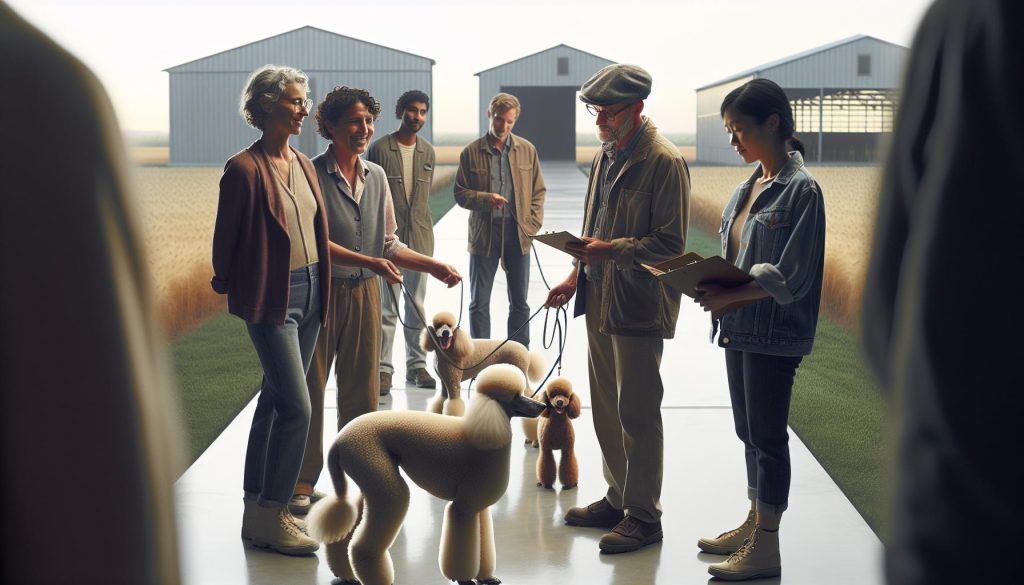
When most people think of herding dogs, they might envision border collies or Australian shepherds, but poodles deserve a closer look. Known primarily for their intelligence and hypoallergenic coats, many don’t realize that poodles were originally bred for water retrieval and not for herding. In this article, we will clarify the breed classification of poodles and explore their unique characteristics. Understanding where poodles fit in the dog world can help potential owners choose the right breed for their lifestyle. If you’ve ever wondered about the versatility of poodles or are considering one as a companion, keep reading to discover their fascinating history and roles that go beyond the traditional herding classification!
Understanding Poodle Breed Classification
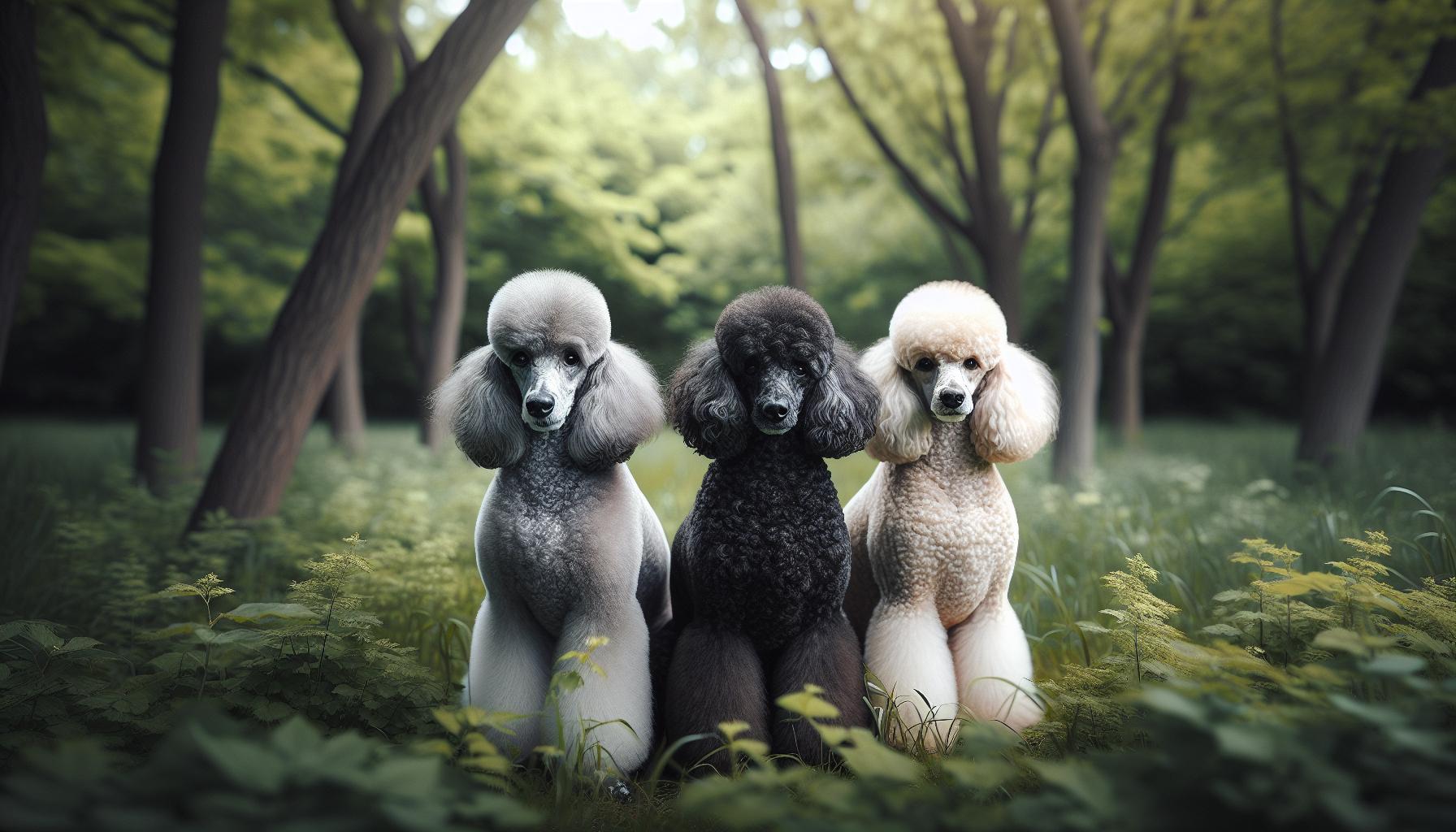
is essential for anyone considering adding one of these intelligent and versatile dogs to their family. Poodles come in three sizes: Standard, Miniature, and Toy, all of which exhibit distinct characteristics, yet share a legendary lineage that often clouds their classification. One key factor to note is that despite their elegant appearance and non-shedding coat, which makes them popular as companion animals, Poodles historically served various working purposes, including roles similar to those of herding dogs.
The Poodle’s classification can often lead to confusion, particularly when comparing their herding capabilities to more traditional herding breeds like Border Collies or Australian Shepherds. While Poodles were not specifically bred for herding, they possess traits that make them adept at various tasks. For instance, their intelligence allows them to learn commands quickly, while their agility and stamina enable them to perform tasks that may be required in a herding context. This versatility makes them suitable for a range of activities, including dog sports and water retrieval, which are more aligned with their historical roles as waterfowl retrievers.
It’s also worth noting that the different sizes of Poodles can affect their adaptability to herding tasks. Standard Poodles, being the largest, might have more physical stamina for outdoor tasks, whereas Miniature and Toy Poodles could excel more in agility-based activities. Understanding these distinctions can help prospective owners better choose which type of Poodle might suit their lifestyle and desired activities. When considering a Poodle, it’s beneficial to think about not just the breed’s history but also how these dogs might fit into a variety of roles, including as companions, participants in competitive sports, and even as part of working teams in some specialized settings.
In summary, the Poodle is a breed with a rich history and a diverse classification, encompassing three size categories, each bringing its own strengths to potential tasks, including herding. This multifaceted nature, combined with an eager-to-please personality, makes Poodles exceptional companions that can excel in many areas of life.
What Makes a Dog a Herding Breed?
Dogs classified as herding breeds share a fascinating set of traits that enable them to manage livestock effectively. These characteristics often include strong instincts for controlling and guiding animals, which can manifest in a variety of behaviors. For instance, herding dogs are typically adept at using their eyes, body movements, and sometimes even barking to direct the flow of herds. Such traits stem from centuries of selective breeding aimed at enhancing these skills, making herding breeds distinct in their capabilities.
One hallmark of herding breeds is their high intelligence and quick learning ability. They thrive on mental stimulation and physical activity, which keeps them engaged and satisfied. For example, dogs like the Border Collie or Australian Shepherd exhibit a remarkable capacity to learn complex commands and respond to nuanced cues from their handlers. This adaptability not only helps dogs excel in herding tasks but also makes them suitable for various other dog sports and training disciplines.
Moreover, herding dogs often possess a strong drive and energy level that supports their work. They require regular exercise and a purposeful outlet for their instincts, whether through herding trials, agility courses, or even simple games of fetch. It’s this combination of energy, intelligence, and a natural inclination to herd that sets these breeds apart.
Ultimately, while Poodles are not traditionally classified as herding dogs, their inherent traits-such as agility, keen intelligence, and trainability-allow them to participate in herding activities and excel in competitive environments. Understanding these traits can help potential owners appreciate the unique charm and capabilities of different breeds, including Poodles, and how they might fit into various lifestyles and tasks. Emphasizing companionship, responsibility, and proper training lays the groundwork for a fulfilling relationship with any dog, regardless of its classification.
Are Poodles Historically Herding Dogs?
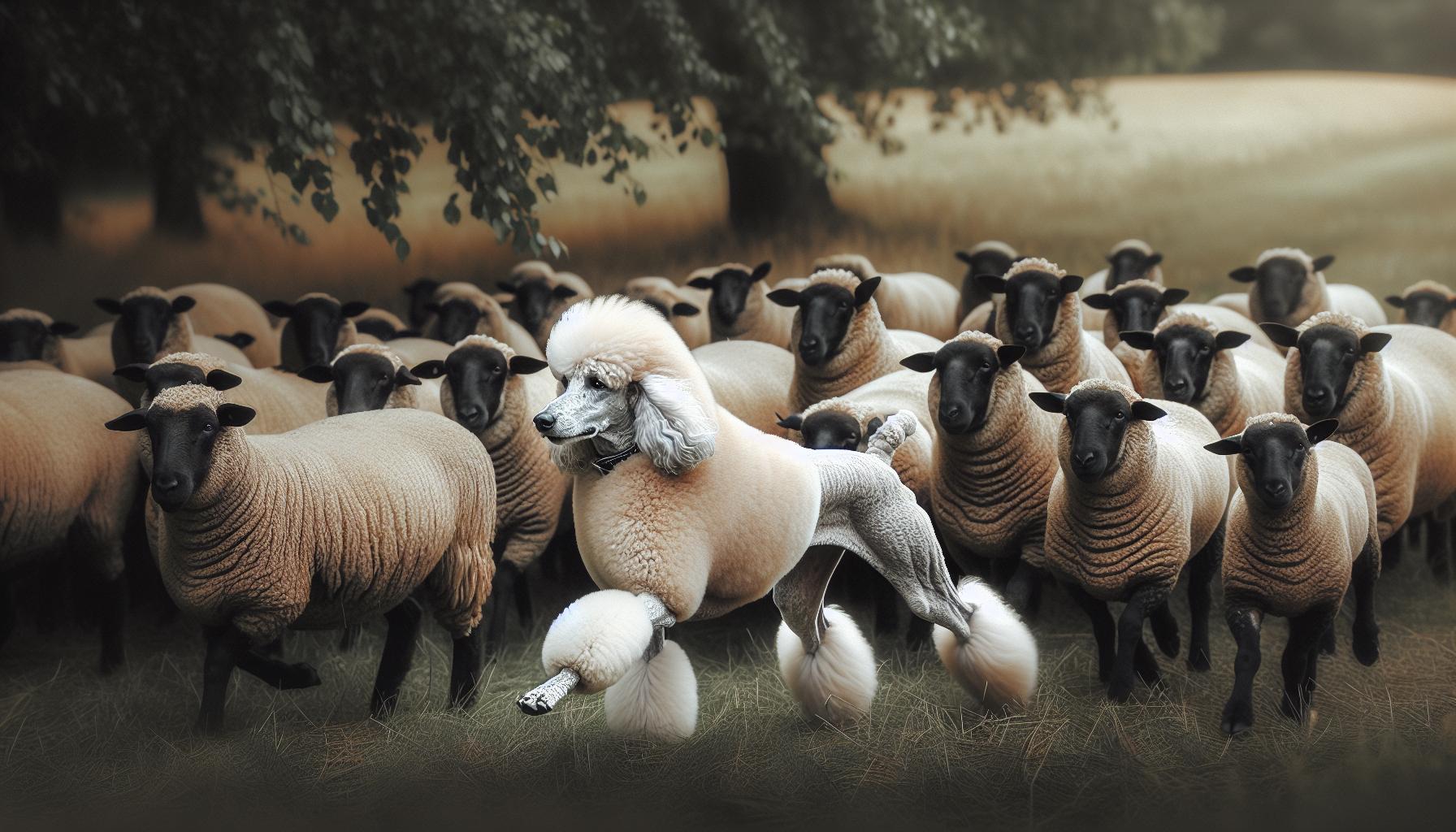
The Poodle is a breed surrounded by a rich historical narrative that often surprises dog lovers. Although primarily recognized today for their elegant appearance and versatile skills in various dog sports, Poodles were originally bred as water retrievers. This unique background ties them closely to the world of working dogs, but does it place them in the herding classification?
While Poodles were not historically used as herding dogs in the traditional sense, their origins reveal a flexibility that allowed them to perform a variety of tasks, including herding. Developed in Germany and later refined in France, the Poodle was initially sought after for its exceptional swimming ability and keen intelligence. This adaptability extends beyond retrieving waterfowl; many Poodles have successfully taken on herding tasks through instinct and training. Their sharp minds and trainability make them amenable to learning herding commands, showcasing traits that are also prized in herding breeds, such as Border Collies and Australian Shepherds.
To understand their role in herding, it’s essential to recognize the Poodle’s agility and intelligence as assets. While they may not have been bred specifically for herding livestock, their natural abilities allow them to excel in basic herding tasks. Owners who engage Poodles in herding activities often find that these dogs thrive on mental and physical stimulation, reaping the benefits of both training and exercise. If you’re considering involving your Poodle in herding tasks, it’s important to focus on consistent training and positive reinforcement to harness their potential.
In conclusion, while Poodles were not historically classified as herding dogs, their background as versatile workers lends itself to participation in such activities. Their inquisitive nature, coupled with a willingness to learn, can make them outstanding companions in a variety of roles, including herding endeavors. As you embark on this journey with your Poodle, embrace their strengths and ensure you provide them with the mental and physical stimulation they crave.
Poodle Variations: Standard, Miniature, and Toy

One fascinating aspect of the Poodle breed is its three distinct variations: Standard, Miniature, and Toy. These variations not only appeal to different lifestyles and preferences but also exhibit unique traits that can influence their suitability for various activities, including herding tasks. Understanding these differences can help guide potential and current Poodle owners in making the best choices for their individual needs.
Size and Characteristics
Poodles come in a range of sizes, each with its own charm and behavior patterns:
| Type | Height | Weight | Temperament |
|---|---|---|---|
| Standard | Over 15 inches | 40-70 pounds | Active, intelligent, and confident |
| Miniature | 10 to 15 inches | 10-15 pounds | Playful, affectionate, and spirited |
| Toy | Up to 10 inches | 4-6 pounds | Charming, lively, and eager to please |
The Standard Poodle, being the largest, often possesses the physical capability to handle more demanding activities, including herding, compared to its smaller counterparts. Miniature and Toy Poodles, while also intelligent and trainable, may be more suited to indoor activities and companionship, depending on their size and energy levels.
Herding Potential
While the Poodle is not traditionally classified as a herding breed, their intelligence and adaptability can allow them to participate in basic herding tasks. Standard Poodles, for instance, could be more adept at learning herding commands due to their larger size and robust physical capability, making it easier for them to manage livestock compared to Toy or Miniature Poodles. However, with proper training, all variations can engage in fun herding exercises that stimulate their minds and bodies.
For owners of smaller Poodles, incorporating herding-like play or agility courses can provide the necessary mental and physical engagement. Owners should be aware of each variation’s limitations while leveraging their unique qualities to create fulfilling activities.
In conclusion, whether you choose a Standard, Miniature, or Toy Poodle, understanding their variations not only enriches your companionship but also shapes how they can engage in activities like herding. Each type has its strengths that can enhance your bond and ensure a happy, active lifestyle that caters to their needs. By selecting the right size for your lifestyle and being aware of their abilities, you’ll foster a rewarding relationship with your Poodle.
Personality Traits of Poodles and Herding Dogs
The innate personality traits of Poodles make them remarkably unique and versatile, allowing them to thrive in various environments, from the show ring to the family home. One striking aspect of Poodles is their intelligence and curiosity, which often lead them to excel not only in competitive settings but also in learning new tasks quickly. This intelligent nature, combined with a strong desire to please their owners, allows for effective training, making them adaptable candidates even for tasks traditionally reserved for herding breeds.
Poodles are often characterized by their playful spirit. They exhibit a high level of enthusiasm and energy, making them excellent companions for active families or individuals who enjoy outdoor activities. Their sociable demeanor means that they typically get along well with other pets and children alike, contributing to a harmonious household. In contrast, traditional herding breeds, like the Border Collie, possess distinct traits that are specifically honed for herding tasks; they are often more focused and intense when it comes to work, exhibiting a strong drive to round up and control livestock.
While Poodles may not be officially recognized as herding dogs, they exhibit a keen ability to form strong bonds with their humans, showcasing loyalty and a remarkable sensitivity to their owners’ moods. This emotional intelligence allows them to adapt to various roles within a family or working environment, enabling them to switch from playful companions to diligent workers with ease. For instance, Standard Poodles, with their larger stature and physical capabilities, can be surprisingly adept at basic herding exercises, showcasing their versatility.
To successfully incorporate herding-like activities or jobs into their lives, Poodle owners can benefit from understanding both their dog’s personality traits and the demands of herding work. Engaging in activities that stimulate their body and mind, such as agility training or obedience classes, can keep Poodles mentally sharp and physically active, ultimately enhancing their happiness and well-being. By blending play with purpose, owners can cultivate a fulfilling environment that caters to their Poodle’s natural instincts and strengths.
Grooming Needs for Herding and Poodle Dogs
Maintaining the coat of a Poodle is a rewarding journey that can strengthen the bond between you and your furry companion. Poodles have a unique, curly coat that requires regular grooming to keep it healthy and looking its best. This grooming routine is especially essential for Standard, Miniature, and Toy Poodles, all of which have similar grooming needs, shaped largely by their active lifestyles.
One key aspect of Poodle grooming is regular brushing. Whether your Poodle is romping in the backyard or trying out herding-like activities, keeping their coat free of mats is crucial. Aim for a thorough brushing at least two to three times a week, using a slicker brush and a comb to tackle tangles. If your Poodle is particularly active and spends time outdoors, you might need to brush daily to prevent matting caused by dirt and debris.
Bathing is another cornerstone of their grooming routine. Poodles generally do well with a bath every four to six weeks, though this can vary based on their activity level and skin type. Use a gentle, hypoallergenic dog shampoo to avoid skin irritations. After bathing, ensure you dry their coat properly, as damp curls can lead to odor or skin issues.
Additional Grooming Considerations
In addition to brushing and bathing, don’t overlook other essential care tasks:
- Trimming: Regular trimming is necessary to maintain the Poodle’s iconic style and to keep the coat manageable. Many owners opt for professional grooming every 6 to 8 weeks to keep their Poodle looking polished.
- Ear Care: Poodles are prone to ear infections due to their floppy ears. Regularly check and clean their ears with a vet-recommended solution to keep them dry and free of debris.
- Nail Clipping: To prevent discomfort and maintain proper paw health, trim your Poodle’s nails every 3 to 4 weeks.
Balancing the grooming needs of a Poodle with engaging activities will help to keep both their mind and coat healthy. Incorporating gentle scrubbing during playtime can also provide a fun way to bond with your furry friend while encouraging cleanliness. By adopting a consistent grooming routine, you’re not only ensuring your Poodle looks great but also fostering their well-being, making your time together more enjoyable.
Training Essentials: Poodles vs. Herding Breeds
Training a Poodle can be an exciting endeavor, particularly when positioning them alongside traditional herding breeds. Despite not being classified strictly as herding dogs, Poodles possess remarkable intelligence and agility that can excel in various training scenarios, including tasks typically associated with herding breeds. Their eagerness to please, coupled with a quick learning curve, creates a unique opportunity for engaging training experiences.
When considering training methods, Poodles thrive on positive reinforcement techniques. Utilizing treats, praise, and play as rewards helps sustain their motivation, especially since they enjoy forming strong bonds with their handlers. For example, during herding practice scenarios, you might use a combination of verbal commands and treats to guide them effectively. Unlike some herding breeds, which might exhibit strong instinctual behaviors, Poodles may require a little more guidance and consistency to understand herding commands and techniques.
In comparison to traditional herding breeds like Border Collies or Australian Shepherds, Poodles may need slightly more structured and varied activities in their training regimens. They can quickly become bored with repetitive tasks, so incorporating a mix of obedience training, agility exercises, and even fun games like “find the toy” can keep their minds engaged. Utilizing enrichment activities alongside herding-like training can help mimic the stimulating environment that more reactive herding breeds thrive in, allowing your Poodle to showcase their versatility.
Ultimately, the success of training sessions relies heavily on the handler’s understanding of both the Poodle’s specific needs and the general principles that apply to herding dogs. Consistency, patience, and creativity in training practices will lead not only to a well-behaved dog but also to a deeper connection between you and your Poodle. By acknowledging the Poodle’s strengths and tailoring your approach accordingly, you can cultivate a fulfilling training experience that highlights their unique abilities.
Common Misconceptions About Poodles
Not only are Poodles known for their exquisite beauty and intelligence, but they also carry a set of misconceptions that can cloud the understanding of their true nature. One prevalent myth is that Poodles are solely “fancy” or “toy” dogs that lack the drive, physicality, and instincts typical of working breeds, including herding dogs. In reality, Poodles possess substantial versatility, and while not formally classified as herding dogs, they exhibit traits that make them highly capable in various tasks, including herding.
Many people also mistakenly believe that Poodles are just “lap dogs” due to their popularity as companion pets, particularly in smaller sizes. However, this ignores their historical roots as water retrievers and hunters. Standard Poodles, in particular, were bred for function and stamina, showcasing agility and intelligence while performing tasks. This foundational athleticism means that, given the right training and environment, Poodles can thrive in more active roles, including herding.
Another misconception is that Poodles are overly delicate or high-maintenance due to their coat. While it’s true that their curly fur requires regular grooming to prevent matting and keep them healthy, this does not mean they are not adaptable or robust. Poodles can handle a variety of conditions and activities, and with proper care, their grooming needs can be straightforward. Establishing a regular grooming routine and understanding the specific needs of your Poodle-whether it’s for a show coat or a practical trim-can make caring for them quite manageable.
As aspiring owners or enthusiasts, it’s essential to appreciate the Poodle for its true abilities and complexities. Rather than pigeonholing this breed based on stereotypes, we should celebrate its talents and strengths. Poodles can embody the spirit of diligence typical of herding breeds when trained with consistency and encouragement. With their eagerness to learn and desire to work, they can be excellent companions in both active and competitive environments, demonstrating that they are indeed much more than they often get credited for.
Health Considerations for Poodles as Herding Dogs
The vibrant energy and intelligence of Poodles make them not only delightful companions but also surprisingly adaptable when it comes to various tasks, including herding. However, if you’re considering a Poodle for herding activities, it’s essential to understand the health considerations that can influence their performance and longevity in such roles. Poodles can face specific health challenges that prospective owners and handlers need to be aware of to ensure they thrive.
One noteworthy health concern for Poodles, particularly Standard Poodles, is hip dysplasia, a condition where the hip joint doesn’t fit snugly into the hip socket. This can lead to pain and can hinder mobility, which is critical for any dog involved in herding. Regular exercise, maintaining a healthy weight, and choosing a responsible breeder who screens for this condition are proactive steps you can take. Furthermore, incorporating joint supplements or specific diets that promote joint health could be beneficial, especially for active working dogs.
Eyesight is another area to consider, as Poodles are susceptible to certain eye disorders like Progressive Retinal Atrophy (PRA) and cataracts. Since herding often requires dogs to have keen eyesight to track and respond to movements, regular veterinary check-ups that include eye evaluations can help catch any issues early. Keep an eye on your dog’s behavior-if they seem hesitant or unable to judge distances, it may be time for a professional eye exam.
Lastly, mental stimulation is crucial for Poodles, and their health isn’t solely physical. Engaging them in activities that challenge their mind can help reduce stress and prevent behavioral issues. Implementing puzzles, obedience training, and even engaging in herding practice can nurture their mental health. Additionally, a well-balanced regimen of both physical exercise and mental challenges supports overall well-being, which is key for dogs that are performing demanding tasks like herding.
In summary, while Poodles may not traditionally be recognized as herding dogs, they can excel in these roles with proper training and care. Addressing their specific health needs, from joint health to mental stimulation, will not only enhance their herding capabilities but also enrich their lives. Enthusiastic engagement in their activities combined with vigilant health management will ensure they’re not just capable herders but also happy and healthy companions.
Poodles in Action: Herding Competitions and Skills
While Poodles might not be the first breed that comes to mind when you think of herding dogs, their intelligence, agility, and trainability make them excellent competitors in herding trials. These competitions often showcase not just the ability to manage livestock, but also a dog’s instinct, loyalty, and the bond they can forge with their handler. Poodles have the unique combination of traits that can lead to success in various herding environments, whether it’s guiding sheep through an obstacle course or demonstrating agility and responsiveness in a competitive setting.
In herding competitions, Poodles often shine due to their keen observation skills and quick thinking. Their natural curiosity often drives them to learn tricks and techniques that more traditional herding breeds might take for granted. As many handlers have noted, Poodles are not just performing; they are actively engaging in problem-solving. Training a Poodle for herding typically involves positive reinforcement and gradual exposure to livestock, which ensures they understand their role while remaining calm and focused. This approach helps develop their skills in controlling movements, staying attentive to commands, and effectively responding to their handlers’ instructions.
### Key Skills in Herding Competitions
The skills honed during herding training are quite varied and can include:
- Following Commands: Poodles learn to respond to commands swiftly, which is crucial in competitive herding where timing and precision are everything.
- Instinctual Drives: While not traditionally bred for herding, many Poodles exhibit strong herding instincts, which can be tapped into with the right training techniques.
- Aggression Control: Poodles are taught to maintain control and composure around livestock, differentiating them from more excitable breeds.
- Agility and Speed: Natural athleticism allows Poodles to navigate courses effectively, often outperforming breeds that may have more traditional herding backgrounds in agility challenges.
Participating in herding trials not only enhances a Poodle’s physical abilities but also provides an enriching environment that stimulates their intelligent minds. Engaging in such activities offers a fantastic bonding experience for both dog and handler, reinforcing trust and communication that extend beyond competitions.
For new Poodle owners looking to explore herding as a potential pastime, it’s vital to involve your dog in introductory classes. Many professional herding instructors appreciate the Poodle’s unique perspective and are eager to work with them. These early experiences can be incredibly rewarding and set the groundwork for a fulfilling partnership, whether in the ring or at home. By understanding the rigorous demands and along with strengthening innate abilities, Poodles can certainly make a notable mark in the world of herding.
Choosing the Right Dog for Herding Tasks
When contemplating a Poodle for herding tasks, it’s important to understand not just the breed’s inherent qualities but also how these qualities align with your specific needs and lifestyle. Poodles, while not traditionally classified as herding dogs, possess remarkable intelligence and adaptability, making them surprisingly effective in this role. Their keen observational skills and ability to learn complex commands can sometimes even outshine more conventional herding breeds in certain tasks, especially when guided by an enthusiastic and knowledgeable handler.
To ensure that you choose the right Poodle for herding tasks, consider the following aspects:
Assessing Your Herding Needs
What are your specific herding goals? Are you looking to engage in competitive herding trials, or is your goal more about managing livestock on a small farm? Understanding your objectives will help you determine whether a Standard, Miniature, or Toy Poodle is the best fit. Standard Poodles, known for their size and athleticism, are typically more suited for robust herding tasks and active environments. In contrast, Miniature and Toy Poodles can excel in smaller settings and may be better suited for gentler tasks.
Individual Temperament and Instincts
Every Poodle has its own personality. When selecting your herding companion, it’s essential to evaluate their temperament and instincts. Some Poodles may naturally exhibit strong herding instincts, while others might be more playful than driven. Observing behavior in various situations, such as around livestock or during agility exercises, can reveal much about their suitability for herding tasks. It’s wise to spend time with potential candidates to gauge how they react to commands and livestock before making a decision.
Training Potential
Regardless of their breed classification, the training process is crucial. Poodles thrive on positive reinforcement and mental stimulation, which means successful training often hinges on engaging methods that utilize their natural curiosity. When considering a Poodle for herding, look for one that shows eagerness to learn and is responsive to training routines. Enrolling in introductory herding classes can provide invaluable insight into your dog’s potential and help establish a solid training groundwork.
Commitment to Care and Exercise
Poodles require significant physical and mental exercise, especially when involved in active pursuits like herding. It’s vital to ensure you can commit to a daily regimen that includes exercise, training, and interactive activities. Establish a weekly care checklist to include grooming and exercise-which are critical aspects for maintaining a happy and healthy Poodle capable of performing herding tasks effectively.
By carefully considering each of these aspects, you can confidently choose a Poodle that aligns with your herding ambitions, fostering a rewarding partnership based on trust and mutual understanding. Engaging with experienced handlers or trainers can further enhance your understanding of Poodles in herding roles, ensuring both you and your dog can shine in your pursuits.
Tips for New Owners: Caring for a Poodle
Owning a Poodle can be an incredibly rewarding experience. These intelligent and eager-to-please dogs are known for their versatility and charm, making them great companions for various lifestyles. Whether you’ve chosen a Standard, Miniature, or Toy Poodle, understanding their unique needs is essential for a successful partnership.
One of the first steps in caring for your Poodle is establishing a proper routine. Consistency is key, not just for training but for overall well-being. Set designated times for feeding, walking, and grooming. Poodles are social animals that thrive on companionship, so ensure they receive plenty of interaction with family members. Regular playtime and mental exercises, like puzzle toys or agility training, will keep their minds sharp and spirits high.
Grooming and Maintenance
Poodles require regular grooming due to their unique, curly coats, which can mat without proper care. Aim to brush your Poodle at least 2-3 times a week, and consider professional grooming every 4-6 weeks. During grooming, keep an eye out for any skin irritations or parasites. Additionally, establish a dental care routine; brushing their teeth 2-3 times a week can prevent dental issues down the line.
For exercise, Poodles are energetic and need daily activity to stay healthy and happy. Engage in a variety of activities, from walks to fetch games, to keep them physically fit. Standard Poodles typically require more vigorous exercise than Miniature or Toy Poodles, as their size often translates to higher energy levels.
Training Essentials
Training is vital for Poodles, who excel with positive reinforcement techniques. Start with basic commands and gradually introduce more complex tasks. Due to their high intelligence, Poodles can become bored with repetitive training sessions, so mix things up to keep them engaged. Consider enrolling in a dog training class to strengthen your bond while learning effective techniques together.
Caring for a Poodle is about understanding their specific needs as well as fostering a loving and stimulating environment. By committing to their care and training, you’ll cultivate a strong, lasting relationship with your Poodle that enhances both your lives. Embrace the joys and challenges of dog ownership, and remember that every moment spent with your Poodle is an investment in a rewarding companionship.
Frequently Asked Questions
Q: Are Poodles classified as herding dogs?
A: No, Poodles are not classified as herding dogs. They belong to the non-sporting group and were originally bred for water retrieval. However, they exhibit some traits similar to herding breeds, such as intelligence and trainability, which make them versatile.
Q: What traits do Poodles share with herding dogs?
A: Poodles share traits like high intelligence, agility, and strong problem-solving abilities with herding dogs. These characteristics allow them to excel in obedience training and various canine sports, even if they are not herding breeds themselves.
Q: Can Poodles be trained to herd?
A: Yes, Poodles can be trained to herd, particularly with adequate socialization and exposure to livestock. Their intelligence and willingness to learn make them capable of mastering basic herding commands, but they may not possess the instinct typical of traditional herding breeds.
Q: What types of dogs are considered herding breeds?
A: Herding breeds include dogs like Border Collies, German Shepherds, and Australian Shepherds. These breeds possess specific instincts and traits that enable them to manage livestock effectively, unlike Poodles, which lack this intrinsic herding drive.
Q: Why are Poodles often mistaken for herding dogs?
A: Poodles may be mistaken for herding dogs due to their energetic nature and intelligence. They also have a focus and trainability often found in herding breeds, leading people to perceive similarities despite their different classifications.
Q: How does Poodle training differ from herding breeds?
A: Poodle training emphasizes obedience and agility, focusing on specific tasks and tricks due to their non-herding background. In contrast, herding breeds require training that develops instinctive herding skills and the ability to respond to livestock movements.
Q: Are there specific health issues related to Poodles in herding tasks?
A: While Poodles can manage herding tasks, they may face breed-specific health issues, such as hip dysplasia or eye disorders, that could affect performance. Regular vet check-ups and a proper exercise regimen can help maintain their health while working.
Q: What tips can I follow for training my Poodle to herd?
A: Start with basic obedience training, socialization, and exposure to livestock. Use positive reinforcement techniques and keep training sessions short and engaging. Regular practice will help your Poodle understand herding commands and improve their skills over time.
Wrapping Up
In conclusion, while Poodles aren’t classified as herding dogs, their intelligence and trainability make them exceptional companions for a variety of activities. Understanding their breed classification empowers current and prospective owners to appreciate their unique traits. Explore more about Poodle care and training with our guides on “Poodle Training Tips” and “Understanding Poodle Temperament.” We’ve also compiled a handy checklist for first-time Poodle owners to set you up for success!
Don’t miss out-subscribe to our newsletter for expert tips and community stories that will enhance your journey with this remarkable breed. Join our discussion in the comments below and share your thoughts or questions. Let’s keep the conversation going and continue to celebrate the wonderful world of Poodles together!