Did you know that Poodles are among the most intelligent dog breeds, often excelling in a variety of roles? While they are widely loved as companions, there’s a fascinating question many dog lovers ponder: Are Poodles retrievers? This exploration into the hunting classification and skills of Poodles reveals their capabilities beyond being charming household pets.
Understanding whether Poodles fit into the retriever category is essential for potential owners and trainers, as this impacts training methods, activity requirements, and overall care. Whether you’re a new dog parent seeking to optimize your Poodle’s abilities or an experienced handler curious about their hunting instincts, diving into this topic can deepen your appreciation for the breed. Join us as we uncover the skills that make Poodles unique, and learn how to harness their natural talents effectively in and out of the field.
Understanding the Poodle’s Heritage and Traits
Poodles are often celebrated not just for their exquisite looks and hypoallergenic coats, but also for their versatile heritage that traces back to their origins as water retrievers in Europe. This breed, coming in standard, miniature, and toy varieties, was initially bred for hunting waterfowl and retrieving game from water. Their name originates from the German word “pudel,” which means “to splash in water.” This connection to waterfowl hunting is an integral part of their identity, giving them an advantage in retrieving skills that can rival those of traditional retrievers.
The Poodle’s physical traits also contribute significantly to their abilities as a hunter. Their strong, athletic build and unique curly coat are designed not just for aesthetics but serve practical purposes as well. The coat is water-resistant, protecting them from cold and wet conditions while they search for game. Additionally, their long legs allow them to traverse various terrains with ease, whether on land or through water, showcasing agility and endurance. When equipped with their keen sense of smell and natural instinct to retrieve, it’s clear why Poodles have been successful hunters throughout history.
In terms of temperament, Poodles are highly intelligent, which is a crucial aspect in hunting scenarios. Known for their trainability, they excel in obedience, making them responsive partners in the field. Their eagerness to please their handlers, coupled with their problem-solving abilities, means they can adapt to different hunting tasks effectively. This intelligence not only aids in hunting but also makes them fantastic companions, as they are often willing to learn and perform tricks and tasks, thereby enriching the relationship with their owners.
provides valuable insight into how they function as hunting dogs. Whether you’re considering adopting a Poodle for hunting purposes or simply wish to appreciate their rich background, their combination of physical prowess and mental acuity makes them unique within the canine world.
What Makes a Poodle Different from Retrievers?
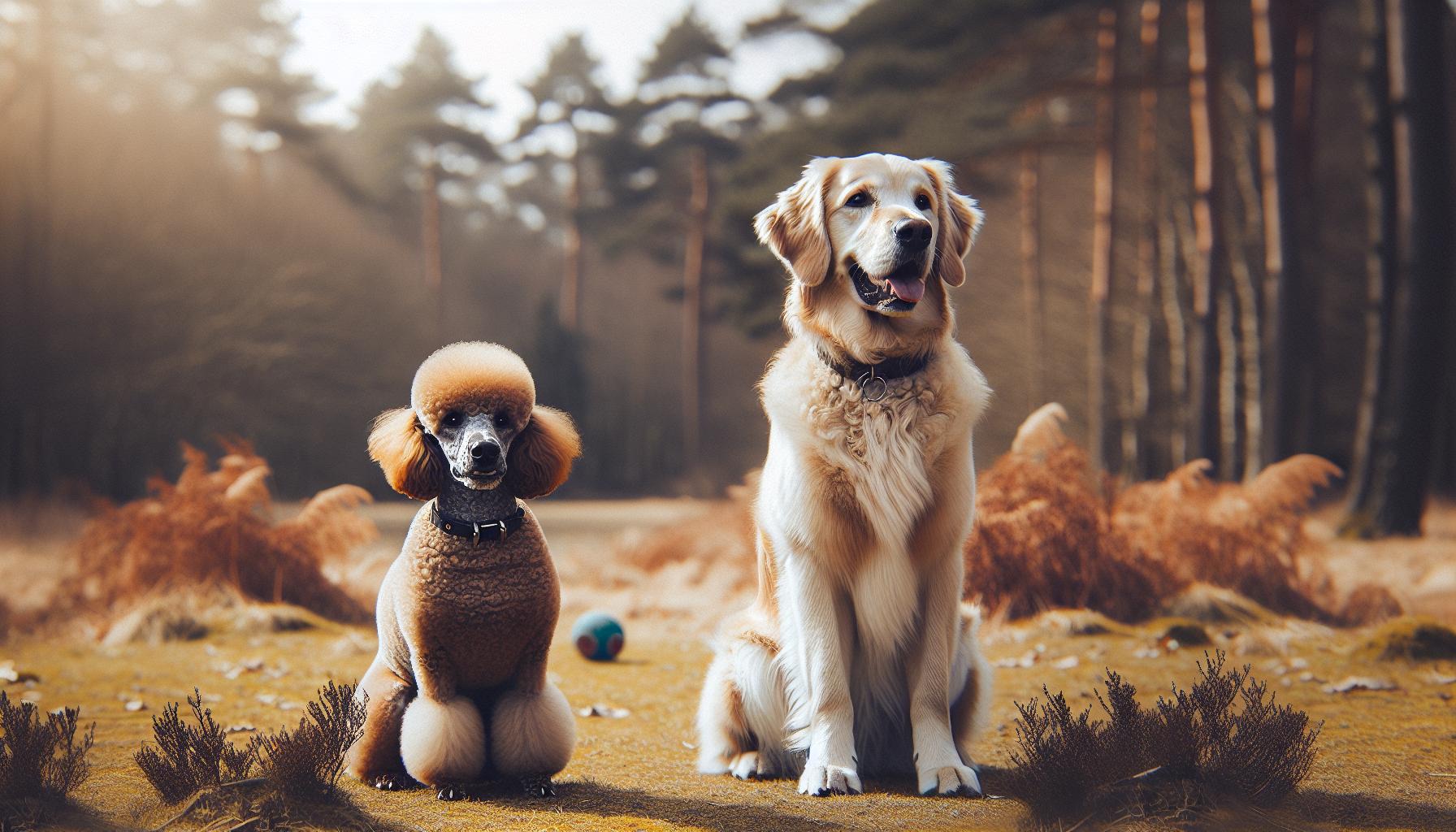
Poodles distinguish themselves from other retrievers through a unique blend of physical attributes, temperament, and versatility. While both Poodles and traditional retriever breeds, like Labrador Retrievers or Golden Retrievers, share a common history of being exceptional hunting companions, Poodles bring their own distinctive characteristics to the table. For instance, their patented curly coat provides not just a fashionable look but also serves an important functional purpose, being water-resistant, which is crucial for retrieving game from water. Additionally, their athletic build and superb agility make them adept at navigating diverse terrains, marking them as a multifaceted hunter.
When you compare Poodles to other retrievers, it becomes clear that their intelligence sets them apart. Poodles are recognized for their high trainability, ranking among the most intelligent dog breeds. This trait enhances their ability to learn complex hunting commands and adapt to various scenarios during hunting expeditions. In contrast, while traditional retrievers are also intelligent, Poodles often excel in obedience training and can be more eager to engage with their handlers in interactive training sessions. Their innate curiosity and keen problem-solving skills allow them to think on their feet, a vital asset in the field.
Another key difference lies in their temperament. Poodles are typically more alert and can exhibit a unique mix of gentle playfulness combined with an earnest work ethic. They thrive when given tasks that challenge their intelligence, making them not only reliable hunting partners but also engaging pets in family settings. This adaptability allows Poodles to fit into a variety of roles, from being a family pet to serving as a precision hunting dog. In a hunting environment, this means they can seamlessly transition between playful excitement during a retrieve and focused determination when tracking or pinpointing a target.
Whether you’re considering a Poodle for hunting or companionship, understanding how they stand out compared to traditional retrievers will help you appreciate their capabilities and natures. Their distinctive combination of intelligence, trainability, and physical prowess makes them not just great hunters but also cherished companions in any caliber of home.
Hunting Skills of Poodles: Can They Retrieve?
The ability of Poodles to retrieve is often a delightful surprise for many, considering their elegant appearance and famed intelligence. When it comes to hunting, retrieving game is a fundamental skill that any competent hunting dog must possess, and Poodles are no exception. These dogs have a rich history as water retrievers, originally bred for their superb ability to collect game from diverse terrains, including water. Their water-resistant curly coat is specifically designed for this purpose, allowing them not just to look stylish while doing so but also to navigate wet environments without discomfort.
What truly sets Poodles apart from some other retrieving breeds is their agility and intelligence, which enhance their retrieving capabilities. Poodles come in three sizes-Standard, Miniature, and Toy-but it’s the Standard Poodle that showcases the best potential for retrieving tasks. This breed exhibits remarkable energy levels and stamina, which are crucial during long hunting sessions. Their exceptional trainability means they can swiftly learn specific commands related to retrieving, ensuring that they perform effectively in the field.
To maximize a Poodle’s abilities as a retriever, dedicated training and practice are required. This can start with simple fetch games in the backyard, gradually introducing more complex commands and distractions that mimic hunting scenarios. Consistency and positive reinforcement are key; rewards such as treats or praise help reinforce desired behaviors. Moreover, socializing your Poodle with other dogs during training sessions can be beneficial to their confidence and skill set, as they learn to compete and cooperate with their peers.
In addition to training, understanding how a Poodle’s instincts work is essential. They often possess a natural inclination to retrieve, fueled by their curiosity and desire to please their owners. Taking advantage of this innate drive can lead to successful hunting outings where your Poodle not only retrieves successfully but also thrives in an engaging and mentally stimulating environment. As you gear up for hunting season, don’t overlook the possibility of having a Poodle by your side-this breed’s unique blend of elegance, intelligence, and enthusiasm makes them an exceptional choice for anyone looking to add a retrieving companion to their outdoor adventures.
The Poodle’s Intelligence: A Hunting Asset?
Poodles are well-known for their elegance and charm, but what truly sets them apart in the hunting world is their remarkable intelligence. This breed consistently ranks among the most intelligent of all dog breeds, often coming in second only to the Border Collie. Their ability to learn quickly and adapt to various commands makes them an exceptional choice for hunting activities. Not only can a Poodle master essential retrieving skills, but they also have the natural problem-solving abilities that are crucial when navigating diverse hunting environments.
One aspect of a Poodle’s intelligence that enhances their hunting effectiveness is their strong desire to please. This innate trait can be harnessed during training sessions, resulting in a highly motivated and enthusiastic hunting partner. Positive reinforcement techniques, such as using treats, praise, or toys, can encourage your Poodle to learn specific commands related to retrieving or tracking game. Incorporating fun yet challenging exercises will keep your Poodle engaged and stimulate their mind, further enhancing their skills in the field.
Moreover, Poodles are particularly adept at recognizing patterns and anticipating their owners’ needs. This ability means they can quickly learn to adjust their actions based on the unique demands of hunting situations. For example, if a hunter consistently uses certain hand signals or voice commands during a hunt, a Poodle can become adept at responding to those cues, significantly improving efficiency in the field.
Training your Poodle to think independently can also yield rich rewards. While they are eager to follow commands, hunting often requires a degree of autonomy. Encouraging your Poodle to assess situations, such as determining the best route to retrieve or identifying game scents, can greatly enhance their effectiveness. Here are some practical tips to tap into your Poodle’s intelligence during training:
- Variety of Exercises: Incorporate a range of activities that challenge their minds, from scent tracking to agility courses.
- Socialization: Encourage interaction with other dogs to help them develop confidence and adaptability.
- Consistent Command Use: Clearly defined commands not only aid in training but can also help them connect words with actions more effectively.
By utilizing their intelligence, Poodles can excel both on land and in water, making them versatile companions for any hunting excursion. Their ability to navigate challenges with finesse and enthusiasm not only makes for an enjoyable hunting experience but also deepens the bond between the Poodle and their handler. Don’t underestimate the poodle’s prowess-its intelligence is not just a biological advantage; it’s a profound tool in the art of hunting.
Comparison of Poodle vs. Retriever Hunting Styles
When it comes to hunting styles, Poodles and Retrievers each bring their unique strengths to the field. While Retrievers, like the Golden or Labrador, are well-known for their exceptional fetching abilities and natural instincts honed over generations, Poodles offer a combination of intelligence and adaptability that can rival these iconic breeds. Understanding these differences can help you appreciate what each breed uniquely contributes to hunting endeavors.
Retrievers are generally bred with a singular focus on retrieving game from land and water. Their strong physical build, excellent swimming skills, and natural instincts make them the go-to choice for many hunting scenarios. They excel in following scent trails and have a built-in retriever’s drive, which means they often have a lower threshold for distractions. Additionally, their behavior is highly predictable — they will plow through underbrush, splash through water, and return with the game, all driven by an innate passion.
On the other hand, Poodles have emerged as versatile hunting companions. Their intelligence allows for quick learning and problem-solving, often turning more methodical on the hunt. While they may not possess the raw endurance of some Retrievers, they excel in situations that require cunning and strategy, making them especially effective in searching for and tracking game. Poodles also have a strong desire to please their handlers, which makes them responsive to training and capable of adapting hunting styles based on the situation at hand. For instance, a well-trained Poodle can be taught to stay stealthy and approach with caution, a style that can yield successful results when hunting wary birds or small game.
In a practical sense, hunters may find Poodles to be an asset in less traditional hunting environments, such as upland bird hunting, where stealth and strategy can be just as crucial as speed and strength. However, it is essential to consider the individual dog’s training and temperament. Both breeds can be incredibly successful hunters with proper guidance. Ultimately, the choice between a Retriever and a Poodle may hinge on the specific hunting environment and the handler’s predisposition towards training style, as both breeds offer rewarding experiences for those passionate about the hunt.
Training Your Poodle for Hunting: Essential Tips
Training a Poodle for hunting is a rewarding endeavor that requires patience, consistency, and a touch of creativity. Did you know that Poodles possess an innate intelligence that makes them not only excellent companions but also versatile hunting partners? Their ability to learn quickly and adapt to various situations sets them apart, allowing you to mold their skills in ways that suit your hunting style. Here’s how to effectively train your Poodle for success in the field.
Firstly, start by establishing a strong foundation in basic obedience. Teaching commands like “sit,” “stay,” “come,” and “heel” is essential for any hunting dog. These commands create a solid framework for more advanced hunting skills. Use positive reinforcement techniques, such as treats and praise, to encourage good behavior. For example, rewarding your Poodle immediately after they perform a command helps reinforce the behavior. Additionally, regular practice in different environments will help your Poodle generalize these commands, making them reliable in the unpredictable hunting scenario.
Next, introduce specialized hunting commands. For instance, you can teach your Poodle to retrieve by using commands like “fetch” or “bring it here.” Start with toys or dummies in a controlled environment, gradually increasing distractions by moving outside or into areas with varying terrain. It’s vital to encourage their natural instincts to seek and retrieve, so be patient and make it a fun experience. Incorporate games that mimic hunting scenarios, such as hiding toys and encouraging your Poodle to find them, which can stimulate their tracking abilities.
Field Experience
Once your Poodle has a grasp of basic and specific commands, it’s time to expose them to real hunting situations. Begin with short, calm outings where they can observe and gradually get accustomed to the elements they will face, such as sounds, scents, and movement. Facilitating controlled mock hunts with friends and their dogs can also provide invaluable experience. Monitor your Poodle’s comfort level; some may take to it quickly, while others might need more time. Set them up for success by ensuring they feel secure and confident in their skills.
Lastly, remember to focus on socialization. As a hunting dog, your Poodle will encounter various animals, people, and environments. Ensuring they are well-socialized reduces the likelihood of stress or fear in the field. Use positive social experiences to help them build confidence. Take them to parks, dog training classes, or busy markets where they can learn to respond to distractions while staying focused on you.
With commitment and enthusiasm, training your Poodle for hunting can be a fulfilling journey that deepens your bond and enhances their natural abilities. Keep the training sessions enjoyable, and always celebrate their achievements, no matter how small. Together, you and your Poodle can achieve remarkable success in the field!
Grooming Needs for Hunting Poodles: Best Practices
Caring for the grooming needs of hunting Poodles is crucial not only for their health but also for optimal performance in the field. Their dense, curly coats do an excellent job of protecting them from the elements, but they also require regular upkeep to prevent matting, discomfort, and skin issues. Whether you’re a new owner or a seasoned handler, understanding the grooming specifics for your hunting Poodle can enhance your bond and keep your canine partner ready for action.
Start by establishing a grooming routine that fits both your and your Poodle’s lifestyle. Frequent brushing, ideally at least two to three times a week, will help remove dirt, debris, and loose hair. During the hunting season, or if your Poodle is actively working in the field, consider daily brushing to keep their coat in top shape. Use a slicker brush or a comb designed for curly-haired dogs to reach through the curls and untangle any mats. Ensure you pay special attention to sensitive areas like behind the ears, between the toes, and under the arms, where mats tend to form more easily.
Keeping your Poodle’s coat trimmed is another essential aspect of grooming. Regular trims (every 6-8 weeks) maintain a manageable coat length and reduce the likelihood of mats. Many owners opt for a shorter clip during the hunting season to help their dog stay cool while working. However, always consult with a professional groomer experienced with Poodles to avoid cutting too short, which can impair their natural insulation. Additionally, remember to regularly check your dog’s ears, eyes, and nails-clean ears help prevent infections, trimmed nails avoid discomfort when traversing rough terrains, and clean eyes enhance visibility while hunting.
Additional Grooming Tips
- Bathing: Bathe your hunting Poodle every 4-6 weeks, depending on their activity level. Use a gentle, dog-specific shampoo that won’t strip their coat of natural oils.
- Ear Care: Check and clean their ears weekly to prevent buildup, especially after hunting trips where they may contact water or debris.
- Dental Hygiene: Don’t forget about their teeth! Regular brushing and dental chews can prevent oral health issues that may affect their energy levels in the field.
In summary, grooming is an integral part of maintaining the well-being and performance of your hunting Poodle. By establishing a regular grooming routine, properly managing their coat, and ensuring overall hygiene, you’ll not only enhance their hunting capabilities but also strengthen your relationship with your furry companion. Happy grooming!
Best Practices for Socializing Poodles with Other Dogs
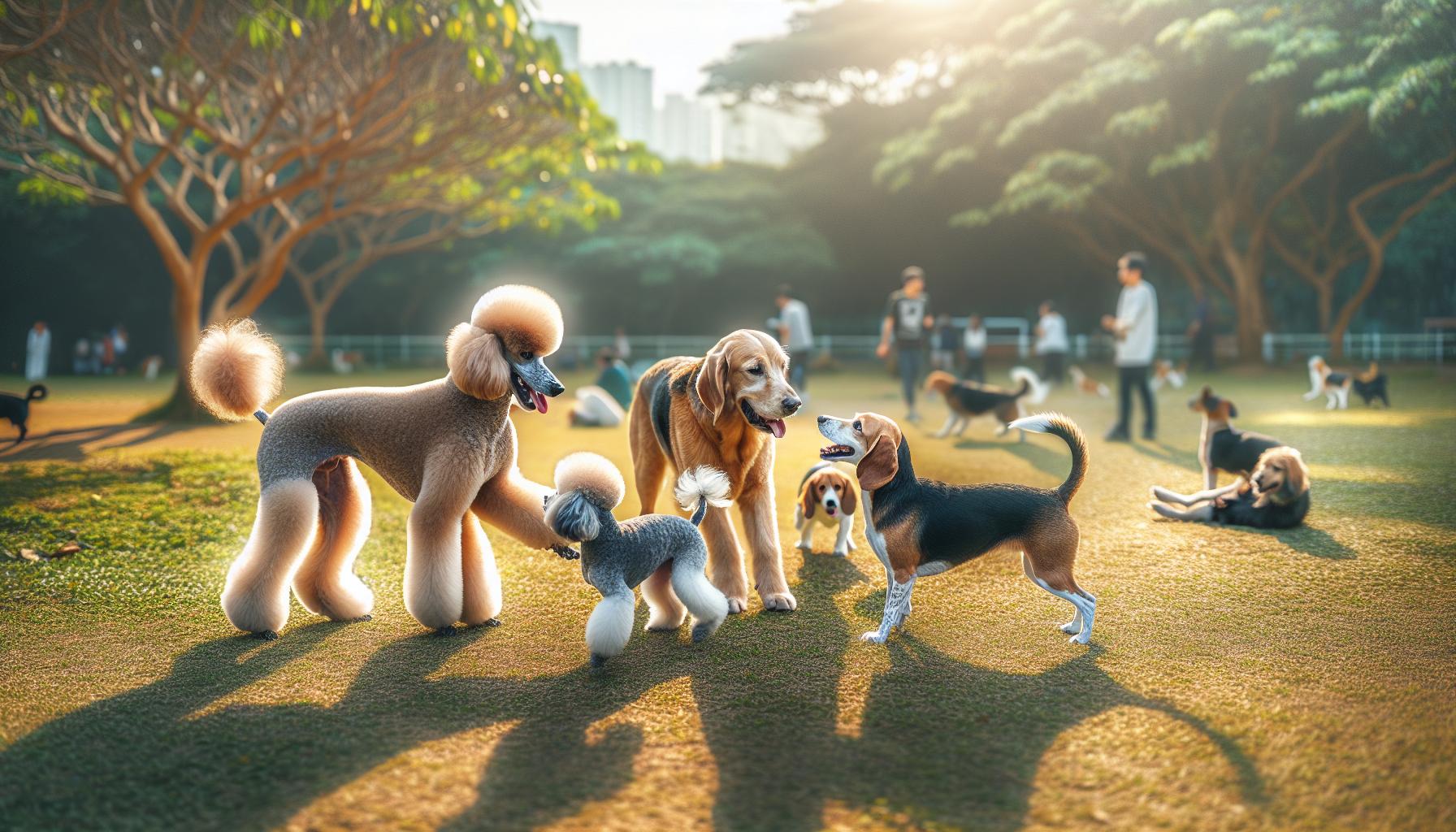
Establishing strong social skills in your Poodle is an essential part of their overall training and health, particularly if you’re considering them for hunting or other active roles. Poodles, whether Toy, Miniature, or Standard, are known for their intelligent and friendly nature, making them generally good candidates for socialization. However, engaging with other dogs effectively contributes substantially to their confidence, behavior, and adaptability in various situations, including hunting contexts where they may encounter a range of other animals.
Begin socializing your Poodle early, ideally during puppyhood. This critical period lays the groundwork for their ability to interact with other dogs positively. Group puppy classes can be an excellent avenue for socialization, allowing your pup to learn boundaries, play etiquette, and appropriate communication signals with peers. Aim to expose your Poodle to a variety of dog breeds, sizes, and temperaments to broaden their experiences and reduce fear or aggression towards unfamiliar dogs later in life.
When introducing your Poodle to new canine friends, always ensure that the environment is controlled and safe. A neutral space, such as a park, is often ideal, where both dogs don’t feel territorial. Start with short, positive interactions, gradually increasing the duration as they become more comfortable. Use treats and praise liberally to create positive associations with other dogs. Monitor their body language closely. Look for signs of stress or discomfort, such as stiff bodies or a tucked tail; if these appear, allow them to take a break. Alternatively, a relaxed, wagging tail indicates comfort, and you can proceed with play.
Once your Poodle is more adept at interacting with other dogs, consider incorporating them into training sessions or hunting practice. Involving them in mixed group activities not only reinforces their social skills but also helps them learn to focus amidst distractions-a valuable trait for hunting scenarios where they might encounter other animals or hunters. Regularly arrange playdates or group excursions with familiar dogs to maintain their social skills.
Finally, recognize that ongoing socialization is crucial throughout your Poodle’s life. Regularly participating in community events, dog parks, or training classes keeps your dog well-adjusted and reinforces their social skills. This continuous exposure helps prevent behavioral issues stemming from isolation or a lack of interaction. Not only will a well-socialized Poodle perform admirably in the field, but they will also be a joy to have around in everyday situations.
Nutritional Needs of Hunting Poodles: What to Feed
Feeding a Poodle actively engaged in hunting requires careful consideration of their nutritional needs. These dogs, known for their intelligence and agile bodies, thrive on a diet that supports both their energy levels and overall health. A well-fed hunting Poodle not only performs better in the field but also maintains a vibrant disposition throughout their day-to-day activities.
To meet the rigorous demands of hunting, Poodles should consume high-quality, protein-rich food. Look for formulas that list real meat, like chicken, lamb, or fish, as the primary ingredient. Proteins help rebuild muscle and provide the energy needed for long days of chasing and retrieving. A mix of complex carbohydrates, like brown rice or sweet potatoes, supplies the lasting energy Poodles need when they’re on the move, while healthy fats from sources like fish oil can promote a shiny coat and optimise joint health.
Daily Feeding Guidelines
When determining the right amount of food, consider your Poodle’s age, weight, and activity level. A Standard Poodle involved in hunting might require between 1,500 to 2,000 calories per day, while Miniature Poodles may need around 800 to 1,200 calories. Generally, feed them twice a day to avoid any digestive upsets, ensuring that their meals are spaced evenly throughout the day. Here’s a simplified guideline:
| Poodle Size | Calories Per Day | Estimated Daily Food Amount |
|---|---|---|
| Standard | 1,500 – 2,000 | 3 – 4 cups of high-quality dry kibble |
| Miniature | 800 – 1,200 | 1.5 – 2.5 cups |
| Toy | 400 – 600 | 0.5 – 1.0 cups |
For those new to Poodle ownership or hunting training, consider consulting a veterinarian or a pet nutritionist to tailor a feeding plan suited specifically for your hunting Poodle. Additionally, introducing an occasional treat, such as fresh fruits or vegetables, can provide vital vitamins and minerals; however, always avoid toxic foods like grapes, onions, and chocolate.
Overall, keeping your Poodle’s diet well-balanced, ensuring hydration, and adjusting portions based on their activity levels will harness their natural abilities in the field while keeping them healthy and happy in everyday life.
Real Stories: Poodles in the Field and Their Successes
Poodles may not be the first breed that springs to mind when we think about hunting dogs, but their remarkable adaptability and intelligence have led to some impressive success stories in the field. Many hunting enthusiasts have found that Poodles, particularly the Standard variety, can hold their own alongside more traditional hunting breeds. For instance, a passionate trainer in the Midwest described how her Standard Poodle, Bella, had an uncanny ability to flush out pheasants during weekend hunts. Bella’s keen sense of smell and innate retrieving instincts quickly turned her into a favorite among friends, showcasing how a Poodle can excel in both the hunt and as a beloved family companion.
These stories aren’t just rare occurrences; numerous Poodle owners have shared heartfelt accounts of their dogs performing exceptionally in various hunting scenarios. One family in Texas recounted how their Miniature Poodle, Jasper, not only retrieved duck decoys but also displayed impressive swimming skills in the local pond. Owners often remark on their Poodles’ eagerness to please, making them quick learners when given the right training and encouragement. The combination of a Poodle’s inherent intelligence, agility, and strong work ethic can truly enhance their effectiveness in the field.
As part of their successful training and hunting experiences, many owners emphasize the importance of early socialization and consistent practice. Integrating fetch games and water retrieval exercises from a young age can establish a strong foundation for hunting instincts. Poodles thrive on mental and physical stimulation, making activities like agility training not just fun, but also beneficial for honing their skills.
In addition to these practical hunting stories, the bond between Poodles and their owners is often highlighted. Many handlers express how their Poodles not only serve as excellent hunting partners but also as loyal companions during off-season relaxation. This dual role solidifies Poodles as a worthy addition to any hunting enthusiast’s life, proving that with love, training, and dedication, Poodles can indeed shine brightly in the field, making them fantastic hunting companions beyond just their retriever reputation.
Health Considerations for Active Hunting Poodles
Active hunting Poodles require careful attention to their health to ensure they can perform at their best in the field. These dogs, especially Standard Poodles, thrive on physical activity, so maintaining their overall well-being is crucial for both their hunting performance and general vitality. Regular veterinary check-ups are essential, as early detection of health issues can make a significant difference in managing conditions such as hip dysplasia or allergies, which are not uncommon in the breed.
Moreover, nutrition plays a foundational role in supporting the physical demands placed on hunting Poodles. A balanced diet rich in proteins, healthy fats, and essential vitamins can help maintain their energy levels while also supporting their joint health. Many owners find that high-quality dog food formulated for active breeds works well, but it’s also beneficial to discuss specific dietary needs with a veterinarian, especially to tailor meals around a Poodle’s age, weight, and activity level. For instance, incorporating supplements like omega fatty acids can promote healthy skin and a shiny coat, critical for those post-hunt cleanliness rituals.
Preventative Health Measures
Routine care practices should also be an integral part of the health regimen for hunting Poodles. Here are some suggestions:
- Dental Care: Regular brushing can prevent dental diseases, which can affect a dog’s overall health and performance.
- Ear Checks: Hunting typically exposes Poodles to various environments. Regularly check and clean their ears to prevent infections.
- Weight Management: Keep an eye on their weight to avoid strain on joints and ensure they can run and retrieve effectively.
Additionally, conditioning exercises tailored to their needs will help strengthen muscles and joints, reducing the risk of injury during hunting activities. Activities like swimming, running on varied terrains, and agility training not only keep them physically fit but also mentally stimulated, enhancing their effectiveness in the field.
Overall, maintaining a proactive approach to health care for your hunting Poodle ensures they remain happy, healthy, and capable partners in every hunt. By combining routine veterinary care, a quality diet, and an active lifestyle, owners can set their Poodles up for successful hunting experiences while also nurturing their well-being off the field.
Choosing the Right Poodle for Hunting Activities
Selecting the ideal Poodle for hunting activities requires a blend of passion, knowledge, and practical considerations. As versatile companions, Poodles-particularly Standard Poodles-exhibit remarkable instincts and skills conducive to hunting. A crucial factor in making your choice lies in understanding the distinct needs of both the breed and the specific hunting tasks at hand.
Firstly, size matters. Standard Poodles are the best choice for hunting due to their strength and agility. Their larger build enables them to handle more demanding physical tasks, such as retrieving waterfowl or navigating through dense underbrush. Additionally, consider the individual temperament of the Poodle. Look for a dog with a calm yet energetic demeanor, as this balance fosters both the focus required for hunting and the enthusiasm to engage in rigorous outdoor activities.
When it comes to health and genetic background, sourcing your Poodle from reputable breeders who prioritize temperament and genetic testing is essential. Responsible breeding practices can help avoid inheritable conditions that could hinder a dog’s performance in the field. Engaging with breeders who encourage a well-rounded upbringing, which includes exposure to various environments and socialization with other dogs, will yield a Poodle that not only excels in hunting but is also a well-adjusted family member.
Physical conditioning is another vital element. Regardless of the Poodle’s hunting lineage, all active Poodles benefit from structured training and ample cardiovascular activity. Prioritize time spent outdoors where they can run, swim, and practice retrieving skills. These activities not only condition them physically but also enhance their natural instincts and abilities. In addition, teaching basic obedience commands is paramount, as this lays the groundwork for more advanced training in hunting scenarios.
Ultimately, the joy of hunting with a Poodle stems from the bond developed through shared experiences in the field. Every outing should be treated as an opportunity to build trust and enhance your dog’s skills while fostering a lifetime of companionship. By selecting the right Poodle equipped with the necessary traits for hunting, as well as committing to their training and care, you can ensure countless successful adventures in the great outdoors.
FAQ
Q: Can Poodles be used as hunting dogs?
A: Yes, Poodles can be excellent hunting dogs. They are water retrievers by nature, known for their exceptional swimming abilities and intelligence, which makes them capable of retrieving game from water and land. Their strong drive and versatility allow them to excel in various hunting environments.
Q: What are the main differences between Poodles and Retrievers?
A: While both Poodles and Retrievers are skilled hunting dogs, Poodles are more focused on water retrieval and have a keen intellect that aids in training. Retrievers often have a more natural lineage specifically bred for hunting tasks, whereas Poodles can be trained for a broader range of activities due to their intelligence and adaptability.
Q: Are Standard Poodles different from Miniature or Toy Poodles for hunting purposes?
A: Yes, Standard Poodles are generally preferred for hunting because of their size and strength, making them more adept at retrieving larger game. Miniature and Toy Poodles may lack the physical capabilities and stamina needed for extensive hunting activities, although they can still participate in smaller hunting tasks or as companions in the field.
Q: How should I train my Poodle for hunting?
A: Training a Poodle for hunting involves positive reinforcement techniques, starting with basic obedience before introducing more specific skills like retrieving and tracking. Consistent practice in various environments can enhance their adaptability. For detailed training tips, refer to the “Training Your Poodle for Hunting: Essential Tips” section in your article.
Q: What health issues should I consider for hunting Poodles?
A: Hunting Poodles are prone to certain health issues such as hip dysplasia, eye disorders, and ear infections due to their active lifestyle and coat care needs. Regular veterinary check-ups and proper grooming practices are essential to maintain their health for hunting activities. Check the “Health Considerations for Active Hunting Poodles” section for more details.
Q: How do Poodles compare with traditional hunting breeds?
A: Poodles often outperform traditional hunting breeds like Labrador Retrievers in intelligence and trainability. However, they may lack some of the physical traits (such as the intense drive for retrieval seen in some Retrievers) that make other breeds successful in specific hunting scenarios. It’s important to match the dog’s skills with hunting demands.
Q: Do Poodles require special grooming for hunting activities?
A: Yes, proper grooming is essential for hunting Poodles. Their dense, curly coat requires regular brushing and trimming to prevent matting. Additionally, cleaning their ears and bathing them after fieldwork helps maintain hygiene and health. Refer to the “Grooming Needs for Hunting Poodles: Best Practices” section for more insights.
Q: What nutritional needs do hunting Poodles have?
A: Hunting Poodles require a balanced diet that supports their high energy levels and activity. Opt for high-quality dog food rich in protein, healthy fats, and specific nutrients. Stay informed about their nutritional needs by checking the “Nutritional Needs of Hunting Poodles: What to Feed” section in your article.
Feel free to explore more about Poodles and their unique capabilities in your hunting activities, and enjoy the journey with your canine companion!
Closing Remarks
As we’ve explored the unique qualities that make Poodles exceptional hunting companions, it’s clear that their intelligence and versatility set them apart in the retriever category. If you’re considering adding a Poodle to your family or taking your current pup on a hunting adventure, their natural skills can enhance your experience immensely. Don’t forget to check out our articles on caring for your Poodle and understanding their different types to find the perfect fit for your lifestyle.
Now is the perfect time to dive deeper into the wonderful world of Poodles! For tailored tips on training your Poodle for retrieving or insights on their health needs, explore our comprehensive guides on Poodle traits and care and different types of Poodles. Have questions or stories to share? We’d love to hear from you in the comments below! Embrace the journey with your Poodle and uncover the joy of having a skilled companion by your side.