Did you know that Poodles were originally bred for water retrieval? Their unique swimming capabilities and playful nature make them stand out among dog breeds. If you’ve ever wondered whether Poodles can truly excel as water dogs, you’re in the right place! This article delves into their fascinating swimming history and natural abilities, shedding light on how these intelligent, agile dogs have earned their aquatic reputation. Whether you’re a seasoned Poodle owner or considering welcoming one into your home, understanding their original purpose and skills can enhance your relationship with your furry friend. Join us as we explore the characteristics that make Poodles not just excellent swimmers but also loving companions. You might find that your Poodle’s link to water isn’t just historical-it’s integral to their playful personality!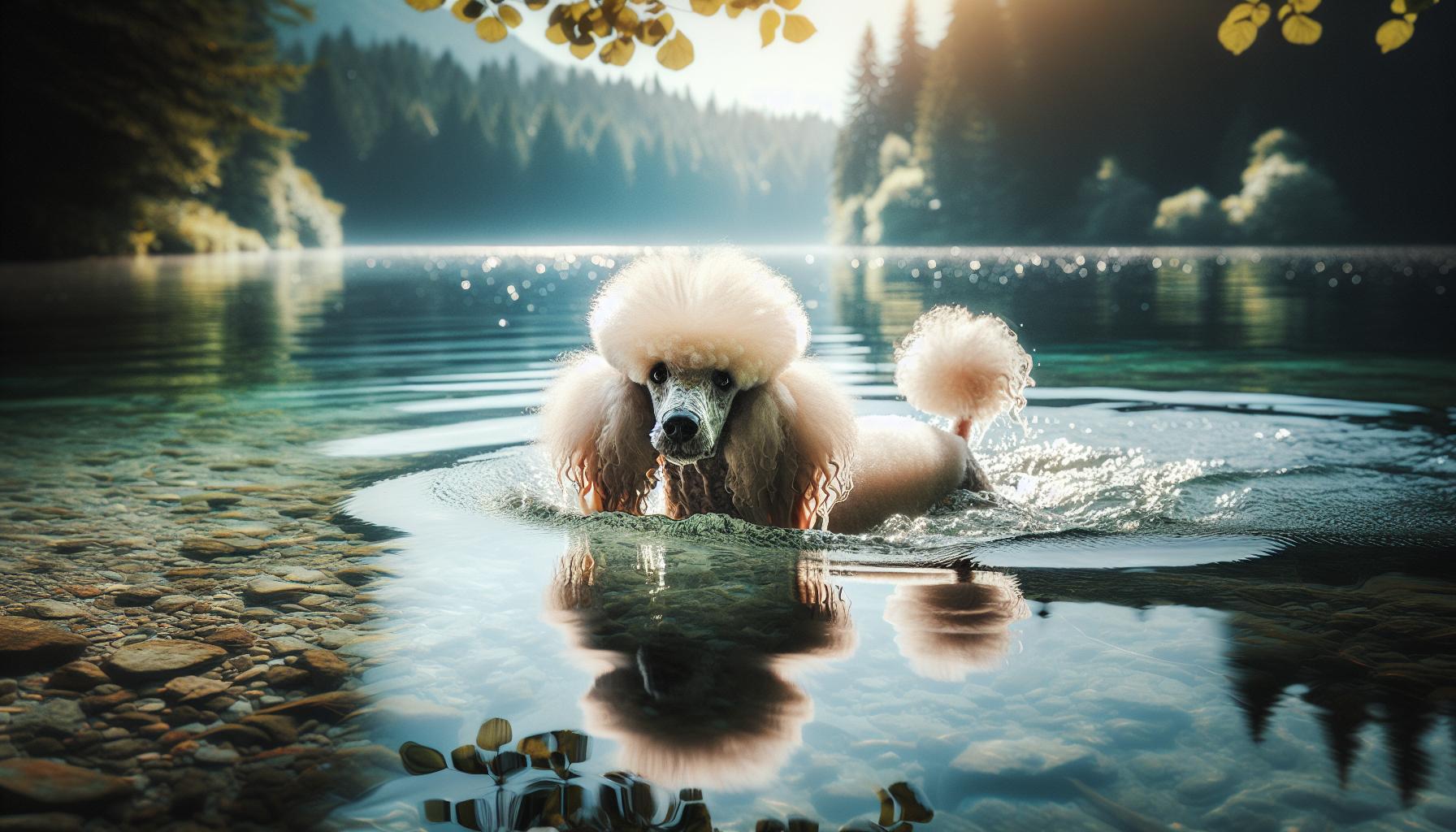
Are Poodles Natural Swimmers? Understanding Their Instincts
Poodles are often celebrated for their intelligence and versatility, but what many dog lovers may not realize is that these elegant canines are also natural swimmers. Initially bred in Germany as water retrievers, Poodles possess a confident affinity for water that dates back centuries. This innate ability to swim stems from their ancestry, where they were highly valued for their skills in retrieving game from lakes and rivers, showcasing not only strength but also agility in water.
Their unique body structure plays an essential role in their swimming prowess. Poodles have long legs and a powerful, well-proportioned frame, making them agile swimmers. They are equipped with a water-resistant coat, which, while providing insulation, helps them stay buoyant. Unlike some breeds, Poodles can swim effectively without becoming fatigued easily, allowing them to engage in aquatic activities longer than many other dogs. To enhance your experience with your Poodle in water, it’s beneficial to recognize these innate instincts while fostering a love for swimming from an early age.
When introducing your Poodle to swimming, consider their natural curiosity and willingness to explore. Start slowly by allowing them to wade in shallow water before gradually progressing to deeper areas. Each dog is different; some may instinctively take to the water like a duck, while others might require gentle encouragement. Remember to provide consistent praise and positive reinforcement to create a fun and rewarding experience, reinforcing their natural instincts and building confidence in their swimming abilities.
The History of Poodles as Water Dogs
Poodles have a remarkable lineage as water dogs, with a history that traces back to their origins in Europe, particularly as water retrievers in Germany and France. Historically, these dogs were bred for their exceptional ability to retrieve waterfowl from lakes and rivers, showcasing both their agility and intelligence. Poodles were not just adept at swimming; they were also valued companions for hunters, proving their worth by navigating through water while exhibiting an innate sense of buoyancy and strength. Their name itself derives from the German word “Pudel,” which means “to splash in water,” highlighting their close relationship with aquatic environments.
The evolution of the Poodle has seen different sizes emerge, including the Standard, Miniature, and Toy breeds. Despite size variations, all Poodles retain their ancestral swimming capabilities, although their confidence in water may differ individually. For instance, Standard Poodles, being the largest, often demonstrate a natural authority in water, while Miniature and Toy Poodles may show more apprehension initially. Regardless of size, all Poodles retain their distinctive water-resistant coat, which not only aids in insulation but also promotes buoyancy, a feature crucial for their historical role as retrievers.
As we dive deeper into their swimming legacy, it’s also significant to note the Poodle’s place in shows and competitions that often highlight their swimming skills. As family pets, they continue to embrace this water affinity, thriving in environments that allow them to explore and play in aquatic settings. Engaging your Poodle in water activities not only taps into their natural instincts but also strengthens the bond between pet and owner, reminding us of their noble heritage as water-loving canines. For new owners, understanding this rich history can enhance training approaches, fostering an encouraging atmosphere where your Poodle feels confident to dive into water adventures.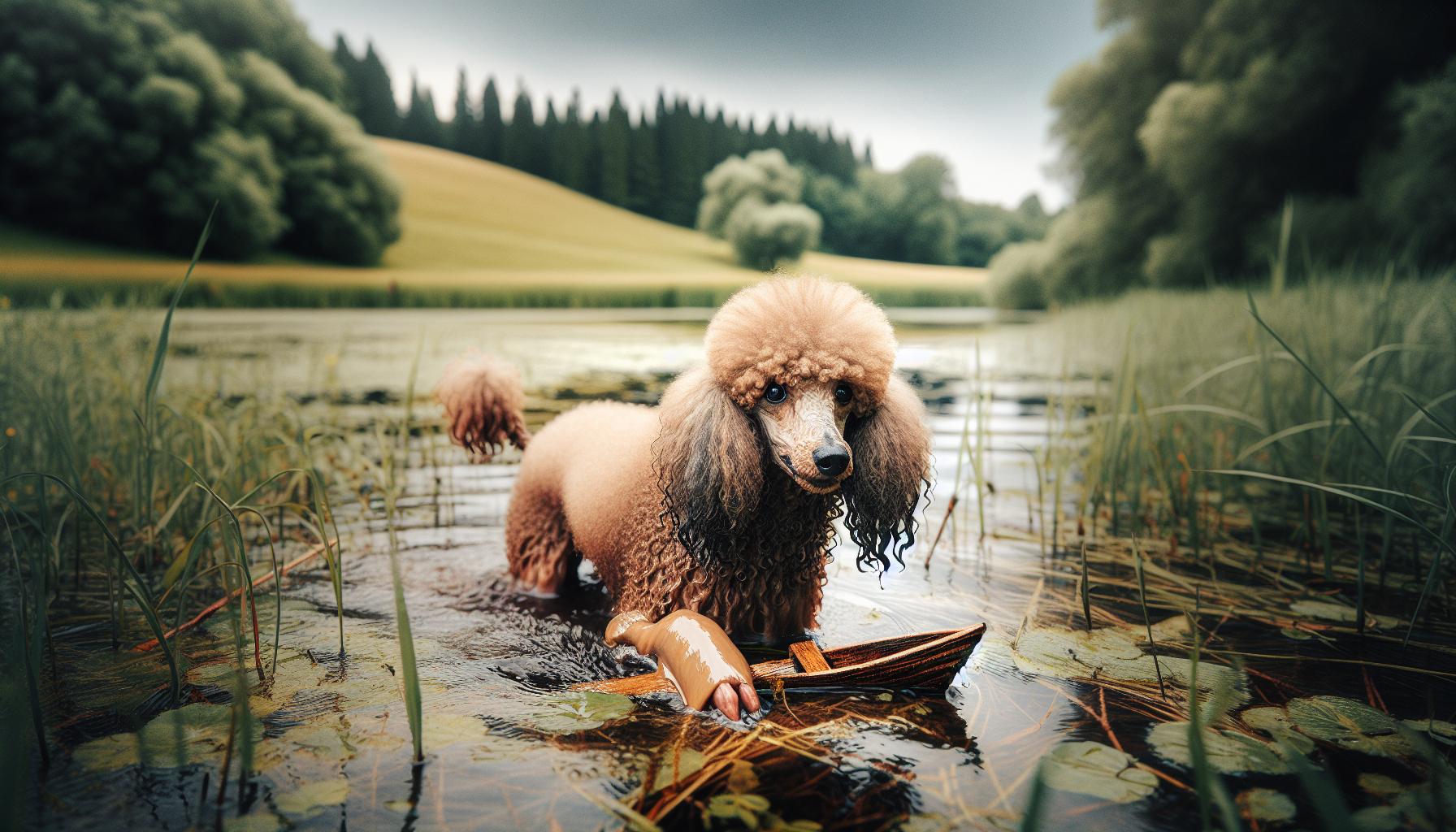
Poodle Coat Types: Impact on Swimming Ability
The unique structure and qualities of a Poodle’s coat play a crucial role in its swimming abilities, acting almost like a natural wetsuit. Comprised of dense, curly hair, the Poodle’s coat is not only aesthetically pleasing but also serves functional purposes that enhance their performance in water. This texture provides a significant level of buoyancy and water resistance, allowing Poodles to swim effectively while keeping their body temperature comfortable, even in cooler waters.
One intriguing factor to consider is how coat types might influence different swimming experiences across Poodle sizes. Standard Poodles, with their larger frames and longer legs, are often more confident swimmers, using their powerful strokes to navigate various bodies of water. In contrast, Miniature and Toy Poodles may have smaller frames which can necessitate a more cautious approach. As a result, they might take longer to gain confidence in the water environment, but this shouldn’t discourage owners from encouraging swimming activities.
Moreover, maintaining a Poodle’s coat is vital for optimizing their swimming potential. Regular grooming and trimming not only prevent matting- which can weigh a dog down in water- but also help manage their coat’s buoyancy. For instance, a well-groomed Poodle will find it easier to paddle and maneuver, compared to one with tangled hair. Owners should also remember that a clean coat assists in thermal regulation, helping Poodles maintain a comfortable body temperature while in the water.
Engaging your Poodle in regular water activities benefits their swimming skills and enhances the bond between you and your pet. By understanding and nurturing the specific characteristics of a Poodle’s coat, you can ensure that they not only look great but also thrive in aquatic adventures, living up to their heritage as natural water dogs.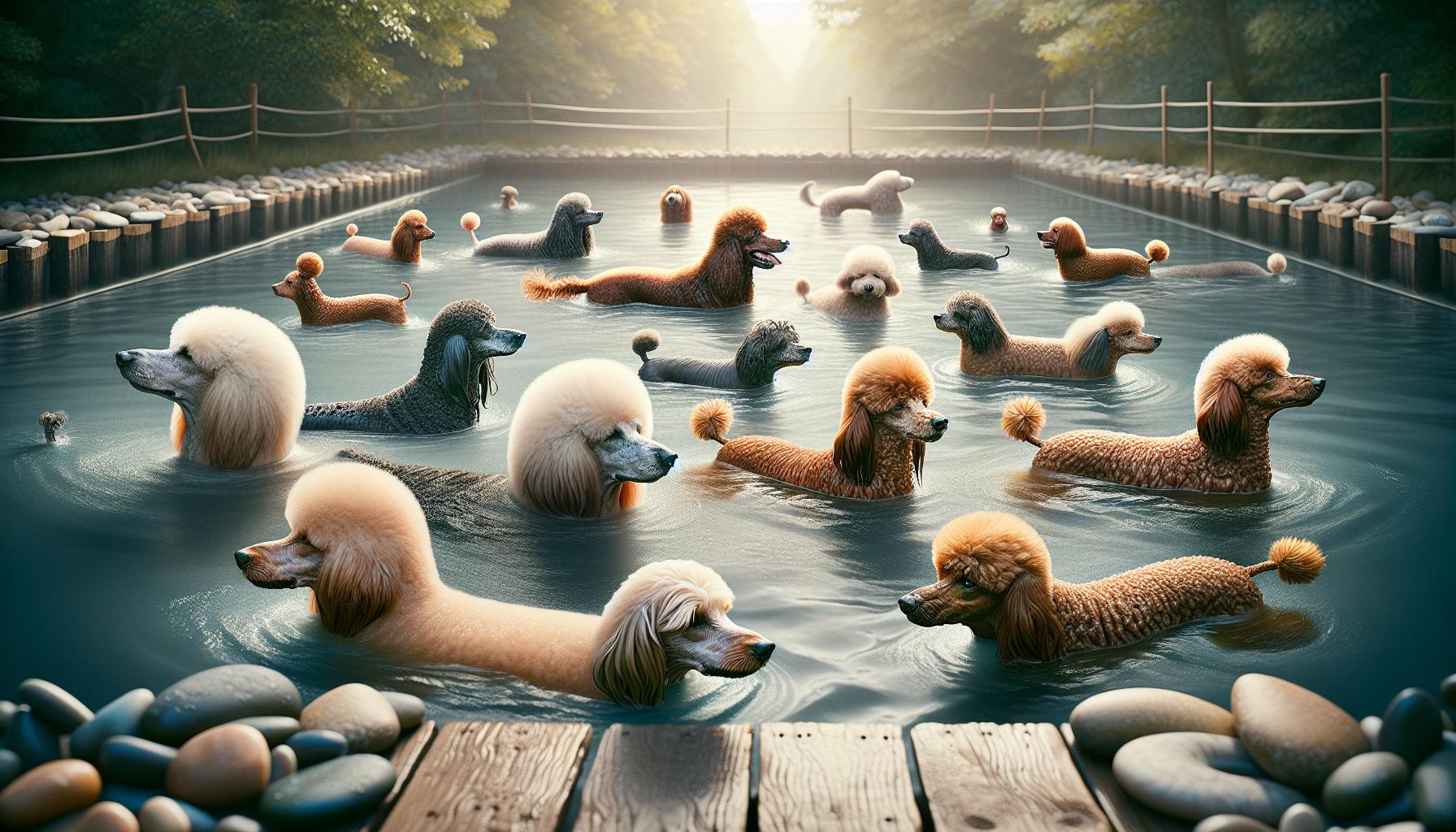
Comparing Poodles to Other Dog Breeds in Water
While many dog breeds have enjoyed the waterside lifestyle, Poodles stand out with their unique blend of heritage and physical traits that make them exceptional swimmers. Compared to other breeds, Poodles exhibit a distinctive buoyancy and agility in water, powered by their keen instincts and robust builds. The combination of their curly coat and efficient swimming style enables them to navigate aquatic environments with a grace that intrigues both dog owners and trainers alike.
When we look at breeds like the Labrador Retriever, often hailed as the ultimate water dog, the comparison is both interesting and instructional. Labs are natural swimmers, buoyant due to their strong, muscular bodies and webbed feet, which provide outstanding propulsion. However, they lack the same level of coat protection that Poodles possess. A Poodle’s dense, curly fur helps to insulate them from cold water temperatures, allowing them to venture into cooler waters with more comfort than a Labrador may experience. This insulating quality not only aids in temperature regulation but also supports Poodles in maintaining energy during longer swims.
Another breed notable for its swimming prowess is the Portuguese Water Dog, known for its versatility in water and strong bond with humans. Similar to Poodles, they sport a curly coat that protects against the elements; however, Poodles generally exhibit a better range of motion thanks to their longer legs and full, powerful strokes, making them exceptionally adept at maneuvering through water. Their inherent playfulness and eagerness to work alongside people in aquatic activities make Poodles equally enjoyable companions in the water as other breeds famed for their swimming.
To truly appreciate Poodles in a swimming context, one must also acknowledge their keen intelligence and eagerness to learn, which differentiates them from more instinctual swimmers. This intellectual curiosity allows Poodles to engage quickly with structured water activities, such as dock diving and agility. Combining this intellectual engagement with their natural swimming skills sets the stage for an enriching experience in the water, both for the Poodle and their owner.
As you consider your Poodle’s swimming abilities, remember that every dog has its unique attributes and preferences. Tailoring swimming activities to match your Poodle’s capabilities can foster confidence and enjoyment in the water, reinforcing the joy of being together in aquatic adventures.
Essential Swimming Techniques for Poodles
When it comes to swimming, Poodles are not just natural talents; they possess unique skills that can be enhanced through proper techniques. Unlike more instinctual swimmers, Poodles’ agility and intelligence allow them to learn and adapt their swimming style, making it essential to teach them the right techniques from an early age. A strong foundation in swimming techniques not only ensures safety but also boosts your Poodle’s confidence in the water.
One of the most effective techniques to promote efficient swimming in your Poodle is the front crawl. This technique incorporates a graceful and rhythmic movement, where the dog alternates its front legs while keeping the back legs engaged. Encourage your Poodle to practice this by enticing them with a favorite toy or treat, gradually introducing the motion in shallow water. Once they are comfortable, you can transition to deeper areas. To assist your Poodle in learning this technique, consider practicing basic commands like “swim” or “fetch” to reinforce positive behavior.
Another important aspect is teaching your Poodle to maintain a proper body position while swimming. Ideally, they should keep a horizontal alignment to conserve energy and enhance propulsion. You can achieve this by adjusting your Poodle’s head positioning; try using a floating toy to maintain an elevated head above water. This helps prevent them from getting tired too quickly and allows them to swim longer distances with ease.
Finally, don’t underestimate the importance of building stamina. Just like human swimmers, Poodles need to build their endurance gradually. Start with shorter swimming sessions-about 10 to 15 minutes-and increase the duration as their confidence and ability grow. Mixing in playtime, such as retrieving toys from the water, can keep the experience enjoyable and engaging for your furry companion.
By incorporating these essential techniques, you’ll not only enhance your Poodle’s swimming skills but also deepen the bond between you and your dog during your water adventures. With patience and positive reinforcement, your Poodle can become a safe and confident swimmer, ready to enjoy all the splashes and fun water activities have to offer!
The Best Conditions for Poodles to Swim
When it comes to the ideal conditions for Poodles to swim, several factors can influence their comfort and performance in the water. Understanding these elements can ensure a safe and enjoyable swimming experience for your furry companion. Generally, Poodles thrive in environments that are calm, warm, and safe.
Warm water is essential for Poodles, as they may become uncomfortable in colder temperatures. Ideally, the water should be between 70°F and 80°F (21°C to 27°C). This not only keeps your Poodle more comfortable, but it also encourages them to engage more actively in swimming. Additionally, choosing a location with a gradual entry point, such as a beach or a shallow lake, allows them to acclimate to the water temperature and depth at their own pace.
Safety is another critical aspect to consider. Always select swimming areas that are free from sharp rocks, debris, or strong currents. These hazards can pose significant risks to your Poodle, especially if they are still developing their swimming skills. For inexperienced or young Poodles, shallow areas with calm water are preferable as they can build confidence and learn to paddle effectively without the fear of being overwhelmed.
Lastly, providing a positive and encouraging environment can greatly enhance your Poodle’s swimming experience. Bring along familiar toys, introduce basic commands related to swimming, and maintain a cheerful demeanor. The bond you share with your Poodle will deepen as they learn to enjoy the water while exploring their natural swimming instincts, transforming what could be a simple activity into a fun-filled experience. Always supervise your Poodle while swimming, ensuring you are close by to assist if needed. By optimizing these conditions, you’re setting the stage for your Poodle to become a confident and enthusiastic swimmer.
Safety Tips for Swimming with Your Poodle
Swimming is an incredible activity that many Poodles naturally enjoy, thanks to their historical roots as water dogs. However, ensuring safety during these aquatic adventures is paramount. As you prepare to venture into the water with your Poodle, consider some essential safety tips to keep the experience both enjoyable and secure.
First and foremost, always supervise your Poodle while they are swimming. Accidents can happen in the blink of an eye, so being present allows you to respond quickly if needed. Use a non-restrictive, well-fitted life jacket, especially for novice swimmers or those venturing into deeper water. Look for jackets that provide buoyancy and allow freedom of movement without causing discomfort.
Choosing the right location for swimming is equally crucial. Seek out calm, shallow areas where your Poodle can gradually acclimatize to the water while ensuring there are no hidden dangers like sharp rocks or strong currents. Familiarize your Poodle with the swimming spot beforehand. Walking them along the shore can help build confidence and comfort in the new setting.
While enjoying the water, make sure to keep your Poodle hydrated and take breaks in the shade, especially on sunny days. Dogs can overheat just like humans, and knowing when to pause for rest can help maintain their energy levels. Additionally, rinsing your Poodle off with fresh water after swimming can help remove chlorine or salt, which may irritate their skin.
Lastly, introduce swimming gradually and positively. Use toys or treats to create a fun environment, and never force your Poodle into the water if they’re hesitant. Building trust through positive reinforcement can make swimming a pleasurable experience for your Poodle, bridging the natural instincts inherited from their ancestors with the reality of modern pet care. Embrace each splash and wag as a step towards fostering a deeper bond with your furry friend.
How to Introduce Your Poodle to Water Activities
Introducing your Poodle to water activities can be a rewarding experience that strengthens your bond while tapping into your dog’s natural instincts as aquatic companions. Poodles are known for their historical background as water retrievers, so with the right approach, you can make their first swimming experiences not only enjoyable but also safe.
Begin by making the water an inviting space. Pick a calm, shallow spot where your Poodle can walk in gradually rather than being thrust into deep water. A beach or a quiet lake is ideal, as it allows your Poodle to explore at their own pace. Before heading straight into the water, let your dog observe you or other pets splashing around to spark their curiosity. Bringing along a favorite toy can encourage your Poodle to take the plunge; many dogs are motivated by play and will be more willing to enter the water if it means fetching their beloved ball or frisbee.
As you introduce them to the water, use a gentle and encouraging tone. At first, you can hold your Poodle near the edge where they can get their feet wet without being overwhelmed. Gradually lead them deeper as they become more comfortable, always giving plenty of praise for their bravery. If they seem hesitant, don’t push them; instead, wait for the right moment when they show some interest or curiosity. Forcing them into the water can lead to negative associations, making future experiences more difficult.
A helpful tip is to practice “paddle training” on dry land. This involves mimicking swimming motions with their paws while they’re on the grass, which can help them understand the movement. When they do venture into the water, providing a life jacket can be beneficial, especially for less confident swimmers or when navigating unfamiliar environments.
Finally, patience is key. Allow your Poodle to have breaks and dry off periodically, especially after their initial foray into swimming. Creating a positive environment and rewarding their explorations will reinforce their confidence in the water. Remember, the goal is to have fun and strengthen your connection with your furry friend while nurturing their innate love for water.
Poodle Breeding: Influences on Swimming Skills
Poodles, renowned for their versatility and intelligence, have a rich history that contributes to their unique talents in water activities. When it comes to swimming, a Poodle’s breeding plays a significant role in shaping their skills and affinity for water. Historically bred as water retrievers, Poodles possess innate characteristics that make them natural swimmers. However, the specifics of their lineage can impact their swimming abilities and overall comfort in aquatic environments.
One crucial aspect to consider is the distinction among different Poodle sizes-Standard, Miniature, and Toy. Each type was bred for specific roles, with the Standard Poodle often utilized as a water retriever due to their size, strength, and stamina. These larger Poodles not only have the physical attributes necessary for swimming but also the endurance to thrive in water for longer periods. In contrast, Miniature and Toy Poodles, while still possessing some water-loving instincts, may not be as naturally inclined to swim long distances or retrieve items from water due to their smaller stature and differing energy levels. This suggests that if your primary interest is in water activities, opting for a Standard Poodle might be the best choice.
Moreover, reputable breeders who focus on producing water-capable Poodles are instrumental in maximizing these traits. Breeders who prioritize genetics that favor natural swimming abilities often test breeding stock for swim characteristics and temperaments conducive to water activities. When selecting a Poodle, inquire about the lineage and whether the breeder has a history of producing water-friendly pups. Additionally, puppies from lines that have been socialized early with water tend to adapt more quickly and display eagerness to swim as they grow.
To encourage optimal swimming skills, it is beneficial to provide consistent training and exposure to water from a young age. Incorporate swimming lessons into their playtime, and use positive reinforcement to build their confidence. Always remember, every Poodle is an individual; recognizing their unique temperament and comfort level in the water is key. By understanding the influences of breeding on swimming skills, you can make informed choices that will enhance your Poodle’s water activities and ensure a joyful experience for both you and your furry companion.
Common Health Considerations for Swimming Poodles
Swimming can be a delightful activity for Poodles, but it’s essential to be keenly aware of certain health considerations that can impact their swimming experiences. Poodles, especially the Standard variety, have relatively high energy levels and often enjoy water play, but this enthusiasm can sometimes lead to health issues if not monitored closely.
One significant concern is ear health. Poodles are known for their distinctive, curly coats, which can trap moisture and debris, increasing the likelihood of ear infections, particularly if they swim frequently. To mitigate this risk, it’s advisable to dry your Poodle’s ears thoroughly after swimming. You can use a soft towel or specifically designed ear-drying solutions recommended by your veterinarian. Keeping the inner ear canal as dry as possible helps prevent infections and ensures your Poodle can continue to enjoy swimming without discomfort.
Another health issue to keep an eye on is hypothermia, especially in smaller or less robust Poodles. Even during warm weather, water temperatures can be significantly cooler than the air, posing a risk if your Poodle is in the water for prolonged periods. Always monitor your dog’s behavior; if they seem lethargic or overly chilled, it’s time to take a break and warm them up. Consider investing in a doggy life vest that provides buoyancy and warmth, contributing to a safer swimming experience.
Moreover, be aware of your Poodle’s overall physical condition. Dogs with underlying health issues, such as hip dysplasia or joint problems, might struggle with swimming. Instead of strenuous swimming sessions, opt for shorter, more frequent splashes in shallow water. Offer a gentle introduction to swimming, allowing your Poodle to acclimate to water gradually, ensuring they stay engaged and safe. Keeping these considerations in mind fosters a positive and enjoyable swimming experience for both you and your furry friend, contributing to a lifetime of joyful aquatic adventures.
Training Methods for Encouraging Water Play
Incorporating water play into your Poodle’s life can inspire joy, exercise, and mental stimulation. Poodles are naturally drawn to water, stemming from their history as water retrievers; however, ensuring they embrace this instinct requires careful training. Start by creating a positive environment around the water. This can include using shallow, calm areas, such as a kiddie pool or a quiet lake, where your Poodle can explore without feeling overwhelmed.
One effective method to entice your Poodle is to utilize their favorite toys. Bring along a selection of fetch toys that float; these not only draw their attention but also encourage them to retrieve items from the water. Toss the toy gently into the shallows and cheer them on as they venture in to fetch it. Celebrate their success with plenty of praise and treats, reinforcing the notion that entering the water leads to fun and rewards.
Introducing Water Gradually
It’s crucial to introduce water in stages. Begin by allowing your Poodle to get accustomed to the water’s edge. You can encourage them to splash and play at the shore while ensuring they feel secure. Gradually, as they become more confident, you can entice them deeper into the water. Use a calm, encouraging tone and avoid frustrating them with overwhelming challenges. Watching and mimicking can also help; join them in the water if you’re comfortable, as your presence will reassure them.
Incorporate swimming lessons into regular training routines. For example, you might start with short sessions focused on balance and movement, slowly encouraging them to paddle as they adjust to deeper water. Always prioritize safety-never force a Poodle into water, and ensure they have a secure grasp of basic commands like “Come” and “Stay” before venturing into more adventurous aquatic activities.
### Safety and Support
Remember to keep safety at the forefront. Equip your Poodle with a life jacket designed for canines, particularly if they are inexperienced swimmers or if you plan to be on a boat. The buoyancy can instill confidence while keeping them safe. For those Poodles that might shy away from water initially, patience and consistent practice will help ease any fears and allow their natural instincts as water dogs to emerge fully.
By establishing these supportive practices, not only will you foster a love for water activities in your Poodle, but you will also strengthen your bond as partners in fun. Engage in this adventure with enthusiasm, and reflect on the moments of accomplishment. With time, your Poodle will likely thrive in an aquatic setting, showcasing their innate swimming abilities and leaving you both with cherished memories of joyful splashes and retrieves.
The Joy of Water Sports for Poodles and Owners
Engaging in water sports with your Poodle can be one of the most rewarding experiences for both you and your furry friend. Not only are Poodles known for their natural affinity for swimming, stemming from their history as excellent water retrievers, but participating in water activities also provides them with physical exercise and mental stimulation. Whether it’s splashing around in a pool, retrieving items from a lake, or even trying out dog paddleboarding, the joy that water sports bring is unparalleled.
When you introduce your Poodle to water activities, you’re opening the door to a world of fun, bonding, and adventure. It’s essential to approach this water journey with patience and encouragement. Each Poodle is unique; some may dive right in, while others might need a little coaxing. Using positive reinforcement, such as treats and toys, helps in creating a joyful atmosphere around water, making it easier for your canine companion to feel secure in this new environment.
Benefits of Water Activities for Poodles:
- Physical Fitness: Swimming is a low-impact exercise that strengthens muscles without putting undue strain on joints, making it ideal for Poodles of all ages.
- Mental Stimulation: Water activities engage your Poodle’s mind, improving focus and cognitive skills. Tasks like retrieving floating toys encourage problem-solving.
- Bonding Time: Sharing water play creates lasting memories and strengthens the bond between you and your Poodle, reinforcing trust and cooperation.
Not only does water play cater to their instincts, but it also provides numerous health benefits. Regular swimming can help with weight management, cardiovascular fitness, and can even assist in rehabilitating injuries. Owners should always keep safety measures in mind, such as using canine life jackets for less experienced swimmers and ensuring the area is free of hazards.
As you dive into the realm of water sports with your Poodle, consider trying various activities. You might discover that your dog excels in agility courses set up on the water or enjoys a leisurely swim by your side in the pool. Whichever activity you choose, the joy you both experience will foster a deeper connection and countless joyful moments. Remember, it’s all about patience, fun, and celebrating those little victories together in the water!
Q&A
Q: Are Poodles good swimmers?
A: Yes, Poodles are excellent swimmers thanks to their natural instincts and historical use as water retrievers. Their webbed feet and buoyant coat help them swim efficiently, making water activities enjoyable for both them and their owners.
Q: What makes Poodles predisposed to swimming?
A: Poodles have a lineage as water dogs, originally bred for retrieving game from water. Their body structure, including a muscular build and water-resistant coat, enhances their swimming ability and comfort in aquatic environments.
Q: Do all Poodles have the same swimming ability?
A: While all Poodles can swim, their swimming ability may vary based on size and coat type. Standard Poodles generally excel in water, while Miniature and Toy Poodles may swim less effectively due to their smaller size and differing physical capabilities.
Q: How can I train my Poodle to swim?
A: Introduce your Poodle to water gradually and use positive reinforcement. Start with shallow water and encourage them to enter, using toys for motivation. Calm and consistent training will help them become confident swimmers.
Q: What health considerations should I keep in mind for my swimming Poodle?
A: Be aware of ear infections, as Poodles are prone to them from water exposure. Always dry their ears post-swim and monitor for skin issues related to prolonged water contact, ensuring their overall health during aquatic activities.
Q: Are there specific swimming activities that Poodles enjoy?
A: Many Poodles enjoy activities like fetch in the water, dock diving, and agility courses involving water obstacles. Engaging them in these activities promotes physical fitness and enhances their affinity for swimming.
Q: What is the best age to start swimming with my Poodle?
A: You can begin introducing your Poodle to water around 4-6 months old, once they are comfortable with basic commands and have received necessary vaccinations. Always ensure the water is safe and supervised.
Q: How do Poodles compare to other breeds in water activities?
A: Poodles are among the top breeds for water activities, thanks to their intelligence and agility. Compared to breeds like Labradors and Golden Retrievers, they are similarly effective swimmers, especially when trained properly.
To Wrap It Up
Now that we’ve explored the fascinating swimming history and natural abilities of Poodles as exceptional water dogs, it’s clear they excel in aquatic environments, thanks to their unique traits. Whether you’re considering adding a Poodle to your family or just love learning about this intelligent breed, remember that their swimming skills can provide an enjoyable experience for both you and your furry friend. Have you thought about how to safely introduce your Poodle to water? Check out our related guide on “Poodle Care Tips for Water Activities” and “How to Train Your Poodle for Swimming” for practical advice.
Don’t miss out on expert insights and resources-subscribe to our newsletter for the latest updates, tips, and community stories! If you’re eager to dive deeper into the world of dogs or have questions about Poodle behaviors, feel free to leave a comment; we’d love to hear your thoughts. Continue your journey with us by exploring our articles on dog breeds and training, and watch your bond with your Poodle flourish. Together, let’s make every splash a joyful moment!