The Barbet, a charming water dog from France, has a rich history that weaves through the marshes and waterways of its homeland to modern living rooms across the globe. As a breed known for its distinctive curly coat and friendly demeanor, the Barbet has captured the hearts of dog lovers everywhere. Understanding their journey not only enriches our appreciation for this unique breed but also highlights their adaptability and the joy they can bring into our homes. Whether you’re considering welcoming a Barbet into your family or simply intrigued by their story, exploring their history will reveal the qualities that make them exceptional companions. Join us as we delve into the fascinating transformation of the Barbet from skilled hunting partners to beloved family pets, discovering how they maintain their lively spirit and diverse heritage along the way.
The Origins of the Barbet Dog: A Historical Overview
The Barbet dog, often celebrated for its charming appearance and loving nature, has a fascinating history that traces back to the marshes of France. This breed is believed to have originated in the 16th century, specifically crafted for the purpose of retrieving waterfowl. The Barbet’s name, derived from the French word for “beard,” aptly describes its distinctive facial fur, which not only enhances its appearance but also serves a functional role in protecting it while swimming in cold waters. The breed’s rich tapestry is woven from various types of water dogs, symbolizing the adaptability and skill necessary for hunting in challenging terrains.
Barbets were not just prized companions; they played an integral role in the hunting culture of France, aiding hunters to locate, flush, and retrieve game birds from wetland areas. This made them invaluable to the hunting community, leading to their widespread recognition and affection. Moreover, their webbed feet and waterproof coat set them apart as natural swimmers, giving them an unassailable edge in their watery domains. These traits reflect their historical significance, showcasing their dual role as both a workhorse in the fields and a beloved family pet.
As times changed, so did the relationship between the Barbet and humans. From their beginnings as diligent hunting aides, Barbets transitioned into family companions, capturing the hearts of dog lovers with their affectionate disposition and intelligent nature. Today, while they still retain their strong retrieving instincts, they are often found relaxing at home, enjoying family life, and playing with children. The Barbet has thus secured its place not only in the hunting scene but also in the hearts of many modern families, exemplifying the ideal blend of utility and companionship. This evolution from the marshes of France to contemporary homes underscores the breed’s remarkable adaptability and enduring charm, making Barbets a delightful addition to any household.
Key Characteristics of the Barbet Breed

The Barbet is a dog breed that stands out not only for its striking looks but also for its remarkable versatility as both a companion and a working dog. With their well-defined, curly coat that comes in a variety of colors such as black, brown, and cream, Barbets boast an impressive aesthetic that captivates dog lovers. Their name, originating from the French word for “beard,” perfectly encapsulates their unique appearance. This breed typically weighs between 35 to 65 pounds and ranges in height from 20 to 25 inches, making them a medium-sized dog that is both sturdy and agile.
One of the most notable features of the Barbet is their webbed feet, which enhance their swimming abilities, a trait that harks back to their historical role as waterfowl retrievers. Their water-resistant coat and strong legs make them exceptional swimmers, often described as “natural athletes” in water-related activities. Furthermore, their intelligent and eager-to-please nature makes them highly trainable. Simply put, they thrive when given a job to do, whether that’s fetching a ball or participating in dog sports like agility and obedience trials.
Barbets are not only skilled workers; they also excel as family companions. Their friendly disposition and gentle temperament make them particularly suitable for households with children. They are known for their affectionate nature, forming strong bonds with their families and often displaying a playful spirit that endears them to all. This blend of characteristics makes them a perfect fit for active families who appreciate a loyal and energetic partner.
Prospective owners should note that while Barbets are adaptable and resilient, their grooming needs can be significant due to their curly coat. Regular grooming will help prevent matting and keep their skin healthy. Incorporating grooming into your routine can also foster a strong bond between you and your furry friend, turning what might seem like a chore into a cherished bonding time. Overall, the Barbet’s unique blend of beauty, brains, and heart makes them an exceptional breed for those prepared to invest the time and love they require.
The Barbet’s Role in French Waterfowl Hunting
The Barbet’s historical prowess as a waterfowl hunter is not just a footnote in dog breed history; it is a captivating tale that echoes through centuries. Originating in France during the 16th century, the Barbet was celebrated for its remarkable swimming ability and unwavering dedication as a companion to hunters. With their webbed feet, thick, water-resistant woolly coats, and keen intelligence, these dogs were perfectly equipped to navigate the often harsh and unpredictable conditions of marshes and lakes, making them invaluable to French hunters seeking to retrieve waterfowl.
Hunters relied on Barbets not only for their physical capabilities but also for their gentle yet determined demeanor. This breed’s natural instinct to retrieve, paired with their affectionate nature, allowed them to work collaboratively with their human partners without missing a beat. On many occasions, a well-trained Barbet could be seen bounding into the water with enthusiasm, bringing back ducks and geese with the utmost care-an essential skill that made them a preferred choice among hunters.
The Barbet’s versatility extended beyond just retrieving waterfowl; they were also known for their agility and stamina, qualities that endeared them to hunters in various scenarios from land to water. Their calming temperament made them trustworthy companions during long hunts, reducing stress for both the hunter and their canine partner. Such characteristics have helped solidify the Barbet’s legacy as not just a working dog but a loyal family member that has successfully transitioned from the marshes to the modern home.
Today, as you think about welcoming a Barbet into your family, consider this rich history. Understanding their roots can help you appreciate their instincts and energy levels, which are perfect for families who enjoy an active lifestyle and outdoor adventures. Whether in the field or at home, a Barbet thrives on companionship and engagement, embodying the spirit of their ancestors who once splashed through French wetlands in pursuit of a successful hunt. By continuing to honor their heritage through regular exercise and active play, you’ll not only keep your Barbet happy but also celebrate a bond that honors their remarkable past.
Adaptation from Marshes to Family Homes
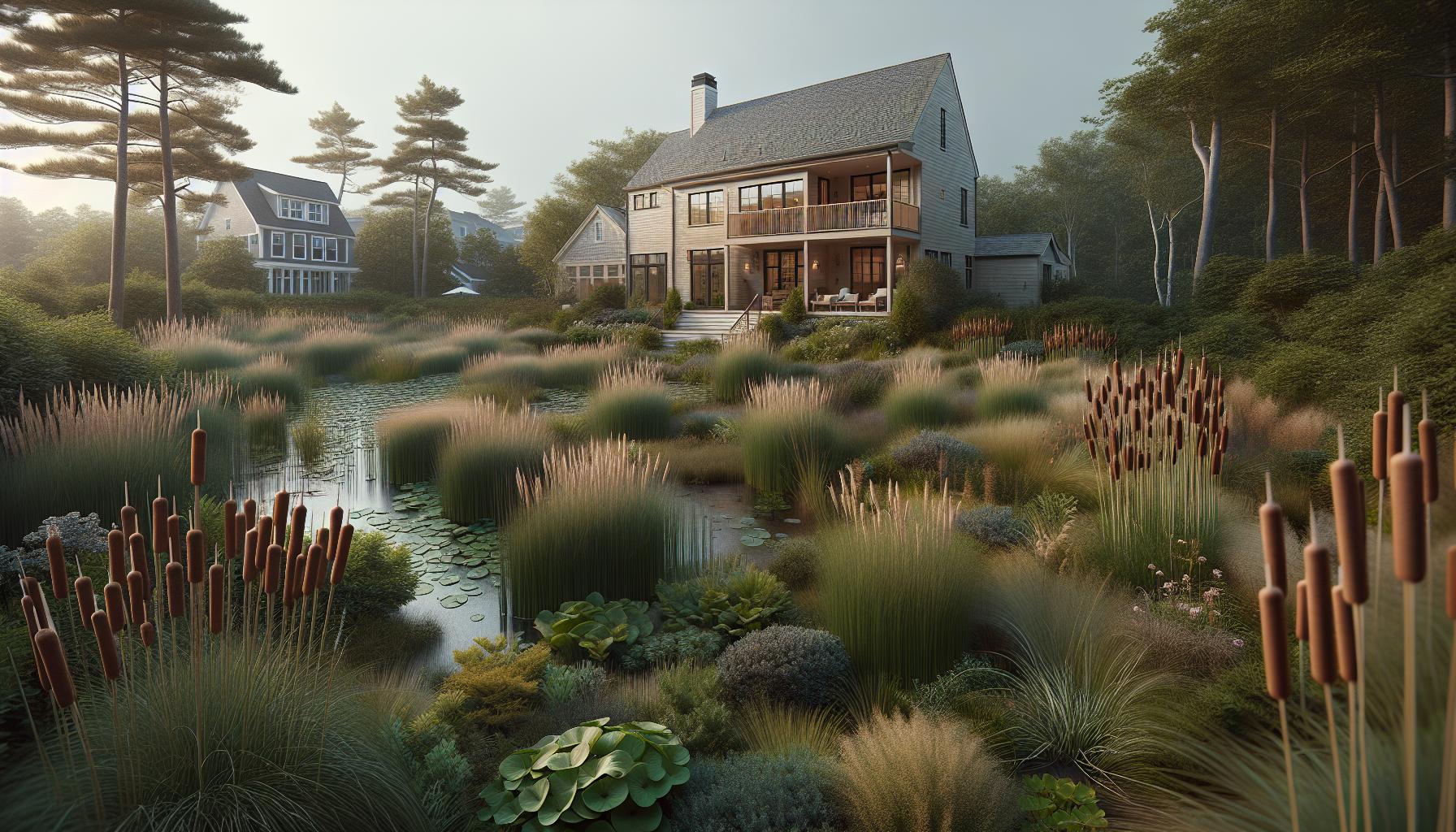
Welcoming a Barbet into your home means embracing a breed that has seamlessly transitioned from the rugged marshes of France to the comforts of modern family life. These dogs, renowned for their exceptional swimming ability and companionship, have adapted remarkably well from their historical roles as avid waterfowl hunters to beloved family pets. Understanding their journey can provide insights into their needs and behavior in a home setting.
The intelligence and sensitivity that made Barbets excellent hunting companions also render them highly responsive to human interactions. They thrive on strong bonds with their families, often desiring companionship throughout the day. This makes them well-suited for active families that can offer plenty of playtime and engagement. Whether it’s playing fetch in the backyard or participating in family outings, the Barbet’s love for physical activity and connection brings joy to both dog and owner.
While their instincts for waterfowl retrieval remain intact, loving Barbet owners can channel this energy through various activities. Regular opportunities for swimming, running, or engaging in agility training can help fulfill their need for physical exertion. Moreover, appropriately structured playtime can satisfy their mental stimulation requirements, preventing boredom that could lead to unwanted behaviors. Incorporating these aspects into a daily routine not only honors their heritage but enriches their life in a home environment.
Ultimately, integrating a Barbet into your family means fostering a dynamic relationship that appreciates their history while adapting to modern living. By providing a balance of exercise, mental challenges, and ample affection, you’ll nurture a well-rounded, happy companion reminiscent of their origins in the lively French wetlands.
Barbet Dog Temperament: What to Expect

The Barbet is not just a remarkable swimmer; it’s a companion known for its affectionate nature and intelligence. This breed boasts a temperament that is both joyful and gentle, making it an excellent addition for families and individuals alike. A Barbet is typically eager to please, which often translates to a loyalty that is heartwarming. They thrive on social interactions and don’t do well being left alone for long periods. Imagine coming home to a wagging tail and excited barks-it’s a daily reminder of their loving disposition.
Understanding the Barbet’s emotional needs is key to forging a strong bond. These dogs are naturally sensitive; they react positively to praise and gentle guidance. Positive reinforcement during training sessions is essential. They respond best to kindness rather than harsh discipline. For example, you might find that your Barbet learns commands more quickly with a rewarding game of fetch or a treat rather than a reprimand. Keeping training sessions fun and engaging will help in constructing a trusting relationship with your pup.
Further, the Barbet’s playful nature makes them well-suited for an active household. They have a natural enthusiasm for play, whether it’s retrieving in the water or running alongside you on a hike. Incorporating regular playtime or physical activities can satisfy their energy levels and prevent boredom-related issues. It’s essential to remember that, although they might be playful companions, Barbets also enjoy quiet moments with family. Cuddling on the couch after an energetic day is just as fulfilling for them as an afternoon of adventure.
To sum up, welcoming a Barbet into your home comes with the promise of endless affection and a playful spirit. Their engaging temperament not only enriches family life but also fosters a nurturing environment where everyone feels included. Everyday interactions with a Barbet can become cherished moments-transforming a house into a home filled with warmth and companionship.
Barbet Care Essentials: Grooming and Maintenance
Taking care of a Barbet goes beyond sharing cuddles and playful moments; it involves a commitment to grooming and maintenance that keeps this delightful breed healthy and happy. With their distinctive curly coat, Barbets require dedicated attention to maintain their unique appearance while preventing any skin issues commonly associated with long, dense fur. Regular grooming not only enhances their physical condition but also serves as a bonding experience, enabling you to connect with your pet in a meaningful way.
### Grooming Routine Essentials
To keep your Barbet looking their best, establish a consistent grooming routine. Here’s what to focus on:
- Brushing: Aim to brush your Barbet’s coat at least twice a week. This helps to prevent matting, removes loose hair, and distributes natural oils throughout their fur. A slicker brush or a comb with wide teeth is ideal for this task.
- Bathing: Depending on their activity level and coat condition, baths should be given every 4 to 6 weeks. Use a gentle dog shampoo to avoid skin irritation, and make sure to rinse thoroughly to remove all residue.
- Drying: After bathing, towel dry your Barbet promptly. If using a blow dryer, ensure it’s at a low setting to avoid overheating their skin, as Barbets can be sensitive to extreme temperatures.
- Ear Care: Given their droopy ears, regular ear checks are crucial to prevent infections. Wipe the ears gently with a damp cloth and consult your veterinarian if you notice any redness or unusual odors.
- Nail Trimming: Trim your Barbet’s nails every 3 to 4 weeks to prevent cracking and discomfort. If they’re active on natural surfaces, you may need to trim less frequently.
### Health Maintenance Checklist
In addition to the grooming specifics, maintaining an overall health checklist is vital:
- Regular Vet Visits: Schedule annual check-ups to spot potential health issues early and keep their vaccinations up to date.
- Dental Care: Consider brushing their teeth regularly or providing dental chews to maintain oral health.
- Diet and Nutrition: Consult your vet on appropriate diet plans that cater to their age, size, and activity level. Keeping a balanced diet supports their immune system and coat health.
By committing to these grooming and health maintenance practices, not only will your Barbet thrive, but the time spent together during grooming sessions can deepen your bond, ensuring you both enjoy a fulfilling companionship. Remember, a well-groomed Barbet is a happy Barbet!
Training Your Barbet: Tips for Success
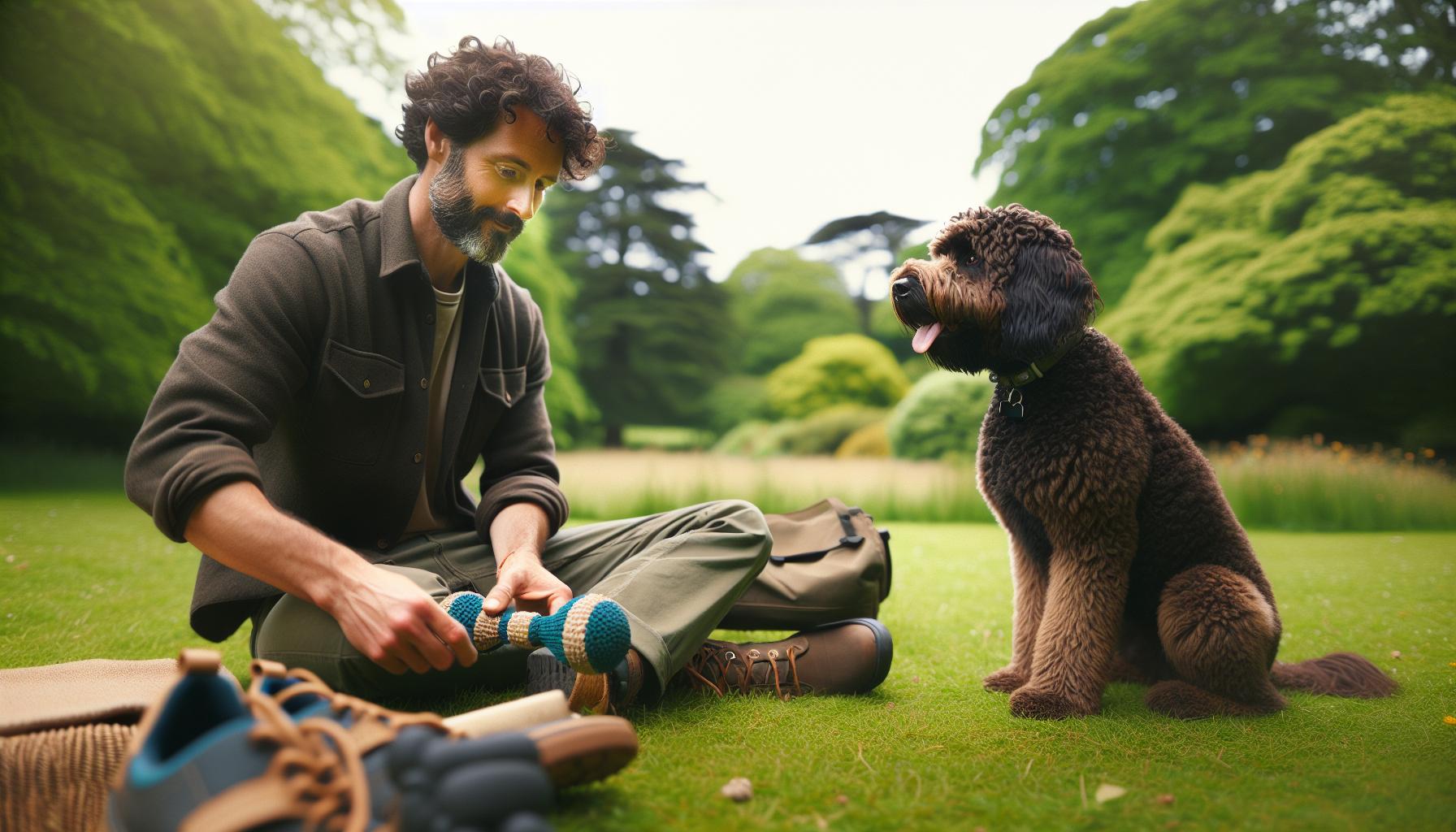
Training a Barbet can be an incredibly rewarding experience, not just for the dog but also for the owner. With a breed history steeped in intelligence and versatility, Barbets are quick learners, making them suitable for various training programs-from basic obedience to more complex skills like agility or even water retrieval. Their natural eagerness to please and friendly disposition means that training can be a fun and engaging process.
Establishing a training routine early on is essential. Start with basic commands like “sit,” “stay,” and “come.” These foundational commands will not only enhance good behavior but also provide a framework for more advanced tricks as your Barbet matures. Positive reinforcement is key; use treats or praise to reward your dog immediately after they complete a command. For instance, if you’re teaching the “fetch” command, reward your Barbet each time they bring the toy back. This reinforces not just the action, but also the bond between you and your furry friend.
Socialization Matters
Socialization is equally crucial for Barbets, especially given their roots as water dogs. Exposing them to various environments, people, and other animals from a young age will help ensure they grow into well-adjusted adults. Bring your Barbet to the park, introduce them to friendly dogs, and let them explore different terrains. This kind of exposure will assist them in developing confidence and reducing anxiety in new situations.
Training Challenges and Solutions
It’s important to keep in mind that training isn’t always a linear process. You may encounter challenges, such as stubbornness or distractions. If your Barbet seems unfocused during training sessions, consider reducing the length of the sessions or introducing more playful elements. Short, fun bursts of activity can often keep their interest piqued. Additionally, patience is paramount; consistent, loving repetition will yield the best results.
Remember, each Barbet is unique, and tailored approach based on their personality will be most effective. Celebrate small victories, whether it’s mastering a new trick or simply sitting politely during mealtime. Your Barbet’s training journey is not just about obedience; it’s an opportunity to deepen the bond you share and to cultivate a strong, trusting relationship that will last for years to come.
Health Concerns Common in Barbets
When welcoming a Barbet into your home, it’s vital to be aware of specific health concerns that may affect this breed. Like many purebreds, Barbets can be predisposed to certain genetic conditions, but with proper care and knowledge, you can significantly enhance their quality of life and longevity.
One common issue among Barbets is hip dysplasia, a hereditary condition where the hip joint doesn’t fit snugly into the hip socket. This can lead to pain and mobility problems. Regular vet check-ups, maintaining a healthy weight, and providing appropriate exercise can help mitigate risks associated with this condition. Another significant concern is progressive retinal atrophy (PRA), which affects the vision of the dog over time. Regular eye examinations by a vet can help catch such issues early, enabling better management.
Barbets are also prone to skin conditions due to their dense curly coats. This breed can develop allergies that manifest as itchy skin or ear infections, particularly if they are frequently exposed to water or moisture. Routine grooming is essential-not just for aesthetics but to ensure that the coat is healthy and free of debris that could cause skin irritation. Bathing should be done conservatively to avoid stripping the natural oils from their skin, which can lead to further problems.
Additionally, a Barbet’s diet and nutrition play a crucial role in their overall health. Providing a balanced diet that meets their energy needs-especially considering their history as active waterfowl hunters-is key. Consult with a veterinarian to select high-quality dog food that supports their activity level and helps maintain a healthy weight, as obesity can exacerbate health issues like hip dysplasia.
Fostering an environment that promotes healthy habits will not only enrich your Barbet’s life but will also enhance the bond you share. Schedule regular vaccination and health check-ups to catch any potential health issues early. With due diligence and a proactive approach, you can ensure that your Barbet thrives, continuing their legacy of being joyful companions right from the marshes to your modern home.
Selecting the Right Barbet for Your Lifestyle
Choosing a Barbet to become a part of your family is not just about selecting a cute face; it’s about understanding the breed’s unique traits and how they fit within your lifestyle. The Barbet, with its rich history as a waterfowl retriever, is an engaging, intelligent, and sociable breed that thrives in active environments. If you’re contemplating welcoming one into your life, it’s essential to consider the time and commitments they require to thrive.
To ensure a harmonious relationship, reflect on your daily routine and living situation. Barbets are energetic dogs that need significant exercise and mental stimulation. If you enjoy outdoor activities like hiking, swimming, or even just long walks, a Barbet will relish the opportunity to join you. Their buoyant spirit makes them wonderful companions for families that lead an active lifestyle. On the other hand, if your home life is more sedentary or if you spend long hours away from home, a Barbet may struggle, as they can develop separation anxiety without adequate social interaction.
Assessing Space and Environment
Your living space also plays a critical role in selecting the right Barbet. This breed, known for its playful nature, is most comfortable in environments that offer enough room to roam and play. An apartment can be suitable if it has access to parks or open spaces, but a home with a secure yard where a Barbet can splash around and enjoy nature would be ideal. Remember, these dogs were bred for marshy terrains; they love to get wet and dirty! So, offering them a space where they can indulge in this instinctual behavior will keep them happy and content.
Considerations for Families
If you have children or other pets, Barbets typically do well due to their friendly and tolerant demeanor. Their affectionate nature makes them excellent family dogs, but early socialization and exposure to various people and situations are crucial. If you already have pets, think about their adaptability-Barbets can coexist peacefully with other dogs and cats if introduced properly.
As you explore this journey of selecting a Barbet, also consider your financial readiness for dog ownership. The costs related to grooming, vet visits, quality food, and training can add up, particularly because Barbets require regular grooming to maintain their curly coats and prevent matting. Connecting with breeders or rescues that prioritize health and temperament is advisable, so you find a Barbet that aligns with your expectations and enhances your home.
In conclusion, taking the time to evaluate your lifestyle, living situation, and commitment level will guide you to making an informed decision about bringing a Barbet into your life. With their joyful nature and ability to adapt, they can become more than just pets-they can be cherished family members that enrich your everyday experiences.
Barbet vs. Other Water-Friendly Breeds
Water-loving breeds often capture the hearts of dog enthusiasts, and the Barbet stands out with its unique combination of charm and history. Known for its distinctive curly coat and sociable nature, the Barbet is a delightful companion for families who enjoy an active lifestyle. However, how does this breed measure up against other water-friendly dogs, such as the Labrador Retriever and the Portuguese Water Dog? Understanding these comparisons can help potential owners appreciate the Barbet’s unique qualities and make informed decisions.
Both the Barbet and the Labrador Retriever are renowned for their retrieving abilities. However, while Labradors are often known for their sturdy build and exuberant energy, Barbets tend to have a slightly more balanced and adaptable disposition. This makes Barbets an excellent choice for families looking for a dog that can be both playful and deeply loyal without being overwhelmingly exuberant. Furthermore, Labradors require regular exercise and mental stimulation, much like Barbets, yet some may find the Barbet’s lower energy level appealing, particularly for those who may not have the time or energy for a high-energy breed.
When comparing the Barbet to the Portuguese Water Dog, both breeds share a strong affinity for water and similar historical roots in assisting fishermen and hunters. However, the Barbet’s hypoallergenic coat offers a significant advantage for families concerned about allergies-a trait that not all water breeds possess. Moreover, the Portuguese Water Dog tends to be slightly more intense and requires rigorous training, whereas Barbets are often viewed as more personal and intuitive, making them easier to train for first-time dog owners. The softer temperament of the Barbet can make it a gentler companion for children and other pets, aligning perfectly with families seeking a harmonious home environment.
In considering the ideal environment for these breeds, all water-friendly dogs thrive in active households with ample space to play. However, Barbets, with their historical roots in marshy terrains, take particular joy in swimming and exploring watery areas. Providing them with the opportunity to engage in these activities can significantly enhance their happiness and well-being. Owners of any water-friendly breed should ensure they have access to safe swimming spots, with consideration for the Barbet’s love for nature and play.
Ultimately, the choice between a Barbet and other water-friendly breeds will depend on personal preferences related to activity levels, grooming requirements, and family dynamics. By carefully weighing these factors, potential owners can find the breed that best complements their lifestyle while enjoying the rich history and companionship that comes with welcoming a water-loving dog into their home.
Engaging Activities for Your Barbet Dog
are not just essential for their physical well-being; they’re also a wonderful way to deepen your bond with this intelligent and affectionate breed. Known for their love of water and playful nature, Barbets thrive when they can express their natural instincts. Taking advantage of their unique characteristics will not only keep them happy and healthy but also enrich your lives together.
One of the best activities to indulge your Barbet’s love of water is swimming. Consider visiting a dog-friendly beach or lake, where your Barbet can unleash their energy and enjoy a refreshing dip. You can make this even more exciting by bringing along a floating toy or a frisbee for games of fetch in the water. This not only fulfills their exercise needs but also provides mental stimulation, as they will love the challenge of retrieving objects from the water.
Outdoor Adventures
Barbets are versatile dogs that enjoy various outdoor adventures. Here are a few suggestions to keep them physically active and engaged:
- Hiking: With their roots in marshy terrains, Barbets enjoy exploring nature trails. Find scenic paths where they can sniff out new scents and encounter other wildlife.
- Agility Training: Set up a course in your backyard or participate in local agility classes. This not only increases their physical fitness but also sharpens their focus and ability to follow commands.
- Fetch: Traditional fetch games are a great way to cater to their retrieving instincts. You can even adapt this game by using water-based environments to add excitement.
In addition to physical activities, enriching your Barbet’s mental capacity is crucial. Interactive toys and puzzles can keep them engaged when indoors. These toys challenge their problem-solving skills and can reduce boredom when they can’t engage in outdoor activities.
Finally, consider joining a community group that focuses on dog training or events. Socializing with other dogs and their owners can provide both you and your Barbet with new experiences and relationships, creating lifelong memories. With the right mix of activities, your Barbet will not only thrive but also keep their spirited, cheerful nature, making every day a joyful adventure for both of you.
The Future of the Barbet Dog in Modern Society
The Barbet is poised to flourish in modern society, embracing its historical roots as a versatile water dog while adapting to the changing dynamics of family life. This breed, with its cheerful disposition and innate retrieval skills, is increasingly becoming a popular choice for families and individuals seeking companionship and an active lifestyle. As our lives become more sedentary due to technology and urban living, the need for engaging and active pets like the Barbet becomes more essential. The Barbet’s adaptability and eagerness to please make it an excellent fit for the ever-evolving family unit.
One notable trend is the rise in dog-friendly activities and venues. Increasingly, pet owners are seeking ways to include their dogs in their daily lives, whether through outdoor adventures, family gatherings, or travel. Barbets, with their sociable nature, love to participate in family activities. You might take your Barbet hiking on scenic trails or swimming in dog-friendly lakes, where their innate love for water can shine. This not only enhances the breed’s well-being but also fosters a deep bond between dog and owner. With their history as exceptional water retrievers, Barbets are natural swimmers, which can be leveraged to keep them physically fit and mentally stimulated while strengthening your relationship.
Looking ahead, training and socialization will be more crucial than ever. New owners can benefit from effective training strategies that promote good behavior in various settings. Community support through training classes, dog parks, and social events will ensure that Barbets continue to breed well-rounded, happy puppies adapted perfectly to modern living. As we become more aware of the mental health benefits of pet ownership, fostering a loyal, loving companion like the Barbet isn’t just rewarding; it’s vital for promoting a healthy lifestyle.
The future of Barbets in modern society not only ensures that they remain beloved companions but also reinforces their role as integral members of our families. By embracing the Barbet’s playful spirit, energy, and intelligence, we can ensure a future filled with lots of adventures-whether in the city or by the water’s edge-while fostering a tight-knit relationship that reflects the love and joy they bring into our lives.
Q&A
Q: What historical roles did the Barbet dog breed fulfill?
A: The Barbet was originally bred as a waterfowl retrieval dog, playing a key role in French hunting traditions. They served as versatile working dogs, used for flushing game in marshes, making them essential companions for hunters throughout history.
Q: How has the Barbet’s living environment changed from historical times to now?
A: Historically, Barbets lived in farmyards and rural homes, primarily working alongside hunters. Today, they have adapted to modern family life, becoming beloved companions in diverse living environments, from urban apartments to suburban homes, showcasing their versatility as both working and companion dogs.
Q: What impact did the French Revolution have on the Barbet dog breed?
A: The French Revolution led to a decline in the Barbet’s popularity, as many noble families, who often owned such breeds, were displaced. This loss of patronage nearly brought the breed to extinction, pushing dedicated breeders to revitalize the Barbet in subsequent years.
Q: Why is the Barbet considered a rare breed today?
A: The Barbet is considered rare primarily due to its limited geographical breeding population and historical fluctuations in popularity. Efforts by breed enthusiasts and organizations aim to increase awareness and preservation, but it remains less common compared to other retriever breeds.
Q: How did the Barbet evolve from a working dog to a family pet?
A: The Barbet’s transition into family life stems from its friendly temperament and adaptability. As society shifted toward valuing pets for companionship, the breed was embraced for its affectionate nature and suitability for family environments, surpassing its traditional roles.
Q: What were the Barbet’s contributions to canine sports and activities in its history?
A: Traditionally, Barbets excelled in hunting and retrieving waterfowl, which paved the way for their participation in canine sports. Their athleticism and intelligence have made them capable competitors in water trials, obedience, and agility, enhancing their popularity as both working and sports dogs.
Q: How does the Barbet’s history influence its care and training today?
A: Understanding the Barbet’s working background helps owners tailor training methods that engage their intellect and physical abilities. Regular exercise and training sessions that mimic hunting tasks can enhance their natural skills and enrich their lives as family companions.
Q: Where can I learn more about maintaining the Barbet’s unique coat?
A: For detailed grooming advice tailored to the Barbet’s curly, hypoallergenic coat, check the “Barbet Care Essentials” section in the main article. Proper grooming is vital for their health and appearance, ensuring they remain comfortable as they adapt to home life.
In Summary
The journey of the Barbet from the tranquil French marshes to modern homes is a testament to its charm and versatility. This lovable breed, with its rich history as a skilled waterfowl hunter, offers not just companionship but also intelligence and warmth that fits seamlessly into family life. If you’re considering inviting a Barbet into your home, remember that they thrive with active engagement and proper care, making them an amazing addition for both new and experienced dog owners.
Don’t miss out on exploring more about the Barbet’s unique traits! Dive into our guides on dog training tips and breed care essentials to ensure your furry friend is happy and healthy. If you’re ready to take the next step, consider subscribing to our newsletter for expert advice and exclusive resources. Join our community-share your experiences, ask questions, and connect with fellow Barbet enthusiasts. Every moment with a Barbet is a chance for joy, learning, and companionship. Embrace the adventure today!