Labradoodles, known for their friendly temperament and minimal shedding, are a popular choice for families and individuals alike. But as a new or prospective owner, you might find yourself wondering, “Can my Labradoodle be left alone?” Understanding their independence is crucial for ensuring a happy, well-adjusted pet. While Labradoodles are generally social and thrive on companionship, they may struggle with separation anxiety if left alone for extended periods. This article explores the independence levels of Labradoodles, offering insights and practical tips to ensure a harmonious home. Whether you’re considering bringing one into your life or are already an experienced owner, we’ll equip you with the knowledge to create a nurturing environment for your furry friend. Stay tuned to learn how to manage your Labradoodle’s alone time effectively!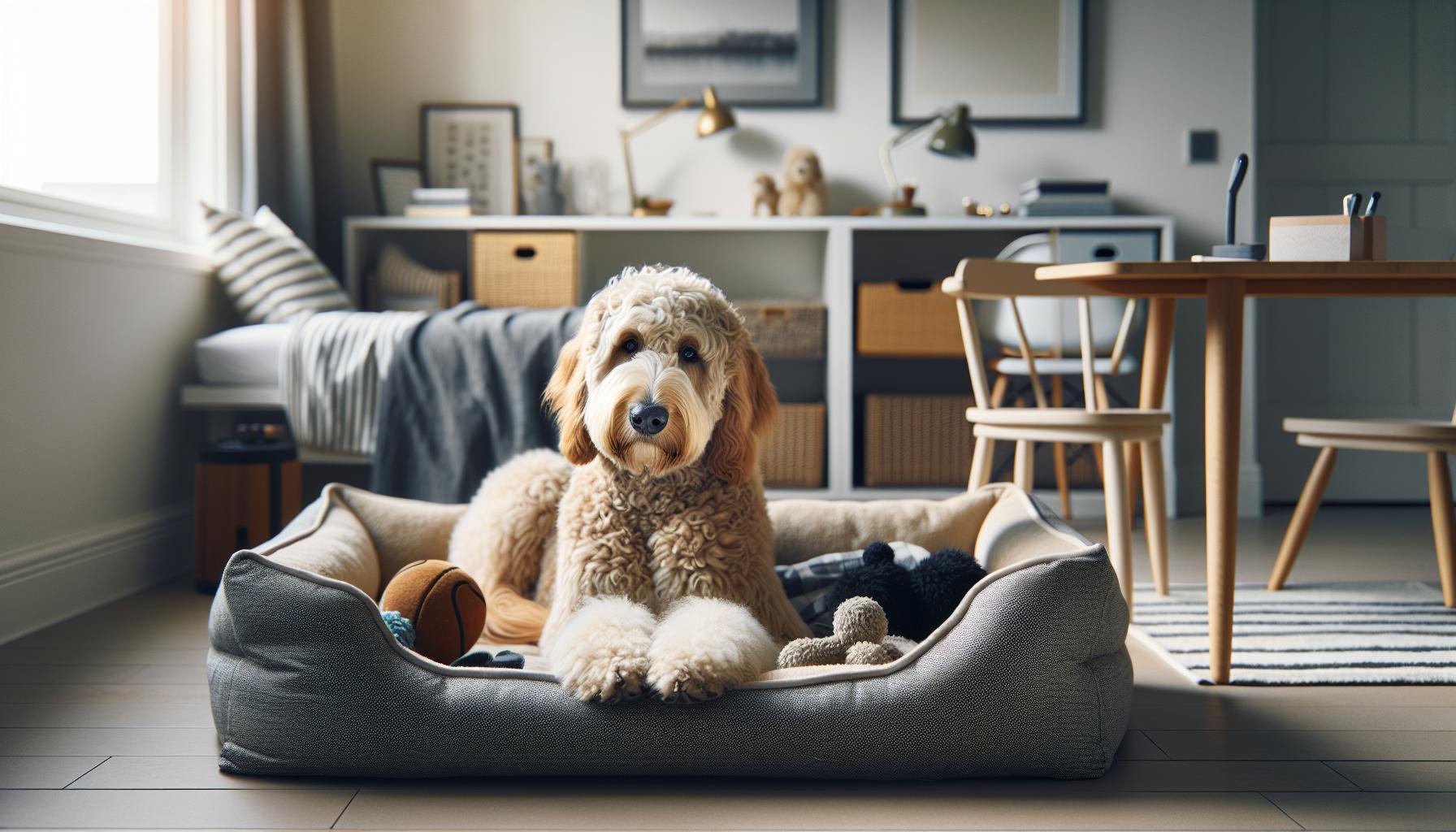
Understanding Labradoodle Independence and Alone Time
Understanding a Labradoodle’s independence can help you navigate their needs when it comes to alone time. These lovable hybrids, a mix of Labrador Retriever and Standard Poodle, are known for their friendly demeanor and social nature. While they tend to thrive on companionship, many Labradoodles can learn to be independent when given the right guidance and support. Developing their ability to spend time alone is essential for their happiness-and avoiding separation anxiety that can manifest if they’re not accustomed to it.
To foster this independence, start with short durations of alone time. For instance, leaving your Labradoodle alone for just 15 to 30 minutes can build their confidence. Gradually increase this time, observing how they behave. Signs that your Labradoodle is adapting well include calmness, a relaxed posture, and a lack of destructive behavior. Providing them with safe toys or interactive puzzles during your absence can also keep them engaged and promote confidence in your absence.
Nevertheless, some Labradoodles might exhibit signs of distress when left alone, which could include vocalizing, pacing, or destructive behavior. This indicates they might not yet be ready for extended periods alone. It’s crucial to create a safe and comfortable space where they can feel secure-such as a cozy crate or a designated area in your home. To further assist in reducing anxiety, consider incorporating a daily routine that includes plenty of physical exercise and mental stimulation, as it significantly reduces their stress levels and makes the alone time more manageable.
In essence, while Labradoodles are known for their affectionate nature and crave social interaction, they can develop the skills necessary for independent time. Focused training, a safe environment, and understanding their unique personality traits will help in fostering their independence while ensuring they remain happy and healthy companions.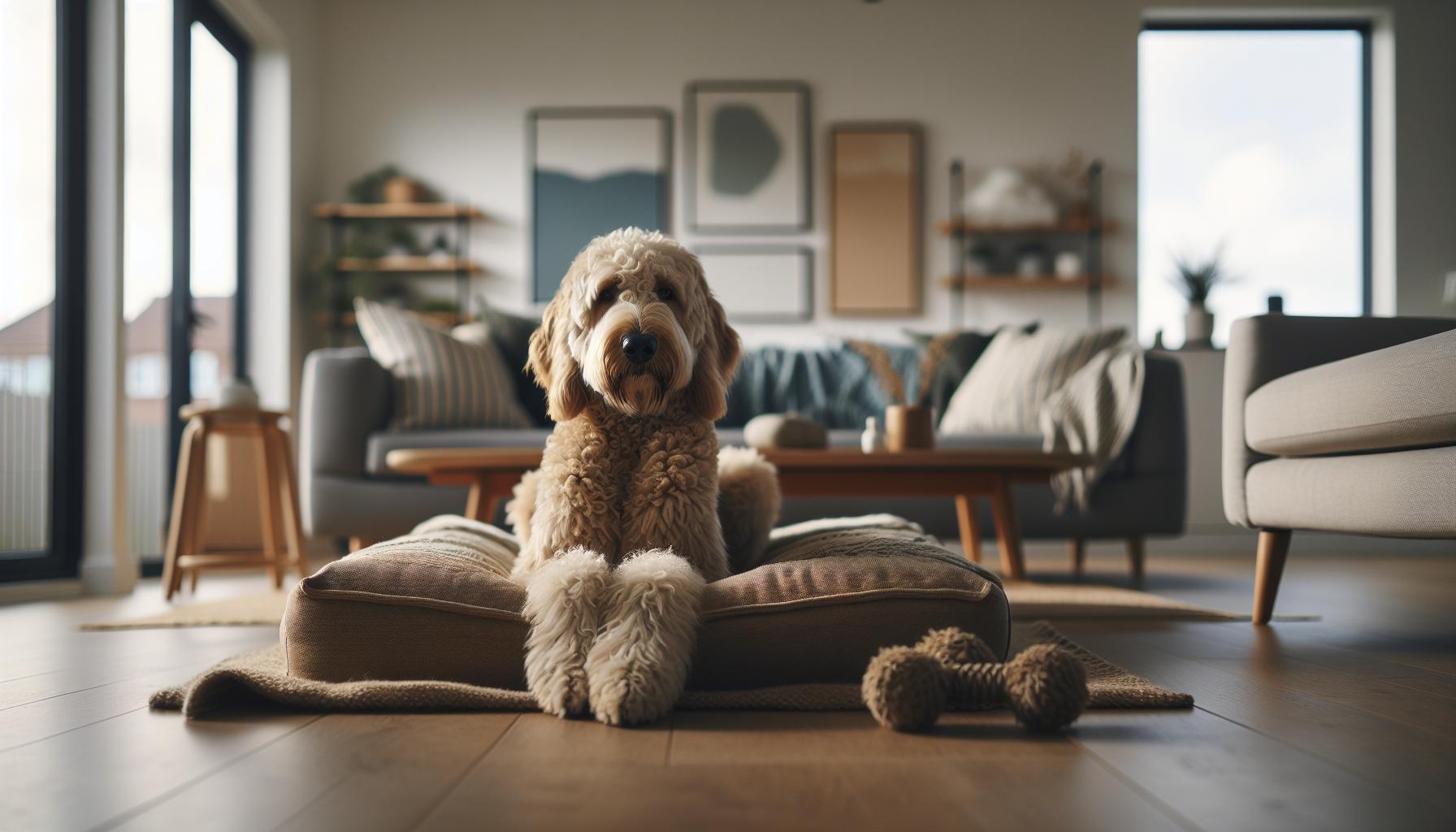
The Dos and Don’ts of Leaving Your Labradoodle Alone
Leaving your Labradoodle alone can feel daunting, especially for first-time pet owners who may worry about their furry friends’ emotional well-being. Understanding the essentials of what you should and shouldn’t do can ease these concerns while fostering your pup’s independence. With a few straightforward guidelines, you can help your Labradoodle adjust to alone time and ensure they feel secure and comfortable when you’re not home.
- Do Gradually Increase Alone Time: Start by leaving your Labradoodle alone for short periods-about 15 to 30 minutes-and gradually extend this duration as they become more comfortable. This will help build their confidence and reduce the likelihood of anxiety.
- Do Create a Safe Space: Designate a cozy, secure area in your home where your Labradoodle can feel safe during your absence, such as a comfortable crate or a specific room with their favorite toys and blankets.
- Do Provide Engaging Activities: Before leaving, offer toys, puzzles, or treat-dispensing devices that can keep them mentally stimulated. This distraction helps them associate your departure with positive experiences.
- Don’t Make a Fuss During Departures and Arrivals: While it’s tempting to reassure your Labradoodle with affection when you leave or return, overindulging can intensify any anxiety they may feel. Keep arrivals and departures low-key to prevent them from becoming anxious during these transitions.
- Don’t Leave for Too Long, Too Soon: Be mindful of how long you are gone. Every Labradoodle is different; some may handle a couple of hours alone quite well, while others, especially younger ones, may struggle. Pay attention to their behavior as you gradually increase alone time.
- Don’t Ignore Their Behavioral Signals: Keep an eye out for signs of stress, such as barking, chewing, or clawing at the door. If your Labradoodle shows these behaviors, they may need more time to acclimate to being alone.
By following these dos and don’ts, you can foster a healthier relationship with your Labradoodle, one where they feel secure and can thrive even in your absence. Remember, patience and consistency are key as you guide your furry companion towards a more independent lifestyle!
Signs Your Labradoodle Can Handle Alone Time
Determining whether your Labradoodle can handle alone time is crucial for their emotional well-being. Labradoodles are generally known for their friendly and adaptable nature, but their comfort with being alone varies based on temperament, training, and prior experience. Observing specific signs can help you assess your pup’s readiness and build their independence gradually.
One of the key indicators that your Labradoodle is capable of being alone is their ability to settle down and relax in a designated space when you need to leave. If your dog can comfortably lounge in their safe area-a cozy bed or crate-without displaying signs of distress, it shows they are becoming accustomed to their independence. Another positive sign is if they remain engaged with toys or chew items when you’re occupied, indicating they can entertain themselves when necessary.
Additionally, watch how your Labradoodle behaves during short outings. If they greet you happily upon your return without showing signs of anxiety, like excessive barking or panting, they are increasingly getting used to your absences. On the other hand, if they seem calm and don’t exhibit separation behaviors, that’s a clear sign that they’re building confidence in being left alone.
It’s also helpful to notice how your Labradoodle responds to your routine departures. A relaxed body language, such as lying down or playing with a toy rather than pacing or whining, is a strong indication that they feel secure in their environment. If your Labradoodle has been socialized properly and has had positive experiences when left alone, you can generally expect them to thrive during those times apart.
Remember, each dog is an individual, and monitoring their reactions will guide you in creating a comfortable routine that respects their unique needs!
Preparing Your Labradoodle for Independent Time
is an essential step in fostering their emotional well-being and ensuring they feel secure when alone. Labradoodles are social creatures that thrive on companionship, making it important to ease them into periods of solitude. By using effective strategies, you can help your furry friend become comfortable being left alone without developing anxiety.
One practical approach involves gradually increasing the duration of your departures. Start with short absences, perhaps just a few minutes, before extending the time you’re away. This gradual introduction allows your Labradoodle to adjust to the idea of being alone. Positive reinforcement plays a crucial role here; reward your pup with treats and praise when they remain calm while you’re away, reinforcing their ability to enjoy their own company.
Creating a positive association with your absence can help, too. Before you leave, engage in a fun activity with your Labradoodle, such as a brisk walk or a play session. This not only tires them out but also establishes a routine that signals your departure is part of an enjoyable day. Routine is comforting for dogs. Consider implementing a consistent schedule for your comings and goings, which helps your Labradoodle anticipate when you’ll be home.
Remember that your dog’s environment significantly impacts their ability to handle independence. Ensure they have a safe and cozy space where they feel secure. This area should be equipped with favorite toys, a comfortable bed, and even some puzzle games or treat-dispensing toys to keep their mind engaged while you’re away. By fostering a sense of comfort and security, you can significantly diminish any anxiety associated with being left alone.
Lastly, consider implementing training techniques specifically designed to enhance their independence. For instance, teaching your Labradoodle to settle on command can be incredibly useful. By reinforcing this behavior, you can create an environment where your pup feels at ease and content on their own. Working together on these strategies not only prepares your Labradoodle for independent time but also strengthens the bond you share, making every moment apart just a little bit easier.
Common Challenges of Leaving a Labradoodle Alone
Leaving a Labradoodle alone can present a series of challenges, primarily due to their sociable and affectionate nature. These dogs thrive on human interaction and often form strong bonds with their families. This attachment can lead to separation anxiety or behavioral issues when they’re left by themselves for extended periods. Many Labradoodles exhibit signs of distress, including barking, howling, or destructive behavior as a way to express their discomfort.
To better prepare for potential challenges, it’s useful to recognize specific situations that may cause stress for your Labradoodle. For instance, some may become anxious when they notice a departure routine, like gathering keys or putting on shoes. Others might struggle with the absence of family members, especially if they’re used to a lively household. These challenges highlight the importance of a thoughtful approach to training and preparation. Gradually introducing your Labradoodle to alone time through short separations can help them adjust.
Moreover, it’s essential to create an environment that minimizes anxiety. A cozy corner equipped with toys and comforts can provide solace when you’re away. Using puzzle toys or treat-dispensing devices can keep their minds engaged and help distract from your absence. Another common challenge is managing their energy levels. With Labradoodles being high-energy dogs, they need adequate exercise before being left alone. A well-exercised dog is more likely to settle down and rest while you’re gone.
In summary, while leaving a Labradoodle alone can be challenging, understanding their needs and behaviors provides a solid foundation for fostering their independence. With patience, the right environment, and a gradual approach, your Labradoodle can learn to handle solitude with grace, easing the stress of both you and your furry friend.
How Long Can a Labradoodle Be Left Alone?
Labradoodles, known for their friendly and sociable nature, often struggle with being left alone for extended periods. It’s essential to understand that while some dogs can adapt to solitude, Labradoodles typically thrive on human companionship and may experience anxiety when separated from their families. Generally, a healthy adult Labradoodle can be left alone for about 4 to 6 hours a day. However, this varies based on individual temperament, age, and previous exposure to alone time.
For younger puppies, the rule of thumb is to consider their age in months. For instance, a 3-month-old puppy can safely be left alone for about 3 hours. It’s vital to gradually increase this duration, allowing them to acclimate to your absence. Conversely, senior Labradoodles may require more company, lessening their tolerance for being by themselves.
To help your Labradoodle cope better during these times, consider implementing a structured routine. Consistency can significantly reduce anxiety. Establishing a pre-departure game plan-such as a brisk walk or play session before you leave-can expend excess energy, making them more likely to relax while you’re away. Additionally, providing engaging toys and a comfortable space can help keep them occupied. Finally, always remember that, while Labradoodles can manage time alone, their well-being greatly benefits from regular social interactions and exercise.
Creating a Safe Space for Your Labradoodle
Creating a welcoming environment for your Labradoodle is crucial when it comes to leaving them alone, as it can significantly influence their comfort and reduce anxiety. Labradoodles are highly social animals that thrive on companionship, so providing a safe and engaging space can make all the difference during those times when you’re not home. Think of this area as a cozy retreat where your furry friend can feel secure and content.
Start by designating a specific area in your home as their safe space. This could be a comfortable room or a cozy corner equipped with their bed, blankets, and favorite toys. Ensure this area is free from potential hazards, such as toxic plants or small objects that could be swallowed. A crate can also serve as a wonderful safe haven for your Labradoodle if they’re crate trained, as it provides a den-like environment that many dogs find comforting.
Incorporate engaging elements that can keep your Labradoodle occupied while you’re away. Interactive toys that dispense treats can be especially beneficial, encouraging your pup to use their problem-solving skills. Consider rotating toys to maintain their interest, as a familiar toy can lose its novelty over time. Additionally, leaving a piece of your clothing can provide them with comfort, as it carries your scent and reassures them of your presence.
Finally, consider setting up a cozy ambiance with soft lighting or allowing some natural light to stream in through the windows. Playing gentle music or leaving a TV on with soothing sounds can also help ease any loneliness or anxiety your Labradoodle may feel. The goal is to create a nurturing environment that not only keeps them safe but also engages their minds and comforts their hearts while you’re away.
Tips for Reducing Separation Anxiety in Labradoodles
Labradoodles are wonderfully social dogs, but their keen emotional intelligence can sometimes lead them to experience separation anxiety when left alone. As these friendly pups thrive on companionship, it’s essential to take a proactive approach in reducing their anxiety, helping them feel comfortable when you’re not home. Here are some effective methods to ease those nerves and foster a sense of independence in your Labradoodle.
One key strategy is to establish a consistent routine. Dogs, including Labradoodles, are creatures of habit and feel more secure when they know what to expect. Try to create a regular schedule for feeding, walks, and playtime. This predictability helps your dog know when it’s time for you to return. Incorporate brief “practice” absences into the mix, where you leave for short periods and gradually increase the duration. This helps your dog adjust to the concept of being alone and realize it’s only temporary.
Interactive toys can also play a crucial role in alleviating anxiety. Providing engaging distractions, such as puzzle feeders or treat-dispensing toys, keeps your Labradoodle occupied while stimulating their mind. Consider rotating these toys to maintain their novelty and interest. Furthermore, leaving behind a few of your worn clothes can provide comfort, as the familiar scent of their owner can soothe their worries and create a sense of closeness even in your absence.
Lastly, training your Labradoodle to associate your departures with positive experiences can significantly reduce anxiety. Begin by leaving them for short outings while giving them a special treat or a favorite toy. This helps them to associate your leaving with something enjoyable, rather than a source of stress. Consistently reinforcing this behavior with praise and rewards will encourage your dog to embrace their independence confidently over time, leading to a happier, more relaxed pup when you’re away.
Engaging Activities for Alone Time: Keep Your Dog Happy
When it comes to keeping your Labradoodle happy and engaged during alone time, providing stimulating activities is essential. These intelligent and active dogs thrive on mental challenges and physical engagement, making it crucial to set them up for success while you’re away. Think of engaging activities as the key to a peaceful absence-activities that keep your furry friend happily occupied, reducing feelings of loneliness and anxiety.
Interactive Toys and Puzzles
One of the best ways to entertain your Labradoodle is by introducing interactive toys and puzzles. These toys can provide hours of mental stimulation as your dog works to figure out how to access hidden treats. Options like treat-dispensing balls or puzzle boards that require problem-solving skills are excellent choices. Make sure to rotate these toys regularly to keep your Labradoodle interested and challenged.
Chew Toys and Long-Lasting Treats
Incorporating a variety of chew toys can also be beneficial. Labradoodles love to chew, and providing them with durable chew toys can keep them occupied and content. Additionally, consider giving them a long-lasting treat like a filled kong or a bully stick, which can capture their attention for an extended period. Not only does chewing provide an outlet for natural behaviors, but it also promotes dental health.
Engaging Activities Guide
- Puzzle Feeders: Encourages natural foraging instincts while working their brain.
- Snuffle Mats: Hide treats in the fabric, stimulating their sense of smell.
- Frozen Treats: Freeze yogurt or peanut butter in a kong for a refreshing snack.
- Interactive Cameras: Set up a pet camera with treat dispensers to interact with your pup from afar!
Establishing a Comfortable Space
Creating a safe, comfortable space for your Labradoodle can also enhance their experience while you’re gone. A designated area filled with their favorite toys, a cozy bed, and perhaps some of your worn clothing can make a big difference. This environment should feel secure and inviting, helping your dog relax and enjoy their alone time rather than feeling anxious about your absence.
By integrating these engaging activities and creating a supportive environment, you can nurture your Labradoodle’s independence. Over time, this will lead to a more confident and content dog, perfectly capable of handling alone time while awaiting your return.
Alternatives to Leaving Your Labradoodle Alone
Finding can make all the difference in maintaining their happiness and well-being. These fluffy companions thrive on social interaction and can experience separation anxiety when left unattended for long periods. Fortunately, there are creative solutions that could ensure your pup feels secure and loved, even when you can’t be there.
One fantastic option is to consider doggy daycare. This provides your Labradoodle with a fun, social environment where they can play with other dogs and have supervision throughout the day. These facilities often offer structured activities, ensuring your furry friend gets the mental and physical stimulation they need. Look for establishments that have a good reputation and experienced staff who understand the needs of specific breeds, such as Labradoodles.
Another viable alternative is enlisting the help of pet sitters or dog walkers. A trusted friend or family member can pop in to give your dog some companionship, exercise, and bathroom breaks during your absence. Alternatively, hiring a professional dog walker or sitter can provide consistency and allow your Labradoodle to enjoy some time outdoors, break the monotony of alone time, and act as a reassuring presence during your day away.
If you’re looking for a more budget-friendly solution, consider coordinating with fellow dog owners in your neighborhood for a dog-sharing arrangement. This allows dogs to enjoy each other’s company while also providing their owners with some peace of mind. For example, you could take turns watching each other’s dogs during the workweek, ensuring they have companionship and play without incurring costs associated with daycares or professional services.
Lastly, think about flexible work options. If your job allows it, occasionally working from home can significantly reduce the time your Labradoodle spends alone. This can strengthen your bond and provide comfort to your pup. Incorporating these alternatives into your routine can foster a happier, healthier, and more independent Labradoodle who feels secure in their environment. With some creativity and planning, leaving your Labradoodle alone can become a thing of the past!
The Impact of Age on Labradoodle Independence
The journey towards independence for your Labradoodle is often closely tied to their age. Just like humans, dogs evolve through different stages of life that influence their ability to cope with being alone. Puppies, while adorable and full of energy, are often not equipped to handle extended periods without company. At this stage, their need for socialization and attachment is critical, as they are just beginning to understand the world around them. Leaving a young Labradoodle alone for too long can lead to anxiety and problematic behaviors, like excessive barking or destructive chewing.
As Labradoodles transition into their adolescent years, typically around six months to two years, their independence begins to develop. During this phase, they may start to exhibit more confidence and adaptability. However, they still require structured routines and positive reinforcement to encourage good behavior when they are left alone. Introducing short periods of alone time during this stage can be beneficial, helping them learn that it’s okay to be independent without feeling abandoned.
Once your Labradoodle matures, usually around two to three years old, they’re generally more capable of coping with solitude without undue stress. Their energy levels may stabilize, and they may have formed stronger attachments not just to their human family but also to their environment, making them more comfortable in their own space. At this stage, it’s essential to maintain a balance between independence and social interaction. Too much alone time can still trigger anxiety, so gradually increasing the duration they are left alone can help reinforce their confidence and sense of security.
It’s also important to consider the impact of age-related changes as Labradoodles grow older. Senior dogs may not handle being alone as well as they did in their younger days. Cognitive decline or physical health issues can make them more anxious or uncomfortable when left to their own devices. Therefore, providing a comfortable, safe environment and maintaining a supportive routine is key to ensuring their well-being as they age. By understanding these developmental changes, you can help nurture a confident and well-adjusted companion, making their alone time a positive experience rather than a source of stress.
Expert Advice: Veterinarian Tips for Your Labradoodle’s Well-Being
Veterinarians emphasize that while Labradoodles can learn to be left alone, it’s crucial to approach this gradually and thoughtfully to ensure their emotional well-being. One cardinal rule is to establish a routine; dogs thrive on consistency. Feeding, walks, and playtime should occur at regular intervals to create a sense of security. This predictability helps puppies in particular, as it fosters confidence and reduces anxieties associated with being left alone.
When it comes to training your Labradoodle to handle unattended time, consider using the “short departures” method. Start by leaving your dog alone for just a few minutes while you step out of the room, then gradually increase the duration. This gradual exposure helps lessen the fear of abandonment. Incorporating positive reinforcement, such as treats and praise when you return, will encourage your dog to view alone time as a normal, positive experience.
Additionally, creating a safe, engaging space for your Labradoodle is essential. A cozy area with their favorite toys, a comfy blanket, and access to fresh water can help them feel secure. Some Labradoodles benefit from interactive toys or puzzle feeders that can keep them occupied when you’re away, which not only distracts them but also stimulates their minds.
It’s important to be aware of warning signs that your Labradoodle may be struggling with separation anxiety. Excessive barking, destructive behavior, or changes in eating habits can indicate stress. If you notice these behaviors, it’s beneficial to consult a veterinarian for tailored advice. They can provide specific strategies or recommend training programs tailored to your dog’s needs. Over time, with patience and positive reinforcement, your Labradoodle can learn to enjoy their independence, making alone time less stressful for both of you.
Faq
Q: How long can a Labradoodle be left alone?
A: A Labradoodle can typically be left alone for about 4 to 6 hours, depending on their age and temperament. Puppies may require more frequent breaks, while adult Labradoodles can manage alone time better. Always prepare your dog with engaging activities to ease the separation.
Q: What age can a Labradoodle be left alone?
A: Generally, Labradoodles should not be left alone for extended periods until they are at least 6 months old, as they may experience separation anxiety. With proper training and gradual acclimatization, they can become more independent as they mature.
Q: Do Labradoodles suffer from separation anxiety?
A: Yes, Labradoodles are known to be prone to separation anxiety due to their affectionate nature. Signs include barking, chewing, or excessive pacing when left alone. Implementing strategies like gradual training, providing safe spaces, and engaging toys can help alleviate this issue.
Q: What are the signs that my Labradoodle can handle alone time?
A: Signs your Labradoodle can handle alone time include remaining calm when you leave, not seeking constant attention, and displaying independence during shorter absences. Gradual training will help reinforce their ability to be left alone.
Q: How can I prepare my Labradoodle for being alone?
A: Preparing your Labradoodle for alone time involves creating a comfortable, safe space and introducing alone time gradually. Start with short durations, increase gradually, and provide plenty of mental stimulation, like toys or puzzle feeders, to keep them occupied.
Q: What activities can keep a Labradoodle happy when alone?
A: Engaging activities for a Labradoodle when left alone might include interactive toys, chew items, or puzzle games that require problem-solving. Rotating these toys can maintain their interest and occupy them while you’re away.
Q: Can I use a crate to help my Labradoodle feel secure when left alone?
A: Yes, using a crate can help a Labradoodle feel secure when left alone, as it creates a cozy den-like environment. Ensure positive crate training and only use the crate for short durations to avoid any negative associations.
Q: What alternatives exist if I can’t leave my Labradoodle alone?
A: If leaving your Labradoodle alone is a concern, consider alternatives such as doggy daycare, hiring a pet sitter, or arranging playdates with other dogs. These options can help reduce loneliness and provide social interaction.
For further insights about Labradoodle care and behavior, check out our sections on preparing your Labradoodle for independent time and tips for reducing separation anxiety.
Wrapping Up
Understanding how a Labradoodle can handle being left alone is crucial for ensuring their happiness and wellbeing. Remember, these intelligent and social dogs thrive on companionship and mental stimulation, making it essential to create a routine that includes plenty of exercise and interaction when you’re home. If you’re still pondering the best ways to help your Labradoodle cope with alone time, consider exploring our comprehensive guides on effective training techniques and engaging activities to keep them stimulated.
For more insights, check out our articles on “Labradoodle Personality Traits” and “Training Your Labradoodle to Be Independent.” Don’t hesitate to take the next step for your furry friend’s happiness-sign up for our newsletter for ongoing tips, support, and the latest updates on caring for your Labradoodle. Your commitment to understanding their needs can significantly enhance your bond and make for a fulfilling life together! Share your thoughts or experiences in the comments below-we love hearing from fellow Labradoodle enthusiasts!