Labradoodles are beloved for their friendly nature and hypoallergenic coats, but many potential owners wonder: can these charming dogs actually have straight hair? Understanding Labradoodle coat variations is essential for anyone considering adding one to their family, as it impacts grooming needs, allergy considerations, and overall appearance. Did you know that a Labradoodle’s coat can vary significantly based on its lineage, mixing traits from both the Poodle and the Labrador Retriever? This can lead to a delightful range of textures, from wavy to straight-and knowing what to expect can help you provide the best care for your furry friend. Whether you’re hoping to reduce allergens or simply want to know what type of coat is right for your lifestyle, this exploration of coat variations will keep you informed and engaged as you prepare to welcome a Labradoodle into your home. Let’s dive into the details and uncover the fascinating world of Labradoodle coats!
Can Labradoodles Have Straight Hair? Understanding Coat Genetics
While most Labradoodles are known for their wavy or curly coats, it’s entirely possible for them to have straight hair as well. This trait often depends on the genetic background of the individual dog. Labradoodles are a crossbreed between Labrador Retrievers and Poodles, each contributing different coat characteristics through their genetic material. In general, the Poodle’s coat is typically curly, while the Labrador has a short, straight coat. When these breeds mix, the resulting coat types can be diverse, and straight hair can occur.
Understanding Coat Genetics
The genetics of a Labradoodle’s coat is centered around two primary genes: the KRT71 gene and the FGF5 gene. These genes influence whether a Labradoodle inherits the more desirable, hypoallergenic curl from the Poodle or the sleek, straight hair from the Labrador. Since Labradoodles can inherit coat traits from either parent, your pup may have a straight coat, a wavy coat, or a curly coat. It’s worth noting that even straight-haired Labradoodles might have a soft texture that still retains some characteristics of the Poodle’s coat.
Different combinations of these genetic factors can lead to variations in coat type. For instance, a Labradoodle might inherit a straight coat but still exhibit some wave at the ends, resulting in a unique and charming appearance. This coat diversity is often part of the charm of owning a Labradoodle, as no two pups are exactly alike in their fur texture.
What to Expect with Straight-Coated Labradoodles
Owning a straight-coated Labradoodle can come with its own set of considerations. For example, straight coats can sometimes be easier to groom than wavy or curly coats, requiring less frequent grooming to prevent matting. However, they may shed more than their curly counterparts, which is something to consider if allergies are a concern. Owners often find that straight-haired Labradoodles still require regular brushing to keep their coats healthy and avoid tangles, especially in seasonal shedding periods.
In summary, if you’re considering a Labradoodle and are curious about coat types, remember that straight hair is indeed possible due to the complex genetics at play. Whatever your pup’s coat texture, they’re sure to bring joy, love, and a bit of furry charm into your life!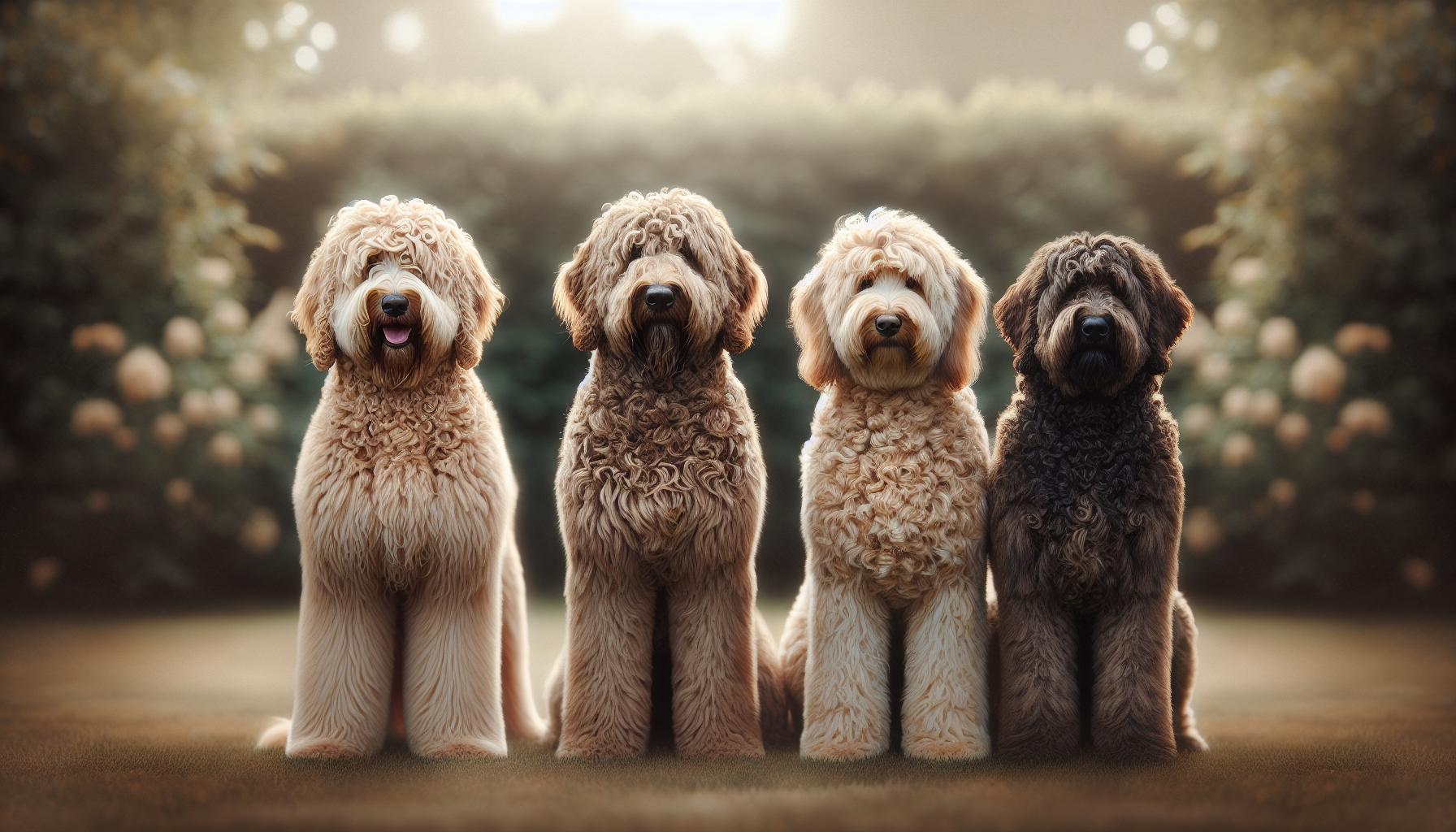
Exploring the Different Coat Types of Labradoodles
Labradoodles are celebrated not only for their friendly personalities but also for their diverse coat types, which can range from curly to wavy to straight. This variability is directly influenced by their genetic inheritance from their purebred parents-the Labrador Retriever and the Poodle. Understanding these different coat types can help current and prospective owners make informed decisions about grooming, health care, and lifestyle adjustments for their furry friends.
One exciting aspect of Labradoodles is their potential for a straight coat, which, while less common, does occur. This straight hair usually takes after the Labrador side, characterized by a sleek and smooth texture. Straight-coated Labradoodles may exhibit some waviness towards the ends, creating a charmingly unique look. The key genetic factors involved-primarily the KRT71 gene and the FGF5 gene-determine the degree of curliness or straightness inherited from the parent breeds. Thus, every Labradoodle carries its own set of genetic traits, making each one special in its appearance and grooming needs.
Understanding what to expect with various coat types is crucial for providing the best care. For example, while curly coats may require more frequent grooming to prevent matting, straight coats can often be simpler to maintain since they tend to shed less and are easier to brushed. Owners of straight-haired Labradoodles should still prepare for regular brushing sessions, especially during shedding seasons, to keep their pup’s coat healthy and shiny. This means equipping yourself with the right grooming tools, such as a good quality brush designed for dog fur, and incorporating a regular bathing regime tailored to your dog’s specific coat type.
When considering a Labradoodle’s coat, recognizing the differences can inform not only grooming routines but also how you approach issues such as shedding and allergies. For instance, while straight-coated Labradoodles might shed more fur than their curly counterparts, they can also offer a lower maintenance alternative for those who may prefer a smoother coat and less frequent grooming. Embracing the variety in coat types not only enhances your experience as a pet owner but also allows you to appreciate the unique characteristics that each Labradoodle brings to your life.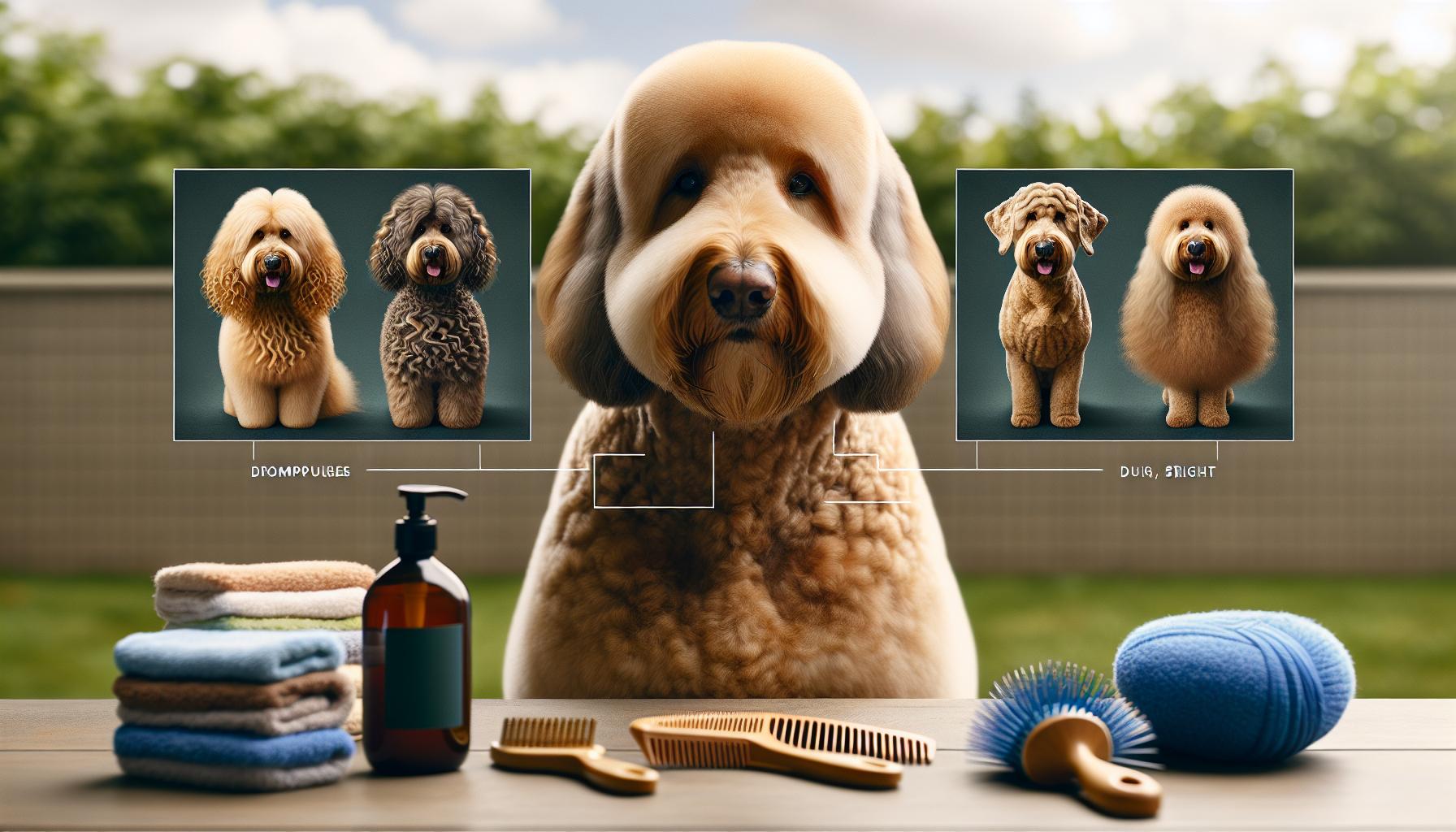
Factors Influencing Labradoodle Coat Texture
The texture of a Labradoodle’s coat is influenced by several fascinating factors, making each dog’s fur unique. When a Labradoodle inherits a smoother, straight coat, it often reflects the genes received from its Labrador Retriever parent, known for their sleek fur. This variation in coat texture results from the delicate interplay of genetics, which includes dominant and recessive traits passed down from both parent breeds-the Poodle and the Labrador. The combination of these genetic factors affects not only the texture but also the overall appearance and maintenance requirements of the coat.
Genetic Influence
The primary genes at play are the KRT71 and FGF5 genes, which govern the degree of curliness or straightness. KRT71 is associated with curly fur, primarily seen in Poodles, while FGF5 tends to produce straight coats like those of Labradors. Depending on which combination of genes a Labradoodle inherits, the coat may range from tightly curled to straight with slight waviness, creating a delightful spectrum of textures. Understanding this genetic background can help owners anticipate their dog’s grooming needs and potential shedding patterns.
Environmental Factors
Beyond genetics, environmental conditions can also affect coat texture. A Labradoodle’s exposure to humidity, sun, and temperature can lead to changes in the coat’s sleekness or curliness. For instance, a humid climate may cause a straight coat to become slightly wavier, while too much sun can lead to drying and brittleness. Regular grooming and proper nutrition can help maintain a healthy coat, ensuring that external factors do not compromise its appearance or texture.
Diet and Health Considerations
Nutrition plays a significant role in the health and texture of any dog’s coat, including Labradoodles. A balanced diet rich in omega fatty acids, vitamins, and minerals supports a healthy skin and fur. Supplements such as fish oil or flaxseed oil can enhance coat health, leading to a shinier and softer texture. Regular vet check-ups are essential as well, as underlying health issues can manifest through changes in coat quality, necessitating adjustments in diet or care plan.
By understanding these influencing factors, Labradoodle owners can better prepare for the joys and challenges of grooming and maintaining the coat, ultimately contributing to their pet’s overall health and happiness.
Straight vs. Wavy: Pros and Cons for Owners
When considering whether to welcome a Labradoodle into your home, coat type is a significant factor to weigh. Labradoodles, with their blend of Labrador Retriever and Poodle genes, can showcase an array of coat textures, from straight to wavy. The choice between these two textures can affect not only the dog’s appearance but also your day-to-day life as an owner.
Owners of straight-coated Labradoodles often appreciate the sleek and shiny appearance of their dog’s fur, which can resemble that of a Labrador. This coat type typically comes with the benefit of being easier to groom. Straight hair tends to shed more uniformly and requires less frequent grooming compared to wavy or curly coats. However, the straight coat is not entirely maintenance-free. Some potential downsides include that straight hair might be more prone to tangling if not monitored, especially if your pup enjoys outdoor adventures. This can make managing their coat post-exploration essential.
On the other hand, wavy-coated Labradoodles generally possess a softer and fluffier look, which many find appealing. Wavy fur can provide a level of insulation that may be beneficial in colder climates and can also make for a fun, cuddly companion. However, this coat type does demand more grooming efforts to prevent mats and tangles, requiring regular brushing and occasional trips to a groomer. Additionally, wavy coats may trap dirt and debris more than straighter ones, leading to a greater burden in terms of cleanliness.
In summary, both coat types offer unique advantages and challenges, and your choice may ultimately depend on your lifestyle and grooming preferences. Here’s a quick overview to help visualize the pros and cons:
| Coat Type | Pros | Cons |
|---|---|---|
| Straight |
|
|
| Wavy |
|
|
Whether you choose a straight or wavy-coated Labradoodle, understanding the characteristics of each type can help you provide the best care for your furry friend, ensuring a happy and healthy bond.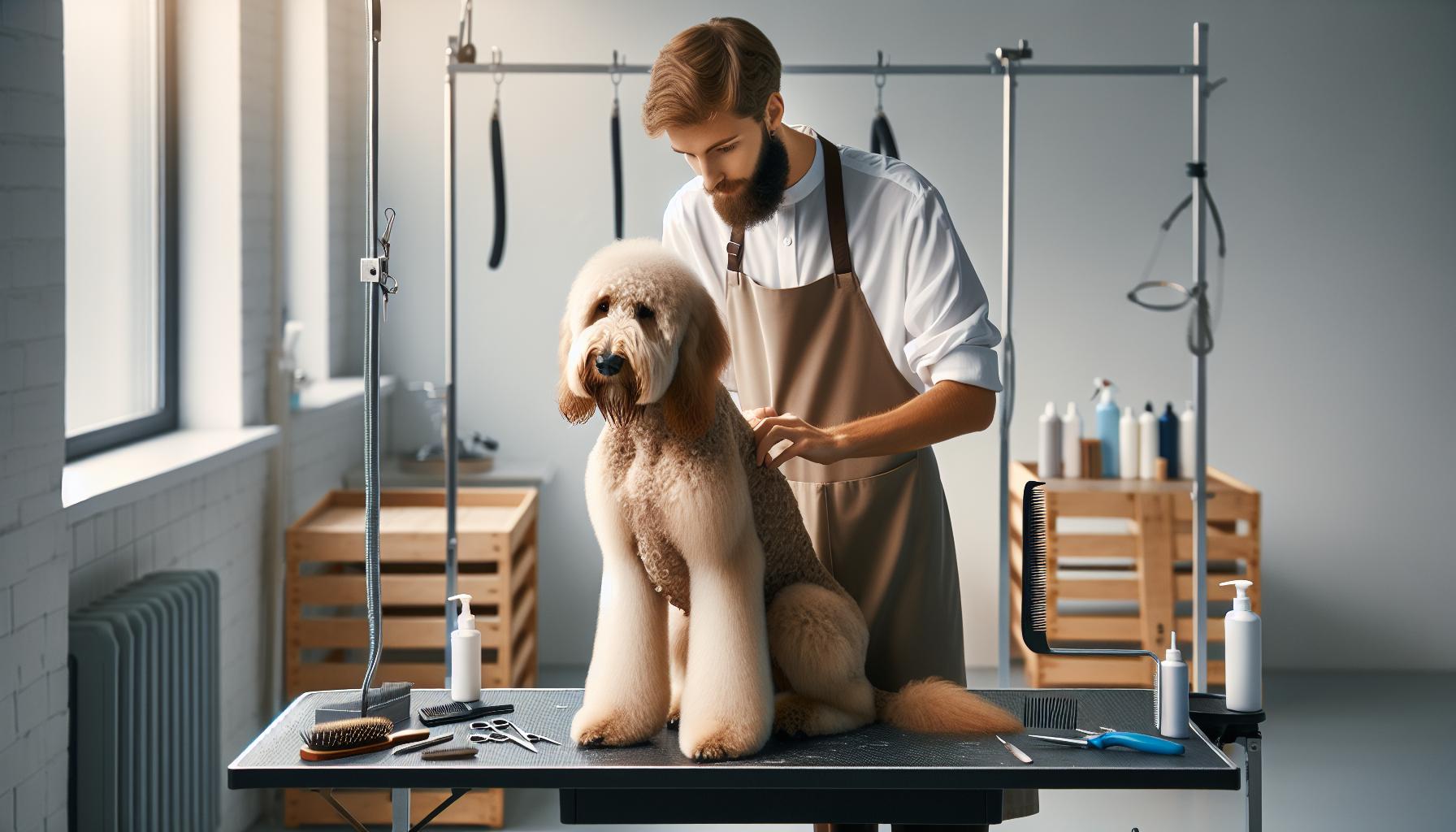
Grooming Techniques for Straight-Coated Labradoodles
The grooming routine for a Labradoodle with a straight coat can be relatively straightforward, but it’s essential to adopt effective techniques to maintain their unique look and health. Straight-coated Labradoodles often sport a sleek, shiny appearance reminiscent of a Labrador, and while they require less grooming than their wavy counterparts, there are still essential practices that ensure your pup stays looking their best.
Start with regular brushing using a soft-bristle brush or a grooming mitt. This helps distribute natural oils, keeping the coat shiny, while also removing loose hair and dirt. Aim for at least once a week, and increase the frequency during shedding seasons. For those active days out, consider a brush with longer bristles to tackle any stubborn tangles that might form after outdoor adventures. Remember, even straight hair can tangle if neglected!
Bathing straight-coated Labradoodles should be approached with care. Too frequent bathing can strip their coat of essential oils, leading to dryness and irritation. Generally, a bath every 2-3 months is sufficient, unless they get into something particularly messy. Use a gentle, dog-specific shampoo to keep the coat clean without causing damage. After bathing, drying with a towel is adequate, but if your dog tolerates it, a gentle blow dryer on a low setting can enhance the shine.
Another key aspect of grooming is nail trimming and ear cleaning. Regularly check and trim your dog’s nails to prevent overgrowth, which can lead to discomfort or even injuries. For the ears, wipe them down with a damp cloth and check for any signs of dirt or infection, especially if your Labradoodle has floppy ears. Keeping their ears clean helps prevent moisture buildup, which can be a breeding ground for bacteria.
| Grooming Task | Frequency | Tools Needed |
|---|---|---|
| Brushing | Once a week; more often during shedding season | Soft-bristle brush or grooming mitt |
| Bathing | Every 2-3 months | Dog shampoo, towels, optional blow dryer |
| Nail Trimming | Every 4-6 weeks | Nail clippers or grinder |
| Ear Cleaning | As needed | Damp cloth, ear cleaner (if necessary) |
By following these grooming techniques, your straight-coated Labradoodle will not only look fantastic but also feel great. This combination of care and affection will strengthen your bond, and you’ll find that maintaining your pup’s coat is not just a chore but an opportunity for quality time together.
Common Myths About Labradoodle Coats Debunked
When it comes to Labradoodle coats, a few misconceptions often cloud the understanding of this adorable breed. One prevalent myth is that all Labradoodles are guaranteed to have non-shedding coats. In reality, Labradoodles can inherit coat characteristics from both parent breeds: the Labrador Retriever and the Poodle. This means their coats can be straight, wavy, or curly, and the degree of shedding can vary significantly. Some Labradoodles-particularly those with a more Labrador-like coat-may shed more than others, emphasizing the importance of understanding that individual genetics play a crucial role in coat type and maintenance needs.
Another common belief is that straight-haired Labradoodles are lesser in quality or a sign of poor breeding. This couldn’t be further from the truth! Straight coats can be as beautiful and healthy as curly ones, and many straight-haired dogs have a shiny, sleek appearance that requires lower grooming maintenance than their wavy counterparts. However, regardless of coat type, all Labradoodles benefit from regular grooming and care to keep their skin and coat healthy.
A third myth suggests that color defines coat quality in Labradoodles. While color is often a consideration for prospective owners, it does not influence the quality of the coat itself. Trends in color-whether it be cream, black, chocolate, or parti-are merely aesthetic choices; what truly matters is the health and happiness of your Labradoodle.
Lastly, some new owners may believe that all Labradoodles are hypoallergenic due to their Poodle lineage. While many find them to be more suitable for allergy sufferers, there is no such thing as a completely hypoallergenic dog. Allergies depend on individual reactions to pet dander, saliva, and urine, so it’s essential to spend time with a Labradoodle before making a commitment if allergies are a concern.
Recognizing and debunking these myths can help potential and current Labradoodle owners make informed decisions about grooming, care, and expectations. Embracing the diversity of Labradoodle coats not only enriches your understanding of the breed but also enhances the joy of being a pet parent.
How to Care for Labradoodle Coat Variations
Caring for a Labradoodle’s coat variations can be a rewarding experience, especially considering how unique each dog’s coat can be. Whether your Labradoodle has a straight, wavy, or curly coat, establishing a consistent grooming routine is crucial for maintaining their health and appearance. A well-cared-for coat not only looks great but also supports skin health and helps manage shedding.
When it comes to Labradoodles with straight hair, they often require less intensive grooming compared to their wavy or curly counterparts. However, this doesn’t mean they can be neglected! Regular brushing is essential to prevent tangles and remove loose hair. Aim for at least once a week using a slicker brush or bristle brush, which works well on straight coats. This will help to maintain the coat’s sleek appearance while promoting healthy skin by distributing natural oils. If your Labradoodle enjoys water, regular baths using a mild dog shampoo every 4-6 weeks can help keep their coat clean and fresh.
Another aspect to consider is the potential for skin issues. Straight-coated Labradoodles can sometimes be more prone to skin irritations, so keeping an eye on their skin health is important. Look for any signs of redness, dryness, or irritation during grooming sessions. Incorporating a quality dog conditioner after shampooing can help keep their coat moisturized and reduce the likelihood of dryness.
To guide you further, here’s a quick care checklist for Labradoodles with straight coats:
- Brushing: Once a week.
- Bathing: Every 4-6 weeks.
- Conditioner: Use a dog-specific conditioner after baths.
- Skin Checks: Regularly examine their skin for irritations.
By staying committed to this care routine, you’ll ensure your Labradoodle remains healthy and happy, with a coat that shines. Remember, every dog is unique-so be attentive to their specific needs and preferences. Engaging with them during grooming not only strengthens your bond but can also help establish a positive grooming experience, making future sessions easier and more enjoyable for both of you.
Choosing a Labradoodle: What to Expect with Coat Types
When embarking on the journey of choosing a Labradoodle, understanding the coat types available can significantly impact your decision. Labradoodles can exhibit a fascinating variety of coat textures, stemming from their parent breeds-the Labrador Retriever and the Poodle. While many potential owners are drawn to the wavy or curly coats that are often marketed as hypoallergenic, straight-haired Labradoodles are equally charming and can make wonderful companions.
A key consideration when selecting a Labradoodle is their coat’s genetic background. The coats can be classified into three main types: woolly (curly), fleece (wavy), and hair (straight). Each type has its unique grooming needs and characteristics. For instance, straight-coated Labradoodles typically shed more than their curly and wavy counterparts, making them a good fit for families who prefer a dog with a less maintenance-heavy grooming routine. However, keep in mind that all Labradoodles need regular grooming to keep their coats healthy and to minimize shedding.
It’s important to consider your lifestyle and how a Labradoodle’s coat type might fit into that picture. If you lead an active life and often take your dog outdoors, a straight coat can be easier to manage after muddy adventures, as it typically dries faster and can be less prone to matting than wavy or curly fur. On the other hand, a straight coat might require more consistent brushing to keep it looking sleek and free of tangles, especially if your Labradoodle is prone to picking up dirt or debris during playtime.
Once you’ve decided on a Labradoodle, take time to communicate with breeders about the specific coat characteristics you desire. Responsible breeders will help you understand what to expect based on the genetics of the puppy’s lineage. Here’s a quick checklist to help you prepare for choosing your Labradoodle:
- Research: Familiarize yourself with Labradoodle coat types to identify what suits your lifestyle.
- Meet the Parents: Observe the parent dogs to understand the potential coat characteristics of their puppies.
- Grooming Needs: Consider how much time and effort you’re willing to dedicate to grooming.
- Allergies: If someone in your household has allergies, ask the breeder for hypoallergenic traits in their lines.
By being informed and proactive in your selection process, you will ensure that your new furry friend is a wonderful match for your home and lifestyle, no matter the coat type!
Health Implications of Coat Variations in Labradoodles
When considering the , one alluring aspect is how the coat type can influence the overall health and well-being of your furry friend. It’s fascinating to note that while Labradoodles are often celebrated for their low-shedding coats, each coat type-straight, wavy, or curly-can bring specific health considerations related to grooming and skin health. Straight-haired Labradoodles, for instance, may be more prone to certain skin issues due to their increased shedding. More fur can mean more dander, which can exacerbate allergies for some families, but this coat type can also be less prone to matting, making grooming simpler in some cases.
Regular grooming is crucial for all coat types, but particularly for straight-coated Labradoodles, whose fur can trap dirt and debris. Neglecting this grooming routine can lead to skin infections or irritations. Therefore, being diligent in maintaining their coat not only keeps them looking handsome but also ensures their skin stays healthy. It’s essential to monitor for any signs of skin issues, such as redness or excessive itching, which can indicate underlying problems that may need veterinary attention.
Incorporating a healthy diet can significantly impact a Labradoodle’s coat health. Foods rich in omega fatty acids can support healthy skin and fur, regardless of the coat type. Supplementing their diet with these nutrients can lead to a shinier, healthier coat and may help mitigate issues associated with shedding.
Moreover, understanding genetics also plays a vital role in the health of Labradoodles. Puppies from a lineage of dogs with a history of skin problems may inherit those susceptibilities, irrespective of their coat type. Engaging with reputable breeders can provide insight into potential health concerns based on the puppy’s pedigree. Ultimately, whether your Labradoodle sports a straight coat, wavy, or curly, regular vet check-ups and a proactive approach to grooming will go a long way in ensuring their health and happiness for years to come.
FAQs About Labradoodle Coat Care and Diversity
The diverse coat types of Labradoodles can be as captivating as the dogs themselves! One of the most frequently asked questions pertains to the variety of textures one might encounter. It’s essential to understand the specifics when considering adopting a Labradoodle, especially regarding their coat care.
For starters, can a Labradoodle have straight hair? Yes, they can! Just like their curly and wavy counterparts, straight-haired Labradoodles carry genes from both the Labrador Retriever and the Poodle, leading to a range of coat types. Each type presents its own unique challenges and advantages. Straight coats are usually less prone to matting, making grooming somewhat easier. However, they can shed more, resulting in increased dander – a consideration for allergy sufferers.
When contemplating coat care, many new owners have questions about grooming techniques. Among straight-coated Labradoodles, regular brushing is vital to remove loose fur while maintaining skin health. Tools like slicker brushes can be particularly useful, and a grooming schedule of at least once a week is recommended. It’s equally important to check for skin issues such as irritations or excessive itching, as straight coats can trap dirt more easily, leading to potential skin infections.
Diet also plays a significant role in the quality of a Labradoodle’s coat. Consult your veterinarian about food high in omega fatty acids; this nutrient is instrumental in promoting a shinier, healthier coat. Ensure you are feeding them a balanced diet tailored to their specific needs based on age, size, and activity level.
In summary, Labradoodle coat care embraces a blend of grooming, diet, and understanding genetic factors. Each coat type, whether straight, wavy, or curly, fosters unique beauty and requires tailored attention to flourish. By staying proactive and informed, you’ll set your Labradoodle up for a lifetime of health, happiness, and wagging tails!
Labradoodle Coat Maintenance: Tips for Every Type
Caring for a Labradoodle’s coat can be a rewarding experience, filled with opportunities to bond and keep your furry friend looking their best. Regardless of whether your Labradoodle has a straight, wavy, or curly coat, understanding specific maintenance needs can help ensure a healthy and happy dog. With the right tools and techniques, you can manage the varying grooming demands and promote a flourishing coat.
For straight-coated Labradoodles, regular brushing is essential. Unlike curly or wavy coats that can trap dirt and debris, straight hair tends to shed more, leading to increased dander in your home. To minimize shedding and maintain coat health, aim for a grooming schedule of at least once a week. Use a slicker brush to effectively remove loose hair and stimulate the skin, promoting a glossy appearance. Pay close attention to areas prone to dirt accumulation, like the belly and underarms, where skin irritations can develop if not addressed.
Bathing also plays a critical role in coat maintenance. For straight-haired Labradoodles, a gentle shampoo formulated for dogs can help keep their skin and coat clean without stripping essential oils. Bathe your dog every 4 to 6 weeks, or as needed, particularly if they love to roll in the grass or mud! After bathing, consider using a conditioner designed for dogs to ensure the coat remains manageable and hydrated.
Nutrition cannot be overlooked when discussing coat health. A balanced diet rich in omega fatty acids is vital for maintaining a vibrant and healthy coat. Look for high-quality dog food that lists fish or flaxseed as a primary ingredient. Supplements can also be beneficial, but always discuss options with your veterinarian before adding anything to your dog’s diet.
Finally, always stay alert for any signs of skin issues. Regularly check your Labradoodle for redness, itching, or hotspots, which can indicate allergies or infections. Early detection is key; if you notice any unusual signs, consult your vet for advice on treatment or dietary adjustments.
By incorporating these grooming tips and focusing on your Labradoodle’s nutritional needs, you will help ensure they remain not only gorgeous but also healthy and comfortable in their own skin. Embrace the journey of coat care as a special time to connect with your beloved pet-it’s an excellent way to express your love and commitment to their well-being!
What Makes Labradoodle Coats Unique?
Labradoodle coats are a delightful blend of traits inherited from their parent breeds, the Labrador Retriever and the Poodle. This unique genetic mix makes their coats one of the most intriguing aspects of the breed, as they can vary dramatically from one dog to another. Some Labradoodles flaunt luscious curls, reminiscent of their Poodle lineage, while others may exhibit straighter, softer hair more typical of their Labrador roots. This variability not only adds to their charm but also determines specific grooming needs and practical care practices that owners should be aware of.
One particularly captivating feature of Labradoodle coats is the woolly texture often found in those with more Poodle characteristics. This curly coat tends to be low-shedding, making Labradoodles an excellent choice for individuals with allergies. In contrast, straight-haired Labradoodles may shed more, offering a distinctive feel and a different type of grooming routine. Understanding these coat types can help potential owners have realistic expectations about shedding, maintenance, and allergic reactions, allowing them to choose the right dog for their lifestyle.
When it comes to coat maintenance, the variation in texture means that grooming strategies must be tailored accordingly. For instance, curly-coated Labradoodles typically require regular brushing to prevent matting, whereas straight-coated ones might need less frequent upkeep, focusing instead on reducing shedding and maintaining skin health. Weekly grooming sessions can greatly enhance the overall coat condition, while baths every four to six weeks can keep their fur clean and shiny. The use of specific canine products designed for their coat type, including specialized shampoos and conditioners, can significantly improve their coat health, making grooming a bonding experience for both pet and owner.
In choosing a Labradoodle, it’s essential to appreciate the unique traits of each coat type beyond just appearance. Factors such as the potential for allergies, grooming time commitments, and the dog’s comfort need to be considered. By being informed about these aspects, you can ensure a lifelong, joyful companionship with your Labradoodle, whatever their coat type may be. Embracing their uniqueness makes each grooming session not just a task but a moment to celebrate the individuality of a breed that truly epitomizes companionship and love.
Faq
Q: Can Labradoodles have completely straight hair?
A: Yes, Labradoodles can have straight hair, though it’s less common than wavy or curly fur. The coat’s texture largely depends on the genes inherited from their parent breeds, the Labrador Retriever and the Poodle. Understanding the genetic factors can help predict your Labradoodle’s coat type.
Q: What are the different coat types in Labradoodles?
A: Labradoodles can have three primary coat types: straight, wavy, and curly. Each type has unique characteristics in terms of shedding and grooming needs and may influence the dog’s suitability for allergy sufferers.
Q: How can I maintain a straight-haired Labradoodle?
A: To maintain a straight-haired Labradoodle, regular brushing (at least twice a week) is essential to prevent matting and remove loose fur. Bathing every 4-6 weeks will also help keep their coat clean and healthy. Consider using a shampoo designed for dogs with straight coats.
Q: Do straight-haired Labradoodles shed more than wavy or curly ones?
A: Straight-haired Labradoodles may shed more than their wavy or curly counterparts, largely due to their genetic makeup. Regular grooming can help manage shedding and maintain coat health, as detailed in our section on coat maintenance and care.
Q: Why do some Labradoodles have straight hair while others do not?
A: The variation in hair types among Labradoodles primarily comes from genetic influence. Each pup’s coat is a mix of traits from both parents, with some inheriting genes for straight hair, while others may get genes for wavy or curly coats.
Q: What are the pros and cons of a straight coat for Labradoodles?
A: A straight coat can be easier to groom and manage, but it may require more frequent brushing due to shedding and debris catching in the fur. Conversely, curly coats tend to mat less but demand more intensive grooming. Assessing these factors can help you choose the right coat type for your lifestyle.
Q: Are there any health issues related to coat variations in Labradoodles?
A: While coat variations in Labradoodles are not directly linked to serious health issues, certain coat types may predispose the dog to skin conditions if not properly groomed. Regular care and monitoring are important for any coat type to prevent skin irritations.
Q: How does the coat type affect a Labradoodle’s temperament?
A: Coat type does not directly affect a Labradoodle’s temperament, but the grooming needs associated with different coats can impact the owner’s time and attentiveness to the dog’s overall care. This, in turn, can influence the dog’s well-being and behavior.
For more in-depth information, feel free to explore sections on grooming techniques and coat maintenance tips in our main article!
Concluding Remarks
As we’ve explored, Labradoodles can indeed have straight hair, showcasing a delightful array of coat variations influenced by their Poodle and Labrador ancestry. This unique feature allows for greater diversity in appearance and texture among Labradoodles, making each one special. If you’re considering adding a Labradoodle to your family, it’s essential to understand how these different coat types may affect grooming and care needs.
Don’t miss out on exploring more about Labradoodle care with our articles on essential grooming tips and understanding their temperament [[3]] and the advantages of choosing this breed for your lifestyle [[1]].
Take the next step by signing up for our newsletter for insider tips on keeping your Labradoodle healthy and happy. Dive deeper into these topics and join our community of dog lovers looking to share their experiences and insights! Your journey with a Labradoodle is just beginning, and we’re here to support you every step of the way.