When it comes to Labradoodles, one of the most common questions new and potential owners ask is about their coat types. While many envision the iconic curly locks associated with Poodles, not every Labradoodle will flaunt that curly coat. Understanding the different coat types-curly, wavy, and straight-can help you choose the right Labradoodle for your lifestyle, especially if allergies or grooming needs are a concern. Beyond aesthetics, coat type affects shedding, grooming frequency, and even temperament, making this knowledge essential for any dog parent. As you dive into this topic, you’ll discover how these beautiful mixed breeds blend characteristics from both their parent breeds, and gain insights to better connect with your furry friend. So, let’s unravel the mysteries of Labradoodle coat types together!
Understanding the Labradoodle Coat Types
The Labradoodle, a beloved mix between the Labrador Retriever and Poodle, is cherished not just for its personality but also for its diverse coat options. When considering a Labradoodle, many potential owners wonder about the types of coats these dogs can have. It’s a common misconception that all Labradoodles are born with curly hair; in fact, their coats can vary significantly, influenced by genetics and the traits inherited from their parent breeds.
Understanding the three primary coat types of Labradoodles-curly, wavy, and straight-can help you make an informed decision. Curly coats are dense and provide a plush, hypoallergenic cover, typically resembling a Poodle’s fur. This coat type requires regular grooming to prevent matting. Wavy coats have a loose, soft texture and mimic the Labrador’s fur while also having some curl. This coat offers a balance between ease of maintenance and minimal shedding. Lastly, straight coats are closer to the Labrador’s dense, water-resistant fur, making them the least hypoallergenic, but they are usually easier to manage in terms of grooming.
A Labradoodle’s coat type may fluctuate as they mature, influenced by a variety of factors, including genetics, environmental conditions, and hormonal changes. Owners should realize that a puppy may start with one coat texture and develop another as it grows, which highlights the importance of understanding their grooming needs at every stage. To maintain optimal coat health, regular grooming practices should be adopted based on the specific needs of each coat type, including brushing frequency and bathing routines.
In essence, while curly coats may be widely sought after, the beauty of Labradoodles lies in their versatile coats. Whether you prefer a wavy, curly, or even a straight coat, aligning your choice with your lifestyle and grooming commitment will ensure that your Labradoodle remains a well-cared-for and happy companion.
Are All Labradoodles Born with Curly Hair?
Contrary to popular belief, not all Labradoodles are born with curly hair. Many people are drawn to this breed specifically for its hypoallergenic qualities, often associating them solely with the plush, curly coat typical of many Poodles. However, Labradoodles can inherit a variety of coat types that range from curly to straight, influenced by the genetics they inherit from both parent breeds-Labrador Retrievers and Poodles.
The initial coat type of a Labradoodle puppy may not fully indicate what it will look like as an adult. In fact, puppies may exhibit a soft, fuzzy coat that could develop into various textures over time. This variability is attributed to the diverse genetic background seen in Labradoodles, especially since they can be first-generation (F1) mixes or multi-generational. For example, F1 Labradoodles typically have a more mixed coat type, while second or third generations (F2, F3) may inherit more consistent traits depending on the lineage.
Understanding the potential coat types can help future owners make informed decisions. Owners should be prepared for the possibility that their furry friend may undergo significant changes in coat texture and appearance as they grow. It’s essential to consider these factors when selecting the right Labradoodle for your lifestyle, especially if you have specific grooming preferences or allergy concerns. Regular grooming tailored to the coat type will be crucial for ensuring the Labradoodle’s health and comfort regardless of whether they end up with soft, curls; wavy textures; or a straighter, lab-like coat.
To summarize, while curly coats are often desired for their hypoallergenic properties, the coat variety in Labradoodles is part of their charm. Embracing this diversity, potential owners should approach their journey with an open mind about the various coat types and their corresponding care needs. Understanding this aspect can enhance the bond with their Labradoodle and lead to a fulfilling companionship.
The Differences Between Curly, Wavy, and Straight Coats
Labradoodles are as diverse in coat types as they are in temperament, making them a fascinating breed choice for dog lovers. Recognizing can help you understand what to expect as your Labradoodle grows and how to care for them effectively. Each coat type not only has its own unique appearance but also comes with different grooming requirements and considerations that can greatly influence your experience as a dog owner.
Curly coats are often the most sought after, closely resembling the Poodle’s iconic hairstyle. These coats are dense, plush, and can give the impression of a soft, velvety texture. A Labradoodle with a curly coat typically offers the highest hypoallergenic properties due to their minimal shedding. However, their curly nature means they require regular grooming to prevent matting. Aim for at least every four to six weeks to keep their coat healthy and tangle-free.
Wavy coats strike a balance between the soft curls of a Poodle and the straighter fur of a Labrador. This coat type tends to lay flatter against the body and can be less dense than curly coats. While wavy-coated Labradoodles shed more than their curly counterparts, they are often easier to maintain with routine brushing. Generally, wavy coats can benefit from a brushing session once or twice a week, which helps to minimize shedding and keep their fur in good condition.
Lastly, straight coats are typically the closest to that of a Labrador Retriever. These coats are shorter, sleeker, and tend to be less prone to matting. While they may shed more than the other coat types, straight-haired Labradoodles often require less intensive grooming. A good brushing session every couple of weeks will usually suffice. However, it’s important to note that straight coats can develop undercoats depending on genetics, which may require more frequent care during shedding seasons.
When selecting a Labradoodle, consider your lifestyle and the level of grooming you are willing to commit to. Regardless of the coat type, establishing a consistent grooming routine and investing in quality grooming tools will lead to a happier, healthier pup. In summary, appreciating the differences in coat types not only helps prospective owners prepare but also fosters a stronger bond with their furry companions as they embark on this rewarding journey together.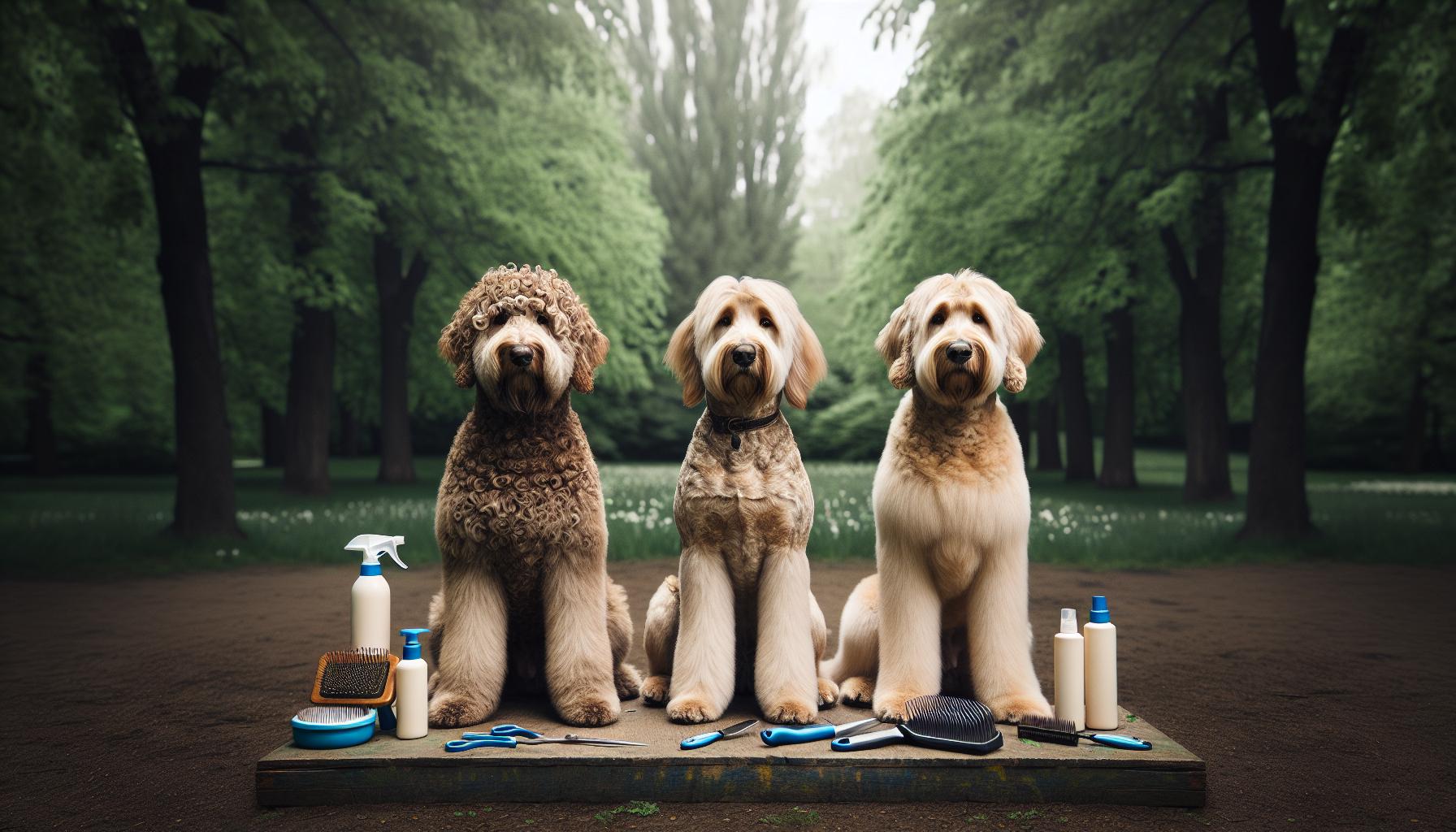
Factors Influencing Labradoodle Coat Types
Understanding the coat types of Labradoodles can be as intriguing as it is essential for prospective owners. Not all Labradoodles are born with curly hair; in fact, their coats can vary widely, influenced by a medley of genetic factors, environmental elements, and individual health. This variability is largely due to the genetics inherited from their parent breeds, the Labrador Retriever and the Poodle, each contributing distinct coat characteristics.
One of the primary factors influencing a Labradoodle’s coat type is the specific genetic traits inherited from their Poodle side. Poodles have a unique curly coat, known for its hypoallergenic properties and minimal shedding. When a Labradoodle inherits these traits, it tends to develop a dense, curly coat that requires regular grooming to maintain its health. Conversely, if the Labradoodle takes after its Labrador parent, the result may be a straighter coat similar to that of the Labrador Retriever, which is typically shorter and more prone to shedding.
Additionally, the generation of the Labradoodle can also play a significant role in determining coat type. First-generation Labradoodles, often referred to as F1s, result from a direct cross between a Poodle and a Labrador. Their coats can be a mix, displaying varying degrees of curliness. Subsequent generations, such as F1B (a Labradoodle bred back to a Poodle), often have a higher likelihood of obtaining the Poodle’s curly coat, while F2s can show a wider range of coat types, depending on the specific lineage.
Moreover, the overall health and care provided to a Labradoodle can influence its coat quality. A nutritious diet rich in omega fatty acids can promote a healthy, shiny coat, while stress or environmental factors such as climate can lead to changes in coat texture or condition. Understanding these influences allows owners to make informed decisions about grooming routines and nutritional needs, ensuring that their furry friends look beautiful and feel comfortable regardless of the coat type they inherit.
Ultimately, knowing about the various factors influencing coat types empowers potential Labradoodle owners to select the right pup for their lifestyle, helping to foster a strong bond and ensuring that both canine and human can enjoy a wonderful companionship.
How Genetics Affect Your Labradoodle’s Coat
The coat of a Labradoodle is not just a matter of aesthetics; it directly reflects the unique blend of genetics inherited from its parent breeds, the Labrador Retriever and the Poodle. Understanding how these genetic components interact can help prospective dog owners make informed choices and address common concerns regarding coat care and maintenance. For instance, the Poodle’s curly coat is prized for being hypoallergenic and low-shedding, which often leads to the assumption that all Labradoodles will inherit this trait. However, the reality is different!
One of the most fascinating aspects of Labradoodles is the diversity in coat types, which stems from genetic variations within their lineage. First-generation Labradoodles (F1s), resulting from a direct cross between a Labrador Retriever and a Poodle, may exhibit a mix of coat textures ranging from tight curls to straight or wavy fur. Subsequent generations, like F1B or F2s, usually have a higher probability of displaying the Poodle’s traits, especially if bred back to a Poodle. This genetic interplay means that even within a single litter, you could find a spectrum of coat types, making it vital to assess both parents when considering a puppy.
The role of genetics in coat type also extends to *quality*, *texture*, and *care requirements*. Poodles possess a coat structure that is denser and more complex than that of Labradors, making it crucial for owners of Labradoodles with curly coats to establish a consistent grooming routine. This routine might include regular brushing to prevent matting and scheduled trips to the groomer for professional care. In contrast, Labradoodles with straighter coats may require less maintenance, more akin to that of the Labrador parent. Regardless of the type, a healthy diet rich in essential fatty acids can also greatly affect the coat’s overall shine and feel, making nutrition a key component in coat health.
Ultimately, understanding the genetic factors at play can help you navigate the joys and challenges of owning a Labradoodle. Recognizing that not every Labradoodle will have the same coat allows owners to tailor their grooming routines and care to meet the specific needs of their furry friends, ensuring a happy and healthy companion for years to come.
Grooming Tips for Different Coat Types
When it comes to grooming Labradoodles, understanding the specific needs of their coats is essential. Not all Labradoodles share the same coat type, which can range from tight curls to wavy and even straighter fur. This diversity means that grooming routines must be tailored accordingly, ensuring that your furry friend stays healthy and looking fabulous. Here are some tips to help you manage the grooming for different coat types effectively.
Curly Coats
Labradoodles with curly coats, often inheriting more traits from their Poodle parent, require regular and thorough grooming to prevent matting. You should brush their fur at least 2-3 times a week using a slicker brush, paying special attention to the areas behind the ears and under the legs where tangles often form. A visit to a professional groomer every 4-6 weeks can help maintain their curls and keep them tidy. Additionally, consider using a dog-safe conditioner during baths to help with tangles and add moisture to their thick coats.
Wavy Coats
For Labradoodles with wavy coats, the grooming routine is moderately intensive. These coats are easier to manage than curly ones but still benefit from regular brushing. Aim for brushing 1-2 times a week using a combination of a pin brush and a comb to keep the waves looking their best. Bathing every 6-8 weeks is optimal; use a gentle shampoo designed for dogs to keep their skin healthy. It’s wise to check for any burrs or debris after playtime outdoors, as wavy fur can trap dirt more easily than straight coats.
Straight Coats
If your Labradoodle has a straighter coat, grooming becomes a bit simpler. Brushing once a week should suffice, and a bristle brush or grooming mitt can work wonders. Their coat requires less maintenance than tighter curls, but it’s still important to keep an eye out for shedding, especially during seasonal changes. Bathing every 8-10 weeks helps keep them fresh, and regular ear checks are crucial since Labradors can be prone to ear infections-a common issue that can affect all Labradoodles, regardless of coat type.
General Grooming Tips
Regardless of your Labradoodle’s coat type, a few general grooming practices will benefit all:
- Start Early: Introduce grooming early in your dog’s life to make them comfortable with the process.
- Check for Matting: Regularly inspect and address any mats or tangles before they become serious.
- Use the Right Tools: Invest in quality grooming tools suited for your Labradoodle’s specific coat type.
- Healthy Nutrition: A balanced diet rich in Omega fatty acids contributes to a shiny and healthy coat.
By focusing on these grooming practices tailored to your Labradoodle’s coat type, you can foster a positive grooming experience that promotes not only a beautiful appearance but also overall health and well-being in your furry companion. Regular grooming not only keeps your dog looking great but also provides an excellent opportunity to bond, check for any skin issues, and keep them feeling comfortable.
Common Coat Care Mistakes to Avoid
Maintaining a Labradoodle’s coat can sometimes feel overwhelming, especially for new owners navigating its diverse possibilities. One common pitfall is assuming that all Labradoodles require the same grooming routine. This misconception can lead to neglecting the specific needs of your dog’s coat type, which could result in matting, discomfort, or skin issues. Understanding your Labradoodle’s unique coat traits is crucial for effective care, and avoiding these prevalent mistakes will help ensure your pet stays happy and healthy.
One of the biggest errors owners make is skipping regular grooming sessions. While straight-coated Labradoodles may not require as frequent brushing, even they benefit from weekly grooming to manage shedding and maintain a healthy coat. For curly or wavy coats, your dog may need brushing 2-3 times a week to prevent mats and tangles. Regular grooming also provides an opportunity to check for skin irritations or parasites, giving you an early warning sign of potential health issues.
Another common mistake is using the wrong grooming tools. It’s essential to select brushes suited for your Labradoodle’s coat type. For example, if you own a curly-coated Labradoodle, a slicker brush will manage their tight curls effectively while preventing mats. Conversely, a pin brush works wonders for wavy coats. Failing to use the appropriate tools can cause discomfort and ineffective grooming, leading to a less than stellar coat condition.
Bathing too frequently can also be detrimental. While cleanliness is vital, overbathing can strip essential oils from your dog’s coat, leading to dryness and irritation. Instead, aim to bathe your Labradoodle every 6-10 weeks, depending on their coat type and activity level. Using a gentle, dog-specific shampoo helps maintain coat health without compromising its natural oils.
Lastly, neglecting diet can have a significant impact on coat condition. A high-quality diet rich in Omega fatty acids promotes a healthy, shiny coat. Ensure you’re providing balanced nutrition tailored to your Labradoodle’s life stage and activity level, as this will contribute to maintaining their coat and overall well-being.
By avoiding these common missteps, you will not only keep your Labradoodle’s coat in optimal condition but also contribute to their overall health and happiness. Regular, attentive grooming that aligns with their specific needs fosters a strong bond between you and your furry companion, ensuring they feel loved and well cared for.
Recognizing Coat Changes Throughout Life
As Labradoodles grow and mature, their coats can undergo significant transformations, often surprising their owners. From puppyhood to adulthood, the coat type of a Labradoodle can change based on genetics, nutrition, and lifestyle factors. Understanding these shifts is crucial for maintaining a healthy coat and managing grooming routines, ensuring your furry friend looks and feels their best throughout their life.
During the first few months, many Labradoodles are born with a soft, fluffy coat that may appear wavy or even straight. This juvenile coat will often differ remarkably from the adult coat, which typically emerges around 6 months to a year of age. Owners frequently notice that as their puppy matures, the texture and pattern of their coat may tighten and become curlier, particularly in those bred from the Poodle lineage. Conversely, some Labradoodles may retain a straighter coat if they take after the Labrador parent, leading to variations that can be quite striking from one dog to another.
Key Factors Influencing Coat Changes
- Genetics: The genetic background of each Labradoodle plays a critical role in determining its coat type. Mixing different generations can lead to unexpected results in adult coats.
- Nutrition: As your dog matures, ensure it receives a nutrient-rich diet. This fuels healthy skin and coat development; Omega fatty acids, in particular, are beneficial in promoting a lustrous coat.
- Grooming Habits: Regular grooming helps to manage shedding and prevent matting, crucial for maintaining particular coat types as they change.
It’s also worth noting that significant coat changes can occur with the seasons. For example, many Labradoodles may experience a shift in their coat thickness as a response to temperatures-growing a denser coat in winter and shedding more during warmer months. Furthermore, health issues, stress, or hormonal changes can also impact your Labradoodle’s coat, leading to changes you may need to address with your veterinarian.
To adapt to these changes, establish a flexible grooming schedule that accommodates their evolving coat type. Use appropriate tools; a slicker brush might be perfect for a curly coat, while a pin brush is ideal for straighter textures. Recognizing these transformations not only helps in effective grooming but also deepens the bond you share with your Labradoodle as you navigate these stages together.
Impact of Climate on Labradoodle Coat Maintenance
As your Labradoodle grows, understanding how climate influences their coat maintenance is vital for keeping them comfortable and looking their best. During warmer months, you might notice your furry friend shedding more as their coat naturally adapts to the heat. Depending on their coat type-curly, wavy, or straight-your grooming routine may need to shift. While a Poodle mix often means less shedding, Labradoodles can still experience a seasonal transition that affects their coat health and texture.
In hot climates, it’s essential to maintain a lighter grooming schedule to allow for air circulation around the skin. Regular brushing helps prevent matting and promotes airflow through their coat, which is especially important for those with curlier hair. Be mindful of heat sensitivity, particularly if your Labradoodle has a dense coat; they may require more frequent grooming to ensure they stay cool and comfortable. Consider scheduling baths with cooling shampoos and providing plenty of water and shade during outdoor activities.
On the flip side, in colder climates, your Labradoodle’s coat may grow thicker to protect against the elements. During these colder months, double-check that your furry companion is adequately groomed to avoid matting, which can trap moisture and lead to skin issues. Increasing the frequency of brushing during winter is advisable, focusing on removing dead hair and preventing tangles. A well-maintained coat not only retains warmth but also acts as a barrier against harsh weather.
Lastly, always monitor any drastic changes in coat texture or shedding patterns; these may indicate stress, health issues, or even changes in diet. Consulting your veterinarian can provide invaluable insights if you notice significant shifts in your Labradoodle’s coat or overall well-being. By tailoring your grooming approach to the changing climate, you can ensure your Labradoodle remains healthy, happy, and stylish year-round.
Choosing the Right Labradoodle for Your Lifestyle
When considering welcoming a Labradoodle into your home, it’s crucial to match your new furry friend’s coat type with your lifestyle. These lovable dogs can come with curly, wavy, or straight coats, and understanding these differences can significantly impact your living situation and grooming commitment. Did you know that while each Labradoodle inherits traits from both the Poodle and the Labrador Retriever, the unique combination of their genetics can lead to varying grooming needs and suitability for different environments?
If you lead an active lifestyle and enjoy outdoor activities, a Labradoodle with a wavy coat might be your perfect companion. Wavy coats tend to shed less, are easier to manage, and can keep up with your adventures without matting as frequently as curlier coats. Regular grooming, at least once a week, will suffice to keep them looking sharp and feeling comfortable. On the other hand, if you have a busy schedule or live in a warmer climate, you might prefer a Labradoodle with a straighter coat. While straight coats do require brushing to minimize shedding, they can be more forgiving when it comes to care, making them a practical choice for someone who might not be able to commit to frequent grooming.
To make a well-informed choice, consider your own capabilities. For instance, if you anticipate needing assistance with grooming or if you’re concerned about allergies, the curly-coated Labradoodle might be the best option for you due to their hypoallergenic properties. These coats require regular grooming-ideally every few days-to prevent matting and maintain their health. It’s not just about personal preference; it’s about creating a balance where you and your Labradoodle can thrive together.
Ultimately, take the time to assess your daily habits, grooming willingness, and home environment. Whether you’re looking for an energetic playmate or a laid-back companion, knowing the specific care requirements for each coat type will help you choose a Labradoodle that fits seamlessly into your lifestyle, ensuring a harmonious relationship for years to come. Remember to also seek advice from breeders or rescue organizations and discuss any concerns with your veterinarian to select the right match. Your Labradoodle’s happiness-and yours-depends on it!
Labradoodle Coat Myths Debunked
You may have heard the common assumption that all Labradoodles have curly hair, but this is far from the truth! Labradoodles can actually boast a variety of coat types, and understanding this can help prospective owners appreciate the uniqueness of each pup. Many new owners believe that choosing a Labradoodle guarantees a specific coat style, typically curly, due to their Poodle lineage. However, these versatile dogs also inherit traits from their Labrador Retriever side, leading to an array of coat textures.
It’s essential to recognize that Labradoodles can have three distinct coat types: curly, wavy, and straight. The curly coat is generally low-shedding and can be ideal for allergy sufferers; however, it does require frequent grooming to prevent matting. Wavy coats are a happy medium, being easier to manage and shedding less than straight coats, which may appeal to an active lifestyle. Straight coats, while potentially shedding more, tend to be lower maintenance in terms of grooming frequency, making them suitable for busy families or those who prefer a more laid-back grooming routine.
Another myth that floats around is that curly-coated Labradoodles are hypoallergenic while wavy and straight coats are not. In reality, no dog is completely hypoallergenic, but the coat types can influence how much dander and hair are released into your home. Regular grooming and bathing can mitigate some allergic reactions, regardless of coat type. To keep your Labradoodle’s coat in top condition, it’s vital to understand their unique needs based on their specific coat type. This insight can empower owners to manage grooming schedules properly, ensuring both pup and owner maintain a happy, healthy relationship.
By debunking these myths, potential Labradoodle owners can approach their new furry family member with realistic expectations. Each Labradoodle is a blend of its heritage, and understanding the range of coat types not only prepares owners for the commitment of grooming but also celebrates the breed’s diversity-one of the many reasons to love Labradoodles!
What to Expect from Labradoodle Puppies’ Coats
Choosing a Labradoodle as a new companion often comes with questions about what to anticipate regarding their coats, especially during the puppy stage. Interestingly, while many people assume all Labradoodle puppies are born with curly coats, the reality is far more varied! Understanding the different coat types and their developmental changes can set you up for a more enjoyable and manageable experience with your new furry family member.
Most Labradoodle puppies will exhibit some sort of wave or curl, but this won’t be fully developed until they are a bit older. Initially, you may notice a soft, fuzzy coat that might seem straight or slightly wavy, reflecting their mixed genetic heritage. As they transition into adulthood, their true coat type begins to emerge. This change can occur as they shed their puppy fur, revealing the more distinctive curly, wavy, or straight texture. Puppies with more Poodle influence typically develop curlier coats, while those leaning towards Labrador genetics may show straighter fur.
To give you a clearer picture of what to expect, here’s a simple comparison of the three coat types that could emerge as your Labradoodle grows:
| Coat Type | Characteristics | Grooming Needs | Shedding |
|---|---|---|---|
| Curly | Dense, tight curls | High; regular grooming needed to prevent matting | Low |
| Wavy | Loose waves; medium density | Moderate; needs brushing a few times a week | Moderate |
| Straight | Flat, sleek fur | Low; occasional brushing suffices | High |
As your puppy grows, their coat’s needs might also change. Regular grooming is critical, not only for maintaining a healthy coat but also for preventing tangles and mats, especially in curly types. It’s essential to start grooming your Labradoodle puppy early, as this will help them get accustomed to the process. This effort can foster a strong bond between you and your pup, making them feel comfortable and loved.
Additionally, keep in mind that environmental factors, such as climate and seasons, can further affect your Labradoodle’s coat. Puppies born in warmer climates may have coats that are adapted to that heat, leading to different grooming needs than those born in cooler areas. Being aware of these factors can help you provide the best care.
Ultimately, while you may have a vision of the perfect curly teddy bear, keep in mind that your Labradoodle’s coat will be uniquely their own! Embrace the variety and enjoy the journey of watching your puppy’s coat evolution, knowing that each tuft and wave tells a part of their story.
Frequently asked questions
Q: Do all Labradoodles have curly hair?
A: No, not all Labradoodles have curly hair. They can have three different coat types: curly, wavy, or straight. The coat type depends on genetics inherited from their Labrador and Poodle parents, resulting in varied textures among individual dogs.
Q: What are the different coat types in Labradoodles?
A: Labradoodles typically have three coat types: curly, which is dense and fleece-like; wavy, which is looser and more hair-like; and straight, which resembles a Labrador’s coat. These variations can affect grooming needs and shedding levels.
Q: How do genetics influence a Labradoodle’s coat type?
A: Genetics play a crucial role in determining a Labradoodle’s coat type. Factors such as the lineage of their Poodle and Labrador parents can influence whether your Labradoodle ends up with a curly, wavy, or straight coat.
Q: When do Labradoodle puppies’ coats change?
A: Labradoodle puppies often experience coat changes between six months to two years of age. Initially, they might have a softer puppy coat that can shed or change as they grow into their adult coat, which could be curly, wavy, or straight.
Q: How can I tell what type of coat my Labradoodle will have?
A: You can get an idea of your Labradoodle’s coat type by examining the coats of their parents. A puppy’s coat texture can also be inferred based on the feel of their fur at around eight weeks old, but final coat type can take time to fully develop.
Q: What are the grooming tips for different Labradoodle coat types?
A: For curly coats, regular brushing is essential to prevent matting; wavy coats may need less frequent grooming, while straight coats generally require standard grooming to manage shedding. Each coat type should be trimmed regularly for maintenance.
Q: Do Labradoodles shed hair?
A: Yes, Labradoodles do shed hair, but the amount varies based on coat type. Curly and wavy coats typically shed less than straight coats. However, regular grooming can help manage and reduce shedding effectively.
Q: What can I do if my Labradoodle’s coat changes unexpectedly?
A: If your Labradoodle’s coat changes unexpectedly, it could be due to factors like diet, health issues, or stress. Consult with a veterinarian to rule out any underlying health concerns and consider adjusting their grooming routine or diet accordingly.
These questions and answers can help prospective and current Labradoodle owners better understand the nuances of their dog’s coat types and care requirements. For further information, check out the article sections about grooming tips and recognizing coat changes.
To Conclude
Now that you know the intricacies of Labradoodle coats, including the various styles and textures, you’re well-equipped to make informed decisions regarding grooming and care. Remember, whether your Labradoodle has a curly, wavy, or straight coat, regular maintenance is key to a happy and healthy pup. If you’re still curious about the best grooming techniques for your dog’s specific coat type, check out our detailed grooming guide for Labradoodles and tips on breed-specific care.
Feeling inspired to dive deeper? Don’t miss our article on the personality traits of Labradoodles, or explore the pros and cons of bringing one into your home. If you’re passionate about canine care and wish to stay updated with expert advice, consider signing up for our newsletter today!
We’d love to hear your thoughts-what coat characteristics do you appreciate most about your Labradoodle? Share your experiences in the comments below, and feel free to share this article with fellow dog lovers! Exploring the wonderful world of Labradoodles doesn’t have to stop here; there’s always more to learn and discover together.