
Did you know that many black Labradoodles may not always stay black? As your furry friend grows, their coat can undergo surprising transformations, leaving many owners puzzled. Understanding why and how black Labradoodles change color is essential for new pet parents and seasoned handlers alike. This natural phenomenon, influenced by fading genes inherited from their Poodle lineage, can shift a dog’s appearance, making it crucial for you to recognize and appreciate these changes. Whether you’re curious about maintaining their gorgeous coat or enhancing their grooming routine, this guide will equip you with valuable insights into the evolution of your Labradoodle’s coat. Let’s explore the fascinating journey of color change together, addressing your concerns and ensuring your pup remains vibrant and healthy throughout their life.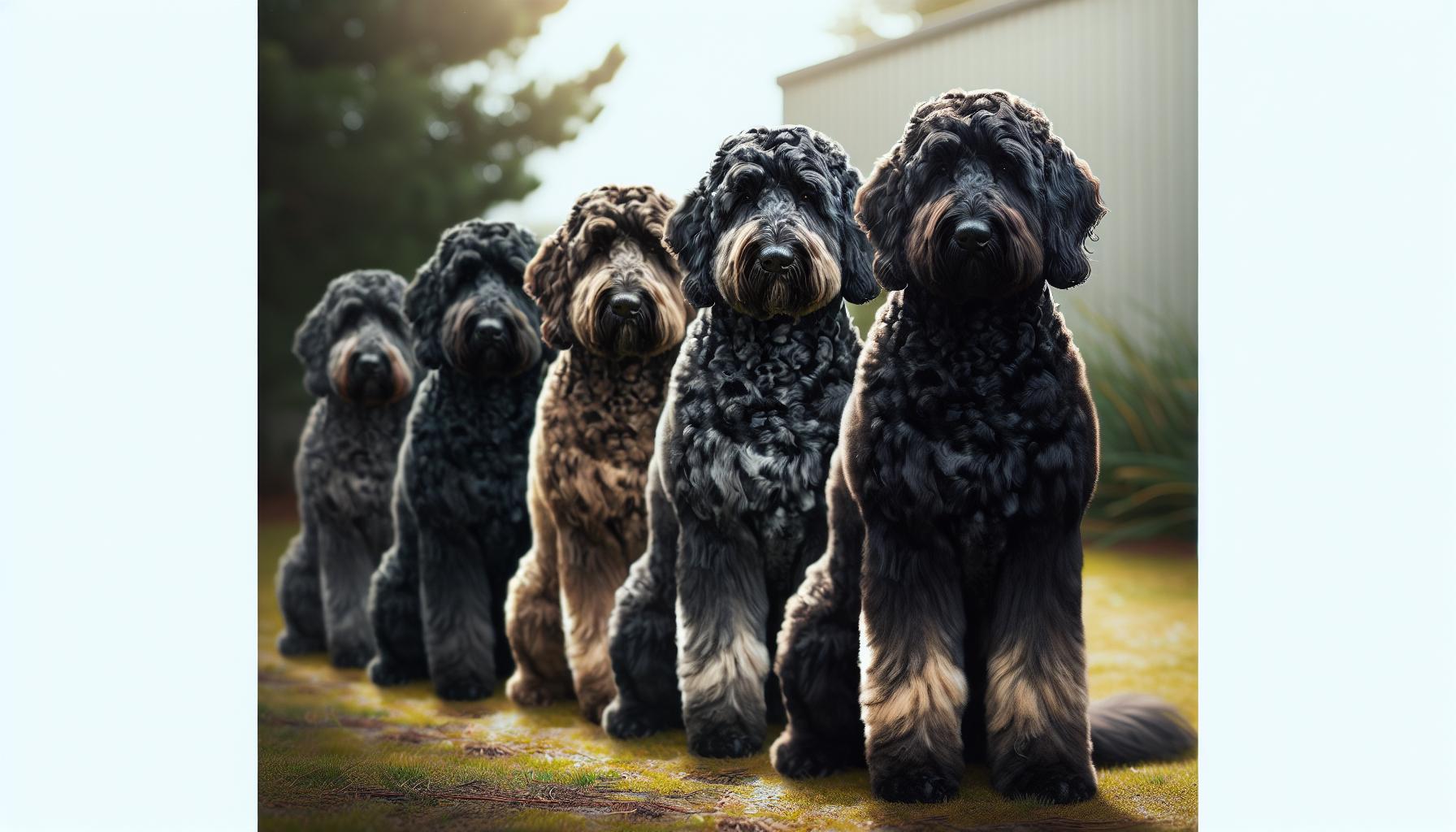
Do Black Labradoodles Change Color? Understanding Coat Evolution
Black Labradoodles, like many dogs, can display fascinating changes in their coat color as they mature. While a puppy’s fur may start off as a deep black, it can evolve into a more muted shade over time. This phenomenon is not unique to Labradoodles, but their hybrid lineage and the specific breeding practices can influence these changes.
One essential factor in understanding coat evolution in black Labradoodles is genetics. The primary genes affecting coat color can lead to a range of outcomes. For instance, even if a pup is born black, genetic factors may cause fading due to environmental influences, evolutionary changes, or simply the organism aging. Additionally, exposure to sunlight can also lighten their coat over time, giving them a sun-kissed or faded appearance.
It’s important to monitor these changes and recognize that some fading can be completely normal. During their growth, many Labradoodles will experience a shift in their coat’s hue, which might culminate in a transition to a charcoal or even slate color as they advance into adulthood. Regular grooming and maintaining a healthy lifestyle can also support a vibrant and healthy coat and mitigate unwanted discoloration.
As a new owner, understanding these changes can help you appreciate the beauty of your Labradoodle’s evolution while ensuring that their coat remains healthy and well-maintained through consistent grooming practices and proper nutrition.
The Science Behind Labradoodle Coat Colors
Understanding the variety of coat colors in Labradoodles, especially for those glossy black coats, is an intriguing journey into genetics and biology. Black Labradoodles are particularly captivating due to their potential to undergo notable color transformations as they mature. This color evolution is influenced primarily by genetics, where specific genes dictate the quality, shade, and texture of the coat. If you’ve ever wondered why a puppy that started out jet black might later appear charcoal or slate, you’re not alone!
At the heart of this phenomenon lies the dominant black gene (B gene), although other genes and environmental factors play significant roles. The coat may fade as dogs age due to the expression of secondary genes, which can dilute the intensity of the original color. For example, exposure to sunlight and the natural aging process can lead to a lighter appearance over time, resulting in a coat that’s not just visually different but potentially healthier, as lighter coats may reflect a healthier skin barrier better than darker ones.
Proper grooming and care routines are crucial in supporting coat health and color vibrancy. Regular baths with appropriate shampoos can help maintain the natural oils in the coat, while nutritional supplements rich in Omega fatty acids can promote silky and shiny fur. Additionally, being mindful of sun exposure is essential. Using pet-safe sunscreen for outdoor adventures can protect their coat from sun damage, helping to prevent premature fading.
As you observe your black Labradoodle’s transformation, it can be beneficial to keep a coat journal or take regular photos. This not only helps you track their evolution but also allows you to appreciate the unique beauty that comes with each stage of life. Remember, understanding the science behind their coat colors empowers you as an owner, equipping you with the knowledge to ensure your furry companion’s coat remains in top condition throughout their life journey.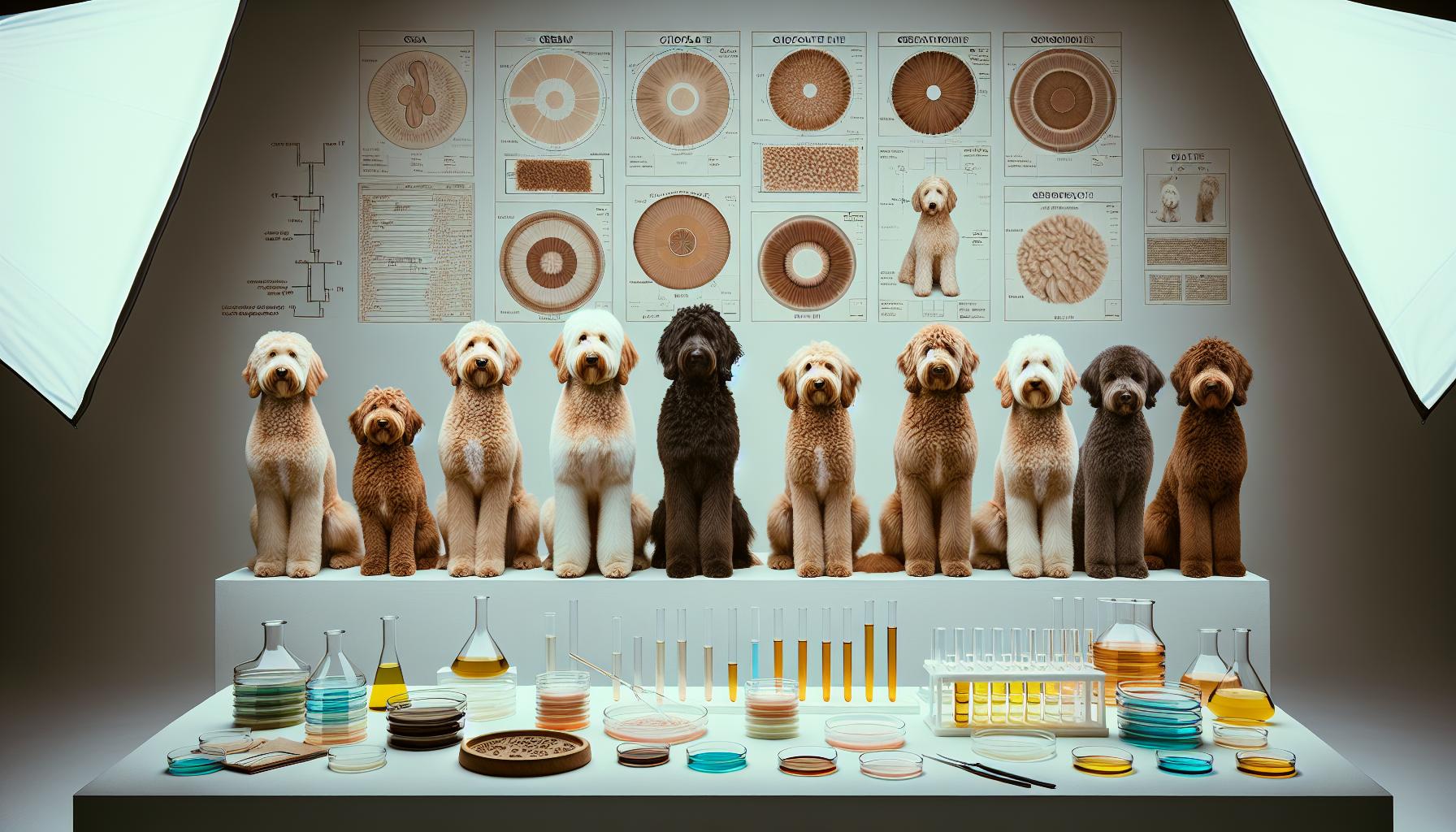
Factors Influencing Color Change in Labradoodles
Labradoodles are known for their stunning coats, but one of the most captivating aspects of these dogs is how their colors can evolve over time, especially in black Labradoodles. Various factors influence this transformation, allowing pet owners to witness a remarkable journey from puppyhood to adulthood. Understanding these variables not only satisfies curiosity but also enables you to provide the best care for your furry friend.
One of the primary elements affecting color change comes from genetics. The dominant black gene (B gene) dictates the initial color, but other genes, particularly those responsible for pigment dilution, can contribute to the gradual fading of that deep black hue. As Labradoodles mature, they may experience a lightening of their coat due to the expression of these secondary genes. Environmental influences such as prolonged sun exposure can intensify this effect, leading to a shift in color from black to shades like charcoal or slate.
Nutritional factors also play a crucial role in maintaining coat health and vibrancy. Dogs receiving a balanced diet rich in vitamins and fatty acids often exhibit healthier coats. Including Omega-3 and Omega-6 fatty acids can promote a shiny, lustrous appearance, while lack of proper nutrition could lead to dullness or uneven coloring. Regular grooming also supports coat quality; consistent brushing not only removes dirt and debris but also stimulates natural oils that help maintain a vibrant color.
Lastly, keep in mind that seasonal changes can impact a Labradoodle’s coat. During colder months, a thicker undercoat may form, which can alter how color appears. As the weather warms up and shedding occurs, the lighter undercoat may become more visible, offering a different hue than what you saw during winter.
By being aware of these influencing factors, you can better understand and appreciate your black Labradoodle’s changing coat. Regular grooming, a nutritious diet, and attention to environmental conditions will help maintain your dog’s stunning appearance and overall health.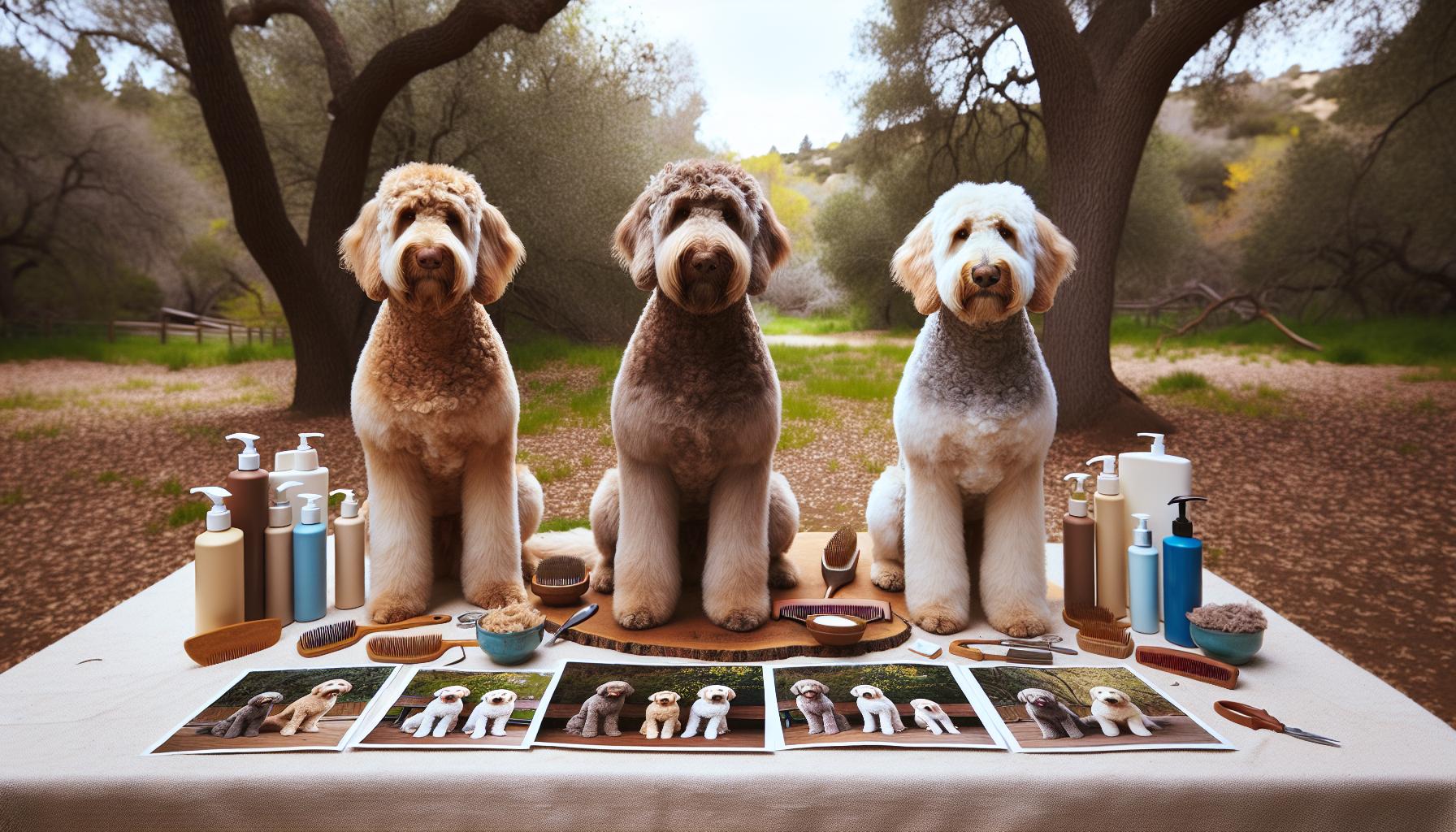
Stages of Color Development: From Puppy to Adult
As Labradoodles grow from adorable puppies to mature adults, their coat colors often undergo fascinating transformations that keep owners intrigued and sometimes perplexed. For black Labradoodles, the journey of color development is particularly noteworthy, as many of these pups display a striking change that can catch anyone off guard. It’s important to appreciate these stages not just as a visual change but as an integral aspect of their overall growth and development.
During the early weeks of life, black Labradoodle puppies emerge with a deep, rich black coat, a result of the dominant black gene (B gene). This initial stage is characterized by a glossy appearance, captivating every onlooker. However, as these puppies grow, typically around six months to a year, many begin to show early signs of fading. This color change can vary significantly among individuals; some might shift to a softer charcoal or slate shade, while others maintain a darker hue. This transition results from the gradual expression of secondary genes that dilute the original pigment, a process that continues throughout their first two years.
To provide proper care during these transformative stages, it’s essential to implement a grooming routine tailored to the changing coat. Regular brushing not only removes loose hair and debris but also helps distribute natural oils that enhance the vibrancy of the coat. For owners concerned about the fading, nourishing the dog’s diet with vitamins and omega fatty acids can promote a vibrant coat and overall health. Furthermore, consider environmental factors like sun exposure, which can accelerate fading. Using protective gear, like dog sweaters, during extensive outdoor play in sunny conditions can help maintain that rich coat color for longer.
Ultimately, understanding the stages of color development in black Labradoodles enhances the joy of dog ownership. Embrace their evolving appearance as a unique journey, allowing you to connect deeper with your furry companion. Regular grooming and attention to their diet can make a significant difference, ensuring your Labradoodle remains healthy and vibrant throughout their life.
Common Myths About Labradoodle Color Changes
Many dog owners have heard intriguing tales about how Labradoodles’ exquisite coats may change over time. However, understanding the truth behind these transformations is essential to dispel any misconceived notions. From the belief that black Labradoodles always remain pitch-black to the idea that any fading signifies health problems, here’s a closer look at some common myths surrounding Labradoodle color changes.
One prevalent myth is that black Labradoodles will maintain their bold coat color throughout their lives. In reality, while many black Labradoodles start with a striking black shade as puppies, gradual fading to lighter hues-like charcoal or slate-is entirely normal. This change stems from the expression of diluting genes as they grow, especially between six months and two years of age. While some owners may view this fading as a negative, it’s just a natural part of their evolution, adding to their unique charm over time.
Another misconception is that a fading coat might indicate a health issue. While it’s true that certain health conditions can affect a dog’s coat, fading in Labradoodles is typically related to genetics rather than an underlying problem. Factors like sun exposure or nutritional deficiencies can affect coat quality, but color change alone shouldn’t raise alarm bells. To ensure your Labradoodle remains healthy, focus on providing a balanced diet rich in omega fatty acids, regular grooming, and protection from excessive sun exposure.
Lastly, many believe that all Labradoodles will experience uniform color changes. In fact, the extent and manner of coat evolution can vary widely among individuals. Some Labradoodles might retain a darker coat much longer than others, showcasing a personal journey unique to each dog. Embracing these distinctions can foster a deeper connection with your pet as you witness their beautiful transformation.
By understanding these myths, owners can approach their Labradoodles’ coat changes with a more informed perspective, celebrating the individuality and evolution of their furry companions.
Identifying Different Coat Types in Labradoodles
When it comes to Labradoodles, their coat types are as varied as their charming personalities. Three primary coat types exist among Labradoodles: wool, fleece, and hair. Each type has distinct characteristics, requiring different grooming techniques and offering unique appearances. Understanding these coat types is essential not only for proper care but also for navigating any potential changes in color as they mature, especially for black Labradoodles which might undergo noticeable shifts over time.
Wool Coat
Labradoodles with a wool coat possess tight curls similar to a poodle’s coat. This type is known for being hypoallergenic and has the least amount of shedding, making it ideal for allergy sufferers. However, this coat type may require frequent grooming to prevent matting and to maintain its texture. Owners should use a slicker brush and a comb to keep these curls looking their best, and regular trips to a professional groomer can help manage the fluffiness and maintain a clean look.
Fleece Coat
The fleece coat, often favored for its soft, wavy texture, offers a happy medium between the wool and hair types. It tends to be less prone to matting than the wool coat but still requires regular grooming to prevent tangles. Fleece coats are known for their rich, luscious appearance, which can enhance the dog’s color over time. If a black Labradoodle develops a fleece coat, owners may notice slight fading in color, which is common and does not necessarily indicate a health issue.
Hair Coat
Lastly, the hair coat resembles that of a Labrador Retriever-much straighter and denser, though it can be found in different lengths. This type tends to shed more and requires a different approach to grooming. Regular brushing (at least once a week) is essential to keep this coat healthy and to minimize shedding. While hair-coated Labradoodles might not experience the same drastic color changes as wool or fleece-coated varieties, variations can still occur based on genetics and environmental factors.
- Wool Coat: Hypoallergenic, minimal shedding, requires frequent grooming.
- Fleece Coat: Soft and wavy, moderate grooming needs, may show subtle color changes.
- Hair Coat: Similar to a Labrador’s coat, higher shedding, requires regular brushing.
Understanding these coat types not only helps in identifying your Labradoodle’s grooming needs but also provides insight into their potential for color evolution as they age. Embracing the beauty of different coat types-and any resulting color variations-allows owners to appreciate the unique journey of their furry companions, ensuring they are well cared for and celebrated throughout their lives.
Grooming Tips for Maintaining Color and Texture
Keeping your black Labradoodle’s coat vibrant and healthy is both an art and a science. Many owners are often surprised to notice changes in their pet’s coat color as they mature, especially with darker shades like black. These changes can be subtle, occurring gradually, and might include fading or shyness in certain areas. To maintain both the color and texture of your Labradoodle’s coat, consistent grooming is essential.
One effective grooming strategy is to brush your dog regularly, ideally daily for wool and fleece-coated Labradoodles, to remove loose hair and prevent matting. Use a slicker brush for detangling and to distribute natural oils throughout the coat, which helps preserve its luster. A regular schedule for baths-generally every 4 to 6 weeks-using a gentle, color-safe shampoo can also protect the coat’s vibrancy. Always ensure the coat is completely dry before brushing to minimize breakage and maintain texture.
Diet plays a crucial role in your dog’s coat health too. A high-quality diet rich in omega fatty acids can enhance coat glossiness and promote overall health, thus supporting vibrant coat colors. Consistent hydration is equally important, so make sure your Labradoodle has access to fresh water at all times. Moreover, regular check-ins with a veterinarian can help you understand specific genetic factors or health issues that might affect your pet’s coat.
Lastly, professional grooming should not be underestimated. Scheduling regular appointments with a skilled groomer who understands Labradoodles can help maintain a tidy look while addressing any specific grooming challenges related to coat type. Armed with these tips, you’ll be well-equipped to keep your Labradoodle looking its best, all while enjoying the unique journey of color evolution that comes with this special breed.
The Role of Genetics in Labradoodle Coats
Understanding the genetics behind a Labradoodle’s coat can truly enhance your appreciation for this charming breed. Just like humans can inherit a variety of traits from their parents, Labradoodles can also pass down different coat colors and patterns through their genes. The coat color of a black Labradoodle-rich and striking as it may be-can undergo intriguing changes as they mature, and these transformations often stem from underlying genetic factors.
Black Labradoodles primarily get their color from a dominant gene known as the “B” gene, which dictates black fur. This gene can produce various shades, but it’s important to note that Labradoodles may inherit fading genes as well, which can lead to changes in color over time. These changes typically become evident as puppies grow into adulthood. While some may experience a gradual lightening, others might notice a more subtle variation, like a grizzled appearance in certain areas where the fur might turn a shade of grey or brown as they age. Understanding these genetic influences can help you manage expectations about your dog’s appearance through its life stages.
Moreover, genetics doesn’t just determine color; it plays a significant role in coat type as well. Labradoodles come with different coat types-wool, fleece, and hair-each presenting unique grooming needs and tendencies for color change. For instance, fleece-coated Labradoodles tend to maintain their color longer than others, while those with a wool coat might be more susceptible to fading. Owners should be aware that these traits, influenced heavily by genetics, require tailored grooming and care routines to keep their Labradoodles looking vibrant.
Understanding the science behind your Labradoodle’s coat can empower you as an owner. Regular grooming, a balanced diet rich in omega fatty acids, and routine veterinary check-ups can contribute significantly to maintaining your dog’s coat health. With a little effort, you can support your dog through these genetic transitions, ensuring that they not only look their best but also feel fantastic throughout their lives.
Seasonal Changes: Does Weather Affect Coat Color?
The changing seasons can have a fascinating impact on the coat color of your black Labradoodle, adding another layer of intrigue to their already vibrant personalities. While Labradoodles are known for their striking hues, the fluctuations in weather can sometimes influence the way their coats appear. As you move through different seasons, you might notice subtle shifts in your dog’s fur, driven by a combination of environmental factors and their natural coat development.
One significant factor is the amount of sunlight your Labradoodle is exposed to. In warmer months, increased sun exposure can cause the coat to lighten slightly, particularly for those with a black coat due to the photodegradation of pigments. This fading may create a sun-kissed effect, giving your puppy a softer look as they bask in the sun. Conversely, during colder months, lack of sunlight and a thicker undercoat may lead the fur to appear darker or richer in color, as the dog retains warmth and protects itself against the elements.
For practical advice, here are a few ways you can help maintain your Labradoodle’s coat through seasonal changes:
- Groom Regularly: Frequent brushing during shedding seasons can help manage any color changes and keep your dog’s coat healthy. This also distributes natural oils, enhancing luster.
- Check Sun Exposure: If your dog spends a lot of time outside, consider providing shade to mitigate excessive sun exposure, which can lead to unwanted lightening.
- Nutrition Matters: A diet rich in fatty acids supports a healthy, vibrant coat. Ensuring your Labradoodle gets enough nutrients can help maintain color integrity throughout the year.
Understanding these effects can empower you as a loving owner to adapt your grooming and care routines. Not only does this knowledge enable you to respond to changes in your dog’s appearance, but it also supports their overall health and well-being, ensuring they look their best regardless of the season.
Signs of Health Issues Related to Coat Color
Noticing changes in your black Labradoodle’s coat can be startling, especially when you’re accustomed to their consistent color. While it’s entirely normal for Labradoodles to experience some fluctuations in coat appearance due to factors like weather, age, and exposure to sunlight, certain changes can signal health issues that warrant attention. Paying close attention to your furry friend’s coat can offer important insights into their overall health.
Unexplained changes in color, particularly if your dog has suddenly developed patches of lighter or dull fur, could indicate skin conditions or allergies. Common culprits include eczema or dermatitis, which can change the pigmentation of the fur around affected areas. Additionally, a sudden lack of luster or a dry, brittle coat may suggest nutritional deficiencies, particularly in essential fatty acids, vitamins, or minerals that contribute to a healthy coat and skin. A diet rich in high-quality kibble, supplemented with fatty acids, can help restore vitality to your Labradoodle’s coat.
It’s also crucial to be aware of other signs that might accompany coat changes. For instance, if your Labradoodle’s skin appears red, inflamed, or if they are scratching excessively, this could point to parasites like fleas or ticks, or food allergies that might necessitate a veterinary evaluation. Regular veterinary check-ups are the best way to ensure your dog remains healthy and that any coat changes aren’t indicative of a larger issue.
To maintain your Labradoodle’s coat and monitor any changes effectively, establish a regular grooming routine. This should include:
- Routine Brushing: Helps remove dead hair and distribute natural oils, promoting a healthier coat.
- Diet Monitoring: Ensure high-quality, balanced nutrition to support skin and fur health.
- Veterinary Check-ups: Regular visits can help catch any health concerns early, keeping your fluffy companion in top shape.
By being vigilant about your Labradoodle’s coat and overall appearance, you not only enhance their beauty but also safeguard their well-being. If you notice persistent changes that raise concern, don’t hesitate to consult your veterinarian for guidance and support.
Comparing Labradoodle Colors: A Visual Guide
Imagine strolling through a park and encountering Labradoodles of various shades and patterns, each one uniquely beautiful. It’s fascinating to see how coat colors can evolve, especially in black Labradoodles, who often undergo striking transformations as they age. These changes can range from delightful surprises to moments of concern for pet owners eager to understand their pup’s development.
Labradoodles are known for their diverse coloring, which can include shades like chocolate, cream, apricot, and the striking black that tends to capture attention. For black Labradoodles, a common phenomenon is the gradual transition of their coat color over time. Many begin with a deep black hue that may lighten slightly as they mature, sometimes giving way to a silvery appearance. This evolution isn’t just an aesthetic change; it reflects the complex genetics behind their coats. Different parents contribute various genes, leading to an array of colors and patterns. For those curious about specifics, some Labradoodles may start as jet black puppies, transitioning to a grayish coat that resembles the “merle” patterns often seen in other breeds.
To better appreciate these stunning transformations, consider creating a visual guide featuring different colors and stages. Document your Labradoodle’s growth through photographs showing their evolution from puppyhood to adulthood. This not only provides a delightful record of their life but also highlights the nuances between color variations at different ages. For example, you may notice that black Labradoodles born with darker coats might develop lighter markings or a more subtle sheen as they reach maturity.
In terms of maintenance, it’s essential to keep an eye on how these color changes affect grooming routines. Regular brushing helps reduce excess shedding while also maintaining coat texture and color vibrancy. Incorporating a high-quality diet rich in nutrients will further support the health and shine of your Labradoodle’s coat, regardless of its hues. As always, any significant changes in color, especially if accompanied by skin issues or other health symptoms, warrant a conversation with your veterinarian. Embrace the joy of your Labradoodle’s unique color journey-each stage is a beautiful testament to their growth and your companionship.
Caring for Your Labradoodle’s Unique Coat Needs
Caring for a Labradoodle’s coat is a rewarding experience, particularly as you witness the unique color transitions that occur over time. Black Labradoodles, in particular, may start off with a rich, deep black coat, but can evolve into lighter shades or even silver hues as they age. This beautiful transformation is not only a testament to their genetic makeup but also highlights the importance of a tailored grooming regimen to maintain and enhance their ever-changing coat.
To keep your Labradoodle’s coat healthy and vibrant, regular brushing is essential. Aim for at least two to three times a week, using a slicker brush to prevent matting and remove loose hair. Be attentive to areas prone to knots, such as behind the ears, under the legs, and around the collar. During shedding seasons, more frequent brushing may be necessary to manage any excess fur. Additionally, consider a high-quality dog shampoo designed for curly or wavy coats, which can help maintain moisture and prevent the coat from becoming dry or frizzy.
Proper nutrition plays a crucial role in coat health as well. A balanced diet rich in omega fatty acids, such as those found in fish oil or flaxseed, can enhance the shine and softness of your Labradoodle’s coat. Be sure to feed your dog high-quality kibble or wet food that lists meat as the primary ingredient and avoid fillers like corn and wheat that offer little nutritional value. Consult your vet for guidance on the best dietary choices for your Labradoodle, especially if they are transitioning through different stages of color.
Lastly, keep an eye on any sudden or drastic changes in coat color accompanied by skin irritations or issues, as these could be signs of health problems. Regular vet check-ups are vital to address any concerns early on. Embrace the journey of caring for your Labradoodle’s coat, and enjoy every moment as you nurture their appearance and health throughout the various stages of their life.
Frequently asked questions
Q: What causes black Labradoodles to change color over time?
A: Black Labradoodles may change color due to genetic factors and aging. Dark-coated puppies often lighten as they mature, with some turning gray or silver, while others may develop lighter shades of brown. This change is a natural part of their coat evolution.
Q: At what age do Labradoodles start to change color?
A: Labradoodles typically begin to show color changes around 1 year of age. This is when their adult coat emerges, which can result in distinct alterations in shade and texture.
Q: Can diet affect the coat color of black Labradoodles?
A: While diet itself does not directly change coat color, proper nutrition supports healthy fur, which can enhance or maintain the natural color and shine of your Labradoodle’s coat. Ensuring a balanced diet rich in omega fatty acids is beneficial.
Q: How can I minimize color fading in my black Labradoodle?
A: To minimize color fading, provide your Labradoodle with a high-quality diet, regular grooming, and limited sun exposure. Products like color-enhancing shampoos specifically designed for dark coats may also help maintain vibrancy.
Q: Are there any myths about Labradoodle coat color changes?
A: Yes, a common myth is that all black Labradoodles will remain black throughout their lives. In reality, many will lighten over time due to genetic factors. Understanding your dog’s coat genetics can clarify expected color changes.
Q: Do black Labradoodles require special grooming to manage color changes?
A: Yes, black Labradoodles benefit from regular grooming to remove dead hair and prevent matting, which can dull their coat. Using the right grooming tools and products can help keep their coat healthy and vibrant as it evolves.
Q: How can I identify if my Labradoodle’s color change is a health issue?
A: If your Labradoodle’s color change is sudden or accompanied by other symptoms like skin irritation, hair loss, or behavioral changes, consult a veterinarian. They can determine if the change is health-related or typical for the breed.
Q: Is it common for black Labradoodles to fade to gray or silver?
A: Yes, it is common for some black Labradoodles to fade to gray or silver as they age. This gradual change is part of their normal coat evolution, influenced by genetic factors and their specific lineage.
To Wrap It Up
As we’ve explored, the journey of a black Labradoodle’s coat can be as fascinating as it is beautiful, with changes that may surprise you throughout their life. If you have any lingering questions or need guidance on how to care for your Labradoodle’s evolving coat, don’t hesitate to check out our detailed Labradoodle Coat Colors: A Comprehensive Overview or dive into Labradoodle History and Coat Types for more insights.
Curious about other coat colors or looking for tips on grooming? Join our community by signing up for our newsletter, where you’ll receive expert advice and articles straight to your inbox. Remember, every dog is unique and requires personalized care, so feel free to share your experiences in the comments below! This is just the beginning of your Labradoodle adventure, and we’re here to support you every step of the way. Happy exploring!