Did you know that some dogs are natural swimmers, while others might shy away from water altogether? Understanding your dog’s breed-specific swimming preferences not only ensures a safer and more enjoyable experience for your furry friend but can also enhance the bond between you and your pet. Whether you’re considering introducing your dog to water for the first time or you’re a seasoned swimmer looking to refine your pup’s technique, it’s essential to recognize the varying comfort levels and instincts that different breeds possess. As you explore the fascinating world of canine aquatic tendencies, you’ll gain valuable insights on how to support your dog’s unique needs, making splashes in the pool or at the beach even more fun. So, dive in with us as we unfold the surprising ways that breed characteristics shape your dog’s relationship with water!
Do All Dogs Enjoy Water? Investigating Preferences
Not all dogs share a love for water; in fact, preferences can vary widely between breeds and individual dogs. Some breeds, such as the Labrador Retriever, are renowned for their affinity for swimming and playing in water, primarily due to their historical roles as hunting and retrieving dogs. These canines are often eager to dive into lakes or oceans, driven by their instincts and the natural buoyancy in their bodies. Conversely, there are breeds, like the Basenji or certain terriers, that typically prefer to stay dry, showing little interest in water activities. Understanding a dog’s temperament and instincts is crucial, as these factors greatly affect their comfort around water.
Dogs that are predisposed to enjoy water often possess certain physical traits, such as a strong, muscular build and webbed feet, which aid in swimming. Their rescue training or environment can also influence their swimming prowess; for instance, dogs raised near water are more likely to develop an affinity for it. However, even dog breeds that generally dislike water can be coaxed into enjoying the experience with proper introduction and positive reinforcement.
When considering the swimming preferences of your dog, it’s essential to observe their body language around water. Signs of enthusiasm, like tail wagging and eager splashes, indicate a readiness to swim, while signs of hesitation or retreat can signify disinterest or fear. Providing gradual exposure to water in a calm and controlled manner can help even hesitant pups feel more secure and potentially foster a newfound love for swimming.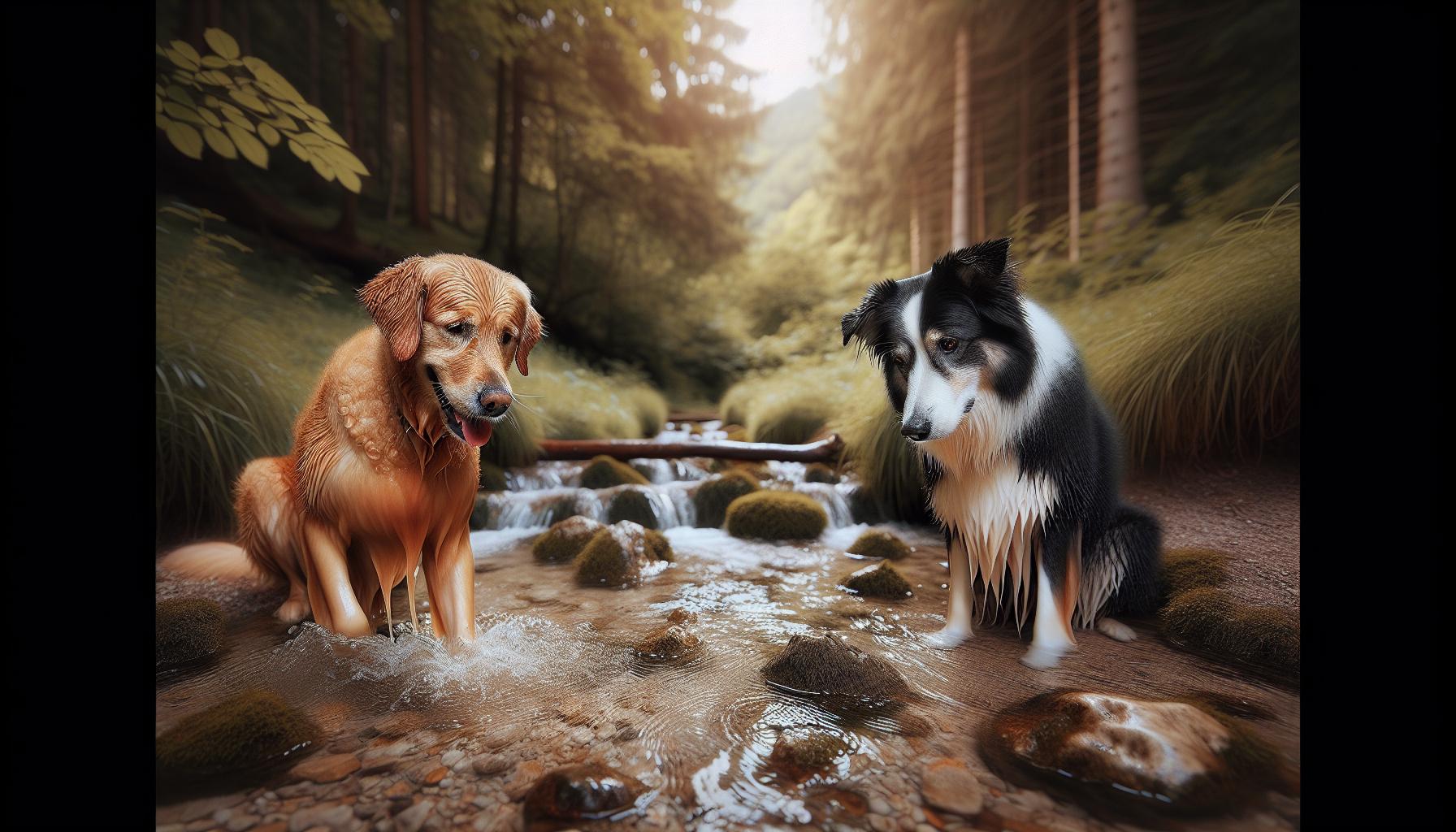
Understanding Swimming Instincts in Different Breeds
Many dog owners wonder why some dogs adore the water while others seem to avoid it altogether. The truth lies largely in breed-specific traits, instincts, and historical roles that shape a dog’s affinity for swimming. Certain breeds, often referred to as “water dogs,” come equipped with physical attributes that enhance their swimming abilities. For example, dogs bred for water retrieval typically possess webbed feet, waterproof coats, and strong muscular builds that not only facilitate swimming but also allow them to work efficiently in aquatic environments.
Breeds such as the Labrador Retriever and Golden Retriever are well-known for their love of water. Both breeds were developed for retrieving game from water, which has ingrained a natural instinct to swim in them. Their buoyant bodies and streamlined shapes make them adept swimmers, and their eagerness to dive into lakes and oceans is typically seen in their joyful behaviors. On the other hand, dogs like the Basenji or certain terrier breeds often lack these water-loving instincts, as they were not historically bred for such activities. Instead, many terriers were bred for hunting on land, leading to a general disinterest in swimming.
To further illustrate the divergence in swimming preferences, consider the Portuguese Water Dog, whose name literally indicates its affinity for water. These dogs have strong swimming capabilities and a long history of working on fishing boats, retrieving nets, and even guiding fish. In contrast, breeds like the Greyhound, while athletic and fast on land, lack the physical adaptations necessary for swimming and often prefer to keep their paws dry.
Understanding these breed-specific instincts can help dog owners better appreciate their pet’s preferences and comfort level around water. Recognizing that swimming is not just about enjoyment but also about a dog’s inherent abilities can guide owners in ensuring positive experiences for their furry friends in and around the water. For any owner looking to introduce their pup to swimming, it’s crucial to consider their breed history while remaining patient and encouraging as their comfort with water develops.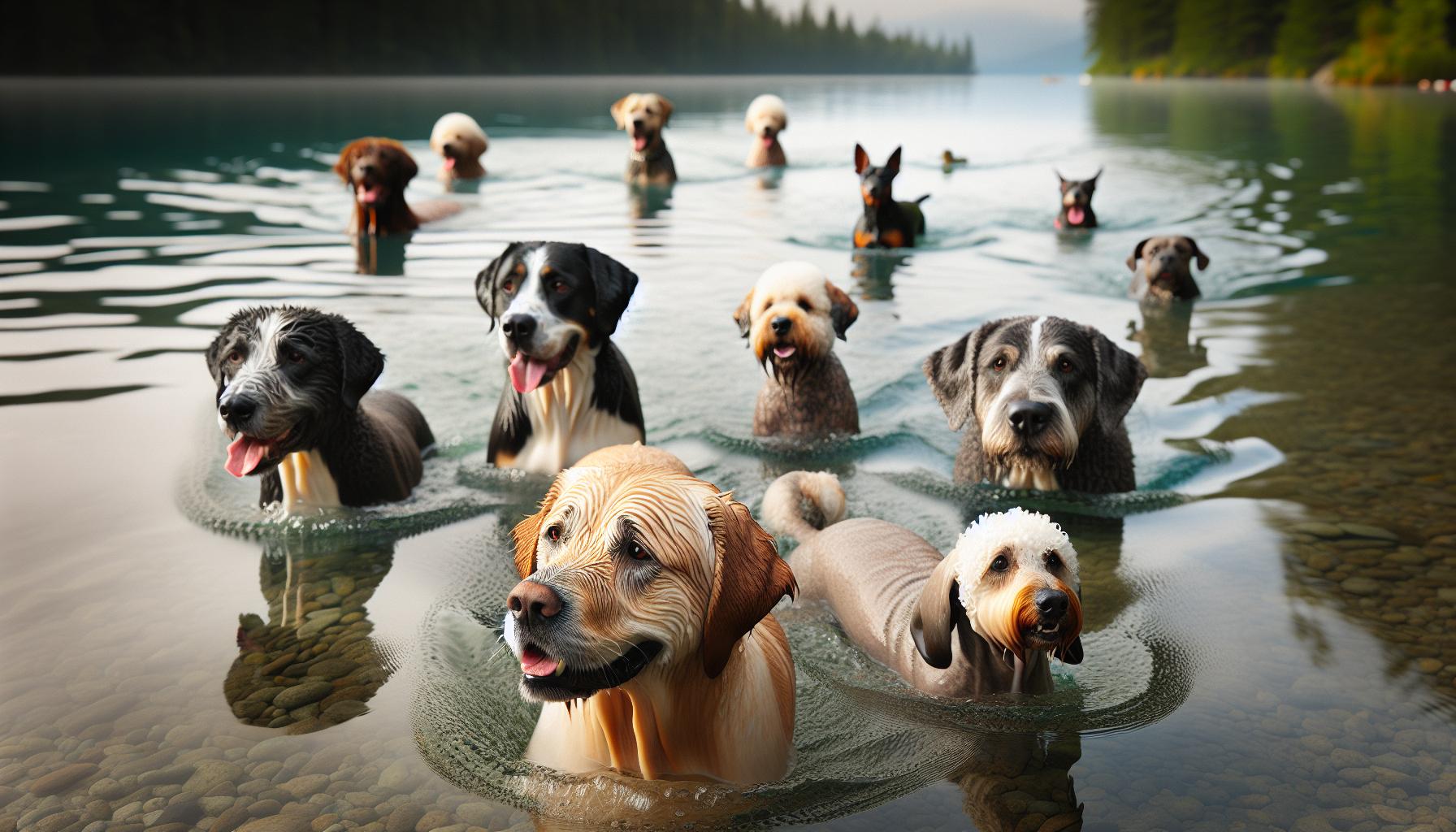
Top 5 Water-Friendly Breeds: Love for Swimming
There’s nothing quite like watching a dog splash joyfully through the water, and while many dogs revel in aquatic play, some breeds just seem to be born for it. These water-loving breeds exhibit natural enthusiasm for swimming, thanks to their physical traits and historical backgrounds. Here’s a closer look at five dog breeds that truly love the water!
Labrador Retriever
Known as one of the all-time favorite family dogs, the Labrador Retriever also ranks high on the list of water enthusiasts. With their strong, muscular bodies and webbed feet, Labs are designed for swimming. Originally bred to retrieve game from the water, they thrive in aquatic environments. Their playful nature means that they don’t just swim; they also love to fetch any objects you toss into the water, making them perfect companions for lake days and beach outings.
Portuguese Water Dog
True to their name, Portuguese Water Dogs are natural swimmers. Bred for various fishing-related tasks, including retrieving nets and assisting fishermen, they possess a thick, curly coat that helps keep them insulated in cold water. Highly energetic and intelligent, they often excel in water sports and enjoy activities that challenge their agility and stamina.
Newfoundland
The gentle giants of the dog world, Newfoundlands are often referred to as “natural life savers” because of their exceptional swimming skills. Their webbed feet and powerful build make them strong swimmers capable of rescuing people in distress. Beyond their impressive capabilities, Newfoundlands are known for their calm and affectionate disposition, making them wonderful family pets who also happen to love the water.
Golden Retriever
Similar to Labradors, Golden Retrievers are also renowned for their love of water. Historically bred to retrieve waterfowl, their friendly and eager-to-please temperament fuels their joyful swimming sessions. With their water-repellent coat and athletic structure, they not only enjoy swimming but also excel at various water sports, including dock diving.
American Water Spaniel
The American Water Spaniel may not be as commonly known, but they are undoubtedly avid swimmers. Bred in the Midwest for hunting, these dogs are skilled at retrieving waterfowl and are equipped with a dense, water-resistant coat. Their versatility allows them to thrive in various water conditions, making them excellent companions for active families who enjoy outdoor adventures.
These breeds are not only built for swimming but also thrive on the companionship and excitement that comes with water activities. Whether it’s a day at the beach, a splash in the pool, or a swim in the lake, their love for water often translates into boundless fun and strong bonds with their owners. Remember, while these breeds naturally enjoy swimming, it’s essential for all dog owners to ensure proper safety practices and gradual introductions when introducing any dog to water.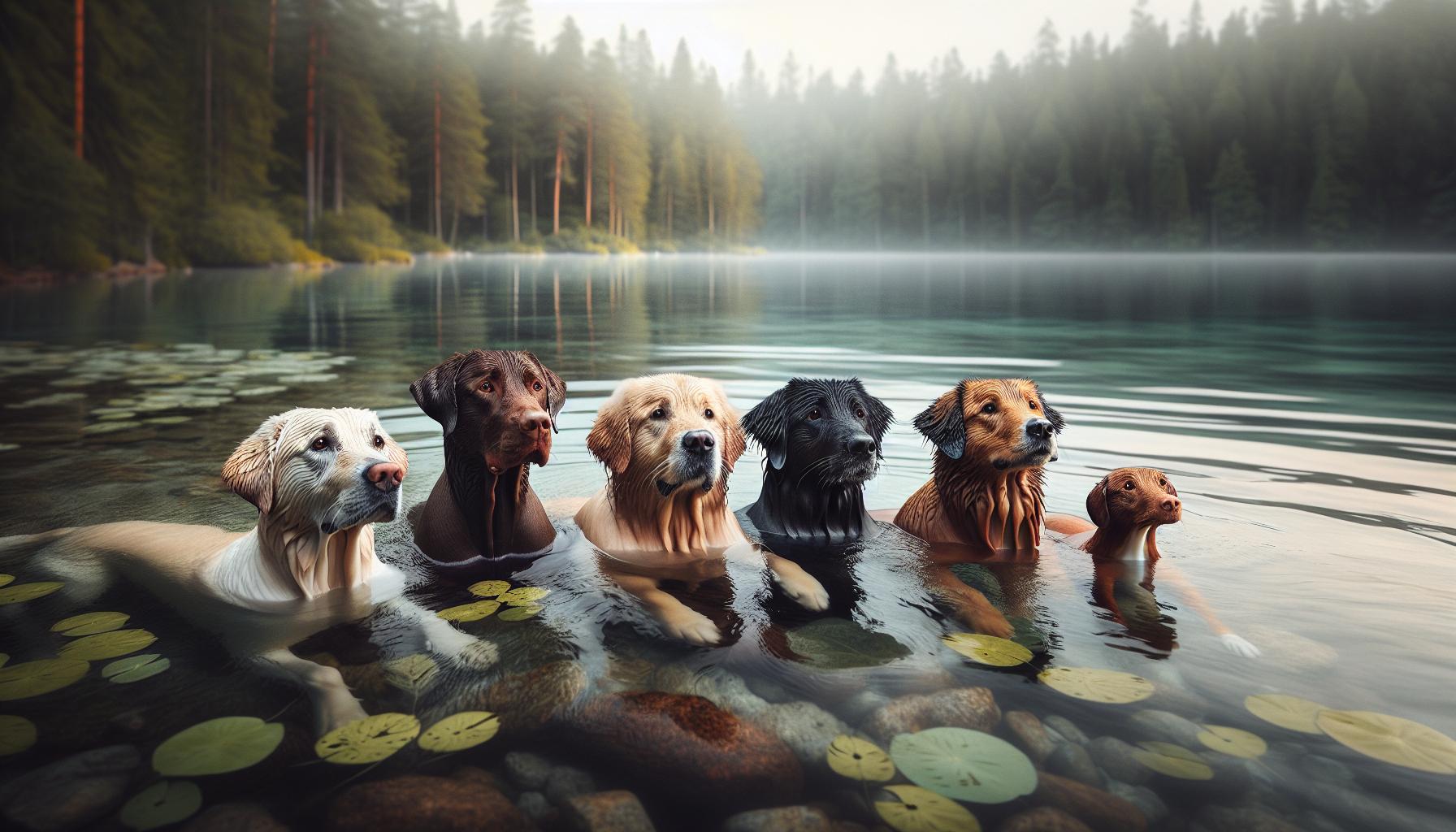
Breeds That Typically Avoid Water: What’s the Reason?
While many dogs revel in the joy of splashing around, not every breed shares this enthusiasm for water. Remarkably, there are several breeds that typically shy away from aquatic adventures, and understanding the reasons behind this behavior can be quite enlightening for dog owners and enthusiasts.
Some breeds, particularly those not historically bred for water-related tasks, may instinctively avoid swimming or wading into bodies of water. Breeds like the Shar Pei or Chihuahua, for example, have physical to characteristics and a history that does not align with water sports or activities. Shar Peis were bred for guarding and fighting and possess a dense, loose skin that isn’t suited for flotation. Similarly, Chihuahuas, being small and incredibly lightweight, might feel insecure or overwhelmed in water. Their instinct to avoid potentially perilous situations can lead to a reluctance to engage with water.
The Bulldog is another breed that typically does not enjoy swimming. With their stocky bodies and short legs, Bulldogs are not designed for swimming and can struggle to keep their heads above water. Their heavy build creates significant strain when they’re in the pool or ocean, which can create a troubling association with water if they feel unsafe. Owners should recognize these traits and be mindful not to force such dogs into water environments where they may feel uncomfortable.
Conversely, even some breeds that you might expect to enjoy water, like the Pug, often prefer to steer clear of it. Not only can their respiratory challenges make swimming a struggle, but their playful yet cautious nature also leads them to avoid deep water where they cannot touch the ground comfortably.
When considering introducing a dog to water, it is vital to respect their natural tendencies and comfort levels. A good starting point is to observe your dog’s reactions around water and proceed accordingly. For nervous or naturally averse dogs, introduce them to shallow water gradually. This can help them feel secure without the anxiety that deeper waters may cause. Always keep swimming experiences positive and rewarding to build their confidence.
In summary, while dogs are known for their adaptability, breed-specific traits often play a crucial role in shaping whether a dog enjoys water or prefers to stay dry. By understanding these nuances, owners can foster healthier, happier experiences that honor their dog’s unique preferences while cultivating a positive relationship with various environments.
How to Introduce Your Dog to Water Safely
Introducing a dog to water can be a thrilling experience, but it’s important to approach it thoughtfully to ensure a positive and safe interaction. Just like people, dogs have diverse personalities and preferences, which means that their comfort levels with water can vary significantly. For some breeds, jumping right in may seem natural, while others might require gentle coaxing.
Start with shallow water where your dog can stand comfortably, which helps create a sense of security. Consider using a kiddie pool or a calm section of a lake or beach where the water is not too deep. Allow your dog to explore the new environment at their own pace. You can encourage them by wading in yourself, showing that there is nothing to fear. Use positive reinforcement such as praise and treats to reward them for their bravery. This builds a positive association with water, helping to develop confidence.
Breed-Specific Considerations
When introducing water to your dog, take into account their breed characteristics. Some breeds are predisposed to enjoy water due to their history and physical traits, while others may have inherent reservations. For example:
| Breed | Tendencies | Tips for Introduction |
|---|---|---|
| Golden Retriever | Natural swimmers; likely to enjoy water | Start in shallow water to build enthusiasm; use toys to engage |
| Pug | Generally avoid swimming due to respiratory issues | Introduce only shallow water; monitor closely for stress |
| Bulldog | Typically not swimmers; heavy build can hinder buoyancy | Stay in shallow water; don’t force entry, allow sniffing and exploration |
| Retriever breeds (e.g., Labrador) | Energetic and enthusiastic about water | Incorporate fetch games in water to maximize fun and recognition |
Be patient and understand that the goal is to cultivate a safe and enjoyable experience. If your dog shows signs of fear or discomfort, don’t push them beyond their limits. Instead, take a step back and try again later, or explore water-related activities that they may enjoy without entering the water, like playing with toys on the shore.
Ultimately, every dog is unique, and observing their reactions will guide you in creating a positive experience. Follow these steps, respect their boundaries, and soon you might just discover a new water-loving companion by your side!
Best Practices for Dog Swimming: Safety Tips and Tricks
Dogs, just like people, can have a range of feelings about swimming, and ensuring their safety while enjoying this activity is paramount. Understanding the best practices for dog swimming guarantees not only a fun experience but also minimizes risks associated with water activities. Whether you’re at the beach, a lake, or a backyard pool, here are essential tips to follow.
First, always supervise your dog while they’re swimming. Even the best swimmers can encounter issues, from strong currents to sudden tiredness. Keep a close eye on them and be ready to step in if needed. If your dog seems fatigued, encourage them to take a break and rest on dry land. Bring water along to keep your pup hydrated, especially if they’re engaging in strenuous activities in the heat.
Introduce your dog to swimming gradually. Start in shallow water where they can comfortably stand to ensure they feel secure. Use toys to motivate and engage them; a favorite ball or float can enhance their excitement about being in the water. Positive reinforcement through treats and praise can also help them associate swimming with a rewarding experience.
Additionally, consider utilizing a life jacket, particularly for breeds that aren’t natural swimmers or those that may be less confident in the water, such as Bulldogs or Pugs. A life jacket provides extra buoyancy and security, enabling them to enjoy the water without fear. Make sure it fits properly and is designed specifically for dogs.
It’s also essential to be aware of the signs of distress or fatigue. Watch for heavy panting, slowing down, or struggling to stay afloat; these are indicators that your dog may need immediate assistance. After swimming, rinse your dog with fresh water to remove any chlorine or salt and check their ears to prevent infections.
By implementing these practices, you can provide a safe and enjoyable swimming experience for your furry friend. Remember, each dog is unique, with different comfort levels around water, and taking the time to understand and respond to their needs will build their confidence and enjoyment.
Training Your Dog to Enjoy Swimming: Step-by-Step Guide
Many dogs instinctively love water, but not all are born swimmers, making it essential to approach introducing them to swimming with care and patience. Whether you have a breed that thrives in the water, like a Labrador Retriever, or one that may be a bit more reluctant, each dog can learn to enjoy swimming through a well-structured training process.
Start by making the experience enjoyable from day one. Choose a calm day to take your dog to a shallow area where they can wade into the water comfortably. Always ensure the water is clean and free from strong currents. Encourage your dog to explore the shallow waters at their own pace. You can introduce them to the water using toys-maybe their favorite ball or a floating disc. Tossing the toy just a little bit into the water encourages your pup to retrieve it without overwhelming them with deep water right away.
To foster a positive association with swimming, use plenty of praise and treats. Whenever your dog makes any progress, such as stepping into the water or paddling, reward them consistently. Keep training sessions short and fun, ensuring your dog doesn’t feel pressured or scared. Repeat this process gradually, increasing the water’s depth as your dog becomes more confident.
For those breeds that might need additional support, such as Bulldogs or Pugs, investing in a life jacket is a smart move. Not only does it provide extra buoyancy, but it also builds confidence by keeping your dog safe and secure in the water. Always supervise your dog while they swim, and pay attention to their body language. Some dogs may become tired or anxious, and it’s vital to recognize these signs early on so they can have a safe and enjoyable experience in the water.
This gradual approach not only helps build your dog’s confidence in the water, but it also strengthens your bond as you navigate this new adventure together. With love, patience, and the right techniques, you can transform your dog into a happy swimmer, ready to join you in all your aquatic activities!
The Role of Breed Traits in Water Behavior
Certain breeds are naturally more inclined to enjoy water due to their ancestral traits and physiological characteristics. This undeniable connection between breed traits and water enjoyment can significantly influence a dog’s comfort and skill level in the water. For instance, retriever breeds, such as the Labrador Retriever and the Golden Retriever, were specifically bred to retrieve game from both land and water. Their webbed feet and water-resistant coats are designed to enhance their swimming abilities, making them enthusiastic water lovers. In contrast, breeds like Bulldogs or Pugs, with their stocky builds and short muzzles, may struggle with swimming due to physical limitations, often making them less inclined to enjoy water activities.
To better grasp how breed traits affect water behavior, it’s helpful to categorize breeds into groups based on their swimming instincts. Here’s a quick overview of water-friendly and water-averse breeds:
| Water-Friendly Breeds | Water-Averse Breeds |
|---|---|
| 1. Labrador Retriever | 1. Bulldog |
| 2. Golden Retriever | 2. Shih Tzu |
| 3. Portuguese Water Dog | 3. Pug |
| 4. Newfoundland | 4. Dachshund |
| 5. Flat-Coated Retriever | 5. Basset Hound |
Understanding these breed-specific traits can guide dog owners in introducing their pets to water. For example, if you have a Labrador or a Newfoundland, allowing them to explore deeper water and engage in swimming activities often yields a joyful experience. On the other hand, owners of breeds that are less comfortable in water should focus on gentle introductions, ensuring that their dogs feel safe and secure. Always consider their physical attributes-like a life jacket for a Bulldog-to enhance their confidence and security during water play.
Moreover, dogs with a natural affinity for water should still be observed carefully. Just because a breed is generally known for loving water does not mean every individual will share that enthusiasm. Each dog’s personality and past experiences play a crucial role in how they perceive water. It’s essential to allow them to approach water at their own pace and provide plenty of positive reinforcement to foster a healthy relationship with aquatic environments.
Benefits of Swimming for Dogs: Physical and Mental Health
Many dog owners find that engaging their pets in swimming not only provides an avenue for exercise but also fosters emotional well-being. Swimming is often cited as one of the best forms of low-impact exercise for dogs, largely because it minimizes stress on their joints, making it ideal for senior dogs or those with arthritis. In fact, veterinarians recommend swimming as a key component in physical rehabilitation, emphasizing its benefits in building strength while being gentle on the body. This makes it especially advantageous for breeds prone to joint issues, like the Labrador Retriever.
One of the standout advantages of swimming is its ability to boost a dog’s mental health. Water inherently attracts many dogs due to their instinctual connection-particularly in breeds developed for water work, like the Newfoundland or the Portuguese Water Dog. These breeds often thrive in aquatic environments, which can alleviate anxiety and provide a sense of purpose and excitement. Swimming can serve as a fantastic outlet for pent-up energy, reducing behavioral issues at home. Dogs that regularly swim often display not only increased stamina and physical fitness but also enhanced mood and reduced stress levels. This combination of physical exertion and mental stimulation cannot be overlooked for overall canine health.
Practical Tips for Swimming Sessions
- Positive Reinforcement: Always use treats and praise to encourage your dog to enter the water. Start in shallow areas and gradually increase depth as they grow more comfortable.
- Supervision and Safety Equipment: For breeds that might struggle with swimming, consider using a dog life jacket as a precaution. Supervise playtime closely to prevent overexertion.
- Hydration and Cooling Off: Ensure your dog has access to fresh water and the option to rest in the shade when swimming, especially during warmer months.
By understanding these benefits and implementing safe practices, you can help your dog build a positive relationship with water while enjoying all the physical and mental rewards swimming offers. Whether your dog is a water-loving retriever or a cautious breed, with the right approach, swimming can transform into a highly beneficial, enjoyable recreational activity.
Comparative Analysis: Swimming Styles Across Breeds
When it comes to canine swimming styles, it’s fascinating to see how different breeds approach water based on their physical traits, instincts, and even their historical roles. For instance, retrievers, known for their love of water, typically exhibit a powerful, smooth swimming style enabling them to paddle efficiently while retrieving game. Their natural buoyancy and webbed feet make swimming not just an enjoyable activity but also an effortless one. The Labrador Retriever, with its strong chest and flexible back, showcases this style, often appearing almost graceful as it slices through the water.
In contrast, some breeds take a more cautious and tentative approach to swimming. For example, the bulldog, with its stout body and short legs, may struggle to stay afloat. Their tendency to sink can make swimming less enjoyable, often leading them to adopt a more panicked paddle or unwillingness to enter the water entirely. Understanding this breed-specific behavior can help owners tailor their swimming experiences. Using life jackets and starting in shallow water may ease these cautious canines into the aquatic fun, transforming their apprehension into enjoyment over time.
Different swimming styles can indicate varying levels of enthusiasm towards water play and can also highlight the breeds’ innate abilities. For instance, the Portuguese Water Dog, bred for water-related tasks, not only swims with remarkable agility but also dives and retrieves objects with enthusiasm. This breed thrives in environments where they can showcase their swimming prowess, often requiring ample opportunities to engage in water play to meet their energy needs. On the other hand, a breed like the Shih Tzu, with its luxurious coat and less natural inclination towards swimming, may prefer a gentle wading experience rather than full immersion.
When considering swimming activities with your dog, it’s essential to recognize each breed’s unique swimming style. This understanding allows you to create a safe and enjoyable water experience tailored to your dog’s abilities and preferences. Typically, observing how your dog interacts with water will reveal their comfort level and preferred swimming style. Whether they glide effortlessly or opt for a more cautious paddle, the ultimate goal is to foster a positive experience that enhances both their physical and mental well-being.
Common Concerns: Health Risks of Swimming for Dogs
When it comes to our furry friends and their love for splashing around in the water, it’s easy to get swept away by the fun. However, it’s crucial for every dog owner to recognize that swimming can come with its own set of health risks that vary significantly across different breeds. Just as some dogs glide through water with ease, others might face challenges that could lead to potential health issues.
One of the primary concerns for dog owners is the impact of pool chemicals, particularly chlorine. Dogs that swim in pools may experience skin irritations and eye problems due to exposure to these chemicals. For instance, breeds with sensitive coats, like Shih Tzus and Poodles, might develop dry skin or rashes after swimming, while dogs with prominent eyes, such as Bulldogs and Pugs, can suffer from irritation, leading to discomfort and even infections. To mitigate these risks, try rinsing your dog off with fresh water immediately after their swim to wash away chlorine and other irritants.
Another risk to be aware of is water intoxication, which can occur if a dog drinks too much water during or after swimming, leading to an electrolyte imbalance. This can be especially concerning for breeds like Labradors, known to enthusiastically gulp water as they swim or retrieve. Signs of water intoxication can include lethargy, bloating, and difficulty breathing. Always monitor your dog’s water intake and make fresh water available, especially during and after swimming sessions.
Lastly, watch out for the signs of fatigue or distress in your dog while swimming. While breeds like Golden Retrievers may have an instinctive love for the water, breeds such as Bulldogs are not as naturally adept swimmers and may tire easily. Always supervise your dog closely whenever they are in or near water and consider using a life jacket for those less confident swimmers to provide additional support.
By understanding these health risks and keeping a watchful eye on your dog’s behavior in water, you can ensure that swimming remains a fun, safe activity for your beloved pet, tailored to their specific needs.
Water Activities Beyond Swimming: Fun Alternatives for Your Dog
Exploring fun activities with your water-loving dog can be a delightful experience, and not all options require a full-on swim! From playful alternatives to engaging games, there’s plenty of excitement waiting for those furry companions who may not prefer traditional swimming but still enjoy water.
Playful Water Games
One of the best ways to engage your dog with water is through a variety of interactive games. For example, consider water fetch using floating toys or balls designed specifically for aquatic play. Many dogs, regardless of their swimming ability, love chasing after a brightly colored toy thrown just a short distance into shallow water, such as a lake or even a kiddie pool. Breeds like Golden Retrievers or Labradors often thrive in these scenarios due to their retrieving instincts, but even less confident swimmers can participate in low-stress environments.
Other engaging activities can include hose play. Most dogs love the sensation of water spraying and will joyfully bounce and chase the stream-this can be especially thrilling on a hot day. Alternatively, you can set up a small inflatable pool in your backyard and introduce your dog to splashing around without deep water. Filling the pool with toys can further encourage play and exploration, making it a great option for dogs who prefer a gentler introduction to water.
Canine Water Sports
For the more adventurous and athletic breeds, dock diving can be an exhilarating way to enjoy water. This sport involves dogs leaping off a dock into a body of water to retrieve a toy or just to have fun. Breeds like Border Collies or Belgian Malinois, known for their athleticism and agility, often excel in these activities. You can start dock diving training at any local dog sporting club, which can provide both socialization opportunities and professional guidance.
Additionally, consider trying paddleboarding with your dog, a fantastic bonding experience that offers a unique perspective of the water. Many dogs adapt well to balancing on a paddleboard as long as you ensure they feel secure and supported. Always choose calm waters to start, and watch your dog’s body language closely to ensure they’re comfortable.
Exploring Water Together
If you’re looking for a more exploratory approach, boating can be an exciting way for water-loving dogs to enjoy the outdoors. This not only allows them to be on the water but also opens opportunities for swimming alongside the boat. However, remember to equip your dog with a life jacket for safety. Make sure to introduce them to the boat gradually, allowing them time to acclimatize to the new environment.
Engaging in these alternative water activities helps ensure that your dog enjoys their time around water, regardless of their swimming skills. By creating fun and varied experiences, you can cater to their preferences while still enjoying the refreshing allure of water play. For all dog owners, understanding and respecting individual preferences remains key to your dog’s joyful engagement in water activities.
FAQ
Q: Do all dog breeds like water equally?
A: No, not all dog breeds like water equally. While some breeds, like Labrador Retrievers and Newfoundlands, are natural swimmers and often enjoy water, others may be hesitant or even avoid it altogether due to their genetics and individual personality traits. Understanding these breed-specific instincts can guide owners in introducing water safely.
Q: How can I tell if my dog enjoys swimming?
A: Signs that your dog enjoys swimming include their eagerness to enter the water, playful behavior in shallow areas, and swimming confidently. If they show excitement when they see you near water or start wagging their tail, it’s a good indication they are happy to swim.
Q: Why do some dogs dislike water?
A: Some dogs dislike water due to negative past experiences, discomfort with the sensation of being wet, or a lack of exposure during their formative years. Additionally, certain breeds with backgrounds not emphasizing water activities may lack the instinct to swim, leading to aversion.
Q: Can I train my dog to enjoy swimming?
A: Yes, you can train your dog to enjoy swimming! Begin by introducing them to shallow water gradually, using positive reinforcement techniques like treats and praise. Always ensure a safe and calm environment before progressing to deeper water, following the steps outlined in the training guide of your article.
Q: Are there specific safety tips for dogs swimming in pools versus natural bodies of water?
A: Yes, swimming in pools often requires supervision due to the potential for overexertion or chemical exposure, while natural bodies of water may present risks like strong currents and hidden hazards. Always monitor swimming sessions and ensure your dog is wearing a life jacket if needed, particularly in unfamiliar environments.
Q: What health benefits does swimming provide for dogs?
A: Swimming offers multiple benefits for dogs, including improved cardiovascular health, muscle strength, and joint mobility. It is also an excellent way for dogs with arthritis or those recovering from surgery to stay active while minimizing strain on their bodies.
Q: What should I do if my dog is afraid of water?
A: If your dog is afraid of water, start by offering them a safe space near the water without pressure. Gradually introduce them to the experience using toys or treats, allowing them to explore at their own pace. Consider consulting a professional trainer if fear persists.
Q: Do dogs have different swimming styles based on breed?
A: Yes, dogs exhibit different swimming styles based on breed traits. Breeds like Retrievers typically demonstrate a dog-paddle style, while others might breaststroke or paddle awkwardly. These variations reflect their physical swimming build and instincts, which affect their comfort and efficiency in water.
In Summary
Now that you understand the nuances of breed-specific swimming preferences, it’s time to put this knowledge into action! Whether your dog loves a splash in the pool or prefers to keep their paws dry, tailoring their water activities to their unique needs is essential. Don’t miss out on related insights-check out our articles on “Top Dog Breeds That Love Water” and “Water Safety Tips for Your Pup” to deepen your understanding and enhance your dog’s water experience.
We encourage you to share your thoughts in the comments below: Does your dog enjoy swimming, or do they shy away from water? Engaging with fellow dog lovers can provide additional insights and tips! And if you found this information helpful, consider signing up for our newsletter for more expert guidance. Together, we can ensure your furry friend has a safe and enjoyable water experience. Dive into the fun and explore further today!