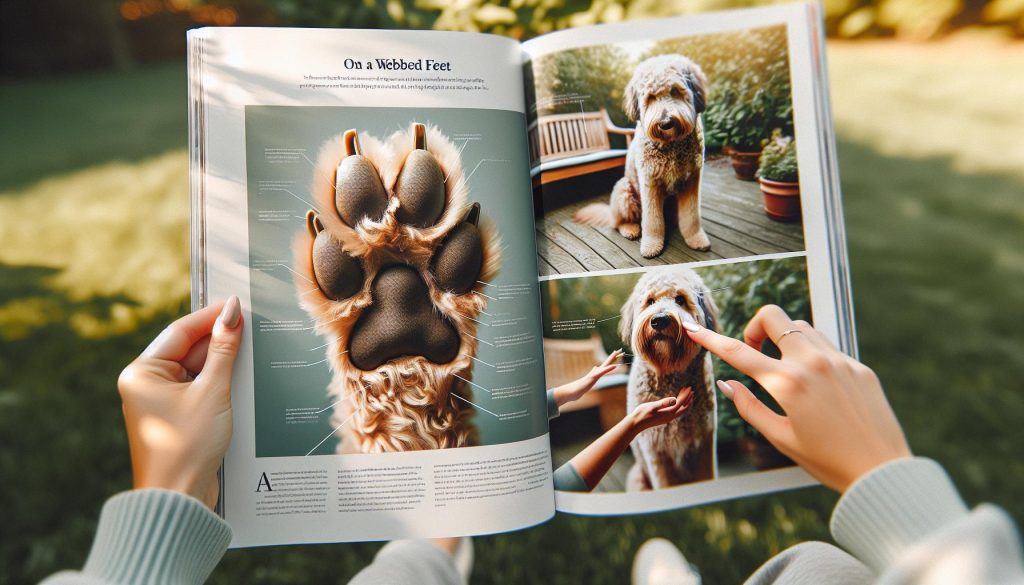
Did you know that many dog breeds have unique physical traits that help them adapt to their environments? For Labradoodles, a delightful mix of Labrador Retrievers and Poodles, you might be wondering if webbed feet are part of their charm. Understanding whether Labradoodles possess this feature is not just a fun fact-it can enhance your knowledge of their capabilities, especially if you plan to have them around water activities. Knowing the structure of your Labradoodle’s paws can also guide you in providing the best care and exercise that suits their natural instincts. Join us as we dive deeper into the fascinating world of Labradoodle paw anatomy and discover how it impacts their behavior, health, and activity levels. Your curiosity about their unique traits will not only deepen your appreciation for this breed but also ensure you’re equipped with the right information for their well-being.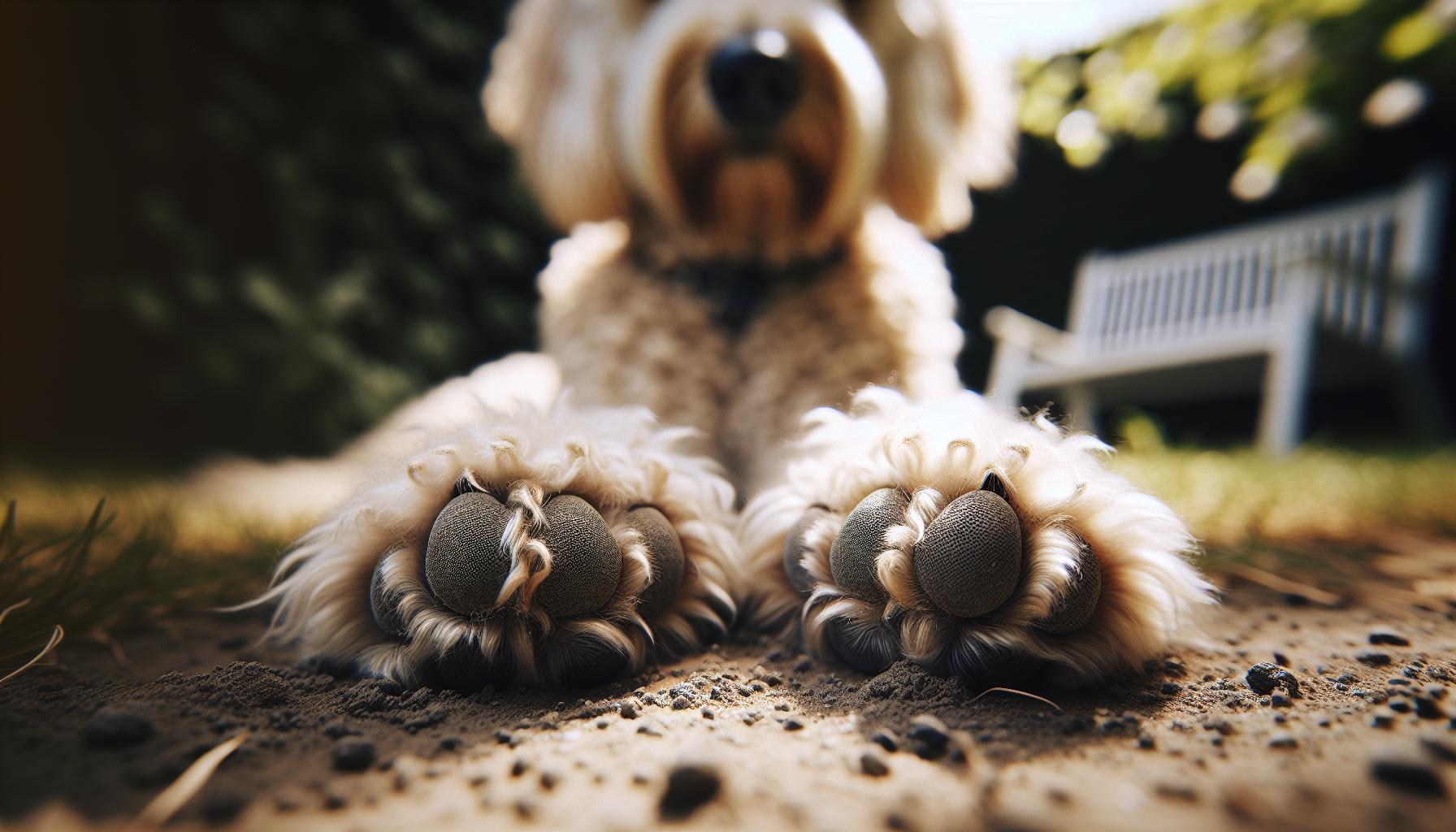
Understanding Labradoodle Paw Structure
Understanding the unique structure of a Labradoodle’s paws can illuminate not only their functionality but also their charm. Many Labradoodles do indeed possess webbed feet, a trait inherited from their Labrador Retriever lineage. This adaptation is not merely aesthetic; it plays a crucial role in their swimming ability and agility, making them excellent companions for water activities. Webbed feet help these pups maneuver efficiently in water, allowing them to swim and retrieve items like champions.
The Anatomy of a Labradoodle’s Paw
A typical Labradoodle paw is a blend of traits from both parent breeds: the Labrador and the Poodle. This results in a strong structure with some defining features:
- Webbing: The skin between their toes provides a necessary advantage while swimming.
- Pads: Labradoodles generally have well-padded and sturdy feet, enabling them to walk comfortably on various terrains.
- Nail Structure: Regular nail maintenance is essential to prevent discomfort and ensure healthy paw function.
Together, these elements create a paw that is not only effective for physical activity but also essential for their overall health and agility. Understanding this structure is vital for new Labradoodle owners, as it helps implement appropriate care and promote an active lifestyle that benefits their furry friends.
Caring for Labradoodle Paws: Tips and Tricks
Maintaining the health of your Labradoodle’s paws involves consistency and attention. Here are some actionable steps to ensure their paws remain in peak condition:
- Regular Inspection: Check for foreign objects, cuts, or signs of irritation, especially after walks.
- Trimming Nails: Keep their nails trimmed to prevent discomfort and possible injury.
- Moisturizing: Use paw balms in winter to protect against salt and cold, which can crack their pads.
Understanding how to care for your Labradoodle’s paws properly can enhance their quality of life and your bonding time together, ensuring they remain active, happy, and healthy.
Do Labradoodles Have Webbed Feet?
Many dog owners may be surprised to learn that Labradoodles, much like their Labrador Retriever ancestors, very often have webbed feet. This characteristic is an evolutionary adaptation that enhances their swimming abilities, allowing them to traverse water with remarkable skill and agility. The webbing-skin that stretches between the toes-enables Labradoodles to paddle more effectively, making them not only joyful companions but also excellent swimmers. Whether you’re at the beach or a local pond, these webbed feet provide them with the ability to glide through the water effortlessly.
The presence of webbed feet in Labradoodles can vary based on the individual animal and the degree of Poodle influence in their lineage, as not all Poodles exhibit this trait. Generally, a Labradoodle that leans more towards the Labrador genetics is likely to showcase this beneficial feature. The webbing also helps in activities like running on slippery terrains, further enhancing their overall agility and stability during play.
For Labradoodle owners, it’s essential to embrace and enhance these natural traits. Engaging in regular swimming sessions can not only satisfy your dog’s instincts but also serve as great exercise, positively impacting their health. Additionally, understanding how webbed feet function helps in appreciating the unique capabilities of your Labradoodle, especially if they seem to take to water like a fish. Keeping these paws in peak condition through regular care and maintenance further ensures that your furry friend enjoys their water adventures safely and comfortably.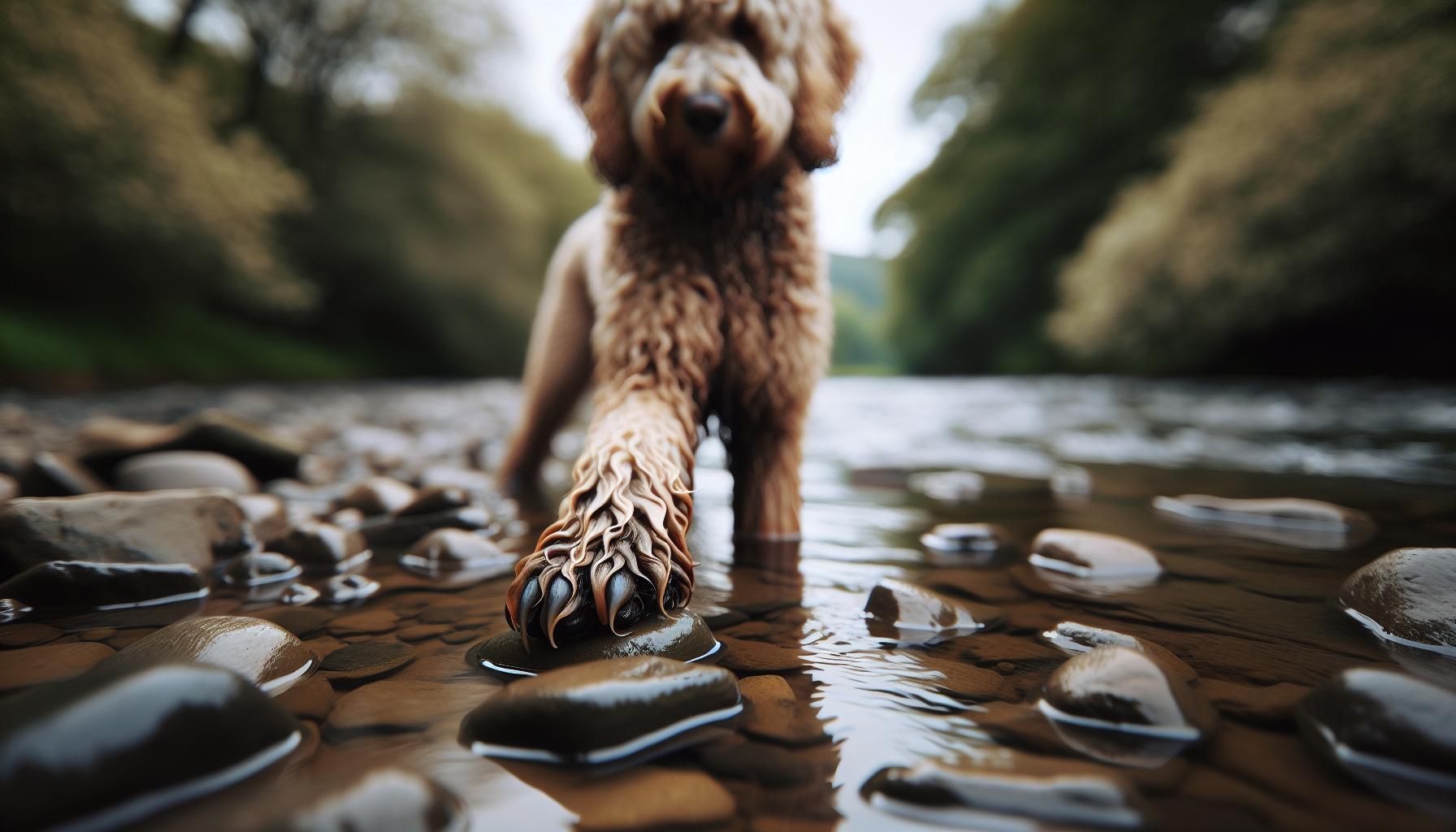
The Anatomy of a Labradoodle’s Paw
A Labradoodle’s paw is more than just a cute feature; it’s a complex structure that contributes to their unique abilities, especially in swimming. These paws typically have a rounded shape with thick cushions that not only provide comfort but also aid in traction, whether on land or in the water. One of the most notable aspects of their paw anatomy is the webbed toes, especially prominent in those who take after their Labrador side. This webbing acts like a paddle, allowing Labradoodles to swim with ease and agility-a trait that has made them favorites among water-loving dog owners.
In addition to their webbed feet, Labradoodles also exhibit a combination of soft pads and strong, flexible digits. The soft pads give them a cushion while walking, which is particularly important during long runs or on rough terrain. Meanwhile, their strong toes allow for a powerful push-off, essential for both sprinting on land and paddling in water. This impressive combination ensures their versatility across various activities, making them equally comfortable during a family hike or a day at the beach.
Caring for a Labradoodle’s paws is key to keeping them healthy and functional. Regular checks for cleanliness and any signs of injury or irritation are important. Ensuring their nails are trimmed properly will also prevent discomfort when walking or running. Additionally, providing a suitable surface for exercise can help strengthen their paws, contributing to optimal performance in their natural aquatic element. By nurturing these remarkable paws, owners can help their Labradoodles thrive, whether they’re chasing a ball at the park or diving into a refreshing lake.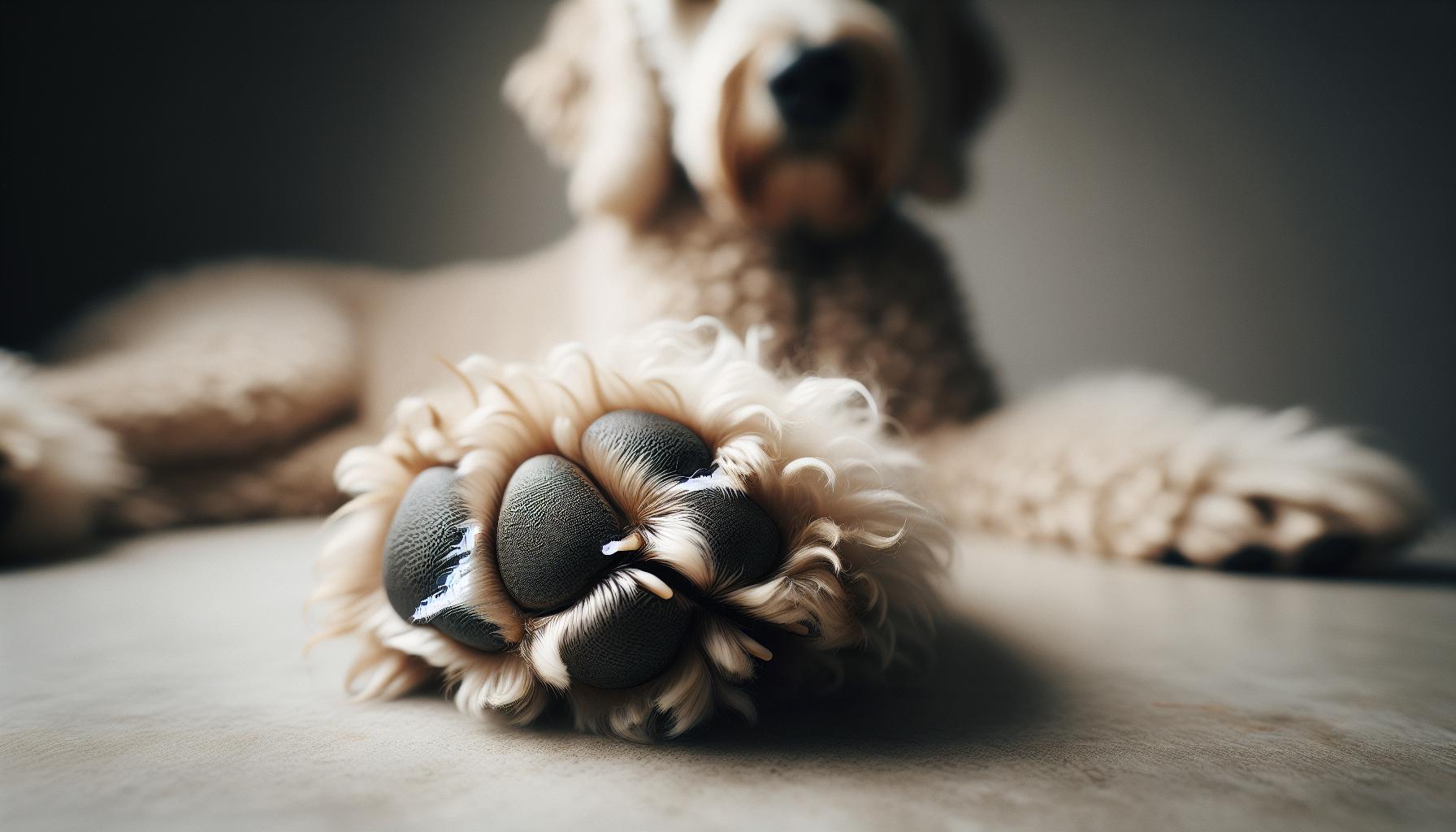
Why Webbed Feet Matter for Dogs
Dogs with webbed feet, like Labradoodles, have a unique advantage that bolsters their swimming capabilities and overall mobility in water. This fascinating trait stems primarily from their Labrador Retriever lineage, known for their love of water and exceptional swimming ability. The webbing between the toes acts as a natural paddle, allowing these adorable pups to glide through the water with ease, making swimming a joyful and effortless activity for them. Whether it’s fetching sticks at the lake or just splashing around during playtime, their webbed feet enhance their agility and speed, ensuring they can keep up with their owners during aquatic adventures.
The webbed paw structure isn’t just about aesthetics or swimming prowess; it significantly influences their exercise and play. These paws provide increased surface area, allowing Labradoodles to achieve better traction on slippery surfaces, whether on wet grass or sandy beaches. This means that during play sessions, they can pivot, turn, and sprint without losing their footing-a feature that comes in handy when playing fetch or engaging in agility training. For prospective owners, understanding this benefit can ignite a passion for incorporating water-related activities into their Labradoodle’s lifestyle.
Moreover, the presence of webbed feet reflects their ancestry and sets Labradoodles apart from many other breeds that lack this feature. While some breeds, like Golden Retrievers or Portuguese Water Dogs, also share similar webbing, Labradoodles uniquely combine characteristics from both their parent breeds, resulting in dogs that are not only excellent swimmers but also versatile companions for various activities. To fully embrace the advantages of their webbed feet, engaging in regular swimming activities can make a profound difference in their physical fitness and happiness.
For new owners, it’s essential to encourage water play, but it’s equally important to monitor their paws for any signs of wear or irritation after swimming sessions. Ensuring their webbed feet stay healthy involves routine care, such as cleaning between the toes to prevent infections, particularly in warmer climates where bacteria can thrive. By understanding and nurturing this distinctive feature, owners can help their Labradoodles thrive, ensuring they remain happy and healthy companions both in and out of the water.
Comparing Labradoodles to Other Breeds
When exploring the fascinating world of Labradoodles, one can’t help but marvel at their distinctive paw structure, especially how it compares to other breeds. Labradoodles inherit their webbed feet from their Labrador Retriever lineage, which emphasizes their aptitude for swimming and playing in the water. This trait sets them apart from many dog breeds that lack webbing, making them particularly well-suited for aquatic adventures. In comparison, breeds like German Shepherds and Dachshunds do not possess webbed feet, limiting their efficiency in swimming and possibly making them less agile on slippery surfaces. Owners of these breeds might need to use extra caution during wet weather or on the beach.
Similarities and Differences in Paw Structure
Several breeds do showcase webbed feet, such as the Portuguese Water Dog, Newfoundlands, and Golden Retrievers. However, Labradoodles often combine these swimming traits with the agility and intelligence inherited from the Poodle side. This hybrid vigor results in a paw structure that not only supports swimming but also provides excellent traction for other activities like running and agility training. While the Poodle is known for its high intelligence and trainability, Labradoodles benefit from enhanced versatility, making them not just swimmers but all-round companions for varied activities.
| Breed | Webbed Feet | Swimming Ability | Agility |
|---|---|---|---|
| Labradoodle | Yes | Excellent | High |
| Golden Retriever | Yes | Excellent | Moderate |
| German Shepherd | No | Good | High |
| Poodle | Yes | Good | Very High |
The importance of webbed feet transcends just physical characteristics; it affects their lifestyle and exercise routines. For instance, a Labradoodle’s ability to swim provides an excellent outlet for energy, which is particularly beneficial for active families or individuals. In contrast, breeds without this adaptation might require alternate forms of exercise, like hiking or land-based games. Understanding these distinctions can help potential and current owners tailor their activities and care to ensure their pets stay healthy and happy, illustrating how a simple trait like webbed feet can significantly influence a dog’s lifestyle and functionality.
Common Myths About Labradoodle Feet
Many people are surprised to learn about the fascinating features of Labradoodles, especially regarding their feet! One common misconception is that all Labradoodles possess perfectly webbed feet designed solely for swimming. While it’s true that Labradoodles inherit this trait from their Labrador Retriever lineage, the degree of webbing can vary between individuals. Factors such as the Poodle parent, whether Standard or Miniature, influence the paw structure as well. Some Labradoodles may exhibit more pronounced webbing, while others have subtler variations, which may affect their swimming abilities.
Another prevalent myth is that webbed feet automatically make Labradoodles exceptional swimmers without any training. While having webbed feet does aid in swimming, it doesn’t guarantee perfect form or comfort in the water. Early exposure to swimming environments and structured experiences are crucial for developing their confidence and skill in the water. Like humans, dogs can have varying levels of comfort and aptitude for swimming. Thus, encouraging a Labradoodle to enjoy water activities should come from positive experiences rather than assumptions based solely on their webbed feet.
Lastly, some believe that webbed feet equate to high maintenance regarding paw care or specific grooming needs. In reality, while Labradoodles do require regular grooming to keep their coats healthy, their paws do not necessitate unique care compared to other breeds. Regular inspections for debris, trimming of nails, and maintaining general hygiene are standard best practices for all dogs, including those with webbing. Understanding these facts can empower owners to make informed decisions about their Labradoodle’s care and swimming activities while debunking myths that might lead to misconceptions.
Caring for Labradoodle Paws: Tips and Tricks
When it comes to caring for your Labradoodle’s paws, a thoughtful approach can enhance their comfort and health, especially considering their unique paw structure and potential webbing. Regular maintenance not only keeps your dog’s paws in great shape, but it also increases their ability to engage in fun, water-filled activities-after all, Labradoodles often excel in the water thanks to their webbed feet!
One crucial aspect of paw care is consistently inspecting them for any signs of injury or irritation. Look for foreign objects, like small stones or twigs, that might get lodged between their pads. This is particularly important if your Labradoodle loves outdoor adventures. You can simplify this by creating a routine check after every walk or play session. If you do spot anything concerning, removing it gently is essential, and don’t hesitate to consult your veterinarian for advice if you notice swelling or redness.
Regular Nail Trimming: Keeping nails trimmed is vital for your Labradoodle’s overall foot health. Overgrown nails can cause discomfort and lead to painful walking. Aim to trim their nails every 3-4 weeks, or as needed. If you’re unsure how to do this, many groomers and vets offer nail trimming services. Some owners find that using treats can help make this process positive for their dogs, encouraging good behavior during grooming sessions.
Maintaining Paw Hygiene: Regularly cleaning your Labradoodle’s paws is another best practice, particularly after walks on rough or dirty terrain. Use a damp cloth or pet-safe wipes to remove dirt and debris. This helps prevent infections, especially between their toes where moisture can lead to problems.
Lastly, consider investing in paw protection products like wax or booties if you live in extreme weather conditions. These are particularly beneficial during icy winters or on hot summer days when pavements can burn their sensitive pads. Incorporating these simple tactics into your care routine will ensure that your Labradoodle’s paws remain in top condition, enabling them to enjoy all their favorite activities, whether that’s swimming in the lake or hiking through the woods.
The Role of Genetics in Paw Structure
The delightful Labradoodle, known for its affectionate nature and minimal shedding, also showcases intriguing paw structures influenced by its parent breeds-the Labrador Retriever and the Standard Poodle. When discussing the genetics behind their paws, it’s essential to understand how the breed’s lineage plays a significant role in both the appearance and functionality. Unlike purebreds, Labradoodles often inherit a mix of traits, leading to variations in paw shape, size, and the presence of webbing.
Poodles are renowned for their unique paw structure, which includes webbing between the toes. This feature not only aids in swimming but also improves traction during activities like running and playing. When Labradoodles inherit this genetic trait from their Poodle side, they can enjoy enhanced capabilities in water and on various terrains. However, not all Labradoodles will have the same degree of webbing; it largely depends on the genetic contributions from both parents. This variation makes every Labradoodle somewhat unique and adapting to their specific paw characteristics is essential for proper care.
In breeding Labradoodles, responsible breeders often consider not only temperament and coat type but also the physical traits related to paw structure. A Labradoodle with a closer resemblance to a Labrador may have less pronounced webbing but potentially inherits stronger footpads for hiking and outdoor exploration. This genetic diversity creates a fascinating spectrum within the breed, allowing for a wide range of abilities and ensuring that prospective owners can find a pup that matches their lifestyle.
For those looking to support their Labradoodle’s paw health, understanding these genetic influences is invaluable. Regular checks for wear and tear, tailored grooming routines, and a keen eye for any abnormalities can help maintain healthy paws. Just as important is recognizing that a Labradoodle with webbed feet might excel in water-related activities, yet those with more traditional paw shapes may thrive on land-based adventures. This knowledge empowers dog owners to engage in activities that best suit their fur friends, ensuring a lifelong bond filled with joy and activity.
How to Recognize Healthy Paw Features
When it comes to ensuring your Labradoodle’s paw health, being able to recognize the features of healthy paws is crucial. A Labradoodle’s paws can vary significantly depending on the inherited traits from both its Labrador and Poodle parents. However, there are several key characteristics that denote healthy paw features, setting the stage for an active and joyful life.
Key Indicators of Healthy Paws:
- Color: A healthy paw pad should have a consistent color that corresponds with your Labradoodle’s fur. Typically, the pads will be darker or lighter, but they should all have a uniform look without any discoloration.
- Texture: Check that the pads feel smooth and firm. Any signs of cracks, splits, or rough patches can indicate dry skin, which may require moisturizing care.
- Temperature: Warm pads are usually a sign of good health. However, if the paws feel excessively hot, this could indicate an underlying issue or inflammation.
- Shape: A well-formed paw shows proper alignment and evenly spaced toes. Watch for any signs of limping or hesitation while walking; this could signal discomfort or structural concern.
- Webbing: If your Labradoodle has inherited webbing from its Poodle lineage, ensure the webbing is not overly pronounced. Mild webbing can aid swimming and traction; however, excessive webbing could affect mobility.
Regular inspection of your Labradoodle’s paws should become a part of your grooming routine. Pay attention to any change in appearance or behavior, as this may signal the need for a vet check-up. If you notice signs of irritation, such as redness between the toes or excessive licking, don’t hesitate to consult your veterinarian.
It’s also beneficial to incorporate paw care into your dog’s lifestyle. For pups who enjoy outdoor adventures, regular paw trimming and debris removal after walks can prevent injuries. Additionally, applying a paw balm during extreme weather-like icy winters or hot summers-can protect those sensitive pads and keep them in optimal condition. By staying proactive and attentive to these details, you can ensure that your Labradoodle has healthy, happy paws ready for endless play.
Activities That Benefit Webbed Feet
When it comes to enjoying the great outdoors, Labradoodles with their webbed feet can dive into a range of activities that not only leverage their unique paw structure but also provide an excellent opportunity for exercise and fun. If your Labradoodle has inherited some webbing, you might notice they are quite keen swimmers, and there are plenty of ways to take advantage of this trait.
One significant activity is swimming. Labradoodles are often natural swimmers thanks to their webbed feet, which help them paddle through water more efficiently. Taking your dog to a local lake or beach can turn into a delightful day out. Not only does swimming provide a low-impact workout, but it’s also a fantastic way for them to cool off on a hot day. Always supervise your dog while they swim, and consider using a doggy life jacket if it’s their first time, just to ensure extra safety.
Another beneficial activity is agility training. While webbed feet may not directly impact agility, the strong leg muscles that come from swimming can enhance your Labradoodle’s overall fitness and performance in agility courses. Setting up a simple obstacle course in your backyard with jumps, tunnels, and weave poles can help improve their coordination and physical fitness.
Furthermore, consider engaging your Labradoodle in fetch games on the beach or by the water. The soft sand offers a different surface that is easy on their paws while still providing a great workout. If you have access to a dock, throwing a toy into the water encourages them to jump in and retrieve it, helping to build their confidence and swimming skills.
Incorporating hikes near water bodies can also be rewarding. The varied terrain offers an exciting challenge while the proximity to water allows for regular dips. Remember, a good hike will keep your Labradoodle mentally stimulated and physically active. Whichever activities you choose, enriching your dog’s life through fun and exercise will help maintain their health and happiness while making the most of their webbed feet!
Exploring Swimming and Labradoodles
Labradoodles are not just adorable companions; they are also often natural swimmers, thanks in part to their unique paw structure. With webbed feet that help them paddle efficiently, these dogs can revel in water activities far more comfortably than many breeds. Taking a Labradoodle for a swim can be a fantastic way to help them expend energy while enjoying the outdoors, but it’s essential to know how to navigate these aquatic adventures safely and effectively.
Many Labrador Retriever and Poodle mixes inherit a playful love for water, making swimming one of their favorite activities. Not only does swimming provide a refreshing way to cool off on hot days, but it also offers low-impact exercise, which is ideal for their joints and overall health. If you’re heading to a local pool, lake, or beach, always consider your dog’s safety first. It’s wise to start with shallow water where they can comfortably stand, and a life jacket can give your pup that extra layer of security, especially if they are inexperienced in the water.
Engaging in swimming can also lead to improved muscle tone and coordination. The resistance of the water provides a great workout without the harsh impacts of land activities. To further enhance your Labradoodle’s swimming experience, try incorporating some fun games. Tossing fetch toys into the water encourages them to swim and retrieve, stimulating their minds and giving them a sense of accomplishment. Plus, it’s a wonderful bonding time.
Exploring nearby trails that lead to water bodies can bring an exciting mix of hiking and swimming. As they explore varied terrains, your Labradoodle can instinctively dash into the water for a refreshing splash, creating lasting memories and enriching their daily routine. No matter how you choose to spend time in the water with your Labradoodle, be sure to follow up with proper care for their paws and coat after aquatic activities, ensuring they remain healthy and continue to enjoy their watery adventures!
Expert Insights: Veterinarian Perspectives on Paw Health
Understanding how a Labradoodle’s paws are structured can shed light on their unique abilities, especially regarding swimming and outdoor activities. Veterinarians often emphasize that while Labradoodles typically do possess some level of webbing in their feet, the degree can vary significantly based on each dog’s genetic background. This webbing, inherited from their Labrador Retriever lineage, is advantageous for swimming, allowing them to paddle efficiently and enjoy water-related exercises that promote their physical health.
To ensure optimal paw health, veterinarians recommend regular inspections of your Labradoodle’s feet. Look for signs of injury, such as cuts or abrasions, especially after swimming or extensive outdoor activities. Maintaining the health of your dog’s paws involves a few key practices:
- Regular Grooming: Keep the fur around their paws trimmed to avoid matting, which can trap dirt and moisture.
- Paw Protection: Invest in dog boots if your Labradoodle will be hiking on rough terrain, protecting their pads from rocks and thorns.
- Paw Moisturizers: Use paw balms in dry weather to prevent cracking, especially during winter months when salt is used on roads.
- Hygiene Practices: Rinse their paws after swimming or walking in unfamiliar areas to remove debris and chemicals that could irritate their skin.
Veterinary experts often share anecdotes about the resilience of Labradoodles in water. Dr. Lisa, a veterinarian with over a decade of experience, recalls a particularly memorable summer when her Labradoodle, Max, learned to love the ocean. “His webbed feet allowed him to frolic in the waves with ease, and he quickly became the go-to fetch dog for our beach picnics. However, after those playful outings, a good paw check became essential to ensure he hadn’t picked up any shells or sand irritation.” This reflects a broader point: while Labradoodles thrive in aquatic environments, responsible owners must remain vigilant about their foot health to ensure a happy, active lifestyle.
By prioritizing these practices and staying informed about your Labradoodle’s unique paw structure, you not only enhance their enjoyment of swimming and outdoor fun but also promote lasting health and comfort in their paws. Regular vet check-ups can also provide tailored advice based on your dog’s individual needs, ensuring they stay as playful and energetic as they were intended to be!
Faq
Q: Do all Labradoodles have webbed feet?
A: Not all Labradoodles have webbed feet, but many do due to their ancestry. Labradors are known for their webbed feet, which assist in swimming, and this trait may be passed down to their Labradoodle offspring, especially if they inherit the Labrador’s characteristics.
Q: Why do Labradoodles need webbed feet?
A: Webbed feet help Labradoodles swim efficiently by providing better propulsion in water. This feature is beneficial for water activities and enhances their ability to participate in playful swimming sessions, making it particularly helpful if you live near water or enjoy aquatic activities with your dog.
Q: How can I tell if my Labradoodle has webbed feet?
A: Check the space between your Labradoodle’s toes; if it’s wider than usual and the toes are connected by a membrane, they likely have webbed feet. Observing how your dog moves in water can also give insights into their paw structure, as webbed feet significantly enhance swimming ability.
Q: Are there health issues associated with webbed feet in Labradoodles?
A: Generally, webbed feet do not create health issues for Labradoodles. However, proper paw care is crucial, as webbing may retain moisture and dirt. Regular grooming and paw inspection can help prevent infections or discomfort.
Q: How do webbed feet compare between Labradoodles and other breeds?
A: Webbed feet are most commonly found in water-retrieving breeds like Labradors, Newfoundlands, and Portuguese Water Dogs. In contrast, most other breeds lack this adaptation, making Labradoodles unique in their swimming capabilities and activity level compared to non-webbed breeds.
Q: Can all Labradoodles swim well due to their webbed feet?
A: While many Labradoodles have webbed feet that aid swimming, individual ability may vary based on temperament, training, and comfort with water. Early exposure to swimming can help enhance their confidence and skills in aquatic environments.
Q: Do webbed feet influence a Labradoodle’s walking and running?
A: Webbed feet can aid in traction and stability, which may enhance a Labradoodle’s walking and running abilities, especially in wet conditions. This adaptation allows for better grip on soft or sandy terrains, making outdoor play more enjoyable.
Q: How can I strengthen my Labradoodle’s paws for better performance in water?
A: To strengthen your Labradoodle’s paws, consider adding activities like swimming, walking on varied terrains, and using paw balance exercises. Regularly checking paw health and providing appropriate paw care will also help maintain their performance and prevent injuries.
Final Thoughts
In conclusion, understanding whether Labradoodles have webbed feet enhances our appreciation for their unique genetics and adaptability. These adorable companions not only excel in agility but also bring joy to homes with their friendly disposition. If you’re still curious about their paw structure or how to care for these lovable pups, be sure to check out our articles on Labradoodle grooming tips and training techniques for first-time dog owners. Don’t hesitate to dive deeper into the fascinating world of Labradoodles and discover more about their characteristics and care requirements.
Ready to take the next step? Sign up for our newsletter for invaluable resources and tips that ensure your Labradoodle thrives. Join our community of passionate dog lovers, share your experiences, and leave a comment below-we’d love to hear your thoughts! Your journey with your furry friend is just beginning, and there’s so much more to explore about making the most of your Labradoodle experience.