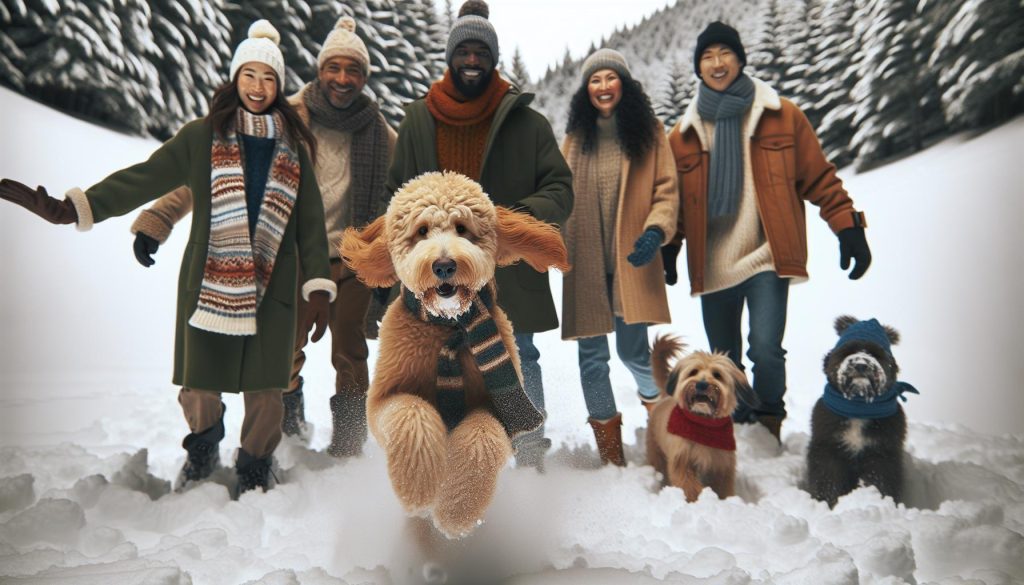
Many dog owners wonder how their furry friends cope with the chillier months, especially when it comes to breeds like Labradoodles. These beloved companions boast a unique blend of Labrador and Poodle traits, which influences their temperature tolerance. Understanding whether Labradoodles enjoy cold weather-and how to keep them comfortable during winter-is crucial for their health and happiness. As caretakers, it’s our responsibility to address their needs while enjoying outdoor playtime without worrying about the cold. In this article, we’ll explore the ways Labradoodles react to lower temperatures, share essential winter care tips, and help you keep your pup cozy and safe as the seasons change. Join us as we navigate the delightful-and sometimes frosty-world of Labradoodles in winter!
Understanding Labradoodles’ Cold Weather Adaptability
Labradoodles are remarkable dogs known not only for their charming personalities but also for their adaptability to different environments, including colder weather. While their thick, curly coats provide some insulation, individual tolerance to cold varies based on factors such as age, health, and previous exposure to cold climates. It’s essential for owners to understand how their Labradoodles respond to cold conditions to ensure they remain comfortable and healthy during the chillier months.
Their coat type plays a significant role in determining how well Labradoodles can handle colder temperatures. Most Labradoodles possess a double coat, with a soft undercoat that traps warmth and a coarser outer coat that repels moisture. This unique grooming feature means that with proper maintenance-such as regular brushing and washing-the coat can help keep them warm. Nonetheless, Labradoodles aren’t as naturally equipped for extreme cold as some breeds, like Huskies or Malamutes, which have evolved in harsher climates. Thus, owners should take measures to protect their Labradoodles from frigid conditions.
To gauge whether a Labradoodle is comfortable in colder weather, watch for specific behavior changes. Excessive shivering, reluctance to go outside, or seeking warmth by snuggling into blankets can indicate that your furry friend is feeling chilly. Providing adequate warmth may include using a dog sweater or boots, especially for frosty walks. Additionally, gradually acclimating your Labradoodle to colder environments can help enhance their tolerance over time, especially if they are introduced to colder temperatures from a young age.
Ensuring your Labradoodle stays active and engaged during the winter is crucial, as physical activity helps maintain healthy circulation and body temperature. Activities like retrieving toys in the snow, short leash walks, or gentle play sessions indoors can aid in keeping them warm and entertained. Remember, every dog is unique, and observing your Labradoodle’s comfort level is essential to adapt their outdoor activities appropriately.
How Labradoodles’ Coat Affects Temperature Tolerance
Labradoodles are often admired for their beautiful coats, but did you know that these characteristic coats play a significant role in their ability to tolerate cold weather? Typically, Labradoodles possess a double coat, which includes a soft, insulating undercoat and a water-resistant outer layer. This combination provides some protection against the elements, allowing them to stay warmer in chilly conditions compared to dogs with single coats. However, while their coat offers insulation, it’s important to remember that Labradoodles don’t have the same adaptations as breeds like Huskies or Malamutes, which are specifically designed for extreme cold.
For effective cold weather management, maintaining your Labradoodle’s coat is crucial. Regular grooming not only helps to keep their coat in optimal condition but also ensures that it retains its insulating properties. Here are some practical tips for care:
- Regular Brushing: A consistent brushing schedule helps to prevent matting and remove any dead hair, which can impede the coat’s ability to trap warmth.
- Bathing: Use dog-friendly shampoos and ensure they are thoroughly dried afterward, as moisture can make them feel colder.
- Inspection: Regularly check for any signs of skin irritation or moisture within the coat, especially after outdoor excursions.
Additionally, when temperatures drop, you may consider using warm dog apparel to supplement their natural insulation, particularly during extended outdoor activities. A snug, well-fitted sweater or coat can keep their core temperature stable, allowing them to enjoy winter play while minimising heat loss.
It’s also essential to observe your Labradoodle’s behavior during cold spells. While their coat provides some protective functions, individual tolerance levels vary. Closely monitoring your dog can help you determine if they need extra warmth or shorter outdoor time, ensuring their comfort and well-being throughout the winter months.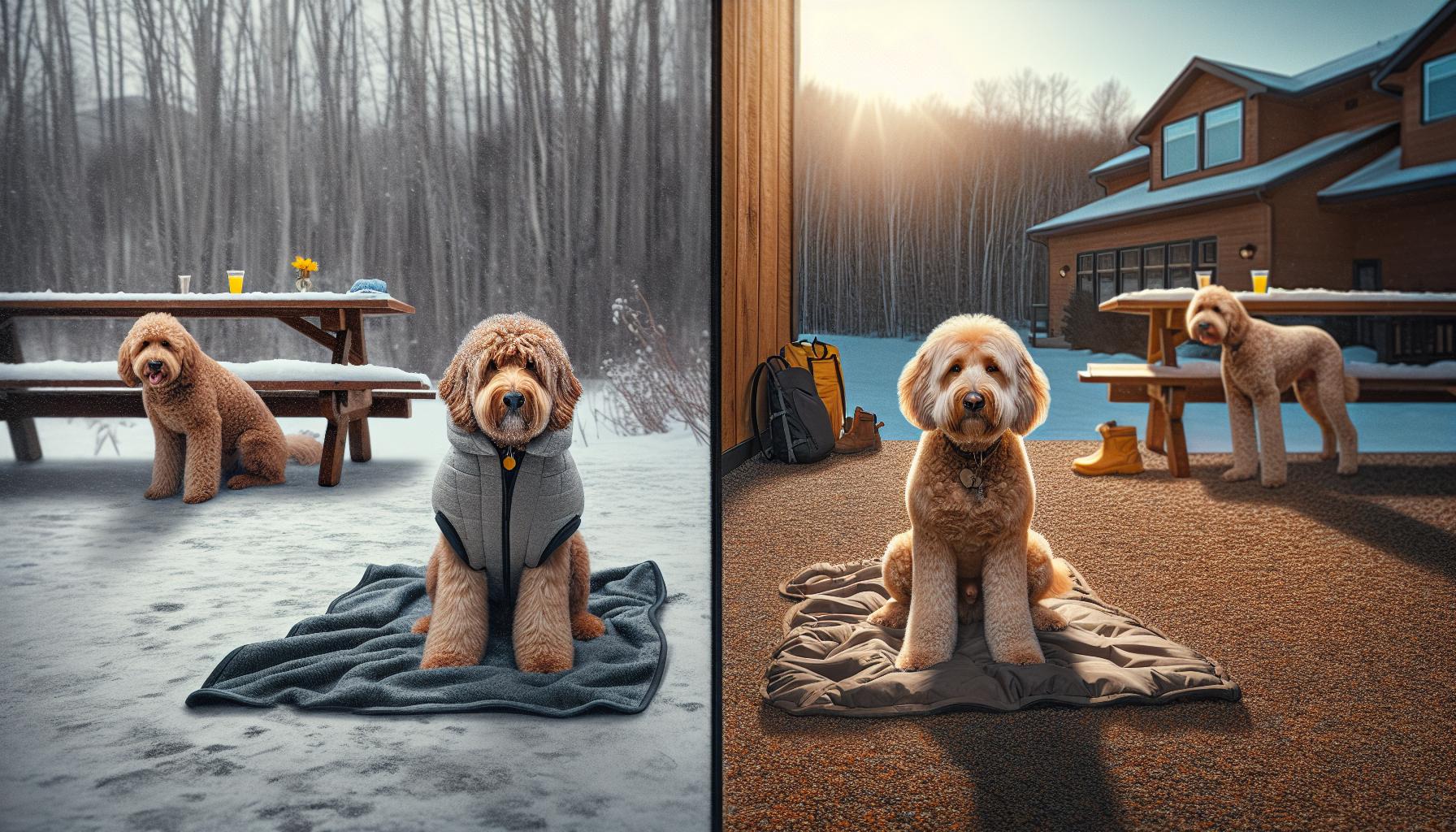
Signs Your Labradoodle is Cold or Uncomfortable
When it comes to enjoying the winter season, even the most spirited Labradoodle can show signs of discomfort if temperatures drop too low. While they have a decent coat for mild chills, it doesn’t mean they are impervious to the cold. It’s important for owners to be vigilant and recognize the signs that their furry friends might be feeling cold or uncomfortable.
Typically, a Labradoodle that is too cold will display noticeable behavior changes. For example, look out for excessive shivering, which is one of the most telling signs. If your pup curls up tightly or tries to burrow into blankets and pillows, it’s a clear indicator they’re seeking warmth. Moreover, if they suddenly start to lift their paws off the ground frequently or walk gingerly on snow or icy surfaces, this can signal that their paws are feeling the cold — potentially painful when ice builds up between their pads.
You may also notice behavioral cues like reluctance to go outside or wanting to return quickly after being let out. If they usually love the snow but start sitting by the door or looking back at you pleadingly, it’s likely they’re feeling chilly. Vocalizations can change too; whining or barking more than usual may indicate discomfort. Additionally, keep an eye on their nose and ears; if these areas feel cold to the touch or look pale, it’s a sign that the cold is affecting them.
To ensure your Labradoodle stays comfortable in colder months, consider investing in quality winter gear, especially if you’re in an area with heavy snowfall. A fitted dog coat and booties can provide extra warmth and protect their sensitive paws from harsh conditions. Regularly checking in on your dog’s comfort and adjusting outdoor playtime accordingly can make a significant difference in their winter enjoyment!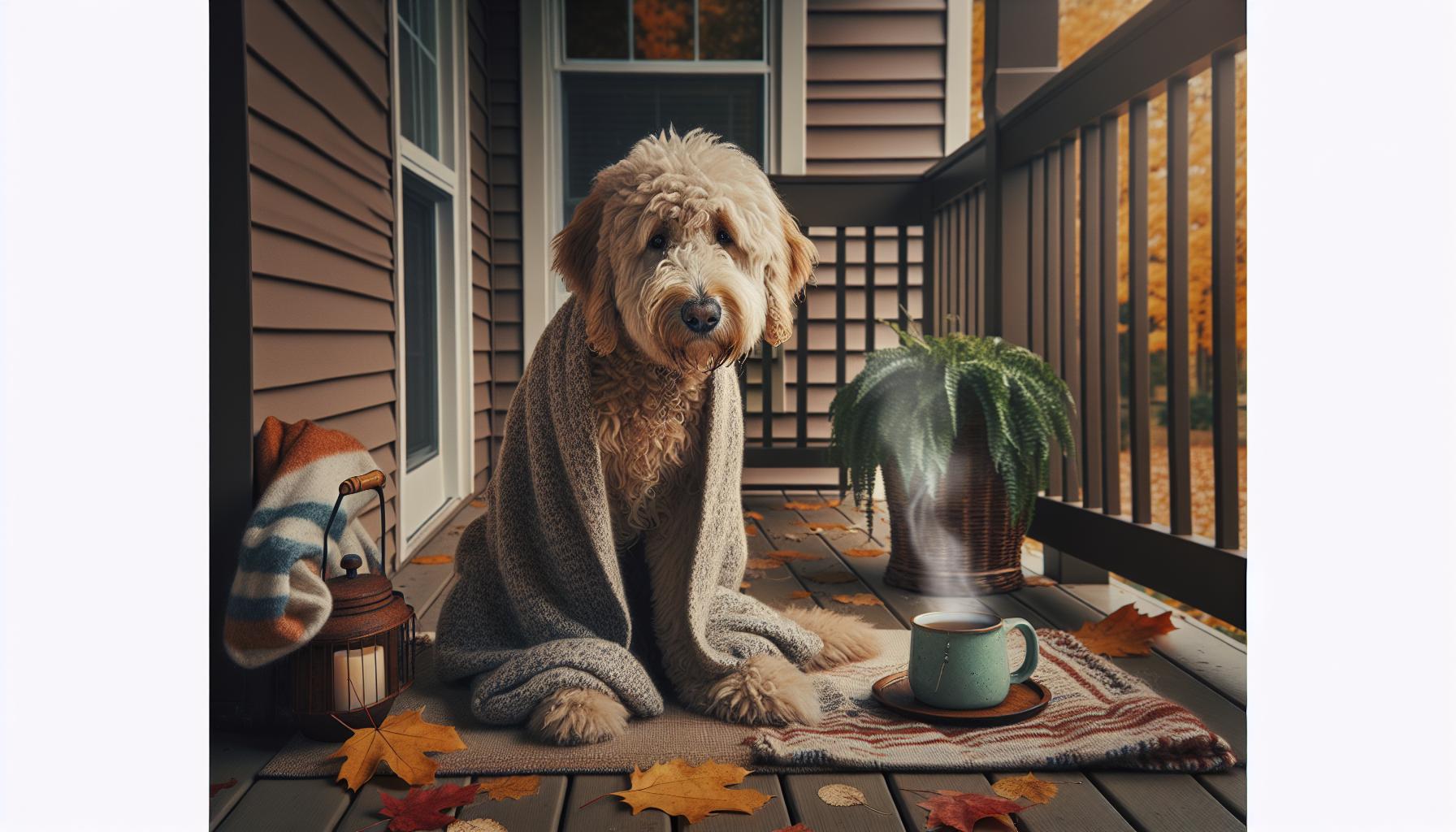
Best Practices for Keeping Labradoodles Warm
When temperatures drop, keeping your Labradoodle warm and comfortable becomes a top priority for their health and happiness. Did you know that Labradoodles, while generally adaptable, still require extra precautions in cold weather? Here’s how you can ensure your furry friend stays cozy during those chilly months.
One of the first steps is to create a warm, inviting environment inside your home. Make sure your Labradoodle has a snug bed placed away from drafts. Consider adding extra blankets or a heated pet bed to their sleeping area. This not only provides warmth but also gives them a comforting space to retreat when they feel the cold. It’s crucial to monitor your dog’s indoor temperature; aim for a comfortable range that doesn’t permit the chill to seep in.
When venturing outdoors, protection is key. Investing in quality winter gear can significantly enhance your Labradoodle’s comfort level. Look for fitted dog coats made from warm, water-resistant materials that cover their back and belly. Additionally, dog booties are a must-have for protecting their sensitive paw pads from snow and ice, which can also prevent painful ice balls from forming between their toes. Regularly check their feet for signs of irritation or injury, especially after walks in harsh winter conditions.
To further personalize your Labradoodle’s winter care routine, consider adjusting your outdoor activity schedule. Opt for shorter, more frequent walks during the coldest parts of the day, and pay attention to your pup’s behavior. If they exhibit signs of discomfort, such as lifting their paws or hesitating to walk, it may be time to head back indoors. Engaging in indoor activities, like interactive toys or trick training, can keep your dog stimulated while staying out of the cold.
Lastly, grooming is not just about aesthetics; it plays a critical role in temperature regulation. Maintaining your Labradoodle’s coat through regular brushing helps to remove debris and matting, allowing for better insulation against the cold. While their coat offers some protection, a clean and well-cared-for coat performs significantly better in terms of warmth. Always ensure they are completely dry before heading out, as moisture can lead to rapid heat loss.
By implementing these practices, you can make sure your Labradoodle thrives in cold weather while enjoying all the cozy moments winter has to offer. With proper care and attention, your pup can look forward to a happy, healthy winter experience.
Cold Weather Activities for Labradoodles
Engaging your Labradoodle in cold weather activities can be a delightful experience for both of you, as these dogs thrive on companionship and mental stimulation. Labradoodles are known for their playful personalities and intelligence, making them well-suited to a variety of enjoyable winter activities. Just because it’s colder outside doesn’t mean that they can’t have fun and stay active!
One effective way to keep your Labradoodle entertained is by introducing them to new outdoor games. Consider setting up a winter scavenger hunt in your yard or at a local park. Hide treats or toys under the snow and encourage your dog to sniff them out. This engages their natural instincts and provides physical and mental exercise. Alternatively, you can enjoy a game of fetch-just be mindful to use soft, winter-friendly toys that won’t hurt their mouths in freezing temperatures.
When temperatures allow, sledding can be an exhilarating activity. If you have access to a safe, snowy hill, let your Labradoodle experience the joy of going down with a bit of a sled or toboggan ride (with supervision!). Just be ready to catch them at the bottom because they’ll likely want to run back up for more. Be sure to keep an eye on the time spent outdoors, as even the most enthusiastic pups need breaks to warm up and hydrate.
Indoor activities like puzzle toys or agility games can also be incredibly beneficial during extreme cold. Labradoodles are eager learners, and teaching them new tricks or commands with some tasty treats can help burn off energy and strengthen your bond. Setting up an indoor obstacle course with household items like cushions, chairs, and blankets can provide both mental stimulation and exercise without exposing them to the cold.
Ultimately, understanding your Labradoodle’s comfort level in chilly conditions is crucial. Always pay attention to their behavior; if they start to shiver or show signs of distress, it’s best to head inside for snuggles and warmth. The key is to keep the fun going while ensuring their safety and comfort, allowing your furry friend to enjoy the winter just as much as you do!
How to Train Your Labradoodle for Winter Conditions
Training your Labradoodle for winter conditions goes beyond just getting them accustomed to the colder temperatures; it’s also about ensuring they can safely enjoy the winter environment while staying engaged and stimulated. Labradoodles, with their inherent intelligence and eagerness to please, can adapt well to wintery weather when properly prepared. By incorporating fun and purposeful training activities during the cold months, you can help your furry friend thrive even in chilly circumstances.
One effective way to start is by introducing your Labradoodle to winter-specific commands. For instance, teaching commands like “slow” or “leave it” can be beneficial when navigating slippery surfaces or snowy areas where hazards lurk. Begin these training sessions indoors, where distractions are minimal, and then gently transition outdoors as they become comfortable. Use treats to reward them for following commands, ensuring that they associate winter outings with positive experiences.
Additionally, it’s important to expose your Labradoodle to the winter environment gradually. Start with short periods outside, observing how they react to the cold. If they show signs of discomfort-such as shivering or reluctance to move-bring them inside and adjust the duration of outdoor sessions. You can also enhance their comfort using protective gear like dog jackets or booties designed for winter use, which can be introduced during training to help them get used to wearing something while they play outside.
Incorporating play into your training can enrich their experience and make learning enjoyable. Games like “find it,” where you hide treats in the snow or around the yard, can engage their scent-tracking abilities while keeping them active. You might also consider agility training with snow obstacles, which can develop their physical skills in a safe and controlled manner. Just remember to monitor their energy levels closely; Labradoodles are enthusiastic by nature, and it’s up to you to ensure they don’t overdo it in the cold.
Finally, fostering trust and connection during winter training is crucial. Spend quality time with your Labradoodle in the cold, offering cuddles and warmth after outdoor play. This will reinforce a sense of security and help them understand that winter is a fun and safe time to be active with you. Through patience and creativity, you can make exploring winter a joyful adventure, ensuring your companion is well-trained and equipped for whatever the season may bring.
Comparing Labradoodles with Other Breeds in Cold Weather
Labradoodles are a delightful blend of intelligence and spirit, but how do they really stack up against other breeds when winter arrives? Unlike more robust breeds like Huskies or Saint Bernards, which possess thick double coats designed for extreme cold, Labradoodles have a coat that is somewhat of a mixed blessing. Their poodle lineage gives them a curly, low-shedding coat which helps keep them dry, but it may not provide the same level of insulation against frigid temperatures as those breeds bred specifically for harsh climates.
Temperature Tolerance Comparison
When considering temperature tolerance, it’s valuable to explore how Labradoodles compare to other popular breeds:
| Breed | Coat Type | Cold Weather Suitability |
|---|---|---|
| Labradoodle | Curly/ Wavy (Poodle mix) | Moderate, requires care and gear |
| Husky | Thick Double Coat | High, thrives in extreme cold |
| Golden Retriever | Water-repellent Double Coat | Good, with proper grooming |
| Dachshund | Short Straight Coat | Poor, sensitive to cold |
Unique Considerations for Labradoodles
They typically enjoy colder weather more than some breeds with shorter, single-layer coats but can be sensitive to prolonged exposure. Take a moment to observe your Labradoodle; while they may be excited to play in the snow, signs of discomfort like shivering or reluctance to move should prompt you to bring them indoors or provide warmth. Unlike breeds like Retrievers, who are quite adept at frolicking in the winter, Labradoodles may require extra attention to ensure they stay comfortable and healthy.
It’s also notable that Labradoodles are often more affected by their individual health, age, and acclimatization than other sturdier breeds. Therefore, it’s essential to be attentive to your dog’s specific needs, making adjustments based on their reactions to the cold and their overall wellness. Remember, your Labradoodle may have a zest for play, but consistent monitoring will help ensure their enjoyment of winter remains safe and fun.
In conclusion, while Labradoodles can adapt to cold temperatures better than some breeds, they still require special care, attention, and often additional gear to thrive during the winter months.
Veterinary Insights on Labradoodles and Weather Changes
While many dog owners rave about their Labradoodles’ enthusiasm for cold weather, it’s vital to understand how these hybrid pups truly respond to the winter chill. Veterinarians emphasize that, unlike breeds specifically bred for frigid conditions-like the Siberian Husky-Labradoodles possess a coat that can be both a blessing and a challenge in colder temperatures. Their curly, low-shedding fur may help keep moisture at bay but typically lacks the thickness needed to keep them warm in severe weather.
Veterinary experts recommend closely monitoring your Labradoodle’s reactions during colder months. Signs of discomfort often manifest as shivering, excessive paw lifting, or attempts to burrow into clothing or snow. A simple observation can reveal a lot; for instance, if your dog seems reluctant to play outside or responds negatively to the cold, it might be time to consider adjusting the outdoor routine. Remember, Labradoodles, given their playful and social nature, might not instinctively recognize their limits in cold weather.
To safeguard your furry friend, ensure they have the right gear, such as insulated jackets or boots designed specifically for dogs, which can help shield them from the biting cold and wet conditions. Bathing them indoors and keeping their coat longer can also provide added warmth during winter. Incorporating a balanced approach to their outdoor activities by limiting exposure to harsh weather while allowing time for socialization and play can help maintain their spirits high without putting their health at risk.
It’s crucial to tailor your pet care to their individual needs and consult your veterinarian for personalized advice based on your Labradoodle’s age, health, and acclimatization to winter. Responsible ownership means being proactive and attentive, ensuring that your Labradoodle can enjoy winter while staying safe and comfortable.
Grooming Tips for Cold Weather Protection
Labradoodles, with their charming curls and vibrant personalities, can truly shine in the winter months, but they require a little extra care to thrive in the colder weather. Grooming is a vital aspect of ensuring your pup stays cozy and healthy during the chilly season. Proper coat maintenance not only enhances their comfort but also prevents uncomfortable issues like matting and skin irritations that can arise from moisture and dirt accumulation.
To start, consider regular brushing during winter months. This helps remove loose hair and prevent matting, which can trap moisture and cold air against the skin. Aim to brush your Labradoodle at least two to three times a week, using a slicker brush followed by a comb to ensure all layers of their coat are covered. Pay particular attention to high-friction areas like under the legs and around the ears, where mats are more likely to form.
Additionally, maintaining a longer coat during winter can provide extra insulation against the cold. Ideally, you should only trim their fur when necessary, focusing on areas that might collect snow, such as between their paw pads. Trimming here not only keeps ice and snow from forming clumps but also makes it easier for your dog to walk comfortably. Waterproof booties can also be a great addition, protecting their paws from snow and ice while providing better traction on slippery surfaces[3].
Before bathing your Labradoodle, consider heading to the tub instead of bathing outdoors. Cold air can be harsh, and a warm indoor bath will help maintain their body temperature [2]. Likewise, make sure to thoroughly dry their coat afterward, as dampness can lead to chills and even skin irritations. As a finishing touch, consider applying a moisturizing spray to keep their skin hydrated during the dry winter months.
Embrace the winter with your beloved Labradoodle by implementing these grooming tips. A little extra care will go a long way in ensuring they not only look good but also feel great all season long.
Essential Cold Weather Gear for Labradoodles
When the temperature drops, ensuring your Labradoodle is well-equipped for the colder months can make all the difference in their comfort and enjoyment. While Labradoodles, with their unique coats, have a certain adaptability to cooler weather, investing in essential cold weather gear is key to keeping them safe, warm, and happy on those brisk outings.
One of the first items to consider is a warm and durable dog coat. Look for options that fit snugly but allow your pup to move freely. Insulated materials that cover the belly and neck provide added warmth, keeping your Labradoodle cozy during walks. Waterproof jackets are also a great choice for snowy or rainy conditions, helping to keep their fur dry, which prevents chills.
Next, don’t forget about their paws. Labradoodles are prone to ice and snow accumulating between their toes, which can lead to discomfort and potential injury. Booties designed specifically for dogs can protect their paws from harsh surfaces and extreme cold. Look for booties made with non-slip material to provide traction on icy pavements. If your Labradoodle has never worn booties before, consider starting them off at home to help them get used to the sensation.
Another practical item is a high-visibility harness or collar. With shorter daylight hours in winter, a brightly colored harness makes your pup more visible during outdoor adventures, increasing their safety during walks. It’s also good for protecting them from excessive pulling, making outdoor excursions more enjoyable for both of you.
Finally, consider investing in a dog-safe paw wax that can be applied before walks. This product forms a protective layer over the pads of their feet, preventing ice build-up and offering additional warmth. Not only does it help against the cold, but it also protects against road salt and other chemicals that can irritate their skin.
By prioritizing these essential gear options, you can ensure your Labradoodle stays warm, safe, and playful, regardless of what winter throws their way. Each piece of gear works together to support their natural adaptability, allowing them to venture outside and enjoy the winter wonderland with you.
The Impact of Age and Health on Cold Weather Tolerance
As your Labradoodle ages, their tolerance to cold weather can significantly change. Younger dogs typically bound around in the snow, enjoying the chill, but just like humans, older dogs may not cope with colder temperatures as well. This is influenced by a few factors, including their overall health, joint conditions like arthritis, and their physical conditioning. If you notice your Labradoodle is less keen to play outside in the winter than they were in their youth, it could be due to discomfort or a heightened sensitivity to cold.
Additionally, the general health of your Labradoodle plays a crucial role in how they handle colder climates. Dogs with underlying health issues, such as thyroid deficiencies or respiratory problems, may struggle with the cold more than their healthier counterparts. These conditions can affect circulation and body temperature regulation, making it harder for them to stay warm. Keep an eye on your pup and consult with your veterinarian if you notice signs of discomfort, such as shivering, reluctance to go outside, or unusual lethargy.
Enhancing Comfort in Cold Weather
To ensure your Labradoodle remains comfortable and enjoys their winter outings, consider the following steps:
- Provide a warm, cozy resting spot: Create a comfortable sleeping area indoors, away from drafts, along with soft blankets to snuggle in.
- Adjust outdoor activities: Shorter walks with frequent breaks can help keep your dog active without overdoing it.
- Dress appropriately: For older dogs or those with health concerns, consider investing in a well-fitted dog coat to provide extra warmth.
- Monitor their time outdoors: On particularly cold days, limit outdoor play to shorter intervals, allowing your dog to warm up in between.
Recognizing the signs of discomfort in your Labradoodle becomes increasingly important with age and health changes. If your pup starts to show signs of cold stress, it might be best to shorten walks, invest in quality winter gear, and perhaps even consult with your vet for tailored advice. Keeping the lines of communication open regarding your dog’s health is your best tool in ensuring they stay happy and comfortable throughout the winter months.
Traveling with Your Labradoodle in Cold Weather
Traveling with a Labradoodle during the chilly months can be a delightful adventure if you take the right precautions. These energetic and sociable dogs may enjoy the coolness of winter, but it’s essential to ensure their safety and comfort while on the road. Whether you’re heading to a snowy destination or just navigating through cold weather, there are several tips and tricks that can enhance your travels and keep your furry friend happy.
First and foremost, make sure you’re prepared for the temperature drop. Before embarking on your journey, check the weather conditions at your destination and along your route. Dress your Labradoodle appropriately for the cold. Well-fitted dog coats and booties can help protect against harsh temperatures and icy ground, especially for sensitive paws. Consider investing in a high-quality car seat cover or crate that keeps your dog snug and minimizes exposure to cold air while traveling.
Additionally, plan regular stops during your travels. Just like humans, dogs can get restless and may need breaks to stretch their legs and relieve themselves. However, during the colder months, it’s crucial to evaluate how long they spend outside. Allow them to do their business quickly and then back to the warmth of the car to avoid prolonged exposure. Always keep an eye out for signs of discomfort, such as shivering or whining, which can indicate they are too cold.
Lastly, carry a travel kit specifically for cold weather adventures. This kit can include items like a blanket, extra water, and dog-friendly warm treats. Don’t forget to pack your Labradoodle’s favorite toys to ease anxiety during travel. Engaging your pup with familiar items can make the journey feel more secure and enjoyable. Traveling with your Labradoodle during the winter season can lead to unforgettable moments if planned with their needs in mind, allowing both of you to create lasting memories while enjoying the winter wonderland.
Q&A
Q: Do Labradoodles prefer warm or cold weather?
A: Labradoodles generally prefer moderate temperatures. They can tolerate cooler weather due to their coat but should be monitored for comfort levels. Ensure they have a warm space to retreat if temperatures drop significantly.
Q: What is the ideal temperature range for Labradoodles?
A: The ideal temperature range for Labradoodles is between 50°F to 70°F (10°C to 21°C). At temperatures below 32°F (0°C), they may start to feel cold and require proper protection, such as a warm dog coat.
Q: How can I tell if my Labradoodle is too cold outside?
A: Signs that your Labradoodle is too cold include shivering, whining, seeking shelter, lifting paws off the ground, or showing reluctance to stay outside. Bring them indoors or provide protection if you observe these behaviors.
Q: Can Labradoodles handle snow and ice?
A: While Labradoodles can handle snow and ice, it’s important to take precautions. Limit their time outside during severe conditions, and check for ice buildup between their paw pads to avoid irritation or injury.
Q: Do Labradoodles need special gear for cold weather?
A: Yes, Labradoodles benefit from cold weather gear like insulated jackets or sweaters, especially those with shorter coats. Boots can also protect their paws from snow, ice, and salt, enhancing their comfort during walks.
Q: How does a Labradoodle’s coat affect its cold weather tolerance?
A: Labradoodles have a curly coat that provides insulation, making them more tolerant of colder conditions. However, grooming and coat maintenance are essential to ensure optimal warmth and protection from the elements.
Q: What precautions should I take when exercising my Labradoodle in cold weather?
A: When exercising your Labradoodle in cold weather, keep the sessions shorter, watch for signs of discomfort, and ensure they are wearing appropriate gear. Always check the weather conditions before heading outdoors.
Q: How does age affect a Labradoodle’s tolerance to cold weather?
A: Older Labradoodles may have a reduced tolerance to cold due to potential arthritis or other health issues. Provide extra warmth, limit their time outside, and consult your vet if you notice signs of discomfort in colder temperatures.
The Way Forward
As we’ve explored, Labradoodles have a unique relationship with cold weather and require thoughtful care to stay comfortable in chillier climates. If you’re considering whether your Labradoodle can handle the cold, remember that their individual tolerance can vary based on factors like coat condition and acclimatization. It’s essential to provide them with a warm, cozy space during colder months and to dress them appropriately for outdoor activities.
Ready to dive deeper? Check out our articles on “Winter Care Tips for Your Labradoodle” and “Understanding Labradoodle Coat Care” for essential advice that will keep your furry friend happy and healthy throughout the winter. Don’t hesitate to leave a comment below or share your experiences! For even more expert tips, subscribe to our newsletter for insights right in your inbox. Your Labradoodle deserves the best-let’s keep them comfortable together!