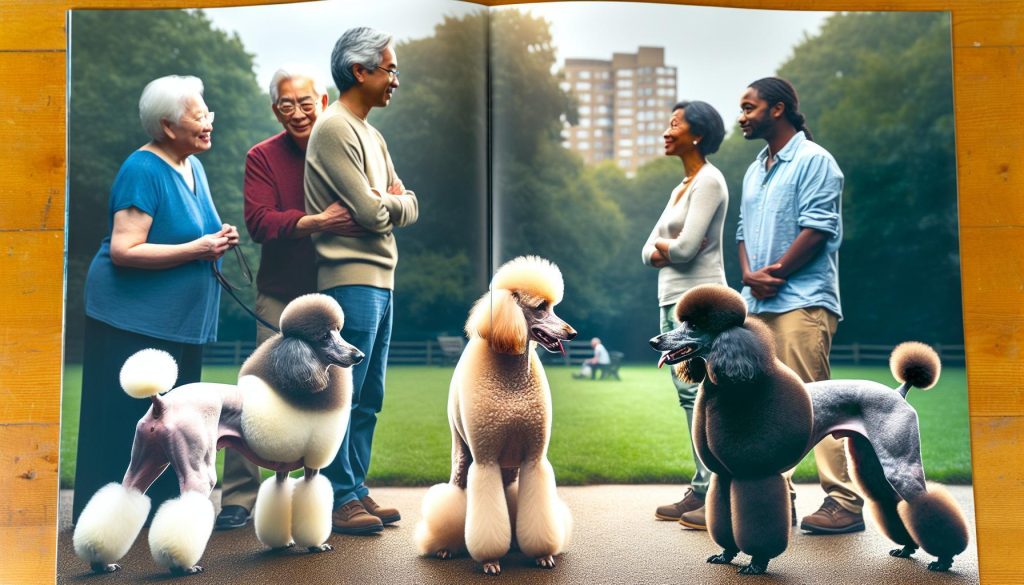
Did you know that a Poodle’s tail can tell you quite a bit about its history and purpose? Poodles, known for their intelligence and elegance, come in a delightful array of sizes and styles, and their tails are no exception. Whether a Poodle has a natural tail or a docked one sparks curiosity among dog lovers and prospective owners alike. Understanding the differences is essential not just for aesthetic reasons but also for health, behavior, and breed standards. As you delve into this guide, you’ll discover the fascinating facts behind Poodle tails, touching upon their natural form and the reasons behind tail docking. This knowledge not only enhances your appreciation for this wonderful breed but also empowers you in making informed decisions as a responsible pet owner. Let’s explore the tails of Poodles and see what they reveal about your furry friend!
Do Poodles Have Natural Tails? Understanding Tail Anatomy
Poodles are one of the most recognizable dog breeds, known for their intelligence, elegance, and playful demeanor. One common question among potential Poodle owners is whether these dogs have natural tails. The truth is that Poodles can have either natural or docked tails, depending largely on breeding practices and regional regulations. In countries where docking is banned, Poodles typically have long, natural tails that complement their graceful bodies and playful personalities.
Understanding Poodle tail anatomy reveals much about their overall health and behavior. A natural tail consists of vertebrae covered in skin and fur, which functions as a communication tool between dogs, helping convey emotions and alerts to their surroundings. The tail’s structure allows for a range of movements and expressions, such as wagging vigorously when excited or lowering when submissive.
If you are considering bringing a Poodle into your home and are unsure about their tail type, it’s essential to think about how a dog communicates and interacts with you and others. For those drawn to the traditional look of a docked tail, it’s worth noting that docked Poodles often have a more uniform appearance in the show ring, but this aesthetic choice can come at the cost of losing some of the tail’s functionality in expressing emotions. Natural tails, on the other hand, allow Poodles to retain important means of communication, contributing to their overall emotional well-being.
When selecting a Poodle, consider not just the aesthetics of the tail but also how its presence or absence might impact your interactions and training. Engaging with a reputable breeder who prioritizes the health and behavioral characteristics of Poodles can guide you in making the best choice for both you and your future pet.
The Science Behind Tail Docking: Why It Happens
Many prospective Poodle owners wonder why some Poodles have docked tails while others have natural ones. Tail docking, the surgical removal of a portion of the tail, has been practiced for centuries and is rooted in various cultural, historical, and practical beliefs. Traditionally, some breeders and owners justified the practice by claiming it prevented injury during hunting or working activities. In fact, certain breeds, including Poodles, were often docked to conform to breed standards that emphasized a specific appearance, particularly in dog shows.
Today, the reasons for tail docking are more controversial, with animal welfare advocating against it as a cosmetic procedure that can cause unnecessary pain and distress. In many countries, including several European nations, docking is now illegal unless performed for legitimate medical reasons. As a result, Poodles bred in regions where docking is prohibited typically retain their natural tails, which can greatly enhance their communication abilities. Natural tails allow dogs to express a wider range of emotions, as a wagging tail can indicate excitement or happiness, while a lowered tail often signifies submission or fear.
It’s important for potential Poodle owners to consider how a dog’s tail type could affect their interactions. For example, Poodles with natural tails can use them to communicate effectively with both humans and other animals, enhancing their social capabilities. Choosing between a docked and a natural tail should involve considerations beyond aesthetics, including the dog’s behavior, emotional wellbeing, and overall health. Engaging with responsible breeders who prioritize these aspects can help new owners make informed decisions while supporting ethical breeding practices.
Ultimately, understanding the reasons behind tail docking sheds light on the broader implications of such decisions. As more people recognize the importance of a dog’s natural tail for communication and emotional expression, the preference for natural tails is gaining traction among dog enthusiasts and responsible pet owners alike.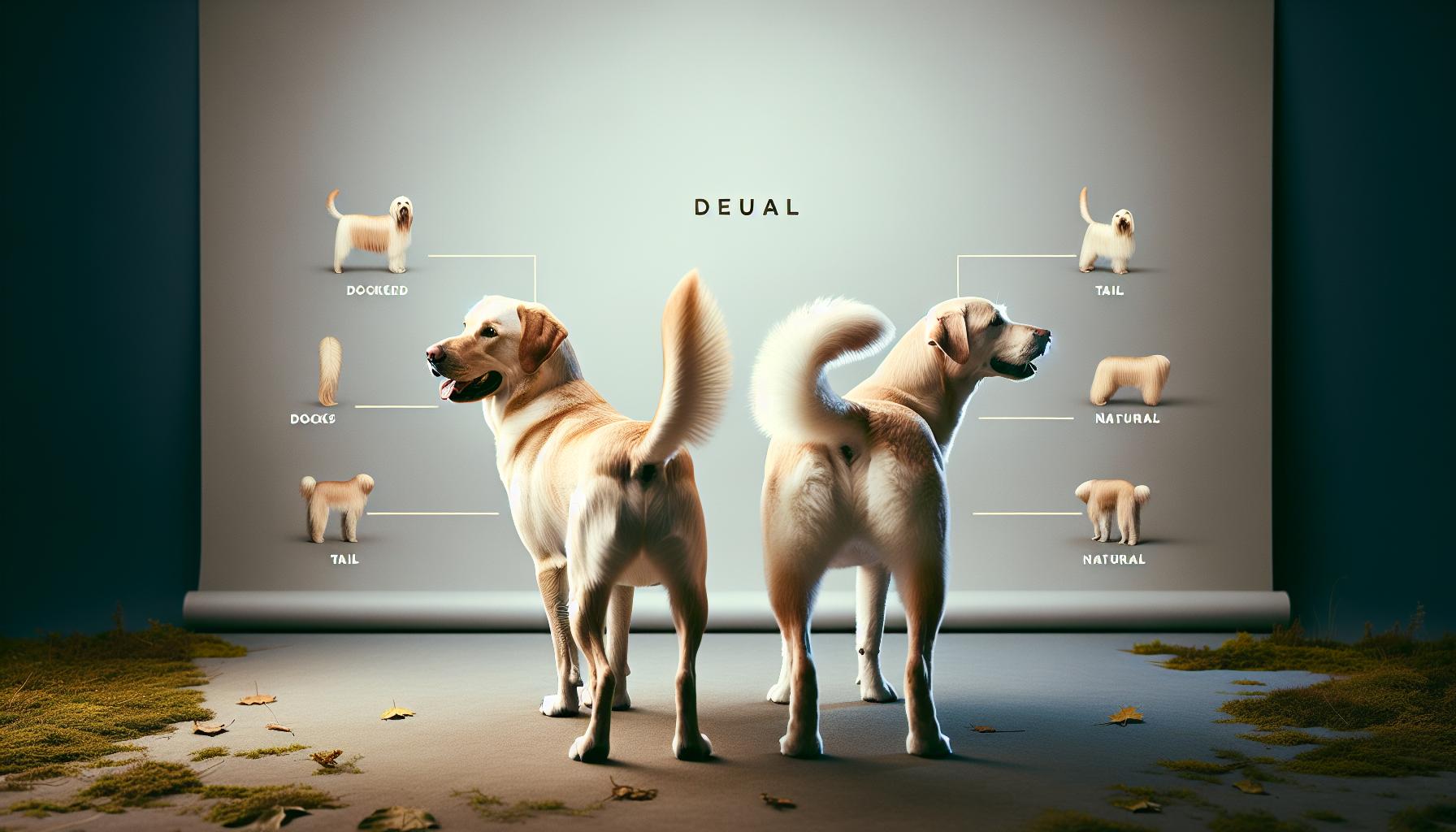
Docked vs. Natural Tails: Key Differences Explained
Poodles, known for their intelligence and grace, can have a variety of tail types, and understanding these differences is important for any prospective owner. The primary distinction between docked and natural tails lies in both aesthetic and functional aspects. Docked tails, which are surgically shortened, are often preferred in some show circles due to historical breed standards. However, many Poodles today, especially those bred in regions where docking is prohibited, boast natural tails that provide significant advantages in communication and emotional expression.
Natural tails serve as an essential tool for Poodles to convey their feelings. A wagging tail can signal excitement and happiness, while a lowered tail might indicate fear or submission. This natural form of communication enriches interactions with both humans and other dogs, promoting better socialization and emotional connections. Docked Poodles, on the other hand, may exhibit more limited nonverbal expression, which can affect their ability to connect emotionally with their surroundings. Owners of docked Poodles might find themselves paying more attention to vocalizations, as the tail’s movements won’t provide the same nuanced signals.
When considering the care needs of Poodles, tail type influences grooming and maintenance routines. Natural tails require regular brushing to prevent matting, while docked tails may need less grooming overall. However, both types benefit from regular veterinary check-ups to ensure tail health. If you happen to own a docked Poodle, it’s essential to be mindful of this aspect when training and socializing them, as their communication signals are less visible.
In the realm of poodle ownership, choosing between docked and natural tails comes down to an understanding of both the aesthetic preferences and the emotional and social implications. Engaging with responsible breeders who emphasize the importance of a dog’s tail can lead to a more informed decision that best supports the dog’s wellbeing. Ultimately, whether docked or natural, each Poodle has its unique charm and ability to enrich our lives.
How Tail Type Affects Poodle Grooming Needs
Understanding the grooming needs of Poodles can be a delightful yet intricate aspect of Poodle ownership, especially when considering whether your Poodle has a docked or natural tail. Tails are more than just a cute feature; they can significantly influence grooming routines and maintenance. Owners of Poodles, particularly first-timers, might find it fascinating to learn how tail type impacts their furry friend’s grooming needs.
For Poodles with natural tails, regular grooming becomes essential. The tail’s fur requires consistent brushing to avoid matting and tangles, especially since the hair on the tail can be longer and denser. Natural tails often carry more of the same curly coat that characterizes the Poodle breed, which can trap dirt and debris if not regularly maintained. Owners should consider a grooming routine that includes:
- Daily brushing with a slicker brush: This helps remove any loose hair and prevents mats.
- Bathing every 4-6 weeks: Use a gentle shampoo formulated for dogs to keep the tail clean and free from buildup.
- Regular check-ups for skin irritations: Inspect the tail area for signs of skin issues, particularly where the coat can remain moist.
In contrast, docked-tailed Poodles may have a simpler grooming routine when it comes to tail maintenance. Typically, the shorter length means less surface area for tangles, and thus, less frequent brushing is required. However, attention should still be paid to the skin where the tail was docked, as this area can be more susceptible to irritation. Here are some care tips for docked-tailed Poodles:
- Weekly brushing: This is usually sufficient to maintain hygiene and comfort.
- Skin care: Check for any redness or swelling around the docking site, as docked tails may be more prone to irritations.
- Groom for a clean look: Regular grooming of the rest of the body helps ensure that any remaining hair looks tidy and presentable.
Ultimately, while both tail types come with their own grooming requirements, the pleasure of bonding with your Poodle during grooming can be a rewarding experience. Engaging in these routines not only promotes a healthy coat but also enhances the connection between you and your furry companion, whether they have a full, expressive tail or a sleek, docked end. Regular grooming is an important aspect of being a responsible owner and contributes to your Poodle’s overall wellbeing and happiness.
The Role of Tails in Dog Communication and Behavior
Understanding the nuances of how dogs communicate can deepen the bond you share with your canine companion, and Poodles are no exception. Their tails play an integral role in this communication. A dog’s tail provides insights not only into their emotions but also into their general behavior. For Poodles, whether docked or natural, observing their tail movements can help owners interpret their moods and intentions more effectively.
Tails serve as a visual indicator of a dog’s emotional state. A Poodle with a natural tail often expresses happiness and excitement by wagging it vigorously. This can be a joyful greeting when a family member comes home or an enthusiastic response when playtime approaches. Conversely, a tail that is held low or tucked can indicate fear or submission, signaling to other dogs or humans that they are not a threat. For Poodle owners, especially those with new puppies, recognizing these signals can be critical in terms of socialization and training.
In contrast, while docked Poodles may lack the same visual cues their long-tailed counterparts provide, they still have their own ways of conveying feelings. Many docked Poodles exhibit subtle body language, such as their body posture or facial expressions, to communicate. This means that owners might need to pay closer attention to other aspects of their dog’s behavior. For example, a lively play stance might indicate that your Poodle is ready to engage, even if you can’t read their tail’s wagging.
To help foster a rich line of communication with your Poodle, consider engaging them in various activities that allow for emotional expression. Training sessions, play, and interactive games can encourage your dog to use their body language more freely. Understanding how your Poodle’s tail-or the absence of one-affects their communication can help you respond more adeptly to their needs, ultimately enhancing your relationship and ensuring a harmonious living environment. As you bond with your Poodle, appreciate the unique ways they convey their feelings, fostering a deeper understanding of this beloved breed.
Myths and Facts About Poodle Tail Types
Many people have misconceptions about the tail types of Poodles due to the popularity of tail docking in the breed. Understanding the differences between natural and docked tails can help dispel some myths that circulate among both new and seasoned dog owners. For instance, one common myth is that docked tails make Poodles less expressive or less friendly. In reality, Poodles, whether they have docked or natural tails, remain highly expressive dogs. Their body language and vocalizations often compensate for the absence of a long tail, allowing them to communicate effectively with their owners and other dogs.
Another prevalent myth claims that docked tails are inherently healthier or more advantageous for Poodle performance in dog shows or competitions. While tail docking has historical roots linked to working breeds-primarily for utility in hunting or to prevent injury-there is no evidence to suggest that a docked tail contributes to a Poodle’s candidacy for winning in dog shows. In fact, many breed standards now recognize the beauty and grace of Poodles with natural tails, emphasizing that a full, flowing tail is part of the breed’s elegance.
It’s crucial for owners to also recognize that the grooming needs of a Poodle may vary depending on their tail type. A Poodle with a natural tail may require some extra attention, as there is a greater potential for tangles and matting, especially if the tail is long and fluffy. Routine grooming practices like regular brushing are essential. On the other hand, a docked tail might be easier to maintain in this regard, but owners should remain diligent with overall grooming to ensure the dog’s coat-and other areas-stay healthy and clean.
To navigate these myths effectively, it helps to rely on reputable sources of information, such as veterinarians or professional breeders, who can provide clarity and advice tailored to individual Poodles. By fostering a deeper understanding of Poodle tail types, their purpose in communication, and grooming requirements, dog owners can appreciate their unique characteristics while ensuring their furry friends are healthy, happy, and fully expressive members of their families.
Comparing Tail Length: Standard, Miniature, and Toy Poodles
Comparing the tail lengths of Standard, Miniature, and Toy Poodles reveals more than just size differences; it highlights distinct characteristics that can affect grooming, communication, and overall appearance. Recognizing these differences is essential for any current or prospective Poodle owner, particularly as you navigate the charming world of this versatile breed.
Standard Poodles, the largest of the three varieties, feature a long, elegant tail that complements their stature and poise. Typically, a Standard Poodle’s tail is natural, and when left unaltered, it adds to their dignified appearance. The longer tail gives a fuller look, enhancing their expressive body language and facilitating more effective communication. This breed’s natural tail can be quite fluffy, making regular grooming important to prevent matting. Routine brushing every few days is advisable to keep their tail clean and free from tangles.
Miniature Poodles have a tail that is proportionately shorter than that of the Standard but still possesses a natural elegance. These tails can also be left long, and owners may choose to dock them, although natural Miniature Poodle tails are becoming increasingly accepted in dog shows and competitions. Given their medium size, Miniature Poodles often require less grooming than Standard Poodles, but attention to the tail area remains beneficial to maintain its fluffiness and health.
Toy Poodles, being the smallest variety, have the briefest tails, typically more slender in appearance. While they, too, can have natural tails, many Toy Poodles are docked for appearance; this practice has historically been common among the breed. The shorter tail of a Toy Poodle does not inhibit their expressiveness. They use their body language and delightful antics to convey emotions effectively. Like their larger counterparts, regular grooming remains vital to ensure their tails (whether natural or docked) are kept clean and free from any tangles or debris.
Understanding these differences aids in selecting the right Poodle for your lifestyle while ensuring that you are prepared for the grooming and care required for each tail type. Whether you opt for the majestic Standard, the charming Miniature, or the adorable Toy Poodle, you will find that their tails, regardless of length, play a significant role in their personality and expression. Embrace their uniqueness, and your Poodle will surely bring boundless joy and companionship to your life.
Health Implications of Tail Docking in Poodles
When considering the tail docking of Poodles, it’s vital to be aware of the health implications associated with this practice. Docking has historically been undertaken for aesthetic reasons or to align with breed standards, but it can pose significant health concerns that every current or prospective owner should contemplate. Research suggests that tail docking can lead to complications such as pain, abnormal tail movement, and difficulties in communication since a dog’s tail is a crucial component of its body language.
Undoubtedly, one of the primary health issues linked to tail docking is the increased risk of chronic pain. Some studies indicate that dogs may experience neuropathic pain following the procedure. This type of pain can manifest long after the initial surgery, leading to behaviors that indicate distress or discomfort, such as aggression or fear in certain situations. Furthermore, a docked tail limits the dog’s ability to express emotions effectively, hindering their communication skills not just with fellow dogs but also with their human companions.
Comparative Health Perspectives
When comparing the health implications on different Poodle varieties, it’s noteworthy that Standard Poodles with natural tails can enjoy a more significant range of motion and expression. Their longer tails can help signal their emotions accurately, contributing to better social interactions. In contrast, Miniature and Toy Poodles that have undergone docking may struggle with similar issues.
To help ensure your Poodle’s tail health, consider the following care tips:
- Routine Vet Checkups: Regular veterinary examinations can help address any issues related to tail health before they escalate.
- Observe Behavior: Watch for any changes in your Poodle’s behavior that could indicate discomfort or abnormal pain.
- Grooming Care: Regular grooming helps maintain overall tail health, particularly in breeds with natural tails where matting and debris can cause irritation.
Ultimately, understanding the implications of tail docking can empower owners to make informed decisions regarding their Poodle’s wellbeing. By weighing the aesthetic preferences against possible long-term health risks, you can ensure that your beloved companion enjoys a healthy, happy life filled with effective communication and expression. Even as trends shift towards acceptance of natural tails in Poodles, the focus should always remain on the dog’s health and happiness.
Poodle Tail Care: Maintenance Tips for All Types
Ensuring the health and happiness of your Poodle’s tail, whether docked or natural, is essential for their overall wellbeing. A well-cared-for tail not only enhances your dog’s appearance but plays a significant role in their ability to communicate and express emotions. Here are some actionable tips to help you maintain your Poodle’s tail health, regardless of its type.
One of the most critical aspects of tail care is grooming. For Poodles with natural tails, regular brushing is necessary to prevent matting and tangles. The curls of a Poodle’s coat can trap dirt and debris, which can irritate the skin near the tail area. Aim to brush your Poodle at least a few times a week, using a slicker brush or a metal comb for the best results. Don’t forget to check for any irritations or unusual growths during grooming sessions. For those with docked tails, while grooming might be less extensive, regular checks for any signs of discomfort are still important.
Another crucial aspect is maintaining a clean tail area. Bathing your Poodle is an excellent opportunity to keep the tail clean, especially for those with natural tails where dirt and debris can accumulate. When bathing, use a gentle dog shampoo to avoid skin irritation. Make sure to dry the tail thoroughly afterwards, as moisture can lead to skin issues. Additionally, keeping the tail area clean can help reduce the risk of infections, particularly in docked tails where the skin can be more sensitive.
Regular veterinary check-ups are vital for both docked and natural tails. Your vet can give you personalized advice on how to care for your Poodle’s specific tail type and monitor for any potential health issues that may arise. During these visits, ensure to discuss any behavioral changes you’ve noticed that could indicate discomfort, such as changes in tail wagging or excessive licking at the base of the tail.
Lastly, consider the emotional aspect of tail care. Tails play a pivotal role in dog communication, serving as an indicator of their mood and feelings. Therefore, understanding the significance of tail movements can also aid you in interpreting your Poodle’s emotional state. For instance, a wagging tail often signifies happiness, while a tucked tail could indicate anxiety or fear. By fostering an environment where your Poodle feels secure, you can help ensure that their tail remains a proud expression of their personality.
Following these maintenance tips will not only enhance your Poodle’s physical health but also strengthen your bond through regular care routines. Remember, a happy dog often has a tail that’s just as happy!
Training Tips for Poodles with Different Tail Types
When training a Poodle, it’s essential to recognize that their tail type-whether docked or natural-can influence both their communication and behavior. The way a Poodle uses its tail during training can give you insights into their feelings and comfort level, which can significantly impact training results. Understanding how to tailor your approach based on tail type can optimize your training sessions and enhance your bond with your furry friend.
For Poodles with natural tails, their tail movements are rich indicators of emotion. A wagging tail can signal excitement or happiness, which can be harnessed during training sessions to create a positive atmosphere. Use treats and praise when your Poodle is in a wagging mood to reinforce good behavior and encourage a joyful learning environment. Conversely, if you notice their tail tucked or very still, it may be a sign of stress or discomfort. During these moments, adjust your training to be more gentle and supportive, allowing your dog some space to regain confidence before continuing.
In the case of docked tails, while you miss out on the expressive movements that a full tail provides, communication is still possible, albeit in different ways. Focus on observing your dog’s body language as a whole. A Poodle’s ears, posture, and facial expressions can also provide essential cues about how they’re feeling. Incorporating a gentle but enthusiastic tone can help keep your Poodle motivated and engaged. For instance, using excited voice inflections when they perform well can enhance their eagerness to learn.
It’s also vital to consider the practicalities of training based on tail type. For those with natural tails, be mindful of how their tail might interact with the environment. Grooming becomes crucial; ensure that tangles and dirt don’t block their enjoyment during training. On the other hand, with docked-tailed Poodles, focus on ensuring that they can perform commands comfortably without restriction at the tail area. Each type may require varying levels of physical sensitivity, so adapt your training techniques to respect their unique anatomy and comfort levels.
Highlighting the positive also reinforces the learning process. Create fun and engaging training routines that leverage their tail’s expressive nature or use treat rewards effectively to encourage responsiveness regardless of tail type. Remember, patience and love are at the core of any successful training endeavor. Emphasizing these aspects fosters a trusting relationship, giving your Poodle the confidence to thrive in their training.
Personal Stories: Poodle Owners Share Tail Experiences
When it comes to the unique experiences of Poodle owners, tales of tail types resonate deeply in the community. For many, the decision between a docked and a natural tail can feel like a pivotal choice in their journey with their dog. One owner shared a heartwarming story about her Standard Poodle, Charlie, who has a natural tail. She described how Charlie’s enthusiastic tail wags seem to light up the entire room, conveying his joy and excitement when meeting new people or heading out for a walk. She noted that these tail movements not only enhance their communication but also serve as an emotional barometer for the family, providing insights into his mood and comfort level.
In contrast, another owner recounted her experiences with Bella, her Miniature Poodle who came with a docked tail. While she initially felt a sense of loss without the expressive tail movements, she soon discovered that Bella communicated her feelings through her body language, particularly her ears and eyes. This owner learned to be more observant, noting how Bella would nuzzle up closer to them when she desired affection or gently paw at them when she wanted to play. They built a bond based on understanding each other’s signals, proving that effective communication transcends tail types.
No matter the tail situation, grooming remains a shared topic of concern. For those with naturally long tails, the residents of the Poodle community often stress the implications for grooming. One pet parent highlighted how regular brushing is essential to prevent tangles near the base of the tail, which can become cumbersome during active play. Meanwhile, owners of docked Poodles find that their grooming routine focuses on ensuring the area around the tail is clean and clear of debris, since that part can easily hide dirt or sticky remnants from outdoor adventures.
It’s fascinating to see how personal experiences shape the love and understanding within the Poodle community. These stories not only showcase the diverse ways Poodles express themselves but also provide practical insights that can help current and prospective Poodle owners navigate their own journeys. Whether your Poodle has a natural or docked tail, the shared love for this breed fosters an enriching environment where every tail-from a fluffy plume to a neat stub-tells its own story.
Veterinary Insights on Tail Health and Care
Understanding how to care for your Poodle’s tail, whether it’s docked or natural, is crucial for maintaining their overall health and happiness. Tails serve not only a functional purpose in balance and movement but also play a significant role in canine communication. Without proper care, both docked and natural tails can develop health issues. For instance, maintaining a docked tail is essential to prevent irritation or infection at the site of docking, while natural tails require regular grooming to avoid matting and maintain skin health.
Veterinarians often emphasize that monitoring tail health begins with routine inspections. For Poodles with docked tails, this means checking the base for any signs of redness, swelling, or discharge, as these could indicate an infection or skin irritation. Regular bathing can help keep this area clean, but it’s equally important to ensure that water and soap do not irritate the skin during cleaning. Owners should also consult their vet about specific grooming products that are safe and effective for sensitive areas.
Natural tails, while they can be more expressive, require their own set of care routines. The length and curliness of a Poodle’s tail fur can make it a hotspot for tangles and dirt. Regular brushing, preferably a few times a week, is essential. Pay particular attention to the area around the base, where tangles can form more easily due to movement and play. Keeping the tail clean and trimmed will not only help in maintaining the tail’s appearance but will also aid in preventing skin conditions or infections that may arise from neglect.
It’s vital for all Poodle owners to educate themselves not just on routine care but also on the warning signs of potential tail-related health issues. Being attentive to changes in your dog’s behavior, such as an increase in tail wagging that may indicate discomfort or a decrease in activity levels, can alert you to underlying problems. For instance, if your naturally-tailed Poodle seems to be favoring their back end or if a docked Poodle is frequently licking or biting at the docking site, it’s time to consult a veterinarian for professional advice.
By fostering an understanding of tail health and care, Poodle owners can ensure their furry friends remain healthy and happy, with tails that wag joyfully at every opportunity.
Q&A
Q: Do Poodles have tails?
A: Yes, Poodles do have tails. Traditionally, they are bred with natural tails, which can vary in length depending on the specific Poodle type-Standard, Miniature, or Toy. However, some Poodles undergo tail docking, which is the surgical removal of a portion of the tail, often for cosmetic or breed standard reasons.
Q: What is tail docking in Poodles?
A: Tail docking is the practice of removing a part of a dog’s tail for various reasons, including historical breed standards and perceived aesthetic value. This procedure is often done when Poodles are puppies, typically between a few days to a few weeks old. It’s essential to consult with a veterinarian about the implications and legality of this practice, as it can vary by region.
Q: What are the pros and cons of docked vs. natural tails in Poodles?
A: Docked tails can be easier to manage in terms of grooming and can prevent injuries in active dogs. However, natural tails are better for communication and expression, allowing dogs to convey their emotions effectively. It’s important to consider these factors when choosing a Poodle’s tail type.
Q: How does a Poodle’s tail type affect its communication?
A: A Poodle’s tail plays a vital role in non-verbal communication. Natural tails can convey a range of emotions, from excitement to submission, through gestures. In contrast, docked tails may limit this form of communication, potentially affecting the dog’s ability to express itself fully.
Q: Are there any health risks associated with tail docking in Poodles?
A: Yes, tail docking can pose health risks, such as infection, chronic pain, or complications from anesthesia. Moreover, docked tails might lead to behavioral issues since the inability to communicate effectively through tail movements can impact social interactions. Always consult with a veterinarian for personalized advice regarding health implications.
Q: Why do some owners prefer natural tails for their Poodles?
A: Many owners prefer natural tails for their Poodles because they appreciate the natural look and the enhanced communication capabilities that come with them. Natural tails also allow for a fuller range of expression, which many owners find appealing.
Q: How can I provide proper care for my Poodle’s tail?
A: Regardless of whether a Poodle has a docked or natural tail, tail care involves regular grooming and monitoring for any signs of irritation, injury, or infections. For natural tails, ensure they are cleaned regularly to prevent matting and dirt buildup. Consult the “Poodle Tail Care: Maintenance Tips for All Types” section for detailed advice on grooming.
Q: What should I know about training a Poodle with a docked tail?
A: Training a Poodle with a docked tail is similar to training any dog, but it’s essential to understand that communication cues may vary. Pay close attention to their body language, as they may rely more on facial expressions and other movements. Engaging training methods can enhance your Poodle’s learning experience and strengthen bonds.
Insights and Conclusions
Now that you’ve uncovered the truth about whether poodles have tails, both natural and docked, it’s time to think about how this affects your furry friend. Understanding your poodle’s health, care, and grooming needs is vital. If you’re interested in more insights, check out our guides on “Poodle Grooming Essentials” and “Poodle Behavior Explained.”
Don’t miss out-subscribe to our newsletter for exclusive tips and resources to ensure your poodle thrives. Have questions or experiences to share? We’d love to hear from you in the comments below! Remember, whether your poodle sports a fluffy tail or not, what matters most is the love and care you provide. Let’s keep the conversation going-explore more, and together, we can elevate the poodle ownership experience!