
When considering adding a Labradoodle to your family, understanding its official standing with the American Kennel Club (AKC) is crucial. Known for their friendly disposition, intelligence, and low-shedding coats, Labradoodles have become a popular choice for families and individuals alike. However, many new dog owners are curious if this beloved hybrid breed holds any official recognition from the AKC. While Labradoodles aren’t a recognized breed by the AKC as of now, this doesn’t diminish their appeal or the joy they can bring to your home. Exploring the status of Labradoodles not only satisfies your curiosity but can also guide you in making informed decisions about breed characteristics and care expectations. Dive deeper with us to uncover what this means for future owners and how it influences training, health, and community involvement in dog sports!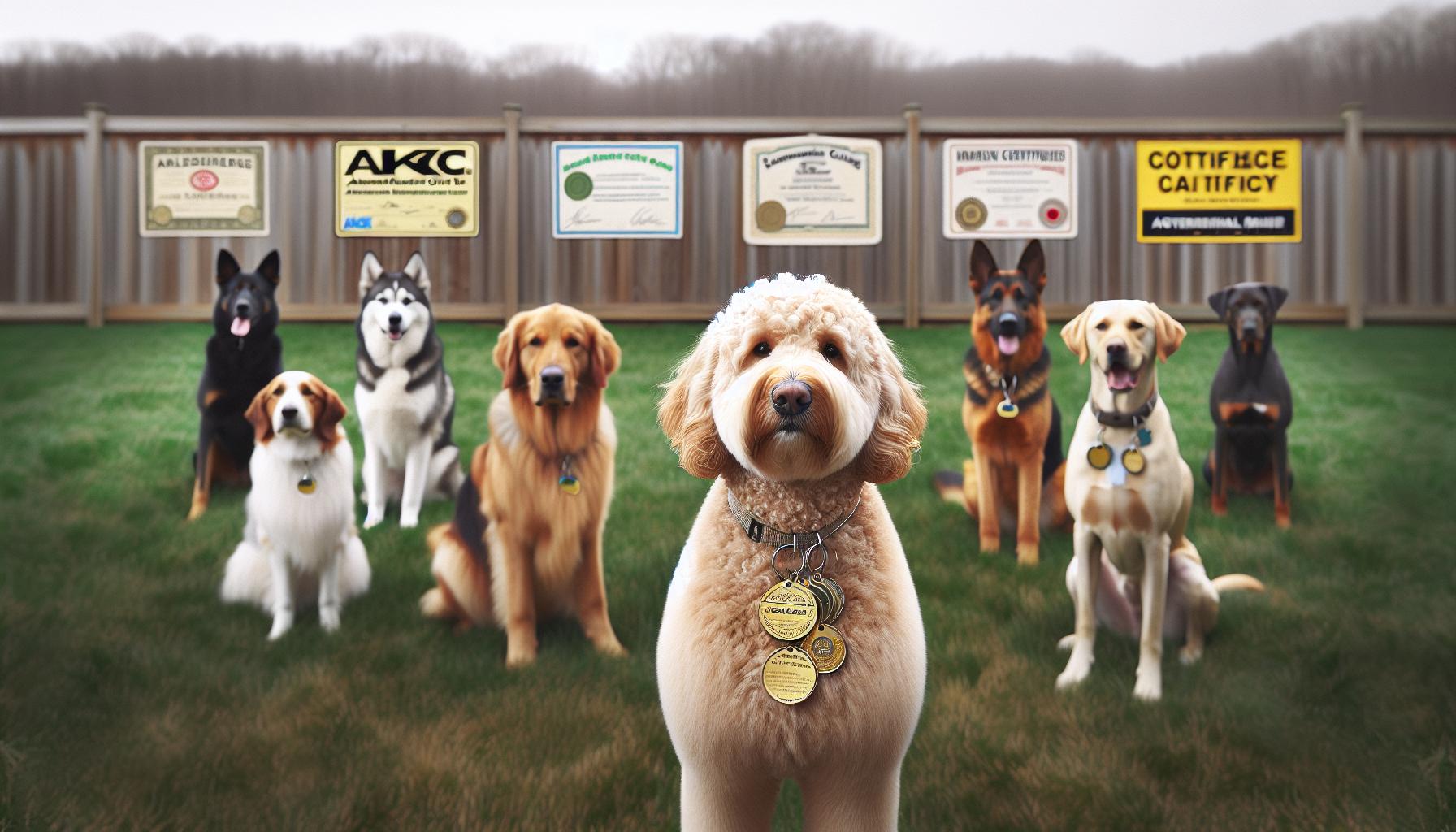
Does the AKC Recognize Labradoodles?
As one of the most popular hybrid breeds, the Labradoodle has captured the hearts of dog lovers worldwide with its friendly temperament and hypoallergenic coat. However, many potential owners wonder about the official recognition of this breed by the American Kennel Club (AKC). Presently, Labradoodles are not recognized as a distinct breed by the AKC. Instead, they fall under the category of “mixed breeds.” This status means that while they can participate in some AKC events, such as agility and obedience competitions, they are not eligible for conformation events or to compete for championship titles.
The lack of AKC recognition for Labradoodles stems from their status as a designer breed, created by crossing a Labrador Retriever with a Poodle. This intentional breeding aims to merge the desirable traits of both parent breeds, such as intelligence, friendly nature, and lower shedding. While enthusiasts continue to advocate for Labradoodles’ recognition, the AKC maintains specific breed standards that have not yet been met due to the variability seen in mixed breeds. Each Labradoodle can exhibit a wide range of traits, such as coat type and size, making it challenging to establish a uniform breed standard.
Despite not being AKC-recognized, Labradoodles have gained significant popularity and established their own community. Many breeders, organizations, and clubs focus on preserving the traits that make Labradoodles such beloved companions, even while navigating the nuances of mixed breeds. For those looking to get involved with the breed, understanding the dynamics of Labradoodle communities-both registered and non-registered-can provide valuable insights and connections for support and resources.
Understanding the Labradoodle Breed
The Labradoodle is more than just a designer breed; it’s a delightful combination of affections and energy that has charmed many families. Created by crossing a Labrador Retriever with a Poodle, Labradoodles were originally intended to be hypoallergenic service dogs, combining the intelligence of the Poodle with the friendly demeanor of the Labrador. This unique blending not only produced a dog that is eager to please but also creates a delightful companion that thrives on family interaction.
When considering the characteristics of Labradoodles, potential owners should anticipate a range of distinctive traits due to their mixed heritage. Labradoodles can vary significantly in appearance, size, and coat type. Most commonly, they exhibit a soft, curly coat similar to that of a Poodle, which can help with allergy concerns. However, they may also inherit the shedding tendencies of a Labrador, leading to the importance of selecting the right breeder who prioritizes consistent traits. Beyond their physical attributes, Labradoodles are known for their cheerful and sociable personalities. They are often described as playful, loyal, and intelligent, making them suitable for various lifestyles, from active families to emotional support roles.
To ensure a fulfilling relationship with a Labradoodle, one must also consider their unique care needs. Consistent training and socialization from an early age are crucial, as these spirited dogs can become quite exuberant without guidance. Regular exercise is essential-not only for their physical health but for their mental stimulation as well. A well-exercised Labradoodle is a happy one, often displaying a calming demeanor once their energy is dispensed. Lastly, grooming, which may involve regular brushing to manage their coat, is necessary to keep them looking their best and minimize matting.
In summary, goes beyond just their adorable looks; it’s about appreciating their blend of intelligence, affection, and energy. For those looking to welcome a Labradoodle into their lives, being aware of their needs and embracing the joy they bring will lead to a rewarding companionship-one that shines brightly, even if it isn’t formally recognized by the AKC.
The Rise of Designer Dogs: Labradoodles Explained
The Labradoodle is a perfect emblem of the design breed phenomenon that has gained tremendous popularity in recent years. They were originally bred in the late 1980s in Australia as a service dog intended for allergy sufferers. By crossing the intelligent Poodle with the friendly Labrador Retriever, breeders aimed to create a hypoallergenic dog that maintained the amiable temperament and trainability of a Labrador while minimizing shedding. This innovative approach not only highlighted the charm of mixed breeds but also opened the door for a wider acceptance of designer dogs in various roles, from family companions to therapy animals.
As the fascination with Labradoodles grew, so did their visibility. They quickly captured the hearts of dog lovers across the globe, becoming one of the most sought-after breeds. Owning a Labradoodle often means inviting a spirited personality into your home, one that thrives on human interaction, playtime, and mental challenges. Their playful nature and affection make them a delightful presence, perfect for families, singles, and seniors alike. Most Labradoodles boast a variety of coat types, from wavy to curly, offering both genetically-infused hypoallergenic qualities and unique styling options.
However, this rise in popularity also brings certain responsibilities. Potential owners must navigate the common challenges associated with mixed breeds, such as variations in appearance, behavior, and health traits. It’s essential to select a reputable breeder who conducts health testing and prioritizes the desirable characteristics of both parent breeds. This attention to ethics and breeding standards can make a significant difference in the happiness and health of future Labradoodle companions.
In addition to physical traits, it’s important to understand that Labradoodles are energetic and intelligent dogs that require consistent training and socialization. Engaging them with activities such as agility training, obedience exercises, and regular play will not only keep them happy but also foster their innate desire to please. By embracing the unique blend of traits that Labradoodles offer, families can find a lifelong companion that is as loving as they are lively.
What Does AKC Recognition Mean?
Labradoodles have captured the hearts of dog lovers worldwide, but many prospective owners often wonder what it means for a breed to be recognized by the American Kennel Club (AKC). AKC recognition is a significant milestone that can enhance a breed’s reputation, standardization, and overall acceptance in the canine community. When a breed achieves this status, it is not just an accolade; it becomes part of a larger community that values breed standards, health, and responsible breeding practices.
To be recognized by the AKC, a breed must meet specific criteria, including a well-documented history, a population of health-tested dogs, and an active breed club that supports its promotion and welfare. This means that recognized breeds must demonstrate consistent characteristics in terms of appearance, temperament, and behavior, ensuring that potential owners know what to expect. AKC recognition also opens doors for participation in various dog sports and events, including conformation shows, obedience competitions, and agility trials, thereby fostering a sense of community and engagement among breeders and owners alike.
However, it’s important to note that the AKC requires time and thorough evaluation before granting recognition. This rigorous process speaks to the organization’s commitment to the health and integrity of dog breeds. For owners of non-recognized breeds, like the Labradoodle, this means understanding the responsibilities that come with ownership and the realities of breed variability. Without AKC recognition, Labradoodles may still be accepted in many training and sporting events under mixed breed categories, but they miss out on the formal acknowledgment and structured standards set forth for recognized breeds.
In summary, while the absence of AKC recognition for Labradoodles does not reduce their value as wonderful companions, it highlights the importance of seeking reputable breeders who prioritize health and temperament in their breeding practices. By focusing on responsible breeding and training, prospective Labradoodle owners can still enjoy a fulfilling experience with their furry friends, while contributing positively to the ongoing conversation around the value and place of designer dogs in our society.
Current Status of Labradoodles with the AKC
While Labradoodles have gained immense popularity as beloved family pets and service animals, they currently do not have official recognition from the American Kennel Club (AKC). This status has prompted numerous discussions among dog enthusiasts and potential owners about what it means for a breed to be recognized and the implications surrounding that absence. Understanding the involves diving deeper into the criteria for recognition, the active efforts being made for future acknowledgment, and the impact on owners and breeders.
The AKC has a rigorous process for recognizing dog breeds, which includes documentation of breed standards, history, and health testing among a stable population of dogs. As a mixed breed arising from the Labrador Retriever and the Poodle, Labradoodles represent a blending of characteristics rather than a standardized breed. This lack of a consistent breed standard makes it challenging for the AKC to officially recognize them. Despite this, the increasing community of Labradoodle owners and breeders is advocating for their inclusion. Many are actively participating in discussions and forming clubs that focus on health, training, and overall breed welfare, which are essential steps toward meeting AKC standards.
For prospective owners, this non-recognition does not diminish the joy and companionship that Labradoodles can bring. It is crucial for potential owners to seek out reputable breeders who prioritize health testing and responsible breeding practices. When considering a Labradoodle, inquire about health clearances and understand the variability in temperament and appearance that comes with designer breeds. This knowledge equips owners to make informed choices, fostering a positive experience with their new pets.
Moreover, while Labradoodles may not participate in AKC-sanctioned shows, they can still compete in various other events under mixed breed categories, such as agility and obedience competitions. This inclusivity allows owners to engage with their pets in meaningful ways and emphasizes the talents and capabilities of Labradoodles as intelligent and trainable companions. By continuing to support responsible breeding and engaging in community activities, owners can help pave the way for future recognition and the celebration of this cherished breed.
Comparison of AKC and Non-AKC Recognized Breeds
Understanding the distinction between AKC-recognized breeds and non-AKC recognized breeds can be enlightening for prospective dog owners. The American Kennel Club (AKC) maintains a strict protocol for recognizing breeds, which includes a thorough evaluation of breed history, characteristics, and health standards. In contrast, non-AKC recognized breeds, like Labradoodles, are often designer mixes without a standardized breed identity, leading to a diverse range of appearances and temperaments.
One significant difference lies in the predictability of characteristics. AKC breeds typically have established standards that outline expected traits such as size, coat type, and behavior, allowing potential owners to have a clearer picture of what to expect. For example, the Golden Retriever or the Beagle has specific physical and personality traits that can be anticipated due to their long-standing recognition. Conversely, Labradoodles, being a mix of Labrador Retrievers and Poodles, can vary widely in size, coat texture, and even temperament, making each dog a unique blend of its parent breeds.
In terms of demonstrating excellence in competitions, AKC recognition often means that breeds can participate in prestigious AKC events, including conformation shows. While Labradoodles cannot compete in these traditional events, they can engage in performance activities like agility or obedience trials under mixed breed categories. This openness allows Labradoodle owners to showcase their dogs’ skills and intelligence, which are inherent in both parent breeds.
When choosing between AKC and non-AKC breeds, it’s essential for owners to conduct thorough research. For AKC breeds, understanding specific health concerns and breed characteristics can lead to a better match for an owner’s lifestyle. For non-AKC breeds like Labradoodles, seeking out reputable breeders who emphasize responsible breeding practices becomes vital. Asking about health screenings and the variability within breed characteristics can ensure a positive experience and better health outcomes for the dog.
Ultimately, whether you opt for an AKC-recognized breed or a non-AKC hybrid, fostering an understanding of breed traits and investing in responsible dog ownership is key to building a loving and lasting relationship with your new furry friend.
Labradoodle Traits: Temperament and Appearance
Labradoodles, the charming hybrid of Labrador Retrievers and Poodles, are not only adorable but also boast a delightful blend of personalities and looks that captivate dog lovers everywhere. Their energetic disposition and affectionate nature make them ideal companions for families, singles, and seniors alike. Known for their intelligence and eagerness to please, Labradoodles often excel in training and can adapt to a variety of living situations, alongside being friendly towards kids and other pets.
Temperament
The Labradoodle’s temperament is generally characterized by a blend of its parent breeds. These dogs tend to be:
- Affectionate: Labradoodles thrive on companionship and love to be part of family activities, frequently seeking out cuddles and human interaction.
- Intelligent: They inherit the cleverness of both the Labrador and the Poodle, making them highly trainable and responsive to commands.
- Playful: With their joyful and spirited nature, Labradoodles are always ready for fun, whether it be a game of fetch or a run in the park.
- Social: These dogs typically get along well with children, other dogs, and even pets, making them great family dogs.
However, it’s essential for owners to provide proper socialization and consistent training from an early age to cultivate their desirable traits while minimizing any potential for anxiety or overexcitement.
Appearance
When it comes to appearance, Labradoodles can vary significantly due to their mixed breed nature. They typically come in three sizes-standard, medium, and miniature-depending on the size of the Poodle parent.
| Size | Weight Range | Height Range |
|---|---|---|
| Standard | 50-65 lbs | 21-24 inches |
| Medium | 30-45 lbs | 17-20 inches |
| Miniature | 15-30 lbs | 14-16 inches |
Their coat can vary widely, too, ranging from curly, like a Poodle’s, to wavy or even straight, like a Labrador’s. This variation can lead to differences in grooming needs; while some Labradoodles may require regular trims and brushing to prevent matting, others may have a coat that is easier to manage. Regardless of their coat type, Labradoodles are typically low-shedding, which is one of the reasons they are popular among families with allergies.
Understanding the distinct traits of Labradoodles will help you appreciate not just their physical charm but also the depth of their personalities. Their loving nature and playful spirit can bring immense joy to any home, provided they receive the love, care, and training they deserve.
Care Needs: Training, Grooming, and Exercise
Caring for a Labradoodle is as rewarding as it is essential, especially given their eager-to-please nature. This delightful breed thrives on engagement, whether through training, exercise, or grooming. Establishing a routine that incorporates mental stimulation and physical activity will not only keep your Labradoodle healthy but also reinforce the strong bond you share.
Training
Training a Labradoodle can be an enjoyable experience for both you and your pup. Starting training early-ideally as a puppy-can help them develop good habits and adapt to various situations. Positive reinforcement techniques, such as treats and praise, work wonders with their intelligent nature. For instance, teaching commands like “sit,” “stay,” and “come” can be accomplished through short, fun sessions that keep their interest piqued. Socialization is another crucial aspect; exposing your Labradoodle to different environments, people, and other dogs will cultivate a well-rounded temperament, helping to prevent anxiety or overexcitement in adulthood.
Grooming
Grooming needs for Labradoodles can vary widely depending on their coat type, which may be curly, wavy, or straight. Regular brushing is key to avoiding mats and tangles, especially for those with curlier coats. Aim for at least a few times a week, but daily brushing might be necessary for those with thicker, curlier fur. Bathing should be done every few months unless they get particularly dirty. A good grooming tip is to brush them before bath time; this makes decluttering loose hair easier. Regular trips to a professional groomer can also help keep their coat in top shape.
Exercise
As active dogs, Labradoodles require ample exercise to stay fit and happy. Aim for at least an hour of physical activity each day, which can include walks, playing fetch, or even swimming, as many Labradoodles love water! Activities that stimulate their minds, like puzzle toys or agility training, can also be beneficial. Incorporating a variety of exercises will keep things interesting for your pup and contribute to their overall well-being.
In conclusion, providing proper training, grooming, and exercise tailored to their unique needs will ensure your Labradoodle flourishes both physically and emotionally. This investment of time and love will undoubtedly be returned tenfold in companionship and joy.
Popular Labradoodle Variations and Their Differences
Labradoodles come in a range of sizes and coat types, primarily influenced by the Poodle parent, leading to several popular variations. Understanding these differences not only aids potential owners in making an informed choice but also enhances the overall experience of living with this enthusiastic and loving breed.
One of the first distinctions you’ll encounter is between Standard, Medium, and Miniature Labradoodles. The size of the Poodle parent determines this classification. Standard Labradoodles, typically weighing over 50 pounds, are ideal for families with ample space, as they thrive on outdoor activities. Meanwhile, Medium Labradoodles, ranging from 30 to 45 pounds, serve as a perfect bridge for those with moderate living spaces. Miniature Labradoodles, weighing between 15 to 30 pounds, appeal to individuals or families in smaller homes or apartments who still seek the playful characteristics of a Labradoodle without the larger size.
Beyond size, coat type plays a significant role in the Labradoodle’s maintenance and suitability for potential owners, especially those with allergies. Their coats can be curly, wavy, or straight, each requiring different grooming routines. Curly coats are often the most hypoallergenic but demand regular professional grooming to prevent matting. Wavy coats combine low-shedding properties with a soft texture, making them both manageable and visually appealing. Straight coats, while easier to maintain, may shed more dander and hair, which could be a concern for allergy sufferers.
As you consider the right Labradoodle for your lifestyle, evaluating both size and coat type will help you match a Labradoodle’s needs with your living situation, grooming commitment, and lifestyle preferences. Engaging with a reputable breeder will provide insight into specific traits and behaviors, ensuring that you find a Labradoodle that not only fits your home but also complements your family dynamic perfectly.
The Future of Labradoodles in Dog Shows
The Labradoodle, widely cherished for its friendly demeanor and allergen-friendly coat, stands at a fascinating crossroads regarding its future in dog shows, particularly with the American Kennel Club (AKC). While Labradoodles have surged in popularity and won the hearts of many dog lovers, they currently do not hold AKC recognition as a distinct breed. This situation opens a dialogue about the evolving nature of dog shows and the place of hybrid breeds within this traditional framework.
As dog enthusiasts continue to embrace Labradoodles for their intelligence and affectionate nature, their absence from the AKC’s officially recognized breeds poses questions about competition and recognition. The Labradoodle, as a crossbreed between a Labrador Retriever and a Poodle, embodies desirable traits from both parents, yet the lack of standardization in appearance or temperament often raises challenges for judges accustomed to evaluating purebred dogs. This inconsistency invites ongoing discussions in the dog community about what constitutes breed identity and show eligibility.
Despite this unique position, Labradoodles have made notable strides in other venues, particularly within organizations that celebrate mixed breeds. Various dog shows and competitions offer categories where Labradoodles can shine, showcasing their agility, obedience, and personality without the constraints of strict breed standards. Engaging in these events allows Labradoodle owners to demonstrate their pet’s skills and charm while promoting the breed’s positive attributes.
Looking ahead, as the demand for designer breeds like the Labradoodle continues to grow, it’s possible that dedicated advocates within the community may push for more recognition in formal platforms. This change would not only benefit Labradoodles but could also encourage the AKC to establish clearer guidelines for hybrid breeds, potentially leading to a more inclusive environment for all dogs in the fantastic world of canine competition. As the landscape of dog shows evolves, the future of Labradoodles could see them stepping into the spotlight, fulfilling their potential as stars in the realm of canine excellence.
How to Find a Reputable Labradoodle Breeder
Finding a reputable Labradoodle breeder is crucial for ensuring you bring home a healthy, well-tempered puppy. With the rising popularity of this designer breed, it’s important to cut through the noise and focus on responsible breeding practices. Reputable breeders prioritize the health and temperament of their puppies, provide proper socialization, and have a clear understanding of the breed’s traits. Here are some tips to guide you in your search.
Key Attributes of a Reputable Breeder
When searching for a Labradoodle breeder, look for the following characteristics:
- Health Testing: A responsible breeder will conduct health tests on both parent breeds (Labrador Retriever and Poodle) for common genetic conditions, such as hip dysplasia, elbow dysplasia, and eye disorders.
- Transparent Environment: Visit the breeder’s facility to see the conditions in which the puppies are raised. Clean, spacious environments with adequate socialization are crucial for healthy development.
- Knowledge and Involvement: A good breeder should have extensive knowledge about Labradoodles, their traits, and their care. They should also be involved in the breed community and possibly participate in dog shows or activities.
- References and Reviews: Ask for references from previous puppy buyers. An established breeder will have a history of satisfied customers willing to share their experiences.
What to Expect from Your Breeder
A reputable breeder should not only provide you with a puppy but should also aim to educate you about your new companion. Expect to receive a comprehensive package that includes:
- Puppy Health Guarantee: This should cover initial health checkups and vaccinations.
- Contractual Agreement: This outlines your responsibilities as an owner and the breeder’s commitments.
- Post-Purchase Support: A good breeder will remain available for questions regarding training and care, which is especially helpful for first-time dog owners.
Choosing the right breeder is an investment in your dog’s health and well-being. By following these tips and prioritizing ethical practices, you’ll be better equipped to find a loving Labradoodle companion while contributing to the responsible growth of this beloved breed.
Labradoodles and Their Role in Therapy and Assistance
Labradoodles have garnered attention not only for their adorable looks but also for their remarkable roles in therapy and assistance. Their friendly nature and intelligence make them exceptional candidates for service work. Many Labradoodles serve as therapy dogs in hospitals, schools, and nursing homes, providing comfort and emotional support to those in need. Their affectionate personalities inspire confidence and joy, making them a perfect fit for therapeutic environments.
When training a Labradoodle for therapy or assistance, it’s essential to start early with socialization and basic obedience. These dogs thrive on positive reinforcement, so incorporating engaging and fun training sessions will help them excel. Labradoodles are generally eager to please, which makes them responsive learners. They can be taught various tasks, such as alerting to changes in their owner’s behavior or fetching items, making them valuable partners for individuals with disabilities.
In terms of adaptability, Labradoodles can excel in different therapeutic contexts-be it with children who require emotional support or adults navigating the challenges of chronic illnesses. Their gentle demeanor and playful nature foster a warm and reassuring presence. Moreover, their low-shedding coats make them a popular choice for those with allergies, allowing even more people to benefit from their companionship.
If you’re considering a Labradoodle for therapy or assistance work, ensure to choose one from a responsible breeder who prioritizes health and temperament. This foundation is crucial for their success in this noble role. Remember, commitment to training and regular social interactions is key to developing a well-rounded therapy dog. As you embark on this journey with your Labradoodle, you’re not just gaining a pet; you’re gaining a loyal companion that has the potential to change lives.
Faq
Q: Does the AKC recognize Labradoodles as an official breed?
A: No, the American Kennel Club (AKC) does not recognize Labradoodles as an official breed. They are classified as a “designer dog,” a crossbreed of the Labrador Retriever and Poodle. While popular, they currently fall under the Miscellaneous Class with no full breed status.
Q: What is the significance of AKC recognition for Labradoodles?
A: AKC recognition signifies that a breed meets certain standards and can compete in sanctioned dog shows. Without this recognition, Labradoodles cannot participate in AKC events, which limits their exposure in official canine competitions.
Q: Are there any organizations that recognize Labradoodles?
A: Yes, several organizations recognize Labradoodles, such as the International Labradoodle Association (ILA) and the Designer Breed Registry (DBR). These organizations provide breed standards and registration options specifically for Labradoodles.
Q: What breeds are involved in the Labradoodle’s ancestry?
A: Labradoodles are a cross between the Labrador Retriever and the Poodle. Depending on the specific type of Labradoodle, they can come from different sizes of Poodles, such as Standard, Miniature, or Toy Poodles, which can influence their size and traits.
Q: Can I register a Labradoodle with the AKC?
A: No, you cannot register a Labradoodle with the AKC as they do not recognize the breed. However, you can register them with alternative organizations that accept designer breeds for a record of lineage and participation in events.
Q: What traits can I expect from Labradoodles?
A: Labradoodles typically inherit traits from both parent breeds, such as intelligence, friendliness, and a non-shedding coat from the Poodle side. Their temperament is generally lively and sociable, making them great family pets.
Q: Are Labradoodles suitable for dog shows?
A: While Labradoodles cannot compete in AKC-sanctioned dog shows due to lack of recognition, they may compete in other venues, such as fun shows or events hosted by alternate organizations that accept mixed breeds.
Q: How can I find a reputable Labradoodle breeder?
A: To find a reputable Labradoodle breeder, research certified breeders through organizations like the Labradoodle Association of North America (LANA). Look for breeders who prioritize health testing and provide health guarantees, as well as transparent breeding practices.
Final Thoughts
Curious whether the American Kennel Club (AKC) recognizes Labradoodles? While they aren’t officially recognized as a breed yet, the growing popularity of Labradoodles means there’s plenty of information and resources available for owners and enthusiasts alike. If you’re considering welcoming a Labradoodle into your family, dive into our comprehensive guides on breed care, training tips, and health considerations to ensure you’re well-prepared.
Don’t miss out on essential insights-explore our articles on “Best Practices for Training Your Labradoodle” and “Understanding Labradoodle Health: What Every Owner Should Know.” Your journey with your Labradoodle can be incredibly rewarding, so act now and equip yourself with the knowledge to support a happy, healthy life for your furry friend. Share your thoughts in the comments below or sign up for our newsletter for ongoing tips and community support!