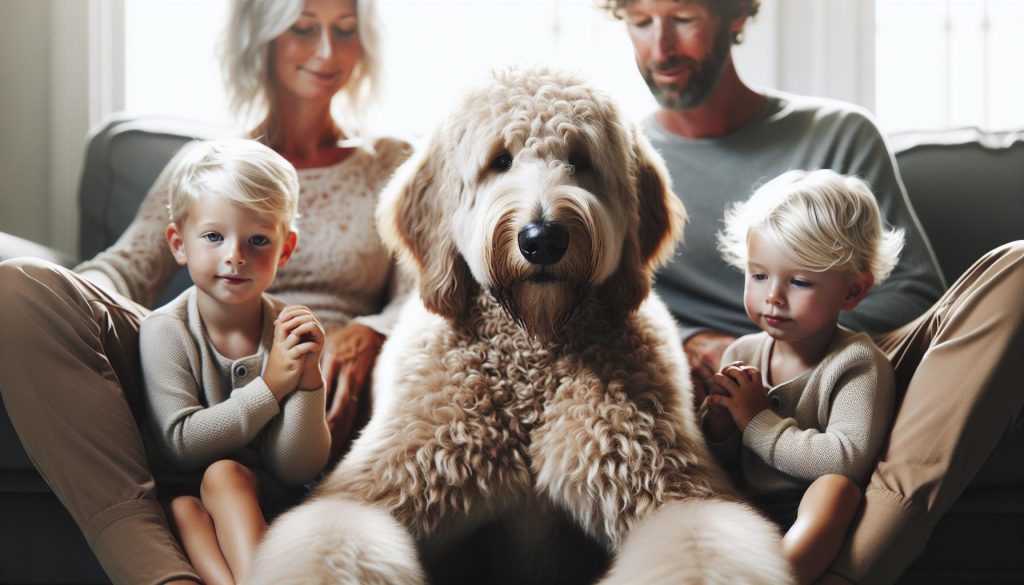
When considering adding an F1B Labradoodle to your family, understanding their size is crucial for preparing your home and lifestyle. Did you know that F1B Labradoodles can vary significantly, influenced by the size of their parent breeds? Knowing how big they typically grow can help you choose the right fit for your living space and lifestyle, whether you live in a cozy apartment or a spacious house with a yard. As a potential owner, you’ll want clarity on their growth patterns, especially as they transition from adorable puppies to fully-grown companions. This guide will provide valuable insights into the size ranges of F1B Labradoodles, helping you make an informed decision and ensuring you’re ready for the joy and challenges that come with this affectionate breed. Stay with us to explore the nuances of their growth and what it means for your new furry friend!
How F1B Labradoodles Compare in Size to Other Generations
When considering , it’s essential to understand that this particular blend often results in a remarkable balance between both parent breeds – the Labrador Retriever and the Poodle. The first generation (F1) Labradoodle typically exhibits a range of sizes due to the influence of the genes from both parent breeds. However, the F1B variation-where an F1 Labradoodle (which is already 50% Labrador and 50% Poodle) is bred back to a purebred Poodle-tends to emphasize the Poodle’s traits more significantly.
F1B Labradoodles are generally smaller than standard Labradoodles but can vary significantly in size based on genetics. For a clearer perspective, let’s look at a comparison of average heights and weights:
| Generation | Height (inches) | Weight (pounds) |
|---|---|---|
| F1 Labradoodle | 21-24 | 50-65 |
| F1B Labradoodle | 18-22 | 40-55 |
| F2 Labradoodle | 20-24 | 50-70 |
As illustrated, F1B Labradoodles usually fall on the smaller end of the scale compared to their F1 and F2 counterparts. This can make them particularly appealing for families living in smaller homes or apartments since they often require less space.
The genetic makeup of an F1B also has implications beyond size, influencing coat type and demeanor. Many owners find that F1B Labradoodles often have a curlier, hypoallergenic coat due to the increased Poodle influence, which may also affect perceived weight and size when considering grooming needs.
Ultimately, understanding the size differences among Labradoodle generations can help potential owners make informed decisions that best fit their lifestyle and living situations. This knowledge not only fosters better preparation for your new furry friend but also ensures that you choose the generation that aligns with your home dynamics and activity levels.
Understanding the Genetics Behind F1B Size
When considering the size of F1B Labradoodles, it’s fascinating to explore how genetics play a pivotal role in shaping these adorable companions. The F1B Labradoodle results from crossing an F1 Labradoodle-51% Poodle and 49% Labrador-with a purebred Poodle. This backcrossing results in puppies that tend to showcase more Poodle characteristics, including size, coat type, and even temperament.
The genetic makeup of an F1B Labradoodle can significantly affect its growth pattern. While F1 Labradoodles are typically larger due to their mixed genetic lineage, the F1B version usually presents a smaller average size. This shift is primarily influenced by the Poodle’s genetic traits taking precedence. Poodles, including standard, miniature, and toy varieties, vary significantly in size, which means that the specific type of Poodle used in breeding can further affect the puppies’ ultimate sizes. By leaning towards the Poodle’s genetics, F1B Labradoodles often display a range of sizes that are more predictable than F1s.
Understanding these genetic influences helps prospective owners set realistic expectations. The typical height for F1B Labradoodles falls between 18-22 inches and their weight ranges from 40-55 pounds. In portraying these expected sizes, it becomes easier for potential owners to decide on the right generation that fit their lifestyle-especially if space is a concern. F1B Labradoodles often adapt well to apartment living or smaller homes while still bringing all the zest and affection of a larger dog into the household.
Moreover, genetics also determine health predispositions and overall well-being. This understanding reinforces the importance of responsible breeding practices that prioritize health and temperament alongside size. Thus, by paying attention to genetic lineage, potential owners can ensure they are bringing home a F1B Labradoodle that complements their living situation and family dynamics perfectly.
What Factors Influence F1B Labradoodle Growth?
The growth of an F1B Labradoodle is influenced by a variety of factors that encompass genetics, diet, environment, and overall care. One of the primary elements affecting their size is genetics. As F1B Labradoodles are a backcross between an F1 Labradoodle and a purebred Poodle, the traits from both parents can play a significant role in determining the puppy’s final size and characteristics. This backcrossing typically results in puppies that lean more towards the Poodle’s size and coat attributes, which can lead to more predictable growth patterns compared to F1 Labradoodles.
Another critical factor is nutrition. A balanced diet is vital for the healthy development of any growing dog, particularly in the early stage of life. High-quality puppy food that meets their nutritional needs aids in achieving optimal growth and maintaining a healthy weight. It’s essential for owners to consult with veterinarians to identify the best feeding schedule and dietary choices tailored to their F1B Labradoodle’s age, weight, and activity level. Proper hydration and portion control also play essential roles in the growth journey.
Environment and Socialization
The environment in which an F1B Labradoodle is raised significantly impacts its growth and behavior. A stimulating environment that encourages physical activity and mental engagement can promote healthy muscle development and prevent obesity. Regular playtime, walks, and age-appropriate exercise contribute to a dog’s physical health and maintain a healthy weight. Additionally, socialization is crucial during the puppy stage; exposure to different settings, people, and other animals ensures they develop naturally and confidently.
Lastly, individual health conditions and veterinary care are essential factors. Regular check-ups can identify any developmental or health issues early, allowing for timely interventions. Responsible breeders often conduct health screenings on their breeding stock to minimize genetic predispositions to certain health problems. Thus, all these elements combine to influence the growth trajectory of your F1B Labradoodle, making responsible breeding practices, tailored nutrition, and a supportive environment vital for producing a happy, healthy puppy.
Average Weight and Height of F1B Labradoodles
The allure of F1B Labradoodles lies in their charming appearance and lovable temperament, and understanding their average size is crucial for prospective owners. Generally speaking, F1B Labradoodles range in height from about 15 to 24 inches at the shoulder, with their weight varying significantly between 25 to 65 pounds. This broad range arises from the diversity in Poodle sizes, as they can be Standard, Miniature, or Toy. Thus, the size of your F1B Labradoodle can greatly depend on whether it inherits more traits from the Poodle side or the Labrador Retriever side.
As these pups grow, their size can be roughly categorized by their parent sizes. For instance, Standard F1B Labradoodles, which are a cross between a Standard Poodle and an F1 Labradoodle, will typically be on the larger end of that spectrum, while those with a Miniature Poodle lineage will be smaller and lighter. This unpredictability adds an element of excitement when you first get your pup, as each one can be a surprise regarding size!
To give you a clearer idea, here’s a simplified breakdown of average heights and weights by expected F1B Labradoodle size categories:
| Size Category | Expected Height (inches) | Expected Weight (pounds) |
|---|---|---|
| Standard | 21-24 | 50-65 |
| Medium | 18-20 | 30-50 |
| Miniature | 15-17 | 25-35 |
Selecting the right size and understanding their potential growth can help prepare for the type of environment they’ll need. Ensure your living space can accommodate their growth, and consider any weight-related health issues as your pup matures. With proper care, an F1B Labradoodle can thrive and become a cherished member of the family, perfectly fitting into your lifestyle and home.
Age Milestones for F1B Labradoodle Growth
The journey of watching your F1B Labradoodle grow is both thrilling and rewarding, filled with numerous age milestones that signify their developmental stages. Knowing what to expect at each stage not only prepares you but also enhances your ability to cater to their needs as they transition from a tiny puppy to a full-grown companion.
During the early puppy stage, which lasts until about 8 weeks, F1B Labradoodles will primarily focus on bonding with their mother and littermates. At this age, they typically weigh between 5 to 10 pounds, depending on their size category. Socialization is crucial; exposing them to various sights, sounds, and experiences will shape their temperament in the long run. For instance, a standard-sized F1B will likely be larger than miniature counterparts, but all puppies should be gently introduced to the world around them.
From 8 weeks to around 6 months, your pup will enter the critical growth phase. This stage is characterized by rapid growth, and a standard F1B Labradoodle could gain an impressive 1-2 pounds per week! By the time they reach six months, you can expect them to stand approximately 50-70% of their adult height. Regular vet check-ups during this growth spurt are essential, as your veterinarian can provide insights into weight gain and dietary needs. Nutritional balance is key to ensuring their bones and muscles develop correctly, so consult your vet about high-quality puppy food suited to their size and energy levels.
As your F1B Labradoodle approaches their first year, growth will slow down significantly. By the end of this stage, around 12 months, they should be close to their adult height, and weight gain will taper off. Standard F1B Labradoodles can weigh anywhere from 50-65 pounds, while miniatures generally range between 25-35 pounds. Pay attention to their body condition-regular exercise and balanced meals will help avoid excessive weight gain, a common concern in dogs during this age.
Finally, ongoing health assessments will become a frequent part of your routine as they grow older. A well-balanced diet, consistent exercise, and social engagement will support their health into adulthood. Watching them grow, while sometimes challenging, is incredibly fulfilling. Embrace each milestone, and remember that your love and care play pivotal roles in shaping a happy, healthy Labradoodle companion.
Is Your F1B Labradoodle Growing as Expected?
Watching your F1B Labradoodle grow can be a source of immense joy, but it also comes with its fair share of concerns about whether they are meeting growth expectations. One common approach to monitoring your pup’s growth is to compare their weight and height against breed standards and age milestones. Understanding these benchmarks is crucial for new owners eager to ensure their furry friend is healthy and thriving throughout their developmental stages.
F1B Labradoodles typically fall into two size categories: standard and miniature. To help you gauge your dog’s growth accurately, it’s important to know the average height and weight ranges for each category as they mature. For instance, by the time they are six months old, standard-sized F1Bs might weigh between 25 to 35 pounds, while miniatures could be slightly less. At the one-year mark, standard F1Bs often reach an adult weight of 50 to 65 pounds, while miniatures generally fall in the 25 to 35-pound range. Regularly weighing your Labradoodle and comparing it against these averages can give you a clear idea of whether they are on track.
In addition to weight and size, you should also keep an eye on their overall behavior and energy levels. Puppies that are growing as expected tend to exhibit healthy curiosity and playfulness, while those that are lagging may display lethargy or reluctance to engage. Factors such as diet, exercise, and genetics play a pivotal role in their growth. For example, F1B Labradoodles that receive balanced nutrition and ample exercise generally develop stronger muscles and better bone structure. Whether you’re working on house-training or teaching your pup new tricks, maintaining an active and stimulating environment is essential for their growth and wellbeing.
If you ever have doubts about whether your F1B Labradoodle is growing as expected, consulting with your veterinarian is always a good idea. They can offer valuable insights into your pup’s growth patterns, recommend dietary adjustments, or suggest exercises that cater to their specific needs. Remember, each Labradoodle is unique, and variations in size are normal; the goal is to ensure they are growing into a healthy and happy adult. Trust your instincts as a dog owner and enjoy the remarkable journey of watching your furry companion mature!
Health Considerations for Growing F1B Labradoodles
As your F1B Labradoodle grows, one of the most exciting yet challenging aspects is ensuring they remain healthy and happy throughout their developmental stages. While these dogs are known for their friendly temperament and hypoallergenic coats, they can also inherit certain health considerations that are important for owners to be aware of. Early detection and prevention can make a significant difference in your dog’s quality of life, so let’s delve into the key health considerations for F1B Labradoodles.
Regular veterinary check-ups should be a cornerstone of your care regimen. These visits are crucial for tracking your dog’s growth, addressing vaccinations, and screening for common breed-related health issues. Some conditions to watch for in Labradoodles include hip dysplasia, which is often hereditary and can lead to arthritis if not managed with proper weight and exercise; eye disorders such as progressive retinal atrophy; and skin issues related to allergies. Maintaining an open line of communication with your veterinarian will ensure that any concerns are addressed promptly and that your dog receives appropriate preventative treatments.
Nutrition is another vital aspect of health as your F1B Labradoodle matures. Feeding your pup a well-balanced diet that is appropriate for their size and life stage helps support their growth and immune system. Look for high-quality dog food that lists real meat as the first ingredient and avoid fillers like corn or soy. Moreover, the introduction of supplements, such as omega fatty acids, can enhance their coat health and support joint functionality, making them more resilient to age-related ailments. Regularly consult your vet to tailor the diet based on your Labradoodle’s specific needs.
Exercise and Mental Stimulation
F1B Labradoodles thrive on both physical and mental activity. Regular exercise is essential to maintain a healthy weight and muscle tone, as well as to alleviate boredom which can lead to destructive behaviors. Aim for daily walks, play sessions, or canine sports that stimulate both the body and mind. Incorporating training activities not only strengthens your bond but also provides necessary mental stimulation, making your dog happier and healthier overall.
- Daily walks: At least 30 minutes to an hour.
- Interactive toys: To challenge their minds.
- Training sessions: Short but frequent to maintain interest and focus.
Be attentive to any signs of discomfort or changes in behavior. Whether it’s a reluctance to participate in play or changes in eating habits, these could be indicators of underlying issues that may need veterinary attention. Growing up, your F1B Labradoodle will benefit from a loving home environment that promotes health, wellness, and happiness. Investing time in their physical and emotional well-being will help them grow into the thriving adult dog you envision.
Feeding Guidelines for Optimal Growth in F1B Labradoodles
Feeding your F1B Labradoodle correctly is essential for their growth, health, and overall well-being. These lively dogs, a delightful mix of a Poodle and a Golden Retriever, require a balanced diet that supports their unique genetic makeup and energetic lifestyle. As they grow, their nutritional needs evolve, making it crucial for owners to adapt their feeding strategies accordingly to ensure optimal health and weight management.
A high-quality diet tailored to your F1B Labradoodle’s age, size, and activity level will promote healthy development. Look for dog foods that prioritize real meat as the primary ingredient, as this protein source helps build strong muscles. While shopping, it’s important to avoid diets laden with fillers such as corn and soy, which offer minimal nutritional value. Additionally, consider incorporating balanced kibble mixed with wet food to provide variety, moisture, and enhance palatability, especially for picky eaters or younger pups who may benefit from softer textures.
Additionally, the introduction of healthy supplements can further enhance their diet. Omega fatty acids are particularly beneficial, supporting skin and coat health while also contributing to joint care-an important consideration as Labradoodles can be predisposed to hip dysplasia. However, any dietary changes should be made gradually to avoid stomach upset; mixing in new food with current kibble over a week or so is an effective strategy. Regular consultations with your veterinarian can help tailor a nutrition plan that best meets your pup’s needs.
Remember, how you feed is just as important. Establishing a routine is pivotal; feed your F1B Labradoodle at the same times each day to help regulate their metabolism and prevent overeating. Monitor their weight closely, particularly as they transition from puppyhood to adulthood. Any sudden weight changes can signal health issues or dietary adjustments that may be necessary. By providing them with a well-balanced diet and paying attention to their individual needs, your F1B Labradoodle can thrive, grow to their full potential, and lead a joyful, active life.
Training and Activity Needs for Different Sizes
Every F1B Labradoodle is a bundle of energy and personality, and understanding their training and activity needs based on size can help you provide the most fulfilling life for your furry friend. Generally, F1B Labradoodles can vary greatly in size, depending largely on whether their Poodle parent is a toy, miniature, or standard Poodle. This variability in size leads to differing needs for training and exercise, but there are some universal truths that every owner should keep in mind.
For smaller F1B Labradoodles, like those bred from toy Poodles, their exercise requirements can be somewhat less demanding-though they definitely won’t want to miss out on playtime! A few short walks and play sessions throughout the day could suffice to keep them happy and healthy. Consider incorporating indoor activities, such as puzzle toys or agility training, to keep them mentally stimulated without the need for long outdoor excursions. Larger F1B Labradoodles, particularly those derived from standard Poodles, have significantly higher energy levels. These dogs thrive on vigorous exercise; daily walks of at least an hour and plenty of playtime in a fenced yard or dog park are ideal. Activities like fetch, swimming, or participation in dog sports can help manage their energy and prevent boredom, which can lead to destructive behavior.
Regardless of size, proper training tailored to your F1B Labradoodle’s development stage is essential. Early socialization and basic obedience training can set a solid foundation that not only enhances their behavior but also strengthens your bond. Use positive reinforcement techniques, such as treats and praise, to encourage good behavior. Remember, consistency is key. Whether you are working with a petite pup or a more robust companion, establishing a regular training schedule will help them learn more effectively.
As they grow, it’s crucial to adjust both their training and activity levels to match their physical and mental development. For instance, while puppies may require shorter training sessions packed with a lot of fun, adult Labradoodles can benefit from more structured activities and longer durations. Regularly assess your Labradoodle’s energy levels and adjust accordingly.
In summary, being attuned to their unique needs based on size will help you provide the right environment for your F1B Labradoodle to thrive. Remember to mix fun, engaging activities with proper training techniques to keep them happy and healthy as they grow. With love and attention, your Labradoodle will not only learn but also flourish in your home.
Common Myths About F1B Labradoodle Sizes
Many potential Labradoodle owners have questions about their size, leading to a variety of myths and misconceptions about F1B Labradoodles. One common myth is that all F1B Labradoodles will be the same size, which is simply not true. The size of an F1B Labradoodle can vary significantly depending on whether the Poodle parent is a toy, miniature, or standard. Essentially, this means that you could end up with a pup that is anywhere from 20 to 65 pounds and standing between 14 to 24 inches tall at the shoulder.
Another prevalent misconception is that F1B Labradoodles will always be smaller than their F1 counterparts. While F1B Labradoodles-where the second generation is bred back to a purebred Poodle-can often have a size advantage, it is important to note that they can still grow large. In fact, if bred from a standard Poodle, they may grow just as large, if not larger, than an F1 Labradoodle. Thus, if you’re hoping for a smaller lap dog, be sure to check the lineage carefully.
People also frequently believe that the size of the puppy can be predicted solely based on the size of the parents. While the size of the parents plays a significant role, genetics can be unpredictable. Just like humans, puppies can inherit a mix of traits from their parent breeds, meaning two perfectly average-sized parents can still produce a pup that dramatically diverges in size.
Lastly, there’s a myth that F1B Labradoodles will stop growing by a certain age. While it’s true that most dogs reach their full size by about 12 months, some larger breeds can continue to fill out until they are 18 months to 2 years old. This is crucial information for new owners as it highlights the importance of ongoing nutrition, training, and socialization well into their dog’s early adulthood.
By debunking these myths, you’re better equipped to provide a loving home and the right care for your F1B Labradoodle, ensuring they grow into happy, healthy companions.
Preparing Your Home for a Growing F1B Labradoodle
Welcoming an F1B Labradoodle into your home is an exciting journey not just for you but for your new furry friend as well. As these lovable pups grow-potentially reaching anywhere from 20 to 65 pounds-it’s essential to create an environment that supports their development and accommodates their unique breed characteristics. This ensures they thrive while keeping both your space and them happy and safe.
Creating a Safe Space
First and foremost, establish a designated area where your Labradoodle can feel secure and comfortable. Consider using a crate as a safe haven; it’s an ideal spot for them to relax especially when they’re feeling overwhelmed. Make sure the crate is large enough for them to stand, turn around, and lie down comfortably. Equip the space with soft bedding and some chew toys to help satisfy their natural instincts without damaging your furniture.
Remember, Labradoodles are known for their high intelligence and playfulness. You’ll need to dog-proof your home by securing loose wires, fine-tuning cabinets to avoid accidental snacking, and removing fragile items from low surfaces. This also means keeping potentially harmful items, like toxic plants and cleaning supplies, well out of reach.
Accommodating Their Growth
As your F1B Labradoodle grows, their needs will change, particularly regarding space and activity. If you’re living in a smaller apartment, consider how you might accommodate a larger dog, potentially by optimizing vertical space with shelves for storing items out of reach or using gates to section off areas. If you have a yard, ensure it’s fenced to provide a safe area for supervised play and exercise, which is crucial for a Labradoodle’s mental and physical health.
Make sure you have essential supplies that cater to their evolving needs: a sturdy leash and collar, a variety of toys for both mental stimulation and physical activity, and appropriate food and water bowls scaled to their size. Investing in a high-quality dog food tailored to their age and size is also important for their growth and overall well-being.
Encouraging Positive Behavior
Establish routines that promote positive behaviors. Training sessions should be a regular part of your schedule. Labradoodles respond well to positive reinforcement, so keep sessions fun and rewarding. By focusing on basic commands and good manners, you will build a foundation for a well-adjusted adult dog.
Lastly, socialization is key to a happy Labradoodle. Introduce them to various environments, people, and other animals to help develop their confidence and disposition. Consider puppy classes or dog parks when they’re fully vaccinated, which will provide invaluable interactions and experiences.
In summary, is about creating a safe, supportive, and engaging environment. By anticipating their needs and fostering positive behaviors, you are setting the stage for a harmonious and fulfilling relationship with your new companion. Embrace the journey with enthusiasm-you’ll be rewarded with a loyal friend who enriches your life in countless ways!
Frequently asked questions
Q: How much do F1B Labradoodles typically weigh?
A: F1B Labradoodles generally weigh between 30 to 65 pounds, depending on whether they inherit more from their Poodle or Labrador Retriever parent. Adult males are usually on the heavier side, while females are often lighter. Regular veterinary checks can help monitor their weight effectively.
Q: What is the average height of an F1B Labradoodle?
A: The average height of an F1B Labradoodle ranges from 16 to 24 inches at the shoulder. Like weight, height can vary based on genetics, so it’s crucial to track your dog’s growth milestones regularly to ensure they are within a healthy range.
Q: At what age do F1B Labradoodles stop growing?
A: F1B Labradoodles typically stop growing by around 12 to 18 months. However, some may fill out and gain weight until around two years. Monitoring their growth patterns can provide insights into their developmental stages and health.
Q: How can I help my F1B Labradoodle reach its ideal size?
A: To help your F1B Labradoodle reach its ideal size, ensure they receive a balanced diet, regular exercise, and routine veterinary care. Proper nutrition supports healthy growth, while frequent activity helps maintain an ideal weight. Consult your vet to customize a feeding plan if needed.
Q: Are there size differences between F1B and other Labradoodle generations?
A: Yes, size differences exist across Labradoodle generations. F1B Labradoodles are often larger than F1s because of the backcross with a purebred parent, typically a Poodle or Labrador. Understanding these generational differences helps set realistic expectations for size and growth.
Q: What health issues should I watch for as my F1B Labradoodle grows?
A: As your F1B Labradoodle grows, monitor for common health issues such as hip dysplasia, allergies, and obesity. Regular veterinary check-ups can help catch these problems early, ensuring your dog remains healthy as they develop.
Q: How does the size of F1B Labradoodles compare to Standard and Miniature Poodles?
A: F1B Labradoodles are generally larger than Miniature Poodles but smaller than Standard Poodles. Understanding this helps in choosing the right size for your living space and lifestyle. If you prefer a more compact dog, consider a Miniature Poodle or an F1B bred from a smaller parent.
Q: Can I predict my F1B Labradoodle’s full size based on its parents?
A: Yes, you can get a good estimate of your F1B Labradoodle’s size by looking at the sizes of its parents. However, genetics can be unpredictable, so there may still be some variation. Keeping track of their growth patterns is essential for tailored care as they grow.
The Conclusion
As you venture into the world of F1B Labradoodles, remember that understanding their size characteristics is just one part of responsible ownership. These lovable hybrids typically range from 45 to 65 pounds, but individual growth can vary based on genetics and care. Feeling unsure about your new furry friend’s needs? Explore our detailed guides on Labradoodle care and grooming tips to ensure a happy, healthy life for your companion.
Don’t miss out-subscribe to our newsletter for expert advice delivered right to your inbox! If you’re curious about different Labradoodle generations, check out our comprehensive overview on Goldendoodle generations to learn how traits can change across breeds. Join our vibrant community by sharing your experiences in the comments below, and let’s talk about your journey with your F1B Labradoodle. Your questions and stories are what keep our community thriving, so engage with us today!