
When considering adding a Standard Labradoodle to your family, understanding their growth size is essential. Did you know that these beloved crossbreeds can weigh anywhere from 50 to 65 pounds when fully grown? This knowledge not only helps you prepare your home and lifestyle for a new furry friend but also addresses concerns like space and exercise needs. Whether you’re a first-time dog owner or an experienced handler, knowing how big your Labradoodle will get plays a vital role in planning their care, nutrition, and training effectively. Join us as we explore the full growth size of Standard Labradoodles, taking into account different factors that influence their growth and how you can ensure your pup reaches their healthy potential. Get ready to discover what it truly means to welcome one of these energetic, affectionate companions into your life!
How Big Do Standard Labradoodles Get? Understanding Their Size
Labradoodles are not just adorable; they also boast a range of sizes that makes them incredibly versatile as family pets. Specifically, standard Labradoodles typically weigh between 50 to 65 pounds and stand at a height of 21 to 24 inches at the shoulder. However, you might find yourself wondering how much of this can vary. Understanding their size is essential, especially for new owners who want to ensure their living situation, resources, and lifestyle can accommodate their new furry friend.
A variety of factors influences the size of a standard Labradoodle. These include the sizes of the Poodle parent, as they can be either standard or miniature, and the genetic makeup from both the Labrador and Poodle. Other elements like nutrition during their growth phase, exercise, and overall health also play pivotal roles. Recognizing these differences will help you prepare for your Labradoodle’s needs more effectively as they grow.
To gauge your Labradoodle’s growth accurately, understanding what to expect at different ages is beneficial. Generally, they will reach two-thirds of their adult size by about 6 months of age, with most finishing their growth around 12 to 18 months. Monitoring their weight and measurements during these stages can reassure you that they are growing at a healthy rate. Additionally, be prepared to adjust their diet and exercise accordingly as they transition from a playful puppy to a more mature dog.
When it comes to accessories, selecting the right size is essential. As your Labradoodle grows, their collar, harness, and bedding needs will change. It’s wise to invest in adjustable options to ease this transition and ensure comfort. With a little planning and awareness, you can navigate the exciting journey of your Labradoodle’s growth, preparing a loving home that meets their evolving requirements.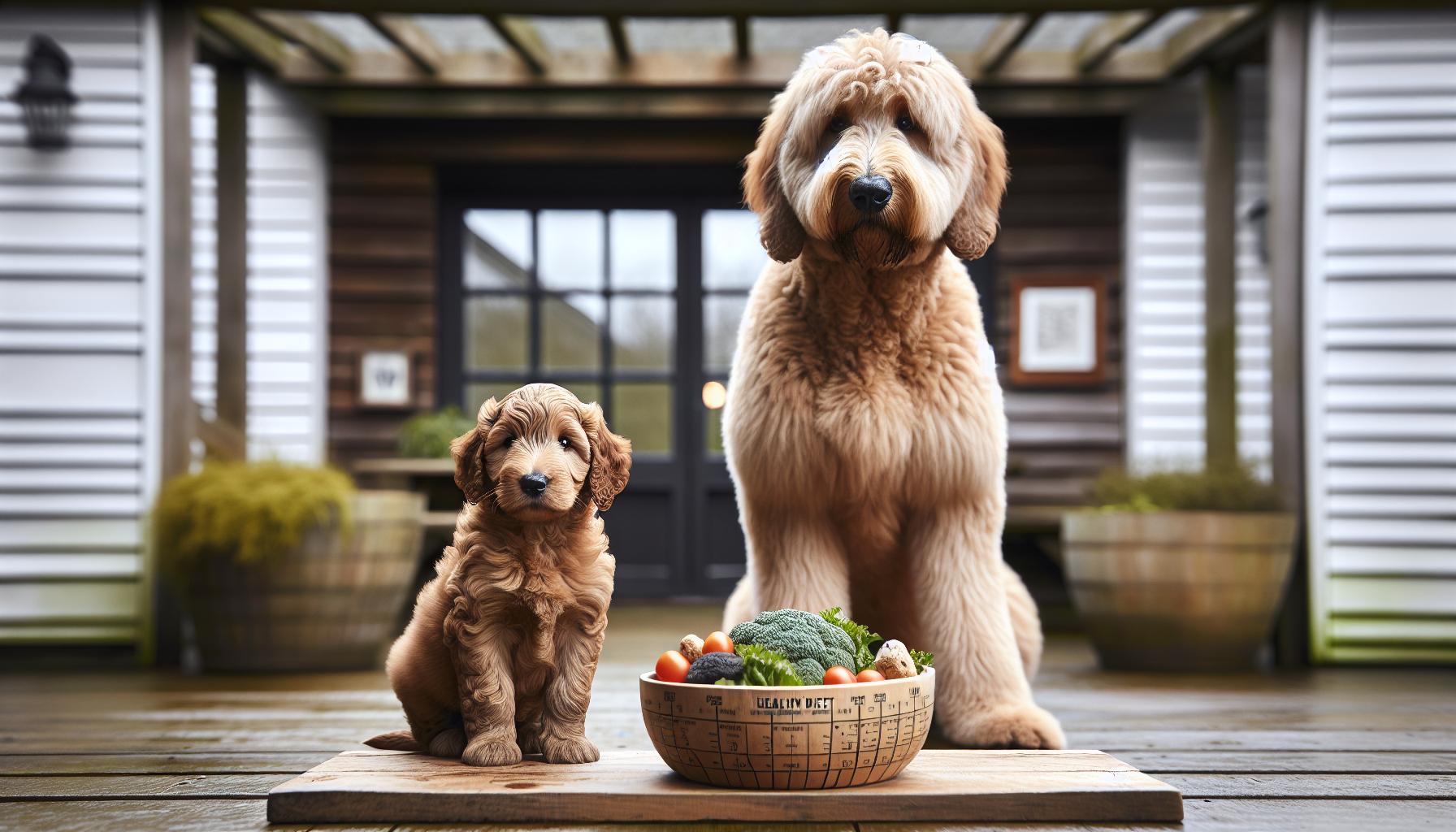
Factors Influencing Standard Labradoodle Size
A multitude of factors plays a crucial role in determining the size of a standard Labradoodle, and understanding these elements can prepare you for the exciting journey of pet ownership. One of the primary influencers is the genetics inherited from the parent breeds. Since Labradoodles are a cross between Labrador Retrievers and Poodles, the size of both parents significantly impacts the offspring. If the Poodle parent is a standard Poodle, you’re more likely to have a medium to large adult size, whereas a smaller Poodle could produce a smaller Labradoodle.
Another vital factor is the nutrition provided during the formative growth phases. A balanced diet rich in essential nutrients fosters healthy growth, while deficiencies can stunt development. Puppies require a specific blend of proteins, fats, and carbohydrates, so it’s crucial to choose high-quality puppy food designed for their growth stage. Regularly consulting with your veterinarian can help ensure your Labradoodle receives the appropriate dietary plan tailored to its needs.
Additionally, environmental factors play a pivotal role. The amount of exercise and physical activity provided can influence muscle development and overall health, impacting how a dog grows. Labradoodles are naturally energetic and thrive on playtime and outdoor activities, so encouraging regular exercise not only ensures a healthy weight but also enriches their physical growth. Keeping in mind their active nature, establishing a routine that includes walks, play sessions, and social interaction can help promote a well-rounded and healthy development.
Lastly, it’s essential to monitor your Labradoodle’s growth through regular vet check-ups. These visits can provide valuable insights, allowing you to track height and weight against breed standards and make any necessary adjustments to their care and environment. Understanding these influencing factors empowers you to create a nurturing space that contributes to your Labradoodle’s optimal growth and well-being.
Average Height and Weight of Standard Labradoodles
The journey of understanding how big a standard Labradoodle can grow is as exciting as it is essential for new pet owners. Standard Labradoodles typically stand between 21 to 24 inches tall at the shoulder, making them an ideal size for families and individuals seeking a medium to large dog. When it comes to weight, you can expect these lively pups to range from 50 to 65 pounds as adults, depending on their genetics, diet, and overall health. Each Labradoodle is unique, and factors such as the size of the parents play a significant role in determining the ultimate size of your furry friend.
Estimating Growth Potential
To better visualize your Labradoodle’s growth trajectory, it’s helpful to track their weight as they mature. Most standard Labradoodles will experience rapid growth during their first six months, and knowing what to expect can alleviate concerns for first-time dog owners. For those curious about specific growth metrics:
| Age | Height (inches) | Weight (pounds) |
|---|---|---|
| Puppy (2-4 months) | 12-16 | 10-25 |
| Puppy (4-6 months) | 16-20 | 20-40 |
| Adolescent (6-12 months) | 18-22 | 30-55 |
| Adult (12+ months) | 21-24 | 50-65 |
Monitoring your Labradoodle’s growth can help guide nutrition choices and ensure they are on track as they grow. Remember, regular vet check-ups are vital for monitoring health and growth, while also allowing for adjustments in care and feeding based on their individual needs.
Overall, while the averages provide a general guideline, each Labradoodle brings their personality and growth patterns, so embracing their unique journey can lead to a fulfilling companionship that suits your lifestyle.
Growth Stages: What to Expect at Each Age
Watching a Standard Labradoodle grow can be an incredibly rewarding experience! These playful pup personalities are not only adorable but also bring a unique charm as they progress through their growth stages. Understanding what to expect at each age can help you provide the right care and support, making their journey through puppyhood, adolescence, and into adulthood both joyful and balanced.
During the puppy stage (2-4 months), your Labradoodle will be in a phase of rapid growth and exploration. At this age, they generally reach a height of about 12 to 16 inches and weigh between 10 to 25 pounds. It’s a crucial time for socialization and training, as this is when they begin to learn important life skills. Engaging in gentle play and exposing them to various environments can help foster confidence. Remember, those cute, wobbly antics are setting the foundation for a well-adjusted adult dog.
As they move into the 4 to 6 months mark, your pup will sprout taller, likely reaching 16 to 20 inches and weighing 20 to 40 pounds. This is often a rebellious phase, where their puppy curiosity may lead to mischievous behaviors. This is a critical time for obedience training; consistent, positive reinforcement methods can help instill good habits. Fun interactive toys and puzzles can also stimulate their clever minds while keeping them occupied.
In the 6 to 12 months stage, expect some major physical changes as they transition into adolescence. Height will typically range from 18 to 22 inches with a weight between 30 to 55 pounds. Energy levels can peak, sometimes leading to the infamous adolescent antics! Providing ample exercise through walks, runs, and playtime is essential to ensure their energy is channeled positively. This period is not only about physical growth but also emotional and behavioral development, making it vital to remain patient and consistent.
Finally, by the 12-month mark and beyond, your Standard Labradoodle is approaching adulthood, reaching their full height of 21 to 24 inches and weighing between 50 to 65 pounds. Here, you’ll notice not just physical maturity, but a shift in temperament as they begin to settle into their adult roles. Regular health check-ups become more critical than ever to monitor their growing bodies and adjust their diets accordingly. It’s a wonderful chance to bond further with your Labradoodle as you navigate through adulthood together.
By understanding these growth stages, you’re not just tracking their physical size but also enhancing the emotional bond you share, ensuring a happy, healthy life together. Embrace each stage as a unique chapter in your Labradoodle’s life!
Comparing Standard Labradoodles to Other Breeds
Comparing a Standard Labradoodle to other breeds can provide valuable insights into their size, temperament, and care needs. One of the most commonly compared breeds is the Labrador Retriever, from which the Labradoodle inherits many of its traits. A fully grown Standard Labradoodle typically ranges from 21 to 24 inches in height and weighs between 50 to 65 pounds. In contrast, a purebred Labrador often reaches heights of 21.5 to 24.5 inches and weighs anywhere from 55 to 80 pounds. This close size comparison showcases how the Labradoodle fits neatly into the category of medium to large dogs, making them an excellent choice for families with ample space.
When looking at other breeds, the Standard Poodle-one of the Labradoodle’s foundations-shares similar height parameters, usually standing 15 to 24 inches tall, but can weigh significantly less, ranging from 40 to 70 pounds depending on the dog’s lineage. This sizing detail is crucial; it informs potential owners about grooming needs and physical activity requirements. For instance, while both Labradoodles and Poodles possess wavy coats requiring regular grooming, Labradoodles may also inherit the Labradors’ love for water and playfulness, ultimately making them more exuberant companions.
It’s also informative to compare Standard Labradoodles with other popular hybrid breeds, such as the Goldendoodle-the mix of Golden Retriever and Poodle. A Goldendoodle typically stands between 20 to 24 inches high and weighs around 50 to 90 pounds. While both breeds exhibit friendly and intelligent characteristics, Labradoodles may tend to be slightly more energetic, often requiring more interactive playtime and stimulation.
For new dog owners, understanding these comparisons can help tailor care strategies appropriate for each breed. Labradoodles thrive in active households that can dedicate time to exercise, training, and socialization-attributes critical for ensuring they grow into healthy adults. Choosing the right breed should consider not just size but also the specific care requirements, temperament, and lifestyle compatibility each breed brings. This thoughtful approach ensures a happy, fulfilling relationship between you and your furry friend, no matter the breed.
Nutrition Tips for Healthy Growth in Labradoodles
Providing the right nutrition for a Standard Labradoodle during their growth stages is crucial for their overall health and development. These dogs, due to their size and active nature, require a balanced diet that supports their growth while promoting a healthy weight. A well-thought-out nutrition plan can set the foundation for a long, happy life, while also enthusiastically supporting their playful temperament and high energy levels.
Choosing a high-quality dog food formulated for puppies is essential, especially in the first year of life. Look for options that contain a good balance of proteins, fats, and essential nutrients. A puppy’s diet should ideally consist of around 22-32% protein and 8-15% fat, tailored to their specific age, size, and activity level. Real meat should be among the first ingredients since Labradoodles thrive on protein-rich diets that help develop strong muscles and bones. Remember, Labradoodles can be prone to weight issues, so it’s crucial to follow the feeding guidelines on the food packaging closely.
Portion Control and Feeding Schedule
Establishing a consistent feeding schedule aids digestion and promotes a routine. For puppies, feeding them three to four times a day is recommended, gradually transitioning to twice daily by the time they reach maturity. Here’s a simple breakdown:
- 8-12 weeks: ½ to 1 cup per day
- 3-6 months: 1 to 1½ cups per day
- 6-12 months: 1½ to 2 cups per day
- 1 year and older: 2 cups or as needed to maintain a healthy weight
Stay mindful of any dietary allergies or sensitivities, as Labradoodles can inherit food intolerances. Always introduce new foods gradually to monitor their reaction.
Consider Supplements Wisely
When consulting with your veterinarian, discussing potential supplements such as omega fatty acids, glucosamine, or probiotics can be beneficial for supporting growth. These can contribute to healthier skin, shiny coats, and better joint health, especially in larger breeds like Labradoodles that are active. However, these should be used in moderation and only when necessary, as they can add calories to their diet.
A dedicated focus on nutrition during their growth phase will set your Labradoodle on the right track towards becoming a vibrant, energetic adult dog. In the exciting journey of raising your Labradoodle, remember that every meal is an opportunity to contribute positively to their health, fostering a spirit of joy and adventure in your bond together.
Exercise Needs for Standard Labradoodles During Growth
Creating a healthy and joyful environment for your Standard Labradoodle during their growth stages is essential, especially when it comes to exercise. Did you know that engaging in regular physical activity not only helps keep your Labradoodle fit but also supports mental stimulation and emotional well-being? Labradoodles are naturally energetic and inquisitive dogs, and their exercise needs evolve as they grow.
During the early months, puppies require shorter bursts of exercise to avoid overexertion. Short play sessions of about 5 to 10 minutes several times a day allow them to burn off energy while promoting proper muscle development and joint health. Introducing varied activities such as gentle walks, playful fetch, and socialization with other dogs not only keeps them physically active but also helps them learn important social skills. As they reach the 4-6 month mark, you can gradually increase their exercise sessions to around 20 to 30 minutes.
Tailoring Activity for Growth Stages
Understanding your Labradoodle’s growth stages is critical in tailoring their exercise regimen. Puppyhood is a time for exploration and learning, so focus on activities that encourage curiosity, such as:
- Socialization walks: Take your puppy to parks or pet-friendly areas to meet different environments and other dogs.
- Interactive games: Play tug-of-war or hide-and-seek to enhance their cognitive skills while entertaining themselves.
- Agility fun: Simple obstacle courses in your backyard can stimulate both their physical and mental capabilities.
As they transition into adolescence (6-12 months), Labradoodles start to gain strength, and you can slowly incorporate more intense activities such as jogging or more vigorous fetch games. A standard guideline is to aim for at least 1 hour of diverse physical activity daily. This includes a mix of walks, playtime, and training exercises that keep their energetic spirits high and help prevent boredom-related behaviors, like chewing or excessive barking.
Gradual Intensity Increase
Around their first birthday, they’re nearing full growth, and now is the time to fine-tune their exercise routine. While they may now be robust enough for long walks and runs, always be vigilant about managing their exertion to prevent joint issues later in life. Regular exercise not only keeps them in shape but also strengthens the bond between you and your furry companion.
Engaging in outdoor adventures-like hiking or swimming-can be excellent ways to socialize your Labradoodle while giving them a mentally and physically stimulating experience. Remember, the key to a happy and healthy Labradoodle is a consistent and varied exercise routine tailored to their growing needs. Embrace those moments of play; they fuel their joy and ensure they thrive both physically and emotionally!
Common Health Concerns Related to Size
When considering how standard Labradoodles grow, it’s essential to be aware of the common health concerns associated with their size. As a medium to large breed, standard Labradoodles can encounter various health issues throughout their lifespan, many of which can be exacerbated by their growth patterns. For instance, they are prone to orthopedic problems, including hip dysplasia and elbow dysplasia, which can be influenced by rapid growth rates in puppies. Keeping this in mind, it’s vital for owners to monitor their growth and ensure they maintain a healthy weight.
Diet plays a crucial role in managing your Labradoodle’s growth. Feeding a high-quality puppy food specifically designed for large breeds is recommended to ensure they receive the right balance of nutrients without encouraging excessive growth. Rapid weight gain can stress developing joints, so owners should consult with their veterinarian about the ideal feeding schedule and portion sizes. Regular weigh-ins can help track growth and make necessary adjustments to their diet.
Physical activity is equally important; however, it needs to be balanced. While Labradoodles are energetic and require significant exercise, over-exertion during their growth stages can lead to injuries or long-term joint issues. Owners should focus on low-impact activities for younger Labradoodles and gradually introduce more vigorous exercise as they mature. This approach helps build muscle and supports joint health without adding undue stress.
Lastly, being vigilant about their overall health can indicate any issues that may arise. Regular check-ups with a veterinarian can help catch potential problems early on, allowing for more effective management and treatment. For instance, paying attention to any signs of discomfort, lameness, or changes in behavior can be crucial. If any red flags arise, seeking professional advice promptly can make a significant difference in maintaining your Labradoodle’s quality of life. Remember, understanding these common health concerns and taking proactive measures can contribute to a long, healthy life for your furry friend!
How to Manage a Standard Labradoodle’s Growth
To ensure your standard Labradoodle grows up healthy and strong, it’s essential to adopt a proactive approach to managing their growth. This can be a delightful yet challenging journey, as these dogs can grow quickly within the first year, reaching their full size typically between 12 to 18 months of age. Understanding their developmental needs can help you nurture their growth while minimizing potential health issues.
Start by closely monitoring their diet. Feeding a high-quality puppy food specifically formulated for large breeds is crucial. These diets are balanced to provide the right nutrients without promoting rapid weight gain, which can stress their developing joints. It’s advisable to consult your veterinarian to establish the best feeding schedule and portion sizes tailored to your Labradoodle’s age and activity level. Additionally, keeping a regular record of their weight can help you spot any unexpected changes that may signal growth issues, allowing for timely dietary adjustments.
Physical activity is just as important as nutrition. Standard Labradoodles are energetic, but their exercise regimen should be carefully balanced to prevent injury. While they require regular activity to build strength and endurance, too much high-impact exercise can compromise their joints. In their early growth stages, focus on gentle activities such as short walks and interactive play that doesn’t exert excessive pressure on their young bodies. As they mature, you can gradually introduce more rigorous exercises like running or agility training.
Keep an eye on their overall health by scheduling routine veterinary check-ups. These visits are vital for early detection of health issues and can provide reassurance throughout your Labradoodle’s growth. Pay close attention to signs of discomfort or changes in behavior, as these can provide clues about potential problems. Remember, being informed and proactive about their health not only ensures a long, healthy life for your Labradoodle but also strengthens the bond you share with your furry companion.
Understanding Growth Charts for Labradoodles
To nurture a Standard Labradoodle throughout its growth journey, understanding how growth charts function can be incredibly beneficial. These visual tools provide clear benchmarks, helping you monitor your pup’s height and weight-two key factors in determining their overall health and well-being. Not only can growth charts inform you whether your Labradoodle is developing on track, but they also serve to ease any concerns you might have during the stages of puppyhood to adulthood.
A typical growth chart for Standard Labradoodles shows a steady increase in height and weight until full maturity, which generally occurs between 12 to 18 months. Keeping track of your Labradoodle’s measurements against these benchmarks can give you insight into their growth pattern. For example, you might notice that your puppy experiences significant weight gain in the first six months, followed by a more gradual increase as they approach their adult size. It’s also important to remember that individual variations exist; some dogs may grow faster or slower than average based on genetics, nutrition, and overall care.
An effective way to utilize these charts is to create a simple tracking system at home. Take regular measurements of your Labradoodle’s weight and height, noting them down weekly or bi-weekly. If the numbers deviate from the expected range outlined in your chart, consider consulting your veterinarian. This proactive approach not only helps catch potential health issues early on but also reinforces your role as a responsible and attentive dog owner.
Lastly, I recommend familiarizing yourself with resources that detail the growth patterns of Labradoodles versus other breeds. It can provide perspective on whether your dog is growing at an expected rate based on their breeding. Remember, a well-monitored growth process will not only encourage a healthier lifestyle for your Labradoodle but also enhance the joyful experience of puppy parenthood as you watch them grow into their unique selves.
Training Techniques for Growing Labradoodles
Training a growing Labradoodle can be as fulfilling as it is essential. These intelligent and energetic dogs thrive on mental and physical engagement, making effective training techniques crucial not only for their development but also for nurturing a strong bond with you. One key aspect to remember is that training should be both fun and constructive; after all, Labradoodles are known for their playful and eager-to-please nature!
Start training early, ideally when your Labradoodle is still a puppy. Begin with basic commands such as “sit,” “stay,” and “come.” Consistency is vital, as these commands form the foundation for more advanced training later on. Use positive reinforcement techniques such as treats, praise, or playtime to encourage good behavior. For instance, if your pup responds to “sit,” reward them immediately with a treat and enthusiastic praise. This method reinforces the behavior and helps build their confidence.
Socialization is Key
Socialization is another crucial part of your Labradoodle’s training. Expose them to various environments, people, and other animals to help them feel comfortable in different situations. This process not only aids in their behavioral training but also ensures they grow into well-adjusted adults. Puppy classes can be an excellent way to facilitate this, providing controlled environments where they can interact with other dogs and learn alongside their peers.
It’s also beneficial to integrate training with exercise to harness their boundless energy. Incorporate fun activities that require them to think, such as puzzle toys or agility training. These activities keep their minds active and support their physical growth, helping them to stay fit and focused.
Remember, patience is key. Every Labradoodle is unique and may learn at different paces. Celebrate small victories, and if something doesn’t seem to be working, adjust your approach rather than becoming frustrated. With commitment and love, your Labradoodle will not only grow in size but also in skills and companionship, creating a joyful journey of growth together!
Tips for Choosing the Right Size Accessories for Your Labradoodle
Choosing the appropriate size accessories for your Standard Labradoodle is essential for their comfort and safety. These energetic and playful dogs typically weigh between 50 to 65 pounds and stand about 21 to 24 inches tall at the shoulder. It’s vital to select products that accommodate their growing frames, particularly since Labradoodles can be quite slender or stocky depending on their Poodle lineage. Ensuring the right fit can save you from potential mishaps, as ill-fitting gear can lead to discomfort or injury.
When selecting collars, harnesses, or leashes, measure your Labradoodle’s neck and chest and consult sizing charts from manufacturers. Look for adjustable options that can grow with your puppy and provide flexibility for changes in size. For instance, a good rule is to choose a collar that allows you to fit two fingers under it snugly, allowing some give without being overly loose. Harnesses are often recommended for Labradoodles due to their energetic nature; a well-fitted harness distributes pressure across the body better than a traditional collar, especially during walks.
Finding the Right Fit for Gear
Here are some essential accessories to consider:
- Collars: Opt for a durable material that withstands wear and tear. Choose an adjustable collar that can fit comfortably on your Labradoodle’s neck.
- Harnesses: Look for front-clip harnesses to help with training and reduce pulling. Make sure it has adjustable straps for a customized fit.
- Leashes: A standard 6-foot leash is ideal for training but consider a retractable leash if you enjoy giving your dog more freedom during walks. Make sure it can handle their weight and strength.
- Dog Beds: As your Labradoodle grows, provide a bed that is large enough for them to stretch out comfortably. Memory foam options can be great for joint support.
Understanding Dog Size Changes
Keep in mind that Labradoodles experience growth spurts during their puppyhood, so be prepared to update their accessories as they grow. Many owners find themselves quickly needing new collars or harnesses, especially if their pup is on the larger end of the size spectrum. To mitigate constant purchases, consider products designed to accommodate a range of sizes. It’s not just about fit; choosing high-quality, adjustable accessories can enhance your Labradoodle’s overall experience and ensure they’re both fashionable and comfortable as they develop into their full size.
Frequently Asked Questions
Q: What is the average size of a full-grown Standard Labradoodle?
A: A full-grown Standard Labradoodle typically weighs between 50 to 65 pounds and stands about 21 to 24 inches tall at the shoulder. This size can vary based on genetics and diet, so it’s important to provide them with proper nutrition and care to ensure healthy growth.
Q: At what age does a Standard Labradoodle reach full size?
A: Standard Labradoodles usually reach their full size by 12 to 18 months of age. However, the last few pounds may be added during the second year, so it’s essential to monitor their growth during this period. Regular vet check-ups can help track their development effectively.
Q: How can I tell if my Standard Labradoodle is growing normally?
A: To assess normal growth, check your Labradoodle’s weight and height against breed standards and maintain a consistent growth chart. Regular vet visits can provide insight into their health and ensure they are on track. Pay attention to their energy levels and overall condition as indications of good growth.
Q: How do genetics affect the size of a Standard Labradoodle?
A: Genetics play a crucial role in the size of a Standard Labradoodle. Since they are a mix of a Labrador Retriever and a Poodle, the size of the parents significantly influences the puppy’s ultimate size. Always consider the sizes of both parent breeds when predicting size.
Q: What are the signs that my Standard Labradoodle may be overweight?
A: Signs your Standard Labradoodle might be overweight include difficulty in exercising, visible ribs covered by substantial fat, and an inability to feel their waist when looking from above. If you’re concerned about their weight, consult with a veterinarian for tailored guidance.
Q: How does nutrition impact the growth of my Labradoodle?
A: Proper nutrition is essential for healthy growth in Labradoodles. Feed them high-quality dog food appropriate for their age, size, and activity level. Regular feeding schedules and portion control are vital to prevent overfeeding, which can lead to obesity.
Q: Should I adjust my Standard Labradoodle’s diet as they grow?
A: Yes, adjusting your Standard Labradoodle’s diet as they grow is necessary. Puppies require more calories and nutrients compared to adults. Transitioning to adult dog food around 12 months old supports more suitable nutritional needs for their activity and size.
Q: What exercise is best for growing Standard Labradoodles?
A: Growing Standard Labradoodles benefit from regular, moderate exercise such as walks and playtime. Avoid high-impact activities until they are fully grown to protect their joints. Aim for at least 30-60 minutes of exercise a day to support their healthy development and maintain a healthy weight.
The Conclusion
As you embark on your journey with a Standard Labradoodle, remember that understanding their growth size is just the beginning! These lovable companions, typically ranging from 21 to 24 inches tall and weighing between 50 to 65 pounds, thrive in environments where they receive proper care and attention. If you’re considering adding a Labradoodle to your family, don’t hesitate to explore our resources on essential grooming tips and training strategies to ensure a happy and healthy pup.
Curious about more from this breed? Check out our articles on “Labradoodle Care Basics” and “Best Training Methods for Labradoodles.” Each insight will not only deepen your understanding but also prepare you for the joyful adventure ahead.
Join our community by signing up for our newsletter, where you’ll receive expert advice, tips, and the latest updates on all things Labradoodle. Share your thoughts or questions in the comments below-let’s connect and support each other in nurturing these wonderful dogs together! Your puppy’s journey starts now; let’s make it extraordinary!