As loving pet owners, we often wonder about our furry friends’ comfort, especially when it comes to temperature extremes. Labradoodles, with their playful personalities and unique coat types, can thrive in various conditions, but they do have their limits. Understanding how cold is too cold for your Labradoodle is crucial not only for their well-being but also for ensuring they remain happy and active.
Did you know that, despite their thick, wavy coats, Labradoodles can be sensitive to chilly weather? With winter approaching, it’s essential to keep an eye on the temperature to safeguard their health while still enjoying outdoor activities together. This guide will delve into the ideal temperature ranges for Labradoodles, equipping you with practical tips to recognize signs of discomfort and keep your canine companion cozy. Join us as we explore the balance between fun and safety, ensuring your Labradoodle’s outdoor adventures remain safe and enjoyable all season long!
How Cold Can Labradoodles Tolerate?
Labradoodles are known for their friendly demeanor and energetic nature, but when it comes to cold weather, their comfort becomes a priority for every responsible owner. As a crossbreed of the Labrador Retriever and Poodle, Labradoodles come in various sizes and coat types, which can influence how well they tolerate chilly temperatures. Typically, these pups do best in temperatures above 32°F (0°C). Below this point, they may start to feel the effects of the cold, especially if they are wet or exposed for extended periods.
Understanding your Labradoodle’s coat is essential for determining their cold tolerance. Labradoodles can have different types of coats: some are more fleece-like, while others may have a wiry texture, similar to a Poodle. A thicker, curlier coat generally provides better insulation against the cold, while a straighter coat might leave them more vulnerable. A well-groomed Labradoodle with a dense coat can manage moderately cold weather better than those with sparser fur.
Be mindful of the signs that indicate your Labradoodle is too cold. If you notice excessive shivering, reluctance to move, or a preference to stay indoors, these could be subtle hints that the temperature is too low for their comfort. As a rule of thumb, if you’re cold, your furry friend likely is too! Implementing a warm coat or sweater during walks can enhance their comfort level significantly.
Ultimately, each dog is unique, and factors such as age, size, activity level, and acclimatization to colder environments will influence how well your Labradoodle can handle low temperatures. Regular outdoor activity is part of a healthy lifestyle, but be sure to keep a close eye on them as the mercury drops. Prioritizing their comfort in cold weather will ensure that your Labradoodle remains a happy and healthy companion, ready for adventure come rain or shine.
Understanding Labradoodle Coat Types

Labradoodles are celebrated not only for their cheerful disposition but also for their various coat types, which can significantly affect their comfort in cold weather. These mixed breeds inherit coat characteristics from both parent breeds-the Labrador Retriever and the Poodle-resulting in a range of textures and densities that influence their tolerance to chilly temperatures. Understanding these differences is crucial for every Labradoodle owner, especially when winter rolls around.
The most common coat types in Labradoodles include wavy, curly, and straight. Each type comes with its own set of insulation properties. For instance, Labradoodles with curly coats tend to offer better warmth as they trap air close to the skin, acting as natural insulation. In contrast, a straight coat may not provide the same level of protection against the cold and might leave your furry friend more exposed to the elements. This variability in coat types can also influence shedding patterns; while they are generally low-shedding dogs, some may lose more fur based on the texture of their coat.
Regular grooming is essential, not just for aesthetics but for your dog’s warmth. A well-groomed coat will ensure that their fur remains fluffy and insulating. Similarly, the seasonal changes that happen to their coat-from shedding in the spring to growing thicker in the winter-play a crucial role in their ability to cope with colder temperatures. Owners should monitor their Labradoodle’s coat condition and adapt their care routine accordingly, including extra brushing during heavy shedding periods to maintain optimal warmth and comfort.
Ultimately, while the type of coat your Labradoodle has can provide some guidelines on how well they tolerate cold, individual factors like age, overall health, and activity level are also important. A Labradoodle that enjoys outdoor winter activities may acclimatize better than one that prefers the warmth of home. Always observe how your dog reacts during colder outings, and don’t hesitate to provide the necessary layers or protection to keep them comfortable. By understanding your Labradoodle’s unique coat type, you can ensure that they enjoy all the seasons, regardless of the chill in the air!
Signs Your Labradoodle Is Too Cold
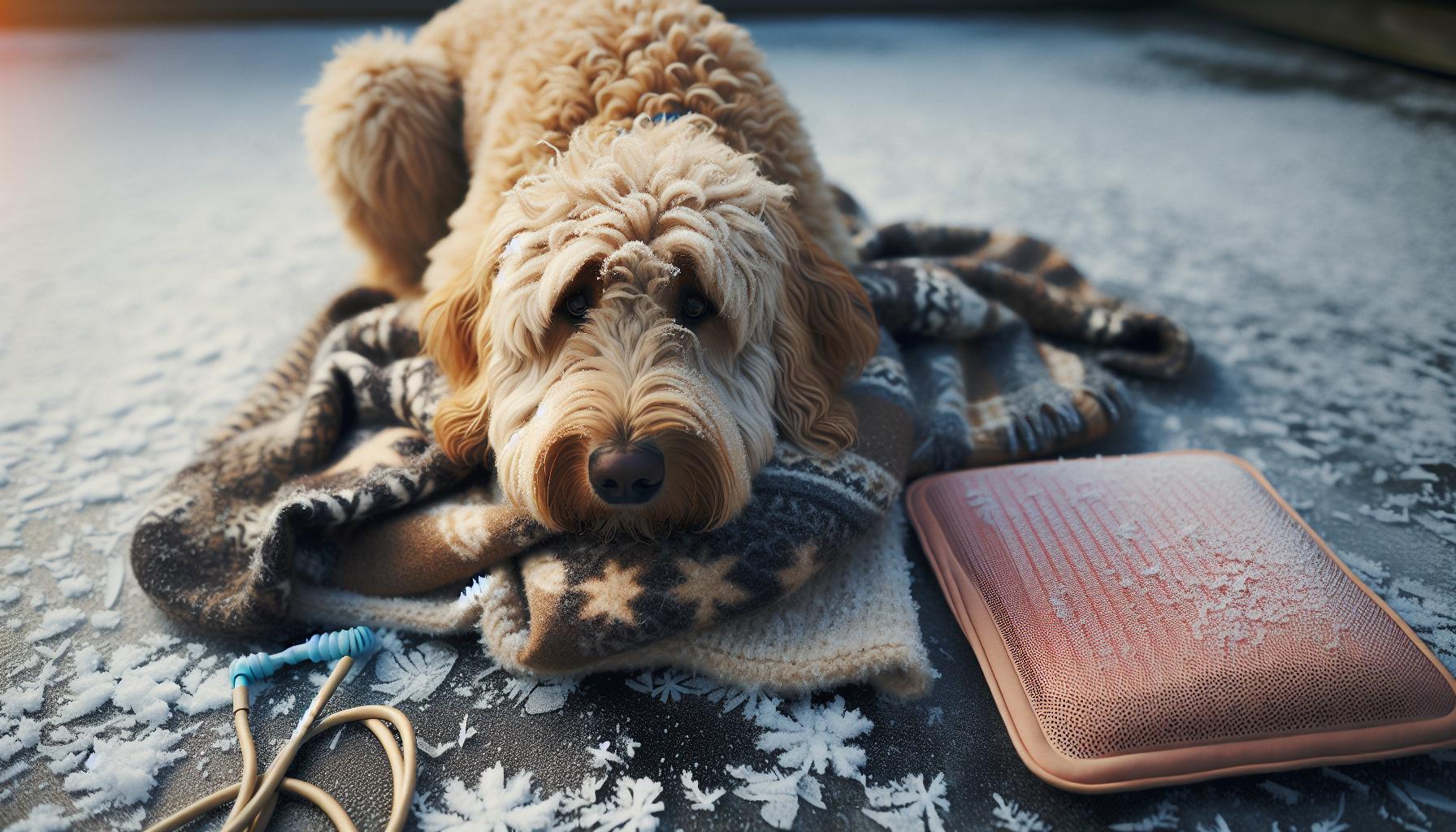
A Labradoodle’s cheerful personality can make them seem invincible against the winter chill, but it’s crucial for owners to recognize when their furry friend is too cold. Just like humans, dogs have their limits, and understanding the subtle signs that indicate discomfort will help keep your Labradoodle safe and cozy during colder months.
One of the primary indicators that your Labradoodle is feeling chilly is their body language. Look for signs such as shivering, carrying their tail low, or tucking their body into a ball. Additionally, if your dog is lifting their paws off the ground or frequently shaking them, it may be a response to the cold surfaces they’re walking on. These behaviors suggest that they’re not just being playful; they are genuinely uncomfortable.
You might also notice changes in your Labradoodle’s usual enthusiasm for outdoor activities. If they start to hesitate at the door or refuse to leave the house, it could be a clear sign they’re not ready to brave the cold. Vocalizations can also be telling; if your dog is whining or barking more than usual, they may be expressing their discomfort. Pay close attention to how they interact with their environment; if they seek immediate shelter indoors or curl up away from the elements, trust that instinct.
Practical Tips to Keep Your Pup Warm:
- Monitor Temperature: A general rule is that if it’s too cold for you, it’s likely too cold for your Labradoodle. If temperatures drop below 32°F (0°C), take extra precautions.
- Observe Behavior: Look for shivering, slow movements, or attempts to seek warmth quickly.
- Limit Time Outside: On particularly cold days, reduce the length of outdoor periods, opting for short, quick walks instead of extended play sessions.
Your Labradoodle’s wellbeing should always come first, so by paying attention to these signs, you can ensure they stay healthy and happy even in the chill of winter!
Ideal Outdoor Temperatures for Labradoodles
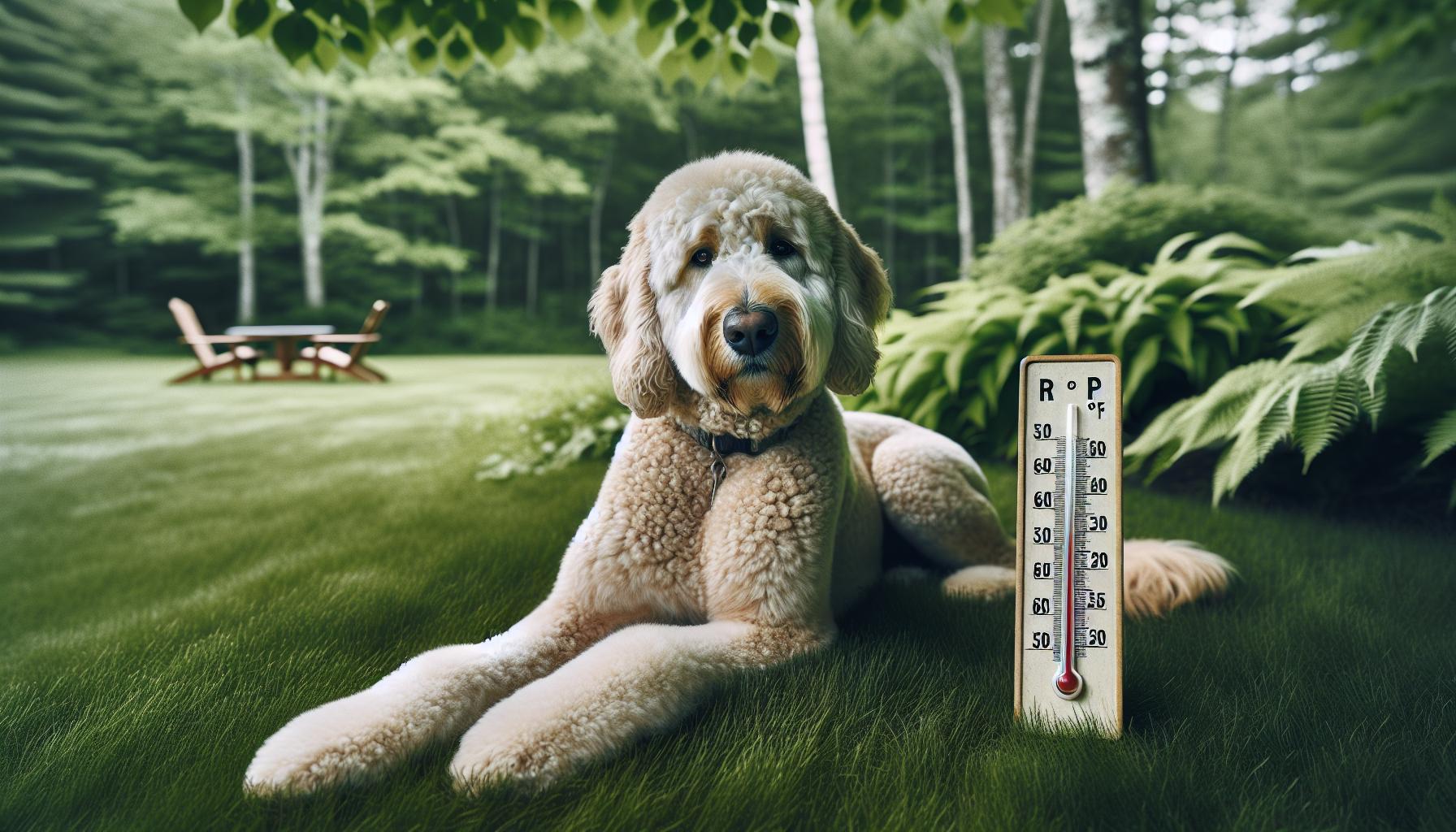
While Labradoodles may be known for their cheerful demeanor and adaptability, their comfort in colder temperatures is not as robust as one might think. Knowing the ideal outdoor temperatures for your furry companion can make all the difference in ensuring they remain happy and healthy throughout the winter months. Generally, Labradoodles thrive in moderate weather conditions. Temperatures between 20°F (-6°C) and 50°F (10°C) are typically where they are most comfortable, allowing them to enjoy outdoor playtime without the risk of cold-related stress.
It’s important to consider that individual Labradoodles may respond differently to the cold based on factors such as age, health, and coat type. For example, those with a thicker coat may handle lower temperatures better than their shorter-haired counterparts. Puppies and senior dogs may be more sensitive to cold, so extra precautions should be taken for these members of the canine family. If your Labradoodle falls into one of these categories, aim for the higher end of that temperature range, ensuring they enjoy a safe and pleasant experience outside.
When temperatures dip below 20°F (-6°C), it’s crucial to monitor your Labradoodle’s behavior closely. While they may enthusiastically rush outside at first, it’s important to limit their time outdoors during these colder spells and frequently check their comfort levels. Look for signs of discomfort, such as shivering or reluctance to engage in play. As a general guideline, a good rule of thumb is: if you feel cold, your dog likely does too. Always prioritize their safety by adjusting outdoor time according to the current weather conditions.
By keeping these temperature thresholds in mind and being aware of how your Labradoodle reacts, you can ensure that winter remains a season filled with joy rather than discomfort. Remember, a well-cared-for pup is a happy pup, and maintaining their wellbeing during changes in the weather is an essential part of responsible pet ownership!
Winter Care Tips for Labradoodles
Caring for your Labradoodle during the winter months is essential to keep them happy and healthy, especially since their comfort in colder temperatures has its limits. One of the best practices is to establish a consistent outdoor routine that allows them to enjoy playtime while minimizing exposure to chilling temperatures. For optimal health, consider scheduling outdoor activities during the warmer parts of the day, like midday, to make the most of the sun’s rays. This way, they can exercise without being too cold, ideally when temperatures are above 20°F (-6°C).
Keeping an eye on your dog’s coat is crucial during winter. Labradoodles can have varying coat types, impacting their tolerance to cold. Regular grooming not only keeps their fur in good condition but also allows you to check for mats or tangles that can trap moisture and chill their skin. If your Labradoodle seems particularly thin or has a shorter coat, investing in a good dog sweater can provide extra warmth for those brisk walks. Always make sure the sweater fits properly and allows for free movement, so they enjoy outdoor time rather than feel constricted.
Additionally, it’s vital to monitor your dog’s behavior closely when outdoors. Be on the lookout for signs that they are getting too cold, such as shivering, lifting their paws off the ground, or hesitating to play. If you notice these behaviors, it’s a clear signal that it’s time to head indoors. Providing a cozy, warm space inside with a soft bed can help them recuperate after being outside. Not only does it offer warmth, but it also creates a comforting environment for your furry friend to relax.
Finally, don’t overlook the care of your Labradoodle’s paws. Snow can accumulate and freeze between their toes, leading to discomfort or cracking. After walks, gently wipe their paws and check for any ice buildup. A paw balm can also be a great investment to protect their pads from the cold and keep them hydrated. By implementing these simple yet effective winter care tips, you’ll ensure your Labradoodle remains comfortable, safe, and happy throughout the chilly season.
Labradoodle Behavior in Cold Weather
When it comes to experiencing cold weather, Labradoodles display distinct behaviors that help owners gauge their comfort level. These mixed-breed dogs, with genes from both the Labrador Retriever and the Poodle, have varying degrees of coat types that influence their cold tolerance. Understanding your Labradoodle’s unique preferences and behaviors during chilly months is essential for ensuring their well-being.
One critical aspect to monitor is their energy level during outdoor play. If your Labradoodle typically bounds around joyfully but starts to lag behind or seems hesitant to engage, it could be a sign that they are having trouble coping with the cold. Look for specific cues: shivering is an obvious indicator, but even less pronounced behaviors like lifting their paws off the ground or reluctance to venture into the snow can point to discomfort. Just as children might refuse to play outside in the freezing cold, your furry friend may also express their need to head back indoors when the temperatures drop too low.
It’s also helpful to note how your Labradoodle interacts with their environment in cold conditions. Dogs often have instinctual behaviors that guide their actions based on temperature. For instance, if they begin digging or burrowing into snow or sheltered areas, they might be trying to find warmth or a more comfortable playing condition. It’s important to remember that while some Labradoodles may love a good romp in the snow, others may find it too overwhelming when the wind picks up or the temperature dips unexpectedly.
To foster a positive experience for your Labradoodle in cold weather, adjust your outdoor activities and make playtime shorter and more frequent. This structured approach helps prevent overstimulation and allows you to monitor their behavior more closely. Always be prepared to bring them inside if signs of discomfort appear. After a brief play session, transitioning them back into a cozy indoor environment can help maintain their happy spirit throughout the winter season.
How to Protect Your Labradoodle from Cold
When the chilly winds start to blow, it’s crucial to ensure that your Labradoodle stays warm and comfortable. These furry companions, with their playful spirits, can find themselves in a tough spot when temperatures drop. Fortunately, there are several proactive steps you can take to protect your Labradoodle from the cold and keep them happy during the winter months.
One of the easiest ways to shield your dog from cold weather is to invest in a well-fitted, insulated dog coat. These coats not only provide warmth but also offer a barrier against wind and moisture. Choose a coat that covers your Labradoodle’s neck and belly, as these areas are particularly sensitive to the cold. In addition to clothing, consider putting booties on your dog to protect their paws from icy surfaces and salt used on roads, which can cause irritation.
Incorporating warmth into your home environment is essential too. Ensure your Labradoodle has a cozy bed away from drafts, and try adding blankets to their sleeping space to enhance warmth. If your dog spends time outdoors, set up a sheltered area with enough bedding to keep them off the cold ground. This gives them a safe retreat when they need a break from the cold.
Regularly monitoring your Labradoodle during outdoor activities is an important part of cold weather care. Keep an eye on their behavior for signs of discomfort, such as shivering or refusal to play. If they seem to be struggling, it’s best to bring them indoors sooner rather than later. It’s also wise to limit outdoor time based on the temperature; when it dips below freezing, shorter, more frequent play sessions can help balance exercise needs with their comfort.
Lastly, don’t forget to keep their diet in mind! Cold weather can require your Labradoodle to expend extra energy, so consider slightly increasing their food portions to help them maintain their body heat. With these thoughtful strategies, you’ll be well-equipped to keep your furry friend safe and comfortable during the winter months!
Essential Gear for Cold Weather Walks
When it comes to ensuring your Labradoodle’s comfort during those chilly winter walks, having the right gear can make all the difference. As they eagerly trot alongside you, it’s essential to equip them for the cold without compromising their playful spirit. Think of their winter gear as a cozy, fashionable armor designed specifically to keep them snug and dry against the elements.
One of the most important items is a well-fitted, insulated dog coat. Look for options that provide coverage for the neck and belly because these areas are particularly vulnerable to the cold. A coat that resists water and wind will not only keep your Labradoodle warm but also protect them from rain and snow. For instance, a reversible coat can offer versatility, allowing you to switch up styles while ensuring comfort. Additionally, harnesses that fit comfortably over coats can make outdoor adventures much more enjoyable without restricting movement.
Paw protection should not be overlooked. Dog booties are invaluable for keeping their paws safe from icy surfaces, salt, and moisture. When selecting booties, choose those that feature a secure fit and are made from durable materials. Some dogs may need time to adjust, so start with short walks to help them get used to wearing them. If booties aren’t an option your Labradoodle embraces, consider using paw wax. This creates a protective barrier without the fuss of clothing.
Additional Essentials
- Reflective Gear: Visibility is crucial on darker winter days. Consider reflective vests or collars to ensure your dog is seen in low light.
- Warm Blankets: Bringing a blanket for your car ride or for use during breaks can provide an extra layer of warmth while resting.
- Hydration Supplies: Even in winter, dogs need to stay hydrated. Portable water bowls and fresh water are essentials for longer outings.
Understanding what gear works best for your Labradoodle can transform cold weather walks into a delightful experience for both of you. Don’t shy away from trying out various products until you find the perfect combination that suits your furry friend’s needs. With the right preparation, your Labradoodle can enjoy the winter wonderland just as much as they do in warmer months!
When to Bring Your Labradoodle Inside
Labradoodles are undoubtedly bundles of joy, but just like us, they have limits when it comes to temperature tolerance. Understanding the right moment to bring your furry friend inside is crucial for keeping them safe and comfortable. When temperatures drop significantly, particularly below 32°F (0°C), it’s wise to be vigilant. Signs that indicate your Labradoodle might be getting cold include excessive shivering, reluctance to walk, or looking for shelter or warmth. It’s important to observe their body language; if they’re trying to get closer to you or any warm surface, that’s a pretty clear message that it’s time to head indoors.
Moreover, Labradoodles have various coat types that might influence their cold tolerance. While many have a soft, wavy coat that offers some insulation, it may not be enough to withstand very low temperatures for extended periods. Different factors come into play such as their age, health, and level of activity. Puppies and older dogs, or those with health issues, are particularly vulnerable and should be brought inside sooner than others. After all, a cold outdoor environment can pose health risks such as hypothermia or frostbite.
Ultimately, the key is to keep a close eye on the weather and your dog’s behavior. Set a temperature threshold as a guideline, but also allow your Labradoodle’s individual needs to guide your decisions. If the conditions feel uncomfortable for you, they likely feel worse for your dog. Always err on the side of caution; a cozy dog snuggling beside you on the couch certainly beats one shivering at the door. Keep both your hearts warm this winter!
Health Risks of Cold Exposure for Labradoodles
Exposing your Labradoodle to harsh winter weather can lead to serious health risks, and understanding these dangers is key to ensuring their safety and well-being. Just like humans, dogs can suffer from hypothermia and frostbite, which can have severe consequences if not addressed promptly. If your Labradoodle is outdoors for extended periods or in extremely cold temperatures, it’s crucial to monitor them closely for any signs of distress.
Hypothermia occurs when a dog’s body temperature drops significantly, making them unable to maintain their normal body heat. Symptoms of hypothermia include lethargy, shivering, weakness, and confusion. A Labradoodle may try to find warmer environments or curl up to conserve heat, which can signal that they are too cold. If their temperature falls below 99°F (37°C), it’s an emergency situation, and you should warm them gradually with blankets and seek veterinary assistance.
Frostbite, on the other hand, is a localized injury that occurs when skin and other tissues freeze. It typically affects extremities like the ears, paws, and tail. Signs of frostbite include discoloration (such as bluish or blackened skin), swelling, and painful areas that might feel cold to the touch. If you suspect your Labradoodle has frostbite, avoid rubbing the affected area; instead, seek veterinary help immediately.
Keeping your Labradoodle warm and safe during winter doesn’t have to be difficult. Here are some practical tips:
- Shorter Walks: Limit outdoor time during extreme cold and consider shorter, more frequent walks.
- Warmth at Home: Ensure your home remains warm and cozy, with safe, comfortable resting spots for your dog.
- Monitoring Behavior: Be vigilant about their behavior and body language; unusual signs can indicate discomfort.
- Veterinary Guidance: Always consult your vet for more personalized advice regarding your Labradoodle’s health during cold weather.
By being proactive about your Labradoodle’s exposure to cold, you can help them enjoy a safe and happy winter season.
Preparing Your Home for Winter Pups
Creating a warm and welcoming environment for your Labradoodle during the chilly winter months is essential for their health and happiness. It’s fascinating to note that while Labradoodles tend to have a moderate tolerance for cold, they still require care to prevent discomfort and potential health risks. By preparing your home for winter, you can ensure that your furry friend stays cozy and safe, which is particularly important since these dogs can become more sensitive to cold than smaller breeds or those with thicker coats.
One effective way to make your home winter-ready for your Labradoodle is by designating a special resting area. Choose a spot away from drafts, such as near a heating vent or in a cozy corner of a room, and provide plush beddings, like blankets and pillows to create a warm retreat. A heated dog bed can also be a fantastic investment, especially for those particularly chilly nights. Make sure their sleeping area is cleaned regularly to keep it comfortable and inviting.
Additionally, you should take extra precautions to keep your living space thermally efficient. Check windows and doors for drafts and seal any gaps where cold air might enter. Using thick curtains can help retain heat, and placing a few rugs on cold floors will give your Labradoodle a more comfortable surface to rest on. If it’s particularly cold outside, consider keeping the thermostat a few degrees higher to create a cozy atmosphere for both you and your dog.
It’s also wise to consider the types of toys you provide during winter. Opt for warmth-boosting toys, such as soft plush animals, that can offer comfort during the colder months. Avoid toys made of hard plastic or rubber, which may become extremely cold, causing discomfort when your pup interacts with them. Remember to keep fresh water available at all times, as hydration is just as crucial in winter as it is in summer; ensure the water bowl isn’t freezing.
Lastly, encourage gentle indoor playtime to help your Labradoodle burn off energy, especially during extreme cold spells when long outdoor walks are impractical. Activities like hide and seek or gentle tug-of-war games are great for entertaining without exposing them to low temperatures for extended periods. Overall, creating a warm, engaging, and safe space for your Labradoodle this winter ensures they feel secure and loved, no matter how chilly it gets outside.
Finding the Right Balance: Cold vs. Heat
Finding the perfect balance between heat and cold for your Labradoodle is essential. These playful pups are known for their adaptability, but extremes in temperature can pose serious risks to their health and well-being. Understanding their needs in both chilly and hot weather will enable you to create a comfortable environment for your furry friend.
Labradoodles have a moderate tolerance for cold, primarily due to their coat types, which can vary widely between individuals. Some may have a thicker, more insulating coat, while others may have a lighter, curlier coat that offers less protection. Regardless of their specific coat type, be vigilant during cold spells. When outdoor temperatures dip below 20°F (-6°C), it’s time to consider bringing your Labradoodle indoors after a brief bathroom break. Signs of discomfort, such as shivering or reluctance to go outside, are key indicators that the cold is affecting them.
Conversely, Labradoodles can be quite sensitive to heat as well. Temperatures exceeding 85°F (29°C) can put them at risk for overheating, especially if they’re engaged in excessive play or exercise. Be sure to provide shade and plenty of fresh water on warm days. It’s essential to monitor your Labradoodle for signs of heat exhaustion, which can include panting, lethargy, and drooling.
Creating a Comfortable Space Year-Round
To successfully manage your Labradoodle’s exposure to temperature extremes, consider these practical tips:
- Insulated resting areas: Set up cozy, insulated spots in your home where your dog can escape the cold or heat, using blankets and raised beds to create comfort.
- Routine check-ins: Frequently assess your dog’s condition during outdoor activities, and be ready to adjust the duration of play depending on the weather.
- Hydration: Always ensure your Labradoodle has access to fresh water, as adequate hydration is crucial for temperature regulation.
- Grooming: Regular grooming can help your Labradoodle maintain an optimal coat condition, which is significant in regulating body temperature, no matter the season.
By closely observing your Labradoodle’s behavior and making necessary adjustments based on temperature, you can help them thrive in both cold and hot environments. This proactive approach fosters a safe, comfortable atmosphere that underscores the bond you share with your four-legged companion.
Frequently asked questions
Q: What temperature is too cold for Labradoodles?
A: Labradoodles can typically tolerate temperatures as low as 20°F (-6°C) for short periods. However, anything below this can lead to discomfort and potential health risks. Always monitor your dog closely for signs of cold stress.
Q: How can I tell if my Labradoodle is feeling cold?
A: Signs that your Labradoodle is too cold include excessive shivering, lifting paws off the ground, reluctance to walk, whining, or seeking warmth. If you notice any of these behaviors, it’s time to bring them indoors.
Q: Should I dress my Labradoodle for winter walks?
A: Yes, consider using a dog coat or sweater for walks in colder temperatures, especially for smaller or younger Labradoodles. It helps to keep them warm and comfortable during outdoor activities in winter.
Q: Can Labradoodles handle snow and ice?
A: Labradoodles can enjoy snow but should be monitored to prevent cold paws and frostbite. Clear away ice from their paws after walks to ensure their comfort and to prevent injuries.
Q: What are the best tips for keeping my Labradoodle warm in winter?
A: To keep your Labradoodle warm, provide cozy indoor spaces, limit outdoor walks during extreme cold, and use protective gear like dog coats or booties. Regular grooming also helps by removing any trapped cold moisture.
Q: Do Labradoodles have any specific cold-weather health risks?
A: Yes, Labradoodles can be at risk for hypothermia and frostbite in extremely cold temperatures. It’s crucial to recognize early signs of cold exposure, particularly for younger dogs or those with shorter coats.
Q: At what age can Labradoodles tolerate cold temperatures?
A: Puppies should not be exposed to cold weather until they are fully vaccinated (usually around 16 weeks). Adult Labradoodles generally adapt better to cold but still need protection depending on the temperature.
Q: Can Labradoodles become accustomed to cold weather over time?
A: Labradoodles can become acclimated to colder weather, but this process takes time and gradual exposure. Always ensure their comfort and safety, and watch for any adverse reactions to the cold.
To Conclude
As you now understand how cold is too cold for Labradoodles, it’s crucial to take proactive steps to keep your furry friend safe and comfortable. Remember, Labradoodles thrive in moderate temperatures, so if it’s too chilly for you, it’s likely too chilly for them! Don’t hesitate to check out our care tips for keeping your Labradoodle warm during winter months and learn about their unique grooming needs to ensure they remain healthy and happy regardless of the season.
For further insights, be sure to explore our articles on Labradoodle grooming essentials and how to exercise your dog in cold weather. Your next step could also be joining our newsletter for expert advice delivered right to your inbox! We’d love to hear your thoughts or personal experiences, so share them in the comments below, and help other Labradoodle owners navigate the challenges of colder climates. Your engagement makes our community stronger and more informed!