Did you know that Mini Labradoodles, those adorable bundles of joy, thrive on daily exercise just like their larger counterparts? Understanding how far your Mini Labradoodle can walk isn’t just about keeping them active; it’s crucial for their overall health and well-being. As a new or seasoned dog owner, you may find yourself wondering how to tailor exercise routines that fit your pup’s unique energy levels. With their friendly disposition and playful nature, these little dogs need regular walks and playtime to stay happy and healthy. This guide will delve into the exercise capacity of Mini Labradoodles, providing insights and practical tips to help you ensure your furry friend gets the right amount of movement without overexertion. Whether you’re preparing for a leisurely stroll or planning an adventurous hike, you’ll discover how to strike the perfect balance in your Mini Labradoodle’s daily exercise routine. Let’s explore together!
Understanding Mini Labradoodle Exercise Needs
Understanding the exercise needs of a Mini Labradoodle is crucial to ensuring a happy and healthy companion. These lively dogs, a cross between a Labrador Retriever and a Poodle, thrive on regular activity due to their intelligence and energy levels. Generally, a Mini Labradoodle benefits from approximately 45 minutes of exercise daily, ideally divided into two distinct sessions. This structured routine not only helps in keeping them physically fit but also stimulates their minds, helping to prevent boredom-related behaviors.
When it comes to how far a Mini Labradoodle can walk, factors such as age, health, and fitness level play a significant role. Younger dogs and those with more energy might be inclined to enjoy longer walks, while older or less active dogs may prefer shorter outings. It’s essential to tailor walks to your dog’s physical condition and behavior during exercise. For example, if your Mini Labradoodle shows fatigue or reluctance during walks, it might be a sign to adjust the duration or intensity of their exercise. Pay attention to their body language; signs of fatigue include heavy panting, lagging behind, or frequent stops.
To keep walks enjoyable and engaging, consider incorporating varied terrains and environments. Visit local parks, which not only provide new smells and sights but also opportunities for socializing with other dogs. Additionally, you can mix walking with play-such as fetch or agility exercises-to break the monotony and make exercise time more festive. Remember, creating a consistent exercise routine not only focuses on physical needs but also enhances the bond between you and your Mini Labradoodle, enriching both your lives through shared activities.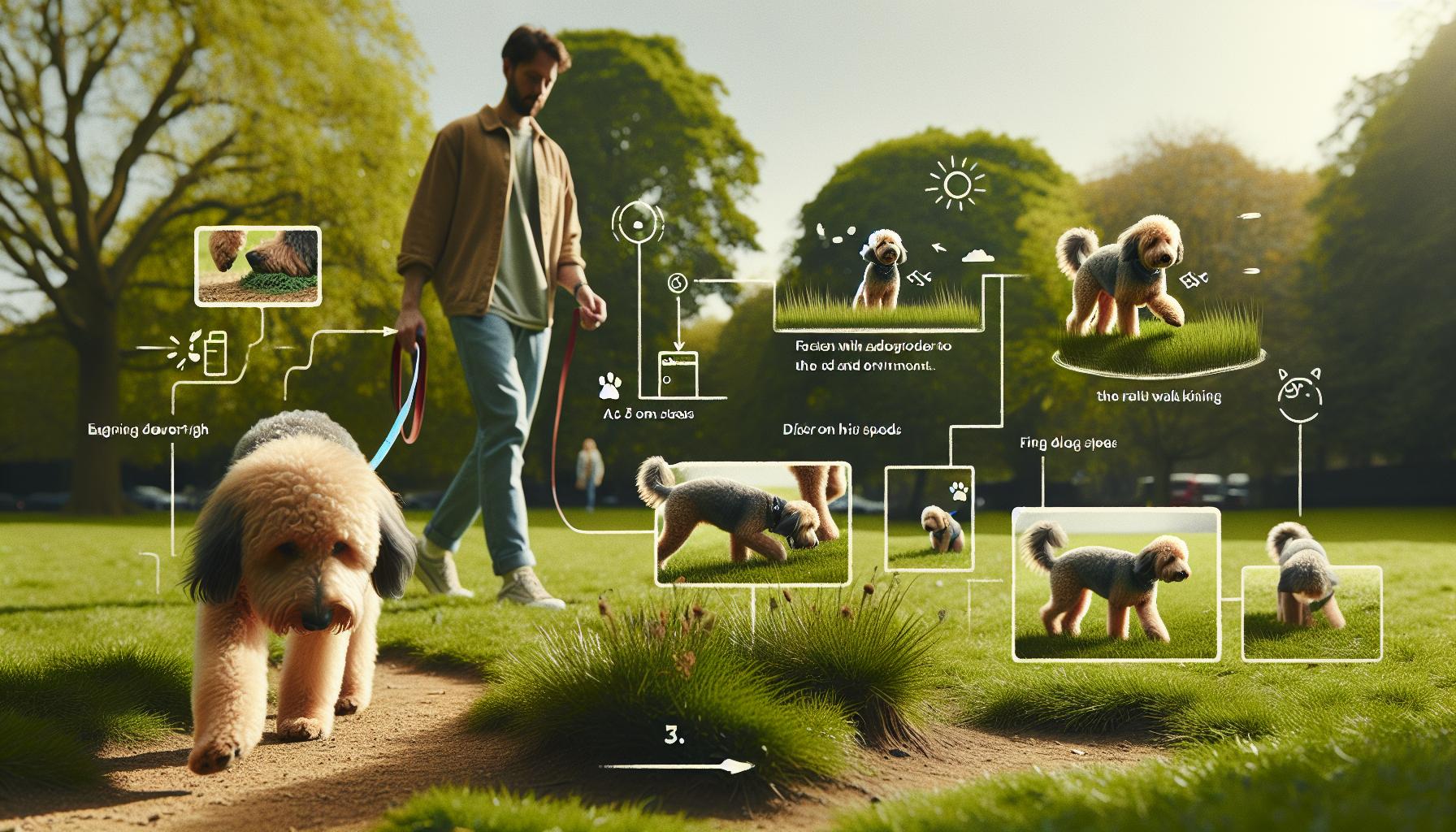
Factors Affecting Mini Labradoodle Walking Distance
The distance a Mini Labradoodle can walk is influenced by several key factors that every owner should consider to ensure their furry friend enjoys exercise safely and effectively. Age, for instance, plays a crucial role. Younger dogs typically have more energy and stamina, allowing them to tackle longer walks, while senior Mini Labradoodles might require shorter, more leisurely strolls to accommodate their physical limitations. Similarly, the dog’s overall health condition-such as any existing medical issues like arthritis or hip dysplasia-can greatly affect their ability to walk long distances. Regular veterinary check-ups can help keep track of any health concerns that could impact exercise capacity.
Another important factor is the fitness level of the dog. A Mini Labradoodle that is accustomed to regular activity will likely handle longer walks better than one that is less active or has been more sedentary. Consider gradually building your pup’s endurance through consistent exercise, as dogs can adapt to increased activity levels over time. Additionally, weather conditions should not be overlooked. On particularly hot or cold days, a Mini Labradoodle may struggle to maintain a comfortable pace, necessitating shorter walks or alternative forms of exercise-like indoor play or conditioning workouts.
To illustrate these factors in practice, think of a scenario where a pet owner takes their Mini Labradoodle, Bella, on a daily walk. If Bella is a young, healthy dog in her prime, she might easily manage a couple of 30-minute walks around the neighborhood without issue. However, if Bella were a senior dog with some joint discomfort, the owner might need to limit her walks to 15-20 minutes, perhaps opting for more frequent, shorter outings to keep her engaged without risking overexertion. Adapting exercise plans to fit these varying factors not only keeps your Mini Labradoodle physically fit but also enhances their overall happiness and well-being.
Ideal Daily Exercise Requirements for Mini Labradoodles
Mini Labradoodles are energetic and playful dogs that thrive on regular exercise. An ideal daily routine typically involves at least an hour of physical activity, which can be broken down into smaller segments throughout the day. Given their size and temperament, Mini Labradoodles enjoy diverse activities that not only keep them physically fit but also mentally stimulated. Incorporating both structured exercise like walks and unstructured playtime in the yard can contribute significantly to their well-being.
For most Mini Labradoodles, the recommended exercise regime consists of two to three walks a day, preferably in increments of 20 to 30 minutes each. This schedule allows adequate time for exploration and socialization, fulfilling their innate curiosity and need for interaction. Introducing games like fetch or agility courses can effectively enhance their fitness levels while reinforcing training commands. To better understand each Mini Labradoodle’s capacity, it’s essential to consider their age, weight, and overall health status, as younger dogs or those in peak physical condition may require more vigorous activity compared to older or less active dogs.
Additionally, socialization through playdates with other friendly dogs can be an excellent way for Mini Labradoodles to expend energy. These interactions not only provide physical exercise but also help reinforce important social skills. However, it’s crucial for owners to remain vigilant and ensure that any play does not escalate into roughhousing or excessive excitement, which can lead to potential injuries. Being attuned to individual energy levels and preferences will assist in creating a fulfilling exercise routine that keeps your Mini Labradoodle happy and healthy.
Signs of Overexertion in Mini Labradoodles
Understanding when a Mini Labradoodle has had enough exercise is crucial for their health and well-being. These energetic pups love to play, but they can easily overexert themselves if owners aren’t careful. Being able to recognize the signs of overexertion can help prevent injuries and ensure that your furry friend remains happy and healthy.
One of the most common indicators that your Mini Labradoodle may be overdoing it is panting. While some panting is normal after exercise, excessive panting, especially if accompanied by drooling or a refusal to continue walking, can mean that your pup needs a break. Look out for changes in behavior, such as stumbling, lagging behind, or sitting down when they usually enjoy walking. These signs might suggest that your dog is feeling fatigued and needs to rest.
Additionally, you should keep an eye on your dog’s body language. Signs of discomfort can include whining, excessive licking of their paws, or a lack of enthusiasm in their movements. If your Mini Labradoodle starts to show these behaviors during walks or playtime, it’s essential to take a break. It’s not just about recognizing the signs but responding to them accordingly; providing water and a cool, shaded area for your dog to rest can help them recover quickly.
Beyond immediate symptoms, long-term overexertion can lead to more severe issues, such as joint pain or muscle strains. To prevent this, ensure you gradually increase the intensity and duration of your activities as your Mini Labradoodle builds stamina. Keeping a keen eye on their physical condition and adjusting exercise routines based on their feedback will promote a healthier lifestyle for your beloved companion. Remember, the goal is to have enjoyable walks that leave them feeling invigorated rather than exhausted!
Fun Activities to Keep Mini Labradoodles Active
Mini Labradoodles are bundles of energy and joy, making it essential to find engaging and stimulating activities for them beyond daily walks. Not only do these fun activities help meet their exercise needs, but they also foster a strong bond between you and your furry companion. Here are some fantastic ways to keep your Mini Labradoodle active and entertained.
Interactive Play
One of the best ways to engage a Mini Labradoodle is through interactive play. Games like fetch or tug-of-war can provide both physical and mental stimulation. Mini Labradoodles love to chase, so a game of fetch in your backyard or a local park can be a great way for your dog to burn off some energy. Use a favorite toy or ball, and let them run after it-just be sure to take breaks to prevent overexertion.
Agility Training
Consider setting up a mini agility course in your backyard using everyday items like cones, tunnels, and jumps. Teaching your Mini Labradoodle to navigate through this course not only provides physical exercise but also sharpens their agility and focus. You can start with simple commands and gradually increase the difficulty as your dog becomes more proficient. This type of training engages their minds and helps them learn new skills, making it a rewarding experience for both of you.
Socialization with Other Dogs
Arranging playdates with other friendly dogs can also be beneficial. Mini Labradoodles thrive on social interaction, and spending time with fellow pups can help them develop their social skills while getting plenty of exercise. Dog parks or organized playgroups can provide a safe environment for these interactions. Just be sure to monitor their energy levels and take breaks as needed!
Enrichment Activities
Finally, don’t underestimate the power of mental stimulation. Interactive toys that dispense treats or puzzle feeders can keep your Mini Labradoodle engaged and mentally sharp. You can also hide treats around the house or yard and let them sniff them out. This scavenger hunt not only provides mental exercise but also taps into their natural instincts.
By incorporating these dynamic activities into your Mini Labradoodle’s routine, you’ll help them stay fit, healthy, and happy. Remember, finding the right balance between physical and mental exercise is key to ensuring they lead a fulfilling, active lifestyle.
Comparing Mini Labradoodles to Other Breeds in Exercise
When it comes to exercise requirements, Mini Labradoodles often surprise new owners with their energetic nature. These lively little dogs require a good amount of physical activity, comparable to some larger breeds, making them both a joy and a challenge for many pet parents. Understanding how they stack up against other breeds can help potential owners and current caregivers create a wellness plan that meets their exercise needs effectively.
Mini Labradoodles typically need around 1 to 2 hours of exercise daily, which includes walks, playtime, and mental stimulation activities. This requirement can put them on par with other active breeds such as Beagles or Cocker Spaniels, both known for their energetic dispositions. However, these small but agile pups can often engage in activities for longer periods when motivated by their love for play and interaction. Unlike more laid-back breeds like Bulldogs, who may be satisfied with shorter, less intense exercise sessions, Mini Labradoodles thrive on consistent, varied physical challenges.
Comparing Exercise Needs
To further illuminate their exercise dynamics, here’s a brief comparison with a few other common breeds:
| Breed | Daily Exercise Requirement | Walking Distance |
|---|---|---|
| Mini Labradoodle | 1-2 hours | 5-10 kilometers |
| Beagle | 1 hour | 3-5 kilometers |
| Cocker Spaniel | 1-2 hours | 5-8 kilometers |
| Bulldog | 30 minutes – 1 hour | 1-3 kilometers |
This table highlights how Mini Labradoodles can match or exceed the exercise stamina of other breeds significantly. For instance, while Beagles may comfortably walk around 3 to 5 kilometers, Mini Labradoodles can manage distances closer to 5 to 10 kilometers, particularly once they’ve built their stamina. It’s this combination of small stature and high energy that requires attentive planning from owners to ensure these dogs have an outlet for their boundless enthusiasm.
Ultimately, knowing how a Mini Labradoodle’s exercise needs compare to others can help you select appropriate activities. Whether it’s a longer walk, a vigorous game of fetch, or agility training, understanding their energy levels and exercise requirements can ensure that both you and your Mini Labradoodle enjoy a fulfilling and active lifestyle together.
Creating a Personalized Exercise Plan for Your Mini Labradoodle
Designing an exercise plan for your Mini Labradoodle can be as rewarding as it is necessary for their well-being. These spirited pups thrive with a daily routine that incorporates both physical and mental stimulation. Given their high energy levels, it’s essential to create a customized plan that not only meets their exercise needs but also fits into your lifestyle and schedule. This can help prevent boredom and associated behavioral issues, while also enhancing the bond you share.
Start by assessing your Mini Labradoodle’s specific needs, taking into account their age, weight, and overall health. If you have a young puppy, remember that their exercise should be controlled to avoid stress on their developing joints. A good rule of thumb is to provide about 5 minutes of exercise per month of age, twice a day. For instance, a 5-month-old should have approximately 2 x 25-minute walks daily. As your dog matures, ramp up the intensity and duration to meet the 1-2 hours of exercise typically recommended for adults.
To create a balanced exercise schedule, consider incorporating a mixture of activities such as walks, playtime, and mental challenges. Here’s a sample weekly plan:
- Monday: 30-minute walk + 30 minutes of fetch in the yard.
- Tuesday: 60-minute hike in a dog-friendly area.
- Wednesday: 30-minute walk + interactive puzzle games at home.
- Thursday: 45-minute jog + socialization with other dogs.
- Friday: 30-minute walk + practice tricks for mental stimulation.
- Saturday: Agility training for 1 hour.
- Sunday: Rest day with leisurely playtime indoors.
It’s also vital to adapt the plan based on weather conditions and your dog’s energy levels. In hot weather, try to exercise during cooler parts of the day to prevent overheating. Similarly, if your dog appears tired or restless, modify the intensity or duration of your sessions.
Lastly, keep an eye on your Mini Labradoodle’s responses during exercises. If they seem fatigued or show signs of overexertion, be ready to adjust the plan. Engaging in your dog’s exercise not only keeps them fit but also strengthens your bond, allowing both of you to enjoy countless adventures together. Engaging activities, varied environments, and interactive games are just a few ways to keep your Mini Labradoodle happy and healthy!
Tips for Walking Your Mini Labradoodle Safely
Walking your Mini Labradoodle can be one of the most delightful experiences, offering bonding moments along with physical health benefits. However, ensuring their safety during these outings is crucial. With their curious nature and spirited personalities, Mini Labradoodles love to explore, making it essential to have a few guidelines in place to keep them safe and secure.
First and foremost, always use a sturdy, well-fitted harness or collar. A harness is particularly advisable for Mini Labradoodles since it distributes pressure across their body and prevents strain on their necks, especially if they tug on the leash. If your dog is a puller, consider using a front-clip harness, which helps control their movements more effectively. It’s also wise to have a leash that is appropriate for their size; a shorter leash can give you better control in busy areas while a longer one allows more freedom in open spaces.
Stay Aware of Surroundings
Being aware of your environment is vital when walking your Mini Labradoodle. Keep an eye out for potential hazards, such as busy roads, aggressive dogs, or distractions that might lead your pup to dart in the wrong direction. If you live in an area where wildlife is present, teach your dog a reliable “leave it” command to prevent them from chasing after animals. Additionally, avoid walking in extreme weather conditions; hot pavement can harm their paws, while cold temperatures can lead to discomfort or frostbite.
Be Mindful of Their Energy Levels
While Mini Labradoodles are energetic, it’s essential to gauge your dog’s energy levels throughout the walk. Watch for signs of fatigue, such as lagging behind, excessive panting, or reluctance to continue. If they show any signs of distress, it’s wise to take a break in the shade or head home earlier than planned. Take shorter, more frequent walks if your pup is particularly tired or if it’s warm, ensuring their safety and comfort.
Lastly, always carry essentials like water, especially during warm months. Keeping your Mini Labradoodle hydrated is essential, even if you plan for a relatively short outing. A collapsible water bowl can be a handy accessory to have on your walks. And remember, engaging with your Mini Labradoodle during the walk, whether through conversation, encouragement, or gentle corrections, can make the experience more enjoyable for both of you. By following these simple tips, you can set out on your walks with confidence, knowing you’re doing your best to keep your furry friend safe and happy!
Seasonal Considerations for Mini Labradoodle Exercise
When it comes to keeping your Mini Labradoodle healthy and happy, understanding how weather changes affect their exercise routine is crucial. Each season brings unique challenges and opportunities for your furry friend. For instance, during the warmer months, it’s essential to keep an eye on the heat. Mini Labradoodles, with their thick coats, can overheat more easily than some breeds. Aim to walk them early in the morning or later in the evening when temperatures are cooler. Always carry fresh water for breaks, and consider investing in a cooling vest to help regulate their body temperature.
In contrast, winter walks can be delightful but require extra care. Cold weather can make your dog prone to frostbite, especially on their paws. Consider dog booties to protect their feet from icy surfaces and salt on sidewalks. If you live in an area with snow, watch out for snowballs forming between their toes, which can lead to discomfort. Shorter, more frequent walks are preferable, allowing them to enjoy the outdoors without getting too cold. You might also want to explore indoor activity options, like playing fetch in a safe space at home or engaging them with puzzle toys to keep their minds sharp.
Spring and fall each bring their own fun. In spring, you’ll encounter plenty of new scents and sights as nature awakens, so allow your Mini Labradoodle some additional exploration time during walks. Conversely, in fall, the cooler air provides a perfect environment for longer walks. However, keep an eye out for potential allergens like ragweed or fallen leaves that may irritate their skin or eyes.
Understanding these seasonal dynamics not only helps you plan safe and enjoyable exercise routines but also enhances your bond with your Mini Labradoodle as you adapt to their needs throughout the year. Always be mindful of their comfort and energy levels, adjusting walks according to their responses to the weather!
How to Encourage Reluctant Walkers: Training Tips
It’s not uncommon for Mini Labradoodles to display reluctance when it comes to walks. These intelligent and affectionate dogs can be easily distracted or simply prefer staying cozy indoors. To help motivate your Mini Labradoodle, consider incorporating a few effective training strategies that can turn those hesitant steps into eager adventures.
Start by making walks a fun and rewarding experience. Using positive reinforcement techniques, such as treats and praise, can significantly enhance your dog’s willingness to walk. Before heading out, spend a few moments playing with a favorite toy or doing a short training session to stimulate their mind. You might even consider using a clicker to mark good behavior when your pup shows enthusiasm for going outside. This will help them associate walks with positive outcomes, reinforcing the desire to venture out.
Another effective approach is to gradually build up their walking distance. Instead of diving into long walks, begin with short strolls around the block and slowly increase the duration as your Mini Labradoodle becomes comfortable. You can use this opportunity to explore different walking routes, which can help keep their interest piqued. For instance, visiting a dog park or a scenic area can provide new sights and smells that stimulate their curiosity and make the experience more enjoyable.
Additionally, ensuring that your Mini Labradoodle feels safe and secure while walking is essential. Invest in a well-fitted harness that provides comfort and control. Avoid overly busy streets where loud noises or fast-moving cars might scare them. By taking these precautions, your pup will be more likely to embrace outdoor excursions rather than shy away from them. Finally, consider asking fellow dog owners for a walking buddy. Dogs are social animals, and companion walks can encourage even the most reluctant walkers to join in the fun.
Remember, patience is key. If your Mini Labradoodle hesitates, take the time to understand why. Whether it’s environmental factors, discomfort, or simply a case of stubbornness, addressing these needs with compassion will foster a healthier relationship and encourage a more active lifestyle. Keep your spirits high and celebrate small victories, and soon, you and your Mini Labradoodle will enjoy those daily strolls together!
Monitoring Your Mini Labradoodle’s Fitness Progress
Tracking your Mini Labradoodle’s fitness progress is not just about measuring how far they can walk-it’s about understanding their overall health and well-being. Regular monitoring can provide valuable insights into your pup’s fitness levels, energy output, and potential health concerns. Knowing these facts can help you make informed decisions about their exercise routine and lifestyle.
One effective way to monitor your dog’s fitness is to keep a daily log of their walks and activities. Include durations, distances, and nature of the activities. Using a pedometer or a fitness tracker specifically designed for dogs can also be an excellent way to collect data; technology can provide precise measurements of activity levels, helping you identify patterns over time. This can become especially beneficial if you’re preparing for a vet visit or need to adjust their exercise as they age. By noting changes in their stamina or enthusiasm during walks, you can tailor their exercise plans accordingly.
Another essential aspect of monitoring fitness is being aware of your Mini Labradoodle’s body condition. A simple visual assessment can help determine if they are within a healthy weight range or if adjustments to their diet and exercise may be necessary. For example, if your dog seems to tire more quickly during walks, it could indicate weight gain or possibly an underlying health issue, making it crucial to consult with a vet. Regular check-ins on body condition score-an evaluative system measuring weight, musculature, and fat-can further refine your assessment.
Finally, keep an eye on your dog’s behavior during and after exercise. Are they playful and energetic or lethargic and disinterested? A thriving Mini Labradoodle should exhibit an enthusiastic response to their daily activities, reflecting good physical condition. Frequent reluctance to walk or play might suggest the need for a veterinarian’s evaluation. By actively engaging in monitoring fitness progress, you’re not just ensuring your Mini Labradoodle remains physically fit; you are cultivating a deeper understanding of their health needs, which is fundamental to providing them with a happy and active life.
Common Health Issues Affecting Exercise Capacity
Many Mini Labradoodles are spirited bundles of joy, thriving on regular exercise and play. However, several health issues can affect their exercise capacity, making it crucial for owners to stay informed about common ailments that could impact their furry friend’s activity levels. Understanding these conditions not only enhances your pup’s well-being but also helps you tailor their exercise routine effectively.
One prevalent issue is hip dysplasia, a genetic condition where the hip joint doesn’t develop properly. This can cause pain and mobility issues, leading to a reluctance to engage in activities. If you notice your Mini Labradoodle limping or avoiding playtime, a vet visit is recommended to assess joint health and determine an appropriate exercise plan.
Another common concern is obesity, which is often a result of insufficient physical activity coupled with overeating. Mini Labradoodles, like all dogs, can gain weight if they’re not exercised enough, leading to further health complications, including heart disease and diabetes. It’s essential to monitor their diet and encourage regular outdoor activities to maintain a healthy weight. Use measurements like body condition scores to keep track of their fitness and consult your vet on weight management strategies.
Additionally, conditions such as allergies and respiratory issues can curtail your Mini Labradoodle’s exercise potential. Allergies can cause discomfort, making your dog unwilling to walk or play. Look for signs such as scratching or ear infections. If your pup starts to show these symptoms, consider seeking veterinary advice to identify effective treatments. Similarly, respiratory problems can make exercising challenging, especially in hot or humid weather. It’s vital to adjust your activity plans based on your dog’s specific health needs.
To sum up, being proactive about your Mini Labradoodle’s health by recognizing and addressing common issues can significantly enhance their quality of life. Regular vet check-ups, a balanced diet, and adjusting exercise routines based on their capabilities ensure that your Mini Labradoodle remains active and enjoys a happy, fulfilling life.
Faq
Q: How far can a Mini Labradoodle walk in a day?
A: A Mini Labradoodle can typically walk between 2 to 5 miles a day, depending on their age, health, and individual fitness level. It’s essential to adjust the distance based on your dog’s needs and consult your vet for tailored advice.
Q: What are the signs of fatigue in a Mini Labradoodle during walks?
A: Signs of fatigue in Mini Labradoodles include lagging behind, excessive panting, reluctance to continue, or lying down during walks. If you notice any of these signs, it’s crucial to take a break and offer water to prevent overexertion.
Q: How can I improve my Mini Labradoodle’s stamina for walking?
A: To improve your Mini Labradoodle’s stamina, gradually increase their walking distance and introduce varied terrains. Consistent exercise, combined with fun activities like fetching, fosters cardiovascular health and endurance.
Q: Is it safe to walk a Mini Labradoodle in hot weather?
A: Walking a Mini Labradoodle in hot weather can pose risks. It’s best to walk them during cooler parts of the day, avoid hot pavement, and provide plenty of water. Monitor them for signs of overheating and take quick action if needed.
Q: How does age affect a Mini Labradoodle’s walking capacity?
A: A Mini Labradoodle’s age significantly impacts their walking capacity. Puppies may have bursts of energy but need shorter walks, while seniors may tire quickly. Tailoring exercise to their age ensures they remain healthy and engaged.
Q: How often should I walk my Mini Labradoodle?
A: Ideally, you should walk your Mini Labradoodle at least once or twice a day, totaling around 30 minutes to 2 hours of exercise, depending on their energy level. Regular walks boost their physical and mental well-being.
Q: Can Mini Labradoodles handle long hikes?
A: While Mini Labradoodles enjoy outdoor activities, they may not handle extremely long hikes well. Start with short, gradual hikes to build their confidence and stamina. Always consider their individual fitness and health condition.
Q: What should I do if my Mini Labradoodle refuses to walk?
A: If your Mini Labradoodle refuses to walk, check for health issues or discomfort. You can also try shorter, more frequent walks, using positive reinforcement, or incorporating play to make walks more enjoyable. If the behavior persists, consult a vet.
Feel free to explore more about your Mini Labradoodle’s exercise needs in our article sections on Understanding Mini Labradoodle Exercise Needs and Creating a Personalized Exercise Plan!
The Conclusion
Now that you understand how far a Mini Labradoodle can walk and the importance of regular exercise, it’s time to put this knowledge into action! These lively pups thrive on daily activity, so make sure to schedule those walks to keep them happy and healthy. If you’re eager to learn more about keeping your furry friend fit, check out our articles on “Mini Labradoodle Training Tips” and “The Best Activities for Your Labradoodle” for expert advice and ideas.
Don’t miss out on the chance to enhance your bond with your Mini Labradoodle-subscribe to our newsletter for the latest tips and share your walking adventures with us! Remember, investing time in their exercise today will lead to a happier, more fulfilled pup tomorrow. Want to dive deeper into caring for your Labradoodle? Explore our resource page for essential guides and checklists that can help you every step of the way! Your pup deserves the best, and so do you!