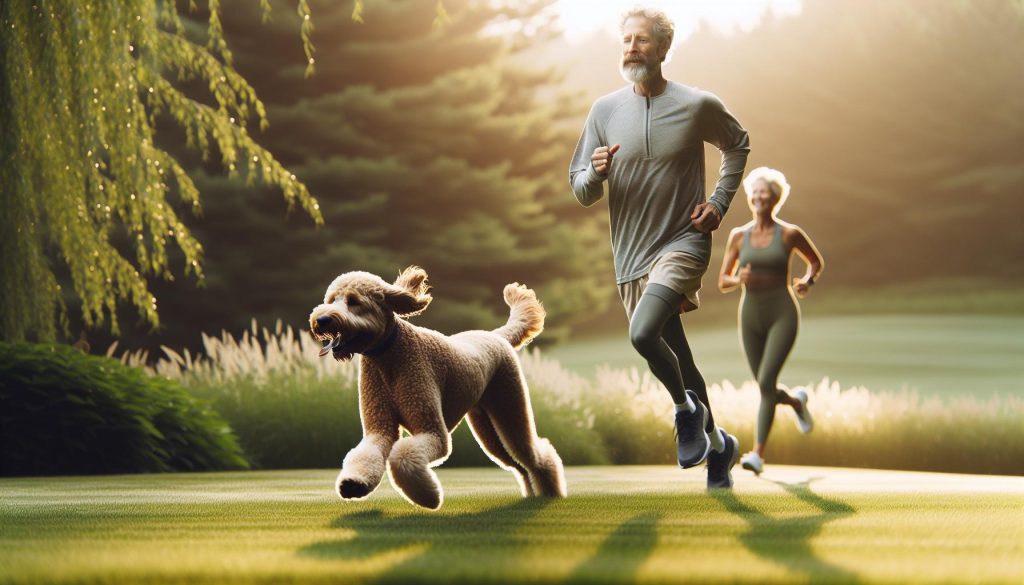
Did you know that a fit Labradoodle can reach speeds of up to 30 miles per hour? This impressive agility makes them not only great companions but also excellent workout partners! Understanding how fast Labradoodles can run is crucial for dog owners, especially if you’re considering incorporating regular exercise into your pup’s routine. Whether you’re preparing for a lively game of fetch or simply taking your furry friend for a jog, knowing your Labradoodle’s speed capabilities can help you set realistic goals and expectations. Moreover, understanding their physical capabilities can lead to better training, more enjoyable playtime, and improved overall health for your dog. Curious to discover more about their speed and what it means for your active lifestyle? Let’s dive into the fascinating world of Labradoodle speeds and uncover the essentials you need to know!
How Fast Do Labradoodles Typically Run?
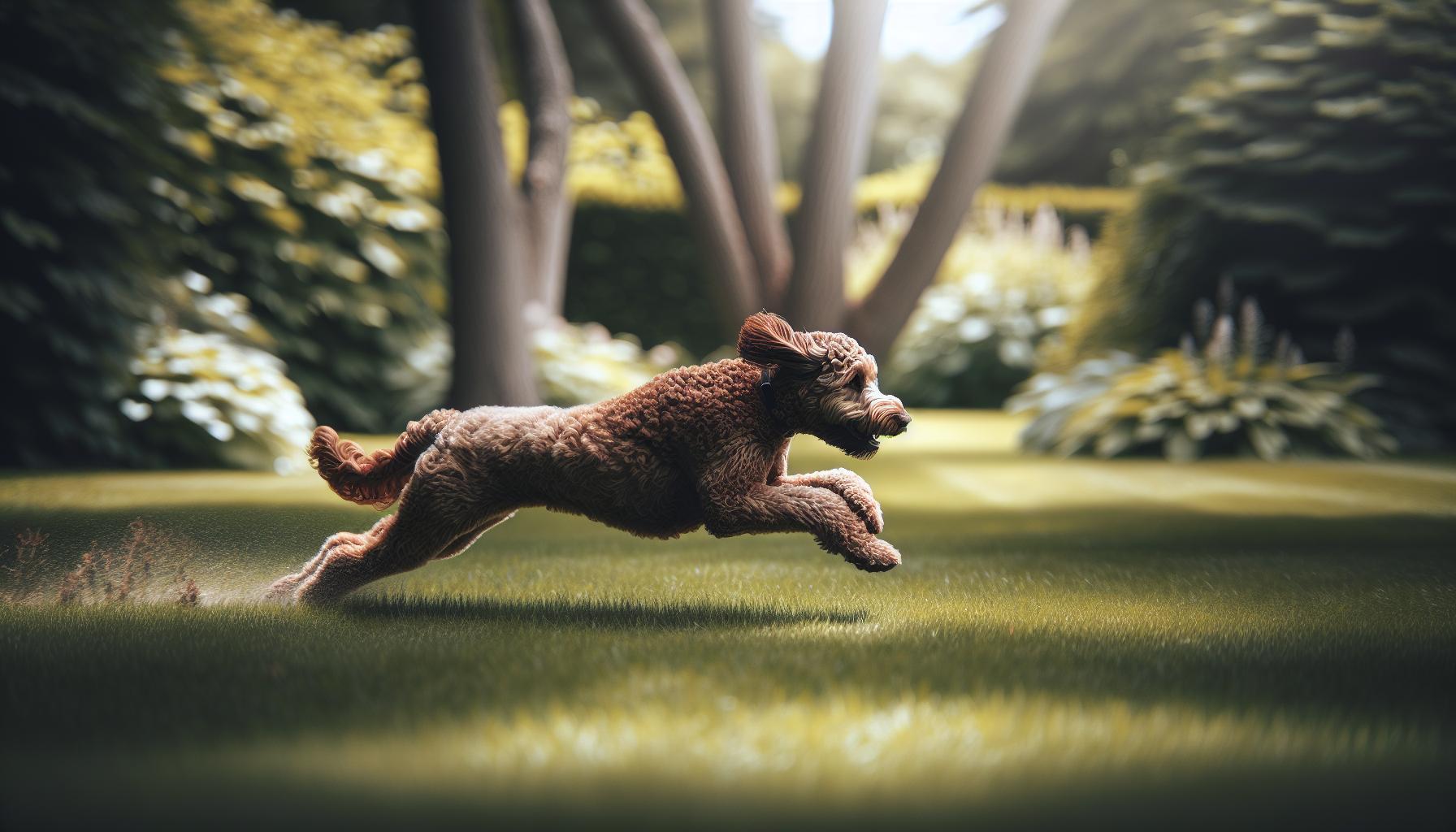
A Labradoodle can reach impressive speeds, typically running at 20 to 30 miles per hour, depending on their size and conditioning. These energetic dogs, inheriting their athleticism from both the Labrador Retriever and the Poodle, make fantastic running companions. While individual speeds can vary, a healthy adult Labradoodle, especially during playful sprints, may surprise you with bursts of energy and speed that could even approach 30 mph in short dashes [1].
Several factors contribute to how fast a Labradoodle can run. Their physical size plays a significant role; larger Labradoodles might run up to 25 mph, while smaller ones may only hit about 20 mph [2]. Additionally, a Labradoodle’s age, health, and fitness levels can influence their running capability. Regular exercise, a balanced diet, and proper training not only enhance their speed but also improve their overall endurance. For instance, a well-conditioned Labradoodle can enjoy longer runs alongside their human companions, making them delightful partners for outdoor activities.
Ultimately, Labradoodles thrive on interaction and play. Maintaining an active lifestyle helps them stay fit and agile. Engaging them in activities that challenge their speed, such as fetching or agility training, can lead to noticeable improvements, not just in speed but also in their joy and satisfaction. Always remember that your Labradoodle’s happiness comes from spending time with you-whether it’s sprinting in the park or playing a fun game of chase at home!
Factors Influencing Labradoodle Speed
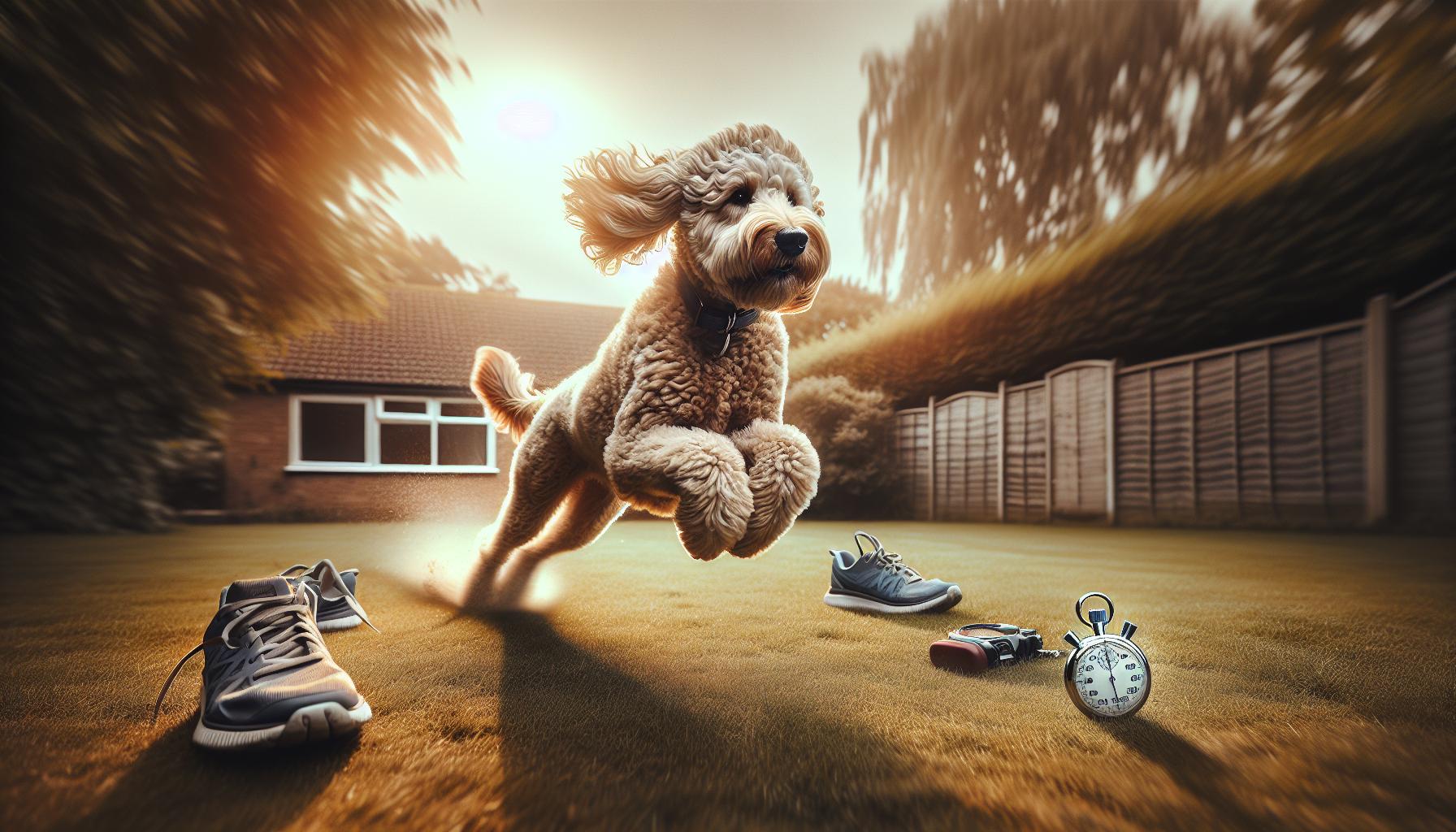
Labradoodles are not only beloved for their friendly nature, but they also possess physical qualities that contribute to their impressive speed. Have you ever seen one sprint across a park? Their combination of strength, agility, and energy creates a remarkable running experience. Understanding the factors that influence their speed can help you personalize your dog’s exercise regimen to match their capabilities.
One primary factor affecting a Labradoodle’s speed is their size. Standard Labradoodles, being larger and more robust, may reach speeds up to 25 mph, while miniatures and smaller variations often top out around 20 mph. To help illustrate the variations in speed, consider the following influences:
- Size and Build: A Labradoodle’s overall size impacts its muscle mass and leg strength, which are both crucial for speed. Generally, the bigger the dog, the more potential they have for speed, provided their physique is well-balanced.
- Age and Health: Younger, healthy Labradoodles typically have more energy and better physical condition, allowing them to run faster than older dogs. Regular health check-ups can also ensure they are fit for exercise.
- Fitness Level: Just like humans, Labradoodles benefit from conditioning. Regular exercise, particularly activities that encourage sprinting or agility, will improve their speed and endurance over time.
- Genetics: Inheriting traits from both Labrador Retrievers and Poodles, many Labradoodles may naturally possess a more athletic build and high energy levels, leading to improved speed capabilities.
Ensuring your Labradoodle receives regular physical activity tailored to their unique abilities allows them to unleash their inner athlete. Engaging in diverse workouts, such as brisk walks, runs, or agility courses not only keeps them physically fit but also mentally stimulated. A mix of activities can help find their optimal speed while making exercise enjoyable for both of you!
Comparing Labradoodle Speed to Other Breeds
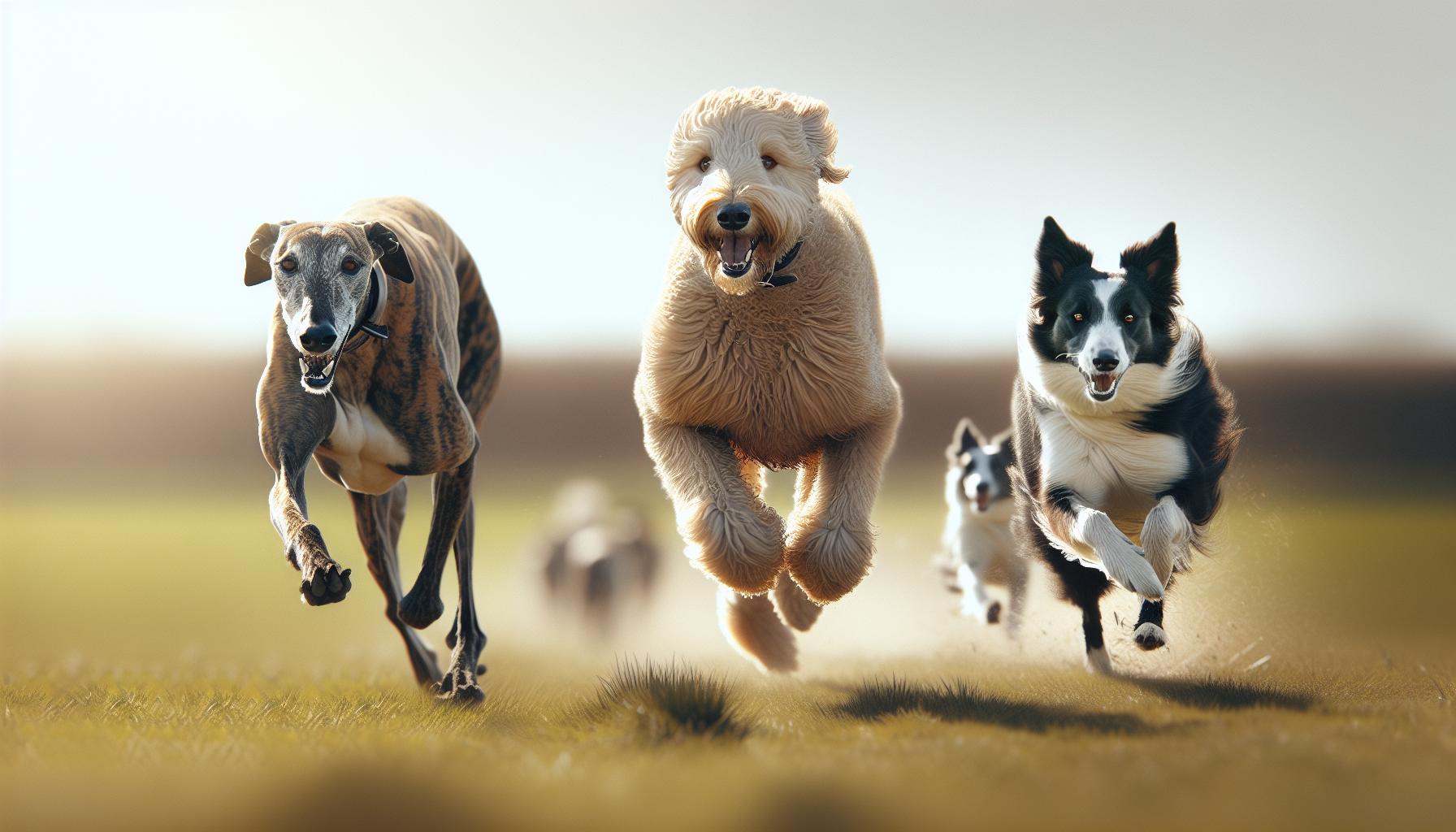
When it comes to speed, Labradoodles often hold their own against a variety of dog breeds, making them a favorite among active families and individuals. These delightful hybrids, resulting from a mix between Labrador Retrievers and Poodles, can reach impressive running speeds of up to 25 miles per hour at a regular pace and even up to 35 mph in short bursts during sprints. But how do they stack up against other breeds?
To put this in perspective, let’s compare Labradoodles to some other popular breeds. For instance, Greyhounds are renowned for their exceptional speed, capable of sprinting at approximately 45 mph, making them one of the fastest dog breeds. On the other hand, Beagles top out around 20 mph, which is on par with smaller Labradoodles and highlights the athleticism of their larger counterparts. In terms of agility and endurance, Herder breeds like Border Collies can also compete closely with Labradoodles; they tend to excel not just in speed but in maneuverability as well.
Here’s a quick overview of how Labradoodles compare in speed to a few other breeds:
| Breed | Average Speed |
|---|---|
| Labradoodle | 25-35 mph |
| Greyhound | 45 mph |
| Border Collie | 30 mph |
| Beagle | 20 mph |
You can see that while Labradoodles might not be the fastest among all breeds, they definitely make a mark with their speed combined with agility and friendliness. Their ability to speed through a backyard or park, joined by their playful nature, makes them fantastic companions for exercises like fetch or agility training. If you’re considering getting a Labradoodle, this balance of speed and playful energy is a key attribute to cherish, making every outing an exciting adventure!
Labradoodle Speed and Their Energy Levels
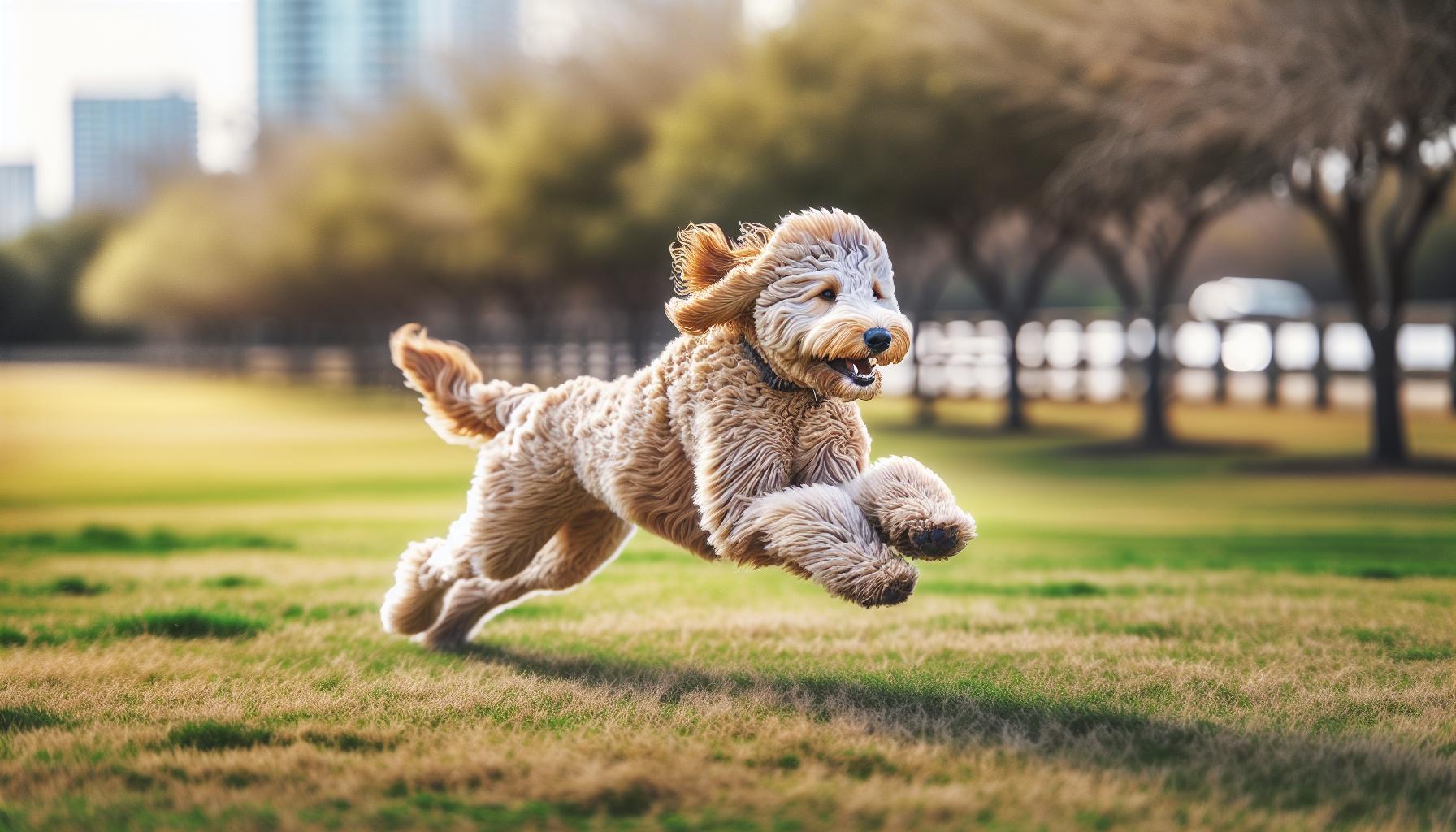
Labradoodles are known not just for their speed but also for their abundant energy, which makes them delightful companions for active individuals and families. This breed thrives on physical activity, requiring ample exercise to keep them healthy and happy. With a typical running speed of 25 to 35 mph, Labradoodles combine agility and enthusiasm in a way that enhances their playful nature during outdoor activities. However, their energy levels demand more than just speed; they need purposeful exercise and mental stimulation to channel their exuberance effectively.
One of the key factors influencing a Labradoodle’s energy is their age and growth stage. For example, puppies tend to be bursting with energy but require shorter bursts of play and rest. As they mature, they can handle longer walks or runs. Regular exercise routines not only fulfill their physical needs but also support their mental well-being. Engaging them in activities such as fetch, swimming, or agility courses helps expel excess energy while strengthening the bond between owner and dog.
To maximize your Labradoodle’s speed and stamina, consider varying their exercise routines. Incorporate both high-intensity activities and gentle play to create a balanced lifestyle. For instance, a combination of running, playing with other dogs, and training sessions can keep them energized yet well-behaved. Remember, well-exercised Labradoodles often display calmer behavior at home, showcasing how important physical activity is for this lively breed.
In summary, understanding your Labradoodle’s energy levels and their relationship with speed can help you design effective exercise routines that cater to their needs, keeping them fit, happy, and ready for every adventure.
Training Your Labradoodle for Speed and Agility
Training a Labradoodle not only enhances their agility and speed but also strengthens the bond between you and your furry friend. One particularly fascinating aspect of Labradoodles is their capacity for quick learning and responsiveness. Incorporating fun and engaging training techniques will not only improve their speed but also make the process enjoyable for both of you.
To start, consider positive reinforcement as a key method for training. Using treats, praise, or toys as rewards when your Labradoodle successfully completes a task encourages them to repeat that behavior. For instance, when practicing recall or sprinting exercises, reward them immediately when they respond well-this reinforces the desired behavior. Training sessions should be short but frequent to maintain their interest; around 10-15 minutes daily is ideal.
Another effective way to boost both speed and agility is to engage your Labradoodle in agility training courses. Set up an obstacle course in your backyard or at a local park with tunnels, jumps, and weave poles. These courses can be tailored to different skill levels and provide a fun challenge. Start with simple obstacles and gradually increase complexity as your dog becomes more confident and skilled. This not only aids in improving their speed but also enhances their focus and coordination.
Incorporate Play into Training
Play is another crucial aspect of training that keeps Labradoodles engaged. Games like fetch, tug-of-war, or even frisbee can develop your dog’s speed and stamina while also allowing for breaks in training. Ensure you provide plenty of opportunities for your Labradoodle to run freely in safe, enclosed areas. This not only aids physical conditioning but also allows your pup to express their natural behaviors, helping to prevent behavioral issues that arise from boredom or excess energy.
In summary, effective training for speed and agility focuses on positive reinforcement, fun and engaging activities, and the incorporation of play. These techniques not only foster a healthy, active lifestyle for your Labradoodle but also create joyful moments for you both that strengthen your bond. Take the time to enjoy the process and celebrate each achievement, no matter how small; it’s all part of the delightful journey that is owning a Labradoodle!
Fun Activities to Boost Your Labradoodle’s Speed
Engaging in playful activities not only cultivates fun moments with your Labradoodle but also significantly boosts their speed. Did you know that Labradoodles are known for their high energy levels and playful dispositions? This breed thrives on activities that challenge both their physical abilities and mental agility. To help your furry friend run faster and stay fit, consider integrating a variety of exciting activities into their routine.
One of the best ways to enhance your Labradoodle’s speed is through games that involve chasing and retrieving. Fetch is a classic choice; throw a ball or a frisbee in a safe, open area and watch your dog zoom after it. Using a frisbee not only encourages running but also helps enhance coordination as they catch it mid-air. If your dog seems disinterested in chasing specific toys, try experimenting with different types, like squeaky ones or those that roll unpredictably, to keep the game exciting and engaging.
Swimming is another fantastic activity for Labradoodles! Not only does it provide low-impact exercise, which is great for their joints, but it also serves as a cooling off period during hot days while offering an excellent workout. Many Labradoodles take to water naturally, so introducing them to a safe swimming area can be an enjoyable experience for both of you. Consider taking regular trips to a dog-friendly lake or beach, allowing your dog to explore, swim, and run along the shoreline.
For those looking to up the ante, agility training courses can significantly boost your dog’s speed and confidence. Set up simple obstacles like jumps, tunnels, and weave poles in your backyard or find a local agility class. These courses provide mental stimulation as well as physical exercise, enabling your Labradoodle to build speed while navigating through different challenges. Not only does agility training improve speed, but it also reinforces the bond you share through teamwork and celebration of each milestone reached.
Incorporating these fun activities into your Labradoodle’s routine not only strengthens their speed but also contributes to their overall happiness and health. Therefore, keep the energy high, embrace the playfulness, and enjoy each spirited moment with your lively companion!
Health Considerations Affecting Labradoodle Performance
Labradoodles are known for their playful and energetic personalities, and it’s essential to recognize how their health influences performance and speed. Various health considerations can significantly impact a Labradoodle’s ability to run fast and play energetically. For instance, conditions such as hip and elbow dysplasia are relatively common in Labradoodles, often resulting in reduced mobility and discomfort during exercise. Being aware of these issues can help you take proactive steps to promote your dog’s overall health.
To ensure your Labradoodle remains sprightly, regular vet check-ups are crucial. They help identify and manage potential health concerns early on, allowing for tailored care that could prevent more serious issues. Regular exercise is vital, but balance is key-too much strenuous activity can exacerbate existing conditions, particularly in older dogs or those predisposed to specific ailments. Always consult your veterinarian about the appropriate activity level for your dog’s age, weight, and health status.
Additionally, maintaining a healthy weight is paramount for speed and agility. Labradoodles can be prone to obesity, which can further strain their joints and lead to more significant health complications. A balanced diet paired with exercise will keep your furry friend in top shape. It’s worth noting that a dog’s diet might need adjusting based on their activity level, which can fluctuate with age and health status. Always seek guidance from your vet when changing your dog’s diet or exercise regimen.
In conclusion, understanding the health factors influencing your Labradoodle’s performance can not only enhance their speed but also improve their quality of life. Knowing the signs of discomfort or fatigue and responding appropriately will ensure that your furry companion remains as active and speedy as they are meant to be. Remember, a healthy dog is a happy dog, so prioritize their wellness through routine vet visits, a balanced diet, and appropriate exercise.
Understanding Labradoodle Growth Stages and Speed
Understanding the growth stages of your Labradoodle is key to appreciating how their speed and agility develop over time. From a tiny puppy to a sprightly adult, Labradoodles undergo significant physical changes, influencing their running capabilities. Generally, these dogs can reach speeds of about 15 to 20 miles per hour when fully grown, thanks to their athletic builds and energetic personalities.
As your Labradoodle matures, you’ll notice variations in their speed during different growth phases. In the early months, they are more focused on exploring their surroundings than sprinting; however, between 5 and 12 months, they often experience growth spurts that boost their energy and agility. This is a prime time for engaging your puppy in activities that encourage speed, like fetch or agility training, as their coordination and muscle strength improve dramatically during this period.
Labradoodles are particularly sensitive to their growth stages, and understanding this can help you tailor their exercise regimen. Too much strenuous activity too early can lead to joint issues, while too little exercise can stunt their physical development. It’s essential to balance playtime with structured exercises appropriate for their age. For example, short bursts of running can be encouraged in young adults, while more extended periods of play can be suitable as they become more accustomed to their size and strength.
In terms of training, integrating speed drills as part of their routine can enhance their running capabilities. Start with simple commands and rewards, and gradually introduce obstacles to simulate agility training. This not only aids in their physical development but can also foster a deeper bond between you and your furry companion. As they mature, their ability to run competently increases, paving the way for fun activities like running alongside a bike or participating in agility competitions. By understanding and respecting these growth stages, you can help your Labradoodle reach its full potential while fostering a love for physical activity.
Common Misconceptions About Labradoodle Athletics
It’s a common myth that all Labradoodles are slow and lack athleticism due to their mixed breeding of Labradors and Poodles. In reality, these dogs can be surprisingly fast and agile, capable of reaching speeds between 25 and 35 miles per hour when in peak condition. This misconception often stems from the perception that hybrid breeds are less sturdy than their purebred counterparts, but Labradoodles defy this stereotype with their athletic builds and high energy levels.
Another misconception is that Labradoodles only excel in casual exercise settings, limiting them to leisurely walks or playdates. However, with proper training and conditioning, Labradoodles can thrive in more demanding athletic activities such as agility courses, running alongside their owners, or even participating in dog sports. Their intelligence and eagerness to please make them excellent candidates for developing speed and agility through structured exercises.
Additionally, many new owners believe that their Labradoodles will naturally know how to run quickly and efficiently without any guidance. The truth is, just like humans, dogs require proper training to hone their speed and agility. Implementing a regular routine that includes speed drills, interaction through games like fetch, and positive reinforcement can foster an athletic spirit in your Labradoodle. This not only helps them improve their running ability but also enhances their overall health and strengthens the bond between dog and owner.
Lastly, some may think that only a specific type of Labradoodle-such as the standard size-can perform at higher speeds, but that’s not the case. While size does play a role in agility, both standard and miniature Labradoodles can be quick with the right encouragement and training. Understanding the unique capabilities of your Labradoodle can help dispel these myths and empower you to support their physical growth and sports potential effectively.
Tips for Measuring Your Labradoodle’s Speed
To effectively measure your Labradoodle’s speed, it’s essential to create the right conditions and choose the appropriate methods. Routine exercise and controlled environments can yield the most accurate assessments. One popular method involves using a designated space, such as a fenced yard or a dog park, where you can measure a set distance-try starting with 50 yards. You might consider using a stopwatch to time your Labradoodle’s dash from start to finish, comparing results over several attempts to account for variations in energy levels or distractions.
Another engaging approach is to utilize technology. A GPS collar or a fitness tracker specifically designed for dogs can provide detailed insights into your Labradoodle’s running speed and distance. Many of these devices sync with mobile apps, allowing you to track your dog’s performance over time, which can be particularly helpful if you’re training your dog for agility courses or running alongside you. Keep in mind that factors like weather conditions and surface types (grass vs. pavement) can influence results, so try to maintain consistency in your measurement environments.
Taking note of your Labradoodle’s preference for games can also provide valuable insights into their speed. For instance, if your dog enjoys playing fetch, throw a ball and time how quickly they return it over a specific distance. This method not only measures speed but also adds a layer of fun and motivation for your furry friend. Remember to incorporate warm-up sessions to prevent injury and ensure your dog is in peak condition for these speed trials.
Ultimately, tracking speed should be an enjoyable process for both you and your Labradoodle. Celebrate the little milestones, whether it’s a personal best time or simply an enthusiastic sprint across the yard. Regularly engaging in speed-related activities not only builds their athleticism but also strengthens your bond as a team!
The Importance of Play in Speed Development
In the world of Labradoodles, play is not just a way to pass the time; it’s a vital component in developing their speed and athletic prowess. Engaging in playful activities allows these energetic dogs to channel their natural instincts while honing their speed, agility, and endurance in a fun and stimulating environment. Research shows that playtime encourages physical fitness, mental sharpness, and social skills, making it a folded aspect of a Labradoodle’s overall development.
One of the most effective forms of play to enhance speed is through games like fetch. This classic activity not only provides a physical outlet for your dog but also instills a sense of purpose and excitement, motivating them to run faster and explore their limits. Whether it’s a tennis ball or a Frisbee, the thrill of the chase significantly influences your Labradoodle’s running capabilities. Regular sessions of fetch can lead very noticeable improvements in their speed over time.
In addition to fetch, you can introduce agility courses into your dog’s playtime. Setting up a simple course with tunnels, jumps, and weave poles challenges their speed in a controlled and safe manner. This diversity in play not only boosts their running skills but also enhances their coordination and confidence. A Labradoodle thrives when routine is broken up with new, stimulating games. You might also consider dog parks where they can socialize with other pups, which often results in spontaneous sprints and playful tussles, further enhancing their speed.
Lastly, the importance of play extends beyond just physical benefits. It strengthens the bond between you and your Labradoodle, as shared playtime builds trust and communication. The active engagement during play encourages your dog to push their boundaries and develop their athletic skills in a supportive environment. So, whether you’re throwing a ball or navigating an agility course together, remember that play is a cornerstone of your Labradoodle’s speed development and overall happiness.
Faq
Q: How fast can a Labradoodle run?
A: Labradoodles can typically reach speeds of 15 to 20 miles per hour. Their speed depends on factors like size, energy level, and overall health. Regular exercise helps maintain their physical fitness, allowing them to run efficiently.
Q: What factors influence a Labradoodle’s running speed?
A: A Labradoodle’s running speed is influenced by genetics, age, size, and fitness level. Additionally, their diet and training can significantly affect their agility and endurance. Ensuring they have a balanced diet and regular exercise can enhance their speed.
Q: How does Labradoodle speed compare to other dog breeds?
A: Labradoodles are generally slower than breeds like Greyhounds but can be faster than many smaller breeds. Their speed is comparable to other medium-sized dogs, making them versatile for various activities including agility and obedience.
Q: How can I train my Labradoodle to run faster?
A: To train your Labradoodle for speed, incorporate regular sprinting exercises and agility drills. Using positive reinforcement during training can motivate them. Gradually increasing the intensity and duration of their runs can also improve their speed over time.
Q: Are Labradoodles good for running long distances?
A: While Labradoodles can run for moderate distances, they aren’t primarily bred for long-distance running. However, they enjoy regular outdoor activities and can develop stamina with consistent training. Always monitor their comfort and hydration on longer runs.
Q: What health issues can affect a Labradoodle’s running ability?
A: Health issues such as hip dysplasia, obesity, and heart conditions can impact a Labradoodle’s speed and endurance. Regular veterinary check-ups and a proper exercise routine can help prevent such problems and maintain their running ability.
Q: How can I measure my Labradoodle’s speed?
A: You can measure your Labradoodle’s speed using a stopwatch during a sprint over a set distance. GPS dog collars are also available, providing accurate speed measurements. This data can help track their fitness levels over time.
Q: Why is play important for a Labradoodle’s speed development?
A: Play is crucial for a Labradoodle’s speed development as it promotes physical activity, encourages natural sprinting behavior, and fosters agility. Engaging in varied play activities can enhance their muscle strength and overall running ability.
For more insights on maintaining your Labradoodle’s fitness and exploring fun activities to boost their speed, check out sections on training and energy levels in our main article.
The Way Forward
Now that you know how fast Labradoodles can run, it’s clear that these energetic pups thrive on exercise and outdoor adventures. Regular running can not only keep your Labradoodle fit but also enhance your bond. Remember, a well-exercised Labradoodle is a happy Labradoodle! If you’re eager to learn about maintaining your Labradoodle’s energy levels or exploring other breed-specific care tips, check out our articles on the best exercise routines for dogs and the essential care checklist for Labradoodles.
Don’t wait – start including more play and running time in your routine today! For continuous updates and helpful resources, consider subscribing to our newsletter or following us on social media. Your dog’s happy and healthy lifestyle begins with you, so take the next step now, and let us help you on this exciting journey together!