Did you know that Poodles come in three distinct sizes, each with their own weight range? Understanding how much Poodles weigh, whether Standard, Miniature, or Toy, is essential for new and seasoned owners alike. Proper weight management is vital for their health, influencing everything from diet to exercise. Many Poodle owners find themselves wondering if their furry friend is within a healthy weight range or if they need to make adjustments to maintain their well-being. This weight chart for all Poodle sizes provides valuable insights to help you monitor your dog’s growth accurately, ensuring they lead a happy, active life. Dive deeper into the specifics of each type, explore their unique characteristics, and learn how to care for your Poodle at every stage of their life.
Understanding Poodle Weight Categories
Understanding the weight categories of Poodles is crucial for every owner, as it directly influences their health, care, and overall well-being. Poodles are categorized into three distinct sizes: Standard, Miniature, and Toy, with each size requiring different considerations when it comes to weight management. The American Kennel Club (AKC) sets specific standards for each category, helping prospective owners understand the expected weight range and dimensions.
For Standard Poodles, which are the largest of the group, their height usually exceeds 15 inches at the shoulder. The weight typically falls between 40-50 pounds for females and 60-70 pounds for males. This size not only showcases their elegant stature but also marks them as one of the most versatile breeds, often excelling in various canine sports and activities.
In contrast, Miniature Poodles stand between 10 to 15 inches tall and usually weigh around 10-15 pounds. Their smaller size makes them a compact companion while still retaining the intelligence and personality inherent to the Poodle breed. Lastly, Toy Poodles, which are the tiniest of the trio, measure less than 10 inches and weigh just 4-6 pounds. Their diminutive size often attracts those looking for a portable and affectionate pet.
Understanding these categories helps ensure that each Poodle’s specific needs are met. Owners should always monitor their pet’s weight to prevent obesity, which can lead to various health issues irrespective of their size. Consulting with a veterinarian for tailored advice on diet and exercise routines is essential to maintaining the optimal health of your Poodle.
Factors Influencing Poodle Weight
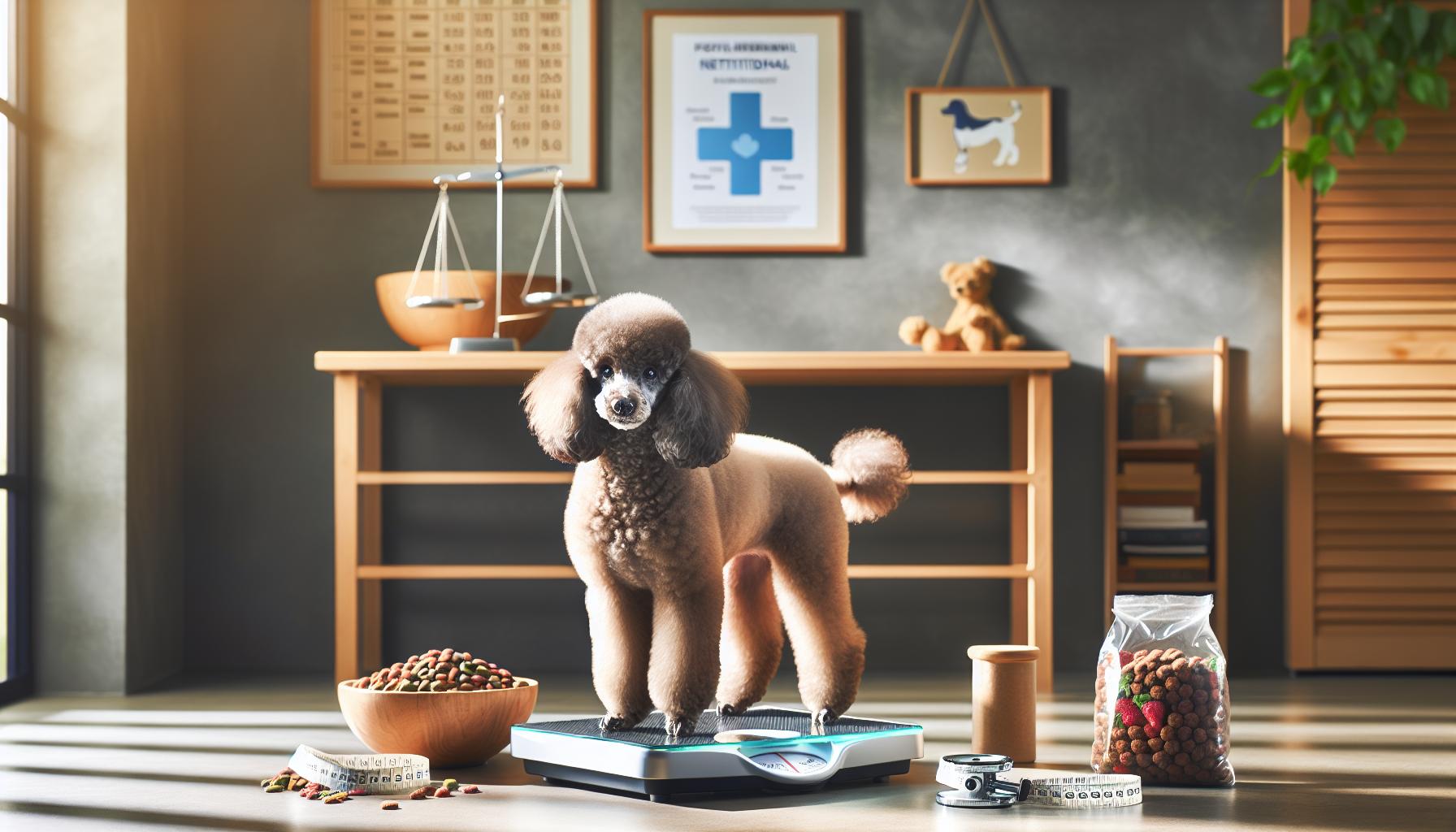
The weight of a Poodle isn’t simply about size; it’s a complex interplay of genetics, diet, exercise, and even age. Understanding these factors is essential for every Poodle owner striving to keep their furry friend healthy and happy. For example, genetics plays a crucial role in determining whether your Poodle will lean towards the larger Standard size or stay petite as a Toy breed. Each individual dog carries its lineage’s traits, which can significantly influence growth patterns and adult weight.
Another pivotal aspect is diet. Feeding your Poodle a balanced, high-quality diet not only supports healthy growth but also prevents obesity-a concern that’s prevalent across all breeds. Factors such as the quality of ingredients, the appropriate caloric intake for your dog’s size and activity level, and the timing of meals can all impact weight. For instance, a Standard Poodle needs different nutritional considerations compared to a Toy Poodle, emphasizing the importance of tailored feeding strategies.
Exercise can’t be overlooked either. Active Poodles, especially Standard and Miniature varieties, can require a significant amount of physical activity to maintain their ideal weight. Daily walks, playtime, and even structured dog sports contribute to their overall health and weight management. In contrast, a more sedentary lifestyle can lead to weight gain, putting strain on their joints and overall health.
By being mindful of these factors-genetics, diet, and exercise-Poodle owners can take proactive steps in managing their pet’s weight, ensuring they lead a long, fulfilling life while enjoying every moment together. Remember, regular visits to the veterinarian can provide personalized insights tailored to your Poodle’s unique needs, setting the stage for optimal health and wellness.
Weight Chart for Standard Poodles

When it comes to understanding the weight of Standard Poodles, it’s essential to recognize that they embody a unique blend of elegance and strength. Generally, Standard Poodles weigh between 40 to 70 pounds, with males typically being larger. This range can vary slightly based on individual genetics, diet, and lifestyle, but knowing the standard guidelines can help owners ensure their furry companions are healthy and well-proportioned.
The American Kennel Club (AKC) outlines specific weight ranges for Standard Poodles, with the average weight for males falling between 60 to 70 pounds and females ranging from 40 to 50 pounds. This distinction is important, especially for new Poodle owners who may not be sure what to expect as their pups grow. Here’s a quick reference table to make it easier:
| Gender | Weight Range |
|---|---|
| Males | 60-70 lbs |
| Females | 40-50 lbs |
To better grasp the growth patterns of Standard Poodles, it’s also beneficial to monitor their weight as they progress through various life stages. Puppies grow rapidly and will have different needs compared to adult dogs. Ensuring that they don’t become overweight in their formative weeks will help shape a healthier adult dog. Regular check-ups with a veterinarian can provide customized insights into your Poodle’s growth trajectory and health.
Maintaining this healthy weight isn’t just about the number on the scale; it encompasses the Poodle’s overall well-being. Providing ample exercise, along with a high-quality, balanced diet tailored to their life stage, fosters a fit and happy Poodle. The difference between a chubby Poodle and a fit one can remarkably impact their energy levels and longevity. As you embark on this journey with your Standard Poodle, remember that their optimal weight is a fundamental aspect of their health and happiness.
Weight Chart for Miniature Poodles
Understanding the weight of Miniature Poodles offers invaluable insight into their overall health and development. These charming pups, typically weighing between 10 to 15 pounds, are compact yet robust, making them great companions for individuals and families alike. It’s essential for owners to monitor their weight closely, as Miniature Poodles can be prone to obesity, especially if they aren’t given enough exercise or a balanced diet. Regular check-ups with a veterinarian can help ensure that your Miniature Poodle maintains a healthy weight throughout their life stages.
To help you track your Miniature Poodle’s growth, below is a general weight range based on age, which can serve as a guideline for new owners:
| Age | Weight Range |
|---|---|
| 8 weeks | 2-4 lbs |
| 12 weeks | 4-6 lbs |
| 6 months | 8-10 lbs |
| 12 months | 10-15 lbs |
### Factors Influencing Weight
The weight of your Miniature Poodle can be influenced by several factors, including genetics, diet, and exercise. It’s important to choose high-quality dog food that meets their nutritional requirements-this will not only support their growth but also prevent weight-related issues. A well-rounded exercise routine will keep them fit and help to maintain a healthy weight. Engaging in daily walks, playtime, and mental stimulation activities can effectively prevent obesity and keep your Poodle active and happy.
### Signs Your Miniature Poodle May Be Overweight
Being aware of signs that your Miniature Poodle may be overweight is crucial for proactive weight management. Look for these indicators:
– Difficulty in exercising or fatigue after minimal activity
– Inability to easily feel their ribs through the skin
– Lack of an obvious waist when viewed from above
By keeping an eye on these signs and adjusting their diet and activity levels accordingly, you can help your Miniature Poodle lead a long, healthy, and vibrant life.
Weight Chart for Toy Poodles
Toy Poodles, with their delightful personalities and compact size, typically weigh between 4 to 6 pounds when fully grown. These little furballs are not only charming but also intelligent, making them wonderful companions. Given their petite stature, maintaining their weight is paramount for their health and overall well-being, as even a slight increase can lead to health complications.
To help you track your Toy Poodle’s growth and ensure they stay within a healthy weight range, here’s a useful weight chart that outlines the average weight by age:
| Age | Weight Range |
|---|---|
| 8 weeks | 1-2 lbs |
| 12 weeks | 2-4 lbs |
| 6 months | 4-5 lbs |
| 12 months | 5-6 lbs |
As a Toy Poodle owner, it’s crucial to recognize factors that influence weight. Genetics, activity level, and diet play significant roles. A well-balanced diet tailored for small breeds rich in essential nutrients will support their growth and energy needs. Furthermore, engaging your Toy Poodle in regular exercise through walks, play, and mental stimulation is vital to prevent obesity and keep their playful spirit alive.
Watching for signs of weight issues is also important. If your Toy Poodle appears to have less energy, has difficulty accessing their favorite spots (like the couch), or shows excessive fat around their rib area, it may be time to adjust their diet and exercise routines. By being proactive and attentive to these details, you’ll ensure your beloved Toy Poodle lives a long, healthy, and happy life.
Average Weight Ranges by Age and Gender
Understanding the average weight ranges for Poodles by age and gender is crucial for all Poodle owners, ensuring that your furry friend remains healthy and happy. Did you know that weight can vary significantly among the different sizes of Poodles? From the petite Toy Poodles to the robust Standard Poodles, each category has its specific weight range that you should monitor closely.
For Toy Poodles, typically weighing between 4 to 6 pounds when fully grown, a weight chart can assist in tracking their growth development. Here’s a quick reference:
| Age | Weight Range |
|---|---|
| 8 weeks | 1-2 lbs |
| 12 weeks | 2-4 lbs |
| 6 months | 4-5 lbs |
| 12 months | 5-6 lbs |
Moving to Miniature Poodles, these energetic companions average between 10 to 15 pounds as adults. Here’s a handy chart for Miniature Poodles:
| Age | Weight Range |
|---|---|
| 8 weeks | 2-5 lbs |
| 12 weeks | 4-8 lbs |
| 6 months | 8-12 lbs |
| 12 months | 10-15 lbs |
Lastly, Standard Poodles, known for their intelligence and grace, typically weigh between 40-70 pounds, depending on gender and genetics. Here’s the age and weight chart for them:
| Age | Weight Range |
|---|---|
| 8 weeks | 10-15 lbs |
| 12 weeks | 15-25 lbs |
| 6 months | 30-50 lbs |
| 12 months | 40-70 lbs |
Recognizing these average weight ranges allows you to adjust your Poodle’s diet and exercise regime as they grow. Weight plays a significant role in their overall health, and it’s essential to provide them with a balanced diet suitable for their growth stage. Regular veterinary check-ups can also ensure that your pet is on track. Adjusting their food intake based on activity level and life stage is crucial for maintaining optimal health.
How to Maintain a Healthy Weight for Your Poodle
Keeping your Poodle at a healthy weight not only enhances their quality of life but also helps prevent a slew of health issues related to obesity, including joint problems and diabetes. Whether you have a lively Toy, a spirited Miniature, or a graceful Standard Poodle, maintaining a healthy weight hinges on a balanced approach to diet, exercise, and regular monitoring.
One of the most effective strategies for managing your Poodle’s weight is to establish a customized feeding plan. Start by knowing the daily caloric needs based on your Poodle’s size, age, and activity level. For instance, a Standard Poodle may require anywhere from 1,000 to 1,600 calories per day, while a Miniature might need around 500 to 700 calories. Incorporating a high-quality dog food that aligns with your Poodle’s life stage is crucial. Look for options that are rich in protein and low in fillers, as these can help keep your pet feeling full without adding unnecessary calories. Here’s a simple checklist to follow:
- Consult your veterinarian to determine your Poodle’s ideal weight.
- Measure their food accurately to avoid overfeeding.
- Consider using measuring cups or a scale to serve consistent portions.
- Limit treats to no more than 10% of their daily caloric intake.
Physical activity is another cornerstone in weight maintenance. Poodles are energetic dogs requiring regular exercise tailored to their size and energy level. Engage your Poodle in daily activities such as walking, fetch, or agility training which can keep them mentally stimulated and physically fit. For example, Standard Poodles typically thrive on longer walks or interactive play sessions, while Toy Poodles might enjoy shorter bursts of play inside or in a secure yard. Aim for at least 30 to 60 minutes of activity each day, adjusting as needed according to their age and health.
Regular weigh-ins also play a significant role in weight management. Monitoring your Poodle’s weight every few weeks can help you catch any gradual weight gain or loss early on, ensuring you can make timely adjustments to their diet or exercise. By maintaining this proactive approach, you’ll not only support your Poodle’s health but also deepen your bond through shared activities and discovery. Adopting these habits early helps set a foundation for a lifetime of health and happiness, ensuring that your Poodle stays fit, fun, and ready for life’s adventures!
Signs of Weight Issues in Poodles
Recognizing the signs of weight issues in your Poodle is essential for ensuring their long-term health and happiness. Weight problems can sneak up on you, often manifesting subtly until they become a more significant concern. As a devoted Poodle owner, keeping an eye on your pet’s weight can empower you to act before issues arise, fostering a joyful and active life together.
One of the most noticeable indicators is the visual appearance of your Poodle. Ideally, your Poodle should have a defined waist when viewed from above and a relatively flat stomach when viewed from the side. If your furry friend appears round or lacks this waist definition, it may be time to reassess their diet and exercise routine. Another clear sign is when the ribs are either not easily felt or are protruding. Healthy ribs should be palpable without excessive pressure; if you struggle to find them, your dog may be overweight.
Keep an attentive eye on their energy levels as well. Weight gain can lead to lethargy and decreased enthusiasm for playtime or walks. If your normally lively Poodle is less excited about their favorite activities, it might indicate that they are carrying extra weight. Additionally, watch for changes in behavior, such as reluctance to engage in typical Poodle antics or difficulty jumping onto furniture – both can signal weight-related issues.
For a proactive approach, consider a health checklist that you can regularly review with your veterinarian. This can include a weight graph that tracks changes over time alongside notes on daily calorie intake and exercise routines. Such a graph can be particularly helpful in visually assessing trends and can alert you to unexpected changes, encouraging early intervention.
In summary, being vigilant about your Poodle’s weight not only contributes to their well-being but also enhances your bond through shared vitality and experiences. By maintaining awareness of their physical condition and adjusting care routines as needed, you’ll ensure that your Poodle enjoys a vibrant, fulfilling life. Remember, every ounce counts in ensuring your beloved companion remains playful and healthy!
Feeding Guidelines for Poodle Owners
Determining the right feeding routine for your Poodle is essential not just for maintaining a healthy weight, but also for ensuring overall well-being. A well-fed Poodle is often a happy and energetic one, capable of enjoying playful moments and engaging with their human companions. The journey to achieving this begins with understanding the basic nutritional needs specific to the Poodle breed.
Poodles, regardless of size-Toy, Miniature, or Standard-require a balanced diet that includes high-quality protein, healthy fats, and a mix of carbohydrates. Start by selecting a premium dog food tailored to your Poodle’s specific needs based on their age, size, and activity level. Generally, you can feed your Poodle a mix of dry kibble and wet food. If you opt for wet food, it’s prudent to monitor dental health, as it can stick to teeth more than dry kibble. A common guideline is to feed adult Poodles twice a day, while puppies may require three to four smaller meals throughout the day.
### Key Feeding Guidelines
- Portion Control: Follow the feeding guidelines on your dog food container, but adjust according to your Poodle’s energy level and weight. Consult with your veterinarian for precise measurements based on individual health assessments.
- Avoid Over-Treating: While it’s tempting to indulge Poodles with treats, moderation is key. Use treats sparingly, especially those high in calories, and consider healthy options like carrot sticks or apple slices as alternatives.
- Hydration: Always provide fresh, clean water alongside meals. Poodles are active and require hydration, especially if fed kibble.
- Monitor Weight: Keep track of your Poodle’s weight regularly. Adjust the feeding amount if your Poodle gains or loses weight disproportionately to their normal range.
In the case of weight management, consider transitioning to a high-fiber diet that promotes satiety without excess calories, as recommended by some leading pet nutrition brands[[2]](https://www.royalcanin.com/us/dogs/products/weight?srsltid=AfmBOorO2K8EnzXta4RPHAkQkzN1_9c9Sgj2agmPa8YTuXaLtgVEZWO9). This type of diet can help to manage weight while still providing essential nutrients. Additionally, if you’re encountering specific feeding challenges or have further concerns about your pet’s diet, a consultation with a veterinarian can provide tailored advice based on your Poodle’s health needs. Taking these practical steps not only enhances your Poodle’s health but also fortifies the bond you share as you work together to meet their nutritional needs.
Breeding Standards and Weight Variations
The weight of a Poodle can vary significantly depending on their size category, which includes Toy, Miniature, and Standard. Understanding the breeding standards set by organizations like the American Kennel Club (AKC) helps clarify these variations, as they offer guidance on ideal weight ranges for each type. For instance, while a Toy Poodle typically weighs between 4 to 6 pounds, Miniature Poodles can weigh between 10 to 15 pounds, and Standard Poodles generally range from 45 to 70 pounds. These standards are not just arbitrary; they ensure the health and physical integrity of the breed.
Genetics play a crucial role in determining a Poodle’s weight, but other factors also significantly contribute. Diet, exercise, and overall health can influence growth and body composition. For example, a Poodle raised in an active household where they receive regular exercise is likely to be at the healthier end of the weight spectrum. It’s essential to provide a well-balanced diet tailored to the Poodle’s specific needs, taking into account their size and activity level. Moreover, environmental factors such as stress and illness can also affect a Poodle’s weight, making it vital for owners to keep a close watch on their furry friends’ health.
Adhering to established breeding standards can aid potential Poodle owners or breeders in making informed decisions when selecting a puppy. It’s also important for caregivers to monitor their Poodle’s growth regularly. Keeping track of weight throughout their life stages will not only ensure that they meet the expected standards but also help in identifying potential health concerns early on. The ultimate goal is not just to conform to weight categories but to promote the overall well-being of these vibrant and intelligent dogs.
Comparing Poodles with Other Breeds’ Weight
When it comes to understanding how Poodles weigh up against other dog breeds, it’s essential to recognize that Poodles are anything but ordinary. With their varied sizes-Toy, Miniature, and Standard-they exemplify how weight can drastically differ even within a single breed. For instance, while a Toy Poodle typically weighs between 4 to 6 pounds, a Miniature Poodle sits at around 10 to 15 pounds, and a Standard Poodle can range from 45 to 70 pounds. These weight categories not only showcase diversity within the breed but also place Poodles in unique positions when compared to other breeds.
When considering similar-sized breeds, Toy Poodles are lighter than many small dog counterparts such as Chihuahuas (usually 2 to 6 pounds) and Dachshunds (16 to 32 pounds, depending on their type). Miniature Poodles, at 10 to 15 pounds, often find themselves in a competitive weight range with breeds like the Boston Terrier (12 to 25 pounds) and the Shih Tzu (9 to 16 pounds). Meanwhile, Standard Poodles, being on the larger side, may be compared with breeds such as Labrador Retrievers (55 to 80 pounds) and Golden Retrievers (55 to 75 pounds), both of which typically have a broader weight distribution.
To paint a clearer picture, here’s a comparative table highlighting some popular breeds and their weight ranges:
| Breed | Weight Range |
|---|---|
| Toy Poodle | 4 – 6 lbs |
| Miniature Poodle | 10 – 15 lbs |
| Standard Poodle | 45 – 70 lbs |
| Chihuahua | 2 – 6 lbs |
| Dachshund | 16 – 32 lbs |
| Boston Terrier | 12 – 25 lbs |
| Labrador Retriever | 55 – 80 lbs |
| Golden Retriever | 55 – 75 lbs |
Understanding these comparisons aids not only potential Poodle owners but also seasoned dog enthusiasts in recognizing the unique weight class Poodles occupy. When considering weight, living conditions, activity levels, and breed-specific needs must also be kept in mind to ensure optimal health. Just like every diet out there, what works for one breed may not work for another, making it crucial for pet owners to keep an eye on their furry friends’ specific requirements and health.
Weight Management Tips for Different Life Stages
Managing your Poodle’s weight effectively requires an understanding of their life stages and the unique needs that come with each one. Did you know that up to 60% of dogs in the U.S. are classified as overweight or obese? This emphasizes the importance of tailored weight management strategies throughout your Poodle’s life, ensuring longevity and a high quality of life.
During the puppy stage, Poodles are energetic and require a balanced diet rich in protein and healthy fats to support their growth and development. It’s crucial to monitor their food intake and adjust portions as they reach different growth spurts. A general guideline is to feed puppies three to four meals a day to help maintain energy levels while preventing overeating. Aim for high-quality puppy food that lists meat as the first ingredient. Regular veterinary check-ups can ensure your pup is growing appropriately and staying within a healthy weight range.
As your Poodle transitions to adulthood, their caloric needs change. Adult Poodles generally require fewer calories per pound of body weight compared to puppies. At this stage, it’s essential to switch to adult dog food and monitor their weight closely. Healthy dogs should maintain a firm body condition; you should be able to feel their ribs but not see them. Incorporating regular exercise through walks, play sessions, and mental stimulation is vital to keep their weight in check and to promote physical health.
When your Poodle enters the senior stage, typically around 7 years of age, their metabolism slows down. Adjust their diet to reflect decreased activity levels-this might mean switching to a senior-specific dog food. Watch for signs of weight gain and adjust their food portions accordingly. Seniors also require more joint support-consider food with added glucosamine and omega fatty acids to support mobility. Regular vet visits will help ensure that any age-related health issues are managed early.
Here’s a streamlined checklist to keep your Poodle at a healthy weight across their life stages:
- Puppies: Three-four meals a day, high-quality puppy food.
- Adults: Transition to adult food, monitor portion sizes, maintain regular exercise.
- Seniors: Switch to senior food, monitor for weight gain, incorporate joint support supplements.
Understanding each stage of your Poodle’s life allows you to adapt their diet and exercise accordingly. Keeping a close eye on their weight, coupled with preventive healthcare, will ensure that your furry friend stays healthy and happy throughout their life!
Frequently Asked Questions
Q: How much do standard poodles weigh on average?
A: Standard poodles typically weigh between 40 to 70 pounds, with females averaging 40-50 pounds and males averaging 60-70 pounds. Their weight stabilizes around two years of age as they finish growing. For detailed growth patterns, refer to the weight chart for Standard Poodles.
Q: What is the average weight range for miniature poodles?
A: Miniature poodles usually weigh between 10 to 15 pounds. Most reach their adult weight by 12 months, stabilizing in the 15-inch height range. Check our Miniature Poodle Weight Chart for more specifics on weight at different ages.
Q: How much do toy poodles weigh?
A: Toy poodles generally weigh between 4 to 6 pounds as adults. They grow rapidly in the first few months of life but plateau in weight by around one year old. For a detailed weight breakdown, see our Toy Poodle Weight Chart.
Q: What factors influence a poodle’s weight?
A: Factors affecting poodle weight include age, genetics, diet, activity level, and overall health. Regular vet check-ups can help monitor their weight and adjust care as needed. Explore the section on Factors Influencing Poodle Weight for a deeper understanding.
Q: How do I maintain a healthy weight for my poodle?
A: To maintain a healthy weight, provide a balanced diet, regular exercise, and monitor portion sizes. Regular veterinary check-ups can help keep track of weight changes. For more tips, visit the How to Maintain a Healthy Weight for Your Poodle section.
Q: When do poodles reach their full weight?
A: Standard poodles usually reach their full weight by two years, while miniature poodles typically stabilize between seven months to one year. Toy poodles reach adult weight even earlier. Check the Average Weight Ranges by Age and Gender for comprehensive insights.
Q: Are there weight variations depending on poodle breeds?
A: Yes, weight variations exist among poodle types. Standard, Miniature, and Toy Poodles have distinctly different weight ranges, which are essential for potential owners to consider. Refer to the Breeding Standards and Weight Variations section for more details.
Q: How can I identify if my poodle is overweight?
A: Signs of overweight poodles include difficulty breathing, reduced activity, visible ribs, and an absence of a defined waist. Conduct regular weight assessments and consult a veterinarian for specific advice. Visit Signs of Weight Issues in Poodles for further guidance.
To Conclude
Now that you’re equipped with essential insights into how much Poodles weigh across different sizes, it’s time to put that knowledge to use! Whether you’re considering bringing a Standard, Miniature, or Toy Poodle into your home, understanding their growth patterns is crucial for providing the best care. For additional tips on maintaining a healthy weight for your beloved pet, check out our articles on Poodle Care and Nutrition Essentials.
Don’t leave any questions unanswered-engage with our community in the comments below or share your thoughts about your Poodle’s growth journey! If you’re eager to learn more about training or grooming, explore our resources tailored for every Poodle enthusiast. If you find this information helpful, consider subscribing to our newsletter for more expert advice and updates. Your Poodle deserves the best, and we’re here to help you every step of the way!