Labradoodles are a delightful mix of Labrador Retrievers and Poodles, known for their energetic and friendly nature. As a proud owner or prospective parent of this beloved breed, understanding their exercise needs is essential for keeping them happy and healthy. Without sufficient physical activity, Labradoodles can become bored and disruptive, leading to behavioral issues that no one wants to cope with. These intelligent dogs thrive when engaged in play and exercise, making it crucial to strike the right balance in their daily routine. In this activity guide, you’ll discover how much exercise your Labradoodle truly needs, along with practical tips and fun activities to channel their energy positively. Let’s dive into the world of exercise and unlock the joy of a well-exercised Labradoodle!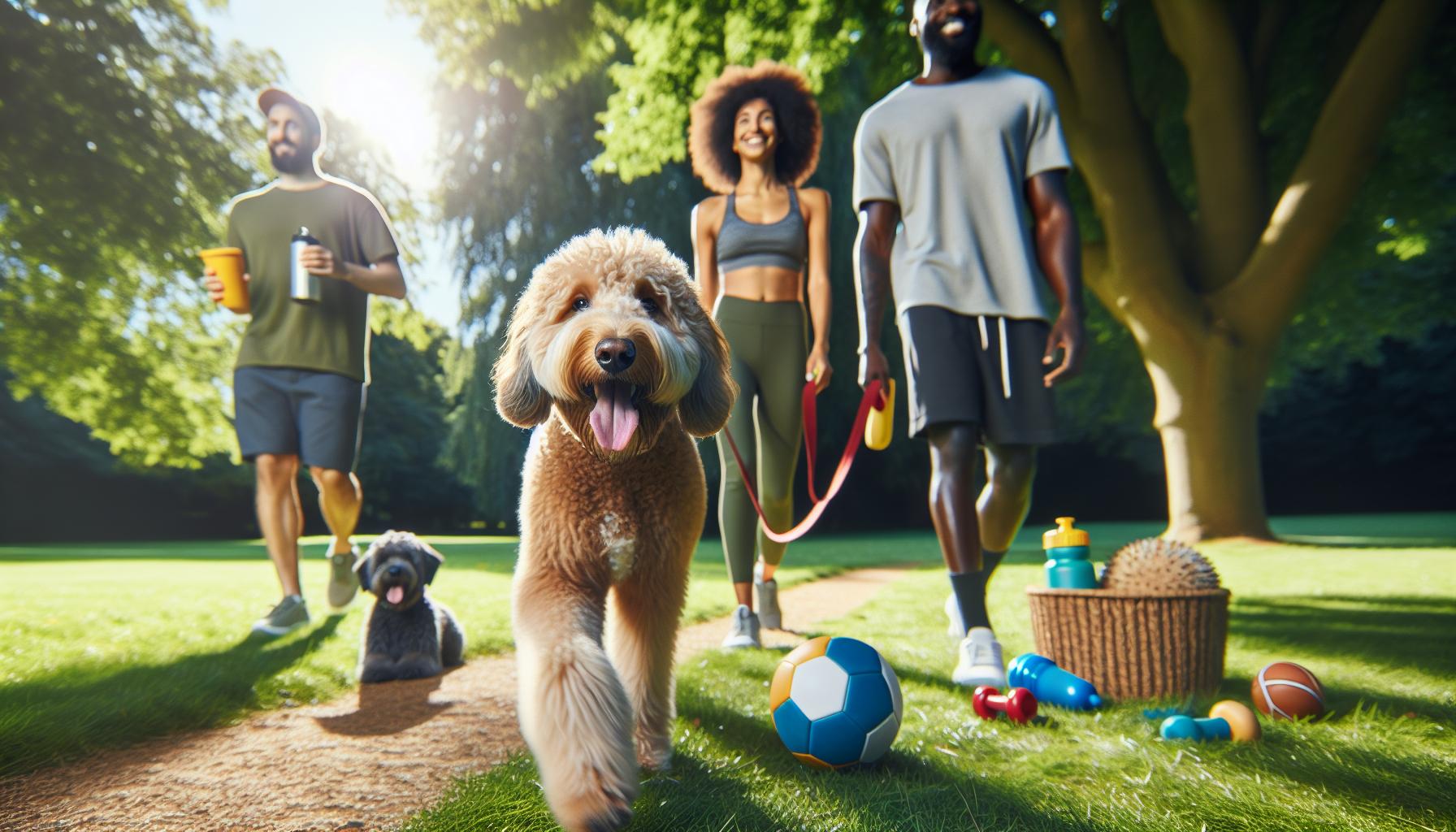
How Much Exercise Do Labradoodles Really Need?
Labradoodles are not just adorable companions; they are lively, energetic dogs who thrive on regular exercise and mental stimulation. It’s essential to understand that their exercise needs can vary greatly depending on their age, temperament, and individual energy levels. Generally, adult Labradoodles require about 60 to 90 minutes of exercise each day. This can include walking, running, playing fetch, or engaging in dog sports like agility or obedience training. The goal is to keep them physically fit and mentally satisfied, as neglecting their exercise routine can lead to boredom and behavioral issues.
To effectively meet your Labradoodle’s exercise needs, it can be helpful to consider a few key factors that influence their activity levels. Younger Labradoodles are often bursting with energy and might require longer or more intense play sessions compared to their older counterparts, who may prefer leisurely walks or light play. In addition, the combination of their parent breeds-Labrador Retrievers and Poodles-can impact their energy. Labradors are known for their high activity levels, while Poodles are intelligent and also enjoy physical activities. Striking a balance that caters to your dog’s unique personality will help ensure they remain happy and healthy.
Incorporating a variety of exercises into your Labradoodle’s routine can keep things exciting for both you and your furry friend. Consider alternating between structured activities, such as agility training, and free play at dog parks. You might also want to introduce puzzle toys during downtime to engage their minds. Remember, a tired dog is a happy dog, so paying attention to your Labradoodle’s activity needs is key to nurturing a joyful and well-adjusted pet.
Key Factors Influencing Labradoodle Activity Levels
Labradoodles are bundles of joy, combining the playful exuberance of Labradors with the intelligence of Poodles. Understanding what influences their exercise needs is crucial for ensuring these lively pups are happy and healthy. Several key factors play a role in determining how much exercise your Labradoodle will require, and recognizing them can make a significant difference in your furry friend’s quality of life.
One of the primary factors is age. Young Labradoodles, particularly puppies and adolescents, are bursting with energy and curiosity. They often need more vigorous activities, sometimes upwards of 90 minutes of play each day, to manage their boundless enthusiasm. As they mature into adults, their energy levels might stabilize, but they will still require consistent exercise, which generally ranges from 60 to 90 minutes daily. Conversely, senior Labradoodles may prefer gentler activities, transitioning to shorter walks and less intense playtime, focusing instead on mental stimulation and social interaction.
Another important influence is individual personality and temperament. Just like people, dogs have unique traits that affect their energy levels. Some Labradoodles might have a more laid-back demeanor and enjoy relaxed walks, while others may be more spirited and thrive on high-energy games like fetch or agility training. Additionally, mixing with other dogs at parks can help burn off energy and keep them socially fulfilled. Observing your Labradoodle during playtime can offer invaluable insights into what suits them best.
The parent breeds also contribute to the activity levels of Labradoodles. Labrador Retrievers are known for their high stamina and love of physical engagement, while Poodles bring in a blending of both curiosity and activity. This mix means Labradoodles typically require not just physical exercise, but often mental challenges as well. Incorporating activities like puzzle toys or obedience training can help satiate their need for mental stimulation, preventing boredom and promoting a well-rounded lifestyle.
Lastly, health conditions and environmental factors, such as weather and available space, also significantly influence exercise routines. Always consult your veterinarian about any underlying health issues that may affect your Labradoodle’s physical capabilities, and adapt exercise plans accordingly. Keep in mind the importance of maintaining a consistent routine, as a balanced combination of exercise and rest is essential for their overall well-being. By paying attention to these elements, you’ll ensure your Labradoodle remains a happy, healthy, and well-adjusted companion.
Ideal Exercise Duration for Labradoodles by Age
Labradoodles are known for their vibrant energy and loving nature, but how much exercise they need truly depends on their age. Puppies are playful bundles of joy, often overflowing with energy, whereas adult and senior Labradoodles have varying exercise requirements. Understanding these needs is essential for their well-being and happiness.
For young Labradoodles, particularly those still in their puppy stages (up to about 18 months), expect to dedicate around 90 minutes of exercise per day. This can be split into several play sessions that include active games like fetch, tug-of-war, and short runs. Young pups also benefit greatly from socializing with other dogs, which can both tire them out and provide crucial learning experiences about canine behavior. Daily walks also play a vital role, helping them explore their environment and develop good leash manners.
Once they transition into adulthood, which typically occurs around 1.5 to 2 years of age, their exercise needs become more moderate. Adult Labradoodles generally require 60 to 90 minutes of exercise daily. This could include longer walks, runs, or structured playtime, providing them both physical and mental stimulation. It’s essential to keep their activities varied to prevent boredom, which may lead to undesirable behaviors. Adult Labradoodles excel in activities like agility training, obedience classes, or even swimming, which can provide excellent exercise while enhancing their training skills.
When considering senior Labradoodles, around the age of 7 or older, their exercise routines should be adjusted to fit their physical capabilities. This often means transitioning to 30 to 60 minutes of gentler exercise. Shorter, leisurely walks and light play sessions become more appropriate, focusing on maintaining mobility without overexertion. Mental exercises, such as puzzle toys or scent games, become increasingly important during this stage to keep their minds sharp while respecting their physical limits.
Regardless of age, be sure to observe your Labradoodle’s behavior and adjust their routines based on their energy levels and health conditions. Each dog is unique, and what works for one may not suit another. By tailoring their exercise to match their stage of life, you’ll help ensure your Labradoodle remains a happy, healthy companion throughout their life journey.
Fun and Engaging Exercise Ideas for Labradoodles
Labradoodles are not just adorable; they are a lively, intelligent breed that thrives on engagement and activity. Keeping your Labradoodle entertained while getting the exercise they need doesn’t have to be mundane. With their energetic disposition and playful nature, they will relish activities that challenge both their body and mind. Here are some exciting exercise ideas to keep your furry friend happy and healthy.
Playtime in the Park
Visiting a dog park can be a fantastic way for your Labradoodle to get both exercise and socialization. Allow them to run freely, play fetch, or meet other dogs. It’s a chance for them to burn off energy while engaging in social interactions, which are essential for their development. Bring along some favorite toys to up the fun factor; a frisbee or a rubber ball can add an extra spark to their playtime.
Agility Training
Engaging in agility training not only provides physical exercise but also mental stimulation. Set up a simple course in your backyard or join a local class. Include tunnels, jumps, and weave poles for your Labradoodle to navigate through. This activity hones their coordination and keeps them focused, while also strengthening your bond as you train together. Plus, you’ll both enjoy the satisfaction of mastering new challenges!
Water Play
Many Labradoodles are natural swimmers and love the water! Take them to a dog-friendly beach or lake where they can swim and splash around. Water play is an excellent way to tire them out without overheating them. Consider bringing along some floating toys to retrieve, making swims even more enjoyable. Just ensure they’re wearing a doggie life jacket if you’re in deeper waters for safety.
Interactive Games at Home
On days when outdoor activities aren’t possible, try some engaging indoor exercises. Hide-and-seek is a great game; ask your Labradoodle to stay while you find a hiding spot, then call them to you. This game stimulates their problem-solving skills and hunting instincts. Puzzle toys and treat-dispensing toys can keep them busy and mentally engaged, ensuring they aren’t getting bored.
Daily Walks and Hikes
Regular walks are crucial for any dog, but Labradoodles particularly enjoy varying the length and terrain of their walks. Consider mixing in hikes on weekends for a real adventure. The natural environment provides them with new scents to explore and visual stimuli that keep their minds engaged. Always keep walks interesting by changing your route or visiting different parks.
By introducing a variety of interactive activities into your Labradoodle’s routine, you can meet their exercise needs while keeping their spirits high. Remember, a well-exercised Labradoodle is a happy Labradoodle!
Daily Routine: Balancing Exercise and Rest
Creating a balanced daily routine for your Labradoodle is essential to ensure they receive the right mix of exercise, rest, and mental stimulation. These lovable dogs have high energy and intelligence, making it imperative to structure their day to prevent boredom and help maintain a healthy weight. A well-planned schedule can lead to a happier, more fulfilled pup and a smoother relationship with you as their owner.
To begin, a typical day might look like this: start with a morning walk-15 to 30 minutes is ideal to help them burn off some energy and enjoy the fresh air. This allows your Labradoodle to sniff around and explore their environment, which is vital for their sensory development. Following the walk, a short play session with their favorite toys or a game of fetch can further engage them before settling down for a nap. Remember, Labradoodles thrive on routine, so sticking to a consistent schedule helps them feel secure.
Throughout the day, it’s critical to integrate periods of mental stimulation in addition to physical exercise. Incorporating activities like training sessions or puzzle toys during your Labradoodle’sless active hours can keep their minds sharp. Engaging in training not only teaches them new skills but also reinforces positive behaviors, creating a stronger bond between you two. Additionally, consider setting aside time for afternoon or evening playdates at the dog park or a brief hike, allowing your dog to socialize and expend extra energy.
As the day winds down, it’s just as important to provide your Labradoodle with a restful environment. Ensure they have a designated, comfortable spot where they can relax without disturbances. During night hours, keep their space cozy, as a well-rested dog is generally more balanced and easier to manage. Regular sleep cycles will help recharge their active minds and bodies for the next day’s adventures.
Ultimately, recognizing the need for both exercise and rest will help you formulate a fulfilling routine for your Labradoodle. Tailoring activities to fit your dog’s energy levels and mood makes a significant difference. Aim to strike a perfect balance of play, training, and quiet time to cultivate a content and well-rounded companion.
Signs Your Labradoodle Needs More Exercise
It’s easy to underestimate the physical needs of a Labradoodle, especially given their affectionate and laid-back demeanor. However, this breed is known for its high energy levels and playful spirit, which means they often require more exercise than you might think. Recognizing the signs that your Labradoodle needs more activity can be pivotal in ensuring their happiness and health.
One of the primary indications that your pup is not getting enough exercise is excessive barking or whining. This vocalization can stem from boredom and pent-up energy. If your Labradoodle starts getting into things around the house, like chewing on furniture or shoes, it might be time to reassess their exercise schedule. A well-exercised dog is generally more content and less likely to become mischievous. Another sign to look out for is hyperactive behavior during playtime. If your dog seems to have a seemingly endless supply of energy, sprinting around the house or demanding attention endlessly, they may need more structured exercise sessions.
Additionally, changes in behavior such as increased restlessness or trouble settling down can signal that your Labradoodle requires more physical activity. You might notice them pacing around or not being able to find a comfortable spot to relax. Regular walking and playtime can help alleviate this restlessness significantly.
It’s also beneficial to monitor your dog’s overall mood. If your Labradoodle appears apathetic or disinterested during walks or play, this could be their way of telling you they’re bored and need more dynamic activities. Adjusting their routine to include varied exercises, such as fetch, agility courses, or even swimming, might keep them engaged and satisfied.
By observing these behaviors and making necessary adjustments, you can ensure your Labradoodle receives the right amount of exercise needed for a happy, healthy life. Tuning into your furry friend’s cues not only helps maintain their physical wellbeing but also strengthens the bond between you two, leading to a more fulfilling relationship.
Understanding Labradoodle Energy Levels and Needs
Labradoodles are not just charming and affectionate companions; they are also bursting with energy! This crossbreed inherits a lively spirit from both the Labrador Retriever and the Poodle, showcasing a playful enthusiasm that’s hard to ignore. They thrive on physical activity and mental engagement, making it essential for owners to understand their unique energy needs. The interplay of genetics, age, and individual temperament all contribute to how much exercise your Labradoodle will require.
Understanding energy levels begins with recognizing the typical behavior of Labradoodles. Generally, these dogs fall into the medium-to-high energy category, indicating that they benefit from at least 60 to 90 minutes of exercise per day. However, this can vary depending on the dog’s age and activity level. For instance, a young Labradoodle may have an almost boundless supply of energy, requiring more vigorous exercise and playtime. Conversely, older Labradoodles may enjoy gentler strolls but still need regular activity to keep their spirits high.
To ensure your Labradoodle’s physical and mental health, it’s crucial to incorporate a mix of activities. Routine walks are fundamental, but adding different forms of exercise can keep your dog engaged and satisfied. Think about engaging them in games of fetch, agility training, or even swimming sessions-these activities not only expend energy but also promote bonding between you and your furry friend. Additionally, consider setting up playdates or attending dog parks where your Labradoodle can interact with other dogs, providing them with both socialization and exercise.
Adapting to your Labradoodle’s changing energy levels over time is equally important. Puppies may require shorter bursts of activity throughout the day, while adult Labradoodles thrive on longer, more structured exercise sessions. As your dog ages, their energy may wane, so keeping an eye on their enthusiasm levels and adjusting their routine accordingly will help maintain their happiness and health. Remember, the goal is to strike a balance-ensuring your Labradoodle gets the activity they need while also enjoying plenty of moments of relaxation and snuggles at home.
Comparing Labradoodles to Other Breeds: Exercise Insights
When considering exercise needs, it’s fascinating to see how Labradoodles stack up against other popular breeds. With their roots in the energetic Labrador Retriever and the intelligent Poodle, Labradoodles typically require substantial physical engagement-generally around 60 to 90 minutes per day. This activity level aligns closely with high-energy breeds like Border Collies or German Shepherds, who also thrive on regular exercise for their mental and physical well-being.
To give you a clearer comparison, here are some common breeds alongside Labradoodles, highlighting their exercise requirements:
| Breed | Daily Exercise Requirement | Energy Level | Typical Activities |
|---|---|---|---|
| Labradoodle | 60-90 minutes | Medium to High | Fetch, agility training, swimming |
| Border Collie | 90-120 minutes | High | Herding, running, frisbee |
| German Shepherd | 60-90 minutes | High | Obedience training, jogging, agility |
| Bichon Frise | 30-60 minutes | Medium | Short walks, playtime |
While Labradoodles fall into the same exercise category as breeds like German Shepherds, their playful and friendly nature often makes them a bit more adaptable to family activities. This means incorporating interactive play or group outings can satisfy their exercise needs while enhancing socialization-something that can be crucial for dogs that thrive on interaction, like Labradoodles.
Taking note of how Labradoodles compare to lower-energy breeds, such as Bichon Frises, can help new dog owners understand that while Labradoodles might demand more physical activity than a small breed, they can often be entertained with engaging, less strenuous activities if appropriately matched with their exuberance.
Understanding the unique exercise requirements of Labradoodles in relation to other breeds not only helps in planning daily routines but also assists in fostering healthier relationships with our furry companions. By offering a balance of physical activity and mental stimulation, Labradoodle owners can ensure their pets remain happy and well-adjusted-perfect for any active household!
Incorporating Mental Stimulation in Exercise
Engaging a Labradoodle’s mind is just as important as tending to their physical exercise needs. These intelligent and playful dogs thrive not merely on running or playing fetch, but also on activities that challenge their brains. Incorporating mental stimulation into your Labradoodle’s exercise routine not only combats boredom but also fosters a deeper bond between you and your furry friend. Did you know that dogs can become easily bored without enough mental challenges? This can lead to undesirable behaviors. Therefore, mixing up their activities with engaging games and tasks can significantly enhance their happiness and well-being.
One effective way to provide mental stimulation is through interactive toys and puzzles that require your Labradoodle to think critically to retrieve treats. Consider investing in toys that dispense food or require your dog to solve puzzles to access hidden treats. These activities can keep your Labradoodle engaged for considerable amounts of time, wearing them out mentally while you manage to be productive around the house.
Games that Stimulate the Mind
In addition to toys, there are numerous fun games you can play together to sharpen your Labradoodle’s mind while exercising their bodies. Here are a few ideas:
- Hide and Seek: Hide somewhere in your home or yard and call your dog. Reward them with praise and treats when they find you.
- Obstacle Courses: Set up a mini agility course using household items like chairs, broomsticks, and boxes. Guide your Labradoodle through the course, encouraging them to think about how to navigate.
- Scent Work: Utilize your dog’s incredible sense of smell by hiding treats around your house or yard. Encourage them to use their nose to find the treats for a rewarding experience.
By seamlessly blending physical and mental activities, you create a more fulfilling environment for your Labradoodle. This not only leads to reduced anxiety and destructive behaviors but also makes their exercise time much more enjoyable and rewarding. Building a strong partnership through these stimulating activities reinforces trust and affection, vital for a long-lasting companionship. Moreover, as you witness the joy in your Labradoodle’s eyes when they accomplish a challenge, you’ll understand the value of providing both mental and physical engagement in their exercise routine.
Safety Tips for Exercising Your Labradoodle
When it comes to exercising your Labradoodle, ensuring their safety should always be a top priority. These spirited and intelligent dogs thrive on physical activity, but just like any sport, certain precautions can make a world of difference. One key aspect is monitoring the temperature during outdoor activities. Labradoodles, especially those with thicker coats, can be susceptible to heat-related issues. Avoid exercising in extreme heat or humidity; early morning or late evening walks are often best when temperatures are milder. Always have fresh water available for hydration and watch for signs of fatigue during physical activities.
Another important factor is understanding your Labradoodle’s limitations. Although they are generally robust, every dog has its own stamina level. Start gradually, especially if your furry friend is young or aging. Pay attention to their body language; excessive panting, drooling, or laying down can indicate they need a break. Regular vet check-ups can help ensure that your dog is in good shape for exercise and can lead to personalized recommendations based on their health status.
Additionally, consider using a harness instead of a collar during walks or running sessions. Harnesses can provide better control and reduce strain on your dog’s neck, especially during enthusiastic pulls or sudden movements. Keeping your Labradoodle on a leash in unfamiliar areas is essential for their safety, enabling you to respond quickly to potential hazards or distractions.
One unique approach to maintaining safety is to incorporate regular training sessions into your exercise routine. This not only enhances obedience but also builds your dog’s confidence, ensuring they are well-behaved when out and about. Consider practicing commands like “sit,” “stay,” and “come” in various environments to prepare them for different scenarios. Engaging your Labradoodle in exercises that challenge their minds, such as puzzle games or scent work, can also enhance their problem-solving skills, which is another layer of safety during play.
Ultimately, the goal is to create a fun and safe exercise environment that nurtures your Labradoodle’s physical and mental health. With a little foresight and attention to detail, you can enjoy many joyful adventures together while ensuring a fulfilling and safe life for your beloved companion.
Adjusting Exercise Plans for Health and Season Changes
Maintaining an active lifestyle for your Labradoodle is crucial, but it’s equally important to adapt their exercise routine based on their health status and seasonal changes. Just like humans, dogs can experience fluctuations in their energy, stamina, and overall health. For instance, a Labradoodle recovering from an injury or surgery may require modified exercise, such as shorter, more frequent walks instead of longer runs. Consulting your veterinarian is essential to tailor a plan that accounts for any health concerns, ensuring your furry friend stays safe while reaping the benefits of physical activity.
Seasonal changes can also significantly impact your Labradoodle’s exercise needs. In warmer months, adjusting to early morning or late evening walks not only helps prevent overheating but also makes exercise more enjoyable for both of you. On the contrary, during colder months, dogs may need more encouragement to stay active. Shorter bursts of playtime in the yard, interactive indoor games, or even agility courses can be great alternatives when outdoor conditions are less than ideal. Mixing up activities helps prevent boredom and keeps your Labradoodle mentally stimulated, which is just as important as physical exercise.
Here are some practical tips for adjusting exercise plans throughout the year:
- Temperature Checks: Monitor the weather. On especially hot days, opt for cooler times for walks and ensure hydration.
- Indoor Fun: Invest in toys that promote mental stimulation, like interactive puzzles, on cold or rainy days.
- Health Monitoring: Watch for any changes in energy levels or willingness to exercise, as these can indicate health issues.
- Flexibility in Routine: Keep your schedule adaptable. Some days may require more rest than others depending on your dog’s mood and health.
Overall, being attuned to your Labradoodle’s physical and emotional cues will guide you in creating a balanced workout routine that excites and challenges them while catering to their individual needs. With this thoughtful approach, you’ll not only enhance their health but also strengthen the bond between you and your playful companion.
Building a Stronger Bond Through Exercise Activities
Engaging in regular exercise with your Labradoodle is not only vital for their physical health but also a beautiful way to deepen the bond you share. Labradoodles thrive on interaction, and exercising together creates opportunities for connection and communication between you and your furry friend. Whether it’s a brisk walk, a game of fetch, or an exhilarating agility course, each activity contributes to building trust and affection.
One key aspect of strengthening your relationship through exercise is incorporating activities that both you and your Labradoodle enjoy. If your dog has a penchant for water, a swim in a nearby lake can be a refreshing way to spend time together while giving them a great workout. Alternatively, if they have a nose for adventure, consider exploring new trails or parks that stimulate their senses and provide a novel environment for both of you. The joy of discovery can lead to countless shared experiences that enhance your emotional connection.
Activities That Foster Connection
- Fetch and Retrieve: This classic game satisfies a Labradoodle’s natural instincts and promotes exercise while allowing you to engage directly with them. Encourage them with praise and treats, reinforcing a positive association with the activity.
- Agility Training: Set up a simple agility course in your backyard or join a local class. Not only does this challenge your dog physically, but it also develops their confidence and strengthens the teamwork dynamic between you.
- Interactive Playdates: Socializing with other dogs is essential for Labradoodles. Organizing playdates with other friendly dogs can add a fun, dynamic element to their exercise routine, allowing both dogs to build skills while having a blast.
- Mind Games: Incorporating mental stimulation into exercise is crucial. Activities like scent work or puzzle toys can engage your dog’s mind, making your sessions more enriching and fulfilling.
Being playful is essential to a Labradoodle’s happiness, and involving them in exercise routines that are both fun and stimulating will help them feel a stronger emotional bond with you. Remember to celebrate small achievements, whether it’s learning a new trick or nailing that agility jump-these moments of joy and shared successes will fortify your relationship. Each engaging activity not only provides necessary exercise but creates lasting memories that you and your Labradoodle will cherish.
Frequently Asked Questions
Q: How often should I exercise my Labradoodle?
A: Labradoodles should ideally receive at least 60 minutes of exercise every day. This can be split into two or three sessions, including walks, playtime, and training activities. Consistency in their exercise regimen helps keep them physically and mentally stimulated.
Q: What are the best activities for exercising a Labradoodle?
A: Effective activities for Labradoodles include walking, swimming, playing fetch, agility training, and interactive games that challenge their intellect. Incorporating variety keeps them engaged and helps fulfill their energetic needs.
Q: Can Labradoodles exercise in adverse weather conditions?
A: Yes, Labradoodles can exercise in various weather conditions, but safety is essential. In hot weather, exercise during cooler times of day, while in cold conditions, ensure they are warm and dry. Always monitor their comfort level.
Q: How do I know if my Labradoodle is getting enough exercise?
A: Signs that your Labradoodle may need more exercise include excessive barking, destructive behavior, and hyperactivity. A well-exercised Labradoodle is usually calm and content. Refer to our section on “Signs Your Labradoodle Needs More Exercise” for more insights.
Q: Are Labradoodles good running companions?
A: Yes, Labradoodles make excellent running companions due to their energetic nature and enthusiasm. They enjoy longer distances but ensure they are properly trained for running to build stamina gradually, starting with shorter runs and increasing duration.
Q: How can I incorporate mental stimulation into my Labradoodle’s exercise?
A: You can combine physical and mental stimulation through puzzle toys, scent games, and obedience training. Activities that require problem-solving, like hidden treats, enhance their mental skills while keeping them active.
Q: What age should I start exercising my Labradoodle?
A: You can start light exercise with Labradoodle puppies around 8 weeks old, gradually increasing both duration and intensity as they grow. Refer to our “Ideal Exercise Duration for Labradoodles by Age” section for detailed guidelines.
Q: How does my Labradoodle’s age affect their exercise needs?
A: A Labradoodle’s exercise requirements change with age; puppies have higher energy and require frequent play, while older dogs may need shorter, gentle walks to maintain mobility without overexertion. Tailor your exercise plan based on their age and health condition.
For more detailed insights, consider exploring our main article on Labradoodle exercise guidelines!
Future Outlook
Now that you know how much exercise Labradoodles need, it’s time to take action to keep your furry friend happy and healthy! Regular physical activity is vital for this energetic breed, helping prevent behavioral issues and ensuring a strong bond between you and your Labradoodle. Don’t forget to check out our related articles on “Labradoodle Training Tips” and “Best Toys for Labradoodles” to enhance your dog’s daily routine.
Ready to dive deeper into dog care? Subscribe to our newsletter for expert tips straight to your inbox or explore our product recommendations for the best training gear and toys that will delight your Labradoodle. Your journey doesn’t end here; there’s always more to learn and share! Comment below with your experiences or questions-together, we can create a community that thrives on positivity and pet care excellence. Remember, every walk, playtime, or training session is an opportunity to enrich your Labradoodle’s life!