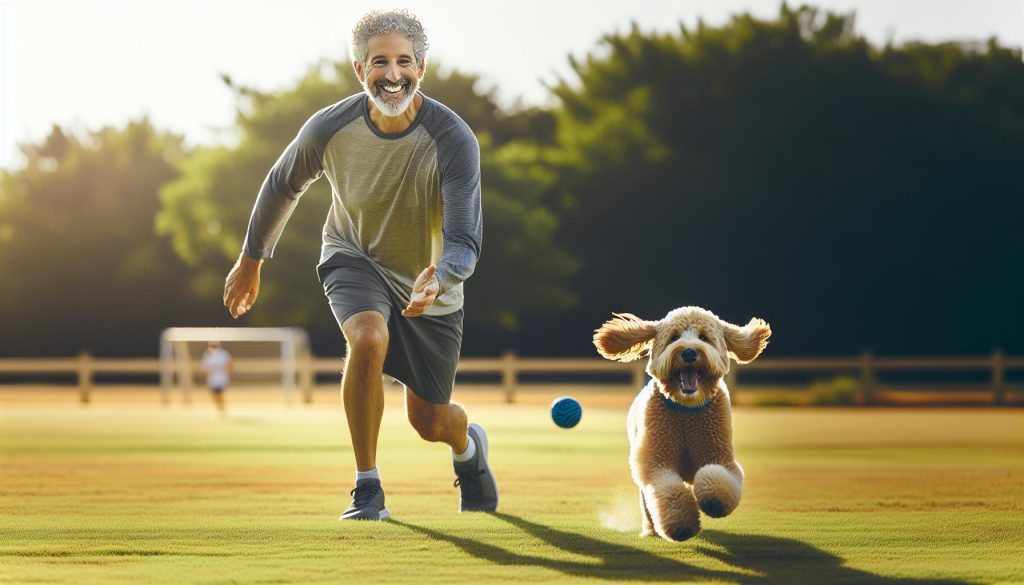
Understanding your Labradoodle’s exercise needs is vital for their health and happiness. Did you know that these energetic yet adaptable dogs typically require at least 60 minutes of exercise each day? Whether you’re a new owner or a seasoned pro, meeting these activity needs can ensure your furry friend remains fit and fulfills their playful instincts. As you read on, you’ll discover practical tips tailored for each life stage-from lively puppies to wise seniors-and why routine exercise isn’t just beneficial for your Labradoodle but can also enhance your bond with them. By unlocking the secrets of their exercise requirements, you’ll set the stage for a happy, thriving companion. So, let’s dive in and find the right daily guide to keep your Labradoodle active and engaged!
Understanding Labradoodle Exercise Needs
Understanding the exercise needs of a Labradoodle is essential for their health, happiness, and overall well-being. Labradoodles, a delightful blend of Labrador Retrievers and Poodles, are known for their energetic and playful nature. This breed thrives on regular physical activity, which not only helps them maintain a healthy weight but also provides essential mental stimulation. An adequately exercised Labradoodle is less likely to engage in destructive behaviors due to boredom or excess energy.
Labradoodles typically require around 60 to 90 minutes of exercise each day, but this can vary based on their age, health, and individual energy levels. Young Labradoodle puppies may have bursts of high energy but will need shorter play sessions, while adult Labradoodles benefit from more sustained activities like running or hiking. As dogs age, their exercise regimen should be adjusted to reflect their changing capabilities, emphasizing gentle walks and low-impact activities.
Incorporating a mix of activities can keep your Labradoodle engaged. Activities such as fetch, agility training, or even swimming can enhance their physical fitness while also catering to their social nature. Remember, this breed enjoys being around people, so involving them in family outdoor activities or playdates with other dogs can significantly benefit their mental health. Observing your Labradoodle during playtime can offer insights into their exercise needs; a dog that seems restless or overly energetic might require additional physical or mental stimulation.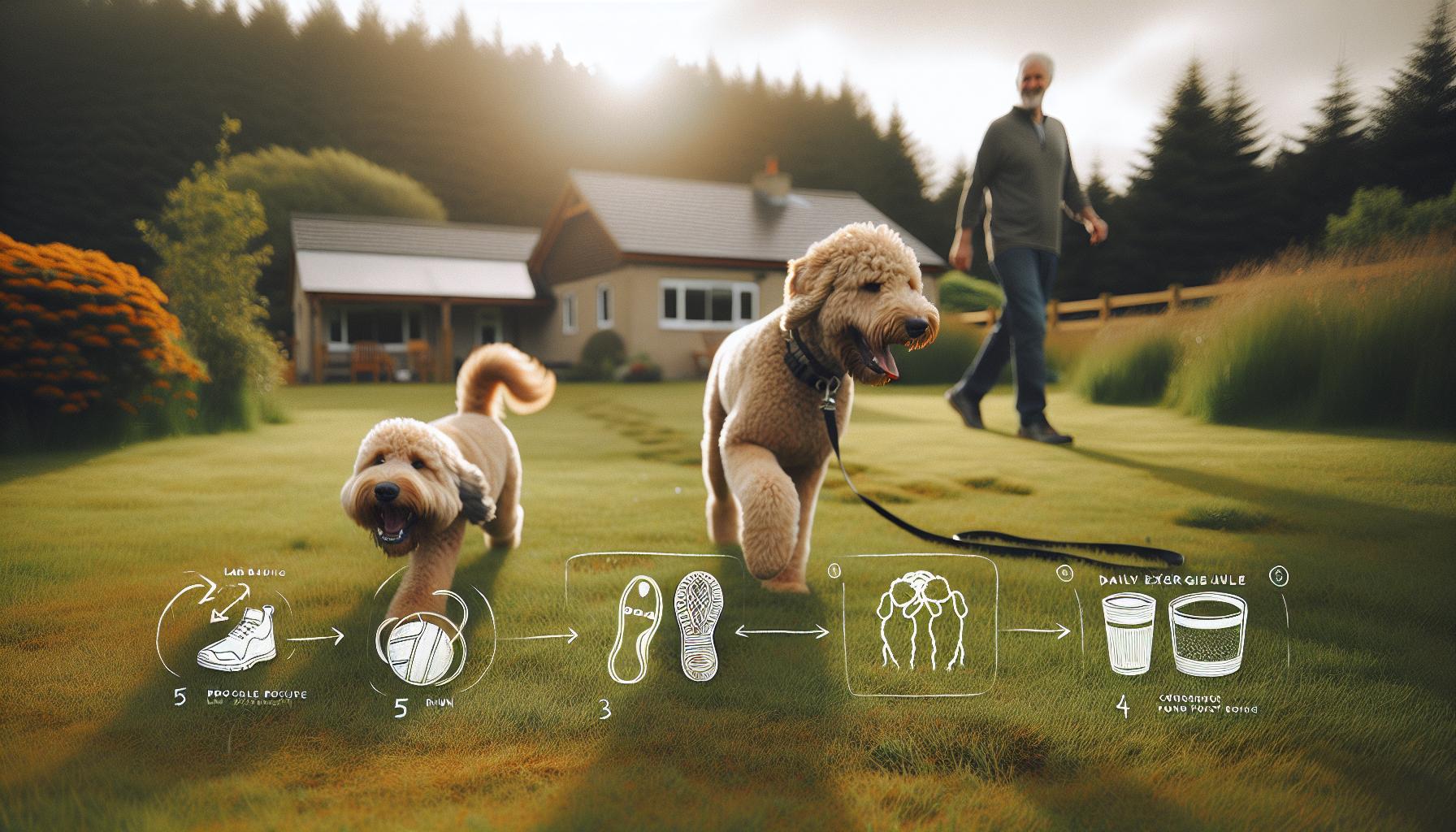
Daily Exercise Guidelines for Labradoodles
When considering how much exercise a Labradoodle needs, it’s important to understand that this breed is energetic and loves to stay active. On average, Labradoodles require 60 to 90 minutes of exercise each day. This daily activity is crucial not just for their physical health but also for their mental well-being. An under-exercised Labradoodle may exhibit behavior issues, such as excessive barking, chewing, or hyperactivity, as they try to burn off pent-up energy.
To ensure that your Labradoodle is getting an adequate workout, consider breaking the exercise into manageable sessions throughout the day. A good practice is to start with two main sessions: a longer walk or playtime in the morning and another extended activity in the evening. Additionally, shorter bursts of play, such as fetch or tug-of-war, can effectively engage them and fulfill exercise requirements. Incorporating obedience training during these sessions not only tires them out but also helps with their mental stimulation, enhancing their overall development.
In terms of specific activities, Labradoodles enjoy a variety of exercises. Walking is fundamental-these dogs thrive on exploration, so longer strolls with sniffing opportunities can be particularly enriching. Running, swimming, and agility training also make great options for high-energy Labradoodles. Don’t forget that socialization is another key element of their exercise routine! Regular playdates with other dogs stimulate both their bodies and minds while fostering good social behaviors.
It’s also pivotal to adjust the exercise routine according to your dog’s age and health status. Puppies will have intermittent bursts of energy, requiring 5 minutes of exercise per month of age (e.g., a 3-month-old puppy would need about 15 minutes). Older adult dogs may slow down and benefit from gentler activities, emphasizing walking over running. Always keep an eye on your Labradoodle’s behavior and adjust their exercise routine accordingly to ensure they remain healthy, happy, and well-adjusted companions.
Tailored Exercise Plans for Different Ages
Tailoring exercise plans for Labradoodles at different life stages is crucial for maintaining their health and happiness. Whether you have a lively puppy, an energetic adult, or a senior looking for gentle activity, understanding their unique needs will allow you to provide the right type and amount of exercise. This mindful approach not only keeps they fit but also strengthens your bond through shared activities.
For puppies, a general rule of thumb is to provide about 5 minutes of dedicated exercise for each month of age. For instance, a 3-month-old puppy will benefit from around 15 minutes of exercise at a time. This exercise should be playful and varied, incorporating short walks, play sessions with toys, and simple training exercises. These early interactions encourage good behavior and foster a love for activity without overwhelming their developing bodies. Remember, it’s all about fun; keep sessions short and engaging, focusing on socialization experiences and discovery walks where your puppy can explore their surroundings.
As Labradoodles transition into their adult years, typically between 1 and 7 years old, their exercise needs spike significantly. Adults generally require at least 60 minutes of exercise daily. This can include longer walks, running, swimming, and engaging activities like agility training-all of which tap into their playful and intelligent nature. Mix in structured play with other dogs through playdates or dog parks to enhance their social skills and tire them out. Aim to balance physical activity with mental stimulation through interactive games and obedience training, which can effectively tire an adult Labradoodle while nurturing their cognitive skills.
For senior Labradoodles, usually considered over 7 years old, exercise should become more gentle yet still regular. While they may not require the same intensity as their younger counterparts, they still benefit from daily activity-around 30 to 60 minutes of low-impact exercises such as slow walks or light play. Observe your senior dog for signs of fatigue or discomfort and adapt the routine accordingly. Remember, keeping them active with brief, enjoyable sessions can help maintain their mobility, prevent obesity, and stimulate their minds, contributing to a happier and healthier life as they age.
Creating and adjusting your Labradoodle’s exercise plan according to their age helps ensure they receive sufficient activity while keeping them motivated and happy. Whether you’re frolicking with a puppy, enjoying an active adult, or providing gentle engagement for a senior, each stage of life offers delightful opportunities to connect with your furry friend.
Fun Activities That Keep Labradoodles Engaged
Engaging your Labradoodle with fun activities is essential not only for maintaining their physical health but also for stimulating their inquisitive minds. These intelligent, energetic dogs thrive on a mix of mental and physical challenges, which can come in many forms beyond simple walks. Incorporating variety into their routine can keep them excited and help avoid boredom, which can lead to undesirable behaviors. Here are some delightful ways to keep your Labradoodle engaged:
- Interactive Toys and Puzzles: Investing in interactive toys that dispense treats can captivate your dog’s attention and keep their brains busy. Puzzle toys encourage them to solve challenges, reinforcing their problem-solving skills while providing a rewarding experience.
- Agility Training: Labradoodles excel in agility training, which combines physical exercise with mental stimulation. Set up a simple agility course in your backyard using cones, tunnels, and jumps. This activity can strengthen your bond through teamwork and provide a fantastic outlet for their energy.
- Fetch with a Twist: While standard fetch is always enjoyable, adding intriguing elements such as varying distances or using different toys can keep your Labradoodle excited. Experiment with frisbees or balls that bounce unpredictably for added fun and challenges.
- Water Play: Most Labradoodles love water, so water activities can be an excellent way to engage them. Take your dog for a swim at a local dog-friendly beach or set up a kiddie pool in your yard. You can even incorporate fetch games in the water to enhance their enjoyment.
- Socialization Outings: Taking your Labradoodle to dog parks or arranging playdates with other dogs can offer both exercise and socialization. Engaging with peers helps them develop important social skills while allowing them to expend energy in a fun and stimulating environment.
It’s important to remember that every Labradoodle is unique, and their preferences may vary, so experiment to discover what activities they enjoy the most. By diversifying their exercise routines with these engaging activities, you’ll not only keep your furry friend physically fit but also enhance their quality of life, ensuring they remain happy and well-adjusted as they grow. Always monitor their energy levels and overall health, and be ready to adapt activities as needed based on their responses.
Signs Your Labradoodle Needs More Exercise
Recognizing when your Labradoodle needs more exercise is essential for maintaining their health and happiness. These intelligent and energetic dogs thrive when given adequate physical and mental stimulation. If you notice any changes in your Labradoodle’s behavior, it might be an indication that they need more activity in their daily routine.
One of the most obvious signs that your Labradoodle is craving more exercise is an increase in restlessness or hyperactivity. If your dog is pacing around the house, unable to settle down, it’s a clear signal they have excess energy to burn. You might also notice behavioral changes, such as chewing or digging, stemming from boredom that could be alleviated through a more vigorous exercise routine.
Another telling sign is if your Labradoodle begins to display attention-seeking behaviors, like barking or whining when you’re trying to relax. Frequent interruptions often signal that they’re looking for an outlet for their pent-up energy. Additionally, if your dog enjoys playtime but seems uninterested in activities they once loved, it may indicate they need a more engaging format or simply more time spent exercising.
Regularly monitoring their weight can also offer insight into their exercise needs. If your Labradoodle has gained weight or appears lethargic during walks, this could mean they require more physical activity to maintain a healthy weight. Regular exercise not only helps them shed extra pounds but also supports mental stimulation, which is vital for this smart breed.
Ultimately, being attuned to your Labradoodle’s signals is key. Incorporate varied activities and increase the durations based on their energy levels and preferences, ensuring they remain healthy and mentally engaged. By actively addressing their exercise needs, you’ll contribute to their overall well-being and strengthen your bond with your furry friend.
How Weather Impacts Your Dog’s Exercise Routine
Weather can significantly influence the exercise routine of your Labradoodle, and being prepared for various conditions is vital for maintaining their health and happiness. Did you know that extreme temperatures, both hot and cold, can have direct effects on your dog’s ability to enjoy outdoor activities? Understanding how to adapt your exercise plans according to the weather not only keeps your Labradoodle safe but also ensures they receive the activity they crave.
During warmer months, it’s essential to choose the right time for walks-early mornings or late evenings are best when the sun isn’t as strong. Labradoodles can be sensitive to heat, so avoid strenuous exercise in the heat of the day. Signs that your dog may be overheating include excessive panting, drooling, or lethargy. Always bring water on walks and provide plenty of breaks in the shade. You might consider shorter, more frequent sessions or fun activities like splash play in a kiddie pool to keep them cool while still active.
On the flip side, cold weather poses its own set of challenges. While Labradoodles have a dense, water-resistant coat, they can still feel the chill. If the temperature drops significantly, limit outdoor activities, especially during harsh wind or snow. When they do go outside, consider using a dog coat or sweater to keep them warm, particularly for longer outings. Look for signs of discomfort, like shivering or reluctance to move, which may indicate that it’s time to head back inside.
To creatively adapt to inclement weather, remember that indoor activities can also keep your Labradoodle engaged and physically fit. Games that challenge their minds, such as hide-and-seek with treats or setting up an obstacle course at home, can be great alternatives when outdoor exercise is not feasible. With a little ingenuity, you can ensure your Labradoodle remains active, even when the weather outside doesn’t cooperate, keeping their spirits and energy levels high all year round.
Common Mistakes in Exercising Labradoodles
When it comes to exercising a Labradoodle, many owners may inadvertently overlook essential aspects that contribute to their dog’s overall well-being. One common pitfall is underestimating the exercise needs based on age and energy levels. Labradoodles, being active and intelligent dogs, require a robust exercise routine to prevent boredom and the behavioral issues that can stem from it. Neglecting to provide adequate activity can lead to restlessness and unwanted behaviors, making it essential to establish a consistent and engaging exercise plan that evolves with your dog’s age and capacity.
Another mistake often seen is the reliance on monotonous routines. While daily walks are crucial, sticking to the same path time and again can become stale for your Labradoodle, diminishing their enthusiasm for exercise. Varying your routes, integrating different activities such as fetching, swimming, or agility courses can keep things exciting. Incorporating playdates or trips to dog parks allows your Labradoodle to socialize and exercise simultaneously, enriching their mental and physical health.
Additionally, skipping exercise sessions during inclement weather is a common concern, yet many overlook the importance of adapting their routines rather than abandoning them. Labradoodles can enjoy indoor exercise through interactive games, creating obstacle courses, or even engaging in training sessions that stimulate their minds when outside activities are less feasible. Recognizing that both physical and mental exercise are important can help you avoid the mistake of viewing exercise as purely outdoor activity.
Lastly, it’s pivotal to monitor your Labradoodle’s responses during exercise. Some owners might push their dogs too hard, unaware of their individual limitations, particularly on hot days. Always be vigilant for signs of exhaustion or overheating, such as excessive panting or lagging behind. Establishing a balance of activity that suits your dog’s energy levels and health status is key to a happy, well-exercised Labradoodle. By avoiding these common errors, you can help ensure your furry friend remains healthy, engaged, and joyful.
Creative Indoor Activities for Rainy Days
When the weather outside turns gloomy and rainy, it doesn’t mean your Labradoodle has to forgo exercise altogether. In fact, rainy days offer the perfect opportunity to get creative and engage your furry friend indoors. With a bit of imagination, you can transform your living space into a fun and stimulating environment that keeps your Labradoodle active and entertained.
One of the best indoor activities is creating a simple obstacle course. Use furniture, pillows, and other household items to set up a challenging course. Encourage your Labradoodle to jump over cushions, weave between chairs, or crawl under tables. This not only provides physical exercise but also sharpens their problem-solving skills. For added excitement, time them as they navigate the course, offering praise and treats for their efforts.
Interactive games can also be a fantastic way to keep your Labradoodle engaged. Consider introducing hide-and-seek, where you hide treats or favorite toys around the house and let your dog sniff them out. You can also use Kong toys or puzzle feeders filled with treats to mentally stimulate them while they work to get to the goodies inside. These activities cater to their intelligent nature and help reduce boredom.
Additionally, rainy days are an ideal time for training sessions. Engaging in obedience training not only reinforces good behavior but also strengthens your bond with your Labradoodle. Spend 10-15 minutes practicing tricks or commands; this mental exercise is just as tiring (if not more so) than physical activity. Remember, patience is key, and be sure to reward your pup with treats and affection, making the learning process enjoyable for both of you.
With these creative indoor activities, you can ensure your Labradoodle remains happy and healthy, even on the rainiest of days. Embrace the opportunity to strengthen your bond through play and training, proving that effective exercise doesn’t necessarily depend on outdoor conditions!
Socialization: Exercise Through Playdates
One of the most delightful ways to meet your Labradoodle’s exercise needs is through socialization and playdates with other dogs. Not only do these interactions provide a burst of physical activity, but they also contribute significantly to your dog’s emotional and mental well-being. Labradoodles, known for their friendly and sociable nature, thrive in environments where they can interact with their canine companions.
During playdates, your Labradoodle can engage in natural dog behaviors like chasing, wrestling, and exploring. These activities not only burn off excess energy but also help teach valuable social skills. For new owners, connecting with fellow dog owners in your neighborhood or joining local dog parks can be an excellent way to set up these playdates. Ensure that all dogs involved are vaccinated and comfortable with one another to foster a safe and enjoyable experience.
Here are some practical tips to enhance your playdate experience:
- Supervise at all times: Keep a close eye on the dogs to ensure they play safely and appropriately, breaking up any roughhousing if necessary.
- Mix it up: Introduce your Labradoodle to dogs of different sizes and temperaments. This can help them learn to adapt their play style.
- Set a playdate schedule: Regular playdates can help maintain your Labradoodle’s social skills and provide consistent exercise.
- Choose safe environments: Opt for secure, fenced areas or dog parks to allow for off-leash play, ensuring all dogs are under supervision.
Moreover, interactive group activities such as agility courses or group training sessions can also be both fun and enriching. These settings provide not just physical exertion but also mental challenges, making your Labradoodle more well-rounded and obedient. Remember, the key to these social activities is to keep them fun and engaging. With each playdate, you’re not just exercising their bodies; you’re nurturing their social skills, boosting their confidence, and strengthening your bond with your furry companion.
The Health Benefits of Regular Exercise
Regular physical activity is a cornerstone for a Labradoodle’s overall well-being, and the benefits extend far beyond just having a tired dog at the end of the day. Engaging your Labradoodle in daily exercise not only helps manage their weight, but it also fortifies their heart, muscles, and joints, promoting longevity and vitality. When Labradoodles are exercised regularly, they experience improved cardiovascular health, enhanced digestion, and stronger muscles. This physical fitness enables them to stay active longer, ensuring a happy and healthy life.
Furthermore, regular exercise plays a vital role in behavioral health. Labradoodles are intelligent and active dogs that thrive on mental stimulation. By incorporating play and varied activities into their exercise routine, such as agility training or scent games, you provide them with the mental challenges they crave. This mental engagement significantly reduces undesirable behaviors like excessive barking, chewing, or digging that often stem from boredom or pent-up energy. Increased focus and obedience during training sessions are common benefits seen in well-exercised Labradoodles.
Moreover, the bond between you and your Labradoodle deepens through shared activities. Whether it’s a brisk walk in the park, a fun game of fetch, or even a swim at the beach, these moments foster trust and companionship. Additionally, being outdoors together exposes both you and your dog to fresh air and sunlight, which can enhance mood and reduce stress for both parties. A well-exercised Labradoodle not only feels fulfilled but also brings joy and excitement into your life, creating cherished memories along the way.
Incorporating exercise into your Labradoodle’s daily routine not only addresses their physical needs but also nurtures their spirit, ensuring that they remain happy, energetic, and engaging companions.
Monitoring Your Labradoodle’s Fitness Levels
is essential for their overall health and happiness. Regular exercise not only strengthens their bodies but also keeps their minds engaged. A well-exercised Labradoodle is less likely to exhibit behavioral issues, making it vital to assess and adjust their fitness routine as needed. Here are some key steps and considerations to effectively monitor your dog’s activity and ensure they meet their exercise needs.
Start by observing your Labradoodle’s behavior and energy levels. If your dog seems restless, exhibits destructive tendencies, or frequently engages in barking, these can be signs that they are not getting enough exercise. Additionally, keep track of their daily activity using simple methods such as a journal or an app. Recording each walk, play session, and any other activities can help you identify patterns and ensure your Labradoodle is meeting the recommended 60 minutes of exercise per day.
Another crucial aspect is evaluating your dog’s physical condition. Check their weight regularly and keep an eye on their body condition score (BCS). A BCS tool can help you determine if your dog is underweight, overweight, or at a healthy weight. You should be able to feel their ribs without excess fat covering, and they should have a defined waistline when viewed from above. If your Labradoodle is leaning towards the heavier side or showing signs of fatigue after walks, it may be time to reassess their exercise routine.
It’s also important to adjust the exercise type and intensity based on their age and health status. For younger Labradoodles, play sessions with a bit of sprinting and agility training can be invigorating, while older dogs might benefit from slower, more consistent walks with lighter play. If your dog has specific health concerns or you’re unsure about their exercise capacity, consulting a veterinarian can provide tailored advice. This ensures that you not only meet their fitness needs but also nurture their overall well-being, keeping your furry friend active and joyful for years to come.
In summary, taking the time to monitor your Labradoodle’s fitness levels can lead to a healthier, happier life for your beloved pet. By paying attention to their behavior, physical condition, and individual needs, you can create an exercise plan that promotes their physical and mental health while deepening your bond together.
When to Consult a Vet About Exercise Needs
When it comes to the exercise needs of your Labradoodle, understanding when to seek veterinary advice is essential for their health and well-being. Labradoodles are active and intelligent dogs that require a good amount of physical activity to stay happy and healthy. However, if you notice any irregularities in their energy levels or behavior, it might be time for a vet visit.
Consider consulting your veterinarian if you observe changes in your Labradoodle’s typical behavior, especially if they become lethargic or show signs of discomfort during or after exercise. For example, if your initially energetic dog suddenly seems hesitant to go for walks or appears to struggle with play sessions, these could be indicators of underlying health issues, such as joint pain or heart problems. Additionally, if your Labradoodle exhibits signs of excessive panting, limping, or unusual aggression during exercise, it’s best to seek professional guidance.
It’s also a good idea to touch base with your vet if you’re unsure about how much exercise is suitable for your Labradoodle, particularly as they age. Older dogs or those with pre-existing health conditions may need tailored exercise plans that differ from the standard 60 minutes daily. Discussing these aspects with your veterinarian ensures that you’re not only keeping your dog active but also safeguarding their health. They can help you determine the appropriate level and type of exercise that fits your dog’s specific needs.
Lastly, if you’re considering introducing new activities-such as rigorous agility training or longer hikes-it’s wise to consult your vet first. They can evaluate your Labradoodle’s fitness level and help you avoid injuries that could arise from over-exertion. Remember, proactive care and open communication with your veterinarian will lead to a happy, healthy life for your beloved Labradoodle.
Faq
Q: How long should I walk my Labradoodle each day?
A: You should aim to walk your Labradoodle for at least 60 minutes daily. This can be split into multiple walks to keep your dog engaged and fit. Regular walks help fulfill their exercise needs and provide mental stimulation.
Q: What types of exercises are best for Labradoodles?
A: Labradoodles enjoy a variety of exercises including walking, playing fetch, and swimming. Engaging them in interactive games or training sessions can also provide great physical and mental exercise, key for their happiness and well-being.
Q: How much exercise do Labradoodle puppies need?
A: Puppies require about 5 minutes of exercise for each month of their age, up to twice a day. For example, a 4-month-old puppy needs about 20 minutes of exercise daily, ensuring it’s fun and not overly strenuous to avoid injury.
Q: Can Labradoodles exercise indoors?
A: Yes, Labradoodles can exercise indoors through activities like fetch in a long hallway, puzzle toys for mental stimulation, or even agility training. During bad weather, creative indoor play can help maintain their fitness and keep them engaged.
Q: How can I tell if my Labradoodle is getting enough exercise?
A: Signs of sufficient exercise in your Labradoodle include a calm demeanor at home and a healthy weight. If they exhibit excessive energy, anxiety, or destructive behavior, it may indicate they need more physical activity or mental stimulation.
Q: Is it safe to exercise my Labradoodle in hot weather?
A: Exercise in hot weather should be approached with caution. Opt for early morning or late evening walks to avoid heat stress and provide plenty of water. Signs of overheating include excessive panting, drooling, or lethargy, so monitor your puppy closely.
Q: How often should I change up my Labradoodle’s exercise routine?
A: To keep your Labradoodle engaged, vary their exercise routine every few weeks. Introduce new walking paths, play different games, or take them to dog parks for social interaction. Variety helps prevent boredom and promotes a healthier lifestyle.
Q: When should I consult a vet about my Labradoodle’s exercise needs?
A: Consult your vet if you notice changes in your Labradoodle’s energy levels, weight gain, or reluctance to exercise. Regular check-ups can ensure your dog’s exercise routine fits their growth stage and health condition, keeping them active and happy.
In Retrospect
In conclusion, ensuring your Labradoodle gets the right amount of daily exercise-between 60 to 90 minutes-is crucial for their health and happiness. Remember, mixing walks with playtime and stimulating activities will not only keep your dog fit but also strengthen your bond. Don’t wait any longer; get outside and fill those daily exercise quotas!
For more insights on keeping your Labradoodle happy, check out our articles on “Top 10 Activities for Your Labradoodle” and “Nutrition Tips for Active Dogs” to enhance their well-being. If you’re still unsure about your dog’s exercise routine, consider joining our newsletter for expert tips and personalized care guides tailored just for Labradoodles. Share your own exercise stories in the comments below and connect with fellow dog lovers, as your experiences can inspire others to take that next step in their dog’s care journey!