Feeding a Labradoodle the right amount is crucial for their health and happiness. Did you know that these friendly, intelligent dogs have specific dietary needs that vary based on their age, size, and activity level? Understanding how much to feed your Labradoodle can help prevent obesity, promote a shiny coat, and support overall well-being. As a caring owner, you want to ensure your furry friend thrives, and getting the portion sizes right is a key part of that journey. In this guide, we’ll explore expert recommendations and practical tips to help you navigate your Labradoodle’s nutrition. Whether you’re a first-time pet parent or a seasoned dog owner, our portion guide will empower you to make informed decisions about your pup’s feeding routine, ensuring they stay healthy and energetic for years to come.
How Much to Feed a Labradoodle: The Basics
Feeding a Labradoodle is not just about filling their bowl; it’s about providing the right nutrition to support their unique needs as a mixed breed. These joyful, intelligent dogs thrive on a balanced diet tailored to their activity level, age, and size. Understanding how much to feed your Labradoodle is essential in ensuring they remain healthy and energetic throughout their life. While Labradoodles can vary greatly in size depending on whether they are Standard, Medium, or Miniature, a general guideline is to start with about 1 to 1.5 cups of high-quality dog food per day for adults. Puppies will require more frequent meals, often around three to four times a day, with portions adjusted based on their growth rate.
When choosing how much to feed, consider their specific caloric needs, which can vary based on activity level. Highly active Labradoodles may require extra calories, while those that are more sedentary might need a bit less. Always consult your vet for personalized recommendations, especially if your dog has any health concerns or if you’re changing their diet. To assist with monitoring their weight, utilize tools like a food measuring cup and a scale to weigh your dog periodically. This allows you to make informed adjustments to their diet as needed.
In addition to portion control, remember to create a feeding schedule. Labradoodles thrive on routine, so feeding them at the same times each day can aid in digestion and help prevent obesity. Monitoring how much food they consume and ensuring they aren’t begging for more can help keep their weight in check. Lastly, be aware of the signs of overfeeding-excess weight is often accompanied by lethargy, reduced playfulness, or difficulty moving. Regular check-ups with your vet can also play a crucial role in maintaining your Labradoodle’s health and happiness, ensuring they live a long, vibrant life by your side.
Understanding Labradoodle Nutritional Needs
When it comes to keeping your Labradoodle healthy and happy, understanding their nutritional needs is paramount. This breed, known for its lively nature and intelligent temperament, thrives on a diet that supports its high energy levels and loving personality. Labradoodles are typically a mix of Labrador Retrievers and Poodles, which means their dietary requirements can vary depending on their size-Standard, Medium, or Miniature-and activity level. It’s not just about calories; it’s about the quality of nutrients that fuels their playful spirit and keeps them in top shape.
To meet these needs, focus on a balanced diet that includes the right mix of proteins, fats, and carbohydrates. Look for dog foods that list high-quality protein sources, like chicken or fish, as the first ingredient. Labradoodles benefit from healthy fats, which are crucial for a glossy coat and overall skin health. Omega-3 and Omega-6 fatty acids can help reduce shedding and maintain skin elasticity. A well-balanced diet will also include carbohydrates from whole grains and vegetables for energy, as well as vitamins and minerals to support their immune system.
It’s vital to monitor your Labradoodle’s weight and overall health by adjusting their food based on their activity level. Active dogs who engage in regular play and exercise may require more calories, while less active pups might need a bit less to avoid weight gain. Puppies, with their boundless energy, often need specialized puppy food that supports their growth and development through increased caloric intake and key nutrients. As they mature, you can gradually shift to adult formulas, ensuring the transition is smooth and aligns with their specific needs.
Regular veterinary check-ups are an excellent way to tailor your Labradoodle’s diet. A veterinarian can recommend specific feeding guidelines based on your dog’s current weight, age, and activity, ensuring you’re offering the best nutrition possible. Just as we occasionally indulge in treats (who can say no to dessert?), it’s essential to keep treats in moderation and ensure they are nutritious, selecting options that contribute to their overall diet rather than detract from it. By staying attentive to these nutritional aspects, your Labradoodle will not only thrive but also enjoy a lively, fulfilling life by your side.
Factors Influencing Your Labradoodle’s Feeding
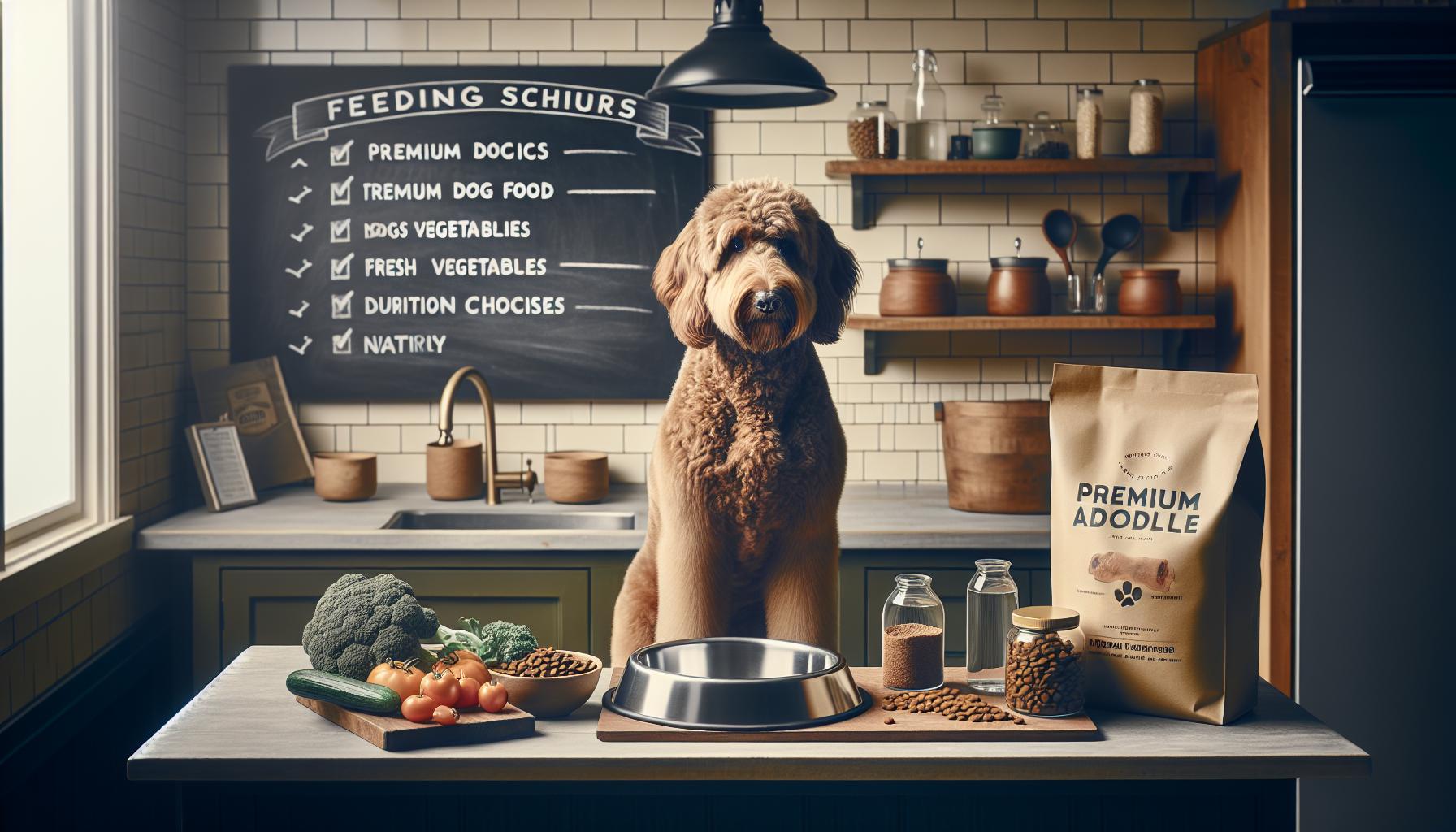
Every Labradoodle is unique, and understanding the various factors that influence their feeding will help you provide the best care. The breed’s size, age, activity level, and even their individual metabolism play significant roles in determining how much food they need each day. For example, a playful Labradoodle puppy full of energy will have different nutritional demands compared to a more laid-back adult or a senior dog.
Size Matters
The size of your Labradoodle-whether Standard, Medium, or Miniature-greatly impacts their feeding requirements. Larger Labradoodles typically need more calories due to their greater muscle mass and energy expenditure. In contrast, smaller varieties may require less food but still benefit from a diet rich in high-quality ingredients. For instance, while a Standard Labradoodle might need around 2 to 3 cups of food daily, a Miniature might thrive on just 1 to 1.5 cups, illustrating how size can dictate feeding portions.
Activity Level
Your dog’s activity level is another vital factor. Active Labradoodles who enjoy regular playtime, walks, or training sessions will require more calories to sustain their energy. On the other hand, if your dog leads a more sedentary lifestyle, it’s essential to adjust their food intake accordingly to prevent weight gain. An active dog may benefit from high-protein diets that support muscle maintenance and overall health, while less active dogs may need a diet lower in calories and fat.
Age and Health
The age of your Labradoodle also plays a critical role. Puppies, with their rapid growth and high energy, need specialized puppy food rich in nutrients and calories. As they transition to adulthood, their caloric needs will level out, allowing for a move to adult formulas that balance energy with healthy weight management. For senior Labradoodles, a diet that is easy to digest and lower in calories may be more suitable to prevent obesity and manage aging-related health issues.
By keeping these influencing factors in mind, you can adjust your Labradoodle’s diet to fit their lifestyle, ensuring they remain healthy and active throughout their life stages. Consulting with a veterinarian is always a good idea to create a specific feeding plan tailored to your furry friend’s needs.
Portion Sizes for Labradoodle Puppies vs. Adults

When it comes to maintaining a healthy diet for your Labradoodle, understanding the differences in portion sizes between puppies and adults is crucial. Puppies are bundles of energy, growing rapidly and requiring a diet that supports their development. They need nutrient-dense food to fuel their playfulness and growth spurts, while adults have more stable energy requirements once they reach their mature size.
For Labradoodle puppies, the general recommendation is to feed them higher quantities of food throughout the day, divided into several meals. Typically, a puppy may need about 3 to 4 cups of high-quality puppy food, depending on their age, weight, and activity level, spread over three to four meals daily. This ensures they receive adequate nutrients at regular intervals to support their developing bodies. As they grow, around six months old, you can begin to transition them to two meals per day.
In contrast, adult Labradoodles, which may require about 2 to 3 cups of food daily depending on their size and activity level, benefit from a consistent feeding routine that can help manage weight and maintain energy levels. It’s vital to adjust portions based on fluctuations in their activity level-more active dogs might need the higher end of the portion guide, while less active individuals could be fine with the lower end. Always remember, portion sizes should be tailored to the specific needs of each dog, so it’s wise to consult with your veterinarian to determine the best feeding strategy for your Labradoodle.
Portion Size Comparison Table
| Life Stage | Portion Size (per day) | Meal Frequency |
|---|---|---|
| Puppy (2-6 months) | 3-4 cups | 3-4 meals |
| Puppy (6-12 months) | 2-3 cups | 2-3 meals |
| Adult (1 year+) | 2-3 cups | 2 meals |
By recognizing these distinctions in dietary needs, you can help ensure that your Labradoodle thrives during their puppyhood and enjoys a healthy adulthood. Remember to observe your dog’s body condition and energy level, adjusting their diet as necessary.
Types of Dog Food: Which Is Best for Labradoodles?

Choosing the right type of dog food for your Labradoodle is crucial to ensuring their overall health and happiness. Labradoodles, being a mix of Labrador Retrievers and Poodles, have unique dietary needs that can vary based on their age, activity level, and size. This breed thrives on high-quality nutrition that supports their energetic and playful nature while minimizing health risks associated with poor diet choices.
When selecting dog food, consider these types:
- Dry Kibble: This is often the most convenient and cost-effective option. Look for brands that contain real meat as the primary ingredient and avoid fillers like corn and soy. High-quality kibble can assist with dental health as it helps reduce plaque build-up.
- Wet Food: For Labradoodles who might be picky eaters or have dental issues, wet food can be more palatable. It typically has higher moisture content, which benefits hydration. Just ensure that it’s labeled as complete and balanced!
- Raw Diet: Some owners opt for a raw diet that includes raw meat, bones, fruits, and vegetables. While this can provide a nutritious alternative, it’s vital to do thorough research and possibly consult a veterinarian to ensure it meets all nutritional requirements.
- Homemade Meals: Preparing homemade meals can be a healthy and interactive way to feed your dog. Just like raw diets, balance and proper nutritional content are essential. This allows you to control what your dog eats, ensuring fresh ingredients free of preservatives.
Labradoodles are known for their high energy levels, so maintaining a balanced diet rich in proteins and healthy fats is imperative. Generally, a mix of high-quality dry kibble with some wet food mixed in can offer a good balance of taste and nutrition. When checking food labels, look for products that meet the AAFCO (Association of American Feed Control Officials) standards, indicating that the nutrition provided is scientifically formulated.
Moreover, it’s worth noting that some Labradoodles may be more prone to allergies or sensitivities, especially given their Poodle lineage. In such cases, grain-free options or specialised formulas that address specific health concerns may be worth considering. Always transition to new food gradually over several days to avoid digestive issues.
Connecting with your veterinarian can further guide you in choosing the ideal food type tailored to your Labradoodle’s health, age, and lifestyle. Making informed decisions about your pup’s diet is one of the best ways to ensure a long, healthy, and happy life together!
Measuring Portions: Tools and Techniques

Getting the right portion sizes for your Labradoodle is essential for maintaining their health and energy levels. Just like humans, dogs can vary significantly in their weight and metabolism, which means there isn’t a one-size-fits-all approach to feeding. But don’t worry-equipping yourself with the right tools and techniques can make this task manageable and even enjoyable!
To start, consider investing in a few basic tools that will help you accurately measure your Labradoodle’s food. A good quality digital kitchen scale can be your best friend, allowing you to weigh the exact amount of kibble or raw food your dog needs based on their size and energy level. If your Labradoodle is currently a puppy, weighing their food correctly becomes even more crucial to support their rapid growth. Also, using measuring cups can provide a quick reference for portion sizes, but remember that weight is often a more reliable measure, especially since different food types can have varying densities.
Practical Techniques for Portion Control
Here are some practical techniques you can adopt to ensure your Labradoodle gets the right amount of food:
- Follow Feeding Guidelines: Start by checking the feeding guidelines on your food package, which will typically give a recommended amount based on your dog’s weight and age. Keep in mind that Labradoodles have diverse sizes, so adjust accordingly if your pup is on the smaller or larger side.
- Regularly Check Weight: Weigh your dog regularly-ideally once a month. This will help you gauge if your portion sizes are appropriate or if you need to make adjustments. A slight weight gain or loss can signal whether you’re feeding too much or too little.
- Meal Time Routine: Designate specific meal times instead of free-feeding, which allows you to better control portions. Stick to a routine to help your Labradoodle anticipate meal times and feel secure in their feeding schedule.
Lastly, creating a feeding chart that outlines the ideal portion sizes based on your dog’s current weight and activity can be an invaluable tool. Consider designing a chart that adjusts for changes in weight, age, or activity levels to stay proactive about their dietary needs. By combining these practices with a sensible feeding routine, you’ll be well on your way to keeping your Labradoodle healthy, happy, and full of energy!
Feeding Schedule: Daily Routine for Labradoodles
Establishing a feeding schedule for your Labradoodle is not just about providing meals; it’s a cornerstone of their overall health and happiness. Dogs thrive on routine, and having regular meal times helps them feel secure and satisfied. A structured feeding schedule can also make managing their weight and monitoring their health much easier. Ideally, you should aim to feed your Labradoodle two meals a day-one in the morning and another in the evening. This routine mirrors their natural instincts and helps stabilize their energy levels throughout the day.
When planning your Labradoodle’s feeding times, consistency is key. Try to serve meals at the same time each day. For example, if you choose to feed them at 8 AM and 6 PM, stick to those times as much as possible. This predictability aids in digestion and can help prevent issues like bloating or nausea that can arise from irregular feeding patterns. Moreover, consider using meal times as an opportunity for bonding. Sitting together during meals offers a perfect chance for you to reinforce training commands, improve socialization, and create a positive environment around food.
Another aspect to consider is the type of food you’re providing and how it fits into your schedule. Some dog owners prefer dry kibble, which can be left out for a period without spoiling, while others opt for wet food or a raw diet, which requires more precise timing to ensure freshness. Regardless of the type, be sure to monitor how your Labradoodle responds to different foods and adjust your schedule if necessary.
Lastly, don’t forget to complement your dog’s diet with ample fresh water available at all times, as hydration is just as important as food. Implementing a feeding schedule that includes both nutritious meals and consistent hydration will put you ahead in maintaining your Labradoodle’s health and happiness. Following these practical guidelines can pave the way for a well-fed and well-adjusted furry companion!
Signs of Overfeeding: What to Watch For
Recognizing the signs of overfeeding your Labradoodle is crucial not only for maintaining their ideal weight but also for their overall health and happiness. Labradoodles, with their friendly and affectionate personalities, often leverage their charm to score extra treats, making it essential for owners to be vigilant. If you suspect your furry friend might be indulging a bit too much, here are some key indicators to watch for.
First, keep an eye on your dog’s body condition. A healthy Labradoodle should have a noticeable waist and ribs that can be felt without excess fat covering. If you notice a thick layer of fat or if your dog appears to have a round belly, it might be time to reassess their diet. You can also perform a simple body score test where you visually assess their silhouette from above and the side. If your dog has lost its classic hourglass shape, it may be an indication of overfeeding.
Next, watch for changes in behavior. Overweight Labradoodles can become less active and lethargic, losing that playful spark they are known for. If your dog seems less eager to chase after a ball or join in on family activities, it might be worth evaluating their food intake and activity level. Additionally, an increase in begging behaviors or a constant scavenging for food may indicate that they are used to receiving more than they need.
Digestive issues are another sign you should be aware of. Overfeeding can lead to problems like vomiting, diarrhea, or excessive gas. If you notice these symptoms recurring, it could signal that your Labradoodle’s body is struggling to process the amount of food they are consuming. Pay attention to their bowel movements as well; irregularities can indicate they are not digesting their food properly.
Lastly, if your Labradoodle’s weight gain seems rapid, it’s vital to consult with your veterinarian. Rapid obesity can lead to serious health conditions, including joint problems, diabetes, or heart disease. Regular check-ups can help monitor weight changes and adjust feeding protocols before health becomes a concern.
By staying observant and proactive about your Labradoodle’s feeding habits, you can ensure they lead a healthy, fulfilled life full of tail-wagging joy. Your commitment to providing them with a balanced diet tailored to their needs reflects your love as a responsible pet owner.
Adjusting Portions for Activity Levels
When it comes to keeping our Labradoodles happy and healthy, one of the key factors is adjusting their food portions based on their activity levels. Did you know that an active Labradoodle could require up to twice as much food as a more sedentary one? It’s true! These energetic dogs love to play and explore, so understanding their lifestyle can directly influence their dietary needs.
The first step in ensuring your Labradoodle is properly fed is to assess their daily activity level. If your dog enjoys long walks, active playtimes, or has a job that involves agility or obedience training, they will require more calories to sustain their energy. On the other hand, a Labradoodle who spends most of their days lounging around or taking short leisurely strolls doesn’t need as much food. As a general guideline, you may want to consider the following categories for activity levels:
- High Activity: Daily vigorous exercise (1-2 hours); possibly require an additional 20-30% more food.
- Moderate Activity: Regular walks and playtime (30 min-1 hour daily); maintain regular portion sizes.
- Low Activity: Minimal exercise; consider reducing food by about 10-20%.
It’s not just about quantity; the quality of the food matters too. Of course, treat your Labradoodle to a balanced diet rich in protein and healthy fats, as these will provide the essential nutrients supporting their active lifestyle. A well-balanced dog food with high-quality ingredients will help keep your dog energetic without overloading them with unnecessary calories.
To track these adjustments effectively, many pet owners find it helpful to maintain a feeding log. Document your Labradoodle’s daily exercise routines alongside their food intake. You might discover that on days with more activity-such as when you take an extra-long walk or plan a fetch session-your furry friend might need that little bit of extra food to bounce back afterward. Remember, every dog is unique, so these guidelines should be adjusted to what works best for your individual pup. Consult your veterinarian if you’re ever uncertain, as they can provide tailored advice based on your Labradoodle’s specific needs and health status.
Weight Management Tips for Labradoodles
Maintaining a healthy weight for your Labradoodle is essential not just for their appearance but also for their overall health and longevity. Did you know that obesity can lead to serious health issues like diabetes, joint problems, and heart disease? Keeping your furry friend at a healthy weight involves a combination of proper portion control, regular exercise, and attentive monitoring of their condition.
One of the most effective methods to manage your Labradoodle’s weight is to establish a consistent feeding routine. This includes measuring their food portions carefully and adhering to a set schedule. Use a standard measuring cup to ensure you’re providing the correct amount according to the guidelines for their age, size, and activity level. Consider dividing their daily food into two or three meals rather than one large feeding to help regulate their metabolism and prevent overeating.
Monitor Weight and Condition
Regularly weigh your Labradoodle or assess their body condition score (BCS) by feeling their ribs. You should be able to easily feel but not see their ribcage, and they should have a noticeable waist when viewed from above. If your dog is gaining weight, it might be time to cut back on treats or decrease portion sizes, especially if they lead a more sedentary lifestyle. Conversely, if they’re losing weight, ensure they are eating enough to maintain their energy levels.
Healthy Treat Alternatives
When it comes to treats, choose high-protein, low-calorie options. For example, small pieces of cooked chicken or carrots can be great alternatives to high-calorie commercial treats. Some owners find that they can substitute a portion of their Labradoodle’s meal with healthy snacks, keeping the overall calorie count in check while still allowing for enjoyable feeding experiences. Always remember to account for treats in their daily caloric intake!
Involve your Labradoodle in regular physical activities suited to their age and health. Engaging them in activities like fetching, agility training, or even swimming can burn calories and strengthen their muscles while providing mental stimulation. By combining portion control with exercise, you’ll be well on your way to maintaining a healthy weight for your beloved Labradoodle, leading to a longer, happier life together.
Understanding Dog Food Labels: A Guide
When you’re standing in the pet food aisle with all those colorful bags and canisters, it can feel overwhelming. Understanding dog food labels is crucial to ensuring your Labradoodle receives the right nutrients for a healthy life. These labels provide essential information that helps you make informed choices about what to feed your furry friend. A well-balanced diet is not only vital for preventing obesity but also for supporting their active and playful nature.
Ingredients List
The first thing to look for on a dog food label is the ingredients list. Ingredients are listed in descending order by weight, which means the first few ingredients are the most significant contributors to the food’s overall composition. For Labradoodles, it’s important that the quality of the protein sources, such as real meat or fish, is high. Avoid foods with vague terms like “meat by-products” or fillers like corn and soy, as these may not provide the necessary nutrients your dog needs.
Guaranteed Analysis
Next, you’ll see the guaranteed analysis section, which outlines the minimum percentages of crude protein and fat, along with the maximum percentages of fiber and moisture. For Labradoodles, you want to ensure the food has a good protein level, typically at least 20-30%, depending on their age and activity level. The fat content should also be considered, as healthy fats contribute to skin and coat health. Don’t forget to keep an eye on fiber to promote healthy digestion.
Feeding Guidelines
Most dog food labels will also provide feeding guidelines based on weight and activity level. These are excellent starting points to help you determine how much to feed your Labradoodle. However, individual needs can vary, so these guidelines should be adjusted based on your dog’s specific activity level, metabolism, and health condition. It’s a good practice to consult with your veterinarian about the right food amount and any necessary adjustments based on your Labradoodle’s unique needs.
Nutritional Additives
Lastly, don’t overlook the added vitamins and minerals. Items like Omega fatty acids, probiotics, and antioxidants are beneficial for overall health and can support everything from joint function to immune health.
By understanding how to interpret dog food labels, you can more effectively choose the best nutrition for your Labradoodle, keeping them happy, healthy, and lively for years to come! Remember, a well-fed dog is a happy dog, and you hold the key to their vital nutrition.
Common Feeding Mistakes and How to Avoid Them
Feeding your Labradoodle should be an enjoyable experience, but many pet owners unknowingly fall into common traps that can affect their dog’s health. One significant mistake is overestimating portion sizes without considering factors like activity level and age. Labradoodles, while playful and energetic, can quickly gain weight if they’re given more food than they need. To avoid this, always start with the feeding guidelines on the dog food packaging, but customize them based on your dog’s specific lifestyle and energy expenditure. Regular weigh-ins can also help monitor any unexpected weight gain.
Another pitfall is failing to adjust portions as your Labradoodle matures. Puppies require different nutritional needs than adults, both in terms of caloric intake and the types of food. It’s crucial to transition gradually from puppy food to adult food as your dog grows, ensuring they receive the right balance of nutrients at each life stage. Consulting your veterinarian can provide tailored recommendations to ensure your pup is thriving without risking overnutrition or nutritional deficiencies.
Ignoring the need for a consistent feeding schedule can also lead to confusion and overeating, particularly in Labradoodles, who may beg for food if they think it’s mealtime. Establish set meal times and stick to them; this structure helps regulate their digestion and keeps their metabolism in check. You might find that using a feeding schedule not only helps with portion control but also reinforces training, as they learn to associate specific times with receiving their meals.
Lastly, be cautious with treats. Labradoodles are known for their playful and sweet nature, which makes it tempting to indulge them. However, treats should make up no more than 10% of their daily calorie intake. Opt for healthy, low-calorie options, and consider using a portion of their daily kibble as treats during training. This way, you can keep their training engaging without increasing their overall caloric intake excessively.
By being mindful of these common feeding mistakes and making small adjustments, you can ensure your Labradoodle stays healthy and vibrant. Remember, a well-fed dog is not just a happy one but also a fit one!
FAQ
Q: How often should I feed my Labradoodle?
A: It’s generally recommended to feed adult Labradoodles twice a day, while puppies should be fed three to four times daily. This feeding schedule helps maintain energy levels and prevents hunger. For specific timings, consult the “Feeding Schedule: Daily Routine for Labradoodles” section in our article.
Q: What type of food is best for a Labradoodle?
A: Labradoodles thrive on high-quality dog food that is rich in protein and essential nutrients. Look for options that list meat as the first ingredient and suit their age and activity level. For more insights, check the “Types of Dog Food: Which Is Best for Labradoodles?” section in the article.
Q: How can I measure my Labradoodle’s food portions accurately?
A: Use a measuring cup or a kitchen scale to ensure you are providing the correct amount of food. This precision helps prevent overfeeding. For measuring tools and techniques, refer to the “Measuring Portions: Tools and Techniques” section in our content.
Q: What are the signs that my Labradoodle is overeating?
A: Common signs of overfeeding include weight gain, lethargy, and a decreased interest in physical activities. Monitoring your dog’s weight regularly will help you identify any changes early. Consult the “Signs of Overfeeding: What to Watch For” section for further details.
Q: How does my Labradoodle’s activity level affect its food intake?
A: A Labradoodle’s food intake should be adjusted based on its activity level. More active dogs require more calories. For detailed guidance on adjusting portions, check the “Adjusting Portions for Activity Levels” section in the article.
Q: Can I give my Labradoodle human food?
A: While some human foods are safe for Labradoodles, many can be harmful. Always consult a vet before introducing new foods. For common feeding mistakes to avoid, refer to the “Common Feeding Mistakes and How to Avoid Them” section.
Q: How do I adjust my Labradoodle’s diet as it ages?
A: As Labradoodles age, their diet may require adjustments to accommodate slower metabolism and different nutritional needs. Regular vet check-ups are essential for making appropriate diet changes. Review the “Factors Influencing Your Labradoodle’s Feeding” section for more insights.
Q: What is the best way to switch my Labradoodle to a new food?
A: Gradually introduce the new food over about a week, mixing it with the current food to prevent gastrointestinal issues. For a proper transitioning process, look at the portions and feeding technique sections in the guide for structured advice.
Concluding Remarks
Thank you for exploring our comprehensive guide on how to feed your Labradoodle effectively! Remember, proper portioning is crucial for maintaining your dog’s health, energy, and happiness. Make sure to monitor their weight and adjust feeding amounts as needed. If you’re eager to learn more about optimal care, check out our articles on “Labradoodle Training Tips” and “Best Foods for Labradoodles,” where we dive deeper into breed-specific needs and best practices.
Don’t hesitate to comment below with your experiences or any questions you may have; we’re here to help you on this journey! For ongoing tips and exclusive content, consider signing up for our newsletter. The well-being of your furry friend starts with informed choices, so take action today and give your Labradoodle the balanced diet they deserve. Explore our site further to unlock more valuable resources that will support you and your pet every step of the way!