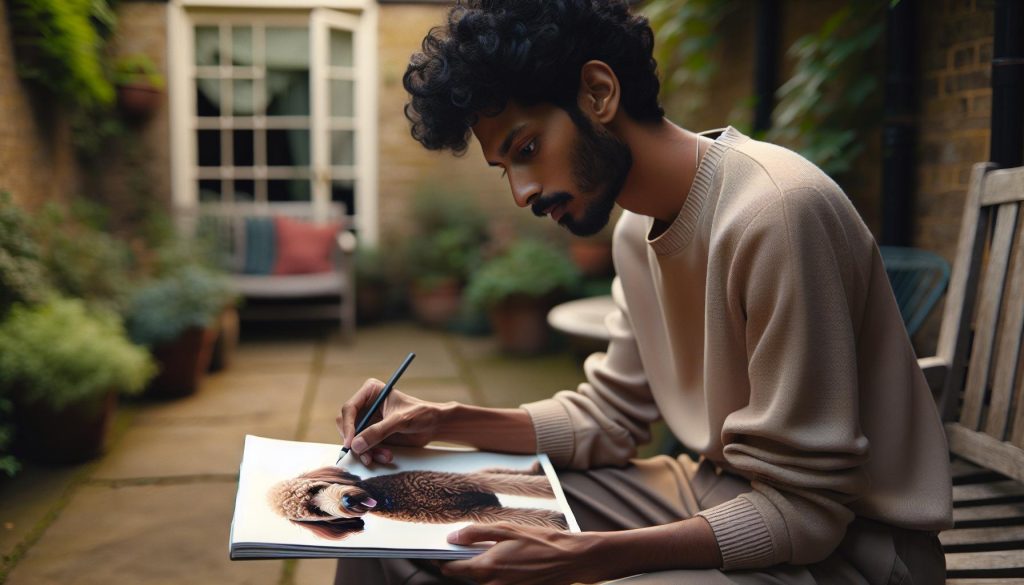
Drawing a Labradoodle can be a delightful way to connect with this lovable breed, known for their friendly demeanor and charming looks. Whether you’re an aspiring artist or simply looking to add a personal touch to your doodle-loving décor, this easy tutorial is designed just for you! As a beginner, you might feel intimidated, but don’t worry-art should be a fun and rewarding experience, not a chore. With step-by-step guidance, you’ll learn to capture the unique traits of Labradoodles, from their soft, curly coats to their expressive eyes. Plus, drawing a beloved pet can strengthen your bond, offering both joy and a creative outlet. So grab your pencils, and let’s embark on this artistic journey to create a cute Labradoodle masterpiece together! You might just discover a hidden talent or rekindle your love for drawing.
Choosing the Right Materials for Drawing a Labradoodle
When venturing into the delightful task of drawing a Labradoodle, the right materials can make all the difference in capturing their charming essence. A solid foundation begins with selecting your drawing tools. For beginners, pencils are a fantastic choice. They allow for easy corrections while you get accustomed to the shapes and lines of this lovable breed. Opt for a range of hardness-from H for fine lines to B for softer, darker strokes.
Next, consider your paper choice. Smooth bristol board is ideal for pencils and colored pencils, providing a clean surface that holds details well. If you’re leaning towards watercolors to capture the Labradoodle’s vibrant fur, choose thick, textured watercolor paper that can withstand the liquid. For those who prefer digital drawing, a tablet paired with stylus support can give you the versatility to explore varying textures and finishes.
In terms of coloring materials, colored pencils or markers in various shades can help you replicate the unique coat colors of Labradoodles, which often range from apricot to chocolate. Adding blending tools, like blending stumps or a colorless blender pencil, will allow you to create smooth transitions and depth within your drawing. And don’t forget about erasers-a kneaded eraser works wonders for creating highlights in darker areas of fur and softening any harsh pencil lines.
Choosing the right materials elevates your artwork and enhances your enjoyment of the process. Embrace the opportunity to experiment with various tools and find what suits your style best; this exploration is part of the fun in capturing your doodle’s lively spirit on paper!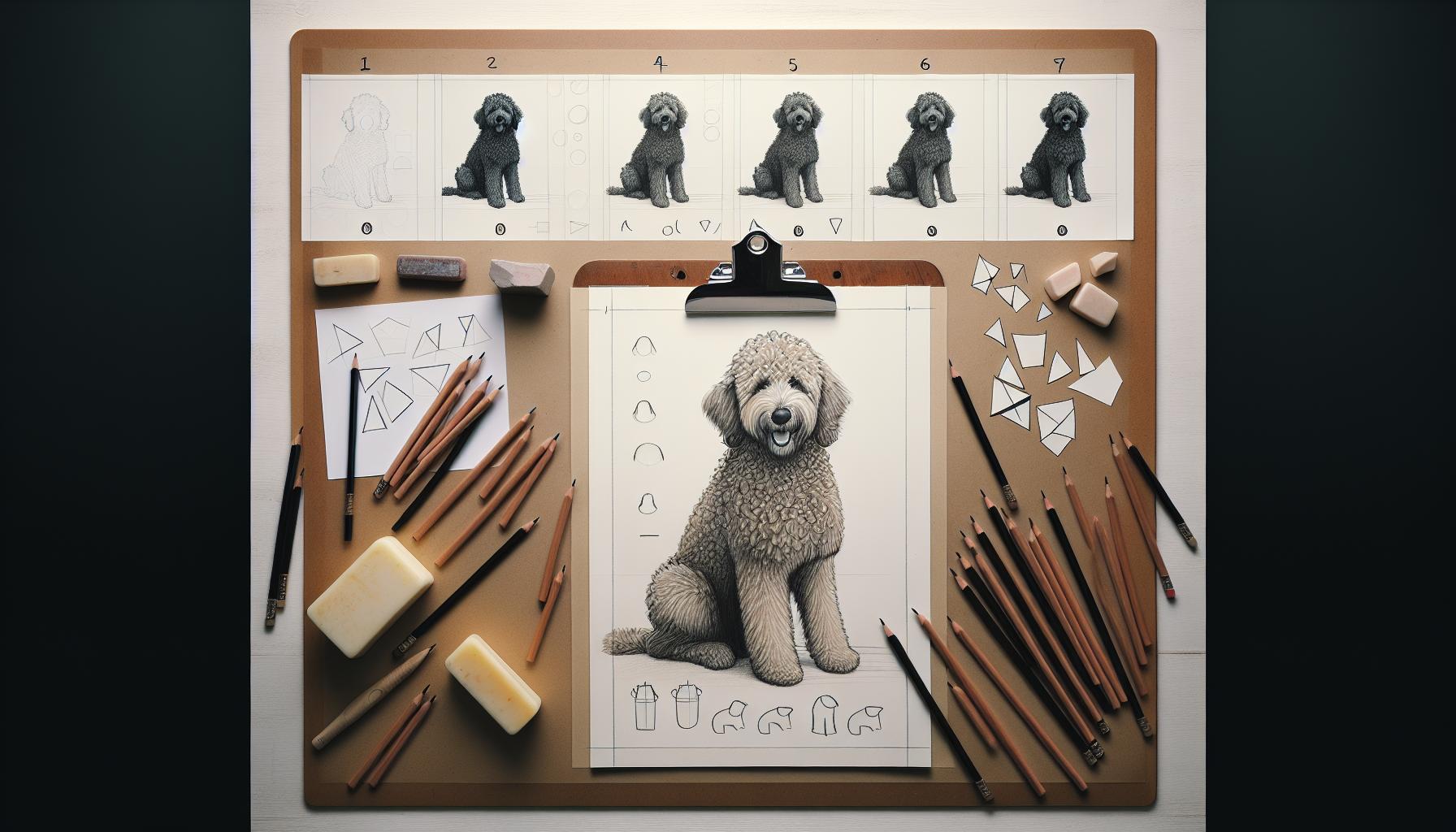
Step-by-Step Guide: Basic Shapes to Start Your Labradoodle
To start your drawing journey of a Labradoodle, embracing the basic shapes is key! This method not only simplifies the process but also allows you to capture the essence of this fun and lovable breed. Labradoodles are characterized by their unique mix of features, so breaking them down into simpler forms will help you draft a more accurate and lively representation.
Begin by sketching the basic shapes that lay the foundation for the dog’s body. Start with a large oval for the body and a smaller circle for the head. Make sure to lightly outline these shapes, as you’ll want to refine them later. The proportions are crucial: the head circle should be about one-third the size of the body oval, giving room for those cute, expressive features that Labradoodles are known for.
Next, add two smaller ovals at either end of the head circle for the snout and the area just above the eyes, and place two triangles atop the head for the ears. As you position these shapes, don’t forget that Labradoodles have fluffy, wavy fur, so the outlines can be slightly rounded rather than rigid. For the legs, use elongated rectangles that extend down from the body, remembering that Labradoodles typically have strong, sturdy limbs. Complete the sketch with a thin, curved line for the tail, giving it a playful bounce!
Once you have all these basic shapes in place, you can start connecting them to create a full form. Use curvy lines to transition from the body to the head, ensuring that the transition flows smoothly. This will help you capture the soft, friendly nature of Labradoodles, making your drawing inviting and warm. Keep in mind that this is your chance to put your personality into the drawing, so feel free to adjust shapes where you see fit. You’re laying the groundwork for a delightful piece that celebrates the charm of this beloved breed!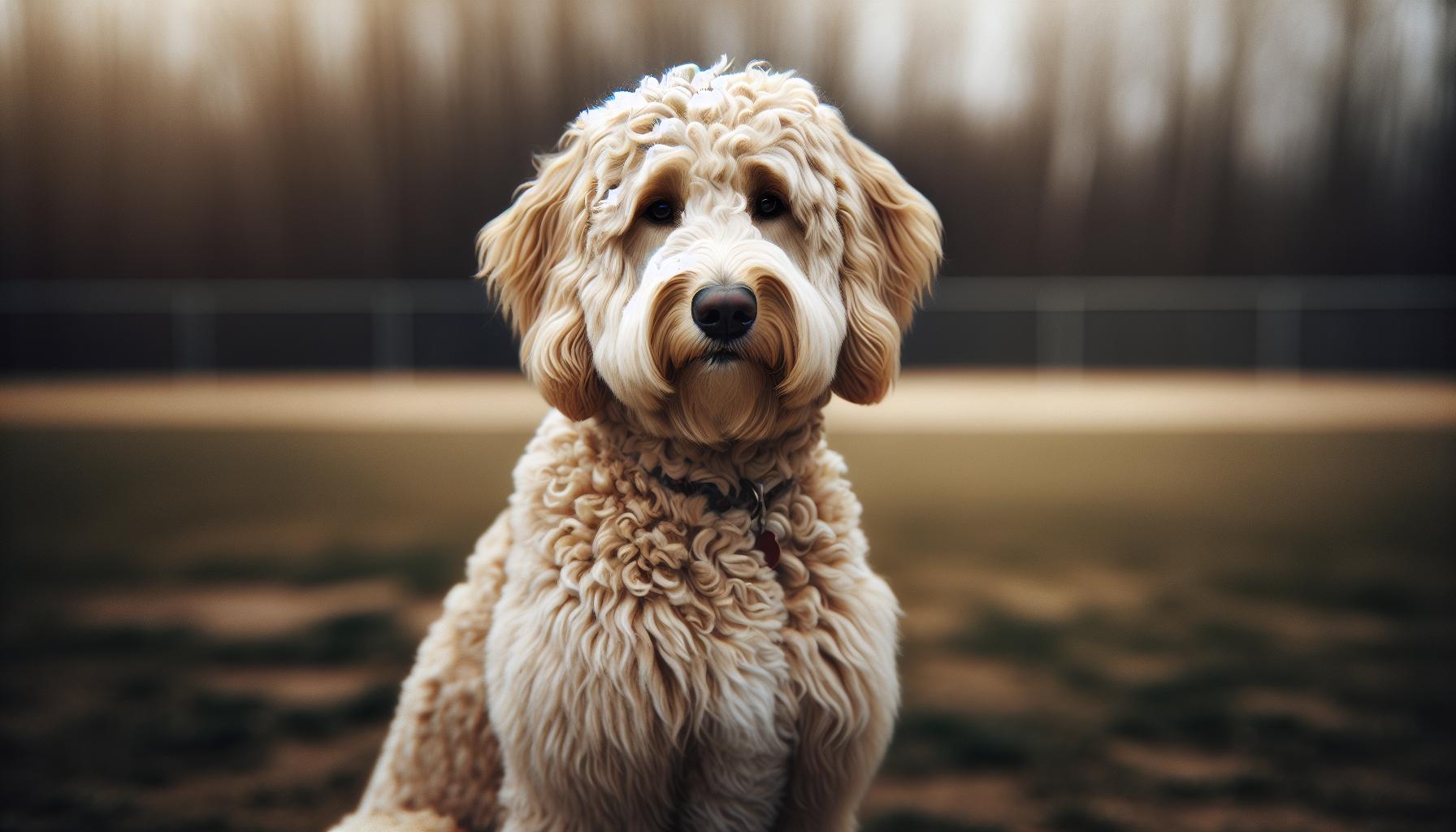
Capturing the Labradoodle’s Unique Features and Expressions
To truly bring your Labradoodle drawing to life, it’s essential to focus on the breed’s unique features and expressions that make these dogs so endearing. Labradoodles boast a delightful mix of Labrador and Poodle traits, resulting in a playful appearance and a friendly demeanor. Their soft, expressive eyes are one of their most captivating features, and capturing this essence can elevate your artwork from simple sketches to emotional portraits.
Start with the eyes; they should reflect warmth and intelligence. When drawing, consider giving them a slight glimmer to convey liveliness. To achieve this, you may lightly shade around the eyes and leave a small space unshaded to represent the light reflection. Next, pay attention to their ears, which are typically long and fluffy. Keep your ears slightly rounded and loose, as Labradoodles often have wavy fur. Make sure to add texture with light, feathery strokes to emphasize the softness of their coat.
Labradoodles also have strong, playful expressions, often full of enthusiasm. To depict this, consider the positioning of their mouth; a slight curve upward will suggest a grin, showcasing their joyful nature. Additionally, the overall stance of your drawing can reflect their friendly, outgoing character. Positioning them playfully with their tail slightly raised will create an inviting aura, encouraging viewers to connect with your portrayal.
Lastly, don’t forget to capture the breed’s athletic build. Represent their sturdy legs with gentle curves connecting back to a well-proportioned body. This balance will lend a sense of motion and vitality to your drawing. By focusing on these key attributes-eyes, ears, expressions, and overall form-you’ll create a piece that embodies the spirit of Labradoodles, celebrating their unique charm and personality in every line.
Adding Texture: Fur Techniques for Labradoodles
To convey the rich, fluffy fur of a Labradoodle in your artwork, it’s crucial to use techniques that reflect the unique texture and character of their coat. Labradoodles often have a soft, wavy, or curly fur coat that combines the traits of both Labrador Retrievers and Poodles. This mix can inspire a few varied techniques to bring your drawing to life.
Begin by selecting the right drawing tool based on the desired finish. For a smoother look, colored pencils or pastels can help achieve a soft, blended effect. Graphite pencils are excellent for sketching in the initial stages due to their precision. Once you begin adding layers for texture, the following methods can elevate your artwork:
- Layering: Start with a light base color for the fur. Gradually build up layers using varying shades of brown, cream, or even black, depending on the specific Labradoodle you’re drawing. This method creates depth and dimension.
- Directional Strokes: Use short, light strokes in the direction of the fur growth. Labradoodles often have flowing waves in their coat; mimic this by keeping your strokes varied in length and width.
- Blending: Use a blending stump or your fingers to gently blend the colors to create a softer texture. Be careful not to overly smudge, which can flatten the character you’re trying to capture.
- Highlighting: Accentuate the highlights by leaving some areas unshaded or by using a lighter color pencil to suggest light reflecting off the fur. This adds to the three-dimensional feel of your drawing.
Another effective technique is to focus on sketching the undercoat first. The undercoat is typically softer and denser, providing a nice contrast to the longer outer coat. Implementing this method can add a rich texture that captures the Labradoodle’s fluffiness.
As you work through your drawing, remember to step back and observe how the texture and layers are coming together. Art is often about trial and error; do not hesitate to adjust and refine areas until you achieve that lively, furry feel that encapsulates the Labradoodle’s charm. With patience and practice, you’ll be able to create a representation that not only captures their unique texture but also brings their playful spirit to life on the page.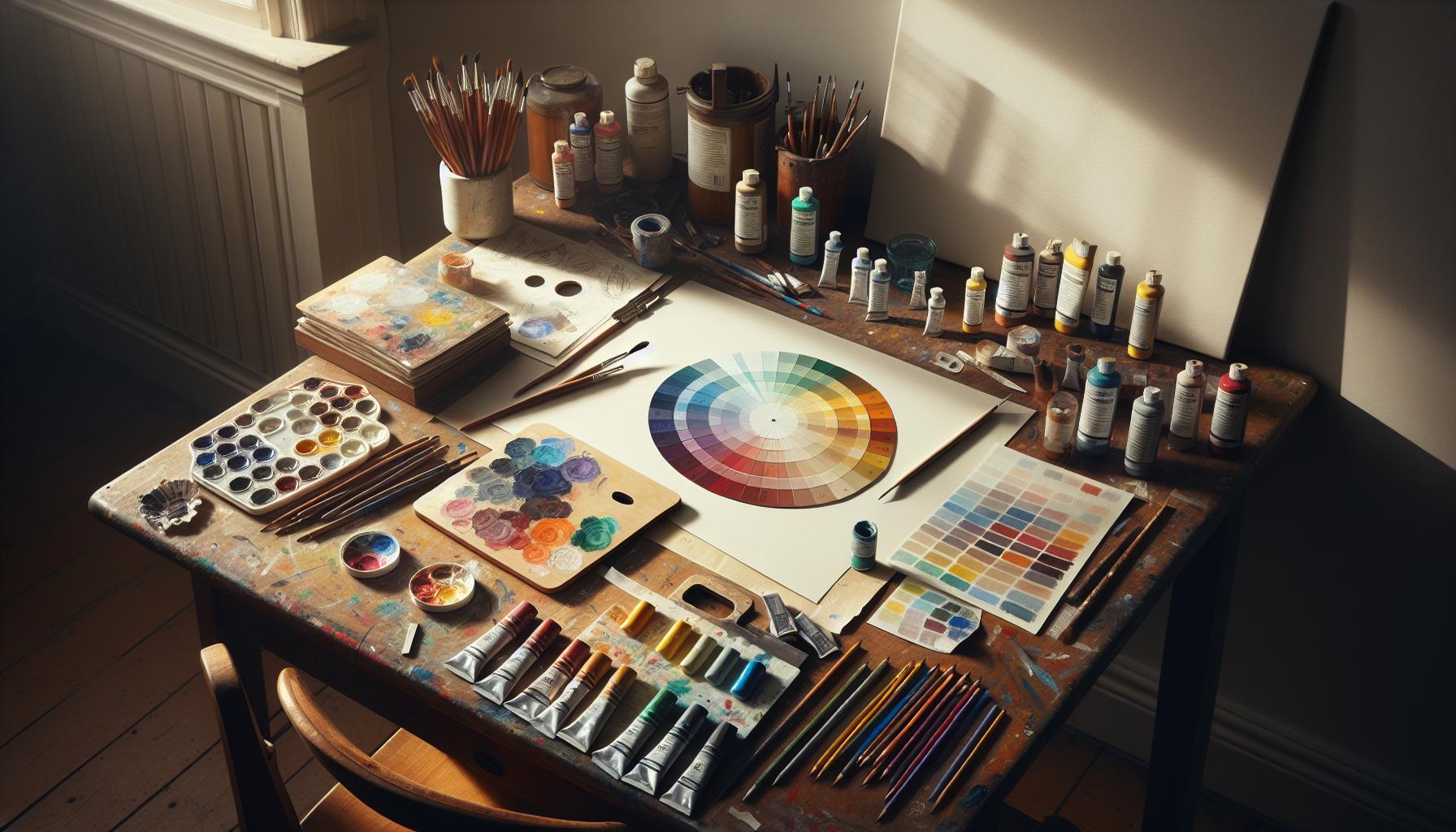
Coloring Tips: Choosing the Right Palette for Your Drawing
Creating a vibrant and expressive drawing of a Labradoodle relies heavily on choosing the right color palette. These adorable dogs often display a variety of coat colors, from rich chocolate browns to warm creams and soft apricots. Understanding these colors and how to effectively blend them can significantly enhance your artwork.
When selecting colors for your Labradoodle drawing, start by observing the specific dog you want to depict. Labradoodles typically inherit their coat colors from both parent breeds-Labrador Retrievers and Poodles-resulting in various hues and patterns. It’s beneficial to have a range of colors at your disposal, including light and dark browns, creams, and shades of black. If your subject has a multicolored coat, you might also need to incorporate whites or even subtle grays.
To create depth in your drawing, begin with a base layer of the lightest color in your palette. This sets the groundwork for later layers and mimics the natural shine of a Labradoodle’s fur. Once the base is established, gradually introduce slightly darker shades to build texture and form. Keep in mind that using warm undertones can add warmth to your final piece, making it feel more lifelike.
Blending Techniques
Effective blending is crucial when working with your color palette. Using colored pencils, a blending stump, or even your fingers can help you achieve a smooth transition between colors. Start by applying light pressure with your pencil to lay down the initial colors, then gradually increase the pressure to deepen the hue. Mixing colors directly on the paper gives your drawing a vibrant, dynamic feel that captures the unique personality of each Labradoodle.
Experimenting with highlights is just as important. Labradoodles often have glossy coats, so leave certain areas uncolored or use a white pencil or gel pen to create reflections of light. By strategically placing these highlights, you can elevate your drawing by adding dimension and realism. Remember, the key to a captivating Labradoodle portrait lies in the details and the careful selection of colors. With practice, you’ll find your artistic voice and create stunning representations of this lovable breed.
Enhancing Your Drawing with Backgrounds and Context
When drawing a Labradoodle, the surroundings and context can dramatically enhance the visual appeal of your artwork. A well-chosen background not only complements your subject but also tells a story about the dog’s personality and environment. For instance, imagine your Labradoodle happily frolicking in a park – adding elements like trees, other dogs, or even a sunny sky can evoke a sense of joy and liveliness that enhances your drawing’s impact.
To construct a captivating background, consider incorporating simple shapes and colors that reflect the mood you want to convey. Use softer, lighter tones behind your Labradoodle to ensure it remains the focal point. If your subject is a playful puppy, a background featuring grassy fields and vibrant flowers might convey that energy beautifully. Conversely, a relaxing scene with gentle waves can suit a calm, older Labradoodle, showcasing its serene character.
When planning your drawing, don’t ignore the composition; it plays a crucial role in how viewers perceive your work. Effective composition often follows the rule of thirds, where you place your Labradoodle slightly off-center. This strategic placement allows the background to balance the piece without overwhelming the subject.
Lastly, don’t hesitate to experiment with different styles of backgrounds, ranging from detailed landscapes to abstract washes of color. Every artist has a unique style, and finding what resonates with you will personalize your artwork even more. Remember to ensure that the background complements your Labradoodle, reinforcing its charm rather than distracting from it. With thoughtful choices, your backgrounds can elevate your drawing, making it not just a portrait of a dog, but a vibrant scene full of life.
Common Mistakes to Avoid When Drawing Labradoodles
When embarking on the journey of drawing a Labradoodle, it’s easy to get swept away by the excitement of capturing their unique charm and personality. However, beginners often encounter a few common pitfalls that can detract from their artwork’s overall quality. One major mistake is overlooking the proportions of the dog’s features. Labradoodles, being a mix of Labrador Retrievers and Poodles, have distinct physical traits that should be accurately represented. Take the time to study various photos and observe their unique coat texture, ear shape, and the overall length of their bodies compared to their legs. Familiarizing yourself with these characteristics will help create more balanced and lifelike representations.
Another frequent error is neglecting to pay attention to the texture of their fur. Labradoodles come in various coat types, from wavy to curly, and beginners may simply sketch over them without considering the way light and shadow interact with their fur. Instead, aim to capture this texture by using varied pencil strokes or brush techniques that mimic the flow and form of their coats. For instance, using short, quick strokes for a wavy coat or tighter, circular motions for a curly one can add depth to your drawing.
It’s also crucial to avoid rushing the initial sketching stage. Many artists jump straight to detailing without establishing a solid foundation. Take the time to draft a light outline, marking the basic shapes before gradually refining the details. This step is vital for ensuring that proportions remain consistent and that the piece has a cohesive feel.
Lastly, new artists might get carried away with colors, using overly bright or unrealistic hues. Instead, focus on natural palettes by observing real Labradoodles in various lighting conditions. Choosing color swatches that harmonize with the breed’s true tones-be it their light apricot fur or darker chocolate shades-will result in a more authentic and appealing drawing.
By being mindful of these common mistakes and approaching your Labradoodle drawing with care, you can create a heartwarming representation that truly reflects this beloved breed’s essence. Whether you’re showcasing their playful spirit or serene nature, accuracy and attention to detail will elevate your artistry and bring your sketch to life.
Advanced Tips for Perfecting Your Labradoodle Art
When it comes to perfecting your Labradoodle art, honing in on the details can truly elevate your work from a simple sketch to a vibrant representation of this beloved breed. One essential tip is to pay close attention to the fur, which can vary significantly in texture between individuals. To truly capture the essence of a Labradoodle, employ different pencil techniques or brush strokes that mimic their coat’s characteristics. For instance, use a stippling technique for a wavy coat to impart a soft texture and flowing lines, while tighter, spiral strokes can better illustrate the curls found in more poodle-like coats. Experimenting with different techniques can lead to striking realism in your artwork.
Another important consideration is the use of contrast in your shading. Labradoodles often have a variety of colors, and the way light interacts with their coats can create stunning visual effects. Focus on establishing a strong light source in your drawing. This will guide where to place your lighter highlights and deeper shadows. For example, if you’re drawing a cream-colored Labradoodle, consider where sunlight would naturally hit – perhaps on the ears and top of the head – and leave these areas slightly lighter. Deepen the shadow areas, like beneath the chin or along the legs, using a softer pencil to create depth.
Don’t underestimate the power of a well-chosen background. A simple, blurred landscape can enhance your Labradoodle sketch by adding context without stealing focus from your subject. Think about placing the dog in its natural environment, whether that’s a park, your backyard, or a beach. You don’t need to render these backgrounds in intricate detail; just enough to suggest a setting will suffice. This will not only ground your drawing but also help showcase the Labradoodle’s playful personality against a fitting backdrop.
Lastly, seeking feedback from peers or engaging with art communities can provide fresh perspectives on your work. Share your drawings online or in local art circles, encouraging both positive and constructive criticism. Observing how others capture similar subjects can inspire new techniques and ideas. Whether it’s discussing color palettes, fur textures, or stylistic choices, collaboration fosters growth and creativity in your artistry. With practice, patience, and a keen eye for detail, your Labradoodle drawings can blossom into something uniquely your own, truly capturing the heart of this wonderful breed.
Exploring Different Artistic Styles for Labradoodles
Exploring the world of artistic styles can truly transform your drawings of Labradoodles, allowing your creativity to shine through while honoring the unique characteristics of this beloved breed. Whether you’re drawn to a realistic depiction or a more stylized interpretation, understanding different artistic approaches will help you express your vision and engage your audience.
When starting out, consider experimenting with realism, where the goal is to capture the Labradoodle’s likeness accurately. This involves meticulous attention to detail, particularly in the fur texture and coloration. Use high-contrast lighting to create depth and shadow, making the dog appear more three-dimensional. This style benefits from observing real Labradoodles or high-quality photographs for reference. Alternatively, you might find joy in a cartoon or whimsical style. This approach allows you to exaggerate features-like the Labradoodle’s floppy ears and wagging tail-creating a playful representation that emphasizes their friendly personality. Use bold colors and simplified shapes to evoke charm and warmth, which can resonate well in children’s illustrations or light-hearted art pieces.
Another captivating style to consider is abstract art. Here, you can focus on the emotional essence of the breed rather than its physical characteristics. Use splashes of color and geometric shapes to convey feelings associated with Labradoodles-joy, playfulness, and affection. This could be particularly freeing, as it allows you to explore your creativity without the constraints of realism. Artists like Wassily Kandinsky have shown us how emotion can be expressed through abstraction, inspiring you to look beyond realistic representations.
Lastly, don’t shy away from combining styles. You could start with a realistic sketch and then incorporate abstract colors or playful elements to add a unique flair. This blend can create intriguing results, symbolizing the complex personality of Labradoodles. As you develop your style, remember to keep experimenting and evolving. Share your creations with friends or art communities online-feedback and collaboration can enrich your artistic journey and allow you to refine your techniques, ensuring that your Labradoodle drawings become not just art but a heartfelt tribute to the joy these dogs bring into our lives.
How to Share and Showcase Your Labradoodle Drawings
Sharing your drawings of Labradoodles can be a delightful experience that not only showcases your artistic talents but also connects you with fellow dog lovers and art enthusiasts. Whether you’re aiming to inspire others, receive constructive feedback, or simply spread joy through your art, there are numerous avenues to showcase your creations. One of the simplest and most effective platforms to start with is social media. Sites like Instagram and Facebook allow you to create a dedicated art account where you can post your Labradoodle drawings. Use relevant hashtags such as #LabradoodleArt, #DogDrawing, or #PoodleMix to reach a broader audience and engage with other artists.
Participating in Art Communities
Consider joining online art communities, such as DeviantArt or ArtStation, where you can upload your work and interact with other artists. This is an excellent way to receive feedback and participate in challenges that can inspire your next drawing. Additionally, platforms like Reddit have threads specifically for pet art where you can share your work and connect with other dog lovers eager to see creative interpretations of their favorite breeds. These communities often have contests or collaborative projects that can further elevate your exposure and foster connections with other artists.
Local Art Shows and Exhibitions
Don’t overlook local opportunities! Check if your community has art shows, fairs, or pet-themed events where you can display your pieces. Setting up a booth can be a wonderful way to share your love for Labradoodles and meet potential pet owners or fellow artists. You can even consider small giveaways or contests to engage visitors further. Alongside traditional exhibitions, look into local cafés or pet stores that might be interested in showcasing local artists’ works, particularly those featuring beloved pets.
Creating a Portfolio
Lastly, consolidating your work into a physical or digital portfolio can serve as an impressive showcase. Websites like Behance or even a personal blog can be platforms to display the evolution of your skills and your love for the Labradoodle breed. Include stories or inspiration behind each drawing, as personal anecdotes often resonate deeply with viewers. Sharing the journey of your artistic process not only gives a peek behind the curtain but also invites your audience to appreciate the time and effort invested in each piece, making your drawings even more meaningful.
Engaging with your audience and fellow artists can vastly enrich your experience, making it easier to learn and grow as an artist while spreading the joy of Labradoodles through your art!
Resources for Further Learning: Books and Online Tutorials
Finding the right resources can be a gamechanger when embarking on your artistic journey to draw Labradoodles. Whether you’re a beginner seeking foundational techniques or an experienced artist looking to refine your skills, there are myriad books and online tutorials to inspire and guide you. Resources not only help you learn techniques but also enable you to capture the charming personality and unique features of Labradoodles, making your art truly stand out.
Recommended Books
There are several excellent books available that focus on drawing animals, specifically dogs, which often include sections on Labradoodles or similar breeds. Here are some top picks:
- “Drawing Dogs: How to Draw and Paint a Dog a Day” by Caroline Baggley – This book provides step-by-step instructions tailored for different breeds and is great for beginners wanting to learn dog anatomy and expressions.
- “The Art of Animal Drawing” by Ken Hultgren – A classic, this book focuses on the fundamentals of animal drawing, emphasizing shape and proportions that can apply while drawing Labradoodles.
- “Learn to Draw Dogs” by Sarah Simblet – This resource features numerous exercises and tips that help in mastering dog drawings, including various breeds.
Online Tutorials and Courses
The digital world offers an abundance of tutorials, both free and paid, that can help improve your skills significantly. Consider exploring:
- YouTube Channels: Channels like “Drawing with Jazza” and “Art for Kids Hub” provide entertaining and informative videos on drawing animals, including Labradoodles.
- Skillshare and Udemy: These platforms host structured courses focused on animal drawing or specific techniques like fur texture, which can be incredibly useful when capturing the Labradoodle’s distinctive coat.
- Proko: A dedicated site for improving drawing skills, with tutorials on animal anatomy and expression, helping artists give a lifelike appearance to their Labradoodle drawings.
No matter where you start, the key is to practice regularly and experiment with different techniques until you find your unique style. Use these resources not just to learn; let them fuel your passion for capturing the lovable nature of Labradoodles in your art!
Frequently Asked Questions
Q: What are the best materials to use when drawing a Labradoodle?
A: The best materials for drawing a Labradoodle include high-quality sketch paper, pencils (from HB to 6B for shading), erasers, and colored pencils or markers for adding color. Using blending tools can also help achieve the soft texture of their fur. You can find more on material selection in the article section “Choosing the Right Materials for Drawing a Labradoodle.”
Q: How can I make my Labradoodle drawing look realistic?
A: To make your Labradoodle drawing look realistic, focus on capturing their unique features like their wavy fur and expressive eyes. Use reference photos to study their anatomy and proportions, and apply fur techniques to mimic texture. See “Capturing the Labradoodle’s Unique Features and Expressions” for detailed tips.
Q: What are common mistakes to avoid when drawing a Labradoodle?
A: Common mistakes include neglecting proportion and symmetry, using too little shading, and failing to accurately depict fur texture. To avoid these, practice basic shapes and take your time with details, as discussed in the “Common Mistakes to Avoid When Drawing Labradoodles” section.
Q: How do I choose the right colors for my Labradoodle drawing?
A: When choosing colors for your Labradoodle drawing, consider their coat types, which can range from cream to chocolate, apricot, or black. Layering different shades can help achieve a more dynamic look. Refer to the “Coloring Tips: Choosing the Right Palette for Your Drawing” section for guidance.
Q: What artistic styles are best for drawing Labradoodles?
A: Popular artistic styles for drawing Labradoodles include realistic, cartoon, and impressionistic styles. Each style offers a unique way to represent their features. Explore “Exploring Different Artistic Styles for Labradoodles” for in-depth insights on how to approach your drawing project.
Q: Can beginners easily learn to draw a Labradoodle?
A: Yes, beginners can easily learn to draw a Labradoodle by following step-by-step guides that break down the drawing process into manageable steps. Start with basic shapes, then gradually add details, as outlined in the “Step-by-Step Guide: Basic Shapes to Start Your Labradoodle” section.
Q: How can I improve my drawing skills while drawing Labradoodles?
A: To improve your drawing skills, practice regularly, study other artists’ works, and experiment with different techniques. Taking a structured approach, as described in the “Advanced Tips for Perfecting Your Labradoodle Art” section, can significantly enhance your skills over time.
Q: What should I do after completing my Labradoodle drawing?
A: After completing your Labradoodle drawing, consider showcasing it in a portfolio or sharing it online. You might also want to frame it to preserve your art. For more tips on sharing your work, check out the section “How to Share and Showcase Your Labradoodle Drawings.”
To Conclude
Congratulations on taking the first steps to master how to draw a Labradoodle! By following this easy tutorial, you’ve not only learned the basic techniques but also discovered how to capture the unique charm of this beloved breed. Remember, practice makes perfect, so don’t hesitate to sketch your furry friends multiple times! If you have any questions or need tips while drawing, feel free to drop a comment below-I’d love to help!
For more art inspirations, check out our guides on “Drawing Other Dog Breeds” and “Tips for Improving Your Pet Portraits.” Don’t miss out on our exclusive newsletter, where you can get updates on new tutorials and valuable resources delivered straight to your inbox. Your artistic journey doesn’t end here; keep exploring and sharing your progress! Happy drawing, and remember, every doodle brings you closer to being a pet art pro!