Did you know that Poodles are one of the most intelligent dog breeds, known not just for their smarts but also for their elegant appearance? Drawing a simple poodle can be a delightful way to capture their charm while enhancing your artistic skills. Whether you’re a novice looking for a fun activity with your kids or an experienced artist seeking a new subject, our easy step-by-step guide will make it enjoyable for everyone. Learning to draw a poodle is not only a creative outlet but also a wonderful way to connect with your love for dogs. With just a few basic shapes and techniques, you can create a charming representation of this beloved breed. So grab your pencils, and let’s embark on this artistic adventure together-who knows, you might just discover a hidden talent along the way!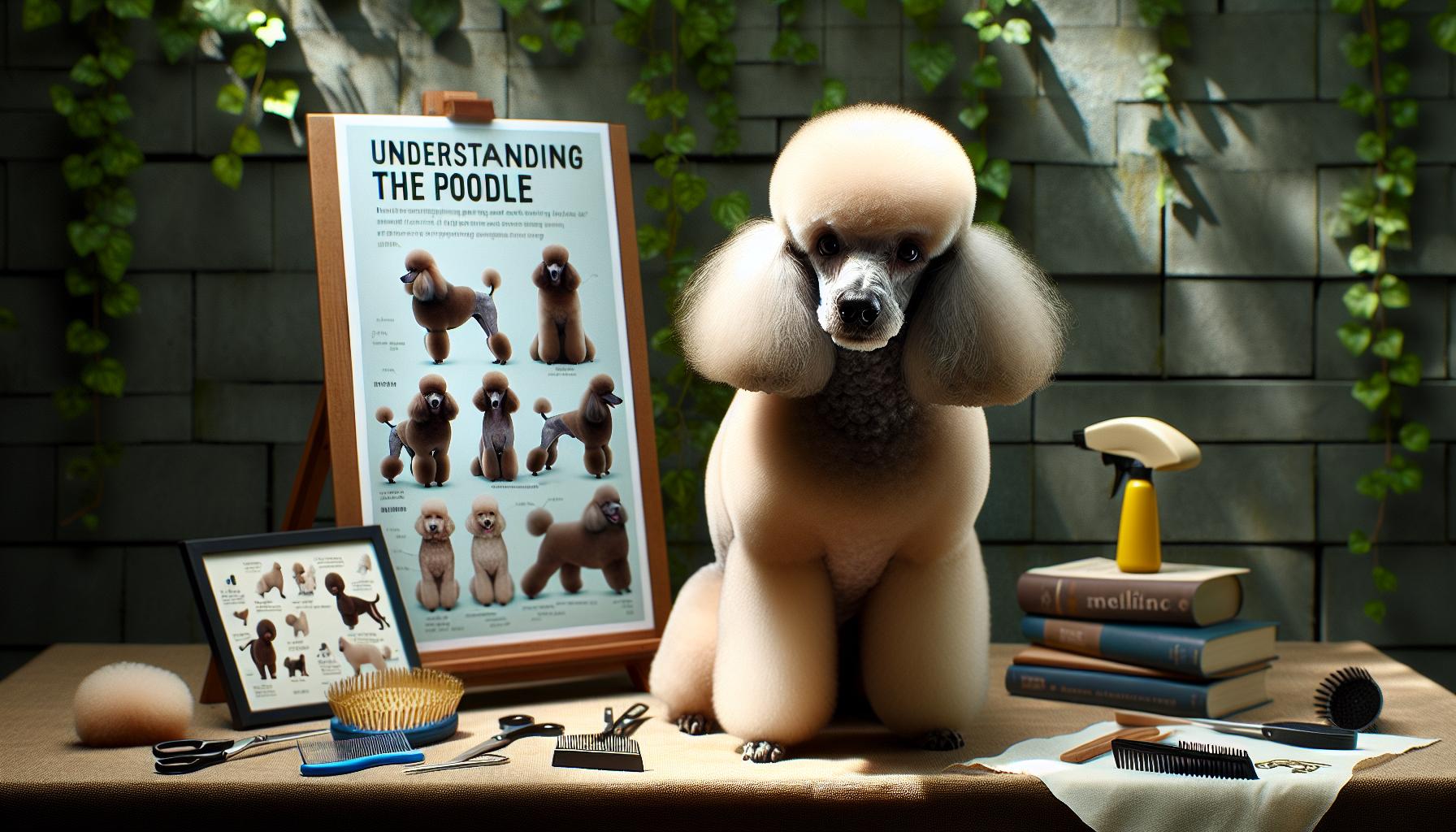
Understanding the Poodle: Characteristics and Traits
The Poodle is not just one of the smartest dog breeds in the world; its distinct appearance and charm have made it a favorite subject among artists looking to capture its essence on paper. This breed is known for its elegant stature, which can vary among the three recognized sizes: Standard, Miniature, and Toy. Each variation possesses unique traits, but they all share a signature curly coat that not only looks adorable but also presents specific challenges and rewards when it comes to capturing their likeness in drawing.
One of the most striking characteristics of a Poodle is its well-proportioned body, accented by a proud head and long, graceful neck. As you begin to draw, pay close attention to the details of the Poodle’s face-its expressive eyes and prominent muzzle convey intelligence and personality. Their ears are another standout feature, long and flowing, framing their face beautifully. Furthermore, the Poodle’s coat can be styled in various ways, from the traditional show cut to a more playful look, allowing artists to experiment with different fur textures and lengths, making each drawing a unique representation of this beloved breed.
When it comes to coloring, Poodles can come in a variety of shades including white, black, apricot, and gray, among others. This variety can influence your drawing process; for example, a white Poodle may require softer shading techniques to convey its lightness, while a darker coat benefits from deeper contrasts. Understanding these characteristics not only enhances your ability to draw a Poodle accurately but also deepens your appreciation of the breed’s beauty and elegance.
Incorporating knowledge of these traits into your drawings will help you create more realistic representations and can serve as a wonderful gateway into the world of canine artistry. Whether you’re drawing from a photograph or a live model, recognizing the defining features of a Poodle will enable you to capture not just the dog’s physical likeness, but also its spirited personality that has captivated dog lovers around the globe.
Essential Materials for Drawing a Poodle
Creating a delightful drawing of a Poodle requires the right materials to capture their unique elegance and charm. From light, curly coats to expressive faces, having the appropriate tools can make all the difference in your artwork. Whether you’re a seasoned artist or just starting out, ensuring you have quality materials at hand will help you translate the captivating essence of this beloved breed onto paper.
Begin with quality drawing paper. A smooth surface is ideal for pencil sketches, while textured paper works well for capturing the intricacies of fur. For beginners, sketchpads with a weight of at least 100 lb (200 gsm) provide durability and can handle erasing without tearing. When selecting pencils, consider using a range of graphite pencils-ranging from 2H for light outlines to 8B for deep, rich shadows. This variety allows for precise detailing, crucial for depicting the Poodle’s elegant features.
Incorporate colored pencils or watercolors into your toolkit to bring your Poodle drawing to life. Colored pencils can help you achieve vibrant, layered hues, perfectly suited for the diverse shades of Poodles, such as apricot, black, or cream. If you lean towards painting, watercolor sets allow you to experiment with softness and blending, ideal for creating the ethereal quality of their curly coats. Finally, don’t forget a quality eraser-both kneaded and vinyl types are useful for different applications. A kneaded eraser can gently lift graphite without damaging the paper, while a vinyl eraser excels in precision work, especially when refining your drawing’s details.
By choosing these essential materials, you set yourself up for success on your artistic journey. As you gather your supplies, let excitement guide you-each tool is a step toward honing your craft and capturing the Poodle’s beauty in your unique style.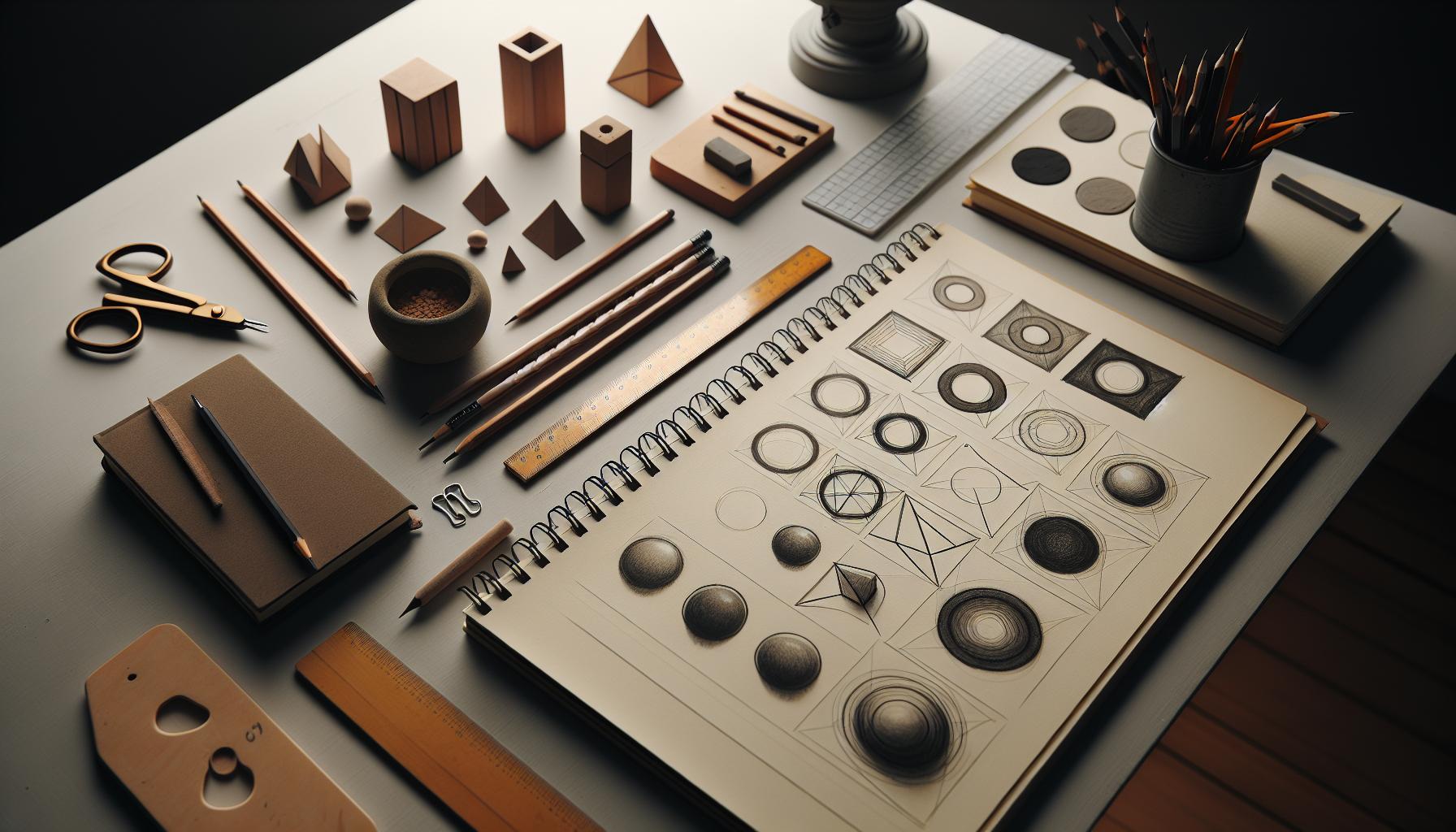
Step-by-Step Guide: Starting with Basic Shapes
Drawing a Poodle can be a delightful experience, bringing the beloved breed’s distinct charm to life on paper. At the core of creating an effective representation lies the fundamental practice of breaking down the Poodle’s elegant form into simple shapes. This approach not only simplifies the drawing process but also helps in capturing the breed’s unique features accurately.
To start, envision the Poodle’s overall structure. Begin with the basic shapes that form its body: an oval for the head, a larger oval for the body, and cylindrical shapes for the legs. Here’s a simple way to chart it out:
- Head: Draw a small oval at the top of your page to represent the Poodle’s head.
- Body: Below the head, sketch a larger oval. This oval gives you a foundational shape to work from as you refine the body later.
- Legs: Use simple cylindrical shapes for the legs, determining their placement by extending from the body. The placement reflects the Poodle’s active stance.
- Tail: Add a small triangle or line extending from the rear of the body for the tail.
These basic shapes serve as skeletons that guide you throughout the drawing process. Once you’ve laid down these forms, you can start to refine the outline, gradually contouring the curves and angles to reflect the Poodle’s graceful shape. Pay special attention to the proportions of the head compared to the body; Poodles often have well-defined, rounded heads and a balanced stature.
As you move forward, it’s crucial to remember that this initial outline allows for flexibility. Use it as a guide but feel free to adjust as you develop the drawing further. The beauty of the Poodle lies not just in its physical features but also in the personality that the drawing can convey. Through practice and patience, starting from these basic shapes will empower you to capture the essence of this magnificent breed in your artwork.
Adding Details: Capturing the Poodle’s Features
Providing intricate details when drawing a Poodle can truly bring your artwork to life, showcasing the breed’s unique elegance and expressive personality. Poodles are not only known for their intelligence and playful demeanor but also for their distinct physical features-such as their iconic curly coats and expressive eyes-that are essential to capturing their charm on paper. As you add details, focus on elements that highlight these characteristics, giving your drawing personality and depth.
To begin, concentrate on the facial features of the Poodle. The eyes are particularly important; they should be large, round, and full of expression. When drawing them, pay attention to the way the light reflects off their surface, which adds a spark of life. Use small circles for the irises and add highlights to make them appear shiny and wet. The Poodle’s nose, which is often a deep black or brown, should be drawn as a rounded triangle, positioned slightly lower than the center of the face. Take care to ensure its proportions align well with the rest of the facial features.
Next, turn your attention to the fur. Poodles have a dense, curly coat that can be quite distinct based on their grooming style. When illustrating the fur, consider using short, curled lines to replicate the texture. Start from the head and work your way down, following the body’s contours. Try to use varying lengths and densities to suggest the volume and fluffiness of their coat. Adding subtle shading where the fur falls naturally can enhance the three-dimensional aspect of your drawing.
Finally, incorporate the Poodle’s posture and stance into your work. Whether your Poodle is standing proudly or playfully, capturing the right posture can convey a lot about its personality. Take note of the angles of the legs and the curve of the back when you sketch; this will help communicate a sense of movement or alertness. Don’t hesitate to refer to reference images or observe a real Poodle if possible, as this could significantly inform your drawing style and help you create a more authentic representation of this magnificent breed.
Mastering Texture: Fur and Color Techniques
Drawing the distinctive curly fur of a Poodle can seem challenging at first, but with the right techniques, you can effectively capture its texture and color. Poodles have an extraordinary coat that defines their elegance and charm, so focusing on texture is crucial for any artist looking to draw this breed realistically. One of the most effective methods for illustrating fur is to use short, curved lines that replicate the natural curls found in a Poodle’s coat. These lines should flow in the direction of hair growth, which not only gives your drawing a more lifelike appearance but also conveys the softness and volume of the fur.
Techniques for Fur Texture
To create a convincing texture, consider layering your strokes. Start with a base layer of light pencil marks to outline the curls, then gradually build depth with darker shades to suggest the richness of the coat. You can use different materials like colored pencils, markers, or pastels to enhance the color variations typical in Poodles. Remember, the shading should reflect light sources; areas closer to the light will appear lighter, while shadows under the curls should be darker, adding depth and dimension.
Color Choices
The color of the Poodle’s fur varies widely, from the classic white to shades of apricot, black, and brown. When selecting colors, think about the undercoat and how light reflects on the curls. Blending techniques can be very effective here; using a blending stump can help create smooth transitions between colors. For example, when drawing a black Poodle, use a mix of dark grey and black for the main areas, while lighter greys can highlight the curls where light hits. On the other hand, apricot Poodles may require a base of light peach with darker oranges for the shadows to achieve a vibrant look.
Taking the time to master these techniques will elevate your Poodle drawings, showcasing not just the unique characteristics of the breed but also your skills as an artist. Practice will enhance your understanding of the nuances of fur texture and color, ultimately leading to more lifelike representations of these wonderful dogs. Remember to have fun with the process, and don’t hesitate to experiment with different styles and approaches to find what works best for you!
Common Mistakes to Avoid When Drawing a Poodle
When embarking on the journey of drawing a Poodle, it’s easy to make a few missteps along the way. Understanding these common pitfalls can help you create stunning artwork that captures the breed’s elegance. One frequent mistake is neglecting the unique structure of the Poodle’s head and body. Many artists tend to draw them with generic canine proportions. Instead, focus on the distinctive elements, such as the rounded skull, elegant neck, and compact, square build. Paying attention to these anatomical features will give your drawing a more authentic feel.
Another common error is overlooking the intricacies of the Poodle’s fur. The curly coat is a defining trait, and simplistic or flat representations can diminish its character. To avoid this, make sure to incorporate varied linework to depict the curls accurately. Use short, curved lines that mimic the natural flow of the fur. Layering these lines and blending them skillfully can add depth and texture, bringing your Poodle to life on the page.
Additionally, many beginners underestimate the importance of light and shadow in their drawings. Failing to include these elements can make your Poodle appear two-dimensional. Instead, observe how light interacts with the coat, especially where curls form shadows. By adding highlights and deepening shadows, you can create a sense of volume and realism that showcases the Poodle’s delightful features.
Lastly, don’t be discouraged by initial attempts. Drawing a Poodle, especially with its unique attributes, may take practice. Allow yourself the freedom to create multiple drafts, learning from each one. Remember, every artist faces challenges, but with patience and dedication, you’ll capture the charm of Poodles beautifully in your art. Embrace the process and enjoy the journey!
Tips for Enhancing Your Poodle Drawing Skills
Drawing a Poodle can be a rewarding endeavor, revealing the unique beauty and elegance of this beloved breed. To elevate your skills, consider focusing on a few essential techniques and strategies that will enhance your overall artistry and understanding of Poodle characteristics.
First, study real-life references. Observing Poodles in various poses, lighting conditions, and settings can deepen your appreciation of their physical traits. Spend time looking at photographs and videos, taking note of their distinctive features, such as the rounded skull, expressive eyes, and luxurious curls. Pay special attention to how their fur flows in different poses; this will give you insight into how to realistically replicate their textures on paper.
Next, practice various drawing techniques to capture the Poodle’s texture. Utilize a mix of line types-short, curly lines for the fur and smoother lines for their body contours. Experiment with layering techniques to create dimension. Start with light pencil strokes to outline the shape, then gradually add depth with darker lines or shading. This technique not only adds interest to your drawing but also helps you understand the flow and structure of their coat more effectively.
Another tip is to incorporate light and shadow into your drawings. Understanding where to place highlights and shadows is crucial for creating a three-dimensional effect. An effective way to practice this is by using a light source when drawing. Position yourself and observe how light interacts with the Poodle’s fur, creating intricate patterns of light and dark. Replicating this in your drawing will add realism and elevate the visual appeal of your artwork.
Finally, be sure to share your work and seek feedback. Engaging with fellow artists can provide you with new perspectives and constructive critiques that help refine your skills. Utilize online communities, local artist meet-ups, or social media platforms to display your Poodle drawings. The feedback you receive can guide your growth and lead to the discovery of new techniques or styles that resonate with you.
Embracing these strategies will not only improve your Poodle drawing skills but also deepen your appreciation for the breed itself. Remember, practice is key! The more you draw, the better you’ll become, so keep those pencils moving!
Exploring Different Poodle Poses to Draw
Capturing the essence of a Poodle in your drawing begins with understanding the various poses they naturally adopt. Poodles are full of personality and grace, which makes them an exciting subject for artists. Whether they’re frolicking in a park, elegantly perched on a sofa, or playfully interacting with their owners, each pose tells a story that can enhance your artwork. Observing these distinct positions not only aids in practicing your drawing skills but also helps you appreciate the breed’s unique charm.
One of the simplest yet enchanting poses to draw is the standing Poodle. This position highlights their well-proportioned body and proud stature. Focus on the line of their back, the gentle curve of their neck, and the characteristic roundness of their skull. This pose provides an excellent opportunity to practice drawing their coat texture, especially around the neck where the fur tends to be fluffier. Capturing the sparkle in their eyes while their ears gently frame their face can add personality and vibrancy to your artwork.
Another delightful pose is the playful Poodle, often seen in a ‘play bow’ position with front legs stretched forward and hind end raised. This pose exudes energy and excitement, giving your drawing a dynamic feel. When observing a playful Poodle, pay attention to how their fur lays when they move. The flowing curls can be challenging, but they offer a perfect chance to experiment with techniques like shading and layering. Additionally, this pose allows you to practice foreshortening, which can enhance the sense of depth in your drawing.
Finally, consider the sitting Poodle as a more composed option. In this pose, the Poodle often displays a serene and attentive expression, making it easier to capture the nuance of their personality. The sitting position allows you to focus on the Poodle’s legs, tail, and the way their ears might fall-a perfect chance to work on proportions and symmetry. Incorporating light and shadow in this pose can add dimension, making your drawing more lifelike.
Through these varied poses, you will not only refine your technical skills but also gain a deeper appreciation for the beauty and character of Poodles. Every angle and movement reveals something unique about this breed, encouraging you to keep practicing and exploring your artistic expression.
Inspiration: Famous Poodle Art and Artists
Art has long celebrated the elegance of the Poodle, with renowned artists capturing their unique charm in a variety of mediums. From classic paintings to modern illustrations, Poodles have served as both beloved companions and artistic muses. Notably, the late 19th and early 20th centuries saw a surge of interest in Poodle portraits, as artists aimed to depict their regal stature and characteristic curls. One famous artist who featured Poodles in his works was Édouard Manet, whose painting “Olympia” includes a striking Poodle that adds to the overall elegance and intrigue of the composition.
When looking for inspiration, consider the works of contemporary artists who specialize in pet portraits and often share their pieces online. Platforms like Instagram and Pinterest are treasure troves of Poodle art, showcasing everything from hyper-realistic renderings to whimsical illustrations. Many artists offer step-by-step tutorials or process videos that can give you insight into their techniques, which can be incredibly helpful for your own drawing journey. Engaging with local art communities or workshops focused on animal art can also provide motivation and feedback from fellow enthusiasts.
To further enhance your appreciation for Poodle art, think about drawing inspiration not just from paintings but also from various artistic styles. Explore the playful pop art interpretations that highlight Poodles’ unique fur textures or delve into minimalist sketches that capture their form with just a few lines. By examining diverse representations of Poodles, you gain a broader understanding of how to express their beauty and personality through your own art.
Finally, don’t forget to share your Poodle drawings with friends, family, or online communities. Platforms like DeviantArt and art-focused groups on social media are great places to display your work and receive constructive feedback. Engaging with other artists can rekindle your enthusiasm and spark new ideas for your next Poodle creation. Remember, every piece you create not only showcases your skill but also your love for this captivating breed.
Sharing Your Art: Where to Display and Get Feedback
Sharing your artwork is a rewarding experience that can enhance your skills and foster connections with other artists. Once you’ve completed your drawing of a Poodle, there are numerous avenues for displaying your work and obtaining constructive feedback. Online platforms are particularly influential because they allow artists from all over the globe to connect and share their creations seamlessly.
Consider starting with social media platforms like Instagram or Facebook, where you can join groups specifically tailored to dog lovers and artists. These communities often encourage feedback and provide support, making them ideal for those who are new to sharing their art. When posting your Poodle drawings, use relevant hashtags-like #PoodleArt or #DogDrawings-to increase visibility. Additionally, platforms like DeviantArt specialize in artistic works, providing a space expressly for artists to showcase their creations and receive comments from both casual viewers and professional artists.
Participating in local art shows or dog-related events can also be an excellent way to share your Poodle art in person. Not only do these events offer a venue for feedback, but they allow you to interact directly with fellow dog enthusiasts and artists. Engaging in conversations about your work can provide insightful critiques and inspire new ideas. For those interested in receiving more structured feedback, consider joining or forming an art critique group. These groups dedicate time to thoroughly assess each other’s work, helping you refine your techniques and improve your art.
Finally, exhibitions or contests-whether online or at galleries-can be thrilling opportunities to share your drawings. They often bring together art fans and fellow artists, creating a celebratory environment to appreciate art. Remember, every piece you share is not just a reflection of your skill but also of your passion for Poodles-an enthusiastic community awaits your contributions!
Advanced Techniques: Drawing Realistic Poodles
To bring your Poodle drawings to life, mastering realistic techniques is essential. Poodles are known for their refined features and elegant posture, which can be beautifully captured with the right approach. Begin by carefully observing reference photos of Poodles, paying attention to their distinctive characteristics such as the shape of their snouts, the roundness of their eyes, and the texture of their fur. Realistic artwork often hinges on these minute details, and using a range of values in shading will help you achieve depth and dimension in your drawings.
Textures and Fur Representation
One of the significant challenges in drawing Poodles is illustrating their curly fur. To do this effectively, you’ll want to employ a layering technique. Start by sketching the fur’s base shape using light pencil strokes. Then, gradually build up layers with darker pencil or ink, mimicking the spiral curls. Pay close attention to the light and shadow to convey the fluffiness of the coat. Using fine-tipped pens or sharpened pencils will allow for precise lines that give that soft, fuzzy appearance. Remember to vary the direction of your strokes to follow the fur’s natural flow, creating a more authentic look.
Color and Shading Techniques
When it comes to color, Poodles come in a variety of shades, from apricot to black to cream. Utilizing colored pencils or pastels can add vibrancy to your work. Start by applying a light base layer of color and build upon it with darker shades to create highlights and shadows. A great tip is to use a blending tool or your fingers to soften edges and create smoother transitions between colors. For realistic fur texture, consider adding small, feathery strokes of color over your base shades, which can mimic the light reflecting off their curls.
Achieving Proportions and Features
Perfecting the proportions of your Poodle is crucial not only for realism but also for capturing their unique personality. Use the classic method of grids or basic shapes for initial outlines. After establishing the main forms, focus on details such as the face and ears, which are pivotal in giving character to your artwork. Poodles have an expressive face; their large, dark eyes should convey emotions, so invest time in getting their reflections right. Utilizing techniques like juxtaposing lighter colors for highlights against darker shades will greatly enhance the eyes’ realism.
In summary, drawing realistic Poodles involves a careful study of their unique features, the application of layering techniques for texture, and a keen eye for proportion. Whether you’re aiming for a lifelike representation or a stylized version, these advanced techniques will enhance your artistic expression and help you capture the true essence of these beloved dogs.
FAQs About Drawing Poodles: Tips and Tricks
One of the most delightful aspects of drawing Poodles is their unique personality and distinct features, which can pose both challenges and opportunities for artists. When embarking on your drawing journey, it’s crucial to have a strong foundation in understanding the breed’s characteristics. For instance, note how their fur varies significantly between individuals – some might have tightly curled locks while others may possess looser waves. This variability can influence your technique, so always reference a variety of photos to capture these nuances.
When beginning to sketch, focus on establishing basic shapes before diving into intricate details. This method allows for easier adjustments and helps maintain proportion. Once you feel confident with the outlines, pay special attention to areas that give Poodles their personality, like their expressive eyes and distinctive ears. An intriguing tip is to capture the fur’s texture using short, directional strokes that mimic the natural curl, adjusting your pencil’s pressure to create depth and dimension.
Don’t hesitate to experiment with color and shading techniques, as Poodles come in an array of stunning shades from white to apricot. A simple yet effective trick is to layer your colors, beginning with light washes and building up to darker tones for shadows, creating a three-dimensional feel. Consider using blending tools to soften transitions between colors, enhancing the coat’s delicacy. You might find that taking breaks to step back from your work provides a fresh perspective, allowing you to spot areas that need refinement or enhancement.
If you encounter obstacles, remember that practice is key. Many artists find that their first attempts don’t meet expectations, but each drawing brings invaluable experience. Sharing your art in communities, whether online or locally, can provide beneficial feedback and encouragement. Engage with fellow artists who share your passion for Poodles, as they can offer unique tricks and insights that refine your skills even further. Keep nurturing your love for this elegant breed, and most importantly, enjoy the creative process!
Frequently asked questions
Q: What are the best materials for drawing a simple poodle?
A: The best materials for drawing a simple poodle include high-quality paper, pencils (HB, 2B, and 4B for shading), erasers, and colored pencils or markers for detailing. Using a smooth paper surface can enhance the drawing experience. Consider referring to the “Essential Materials for Drawing a Poodle” section in the main article for specific recommendations.
Q: How do I start drawing a poodle from the basic shapes?
A: Start by sketching a large oval for the poodle’s body and a smaller circle for the head. Connect these basic shapes with lines for the neck and outline the legs with simple rectangles. Proceed by refining these shapes into the poodle’s distinct form as discussed in the “Step-by-Step Guide” section of the article.
Q: What are common mistakes to avoid when drawing a poodle?
A: Common mistakes when drawing a poodle include disproportionate body parts, ignoring the unique fur texture, and overcomplicating initial shapes. To avoid these, focus on getting the basic shapes right before adding details and refer to the “Common Mistakes to Avoid” section for more insights.
Q: How can I master texture in my poodle drawings?
A: Mastering texture involves practicing fur techniques such as layering with short strokes and varying pencil pressure. Utilize the “Mastering Texture: Fur and Color Techniques” section to explore tips on creating realistic fur, enhancing your drawing skill through practice.
Q: What tips can help improve my poodle drawing skills?
A: Improving your poodle drawing skills can be achieved through regular practice, studying real poodles for reference, and using a variety of pencil techniques. The article’s “Tips for Enhancing Your Poodle Drawing Skills” section provides additional strategies to develop your artistic abilities.
Q: Where can I find inspiration for drawing different poodle poses?
A: You can find inspiration for drawing different poodle poses by studying images online or in dog care books. The “Exploring Different Poodle Poses to Draw” section in the article offers examples and techniques to help you diversify your artwork.
Q: How can I effectively share my poodle drawings and get feedback?
A: Effectively sharing your poodle drawings can be done through social media platforms, art forums, or local art groups. Refer to the “Sharing Your Art: Where to Display and Get Feedback” section for specific platforms and communities that can provide constructive critique.
Q: What are advanced techniques for drawing realistic poodles?
A: Advanced techniques for drawing realistic poodles include mastering perspective, using reference photos for accuracy, and applying mixed media for texture. The section on “Advanced Techniques: Drawing Realistic Poodles” has valuable tips to elevate your drawing from simple outlines to lifelike representations.
To Wrap It Up
Congratulations on mastering the art of drawing a simple poodle! Remember, drawing is a skill that gets better with practice-so don’t hesitate to revisit this guide whenever you need a little reminder. If you enjoyed this tutorial, check out our other guides on drawing adorable dog breeds and engaging art techniques to further refine your skills.
Ready to share your artwork? We’d love to see your poodle drawings in the comments below! Also, be sure to sign up for our newsletter for more creative tips and exclusive content that can help you on your artistic journey. And don’t forget to explore our resources on dog care and grooming-because every great poodle deserves the best! Happy drawing!