
Potty training a Labradoodle can seem daunting, but it’s a crucial step in creating a harmonious home for you and your furry friend. Did you know that Labradoodles are known for their intelligence and eagerness to please? This makes them generally quick learners, which is great news for new owners! Understanding the unique needs and traits of your Labradoodle will not only help you successfully navigate potty training but also strengthen your bond with your pet. As you embark on this journey, you may feel a mix of excitement and uncertainty, especially if this is your first time training a dog. Don’t worry-by focusing on proven techniques and being consistent, you can turn this training phase into a positive experience filled with rewards. Read on to discover practical tips, personal anecdotes, and expert advice that will set you and your Labradoodle up for success in this essential aspect of dog ownership.
Understanding the Labradoodle Temperament for Potty Training Success
Understanding the Labradoodle’s temperament is essential for successful potty training. This hybrid breed, a delightful mix of Labrador Retriever and Poodle, is known for its friendly and adaptable nature. Labradoodles tend to be eager to please, intelligent, and responsive, which can greatly enhance the potty training process when approached correctly. Their affectionate personality means they thrive on positive reinforcement, making it crucial to establish a supportive environment during training sessions.
Labradoodles often exhibit patience and understanding, which can be leveraged during the potty training phase. They generally respond well to consistent routines and can quickly learn commands associated with potty training. For instance, using phrases like “go potty” when taking them outside can create an association between the command and the action, aiding in faster learning. Their playful nature also means that incorporating games or rewards, like small treats or praise, can turn what might be a tedious task into a fun and engaging experience for both you and your pup.
As you embark on this journey, remember that every dog is unique. While many Labradoodles might grasp the concept of potty training quickly, some may require a bit more patience and guidance. It’s essential to remain calm and understanding, as negative reactions to accidents can hinder their progress. Instead, focus on establishing a reliable schedule, taking them out frequently, especially after meals and playtime, and celebrating their successes, no matter how small. Their social nature means they will feed off your energy, so staying positive will benefit both of you in the long run.
In summary, leveraging the Labradoodle’s temperament-its intelligence, eagerness to please, and affectionate nature-can create a smoother potty training experience. By using consistent commands, positive reinforcement, and maintaining a patient demeanor, you’ll not only achieve success in potty training but also strengthen the bond with your furry friend.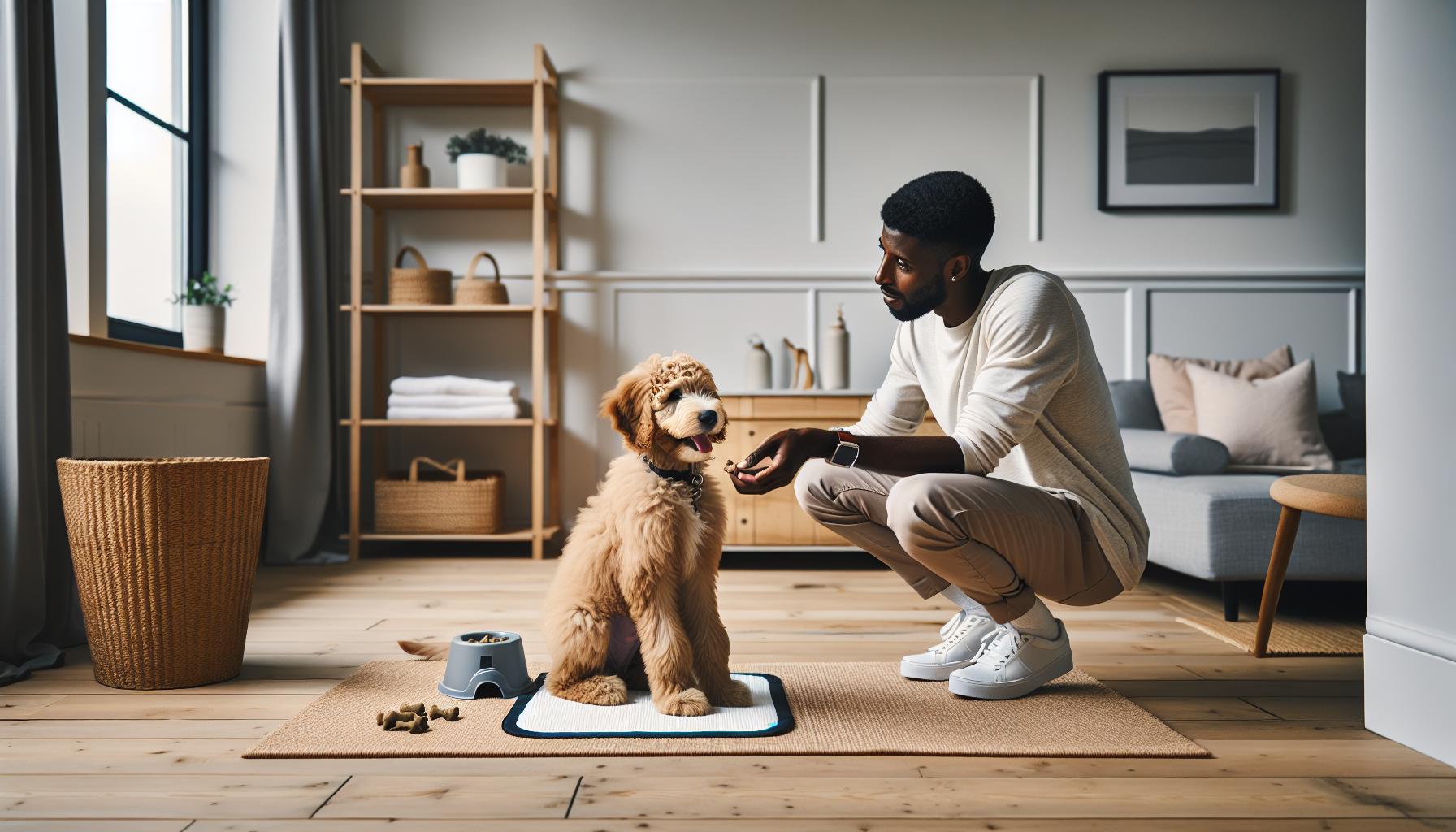
Proven Techniques for Successful Potty Training
Potty training your Labradoodle can be an incredibly rewarding experience, especially when you realize just how smart and eager to please this hybrid breed is. With their quick learning abilities and friendly nature, a well-structured potty training approach can lead to success in no time. Here are some proven techniques that can help you navigate this essential training phase effectively.
One of the first steps to ensure a smooth potty training process is establishing a consistent routine. Take your Labradoodle outside at regular intervals, typically every 1-2 hours, as well as after meals, playtime, and naps. This helps your pup learn that outside is the right place to do their business. Make use of clear verbal cues like “go potty,” reinforcing this command every time you take them outside to the designated potty area. Over time, your dog will begin to associate the command with the action, expediting the learning process.
Utilizing positive reinforcement can transform potty training into a delightful experience for both you and your pup. Each time your Labradoodle successfully goes potty outside, celebrate their success with enthusiasm. Offer treats, praise, or a quick play session as rewards. This encourages your dog to repeat the desired behavior, reinforcing the connection between going outside and receiving positive attention. For example, one owner found that their dog responded especially well to a favorite toy being given as a reward right after potty success, which made the experience enjoyable and memorable.
Maintaining a clean and inviting designated potty area is also crucial. If your dog happens to have an accident inside, clean the area promptly with an enzymatic cleaner designed to eliminate pet odors, as lingering smells can invite repeat offenses. Additionally, consider introducing a potty training bell. Hanging a bell by the door and teaching your Labradoodle to ring it when they need to go outside can be a fun and effective signaling method.
Transitions can also be facilitated through incremental changes. If using puppy pads indoors, gradually move them closer to the door, eventually introducing outdoor potty habits. This method respects their learning curve and promotes confidence in their ability to make the transition.
Remember that every Labradoodle has their unique personality. While some might grasp the potty training concept quickly, others could require extra patience and encouragement. Utilize your dog’s inherent sociability by engaging them in play and praises during training sessions to keep spirits high. By embracing these techniques and remaining committed to the process, you nurture not only a well-trained Labradoodle but also strengthen the special bond you share with your playful companion.
Creating a Potty Training Schedule: Tips and Tricks
Creating a structured potty training schedule can make a significant difference in your Labradoodle’s learning process. Since Labradoodles are known for their intelligence and eagerness to please, a consistent routine helps them understand what is expected of them. Consider that these dogs typically thrive on regularity; having a clear schedule not only helps reinforce good habits but can also ease your training journey.
To start, establish a basic routine that includes taking your Labradoodle outside *at regular intervals*. Aim for every 1-2 hours, along with additional outings after meals, play sessions, and naps. This frequency allows your dog to associate the outdoors with potty time. You might want to create a simple chart to track your pup’s schedule, which can be especially useful for new owners. For example, a schedule could look like this:
| Time | Activity |
|---|---|
| 7:00 AM | Wake up & Potty |
| 8:00 AM | Breakfast & Potty |
| 9:00 AM | Playtime & Potty |
| 10:00 AM | Potty Break |
| 12:00 PM | Lunch & Potty |
| 2:00 PM | Potty Break |
| 5:00 PM | Dinner & Potty |
| 7:00 PM | Evening Walk & Potty |
| 10:00 PM | Final Potty before Bed |
Additionally, consider your Labradoodle’s unique needs. Puppies, for instance, have smaller bladders and may require more frequent breaks, while adult Labradoodles may adapt to a slightly less rigorous schedule. Adjusting the timings based on your dog’s age, behavior, and learning pace is crucial for effective training.
Lastly, stick to your schedule as closely as possible to build trust and understanding between you and your pet. If you notice signs that your Labradoodle needs to go, such as sniffing around or circling, act quickly to take them outside. The more consistent you are, the more reliable your dog will become. By maintaining an inviting and structured atmosphere for potty training, you not only create a successful routine but also encourage a stronger bond built on trust and communication with your furry friend.
Essential Supplies for Potty Training Your Labradoodle
Every successful potty training journey begins with the right tools! Equipping yourself with essential supplies not only makes the process smoother but also ensures that your Labradoodle feels comfortable and secure during training. This intelligent and eager-to-please breed responds well to a structured environment, and having the right items can significantly enhance their learning experience.
To kick things off, consider investing in high-quality puppy pads. These are especially useful for indoor training, allowing your Labradoodle a designated area to relieve themselves. Choose pads that are absorbent and designed with attractants to encourage use. Additionally, a comfortable crate can be a game changer; it provides a safe space for your pup, as dogs naturally avoid soiling their sleeping area, thus fostering a routine that encourages outdoor potty breaks.
Don’t overlook the importance of leash training tools! A sturdy leash and a well-fitted collar or harness are vital when taking your Labradoodle outside. This helps set boundaries and reinforces the connection between being outside and the opportunity to potty. Carrying a few treats or toys can also make outdoor potty breaks more rewarding. By using positive reinforcement every time they potty where they’re supposed to, you’ll encourage good habits and strengthen the bond you share with your furry friend.
Lastly, prepare a clean-up kit. Accidents are part of the learning process, and being prepared with enzymatic cleaners specifically designed to eliminate odors will help maintain a clean environment. It’s also a good idea to have extra waste bags on hand for outdoor potty time. With these supplies ready, you’re well-equipped to take on the rewarding journey of potty training your Labradoodle!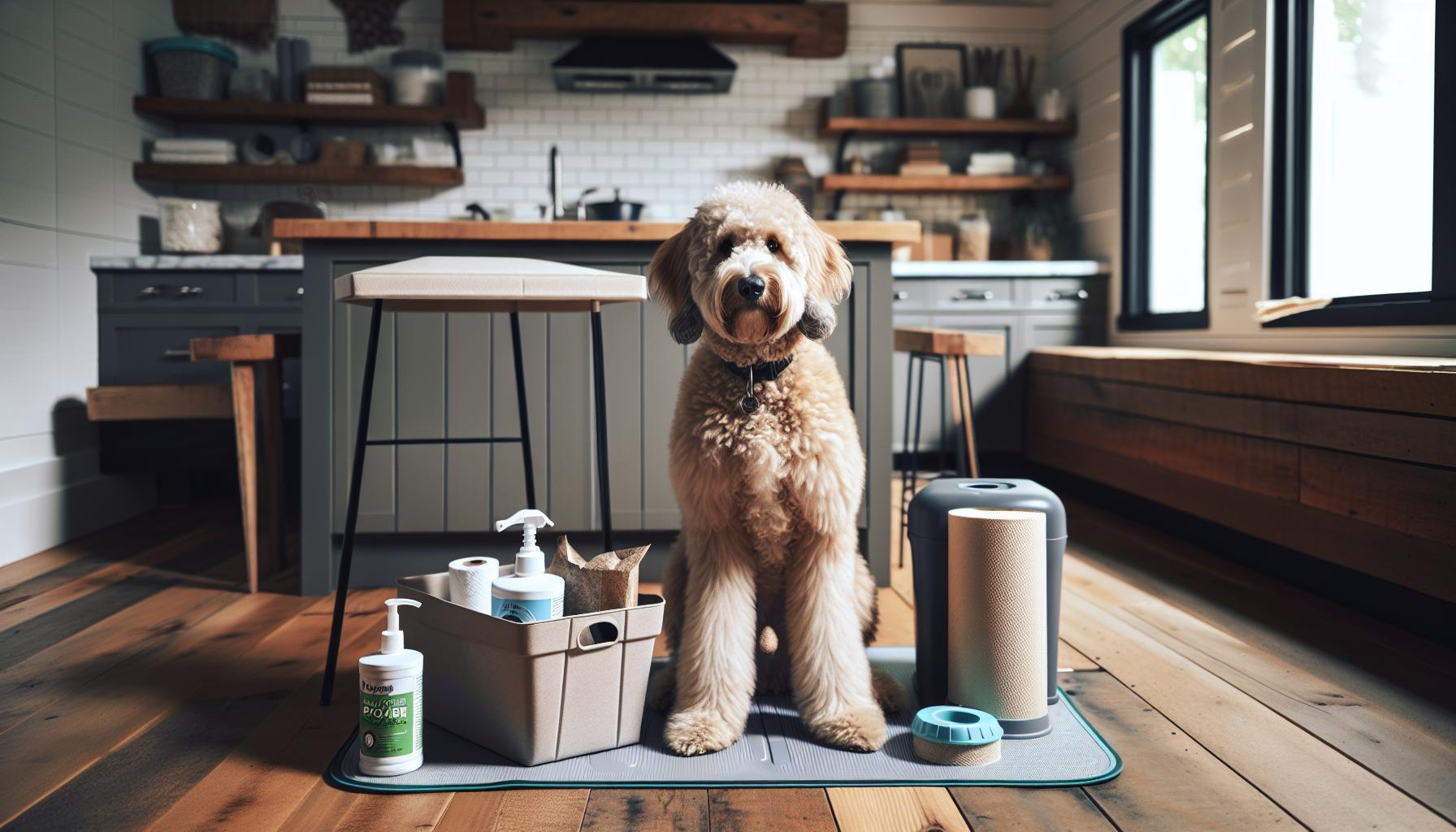
House Training: Indoor vs. Outdoor Strategies
Beginning the potty training journey for your Labradoodle can feel overwhelming, but understanding the differences between indoor and outdoor strategies equips you for success. Since Labradoodles are known for their intelligence and eagerness to please, implementing effective house training methods can create a positive environment for both you and your furry friend.
When opting for indoor strategies, designated areas can make a significant difference. Using high-quality puppy pads, placed in a quiet and consistent location, helps teach your Labradoodle where it’s acceptable to relieve itself while indoors. Many owners find placing the puppy pads near the door they plan to use for outdoor potty breaks reinforces the connection between the two locations. This seamless transition can ease your pup’s understanding of where they’re supposed to go.
Additionally, crate training is a pivotal part of the indoor strategy. A crate not only supports safe retreat but also aligns with a dog’s instinct to avoid soiling their sleeping area. During this phase, it’s essential to monitor your Labradoodle’s behavior closely. Look for signs of restlessness or sniffing, which indicate they may need to go. Promptly taking them to the designated area, whether it’s indoors or outdoors, is crucial to reinforcing positive behavior.
While indoor strategies are accommodating, outdoor training offers its own advantages. Taking your Labradoodle outside frequently-especially after meals, playtime, or naps-creates a consistent routine. When they do their business outside, shower them with praise and treats to reinforce the behavior. Outdoor time is also an excellent opportunity for socialization, as Labradoodles thrive on interaction, which can enhance their confidence and instincts. Just remember: during the early stages, patience is key. If accidents happen, remain calm and avoid punishment. Instead, redirect your pup to the appropriate area, either indoors or outdoors.
In summary, whether you choose to primarily use indoor or outdoor strategies, the critical factors remain the same: timely opportunities, positive reinforcement, and maintaining a structured routine. Embrace the journey with enthusiasm, showing your Labradoodle the love and support they need to learn effectively!
Using Positive Reinforcement: Encouraging Good Behavior
Using positive reinforcement in potty training is not just effective; it’s also a wonderful way to build a bond with your Labradoodle. These intelligent and eager-to-please dogs respond exceptionally well to praise and rewards, making them perfect candidates for training methods that highlight positive behavior. By celebrating your pup’s achievements, no matter how small, you encourage them to repeat those behaviors in the future.
One of the best ways to implement positive reinforcement is through a reward system. When your Labradoodle successfully relieves themselves in the appropriate spot, whether indoors on a puppy pad or outdoors, immediately follow up with enthusiastic praise or a tasty treat. This immediate feedback helps them understand that what they just did is exactly what you wanted. You can even use a consistent command phrase like “good potty!” every time to help create a verbal cue they’ll recognize over time. This consistency not only reinforces the behavior but also solidifies your communication with your dog.
Don’t forget the power of play! After a successful potty session, engage your Labradoodle in a short play session or a fun game. This can serve as an additional reward, reinforcing the idea that going potty in the right place leads to happy interactions with you. Moreover, you’ll be tapping into their affectionate and playful nature, which enhances your connection and makes training feel less like a chore. Remember to remain patient; if there are accidents, don’t respond with anger or punishment. Instead, clean up without fuss and keep encouraging the potty behavior you want.
Finally, consider keeping track of your pup’s progress in a fun and engaging way. Use a simple chart to mark successful days or times they successfully go in the right spot. This visual representation can not only help you stay motivated but also make it a fun activity to share with family and friends. By focusing on positive reinforcement, you’re not only setting your Labradoodle up for potty training success but also fostering a trusting and joyful relationship that will benefit both of you for years to come.
Common Potty Training Challenges and Solutions
Potty training a Labradoodle can sometimes feel like navigating a maze, especially for new dog owners. These intelligent and eager-to-please pups bring so much joy and companionship, but they can also present unique challenges during the housebreaking process. One common hurdle is inconsistency in routine; Labradoodles thrive on predictability, so any deviation from your established schedule can confuse them. For instance, while they might seem to grasp the concept of going outside to do their business, a sudden shift in your daily routine-like a change in work hours or weekends at home-can lead to accidents.
To tackle this, create a consistent potty training schedule. Take your Labradoodle out first thing in the morning, after meals, and before bedtime. Reinforcing a regular routine not only helps your dog understand when to expect bathroom breaks but can also strengthen your bond. Another typical obstacle is a reluctance to eliminate in unfamiliar settings or on leash. This can be especially true if they were previously trained to use puppy pads at home. If you notice your Labradoodle stops to sniff every blade of grass and seems more interested in exploring than doing their business, try to pick a specific spot in your yard or at a park where they can learn to associate that area with potty time.
Moreover, a common pitfall can be the use of punishment for accidents. Labradoodles, being sensitive by nature, may become anxious if scolded, which can compound the issue. Instead of resorting to negative reinforcement, focus on reestablishing your training cues. When an accident occurs, clean it up thoroughly and avoid fussing over it; this helps prevent your pup from associating potty breaks with your displeasure. Rather, celebrate the successes-each time they go in the right spot, make sure to provide enthusiastic praise or a small treat, reinforcing the behavior you want them to replicate.
Solutions
Here are a few practical solutions to address these challenges:
- Establish a routine: Adhere to a consistent daily schedule for potty breaks to help your Labradoodle understand when it’s time to go.
- Choose a command: Use a specific cue word or phrase each time you take them out, so they learn to associate that with the action of pottying.
- Set up a designated spot: Always take your Labradoodle to the same location to help them connect that area with potty breaks.
- Avoid punishment: If accidents happen, focus on cleaning up smoothly, and redirect them to the designated potty spot next time.
By embracing these strategies and maintaining a positive, patient attitude, you can turn those potty training challenges into stepping stones toward a successful, stress-free experience for you and your Labradoodle. Remember, every dog is unique, and what works for one might not work for another. Tailor your approach as needed, and soon, you’ll find that your shared journey becomes a treasured adventure.
Age-Appropriate Potty Training Techniques
Potty training a Labradoodle is more than just establishing a routine; it also involves tailoring your approach based on their age and developmental stage. Puppies, for instance, have smaller bladders and less control than adult dogs, which means potty training requires a more patient and flexible mindset. Understanding the nuances of age-appropriate techniques can make a significant difference in your training success and reduce both frustration for you and stress for your furry friend.
For very young puppies (around 8-12 weeks), it’s crucial to take them out frequently-generally every 2 hours-and immediately after meals, playtime, and naps. Their small bladders mean they can’t hold it for long, so early success relies on consistent opportunities to go outside. When they do eliminate outside, shower them with praise and maybe even a small treat to reinforce the behavior. At this age, it’s also beneficial to observe their body language for signs they need to go, such as sniffing, circling, or whining.
As your Labradoodle matures (3-6 months), you can start to gradually extend the time between potty breaks, aiming for every 3-4 hours. During this period, they also begin to understand the concept of boundaries, so setting up a designated potty area in your yard is effective. This not only helps them learn where to go, but establishes a comfortable routine. Consistency is key; using the same commands when taking them out can also help reinforce the association between the command and the action, paving the way for easier communication.
Once they reach around 6-12 months, they should be able to hold their bladder for longer periods, usually about 4-6 hours. You should begin to transition them away from frequent outdoor trips during the day, particularly if they exhibit more control. This is also a good time to phase out puppy pads if they were used early on. Instead, encourage outdoor elimination by taking them into your yard or a specific spot in a nearby park. Keep rewarding them for good behavior to maintain their motivation.
Older puppies (over 12 months) are typically more adept at potty training, but this is not the time to become complacent. By now, your Labradoodle should be reliably potty trained, but it’s still essential to maintain your established routine. If there are any setbacks, they should be treated as learning opportunities rather than failures. Remember that each dog progresses at their own pace, and patience, along with age-appropriate strategies, can create a positive potty training journey for both you and your Labradoodle.
Transitioning from Puppy Pads to Outdoor Potty Training
can feel like a significant milestone in your Labradoodle’s journey, and it’s essential to approach it with care and positivity. Many owners appreciate the convenience of puppy pads during the early months, but as your pup matures, it’s beneficial to guide them towards outdoor elimination. This shift not only encourages proper habits but also supports their overall development as they learn to connect their needs with outdoor cues.
Begin this transition when your Labradoodle is around 6 months old, or once you’ve noticed they are capable of holding their bladder longer. Consistency is key during this phase. Start by gradually reducing the use of puppy pads. For instance, if you’ve been placing them in a specific area, try removing them one at a time. Instead, take them outside frequently-ideally every 2-3 hours, or right after meals, playtime, or naps. When they successfully eliminate outdoors, reward them with plenty of praise or a tasty treat to reinforce the desired behavior. This positive association will help solidify their understanding of where to go.
Establishing an Outdoor Routine
To further encourage outdoor potty breaks, designate a specific spot in your yard or a nearby park where you want your Labradoodle to relieve themselves. This familiarity will help them understand that this is their ‘potty area.’ Use a consistent command like “Go potty” whenever you carry them to this spot. Over time, they’ll associate this phrase with the action of eliminating, making the process smoother. Be patient; it may take several attempts before they make the connection, especially if they are accustomed to puppy pads.
As your Labradoodle begins to respond well to outdoor potty breaks, you can start phasing out the pads completely. If they have any accidents, try not to scold them-rather, clean it up without fuss and reinforce the outdoor routine. Remember, setbacks are part of the learning process, and every dog adapts at their own pace. With consistent training and encouragement, your Labradoodle will soon embrace their outdoor potty routine as a natural part of their daily life.
Tracking Progress: How to Know When They’re Ready
Understanding the signs that your Labradoodle is ready to transition from indoor to outdoor potty training is crucial for a successful and stress-free experience. By keeping a close eye on your pup’s behavior and developing an awareness of their natural rhythms, you can determine when they’re ready to take that important step. Most Labradoodles show readiness between 4 to 6 months of age, as they start to gain better control over their bladder and bowel movements. During this period, you may notice changes in their behavior, such as pacing, sniffing the ground, or whining-these are often signs that they need to go outside.
In addition to behavioral cues, watch for the frequency of their potty needs. If your Labradoodle consistently holds their bladder for a few hours and indicates they need to go out, this is a good indicator of progress. Age also plays a significant role; younger puppies may need to go outside every hour, while older ones can typically wait longer. Keep track of their potty habits by noting the times they need to relieve themselves, which can help you establish a routine that suits their needs.
Another important aspect is your dog’s response to being taken outside. If they have a successful outdoor potty session and seem more relaxed afterward, this is a strong sign they are adapting well. Using a consistent command, like “Go potty,” can help reinforce the behavior every time they eliminate in the designated outdoor area. Over time, your Labradoodle will begin to associate the command with the action, making the process smoother.
While every dog learns at their own pace, maintaining patience and consistency in your training is essential. If there are setbacks, remember that they are a normal part of the training process. With time and encouragement, your Labradoodle will attain potty training success and seamlessly shift to outdoor eliminations, marking yet another milestone in your rewarding journey together.
Maintaining Consistency: Tips for Busy Owners
Consistency is the backbone of successful potty training, especially for a spirited breed like the Labradoodle. These intelligent and eager-to-please dogs thrive on routine, making it essential for busy owners to establish and maintain a reliable potty training schedule that fits into their often hectic lives. Being mindful of their unique temperament can help streamline this essential training process.
To begin with, consider implementing a structured potty schedule. Take your Labradoodle out first thing in the morning, after meals, and before bedtime. Additionally, incorporate regular breaks every couple of hours during the day. This proactive approach ensures that your pup has ample opportunities to relieve themselves and reduces the likelihood of accidents indoors. Keep a handy notebook or use a pet app to track your dog’s potty habits and adjust the schedule as needed to accommodate their evolving needs.
Establishing a designated potty spot outside can also be incredibly helpful. When you consistently take your Labradoodle to the same location, they’ll start to associate that area with potty time, making it easier for them to know what to do. Pair this with a consistent command, like “Go potty,” to reinforce the behavior. Over time, they’ll connect the command with the action, simplifying the process even further.
Though life gets busy, consider leveraging support from family members or roommates in your potty training efforts. Assign specific potty breaks or have someone else assist in taking your Labradoodle out when you’re tied up. By clearly communicating expectations and routines among all household members, you create a unified approach that benefits both your dog’s training and your day-to-day schedule. A well-coordinated effort not only helps maintain consistency but also strengthens the bond between your Labradoodle and everyone in the household as they learn this crucial skill together.
Q&A
Q: What age is best to start potty training my Labradoodle?
A: The ideal age to begin potty training your Labradoodle is around 12 to 16 weeks. At this age, they have developed the necessary bladder control and can learn basic commands. Starting early can lead to more effective training, so initiate this process as soon as you bring them home.
Q: How long does it typically take to potty train a Labradoodle?
A: Potty training a Labradoodle can take anywhere from a few weeks to several months, depending on the individual dog’s temperament and consistency of training. Regular schedules and positive reinforcement can expedite the process, promoting faster understanding and compliance.
Q: What are some signs that my Labradoodle needs to go outside?
A: Common signs include sniffing around, whining, circling, or heading toward the door. Pay attention to these cues, as they indicate your Labradoodle is ready for a bathroom break. Catching these signals early can prevent indoor accidents.
Q: Should I use puppy pads during potty training?
A: Puppy pads can be useful for training, especially in inclement weather or for apartment living. However, transitioning to outdoor potty habits is crucial. Gradually move the pads closer to the door and eventually outside to reinforce outdoor elimination.
Q: How can I effectively use positive reinforcement in potty training?
A: Positive reinforcement involves rewarding your Labradoodle right after they eliminate outside with treats, praise, or playtime. This method helps them associate going outside with positive outcomes, making them more likely to repeat the behavior.
Q: Is crate training effective for potty training a Labradoodle?
A: Yes, crate training can be a very effective method for potty training. Dogs instinctively avoid soiling their sleeping area. Use the crate to help your Labradoodle develop bladder control and establish a routine that includes regular outdoor breaks.
Q: What should I do if my Labradoodle has accidents inside?
A: If your Labradoodle has an accident, clean it thoroughly to remove any scents that may encourage repeat behavior. Never punish them; instead, focus on reinforcing the positive behaviors and being consistent with the potty training schedule.
Q: Are there any common potty training mistakes to avoid with Labradoodles?
A: Common mistakes include inconsistent schedules, punishing accidents, and not rewarding good behavior. Ensure you have a clear and consistent routine and focus on positive reinforcement to effectively train your Labradoodle without confusion or fear.
For more tips and detailed guidance, check out sections on Proven Techniques for Successful Potty Training and Common Potty Training Challenges and Solutions in our article.
In Conclusion
Congratulations on taking the first steps toward successfully potty training your Labradoodle! By implementing consistent routines, positive reinforcement, and patience, you’ll soon enjoy a happy, well-trained companion. If you have any lingering questions or face challenges during the process, don’t hesitate to explore our detailed guides on dog behavior or consult with a professional trainer to boost your confidence and skills.
Ready for more insights? Dive into our related articles on “Effective Dog Training Techniques” and “Essential Care for Labradoodles” to further enhance your experience as a dog owner. Remember, every small victory in potty training is a step toward a more harmonious life with your furry friend-so stay motivated, and celebrate those wins! Sign up for our newsletter to receive tips straight to your inbox and connect with a community of fellow pet lovers. Share your progress in the comments below; we’d love to hear your success stories!