
Did you know that Australian Labradoodles were originally bred to be hypoallergenic service dogs? This delightful breed combines the intelligence of the Poodle, the loyalty of the Labrador Retriever, and the friendly nature of both, making them not just companions but also capable working dogs. If you’re considering adding a furry friend to your family, understanding what an Australian Labradoodle brings to the table is essential.
In this comprehensive guide, we’ll explore their unique traits, average care needs, and the responsibilities of ownership-helping you make an informed decision. Whether you’re a first-time dog owner or a seasoned handler, there’s something valuable for everyone here. Discover how this charming breed could fit into your lifestyle, bringing joy and companionship while requiring thoughtful commitment. Join us as we delve deeper into what makes Australian Labradoodles truly special!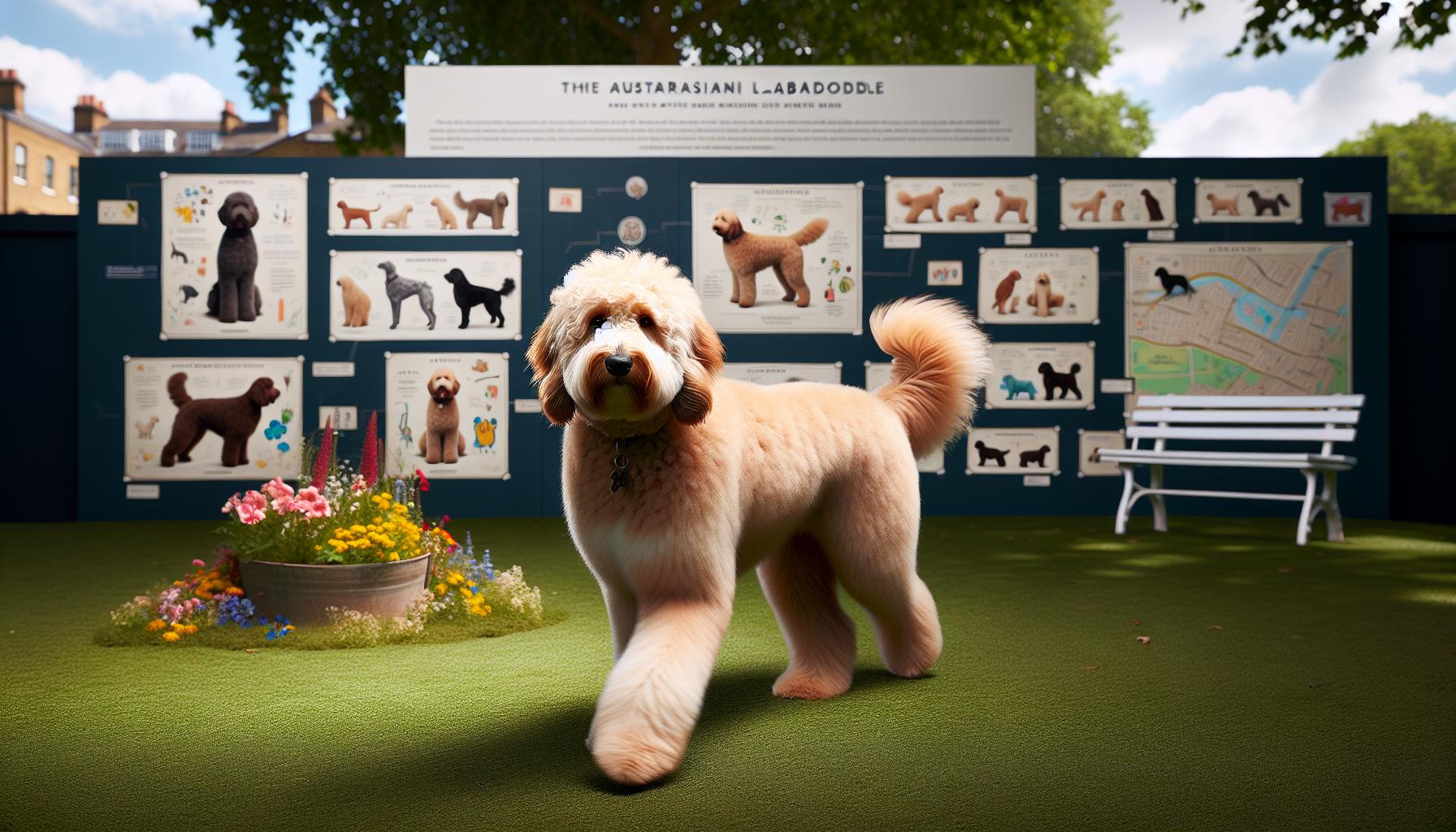
Understanding the Australian Labradoodle Breed
The Australian Labradoodle is a delightful blend of the Labrador Retriever, Poodle, and, in some lines, the Cocker Spaniel, creating a breed that is not only charming in appearance but also winsome in temperament. Known for their intelligence, friendliness, and hypoallergenic qualities, these dogs have gained immense popularity among families and individuals alike. Their playful nature and affectionate demeanor make them excellent companions, but they also require attention to their unique needs to thrive in a home environment.
What truly sets Australian Labradoodles apart is their diverse backgrounds, resulting in a range of sizes, coat types, and colors. Most commonly, they come in three sizes: Standard, Medium, and Miniature, which makes it easier for prospective dog owners to find a perfect fit for their lifestyle. Their curly or wavy coats not only look adorable but are specifically bred to minimize shedding, appealing to allergy sufferers and those seeking a cleaner home environment. However, this luxurious coat requires regular grooming to prevent matting, a point that potential owners should consider when welcoming one into their lives.
In addition to their physical charm, Australian Labradoodles are known for their intelligence and eagerness to please, making training relatively straightforward. They thrive on social interaction and mental stimulation, so engaging activities like agility training, obedience classes, and regular playtime are essential for a well-rounded and happy pup. Their friendly disposition means they often get along well with other pets and children, reinforcing their reputation as wonderful family members. By nurturing their natural curiosity and affection, owners can ensure that their Australian Labradoodles develop into well-adjusted and happy companions, making every moment spent with them a joy.
A Brief History of the Australian Labradoodle
The Australian Labradoodle has a captivating history rooted in the pursuit of a perfect family companion, blending the best traits of several beloved breeds. Initially developed in Australia in the late 1980s, the goal was to create a hypoallergenic guide dog that combined the intelligence and loyalty of the Labrador Retriever with the low-shedding coat of the Poodle. This ambitious endeavor was led by Wally Conron at the Royal Guide Dogs Association of Australia, who sought to meet the needs of allergy sufferers without sacrificing the charms of a friendly and capable canine.
As the breed gained popularity, breeders recognized the inherent qualities of the Australian Labradoodle, prompting the inclusion of the Cocker Spaniel into the mix for enhanced temperament and size diversity. This thoughtful breeding has given rise to a range of sizes and colors, from Standard to Miniature, making it easier for families to find an ideal match for their lifestyle. The result is a delightful blend of characteristics that appeals to various dog lovers, whether they seek a playful playmate for children or a calm companion for a quieter household.
Throughout its evolution, the Australian Labradoodle has not only captivated hearts but has also become a symbol of the growing trend towards designer hybrid breeds. Their unique lineage not only emphasizes the importance of health and temperament in breeding practices but also highlights the role of responsible breeding in preserving desirable traits. Prospective owners can feel confident knowing that this breed embodies a history of thoughtfulness and intention, ensuring that they are bringing a well-rounded, loving member into their home.
As a new owner, understanding this breed’s rich history will deepen your appreciation for the Australian Labradoodle and help you recognize the unique attributes it brings into your life-a testament to the thoughtful pairing of love and care in the world of canine companionship.
Key Characteristics of Australian Labradoodles
The Australian Labradoodle is not just a breed; it’s a delightful blend of traits that makes it one of the most sought-after companions for families today. These dogs are celebrated for their intelligence, gentle nature, and, importantly, their hypoallergenic coats. Their coats can vary in texture-from woolly to fleecey-often resulting in a charming, low-shedding animal that appeals to allergy sufferers. This characteristic, along with their friendly disposition, makes them fabulous family pets.
These dogs come in various sizes including Standard, Medium, and Miniature, providing options for all types of living environments. The size and appearance can differ greatly depending on their lineage, but all Australian Labradoodles share a playful spirit and an eager-to-please attitude. Their ability to socialize well with both children and adults is a major plus, meaning they thrive in busy households as well as more serene settings.
When it comes to energy levels, Australian Labradoodles are generally active and playful. They require daily exercise, which can be as simple as a walk around the block or a session of fetch in the backyard. Additionally, their intelligence makes them quick learners; thus, they enjoy engaging activities that challenge their minds as much as their bodies.
To better understand their characteristics, here are some additional factors to consider:
| Characteristic | Description |
|---|---|
| Size | Standard (21-24 inches), Medium (18-21 inches), Miniature (14-17 inches) |
| Coat Types | Wool, Fleece, and Hair |
| Temperament | Affectionate, Friendly, Intelligent |
| Life Expectancy | 12-14 years |
In summary, if you’re seeking a loving, intelligent dog that fits seamlessly into family life and is relatively easy to groom and train, the Australian Labradoodle could be an excellent choice. Their unique blend of traits not only showcases their appealing nature but also reflects the thoughtfulness that has gone into developing this breed. Whether you are a first-time dog owner or looking to add to your canine family, the Australian Labradoodle’s characteristics make it a fulfilling choice for any household.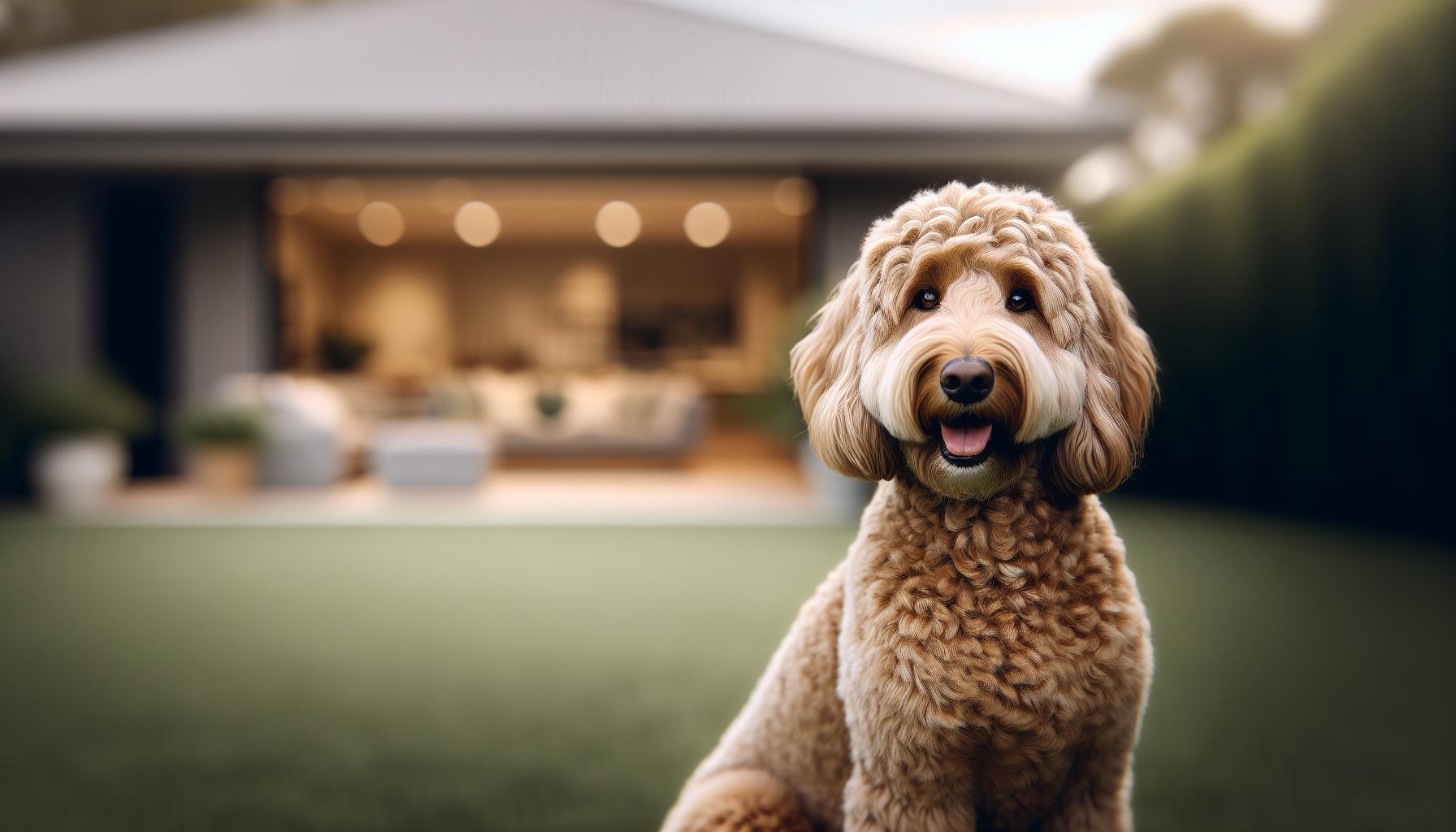
Different Generations of Australian Labradoodles
When diving into the world of Australian Labradoodles, understanding the different generations can significantly influence your choice of a new furry family member. Each generation comes with unique traits and characteristics that can affect grooming needs, temperament, and compatibility with your lifestyle. The Australian Labradoodle is categorized into several generations, often referred to as F1, F1B, F2, and so on.
Generational Breakdown:
- F1: This is the first generation, produced by crossing a Labrador Retriever with a Poodle. These dogs usually inherit the traits of both breeds but can vary in coat texture significantly. F1 Labradoodles might have a curlier coat like their Poodle parent or a wavier coat resembling the Labrador. They offer a hybrid vigor but can have a higher likelihood of shedding and might not always be hypoallergenic.
- F1B: This generation is created by crossing an F1 Labradoodle back with a Poodle. The F1B generation tends to have a more consistently curly and low-shedding coat, making them ideal for families with allergies. They often exhibit a temperament balance between the sturdy, friendly nature of the Labrador and the intelligence of the Poodle.
- F2: An F2 Labradoodle results from breeding two F1 Labradoodles. These dogs often exhibit a blend of the attributes of both parents, and just like the F1, they can show a variety of coat types and shedding levels. This generation may display wider variations in physical and temperamental traits, providing some unpredictability.
- Multigenerational: As breeders continue to develop the Australian Labradoodle, multigenerational dogs are produced, typically by breeding F1B or F2 dogs among themselves. These Labradoodles are bred to achieve specific traits, so they generally have a more reliable coat type and temperament. They are often the prefered choice for families seeking predictability in their dogs, especially concerning hypoallergenic properties and ease of grooming.
Choosing the Right Generation for Your Family
When selecting an Australian Labradoodle, consider what generation best fits your lifestyle. If you have allergies, opt for an F1B or multigenerational Labradoodle for a coat that aims to reduce shedding and dander. If you appreciate a degree of unpredictability in personality and appearance, the F1 or F2 may delight you with their unique blends.
Ultimately, the choice of generation will hinge on your specific needs and preferences. Regardless of which generation you choose, you can expect an affectionate, intelligent companion that is typically eager to please. It’s essential to discuss with your breeder the attributes of the individual puppies available, as they can provide insights on temperament and suitability for your home. As a first-time dog owner or a seasoned handler, understanding these distinctions will help ensure you bring home the perfect furry friend.
Temperament and Behavioral Traits Explained
The Australian Labradoodle is renowned not just for its adorable looks but also for its amiable nature, making it a favorite among families and individuals. This breed typically exhibits a delightful combination of intelligence, playfulness, and sensitivity, which makes them incredibly adaptable companions. Understanding their temperament and behavioral traits is essential for anyone considering bringing one of these charming dogs into their home.
One of the standout qualities of the Australian Labradoodle is their friendly disposition. They are social dogs that thrive on interaction, not only with their human families but also with other pets. This sociable nature stems from their Labrador lineage, which is known for its outgoing personality. Australian Labradoodles are usually eager to participate in family activities, making them wonderful companions for children and adults alike. Their playful demeanor can turn even the simplest outings-like a walk in the park or a game of fetch-into delightful adventures.
Furthermore, these dogs are intelligent and highly trainable due to their Poodle ancestry. They respond well to positive reinforcement techniques, making training an enjoyable experience for both the dog and the owner. However, it’s important to keep training sessions engaging and varied to hold their attention. Their eagerness to please means they will often pick up commands and tricks quickly, giving new owners a solid starting point when it comes to obedience training. For instance, incorporating play into training sessions can be incredibly effective; rewarding them with a game after a successful training round helps reinforce desired behaviors.
Another critical aspect of their temperament is their sensitivity. Australian Labradoodles can be quite in tune with the emotional states of their families, which allows them to serve as excellent therapy dogs. They often exhibit compassion and can be particularly comforting during stressful times. However, this sensitivity also means they can be prone to anxiety if left alone for extended periods. Therefore, it’s advisable for owners to consider their availability and lifestyle before welcoming an Australian Labradoodle into their homes. Regular socialization and exposure to various environments can help mitigate any potential anxiety, fostering a well-adjusted companion that feels secure in different situations.
In summary, the Australian Labradoodle’s amicable temperament, intelligence, and sensitivity make them a wonderfully versatile breed. With the right training, socialization, and love, they can become cherished members of any family, providing companionship and joy for years to come. Whether you are a first-time dog owner or a seasoned handler, understanding these traits will help you nurture a strong bond with your Australian Labradoodle, transforming your life together into an enriching and fulfilling experience.
Australian Labradoodle Care: Essential Needs
Every Australian Labradoodle needs a well-rounded care plan to thrive both physically and emotionally. These charming dogs are not just adorable; they require attention to their needs to ensure a happy and healthy life. Understanding their essential requirements is key to nurturing a strong bond and providing a fulfilling environment for them to flourish.
A balanced diet forms the cornerstone of your Australian Labradoodle’s health. Opt for high-quality dog food that provides essential nutrients appropriate for their age, size, and activity level. It’s wise to consult a veterinarian for personalized recommendations. Regular meal times are important; typically, adult Labradoodles should be fed twice a day. Additionally, make sure to have fresh water available at all times to keep them hydrated.
Exercise and Mental Stimulation
These energetic pups thrive on exercise and stimulation. Aim for at least an hour of physical activity each day, which can consist of walks, play sessions in a secure area, or interactive games. Playing fetch or agility training can be particularly rewarding, as they enjoy challenges that engage their minds as well as their bodies. Socialization with other dogs and participation in dog-friendly activities can also be beneficial, providing not just exercise but opportunities for learning and problem-solving.
Grooming Needs
Grooming is another essential aspect of Australian Labradoodle care. Their coats can be curly, wavy, or straight, necessitating regular brushing to prevent matting and reduce shedding. A grooming checklist can help maintain their beautiful coat:
- Brush their coat at least 2-3 times a week to minimize tangles.
- Schedule professional grooming every few months to manage their coat and promote healthy skin.
- Keep their nails trimmed to avoid discomfort and injury.
- Regularly check and clean their ears to prevent infections.
By prioritizing these essential needs, you can ensure that your Australian Labradoodle not only looks great but also remains content and thriving. Balancing their nutrition, exercise, and grooming creates a foundation for a loving and lasting companionship.
Nutrition Guidelines for Healthy Australian Labradoodles
A well-rounded nutritional plan is crucial for keeping your Australian Labradoodle happy and healthy. Did you know that proper nutrition can significantly impact your dog’s energy levels, coat quality, and overall well-being? When you provide balanced meals filled with high-quality ingredients tailored to their needs, you support their growth and help prevent a variety of health issues.
For Australian Labradoodles, the foundation of their diet should consist of premium dog food that aligns with their age, size, and activity level. Look for options that list real meat as the primary ingredient and have a good mix of whole grains, vegetables, and healthy fats. For puppies, consider a formula designed for growth that includes higher protein and fat levels to support their development. Transitioning to adult food around one year of age is essential, as adult formulations will cater to their changing energy needs and metabolism.
Feeding schedules are another vital aspect. It’s generally recommended to feed adult Labradoodles twice a day, while puppies typically require three to four meals to sustain their energy. Always ensure access to fresh water, as hydration is paramount to their health. Keep an eye on their weight, since Labradoodles can be prone to obesity. Consulting with your veterinarian for personalized dietary recommendations can help set your pup up for success.
Nutritional Checklist for Your Australian Labradoodle
- Quality Ingredients: Choose foods with real meat, fresh fruits, and vegetables.
- Age-Appropriate Formulas: Select puppy food for young dogs and transition to adult food at the right time.
- Feeding Schedule: Stick to regular meal times, feeding twice daily for adults and multiple times for puppies.
- Monitor Weight: Keep tabs on your pup’s weight and adjust food portions accordingly.
- Hydration: Always provide fresh, clean water.
By focusing on quality nutrition and maintaining a consistent feeding routine, you can promote a long, happy life for your Australian Labradoodle. Remember, each dog is unique, so keep an eye on how your pup responds to their diet and continue to adjust as needed for their health and happiness.
Training Tips for First-Time Owners
Bringing a new Australian Labradoodle into your home is an exciting adventure, and training is a crucial part of starting this relationship on the right paw. These intelligent and eager-to-please dogs are known for their affectionate and friendly nature, making them ideal companions for first-time dog owners. However, it’s essential to understand that training takes time, patience, and consistency. Engaging in positive reinforcement techniques will not only help your pup learn commands but also strengthen your bond.
A solid training foundation begins with socialization. During those critical early months, expose your Labradoodle to a variety of experiences, environments, and other dogs. This exposure helps alleviate anxiety and fosters a well-rounded adult dog. Enroll in puppy classes if possible, where you and your puppy can learn together in a structured, fun environment. Classes provide an excellent opportunity to meet other dogs and people, ensuring your pup grows up to be confident and well-adjusted.
Establishing a routine is also vital. Set a consistent schedule for feeding, bathroom breaks, and training sessions. Short sessions of around 5-10 minutes are ideal for maintaining your pup’s focus, especially during the first few months. Incorporate basic commands like “sit,” “stay,” and “come” into your daily activities; this can be as simple as asking your dog to sit before mealtime or come when called during playtime. As they master these commands, gradually introduce more complex tasks and tricks.
Stay mindful of your tone of voice and body language, as Australian Labradoodles are sensitive to their owner’s emotions. Reward desired behaviors with praise, treats, or playtime; this not only encourages repetition of good behavior but also fosters a loving, trusting relationship. If your pup struggles with a command, remain calm and avoid frustration-each dog learns at their own pace. Patience and persistence will pay off as you watch your Australian Labradoodle grow into a well-behaved member of your family.
Finally, feel free to reach out to experienced dog trainers or veterinarians for additional support and resources tailored to the unique traits of the Australian Labradoodle. Your journey into puppy parenthood should be an enjoyable one, filled with learning moments and lots of joy!
Health Concerns Common in Australian Labradoodles
Australian Labradoodles are generally considered a healthy breed, but like all dogs, they can be prone to specific health concerns. Understanding these potential issues is crucial for prospective owners and can significantly improve your dog’s quality of life. Knowing what to look out for will empower you to take proactive measures to ensure your pup thrives.
One of the most common health concerns in Australian Labradoodles is hip dysplasia. This genetic condition occurs when the thighbone doesn’t fit snugly into the hip joint, leading to discomfort and arthritis. Regular veterinary check-ups, weight management, and controlled exercise can help manage this condition. Additionally, ensuring that your puppy’s parents are health-tested for hip dysplasia can mitigate the risk.
Another issue that may arise is progressive retinal atrophy (PRA), a degenerative eye disease that can lead to blindness. Regular vet visits that include eye examinations are essential because early detection can help you manage this condition more effectively. Sometimes, positive developments in veterinary care may provide options for treatment that weren’t available in the past.
Allergies are also prevalent among Australian Labradoodles, often related to environmental factors, food, or flea infestations. Symptoms can include itchy skin, ear infections, or gastrointestinal upset. Keeping a close eye on your dog’s skin and coat condition will aid in early detection, and consulting with your vet about appropriate diets and medications can lead to a quick resolution.
Lastly, it’s essential to be mindful of the breed’s predisposition to certain autoimmune conditions and skin disorders. Regular grooming and maintenance can keep their coats healthy and free of matting, which can contribute to skin issues. Adding omega-3 fatty acids to their diet may also promote skin health.
By being well-informed about these common health concerns, you can establish a preventative routine that includes regular vet visits, a balanced diet, and appropriate exercise. Engaging with a community of Labradoodle owners can offer additional support and shared experiences, helping you navigate the joys and challenges of raising a happy, healthy Australian Labradoodle!
Grooming Requirements for Beautiful Coats
To keep an Australian Labradoodle’s coat looking its best, regular grooming is essential. With their soft, curly coats that can be both stunning and functional, maintaining their appearance and health requires a dedicated routine. These dogs often display a luxurious blend of their Poodle and Labrador Retriever ancestry, making them a delightful sight to behold. However, that beautiful coat also demands attention to prevent matting and maintain optimal skin health.
One of the fundamental aspects of grooming involves brushing. It’s recommended to brush your Australian Labradoodle at least 2-3 times a week, or more frequently if they engage in outdoor activities that may introduce dirt or debris into their fur. A slicker brush or a pin brush can effectively detangle and maintain their curls. When brushing, focus on areas prone to matting, such as behind the ears, under the legs, and around the tail. Establishing this routine will not only keep their coat in top shape but also minimize shedding and reduce the need for extensive grooming sessions later on.
Bathing is another key component to coat care. Aim for a bath every 4-6 weeks, but adjust based on your dog’s activity level and coat condition. Use a gentle, dog-specific shampoo to maintain their coat’s natural oils. After bathing, thoroughly rinse to remove all shampoo residue, as leftover product can lead to skin irritation. A conditioner can also be beneficial, especially for curly coats, as it helps to keep the fur soft and manageable. Don’t forget to dry your pup properly, using either a towel or a pet-safe blow dryer set on low to prevent chilling.
Regular grooming sessions are an excellent opportunity not only for coat maintenance but also for checking your dog’s skin for any abnormalities or irritations. Always be on the lookout for bumps, redness, or signs of allergies-addressing these issues early can prevent more significant problems. By integrating grooming into your routine, you foster a bond of trust and comfort with your Australian Labradoodle while ensuring they continue to showcase their natural beauty. Remember, a well-groomed Labradoodle isn’t just about aesthetics; it’s a vital part of their overall well-being.
Socialization Best Practices for Your Puppy
Socialization is a vital aspect of your Australian Labradoodle’s development. These intelligent and eager-to-please dogs thrive on positive interactions with a variety of people, pets, and environments. Early and consistent socialization not only helps to foster well-rounded behavior but also reduces the likelihood of anxiety and fearful responses later in life. Imagine this: a dog that happily greets new friends with a wagging tail instead of shying away or acting defensively is a true joy to have around!
To kickstart your puppy’s socialization journey, begin introducing them to different environments and experiences as soon as you bring them home. This includes car rides, visits to local parks, dog-friendly stores, and even pet events. A great way to create positive associations is to carry plenty of tasty treats. Whenever your pup encounters new sights, sounds, or smells, reward them with praise and a treat to reinforce their confidence. Remember, the goal is to make every new experience a fun and exciting one.
Here are some practical tips to help guide your socialization efforts:
- Attend Puppy Classes: Enroll in a local puppy kindergarten or obedience class. Not only will your pup learn basic commands, but they’ll also meet other dogs and people in a controlled environment.
- Arrange Playdates: Set up playdates with other vaccinated dogs. Keep an eye out for pups with similar energy levels to ensure a fun time for everyone.
- Expose to Various Environments: Gradually introduce your Labradoodle to different situations, such as busy streets, quiet parks, and noisy areas. This helps them learn how to handle diverse stimuli without becoming overwhelmed.
- Positive Reinforcement: Always use positive reinforcement techniques. If your puppy reacts neutrally or positively to a new experience, reward them. This will help cement their understanding that new things can be enjoyable.
Lastly, keep in mind that socialization is an ongoing process. Even after the critical early period, continue to expose your Australian Labradoodle to new experiences throughout their life. The more positive interactions they have, the more adaptable and confident they will become, ensuring your furry friend grows into a happy, balanced adult. Enjoy this journey together, as it is just as rewarding for you as it is for your puppy!
Choosing the Right Australian Labradoodle for Your Home
When it comes to welcoming an Australian Labradoodle into your home, finding the right match for your lifestyle and needs is essential. These adorable, intelligent dogs are known for their friendly demeanor and trainability, but it’s important to consider specific factors that will ensure a happy partnership. One vital aspect is to assess the energy level and temperament that best fits your household. Australian Labradoodles come in a range of sizes-standard, medium, and miniature-each with varying exercise needs. A standard Labradoodle, for example, requires more space and outdoor activity, making them ideal for active families or individuals. In contrast, a miniature or medium-sized Labradoodle may thrive in smaller homes or apartments with less intensive exercise routines.
Another key consideration is the generational type of Labradoodle. While first-generation (F1) Labradoodles are a direct mix of a Labrador Retriever and a Poodle, multi-generational (F2 and beyond) Labradoodles often exhibit more consistent coat types and temperament traits. If allergies are a concern in your home, opting for a later generation may be beneficial, as their coats can be more hypoallergenic, providing a better fit for allergy sufferers. Researching reputable breeders who prioritize health testing and temperament in their breeding programs is fundamental to adopting a healthy puppy that aligns with your family’s needs.
In addition to size and generation, think about the time and commitment you can dedicate to training and socialization. Australian Labradoodles are known for being eager learners; however, they benefit greatly from structured training sessions and social experiences. Families with young children may opt for a well-socialized puppy who is gentle and playful, while those with older, more active children might look for a pup that can keep pace with their more energetic lifestyle. Ensure you have adequate time to devote not just to initial training but to ongoing activities that will keep your Labradoodle mentally and physically stimulated throughout their life.
Finally, consider your long-term commitment to grooming and care. Australian Labradoodles often have wavy or curly coats that require regular brushing to avoid matting. If you’re willing to invest time in grooming or budget for a professional groomer, this could enhance your experience with these dogs. Ultimately, the ideal Australian Labradoodle for your home will harmonize with your family’s lifestyle, energy, and care capabilities, ensuring a joyful and fulfilling relationship for years to come.
Q&A
Q: What are the main differences between Australian Labradoodles and other Labradoodles?
A: The primary differences lie in the breeding process and genetic background. Australian Labradoodles are specifically bred from an Australian lineage that includes multiple breeds, whereas standard Labradoodles typically combine Labrador Retrievers and Poodles. This results in unique coat types, sizes, and temperamental traits. For more insights, visit the “Key Characteristics of Australian Labradoodles” section.
Q: Are Australian Labradoodles hypoallergenic?
A: Yes, Australian Labradoodles are often considered hypoallergenic due to their Poodle ancestry, which typically produces less dander and shedding. However, individual reactions can vary, so it’s advisable for allergy sufferers to spend time around the breed prior to adoption. For grooming tips, check out the “Grooming Requirements for Beautiful Coats” section.
Q: How should you train an Australian Labradoodle?
A: Training an Australian Labradoodle should focus on positive reinforcement, as they respond well to rewards and encouragement. Consistency and early socialization are key. Start with basic commands and gradually introduce more complex training routines. For comprehensive advice, refer to the “Training Tips for First-Time Owners” section.
Q: What is the lifespan of an Australian Labradoodle?
A: The average lifespan of an Australian Labradoodle is around 12 to 14 years. Factors such as genetics, diet, exercise, and overall care can influence their longevity. Regular check-ups can help detect health issues early on. See “Health Concerns Common in Australian Labradoodles” for more details.
Q: What activities are best for an Australian Labradoodle?
A: Australian Labradoodles thrive on activities that provide mental and physical stimulation, such as obedience training, agility courses, and swimming. Daily walks and interactive playtime are crucial to keep them healthy and happy. For more on care, check out the “Australian Labradoodle Care: Essential Needs” section.
Q: How do I choose the right Australian Labradoodle breeder?
A: When selecting a breeder, prioritize those who are reputable, transparent about breeding practices, and provide health clearances for their puppies. Visit them in person to assess their living conditions and meet the puppies’ parents. For guidance on selecting your pup, refer to “Choosing the Right Australian Labradoodle for Your Home.”
Q: Do Australian Labradoodles get along well with children and other pets?
A: Generally, Australian Labradoodles are known for their friendly and sociable nature, making them good companions for children and other pets. Early socialization enhances their adaptability. To understand more about their temperament, see the “Temperament and Behavioral Traits Explained” section.
Q: What are common health issues in Australian Labradoodles?
A: Some common health concerns include hip dysplasia, eye conditions, and skin allergies. Responsible breeding practices can reduce these risks. Regular veterinary check-ups and maintaining a healthy lifestyle are essential. For a detailed look, visit the “Health Concerns Common in Australian Labradoodles” section.
To Conclude
Thank you for diving deep into the fascinating world of Australian Labradoodles! As you’ve discovered, these beloved companions are not only hypoallergenic but also boast an affable temperament that suits various lifestyles. If you’re considering welcoming one into your home, remember that proper training and socialization are key to their happiness and health. Don’t miss out on our detailed care checklist for the Australian Labradoodle, which can guide you through everything needed to ensure a thriving pup.
Ready to take the next step? Explore our comprehensive guides on dog training techniques and dietary recommendations to set your new furry friend up for success. Share your thoughts or questions in the comments below-we love hearing from fellow dog enthusiasts! And if you found this article helpful, don’t forget to check out our newsletter for more insights and updates, ensuring you’re always in the loop on the best practices for dog ownership. Keep the joy of learning alive and let’s celebrate the incredible journey of dog parenting together!