
Did you know that Labradoodles were originally bred to be hypoallergenic service dogs? This fascinating purpose underpins their popularity and affectionate nature, making them an excellent choice for families and individuals alike. In this article, we’ll explore the unique traits and intentions behind breeding Labradoodles, delving into their backgrounds as a cross between Labrador Retrievers and Poodles. Understanding their purpose will not only enhance your appreciation for this delightful breed but also help potential owners align their lifestyle with a Labradoodle’s needs. Whether you’re a seasoned handler or a first-time dog owner, discovering what Labradoodles were bred for will guide you in providing the loving home they deserve.
What Makes Labradoodles Unique?
Labradoodles stand out in the canine world for their exceptional blend of characteristics inherited from their parent breeds-the Labrador Retriever and the Poodle. This unique combination not only gives them a charming appearance, often sporting a wavy or curly coat, but also contributes to their friendly demeanor and high intelligence. Whether you’re drawn to their hypoallergenic quality or their playful nature, these dogs offer a remarkable tapestry of traits that cater to various lifestyles.
What truly makes Labradoodles unique is their versatility as family pets. They are renowned for their gentle temperament, making them splendid companions for children and other pets alike. Labradoodles generally exhibit a balance of energy and calmness, which means they can be playful and fun one moment and serene and cuddly the next. Their sociable nature ensures that they thrive on human interaction, making them excellent emotional companions. This adaptability makes them well-suited for families, singles, and seniors who need an engaging and loving pet.
Moreover, Labradoodles possess an unmatched eagerness to please, which enhances their trainability. Their intelligence, combined with a keen desire to earn affection from their owners, means they often excel in various activities, from agility training to obedience competitions. Many Labradoodles are employed in service roles, such as therapy and assistance dogs, demonstrating their ability to connect with humans on an emotional level. This capacity for empathy, combined with a sharp intellect, solidifies their reputation not just as pets but as invaluable partners in many therapeutic contexts.
In essence, Labradoodles encapsulate what many pet owners dream of: an amiable, intelligent, and versatile companion. Their unique blend of personality traits and physical attributes sets them apart, ensuring that they remain a popular choice among dog lovers around the globe.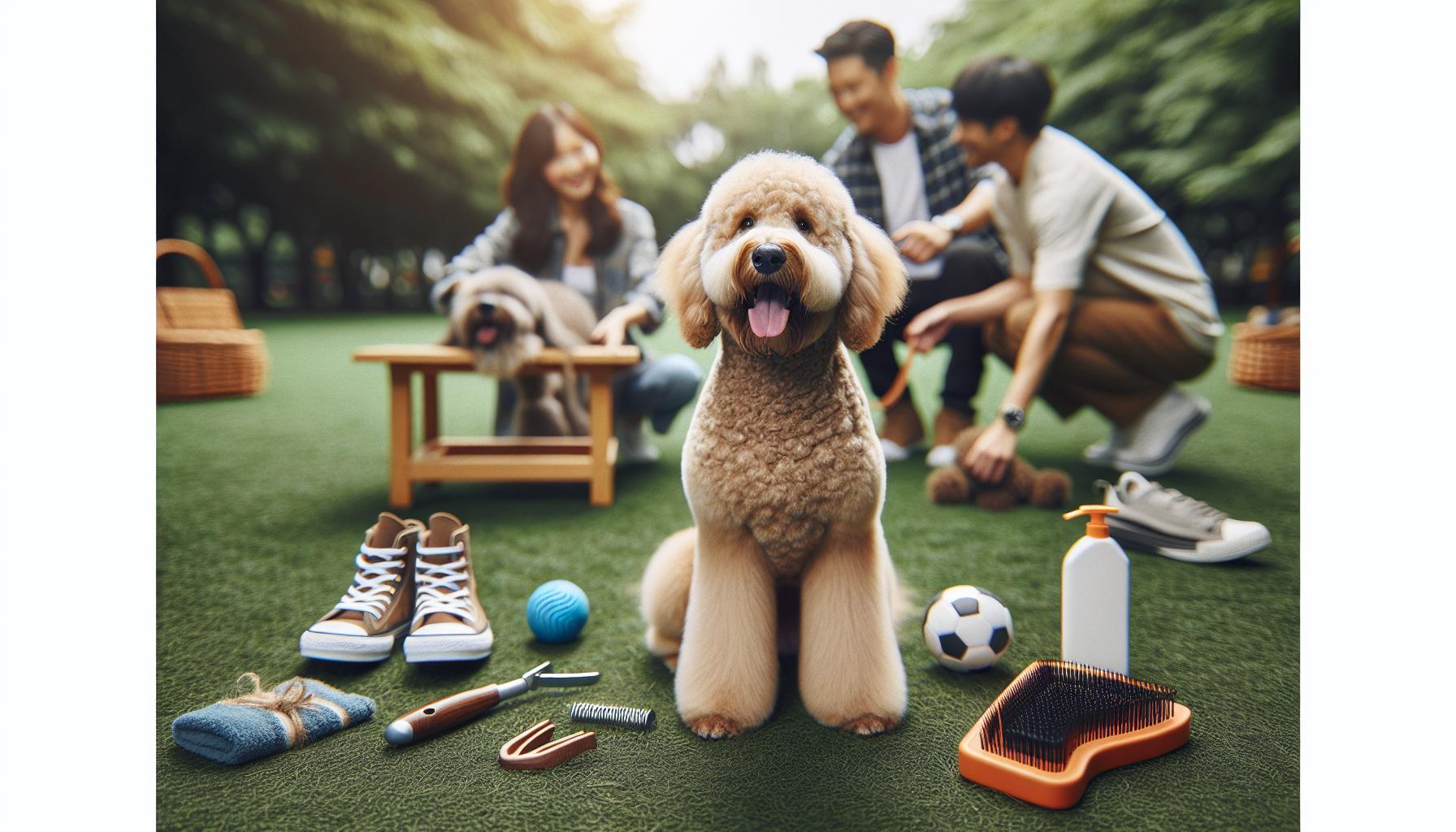
The Original Purpose Behind Labradoodles
The Labradoodle’s creation was driven by a heartfelt mission: to combine the best traits of two beloved breeds-the Labrador Retriever and the Poodle. Originally developed in Australia in the late 1980s, Labradoodles were designed as hypoallergenic service dogs for individuals with allergies, such as those requiring assistance with visual impairments. Breeders aimed to produce a dog that would bring the friendly nature of the Labrador and the low-shedding coat of the Poodle, making them suitable companions for allergy sufferers.
This unique crossbreeding not only succeeded in producing dogs with fewer allergens but also introduced a highly trainable and sociable breed. Labradoodles quickly gained popularity for their versatility, proving useful not only in service roles but also as family pets. Their amiable disposition, marked by a gentle temperament and eagerness to please, made them ideal candidates for therapy and support work, solidifying their reputation beyond the initial purpose. This adaptability showcases how well they can fit into various lifestyles, fulfilling roles from energetic playmate to calm companion.
Breeders today continue to enhance these desirable qualities, focusing on maintaining the positive traits while also ensuring genetic health and behavioral stability. With their mix of intelligence and social skills, Labradoodles embody what many dog lovers seek: a loving and loyal partner ready to engage with their families. This blend of purpose and personality has made them a cherished member of households around the globe, serving not just as pets but as invaluable emotional support.
Understanding Labradoodle Temperament Traits
Every Labradoodle is a bundle of energy and affection, making them an incredibly popular breed among families and individuals alike. Their unique temperament traits stem from their lineage-combining the friendly, outgoing nature of the Labrador Retriever with the intelligent, playful spirit of the Poodle. This blend not only creates a dog with a cheerful disposition but also one that is eager to learn and engage actively in family life. Labradoodles are renowned for their gentle temperament, which allows them to adapt well to various environments, whether as therapy animals or companions for children.
At the core of a Labradoodle’s temperament is their sociability. This breed thrives on human interaction and often seeks out companionship, whether from family members or other pets. They typically exhibit a friendly demeanor toward strangers, making them excellent for household environments where there’s frequent visitor traffic. Their playful spirit means they love games, making them ideal partners for children who enjoy active play. Regular playtime not only fosters their social skills but also encourages mental stimulation, which is essential for their overall happiness and well-being.
Another notable trait is their high trainability. Labradoodles inherit the intelligence of Poodles, which makes them responsive to training and eager to please their owners. Positive reinforcement techniques work wonders with this breed, as they respond best to gentle guidance rather than harsh discipline. It’s essential for new owners to start training early, as socialization and basic obedience training are crucial in shaping their behavior. Engaging them in a variety of activities, from obedience classes to agility training, can further enhance their confidence and adaptability.
In summary, Labradoodles boast a deeply affectionate and adaptable temperament that makes them not only great family pets but also capable service and therapy dogs. Their joyful, trainable nature means they thrive in environments where they can interact, play, and learn, solidifying their reputation as beloved companions across households.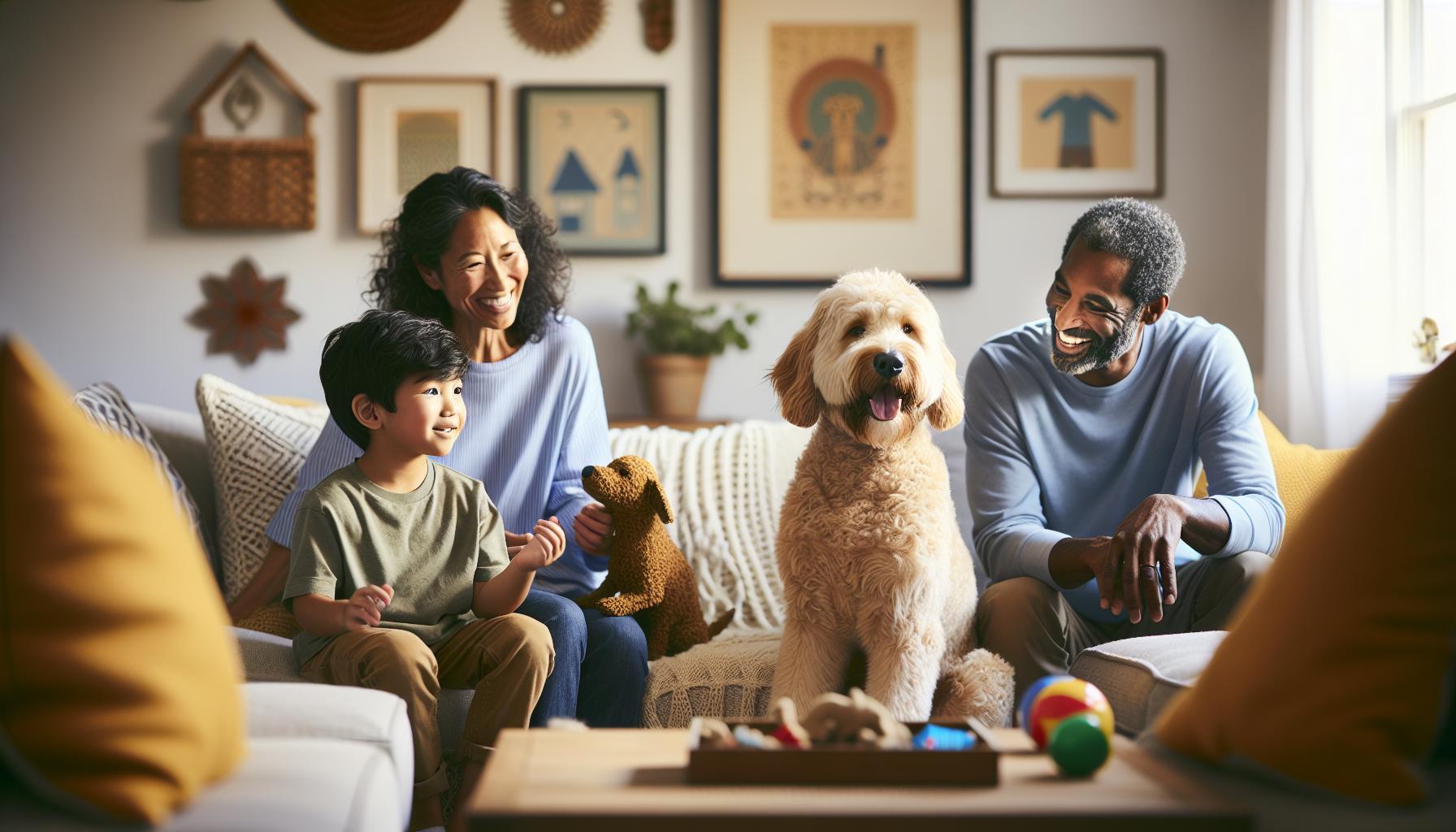
Labradoodles in Service and Therapy Roles
Labradoodles have quickly risen to prominence not only as beloved family pets but also as exceptional service and therapy dogs. Their remarkable temperament-characterized by intelligence, sociability, and an eagerness to please-makes them uniquely suited for roles that require a deep connection with humans. Originally bred to serve as guide dogs for the visually impaired, Labradoodles have since expanded their capabilities to include various therapeutic and assistance tasks, reflecting their versatility and adaptability.
When it comes to service roles, Labradoodles are often employed to support those with physical and emotional disabilities. Their hypoallergenic coat is a significant advantage, allowing individuals with allergies to benefit from the companionship of a dog without triggering adverse reactions. Additionally, these dogs are trained to perform a range of tasks, from retrieving items to providing stability and support for individuals with mobility challenges. For instance, a Labradoodle might assist a person with autism by providing calming pressure during anxiety episodes or help an elderly individual by fetching medication or alerting caregivers.
In therapy settings, Labradoodles excel with their friendly dispositions. Their gentle nature and undeniable charisma can comfort those confronting challenges like depression, anxiety, or stress. This breed is frequently found in hospitals, nursing homes, and schools, where they aid in therapeutic sessions or simply visit to brighten people’s days. The bond that forms between a therapy Labradoodle and individuals they serve can lead to remarkable improvements in emotional well-being.
Proper training and socialization are essential in preparing Labradoodles for these specialized roles. Owners and trainers should focus on teaching them commands and appropriate behaviors in various settings, ensuring they can handle new environments confidently. Participation in workshops or programs dedicated to service and therapy dog training can greatly enhance a Labradoodle’s effectiveness and comfort in these roles. By nurturing their natural instincts and boosting their trainability, they can become incredible partners for those in need, embodying the loving characteristics that make them so cherished in homes across the nation.
Family Pets: What to Expect from Labradoodles
Having a Labradoodle in your family can transform your household into a lively and loving environment. These dogs combine the best traits of their parent breeds-Labrador Retrievers and Poodles-to create a pet known for its intelligence, affection, and playful nature. With their gentle disposition and eagerness to please, Labradoodles not only make wonderful companions but are also great with children and other animals, making them an excellent addition to family life.
Welcoming a Labradoodle means embracing their energetic spirit. Typically, they require regular exercise to keep them happy and healthy. Daily walks, playtime in the yard, or engaging in dog sports can help meet their physical needs. In addition to exercise, Labradoodles thrive on mental stimulation; interactive toys, puzzle games, and training exercises can keep their minds active. This breed is known for its high trainability, often responding well to positive reinforcement techniques.
When considering a Labradoodle as a family pet, it’s essential to understand that they thrive on companionship. They don’t like being left alone for long periods; doing so can lead to separation anxiety. Therefore, if your family has a busy schedule, it might be beneficial to explore doggy daycare options or plan for someone to spend time with your furry friend during the day. Early socialization is also critical; introducing them to different environments, people, and other pets helps them develop into well-rounded adults.
Common Expectations
Here’s what to anticipate when bringing a Labradoodle into your home:
- Grooming Needs: Their coat can vary in texture, depending on genetics. Regular grooming is essential, often requiring maintenance every 4-6 weeks.
- Family Interaction: They thrive on family engagement and love being included in daily activities, whether it’s a family game night or a weekend adventure.
- Health Considerations: Like all breeds, Labradoodles have specific health concerns, such as hip dysplasia and certain inherited conditions. Regular veterinary check-ups can help detect any potential issues early.
- Training Commitment: Consistent training from an early age helps reinforce good behavior. Enrolling in obedience classes not only aids training but also provides crucial socialization opportunities.
By understanding their needs and personality traits, families can foster a nurturing environment where their Labradoodle can thrive, grow, and become an integral part of the family dynamic. These lovable dogs will surely bring joy, laughter, and unwavering loyalty into your life.
Comparing Labradoodles to Other Designer Breeds
There’s a lot to appreciate when . Each designer breed has been created with specific goals in mind, and Labradoodles stand out due to their unique combination of intelligence, affection, and low-shedding coats. The Labradoodle, a mix between the Labrador Retriever and a Poodle, was initially bred in Australia to serve as a hypoallergenic guide dog for those with allergies. This goal heavily influenced their temperament and physical traits, making them well-suited for family environments and service roles alike.
When examining Labradoodles alongside other popular designer breeds, such as Goldendoodles (Golden Retriever and Poodle mix) and Cavapoos (Cavalier King Charles Spaniel and Poodle mix), several key differences become apparent. Goldendoodles also come with a friendly and adaptable demeanor, yet they can exhibit a higher level of energy than Labradoodles, requiring ample exercise to keep them happy. Conversely, Cavapoos are usually smaller and may have a more laid-back personality, making them a wonderful choice for apartment living. While all these breeds share affectionate traits, the Labradoodle’s balance of energy and calmness often makes it an ideal family companion for those with children and other pets.
In terms of grooming, Labradoodles typically have a wavy or curly coat that requires regular maintenance, much like the Goldendoodle. However, their coat can differ significantly based on the Poodle parent’s genetics, which makes it essential for potential owners to understand that grooming needs can vary widely. In general, all three breeds benefit from regular brushing to prevent matting and maintain coat health, but Labradoodles and Goldendoodles may require professional grooming every 4 to 6 weeks to keep their coats in top condition.
Ultimately, deciding on a Labradoodle or any other designer breed should involve considering your lifestyle and individual needs. Whether you seek a playful, intelligent family pet or a calm companion for quieter living, understanding these nuances helps you make informed choices. Investing time in learning about each breed’s specific traits ensures that you choose the best match for your home and family.
Essential Care Tips for Labradoodle Owners
Every Labradoodle owner will tell you how their pup brings joy and warmth into their life, but caring for this unique breed takes some knowledge and effort. Since Labradoodles are a blend of Labrador Retrievers and Poodles, their care requirements can pull elements from both parent breeds, presenting a delightful mix of personality and grooming needs. With a little preparation and awareness, you can ensure your Labradoodle stays healthy, happy, and well-adjusted.
Grooming Your Labradoodle
Labradoodles typically sport a wavy or curly coat that may require more maintenance than that of a standard Labrador. Regular grooming is crucial to prevent matting, especially if your dog has a Poodle-like coat. Consider the following grooming practices:
- Brushing: Aim to brush your Labradoodle at least two to three times a week. This helps reduce shedding and keeps the coat looking its best.
- Bathing: A monthly bath is usually sufficient, but this can vary based on your dog’s activities and environment. Use a quality dog shampoo to protect their skin.
- Professional Grooming: Depending on coat type, some Labradoodles may need a professional grooming every 4 to 6 weeks. Groomers can help manage their coat and trim it in a way that suits your dog’s lifestyle.
Training Tips for Effective Learning
A well-trained Labradoodle is a happy Labradoodle! Their intelligence shines through when engaged in training, so here are some tips to maximize success:
- Start Early: Begin training your Labradoodle as a puppy to instill good habits from the outset.
- Positive Reinforcement: Use treats and praise to encourage good behavior. This breed responds excellently to positive reinforcement and can be eager to learn.
- Socialization: Expose your Labradoodle to various people, environments, and other pets early on. This exposure enhances their adaptability and friendliness.
Exercise Needs
Both parent breeds of the Labradoodle are known for their energy levels. Regular exercise is essential; they thrive on physical activity and mental stimulation. Integrate the following into your routine:
- Daily Walks: Aim for at least an hour of exercise each day, which can be split into walks, playtime, and training sessions.
- Interactive Play: Engage them in games like fetch or swimming – Labradoodles often love water!
- Dog Sports: Consider agility or obedience classes. These activities provide excellent outlets for their energy and intelligence.
By staying informed on grooming, training, and exercise, you can nurture your Labradoodle’s well-being and enjoy a happy, fulfilling companionship. Embrace the unique characteristics of your Labradoodle, and you’ll build a bond that flourishes through shared experiences.
Training Insights: Best Practices for Labradoodles
Training a Labradoodle can be an incredibly rewarding experience, especially considering their intelligence and eagerness to please. This breed, which is a delightful mix between the energetic Labrador Retriever and the intelligent Poodle, thrives on interactive and engaging training methods. A key factor in effective training is the use of positive reinforcement. Treats, praise, and playtime can motivate your Labradoodle to learn commands and behaviors. Because Labradoodles are typically food-driven, using treats during training sessions can enhance their willingness to obey and can speed up the learning process.
Start training your Labradoodle as early as possible. Puppies are like sponges, eager to absorb new information and habits. Early training sessions can focus on basic commands such as “sit,” “stay,” and “come.” Consistency is critical; using the same commands and gestures helps them understand what you expect. It’s also beneficial to incorporate a variety of activities into training, as Labradoodles excel with mental challenges. Engaging them in games, agility training, or even scent work can keep them mentally stimulated and reduce boredom, which can lead to unwanted behaviors.
Socialization is another crucial aspect of training that sets the stage for your Labradoodle’s temperament. Early exposure to diverse people, environments, and other pets can help them develop into well-adjusted adults. Setting up playdates with other dogs or bringing your pup to dog parks can bolster their confidence and friendliness, which is especially important since Labradoodles are often bred for service and therapy roles. These experiences not only boost their social skills but also help them to be adaptable in various situations.
For owners looking to refine their training techniques, consider joining local obedience classes or hiring a professional trainer. This can provide higher-level insights and techniques that may benefit both you and your Labradoodle. Remember, every training session is an opportunity to strengthen your bond and ensure that your Labradoodle matures into a well-behaved and joyful companion.
Health Considerations and Common Issues
While Labradoodles are known for their charming personalities and hypoallergenic coats, like all breeds, they come with their own set of health considerations that prospective owners should be aware of. This breed typically enjoys good health, but they can be prone to certain genetic conditions inherited from their parent breeds, the Labrador Retriever and the Poodle. Being informed about these issues from the start is crucial for ensuring your Labradoodle lives a happy and healthy life.
One common health concern is hip and elbow dysplasia, a hereditary condition affecting many dogs, particularly larger breeds like Labradoodles. Regular veterinary checkups and maintaining a healthy weight can significantly reduce the risk of these issues. Additionally, eye disorders such as Progressive Retinal Atrophy (PRA) and cataracts can also occur. Regular eye examinations by a vet can help catch these problems early. Including a balanced diet rich in nutrients to support joint and eye health is also essential.
Another important aspect to consider is skin conditions. Despite their low-shedding coats, Labradoodles can develop allergies, leading to itchy skin and irritations. Routine grooming, including regular brushing and bathing with hypoallergenic products, can help manage these sensitivities. Also, pay attention to symptoms like excessive scratching or licking, as these can signal underlying health issues that warrant veterinary attention.
Preventive care, such as vaccinations and routine dental cleanings, also plays a critical role in your Labradoodle’s overall health. Establishing a consistent care routine that includes appropriate nutrition, regular exercise, and mental stimulation can help create a robust and vibrant companion. With a proactive approach and a keen eye, you can ensure your Labradoodle remains healthy and full of energy well into their senior years.
Embracing the joy of owning a Labradoodle means being prepared for both their exuberant personalities and their specific health needs, ensuring a fulfilling and long-lasting companionship.
The Ideal Living Environment for Labradoodles
Creating a welcoming home for your Labradoodle goes beyond just providing food and shelter; it’s about ensuring they thrive in an environment that satisfies their energetic and affectionate nature. These dogs, known for their playful spirits and social tendencies, truly flourish in homes that embrace active living and lots of affection. Understanding their needs will help you develop a space that caters to both their physical and emotional well-being.
Labradoodles are versatile dogs that adapt well to various living situations, whether it’s a spacious home with a backyard or a cozy apartment. However, there are some key factors to consider to ensure they feel comfortable and engaged:
Space to Roam
- Outdoor Access: Labradoodles love to play and explore, so having a secure yard is a big plus. Regular outdoor time allows them to exercise, which is essential for their mental and physical health.
- Indoor Space: They should have room to move around and play indoors. Designate a cozy area filled with toys where they can relax and enjoy their downtime.
Exercise Opportunities
- Regular Walks: Daily walks are crucial. Aim for at least an hour of active play or exercise each day. This could include walks, runs, or trips to the dog park where they can socialize with other dogs.
- Playtime: Incorporate various games, whether it’s fetch in the yard or tug-of-war in the living room. Regular playtime not only keeps them fit but also strengthens your bond.
Social Interaction
- Family Integration: Labradoodles are naturally inclined to be with people. They thrive in environments where they are included in family activities. Allow them to participate in family outings or relaxation time on the couch.
- Training and Interaction: Engage them in training sessions that stimulate their minds, featuring positive reinforcement techniques to promote good behavior. This keeps them mentally sharp and provides an outlet for their energy.
Comfort and Safety
- Safe Spaces: Ensure your home is dog-proofed, with secure areas free from hazards like electrical cords and toxic plants. Provide a comfortable sleeping area with a dog bed where they can retreat for rest.
- Grooming and Care: Since Labradoodles can be prone to certain skin conditions, regular grooming is vital. Ensure the environment allows for easy cleaning and grooming sessions to keep their coats healthy and free from tangles.
By focusing on these elements, you create a nurturing and stimulating living environment for your Labradoodle, helping them to be the cheerful, devoted companions they were bred to be. Providing the right setup not only assures their happiness and health but also fosters a joyful companionship that can bring years of joy to your life.
What to Consider Before Getting a Labradoodle
Welcoming a Labradoodle into your home can be a joyful adventure, yet it’s essential to recognize that this breed comes with its own set of responsibilities and needs. Labradoodles, a blend of Labrador Retriever and Standard Poodle, are renowned for their friendly temperament, intelligence, and minimal shedding. However, being aware of what lies ahead can make a significant difference in ensuring a harmonious life together.
Before deciding on a Labradoodle, it’s crucial to evaluate your lifestyle and living situation. These dogs are highly social and thrive in environments that offer ample interaction and activity. Do you have enough time in your daily schedule for walks, playtime, and training? A minimum of an hour of exercise each day is ideal for keeping your Labradoodle happy and healthy, whether it’s through walks, fetch, or engaging fetch games at the park.
Living Space
- Outdoor Access: A secure yard is a fantastic asset for a Labradoodle, providing them the freedom to play and explore safely. If you live in an apartment or a space with little outdoor access, consider how you will compensate with regular trips to dog parks or open spaces.
- Indoor Environment: Labradoodles are active indoors too and need space to roam. Dedicate an area for their toys and create a cozy spot for relaxation.
Caring for Their Needs
Labradoodles can be prone to specific health issues, including skin conditions and hip dysplasia. Ensuring you have the time and resources for regular vet check-ups, grooming, and preventative care is vital. Grooming, in particular, should not be overlooked-regular brushing is essential to keep their coats healthy and free from mats. Consider adopting a grooming routine as part of your weekly schedule.
In addition to physical care, remember that Labradoodles thrive on mental stimulation. They are intelligent dogs that require training and socialization. Invest time in positive reinforcement training methods to teach them basic commands and tricks, and expose them to various environments and experiences. This mental engagement not only improves behavior but also strengthens the bond between you and your dog.
In conclusion, while Labradoodles can be wonderful companions, they come with the need for active engagement and responsibility. Assessing your lifestyle, living environment, and commitment can provide clarity on whether this delightful breed aligns with your life’s pace and priorities. Taking these considerations seriously will lead to a more fulfilling and joyful experience with your new furry friend.
Frequently Asked Questions About Labradoodles
Curiosity about Labradoodles is natural, especially for those considering welcoming one into their home. These charming dogs are a cross between a Labrador Retriever and a Standard Poodle, meticulously bred to combine the best traits of both breeds. One frequently asked question is: “What are Labradoodles bred for?” Let’s explore the answers to this intriguing inquiry along with some other common questions.
Labradoodles were originally developed in the late 1980s as a hypoallergenic guide dog for people with allergies. Breeders aimed to create a service dog that possessed the intelligence and trainability of the Labrador Retriever while minimizing shedding through the Poodle lineage. This unique combination resulted not only in a dog that is often allergy-friendly but also in one that excels in both service-oriented roles and as a loving family pet. Their friendly demeanor and eagerness to please make them fantastic companions.
Another common question revolves around their temperament. Labradoodles are known for their sociable and affectionate nature. They are typically outgoing, friendly, and enjoy interacting with people and other pets. This friendliness stems from their Labrador ancestry, while the Poodle’s intelligence contributes to their ability to learn commands and tricks quickly.
Additionally, potential owners often wonder about health considerations. Like all breeds, Labradoodles can inherit hereditary health issues from their parent breeds, such as hip dysplasia or certain skin conditions. Regular veterinary check-ups, a balanced diet, and adequate exercise can help mitigate these risks. Creating a supportive environment through proper care and attention can help ensure that your Labradoodle remains healthy and happy throughout their life.
In conclusion, understanding what Labradoodles are bred for can help you appreciate their unique attributes. Whether as a service dog or a beloved family member, their blend of intelligence, affection, and hypoallergenic benefits makes them a wonderful choice for many households. With the right knowledge and commitment, you can provide a loving home for a Labradoodle, ensuring a rewarding companionship for years to come.
Faq
Q: What specific traits do Labradoodles possess due to their mixed breeding?
A: Labradoodles inherit intelligence and sociability from both Poodles and Labrador Retrievers. This blend results in a friendly, trainable dog that adapts to various environments. Understanding these traits helps potential owners know what to expect in terms of behavior and training needs.
Q: How do Labradoodles compare to other designer breeds?
A: Labradoodles stand out for their low-shedding coats and high intelligence. Unlike other designer breeds, they are often bred specifically for therapy and service roles, making them more versatile companions. This unique combination offers families a loving and functional pet choice.
Q: Why are Labradoodles often considered hypoallergenic?
A: Labradoodles are considered hypoallergenic due to their Poodle lineage, which tends to have less dander and minimal shedding. However, individual reactions can vary, so it’s best for allergy sufferers to spend time with a Labradoodle before bringing one home.
Q: What is the ideal environment for a Labradoodle to thrive?
A: Labradoodles thrive in active households with yards or close access to parks for exercise. They require mental stimulation and regular social interaction. Ensuring an environment rich in activity and engagement supports their well-being and happiness.
Q: What are the common behavioral issues seen in Labradoodles?
A: Common issues in Labradoodles include separation anxiety and excessive barking, particularly if they are not properly socialized or exercised. Consistent training and providing adequate physical and mental activities can help curb these behaviors effectively.
Q: How much exercise do Labradoodles need?
A: Labradoodles require a significant amount of exercise, typically around 60 minutes daily. Activities can include walks, playtime, and mental challenges such as puzzle toys. Regular exercise is crucial for their physical health and emotional stability.
Q: What nutritional needs should be considered for a Labradoodle?
A: Labradoodles need a balanced diet suited to their age, size, and activity level. Quality commercial kibble or well-prepared home-cooked meals that include proteins, carbohydrates, and healthy fats are ideal. Consulting with a vet can help tailor their diet effectively.
Q: At what age is it best to start training a Labradoodle?
A: Begin training a Labradoodle as early as eight weeks old. Early socialization and basic obedience training are vital for developing good manners and reducing behavioral issues later. Consistency and positive reinforcement are key in their training regimen.
In Retrospect
Now that you understand what Labradoodles are bred for, you’re one step closer to deciding if this playful, intelligent breed is right for your family. Remember, they thrive on companionship, mental stimulation, and exercise, making them fantastic pets for active households. If you’re ready to bring a Labradoodle into your life, check out our guides on Labradoodle care essentials and training tips to set you up for success.
Don’t miss out-subscribe to our newsletter for exclusive insights, tips, and updates on this lovable breed! Have questions or experiences to share? We’d love to hear from you in the comments below. For more in-depth resources, explore our article on the characteristics of Labradoodles and pros and cons of Labradoodles to effectively prepare for your new furry friend. Make the leap and discover the joy a Labradoodle can bring to your home!