Did you know that Poodles come in three distinct sizes-standard, miniature, and toy-each boasting a unique blend of charm and intelligence? As one of the most popular dog breeds worldwide, understanding what truly defines a Poodle is essential for potential owners looking to find the perfect canine companion. Whether you’re drawn in by their hypoallergenic coats or their remarkable trainability, exploring the Poodle’s purebred classification and rich history can help you make an informed decision. In this comprehensive guide, we’ll delve into the distinctive characteristics that set Poodles apart, from their regal ancestry to their role as family pets today. So, let’s uncover the fascinating world of Poodles together and find out why this breed has captured the hearts of dog lovers everywhere!
What Makes Poodles Unique in the Dog World?
Poodles stand out in the canine world not just for their distinctive appearance but also for their remarkable intelligence and versatility. Known for their beautiful, hypoallergenic coats and elegant stature, these dogs have a long-standing reputation for excellence in dog shows and competitions. They come in three sizes-standard, miniature, and toy-each showcasing unique traits while maintaining the breed’s defining characteristics. Whether you’re drawn to the playful nature of a toy poodle or the athleticism of a standard poodle, each size can fit seamlessly into various lifestyles.
What truly makes poodles unique is their exceptional intellect. Ranked among the top dog breeds for intelligence, they are quick learners and excel in obedience and agility training. This cognitive agility not only makes them outstanding companions but also means that they thrive on mental stimulation. Engaging them through training, puzzle toys, and social activities is essential to prevent boredom and behavioral issues. Moreover, the breed’s history as water retrievers has contributed to their love of play, especially involving water activities, making them perfect for families who enjoy outdoor recreation.
Poodles are also known for their friendly and sociable temperament. They are eager to please, making training a rewarding experience for both the dog and the owner. Their high energy levels mean they require regular exercise, but they also enjoy snuggling up on the couch at the end of the day. This combination of energy and affection makes them exceptional family pets. However, potential owners should be aware that their grooming needs are quite high due to their curly coats, which require regular brushing and professional grooming to prevent matting.
In summary, poodles’ unique blend of intelligence, versatility, energy, and endearing personality traits makes them one of the most beloved breeds in the world. Whether you’re looking for a furry friend for your family or a partner for your sport, a poodle can meet those needs while bringing joy and companionship into your life.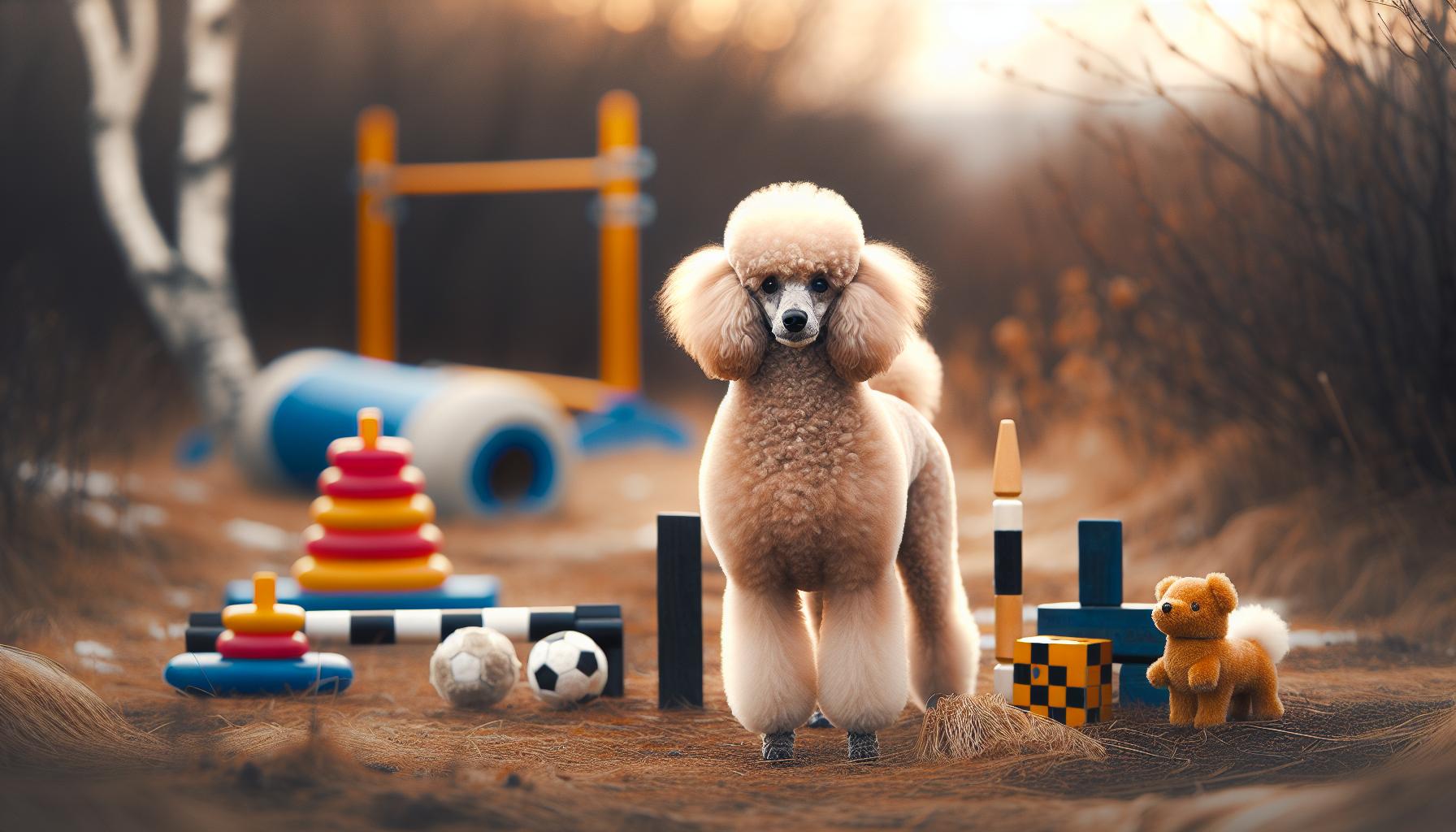
Understanding the Poodle Breed Standard
Understanding the intricacies of the Poodle breed standard not only enhances your appreciation for this remarkable breed but also equips you with vital knowledge for responsible ownership. Poodles are celebrated for their exceptional intelligence, versatility, and elegant appearance, but what defines them within the breed community is their adherence to specific standards set forth by recognized dog organizations.
The breed standard includes detailed criteria regarding physical traits, temperament, and overall function. According to the American Kennel Club (AKC), Poodles are categorized into three distinct sizes: Standard, Miniature, and Toy. Each category has its own height and weight specifications, ensuring that regardless of size, Poodles retain their unique characteristics:
| Size | Height | Weight |
|---|---|---|
| Standard | Over 15 inches | 40-70 pounds |
| Miniature | 10 to 15 inches | 15-17 pounds |
| Toy | Up to 10 inches | 4-6 pounds |
In addition to size, the Poodle’s breed standard outlines essential physical characteristics such as coat type and color. Known for their hypoallergenic coats, Poodles have a curly, dense fur coat that comes in a multitude of colors, from classic black and white to apricot and blue. This unique coat not only adds to their beauty but also requires consistent grooming to prevent matting and maintain health.
Temperament is another critical aspect of the Poodle breed standard. They are classified as friendly, intelligent, and eager to please. This combination makes them superb companions for families and individuals alike. New owners should understand that Poodles thrive on positive reinforcement training, social interaction, and mental stimulation. A well-trained Poodle is not only a joy to be around but also a reflection of responsible ownership and adherence to the breed standards.
Owning a Poodle means committing to understand and meet their needs as outlined in the breed standard. Whether you’re considering adding a Poodle to your family or already have one, being informed about these standards enhances your ability to provide the best care possible, ensuring a happy and healthy life for your furry friend.
The Fascinating History of Poodles
The Poodle is not just a breed but a testament to centuries of human companionship and utility. Originally developed as a water retriever in Germany during the 1500s, the Poodle’s name is derived from the German word “pudelin,” meaning to splash in water. This remarkable breed was primarily employed by hunters to retrieve game from lakes and marshes, showcasing their exceptional intelligence and agility. Over the years, as their utility in hunting became established, Poodles transitioned into beloved companions, particularly in France where they were formalized into distinct types based on size.
The evolution of the Poodle also mirrors changing societal values regarding dogs. Initially bred for purpose, these dogs became symbols of elegance and sophistication in French courts. They appeared in royal portraits and were often groomed stylishly, a practice that remains today with their unique coat styles that are not only visually appealing but also practical, as their hypoallergenic fur serves to minimize shedding. This combination of utility and beauty has secured the Poodle’s place as one of the most recognized and adored breeds globally.
Throughout their history, Poodles have demonstrated their versatility by adapting to various roles beyond hunting, including circus performers, therapy dogs, and loyal family pets. They are known for their trainability, which stems from their high intelligence and eagerness to please. This adaptability is perhaps what makes them such beloved companions and what has led to their sustained popularity across generations. As you engage with a Poodle, you’re participating in a story that spans centuries, filled with adventure, companionship, and joy.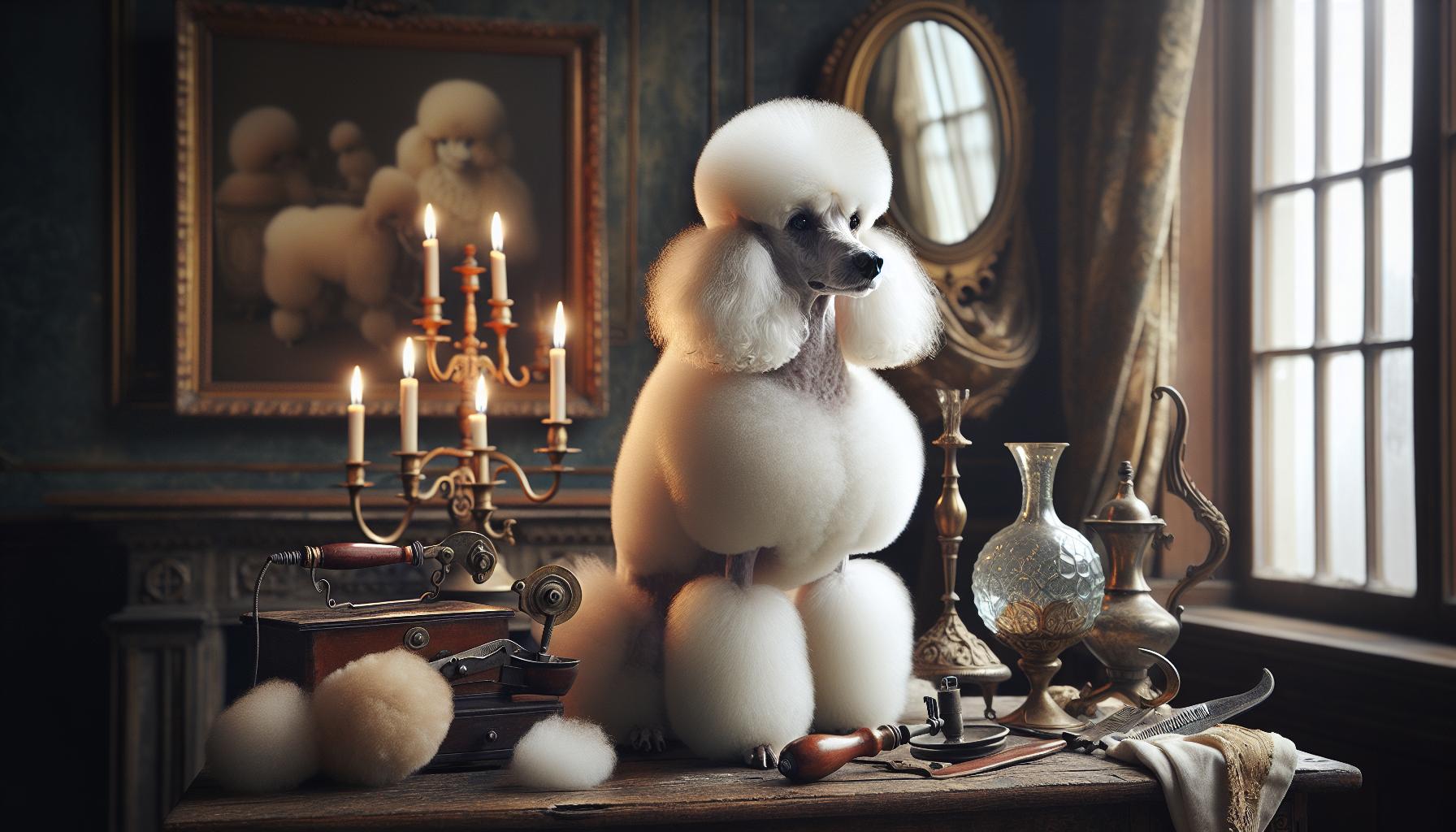
Types of Poodles: Size and Variations Explained
Poodles are a marvel of canine versatility, well-loved not only for their elegant appearance but also for their adaptable nature. This breed comes in several distinct sizes, each suited to various lifestyles and preferences, making them one of the most popular choices among dog lovers. Understanding the types of Poodles available can help you find the perfect companion that fits your living environment and activity level.
Size Variations of Poodles
Poodles are classified primarily into three size categories: Standard, Miniature, and Toy. Each size brings its own unique charm and appeal, allowing potential owners to choose according to their personal needs.
- Standard Poodle: The largest of the three, Standard Poodles stand over 15 inches tall at the shoulder. Known for their athleticism and stamina, they thrive in environments where they can run and play, making them ideal for active families with ample space.
- Miniature Poodle: With a height between 10 to 15 inches, Miniature Poodles are perfect for those who live in smaller homes or apartments. They retain the same intelligence and trainability as their larger counterparts while being slightly less active, making them an exceptional choice for individuals or families with moderate activity levels.
- Toy Poodle: The tiniest of the group, Toy Poodles are less than 10 inches tall. These dogs possess all the delightful traits of the Poodle breed and thrive on companionship. Their small size makes them perfect for city living or as a lap dog, but they still require regular exercise and mental stimulation.
Color Variations
Beyond size, Poodles also exhibit a beautiful array of coat colors, including:
- African Grey
- Apricot
- Black
- Brown
- Silver
- White
- Red
Each color adds to their visual appeal, allowing owners to choose a Poodle that resonates with their aesthetic preferences.
Choosing the right type of Poodle not only complements your lifestyle but also enhances the joy you share with your new companion. Whether you opt for a spirited Standard Poodle or a cuddly Toy Poodle, you’re guaranteed to have a loyal and loving friend by your side. Remember, while size and color are essential considerations, the most important aspect is finding a Poodle that aligns with your family dynamics and activity levels. Whether you’re looking for an exercise buddy or a cuddly companion, Poodles provide the best of both worlds.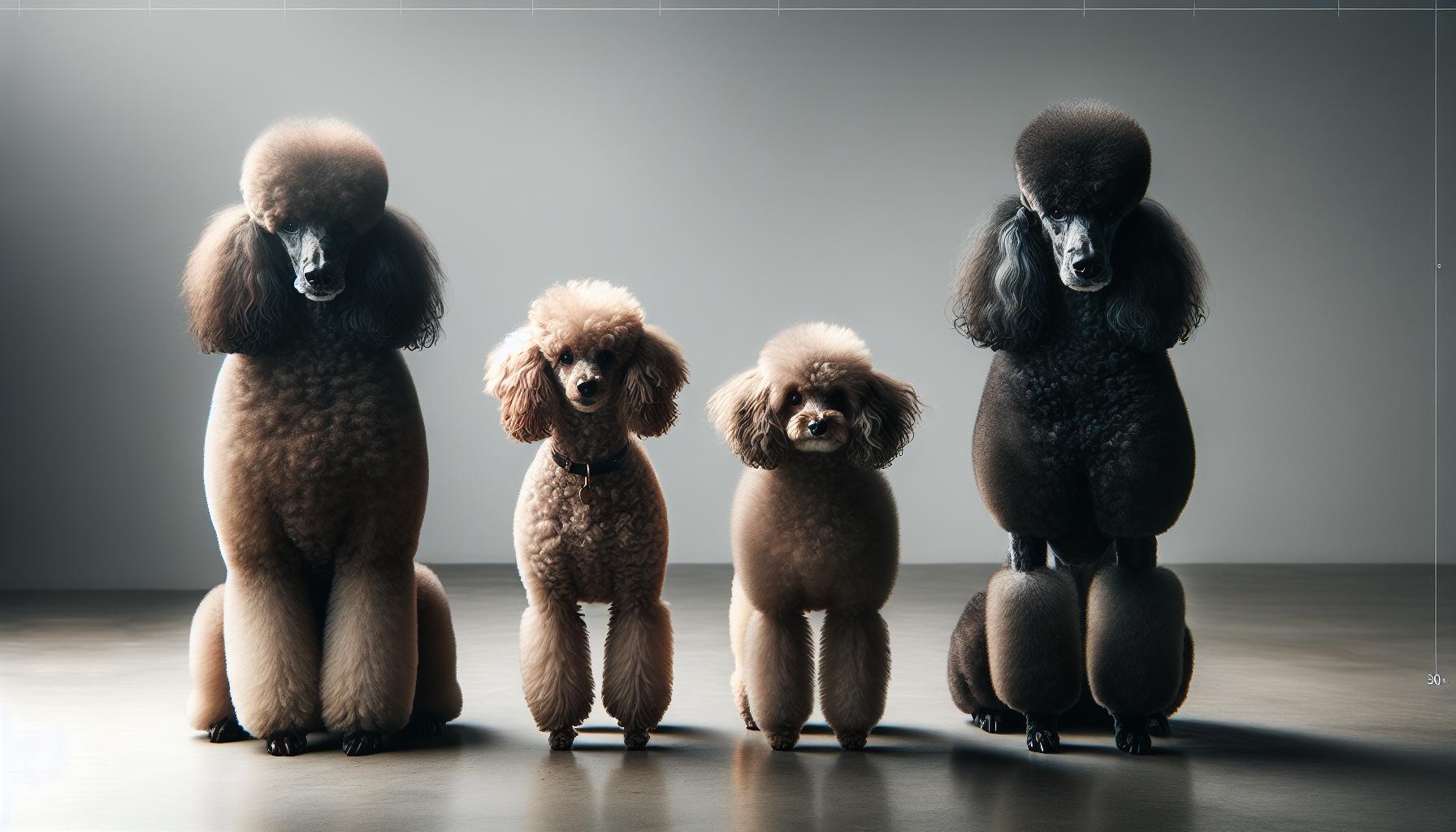
Physical Characteristics: What Sets Poodles Apart
Poodles are truly a remarkable breed, distinguished not only by their intelligence but also by their unique physical characteristics. From their distinctive curly coats to their elegant posture, Poodles embody an air of sophistication that sets them apart from many other dog breeds. One of the most notable aspects of Poodles is their iconic coat, which is both beautiful and functional. The curly, hypoallergenic fur is designed to trap dander and hair, making them a popular choice for allergy sufferers. However, this also means that grooming is an essential part of Poodle care, requiring regular brushing and professional grooming to keep their coat healthy and tangle-free.
Another defining characteristic of Poodles is their versatility in size, which contributes to their broad appeal. Ranging from the robust Standard Poodle to the petite Toy Poodle, each size retains the graceful body lines and athleticism associated with the breed. Standard Poodles boast a regal stature, standing over 15 inches tall, while Miniature and Toy Poodles maintain a compact form that is perfect for apartment living. Despite the differences in size, all Poodles share a remarkable level of coordination and agility, often excelling in various dog sports.
Poodles also possess an alert and expressive face, characterized by their intelligent eyes and well-defined features. This breed exhibits a range of facial structures depending on the size, with the Toy Poodle often having a more rounded head and shorter muzzle compared to its larger counterparts. Such features not only enhance their charm but also contribute to their ability to communicate effectively with their owners, as they are highly attuned to human emotions and body language.
When it comes to movement, Poodles are known for their graceful gait. They combine power with elegance, showcasing a balanced and free-flowing motion that captivates onlookers. This natural athleticism is complemented by their strong, well-proportioned bodies, enabling them to thrive in various activities-from agility courses to long walks in the park. With their striking appearance and dynamic presence, it’s no wonder Poodles are cherished for both their beauty and functionality as family companions.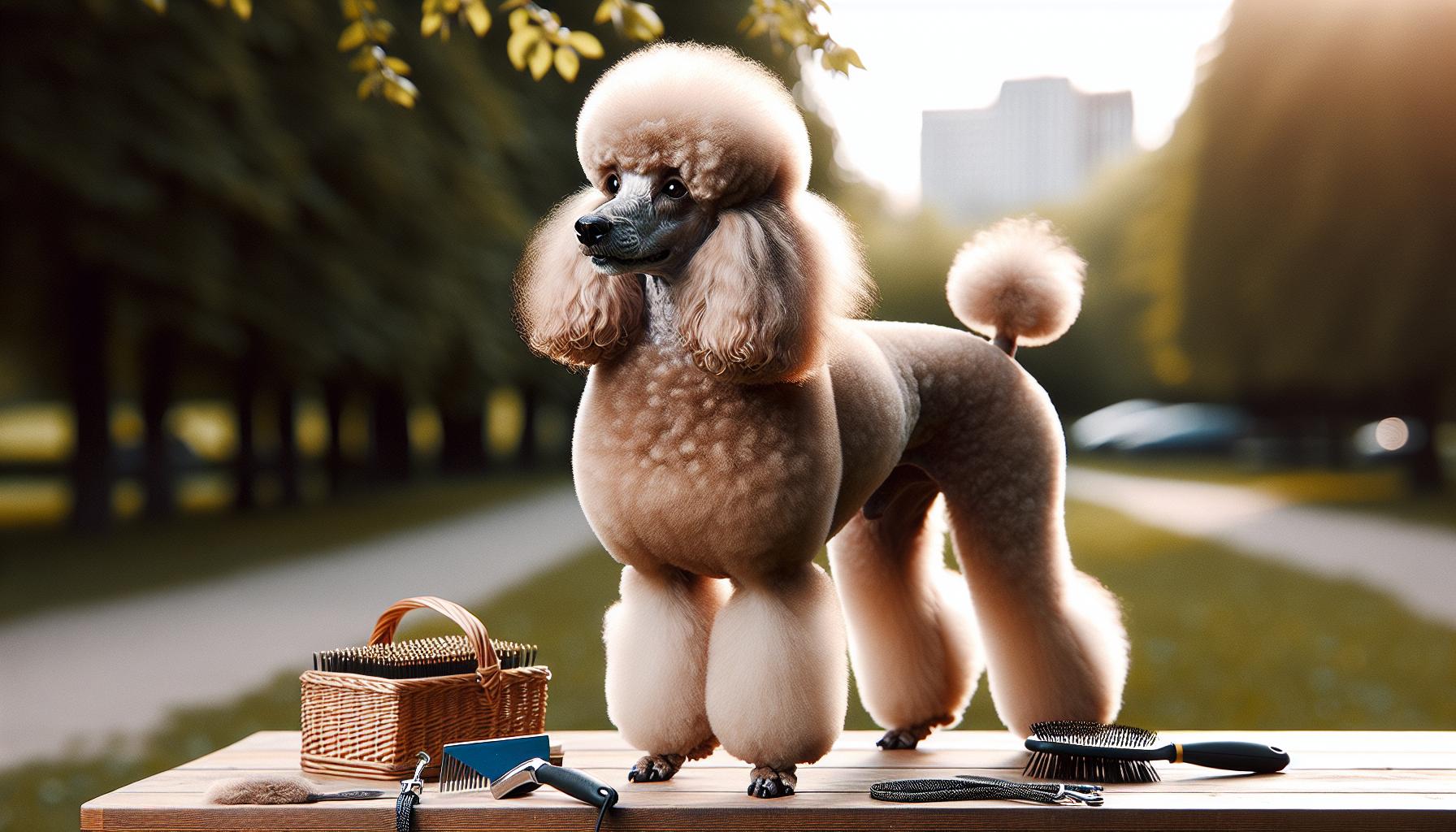
Poodle Temperament: Personality Traits to Know
The Poodle’s temperament is one of its most outstanding and appealing traits, making it a beloved choice for many families and dog enthusiasts. Known for their exceptional intelligence, Poodles easily learn commands and tricks, often delighting their owners with their quick wit and eagerness to please. This keen intelligence, combined with a high level of sensitivity, means that they respond best to positive reinforcement during training, making the process both enjoyable and effective for both pet and owner.
Poodles are innate social butterflies, typically forming strong bonds with family members. Their friendly disposition allows them to get along well with children, making them ideal companions for families. However, it’s important to expose them to various environments and people from a young age to ensure they develop a well-rounded personality. This social aspect not only helps in making them confident pets but also reduces the likelihood of developing anxiety or fearfulness.
Despite their playful nature, Poodles also possess a calm and dignified demeanor, especially the Standard Poodle. They can transition smoothly between playtime and quiet moments, often enjoying snuggling up with their humans after an active day. Their adaptability to different lifestyles, whether in a bustling household or a more tranquil environment, further highlights their unique temperament.
However, potential Poodle owners should be mindful that these dogs are highly active and require regular mental and physical stimulation. Boredom can lead to destructive behaviors, so incorporating activities like agility training, fetch, or puzzle toys into their daily routine is crucial. By understanding and respecting the Poodle’s personality traits, including their needs for companionship and engagement, you can ensure a harmonious and fulfilling relationship with this extraordinary breed.
Poodle Health: Common Concerns and Care Tips
One of the remarkable things about Poodles is that, like any breed, they come with their own set of health considerations that owners should be aware of to ensure their furry friends lead long, healthy lives. Poodles, regardless of their size-Standard, Miniature, or Toy-can be predisposed to specific health issues that owners need to monitor closely. These include hip dysplasia, progressive retinal atrophy (PRA), and skin conditions, among others. Understanding these concerns empowers owners to take proactive measures in their care routine.
To keep your Poodle healthy, it’s crucial to establish a regular veterinary check-up routine. Annual visits are recommended to catch any potential issues early. Many Poodle owners also find it beneficial to keep a health journal that tracks vaccinations, treatment details, and any changes in behaviors or habits. This not only helps the vet during check-ups but also allows you to detect patterns that may indicate health problems.
Common Health Concerns to Monitor
- Hip Dysplasia: This genetic condition affects the hip joint, leading to arthritis or discomfort. It’s advisable to keep your Poodle at a healthy weight to minimize stress on their joints. Engaging in low-impact exercises like swimming can also assist in maintaining joint health.
- Progressive Retinal Atrophy (PRA): This degenerative eye disease can lead to gradual blindness. While there’s no cure, your vet may recommend regular eye examinations to monitor your Poodle’s eye health.
- Allergies and Skin Conditions: Poodles are known to have sensitive skin, which can lead to allergies or hot spots. Regular grooming not only helps manage shedding and matting but also allows you to check for any oddities in their coat or skin. A hypoallergenic shampoo may help if your Poodle has sensitive skin.
Routine Care Tips
Following a holistic approach to your Poodle’s well-being can keep them healthy and happy. Here are some actionable care tips:
- Diet: Choose high-quality dog food that is appropriate for your Poodle’s age, size, and activity level. Consulting your veterinarian for dietary recommendations is a great first step.
- Exercise: Poodles require regular exercise to maintain their health and prevent weight gain. A daily routine that includes walks, playtime, and mental stimulation through puzzles or training keeps them physically and mentally fit.
- Grooming: Regular grooming is essential, not just for aesthetics but also for skin health. Schedule professional grooming sessions every 6-8 weeks and brush your Poodle at home several times a week to prevent matting and check for skin issues.
- Mental Stimulation: Poodles are intelligent, and they thrive when challenged. Incorporate training sessions, interactive toys, and regular socialization with other pets and people to keep their minds sharp.
Fostering good health practices for your Poodle includes being attentive to their needs and developing strong communication with your veterinarian. By creating a comprehensive care plan that focuses on diet, exercise, grooming, and regular health checks, you’re setting your Poodle up for a vibrant, fulfilling life.
Grooming a Poodle: Best Practices and Tips
Keeping your Poodle looking its best is not only a matter of aesthetics; regular grooming is essential for their health and wellbeing. Poodles, known for their distinctive curly coats, require a grooming routine that not only prevents matting but also allows for bonding time between you and your furry friend. With the right approach, grooming can become an enjoyable experience for both you and your Poodle, strengthening your relationship while ensuring they remain comfortable and healthy.
To start, brushing is crucial. Poodles have a non-shedding coat that can easily mat if not regularly brushed. Make it a habit to brush your Poodle at least 2-3 times a week, using a good quality slicker brush or a comb to reach the undercoat. While brushing, pay special attention to the areas behind the ears, under the armpits, and around the legs, as these spots are more prone to tangling. Consider investing in a high-quality detangling spray to make the process smoother and more pleasant for your pet.
Regular baths are also an important aspect of grooming. Poodles should typically be bathed every 3-6 weeks with a gentle, hypoallergenic dog shampoo. This will help keep their coat fresh and clean while preventing any skin irritations. After bathing, dry your Poodle with a soft towel and consider using a hairdryer on a low heat setting to ensure the coat is completely dry, which helps prevent matting and skin issues.
Lastly, don’t forget about the essentials such as trimming nails, cleaning ears, and brushing teeth. Monthly nail trimming is key to prevent painful splits and cracks, while weekly ear cleanings can help stave off infections common in this breed. Using a canine toothpaste during dental care can promote healthy gums and teeth, but always make sure to consult your veterinarian for recommendations tailored to your Poodle’s specific needs.
Establishing a consistent grooming routine not only enhances your Poodle’s appearance but also contributes greatly to their overall health. By incorporating these best practices into your pet care regimen, you’ll not only keep your Poodle looking fabulous, but you’ll also cultivate a nurturing and trusting relationship that makes grooming a rewarding part of your journey together.
Training Your Poodle: Techniques for Success
Training your Poodle can be one of the most rewarding experiences you share with your furry friend. Known for their intelligence and eagerness to please, Poodles are often among the easiest breeds to train. Whether you are a new owner or a seasoned trainer, employing the right techniques can unlock your dog’s full potential while strengthening your bond.
One of the key aspects of training a Poodle is to utilize positive reinforcement techniques. This method involves rewarding your Poodle with treats, praise, or playtime whenever they successfully perform a command or display desirable behavior. For example, when teaching commands like “sit” or “stay,” remember to praise energetically and reward promptly so your Poodle associates the action with positive outcomes. Over time, they will eagerly anticipate training sessions, motivated by the rewards that follow their accomplishments.
Consistency is Key
Poodles thrive on routine and consistency. Establish a training schedule that aligns with your dog’s natural rhythms, and stick to it. Short, frequent training sessions-about 5 to 10 minutes, a few times a day-are more effective than long, drawn-out sessions. This keeps your dog engaged without overwhelming them. Additionally, use the same commands and hand signals consistently; mixed signals can confuse your Poodle and slow their learning process.
Using clear and simple commands in a calm, cheerful voice works well with Poodles. They are sensitive to tone; thus, harsh words or frustration can hinder their willingness to learn. When your Poodle masters a command, gradually phase out treats while still offering praise. This not only encourages their independence but also instills confidence as they learn to obey without needing a reward each time.
Socialization and Advanced Training
Socialization is another crucial element of training for Poodles, who can be prone to anxiety if not exposed to various environments, people, and other dogs. Early on, take your Poodle to dog parks, pet-friendly cafes, and other public places, allowing them to interact with different situations. This exposure helps them develop into well-rounded adults, reducing potential behavioral issues in the future.
As your Poodle masters the basics, consider introducing more advanced tasks such as agility training or tricks. Not only does this leverage their intelligence, but it also keeps them mentally and physically stimulated. Poodles excel at learning various tricks that can be fun for both of you, like spinning, playing dead, or even fetching specific items.
By employing these techniques and remaining patient, you’ll nurture a well-behaved and happy Poodle that is eager to participate in your daily life. Always remember, the journey of training is not just about commands but also about building a trusting and loving relationship that lasts a lifetime.
Poodle Exercise Requirements: Keeping Your Dog Active
Keeping your Poodle active is essential not just for their physical health, but also for their mental well-being. This intelligent breed thrives on activity, and providing them with daily exercise is fundamental to prevent boredom, which can lead to destructive behaviors. A well-exercised Poodle is a happy one, ready to partake in family activities or snuggle up on the couch after a fulfilling day.
Generally, Poodles require at least 30 to 60 minutes of exercise daily. This can be broken into multiple sessions throughout the day, such as brisk walks, playtime in the yard, or active engagement with toys. Since they love to use their brains as much as their bodies, incorporating games that challenge them mentally, like hide and seek or puzzle toys, can be incredibly beneficial. Poodles also excel in dog sports such as agility, obedience, and flyball, which can provide both the physical workout and mental stimulation they crave.
One effective strategy is to include variety in their exercise routine to keep them engaged. For example, alternate regular walks with visits to dog parks, where they can socialize and explore new environments. Engaging in a mix of activities ensures your Poodle remains physically fit while also preventing monotony. Remember, the social interaction is vital too, as Poodles are known for their friendly nature and enjoy being around people and other dogs.
Lastly, while exercising, always pay attention to your Poodle’s cues. Like humans, dogs can exhibit fatigue, so it’s important to adjust the intensity and duration of activities based on their energy levels. Providing them with a healthy balance of structured exercise and free play can enrich their lives tremendously and foster a deeper bond between you and your furry friend.
The Ideal Home Environment for Poodles
Creating the perfect environment for your poodle is essential for nurturing their unique personalities and fulfilling their needs. Poodles are highly adaptable dogs, but they thrive best in homes that cater to their intelligence, energy level, and sociable nature. Whether you live in a cozy apartment or a spacious house, the right setup can make all the difference.
To start, poodles require a space where they feel connected and included in family activities. This breed loves to be a part of the action, so placing their bed or crate in a central location-like the living room or family area-will help them feel secure and engaged. Ensure the space is dog-proofed, with safe areas to explore and play without the risk of getting into trouble. Creating a designated play area can provide them a sense of ownership over their environment, with access to their toys and comfort items.
In addition to comfort, mental stimulation is crucial for poodles. Incorporating interactive toys, such as puzzle feeders or treat-dispensing balls, can keep their brilliant minds engaged. It’s also a great idea to establish a routine that includes daily training sessions. This not only channels their energy positively but also strengthens your bond. For example, training can easily be integrated into your walks, with commands practiced during your outings.
Lastly, consider their social needs. Poodles thrive on interactions with both humans and other dogs. Arranging playdates or frequent visits to dog parks can help socialize them and prevent anxiety. For those with a yard, ensure it is securely fenced to allow for safe playtime. If living in an apartment, frequent trips outdoors will ensure your poodle remains active and fulfilled.
By creating a warm, engaging, and dynamic home atmosphere, you will set the stage for a happy, healthy poodle who feels loved and stimulated-a true member of the family.
Adopting vs. Buying a Poodle: What You Should Consider
When considering bringing a poodle into your home, you’re faced with a significant choice: adopting from a shelter or purchasing from a breeder. Each option has its own unique advantages and responsibilities, and the right path depends on your circumstances, preferences, and lifestyle. Understanding the nuances of both can help you make an informed decision that aligns with your values and the specific needs of this incredible breed.
Adoption often appeals to those looking to give a dog a second chance at life. Shelters and rescue organizations frequently have poodles of various ages, sizes, and temperaments available for adoption. Not only can you feel fulfilled knowing you’re helping a dog in need, but many shelters also provide initial health assessments, vaccinations, and spaying or neutering. However, it’s crucial to be prepared for the unknowns associated with adoptive dogs, such as potential behavioral issues due to past experiences. Engaging with a shelter’s staff, who can offer insights into a dog’s history and personality, is essential in making a good match.
On the other hand, purchasing a poodle from a reputable breeder allows you to get a puppy with a known lineage, which can be advantageous if you’re seeking specific traits or sizes (Standard, Miniature, or Toy). Ethical breeders often focus on health testing to avoid genetic issues common to the breed, which can significantly impact the overall well-being of your future companion. Plus, puppies from breeders often come with a record of vaccinations and health clearances. However, this route typically involves higher costs and a commitment to a waiting period, as many reputable breeders have long waiting lists.
Ultimately, whichever route you choose, ensure that you’re well-prepared for the commitment of pet ownership. Poodles, known for their intelligence and affectionate nature, require consistent training, exercise, and socialization to thrive. Assess your living situation, family dynamics, and lifestyle to ensure you can provide the love and attention these remarkable dogs deserve. By fully understanding the pros and cons of adopting versus buying, you can find the perfect poodle for your family, providing both you and your new furry friend with a fulfilling and enriching experience.
Q&A
Q: What are the different types of Poodles?
A: Poodles come in three main sizes: Standard, Miniature, and Toy. Each type has unique characteristics but shares the same breed traits and temperament. Standard Poodles are the largest, Miniatures are medium-sized, and Toy Poodles are the smallest, making them suitable for different living situations and owner preferences.
Q: What is the origin of the Poodle breed?
A: The Poodle originated in Germany, where they were bred as water retrievers. The breed’s name comes from the German word “Pudel,” meaning “to splash.” Over time, Poodles gained popularity in France, where they became associated with nobility and circuses due to their intelligence and agility.
Q: Are Poodles hypoallergenic?
A: While no dog is completely hypoallergenic, Poodles are often considered a good choice for allergy sufferers. Their curly, low-shedding coat retains dander and hair, reducing allergies in sensitive individuals. Regular grooming helps minimize allergens; refer to our section on “Grooming a Poodle” for best practices.
Q: How are Poodles classified in dog shows?
A: Poodles are classified as a member of the non-sporting group in dog shows, according to the American Kennel Club (AKC). They must meet specific breed standards in appearance, behavior, and temperament. Understanding the Poodle breed standard is essential for success in competitions.
Q: What colors do Poodles come in?
A: Poodles are available in a variety of colors, including black, white, apricot, brown, and more. Color inheritance in Poodles can be complex, influenced by genetics. If you’re considering breeding, knowledge about coat color genetics can offer insights into the potential offspring’s appearance.
Q: What unique skills do Poodles possess?
A: Poodles are renowned for their intelligence and trainability, often excelling in obedience and agility competitions. They are also skilled swimmers due to their history as retrievers. Their versatility makes them suitable for various roles, from service and therapy dogs to family pets.
Q: What health issues are common in Poodles?
A: Poodles are prone to specific health issues, including hip dysplasia, progressive retinal atrophy, and certain skin conditions. Regular veterinary check-ups and screenings are vital in managing these concerns. For further details, check our section on “Poodle Health: Common Concerns and Care Tips.”
Q: What is the best diet for a Poodle?
A: A balanced diet tailored to a Poodle’s size, age, and activity level is crucial. High-quality dog food with proper protein and nutrients supports their health. Consult a veterinarian for specific dietary recommendations and portion sizes unique to your Poodle’s needs.
To Conclude
Now that you have delved into the fascinating world of poodles, understanding their purebred classification and rich history, it’s time to take the next step in your journey as a dog owner. Poodles are not only intelligent but highly trainable and versatile companions. Whether you’re considering bringing one into your home or looking for the right pet care tips, explore our detailed guides on “Poodle Training Essentials” and “Caring for Your Poodle” for practical advice and best practices.
Don’t hesitate to join the conversation! Share your thoughts or ask questions in the comments below, and be part of our growing community of poodle enthusiasts. And remember, when you’re ready to take the plunge, our resources can help you make informed decisions that align with your lifestyle and expectations. Sign up for our newsletter for more insights and updates directly in your inbox. Your perfect poodle partner is just around the corner!