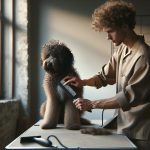
Did you know that Standard Poodles, often hailed for their intelligence and elegance, also excel as hunting companions? Originally bred to retrieve game from water, these versatile dogs have a long-standing history in the field. Their keen senses and incredible trainability make them not only fantastic family pets but also skilled hunters. Whether you’re a seasoned hunter looking to explore the potential of the Poodle breed or a new owner curious about their natural instincts, understanding what Poodles hunt and how they can enhance your hunting experience is essential. In this article, we’ll delve into the original game and prey of Poodles, highlighting their unique abilities and the benefits they bring to any hunting expedition. Join us on this informative journey to discover how these remarkable dogs can complement your outdoor adventures!
What Is the Hunting History of Poodles?
The Standard Poodle, often recognized for its elegant appearance and intelligence, has a rich hunting history dating back to the Middle Ages. Bred originally in Europe, these dogs were not merely companions but vital partners in hunting activities. Their primary role was to retrieve game from water, making them ideal for hunters seeking waterfowl. The breed’s name is derived from the German word “pudel,” meaning “to splash in water,” which perfectly encapsulates their original purpose.
Standard Poodles excelled in their hunting duties thanks to their athleticism and keen senses. They were favored for their ability to retrieve not only waterfowl but also small game on land. This versatility made them valuable assets for hunters, as they were adept at navigating different terrains and adapting to various hunting conditions. Their intelligence, ranked among the highest in dog breeds, allowed for efficient training, further solidifying their reputation as exceptional hunting companions.
In addition to their physical attributes, Poodles have an innate drive for work and play, which translates beautifully into a hunting context. Their natural retrieving instincts combined with a strong bond with their handlers make them enthusiastic participants in hunting activities. For new owners interested in exploring these hunting capabilities, understanding this rich history can inspire effective training and bonding experiences in the field.
Understanding Poodles’ Original Purpose
The journey of the Poodle as a hunting dog dates back centuries, with roots that intertwine with both necessity and nobility. Originally bred in Europe, particularly in Germany and France, Poodles emerged as keen water retrievers, designed to assist hunters in retrieving game from lakes and marshes. The term “Poodle” itself derives from the German word “pudel,” meaning “to splash in water,” which highlights the breed’s aquatic origins. These dogs were more than just pets; they played a pivotal role in the success of hunting expeditions, showcasing their abilities to handle various terrains and adapt to diverse hunting conditions.
Essential Game and Versatility
Standard Poodles were primarily utilized in hunts for waterfowl, such as ducks and geese, but their skill set extends far beyond aquatic environments. Historically, they have also been champions in retrieving small game on land, like rabbits and birds. This versatility is a hallmark of the breed, allowing them to excel not only in water but also on dry land, making them invaluable to hunters who pursued different types of game. Their natural instincts and athleticism enabled them to navigate challenging terrains, from muddy banks to dense brush, always ready to fulfill their role as diligent retrievers.
As companions in the field, Poodles develop a strong bond with their handlers, bolstered by their intelligence and eagerness to please. This relationship not only enhances their performance during hunts but also reinforces the training process. A well-trained Poodle can be a delight in the field, showcasing skills that reflect their heritage as hunting dogs. New owners looking to train their Poodles for hunting will find that understanding this historical context adds depth to their training sessions, encouraging a fun, respectful approach to cultivating these natural abilities.
Training and Instinct
Training a Poodle for hunting activities should involve building on their innate instincts. Start with basic commands and gradually introduce them to retrieval games, progressively involving more complex tasks that reflect real hunting scenarios. Engaging them in both interactivity and obedience will help them thrive, ensuring they understand their purpose in the field. Furthermore, incorporating socialization with other dogs and exposure to various environments will enhance their adaptability and confidence during actual hunting experiences.
Understanding the Poodle’s original purpose as a hunting companion can inspire enthusiasm and commitment in new owners. With the right training and a nurturing environment, these elegant dogs can continue to prove their worth as exceptional hunting partners.
The Different Types of Game Poodles Pursue
Poodles are not just a pretty face; they have a rich history as skilled hunters, showcasing a remarkable ability to pursue various types of game. Their versatility has made them exemplary companions for hunters, capable of adapting to different environments and hunting styles. Originally bred for retrieving waterfowl, Poodles also excel in tracking and retrieving small game, making them competent not only in water but also on land.
When it comes to waterfowl, such as ducks and geese, Poodles are at the top of their game. Their strong swimming ability and keen sense of smell allow them to navigate through marshes and lakes to locate and retrieve game. This breed’s thick, curly coat helps them stay warm in cold water, providing insulation during hunts in brisk weather. However, Poodles aren’t limited to just water hunting; they are also adept at retrieving smaller terrestrial game like rabbits and birds. Their natural hunting instinct drives them to chase and retrieve, showcasing their versatility.
Moreover, Poodles’ ability to work in tandem with their handlers is vital. They form a partnership built on trust and communication, enabling them to perform complex tasks during a hunt. Their intelligence and eagerness to please make them highly trainable, allowing experienced handlers to teach them specific commands and techniques tailored for various hunting scenarios. This bond not only enhances their performance but also enriches the overall hunting experience.
While not as commonly recognized as traditional hunting breeds, Poodles possess innate qualities that make them valuable hunting companions. Their history isn’t just about looks but also about being exceptional partners in the field. For new owners considering training a Poodle for hunting, acknowledging these versatile traits is key to developing a rewarding relationship with their future hunting buddy. Whether in the water or on land, Poodles have proven time and again that they are more than capable of filling the role of a hunting dog with grace and agility.
Exploring Poodle Hunting Characteristics
Poodles possess an impressive set of hunting characteristics that make them unique among dog breeds. One of the standout traits is their superior intelligence, which allows them to quickly learn commands and execute complex tasks during hunting activities. This breed was originally developed as water retrievers, and their design attests to this purpose. With their strong, athletic bodies and buoyant, curly coats, Poodles are not just attractive companions; they are built for performance in diverse environments.
Water and Terrene Versatility
Poodles excel in both water and land hunting scenarios. Their adeptness in the water is complemented by a powerful swimming capability and an excellent sense of smell, enabling them to retrieve waterfowl like ducks and geese efficiently. Their highly developed instincts drive them to chase, track, and fetch, ensuring that they stay on the trail of their quarry. Moreover, whether in marshes or open water, their thick curly fur acts as a natural insulator, keeping them warm, which is particularly advantageous during chilly hunting excursions.
Conversely, their hunting talent extends to land as well, where they can effectively pursue smaller game such as rabbits and birds. Poodles possess a natural energy and enthusiasm for hunting, which can lead them to showcase remarkable agility when working through brush or over obstacles. Their innate drive to retrieve and interact with their handler creates opportunities for joyful experiences in the field and beyond.
Building a Strong Partnership
To maximize a Poodle’s hunting prowess, fostering a strong partnership between dog and handler is essential. This bond is reinforced not only through regular training sessions but also through social bonding during hunting trips. As intelligent and eager-to-please dogs, Poodles thrive on interaction, and the more trust and communication developed, the better they perform during hunts. This relationship translates into enhanced focus and reliability, making hunting not just a task, but a fulfilling activity for both the Poodle and their owner.
For new Poodle owners interested in hunting activities, understanding and appreciating these characteristics is crucial. Ensuring that your Poodle receives proper exercise, consistent training, and socialization will help channel their natural instincts into productive hunting behaviors. Combining this knowledge with a commitment to ongoing training will unveil the full potential of your Poodle as a capable and cherished hunting partner.
How Poodles’ Instincts Influence Their Behavior
Poodles are not just remarkable for their looks and intelligence; their instincts play a pivotal role in shaping their behavior, particularly in hunting scenarios. One of the most fascinating aspects of a Poodle’s instinct is the drive to retrieve, which stems from their original purpose as water retrievers. This intrinsic motivation compels them to chase after and bring back items, making them excellent companions in hunting disciplines. Whether it’s a duck retrieved from a pond or a scent trail followed through dense brush, Poodles exhibit a deep-seated eagerness to engage in the hunt, deeply influencing their behavior and interaction with their handlers.
Understanding these instincts is essential for anyone looking to train a Poodle for hunting. Their keen sense of smell allows them to detect even the faintest scents, and this natural talent can be harnessed through activities like scent work and tracking drills. Engaging Poodles in these practices not only satisfies their instinctual urges but also enhances their hunting skills. For example, you can introduce them to various game scents during training sessions; this will help build their proficiency in locating and retrieving game in real-world situations.
Moreover, a Poodle’s intelligence and agility significantly contribute to their behavior in the field. They are quick learners and can adapt to various hunting environments, whether it involves water retrieval or upland game hunting. Their natural energy translates into enthusiasm during hunts, and when properly channeled, it leads to focused, effective performance. It’s essential for handlers to harness this energy constructively; consistent training, positive reinforcement, and appropriate exercise will ensure that their instincts are nurtured rather than misdirected.
Fostering a strong bond is equally important in shaping a Poodle’s behavior. They thrive on positive interactions with their handlers, which boosts their confidence and reinforces desirable behaviors. Regular outings together, combined with playful and rewarding training methods, will help create a cooperative hunting partner who not only enjoys the thrill of the chase but also understands their role in the team. By cultivating this connection, you can unlock the full potential of your Poodle’s hunting instincts and enjoy many successful outings together.
Training Your Poodle for Hunting Activities
Training a Poodle for hunting activities can be an incredibly rewarding experience due to their natural abilities and eagerness to please. These intelligent dogs, originally bred for water retrieving, have instincts that make them suitable for various hunting scenarios. They thrive on engaging tasks and possess an innate drive to retrieve, which you can harness effectively through structured training. Start with positive reinforcement techniques; using treats, praise, and playtime will motivate your Poodle to learn. The key is to make the process enjoyable, so your dog associates hunting with fun and positive experiences.
Incorporating Basic Commands
Before diving into specialized hunting training, ensure your Poodle has mastered basic commands such as sit, stay, come, and heel. These foundational skills are crucial in the field to maintain control and ensure safety. Practice in a distraction-free environment and gradually introduce more distractions as your dog becomes proficient. For example, practice with a long lead in an open area, rewarding your dog for obeying commands while allowing them to explore. This builds their confidence and reinforces your leadership role during hunting activities.
Introducing Retrieve Training
Once your Poodle understands basic commands, you can begin specific retrieve training. Start with a favorite toy or a fetching dummy. Toss it a short distance, encouraging your dog to bring it back to you. Use an excited tone to reinforce the excitement of retrieving. As they become more comfortable, gradually increase the distance of your throws. Integrating water into this exercise, such as using a pool or calm lake, will tap into their instinctual abilities as water retrievers. Monitor their enthusiasm; if they lose interest, switch to a different activity or toy to keep them engaged.
Desensitization to Gunfire
For hunting activities, it’s essential to desensitize your Poodle to the sound of gunfire. Begin by having your dog engaged in a pleasurable activity, like chewing on a favorite toy or playing a fetching game. Then, with the help of an assistant, fire a small caliber gun at a distance where your dog can hear but is not frightened. Gradually reduce the distance over time as they become more accustomed to the sound. Always ensure this training is positive; if your dog shows signs of fear, increase the distance and work at a pace that suits them.
Socialization and Real-Life Scenarios
Finally, socializing your Poodle in different environments is crucial. Take them to places where they’ll encounter other dogs, people, and various sounds. Emphasize exposure to hunting scenarios such as birdwatching or nature hikes, allowing them to practice their skills in real-life situations. Remember, patience and consistency are key throughout your training journey. Each Poodle is unique; adapt your training techniques based on your dog’s personality and preferences, and you’ll foster a successful, enjoyable partnership in the hunting field.
By implementing these approaches, you can effectively train your Poodle for hunting activities, enhancing their natural talents while forging a deep bond based on trust and positive experiences.
Poodle Hunting and Socialization Best Practices
Engaging your Poodle in socialization and hunting practice is essential to tap into their innate abilities, especially considering their rich history as hunting companions. Poodles were originally bred to assist hunters in retrieving game from water and land, so providing them with various social and hunting experiences will not only hone their skills but also contribute to their overall well-being. These intelligent dogs thrive on stimulation and interaction, which means socialization isn’t just a routine but a rewarding journey for you and your Poodle.
Start by immersing your Poodle in different environments. Visiting parks, nature trails, and arenas where they can encounter various sounds, smells, and other animals will enrich their sensory experiences. Balanced interactions are key. Allowing your Poodle to engage with other dogs, participate in group training sessions, or attend dog-friendly events can boost their confidence and adaptability-essential traits for a proficient hunting companion. Be sure to observe their reactions; some Poodles may require more time to acclimate to new situations, so patience is crucial.
Involving your Poodle in hunting simulations can provide practical experiences that mimic real-world scenarios. Activities like organized scent work or mock hunting sessions can help them practice their retrieving skills while reinforcing their instincts. By introducing them to the sounds of birds, the rustling of leaves, or even simulated gunshots (in a controlled manner as previously discussed), you contribute to a well-rounded training regimen. Incorporate retrieval games using soft toys that mimic the feel of game birds, so your Poodle learns the best approach to retrieving.
Always remember to reinforce positive behavior through praise and rewards during these activities. Using treats or playtime as motivation will encourage your Poodle to engage actively in these social scenarios, whether they are interacting with other dogs or practicing their hunting skills. It’s these opportunities for hands-on experience that will solidify their role as a hunting partner while ensuring they remain well-adjusted, happy members of your family.
Health Considerations for Hunting Poodles
Poodles, being descended from water retrievers and originally bred to assist hunters, have unique health considerations that owners must be aware of, especially if they engage in hunting activities. Regular exercise is vital for keeping hunting Poodles healthy and fit. As intelligent and active dogs, they require ample physical activity to maintain their optimal health. Engaging in retrieving games or regular walks in varied terrains can help strengthen their muscles and cardiovascular health, ensuring they perform well in the field.
Moreover, due to their varied coat types, Poodles can be more susceptible to certain health issues like hip dysplasia and ear infections, especially when exposed to wet environments while hunting. To mitigate these risks, it’s essential to maintain a regular grooming schedule. This includes brushing their coat to prevent matting, which can trap moisture and lead to skin problems. Furthermore, paying attention to their ears is crucial; after a day of hunting, check for any signs of excess moisture or debris and clean them accordingly to prevent infections.
Nutritional needs are also paramount for hunting Poodles. They require a balanced diet that supports their energy levels and recovery after strenuous activities. Consider high-quality dog foods that are rich in protein and essential fatty acids, which can help keep their coat healthy and support overall vitality. Consulting with a veterinarian can provide tailored dietary advice to meet the specific needs of your hunting Poodle.
Lastly, routine veterinary check-ups play an integral role in maintaining a healthy hunting Poodle. Regular screenings can help detect potential health issues early, allowing for timely interventions. Vaccinations, flea and tick prevention, as well as dental care should be an essential part of your Poodle’s health regime, especially for those who spend considerable time outdoors. By prioritizing their health and wellness, you’ll ensure your Poodle remains a vital and enthusiastic partner in your hunting pursuits.
Comparing Poodles to Other Hunting Breeds
The Poodle’s historical role as a hunting dog showcases its versatility in the field, often placing it in intriguing comparison with other popular breeds. Known for their keen intelligence, strong retrieving instincts, and agile swimming abilities, Poodles have played a central role in hunting activities, particularly as water retrievers. This ability sets them apart from many breeds that specialize in only one type of game.
When , several attributes come into play. For instance, breeds like the Labrador Retriever and the Golden Retriever are frequently lauded for their retrieving skills but may lack the same level of trainability and grace in various sporting events as Poodles. Poodles are not only capable of hunting waterfowl but also adaptable to various dog sports, which highlights their multifaceted nature. They excel in obedience and agility trials as well as traditional hunting tasks, making them an outstanding choice for hunters who also enjoy competitive dog sports.
### Key Comparison Factors
- Intelligence: Poodles are renowned for their high intelligence, ranking among the top dog breeds. This allows for quicker learning and retention, making training easier compared to some hunting breeds that might require more repetition.
- Versatility: While many breeds are specialized for specific types of hunting (e.g., beagles for rabbits or setters for upland game), Poodles shine in multiple scenarios, demonstrating skills in tracking, retrieving, and even competing in obedience.
- Grooming Needs: Poodles require regular grooming to maintain their hypoallergenic coats, which can be a consideration for owners when compared to short-haired breeds like the German Shorthaired Pointer, which is easier to groom but may not have the same working relationship with its owner.
- Energy Levels: While Poodles are energetic and require substantial daily exercise, they often match their energy to their handler’s enthusiasm, making them incredibly versatile for active families who enjoy outdoor activities.
In real-life hunting experiences, many Poodle owners have shared stories of their dogs seamlessly transitioning from family pets to proficient hunting partners. With a commitment to training and socialization, a Poodle can retrieve waterfowl or assist in tracking while also being a beloved companion at home. The blend of elegance, energy, and eagerness to please makes the Poodle a compelling choice for hunters seeking more than just a one-dimensional partner in the field.
Ultimately, whether choosing a Poodle or considering other hunting breeds, it’s crucial to weigh your lifestyle, training capabilities, and hunting style. Each breed has its strengths, but the Poodle’s unique combination of traits makes it a captivating candidate for those looking to embrace the world of hunting with a dog that truly stands out.
Real-Life Hunting Experiences with Poodles
Many Poodle owners have found joy in sharing their hunting experiences, illustrating the breed’s effectiveness and adaptability in the field. Often, what begins as a family pet blossoms into a competent hunting partner. For instance, in a recent shared experience, a Standard Poodle named Buster successfully retrieved geese during a hunting trip, showcasing not only his physical capabilities but also his keen understanding of the hunt. His owner, initially hesitant about bringing a Poodle into a hunting environment, was pleasantly surprised by Buster’s enthusiasm and skill, reaffirming the breed’s historical role as a water retriever.
Hunting with a Poodle requires a solid foundation of training and socialization. Many Poodle enthusiasts emphasize the importance of exposing their dogs to various environments and exciting stimuli at a young age. This practice not only builds confidence but also sharpens their natural instincts. For example, a Miniature Poodle named Daisy excelled in tracking during a duck-hunting excursion, having previously practiced retrieving dummies from water. Her owner noted how Daisy’s intuitive responses and eagerness to please made the experience enjoyable, and they developed an unbreakable bond through these shared moments.
Training plays a vital role in maximizing a Poodle’s hunting potential. Owners often recommend a mix of positive reinforcement and consistent commands to make training both effective and enjoyable. Attending group classes can further enhance a Poodle’s social skills and expose them to other dogs, creating a well-rounded hunting companion. One such story involved a team of Poodles and their handlers during a hunting workshop, where owners quickly realized that the dogs thrived in teamwork scenarios, readily responding to their partners’ cues while in the field.
Lastly, it’s important to acknowledge that while Poodles can be exceptional hunting dogs, they also thrive as family pets. Their ability to switch from focused hunters to affectionate companions makes them a unique choice for families who enjoy both hunting and home life. With careful ownership, these dogs can balance their roles beautifully, reminding us of the rich history they carry as viable hunting partners while also being loving additions to our homes.
Tips for New Owners Interested in Hunting Poodles
New owners interested in bringing a Poodle into their hunting activities can look forward to a rewarding experience, as these versatile dogs possess a surprising aptitude for various types of game. Poodles originally served as water retrievers, excelling at fetching game from lakes and marshes; however, their adaptability has allowed them to perform well in hunting diverse game, including upland birds and small game like rabbits. If you’re considering using a Poodle for hunting, here are some essential tips to get you started.
First and foremost, start with training. A well-trained Poodle will be more responsive in the field, making it crucial to establish basic obedience commands before venturing out. Begin with commands such as “sit,” “stay,” “come,” and “fetch.” Positive reinforcement techniques, such as using treats or praise, will keep training enjoyable for both you and your Poodle. Consider enrolling in a training class specifically geared towards hunting dogs, as it can provide structured learning and help socialize your pup with other dogs.
Socialization is Key
Poodles are known for their intelligence and sociable nature, so exposing them to different environments early on is vital. Taking your Poodle on various walks, visits to parks, or even weekend camping trips can help them adapt to different stimuli they might encounter during hunts. A well-socialized dog is more likely to remain calm and focused amidst the excitement of the hunt. Consider visiting areas where hunting occurs so your Poodle can experience the sights and sounds in a controlled manner.
Health and Fitness Matters
Maintaining your Poodle’s physical health is equally important. Regular exercise helps build endurance and strength, which are essential for hunting. Activities such as swimming, which Poodles naturally excel at, can enhance their swimming abilities for water retriever tasks. Also, ensure your Poodle has regular veterinary checkups to catch any potential health issues early, especially since physically demanding activities can be tough on joints and muscles.
Finally, remember that bonding is a major component of hunting success. Spend quality time with your Poodle, engaging in joint activities beyond hunting, like playtime in the backyard or gentle tug-of-war with toys. This helps strengthen your relationship and builds trust, resulting in a more attentive and enthusiastic hunting partner. Sharing the experience together not only enhances your hunting trips but also solidifies the companionship that comes with having a Poodle by your side.
With patience and dedication, your Poodle can thrive in hunting pursuits while maintaining their loving nature as a family pet. Embrace the journey with optimism, and you’ll undoubtedly forge a special bond with your furry hunting companion.
The Evolution of Poodles as Hunting Dogs
Poodles have a storied history that traces back to their origins as skilled hunting companions, particularly known for their roles as adept water retrievers. The name “Poodle” itself derives from the German word “Pudel,” which means “to splash in water.” This breed was originally developed in Germany as a versatile hunting dog, where its exceptional swimming ability and intelligence allowed it to excel in retrieving game from lakes and rivers. Today, while they remain popular as family pets, Poodles still embody the instincts that make them excellent hunting partners.
Historically, Standard Poodles were highly prized by hunters across Europe, particularly during the Middle Ages. Their natural aptitude for hunting was enhanced by their thick, waterproof coat, which allowed them to thrive in cold water. They were primarily employed to retrieve waterfowl, but their drive and intelligence made them adaptable to various forms of game, including upland birds and small mammals like rabbits. The evolution of the Poodle also led to its various sizes: while the Standard Poodle remains the most associated with hunting, Miniature and Toy Poodles were bred for companionship, showing how the breed diversified over centuries.
Today, the Poodle’s hunting legacy is intertwined with its versatility and eagerness to please. Owners wishing to tap into these qualities can effectively train their Poodles for hunting activities. By reinforcing basic commands and employing positive reinforcement techniques, you can foster their natural instincts. Training not only enhances their hunting ability but strengthens the bond between you and your Poodle, establishing a trusting partnership that extends beyond the hunting field.
To ensure a well-rounded hunting experience, it’s essential for new owners to understand not just the historical context but also contemporary practices in training and care. By embracing the Poodle’s history and potential as a hunting dog, you can enjoy a rewarding journey that honors their legacy while providing a fulfilling life tailored to their instinctive abilities.
Q&A
Q: What types of game do poodles traditionally hunt?
A: Poodles were originally bred as water retrievers and excel at hunting waterfowl like ducks and geese. Their intelligence and strong swimming ability make them adept at retrieving game from water, but they can also be trained to hunt small game such as rabbits or even deer with the right experience.
Q: How do poodles compare to other hunting breeds?
A: Poodles are unique among hunting breeds due to their versatility, intelligence, and non-shedding coats. While they may not be as physically robust as some traditional breeds like Labs or Retrievers, their keen tracking instinct and trainability make them effective in various hunting roles, especially for waterfowl.
Q: Can poodles be trained for upland game hunting?
A: Yes, poodles can be trained for upland game hunting, such as hunting quail or pheasants. Their strong sense of smell and agility allow them to flush birds effectively and retrieve them after being shot, making them suitable companions for upland hunters given proper training and socialization.
Q: What are common hunting instincts in poodles?
A: Poodles typically exhibit strong retrieving and tracking instincts due to their hunting heritage. They are known for their ability to locate and fetch prey, which is essential in hunting scenarios. Training should focus on harnessing these natural instincts for optimal performance in the field.
Q: Do poodles require special training for hunting?
A: Yes, poodles need specific training to develop their hunting skills. This includes obedience training, scent work, and retrieving drills. Consistent practice and exposure to hunting environments will enhance their skills and comfort, making them more effective hunting partners.
Q: What is the best age to start training a poodle for hunting?
A: The best age to start training a poodle for hunting is around six months. Early socialization and basic obedience training should begin before this age, while hunting-specific training can be introduced gradually as the dog matures and develops physically and mentally.
Q: Are there any health considerations for hunting poodles?
A: Hunting poodles can face specific health issues like hip dysplasia and ear infections, particularly due to swimming and wet environments. Regular veterinary check-ups, proper grooming, and vigilant care can help keep your poodle healthy as an active hunting companion.
Q: What gear is essential for hunting with a poodle?
A: Essential gear for hunting with a poodle includes a well-fitted collar, a sturdy leash, training dummies for retrieval practice, and outdoor gear for the handler. Additionally, consider using a hunting vest for your poodle to help protect them during outdoor activities and keep them visible.
For further insights on poodles’ hunting capabilities and preparation, check out sections on training and health considerations in the main article.
Future Outlook
As we’ve explored, while Poodles may not be your typical hunting companions, their history as versatile working dogs is noteworthy. With their intelligence and eagerness to learn, they can excel in various hunting tasks when trained properly. If you’re considering adding a Poodle to your family or enhancing their hunting skills, be sure to check out our guides on training your Poodle for hunting and understanding their unique breed traits.
Don’t miss the opportunity to dive deeper into the fascinating world of Poodles! Subscribe to our newsletter for more insights, tips, and resources tailored just for you. Whether you’re new to dog ownership or a seasoned handler, there’s always more to learn! Share your thoughts below-what has your experience been with Poodles? Your journey could inspire others! Explore more about Poodles and their roles in family life and hunting by navigating through our site. Your adventure in becoming the best Poodle owner starts now!