
Did you know that F1B Labradoodles are often regarded as the best choice for allergy sufferers? These lovable pups come from a unique breeding combination, specifically an F1 Labradoodle bred back to a Poodle, resulting in a furry friend that is 75% Poodle and 25% Labrador Retriever. Understanding what F1B means can help you make informed decisions about bringing one into your home. If you’ve been considering adding an F1B Labradoodle to your family or simply want to learn more about the different generations of this delightful breed, you’re in the right place. With their charming personalities and lower shedding tendencies, F1B Labradoodles are not only adorable but also often ideal for new and experienced owners alike. Join us as we explore the fascinating world of F1B Labradoodles, unraveling their generation specifications, characteristics, and what makes them so special.
Understanding F1B Labradoodles: What Are They?
F1B Labradoodles are a wonderful blend of the qualities many dog lovers look for in a family pet, and understanding this generation is key to appreciating what they bring to the table. Essentially, F1B refers to a Labradoodle that has been bred back to a purebred Poodle, resulting in a dog with a unique genetic makeup: 25% Labrador Retriever and 75% Poodle. This combination not only supports a variety of temperament traits but also enhances specific physical characteristics. For instance, F1B Labradoodles are commonly known to have a non-shedding coat, making them an ideal choice for allergy sufferers and those who prefer a cleaner home environment [[1]](https://nwsportingdoodles.com/f1b-labradoodle-generations-explained/).
If you’re considering an F1B Labradoodle, you’ll discover that they come with a host of positive attributes. Generally, they are intelligent and eager to please, which makes them highly trainable and perfect for new dog owners. Their playful and affectionate nature means they thrive in family settings, making them excellent companions for children and adults alike. Their temperaments can vary based on parent genes, so meeting the parents or understanding their lineage can provide valuable insight into personality traits [[2]](https://www.petmd.com/dog/breeds/labradoodle).
In terms of care requirements, understanding that F1B Labradoodles typically have a wavy or curly coat means that regular grooming is essential. This not only helps to minimize matting but also promotes a healthy coat and skin. Moreover, all Labradoodles, including F1Bs, are prone to certain health issues that potential owners should be aware of, such as hip dysplasia and heart disease [[2]](https://www.petmd.com/dog/breeds/labradoodle). Ensuring that your F1B Labradoodle receives proper health care, balanced nutrition, and daily exercise will contribute to a happy and healthy dog. Preparing your home with these aspects in mind will create the best environment for your new furry friend.
The Generational Breakdown of Labradoodles Explained

Understanding the generational breakdown of Labradoodles is essential for any prospective owner looking to welcome one of these delightful dogs into their life. Each generation carries its own traits influenced by the breeds involved in their parentage. The first step in this fascinating lineage begins with the F1 Labradoodle, a first-generation cross between a purebred Labrador Retriever and a purebred Poodle. This mix results in a 50/50 genetic split that commonly presents a variety of coat types and temperaments, making F1s popular for their trainability and friendly nature.
As we move to the F1B Labradoodle, where the name “B” signifies “backcross,” this generation is created by crossing an F1 Labradoodle back to a purebred Poodle. The outcome is a unique genetic structure of 75% Poodle and 25% Labrador, yielding several desirable attributes. One significant advantage of the F1B generation is their enhanced non-shedding coat, which is particularly appealing to allergy sufferers. With their higher Poodle content, F1Bs often inherit the Poodle’s intelligence and hypoallergenic qualities, making them a great fit for families looking for a dog with a low shedding factor[1].
As Labradoodles continue through their family tree, you may encounter multigenerational Labradoodles (often classified as F2 or even F3), where the breeding partners are Labradoodles themselves. These generations can yield more consistent traits, as successive breeding emphasizes certain characteristics. After about six generations, they are often classified as “pure” Labradoodles, although this term might differ among breeders. Ultimately, the generational breakdown helps potential owners understand the qualities they can expect when welcoming an F1B Labradoodle into their home, allowing for a more informed and fulfilling pet ownership experience[2].
Characteristics of F1B Labradoodles: Size and Temperament
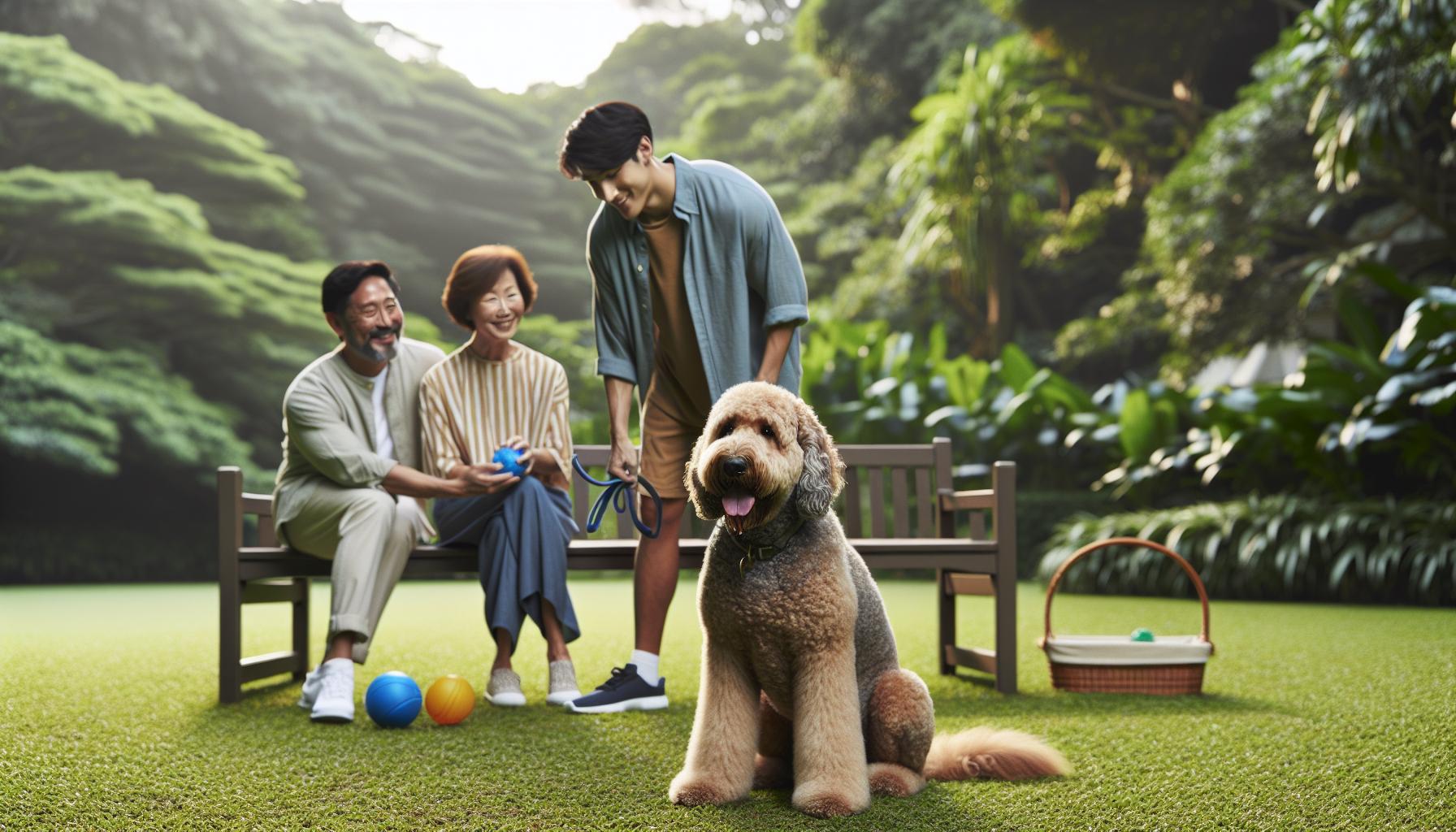
F1B Labradoodles are remarkable dogs, boasting a magnificent blend of Poodle intelligence and Labrador friendliness, thanks to their unique genetic makeup. Typically, these furry companions weigh between 50-65 pounds and stand about 21-24 inches tall at the shoulder, striking an ideal balance in size that suits both apartments and larger homes. Their physical traits often exhibit the poodle’s curls and the Labrador’s robust build, resulting in a coat that can range from slightly wavy to tight curls. This variability is one of the many reasons why people adore F1B Labradoodles – they can fit into a variety of lifestyles and family dynamics.
When it comes to temperament, the F1B Labradoodle truly shines. Their Poodle ancestry adds a pronounced level of intelligence and trainability, making them highly responsive to commands and eager to please. This breed is often described as friendly, social, and affectionate, which makes them exceptional family pets. They thrive in environments where they can interact with people and other animals. Regular socialization is crucial during their formative months to ensure they develop into well-rounded and confident adults. Given their gentle and adaptable nature, they’re often excellent companions for children and the elderly alike.
Moreover, F1B Labradoodles usually exhibit a playful demeanor paired with a calm disposition. This combination means they will enjoy playtime but also appreciate quiet time snuggled up on the couch. As family members, they bring joy and warmth while being quite low-maintenance in terms of temperament. However, it’s essential for owners to engage them through mental and physical activities, as they require stimulation to prevent boredom-related behavior issues. Whether it’s a game of fetch, a swim, or a training session, keeping their minds busy is key to a happy F1B Labradoodle.
Goldendoodle vs. Labradoodle: Choosing the Right Breed

Choosing between a Goldendoodle and a Labradoodle is a delightful dilemma for dog enthusiasts. Both breeds offer a fantastic combination of temperament, intelligence, and unique characteristics, making them appealing to a variety of lifestyles. The main difference lies in their lineage; Goldendoodles are a cross between a Golden Retriever and a Poodle, while Labradoodles combine a Labrador Retriever with a Poodle. Each blend brings its own strengths, so understanding these distinctions can help you make the best choice for your home.
When considering size, temperament, and grooming needs, it’s essential to note that Goldendoodles often have a slightly lighter and wavier coat, reminiscent of their Golden Retriever parent, which can make them a bit fluffier and prone to tangles. In contrast, Labradoodles may sport a coarser, curlier coat, which can aid in managing shedding-their Poodle genes typically result in less shedding overall. Grooming needs will vary, with both breeds requiring regular brushing, but Goldendoodles might need a bit more attention to keep their coats from matting.
Personality-wise, both breeds are known for their friendly and sociable natures. Goldendoodles are often described as more laid-back and eager to please, making them excellent companions for families with children. Labradoodles, while also friendly, tend to be more energetic and playful, making them fabulous partners for active individuals or families who enjoy outdoor adventures. Both breeds thrive on human interaction and are generally excellent with kids, but Labradoodles may require more extensive exercise.
Ultimately, the choice between a Goldendoodle and a Labradoodle often comes down to your personal preferences regarding coat type, energy levels, and your family’s lifestyle. Consider visiting breeders or shelters to spend time with both types to see which one resonates more with your personality and needs. Remember, whichever you choose, both breeds will offer love, loyalty, and joy as cherished family members.
Benefits of F1B Labradoodles: Why They’re Great Pets
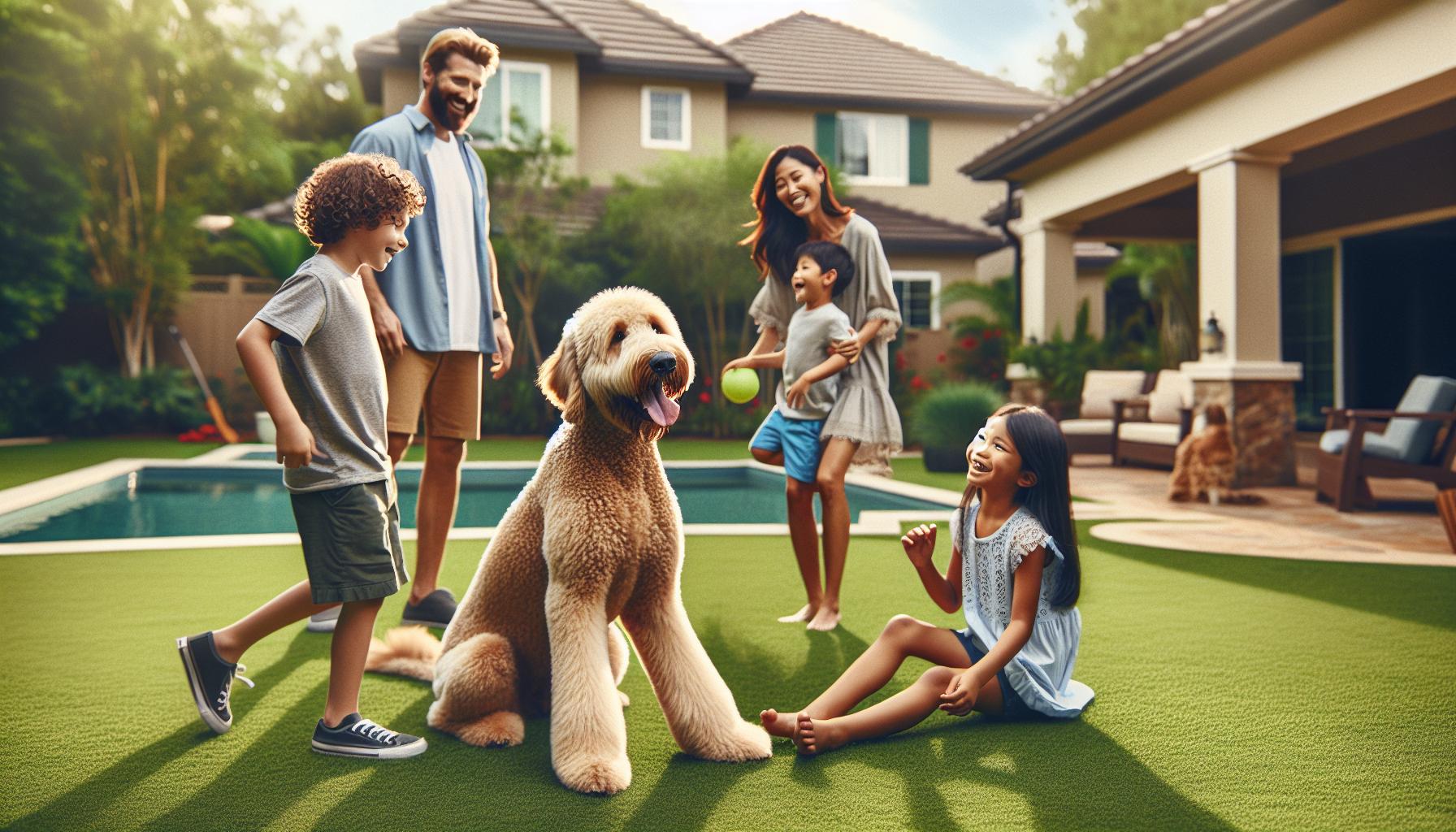
F1B Labradoodles stand out as delightful companions, blending the best traits of both Poodles and Labradors. One of the primary benefits of an F1B Labradoodle is their coat, which tends to be more curly and low-shedding than their F1 counterparts. This characteristic not only helps reduce allergens in the home but also makes them a great choice for families with members who have sensitivities to pet dander. Their coat’s structure typically results from backcrossing with a purebred Poodle, leading to the potential for a more consistent appearance and coat quality.
In addition to their hypoallergenic properties, F1B Labradoodles are renowned for their friendly and adaptable nature. They thrive in various living situations-from bustling households with children to quieter single-owner homes. These dogs are incredibly sociable and eager to please, making them easily trainable. Their intelligence allows them to excel in obedience training, agility, and even therapy work, providing companionship and support to individuals in need.
- Active Companions: F1B Labradoodles love physical activity and mental stimulation, making them great partners for outdoor adventures, runs, and playtime in the park.
- Affectionate Nature: Known for their loving disposition, they often form strong bonds with their families, showering them with loyalty and affection.
- Versatile Temperament: Whether you have toddlers or seniors in the home, F1B Labradoodles are generally gentle and patient, adapting well to their family’s dynamics.
Choosing an F1B Labradoodle not only brings a playful and loving spirit into your home but also encourages an active lifestyle filled with joy and laughter. Their unique characteristics and gentle demeanor make them an excellent choice for anyone looking to enrich their lives with a furry friend.
Common Health Issues in Labradoodles: What to Watch For
Labradoodles, particularly F1B Labradoodles, are known for their charming personalities and hypoallergenic coats, but like all breeds, they can be predisposed to certain health issues. Understanding these potential conditions is crucial for providing optimal care and ensuring a long, happy life for your furry friend. Being proactive about health can make a big difference, especially with regular veterinary check-ups and preventive care.
Among the common health issues to watch for are hip dysplasia and allergies. Hip dysplasia is a genetic condition where the hip joint doesn’t fit into the hip socket properly, leading to arthritis and pain. Regular exercise and maintaining a healthy weight are vital to managing this condition. As for allergies, Labradoodles can experience food and environmental allergies. Symptoms may include skin irritations, itching, or gastrointestinal issues. Identifying and avoiding allergens, paired with vet-recommended diets or treatments, can greatly improve their quality of life.
Another health concern is epilepsy, which can manifest as seizures. While alarming, many dogs can manage this condition effectively with proper veterinary care and medication. It’s also important for owners to be observant; keeping a record of any episodes can aid veterinarians in diagnosis and treatment planning. Regular check-ups focused on detecting early signs of these issues will also help in managing your Labradoodle’s overall health.
Lastly, don’t overlook the significance of dental health, as dental disease is particularly common in this breed. Establishing a routine dental care regimen-such as brushing their teeth, providing dental chews, or scheduling professional cleanings-can prevent serious health problems down the line. By staying informed and attentive, you’ll not only enhance your Labradoodle’s life but also deepen the bond you share with your four-legged companion.
Grooming Needs for F1B Labradoodles: Tips and Tricks
Keeping F1B Labradoodles looking their best while maintaining their health can be a delightful journey for any dog owner. These charming dogs have a unique wavy or curly coat that can vary in texture, often requiring a thoughtful grooming routine. One of the hallmarks of their Poodle heritage is their hypoallergenic fur, which tends to trap dander and minimize shedding. However, this means they need regular grooming to prevent matting and to keep their skin healthy.
To ensure your F1B Labradoodle stays comfortable and stylish, it’s essential to establish a grooming schedule early on. Regular brushing, ideally two to three times per week, will help remove loose hair and prevent tangles. Opt for a slicker brush or a comb designed for curly coats, as these tools are effective in reaching the undercoat without causing discomfort. During shedding season, which typically occurs in spring and fall, you may want to increase your brushing frequency to daily sessions to manage the added fur.
Bathing and Coat Care
Bathing is another critical aspect of grooming. F1B Labradoodles generally require a bath every 4-6 weeks, although this can vary based on their activity level and how muddy or dirty they get. Use a gentle, dog-specific shampoo to protect their skin and coat from irritation. After bathing, consider applying a conditioner that matches your dog’s coat type, which can enhance the texture and shine while making detangling easier.
The Importance of Regular Trims
Regular trims are equally important for maintaining a manageable coat length and preventing mats. Depending on your dog’s activity level and coat type, a visit to a professional groomer every 6-8 weeks works wonders. If you prefer at-home grooming, invest in quality dog clippers or scissors, and learn the proper techniques to avoid cutting too close to the skin. It can be beneficial to watch videos or take a class on grooming techniques tailored specifically for Labradoodles.
By integrating these grooming practices into your routine, you’ll not only keep your F1B Labradoodle looking fabulous but also build trust and comfort in the grooming process. Remember, grooming can be a bonding experience, filled with snuggles and treats, making it a rewarding task for both you and your furry friend.
Training Your F1B Labradoodle: Best Practices for Success
Training your F1B Labradoodle can be one of the most rewarding experiences, establishing a lifelong bond between you and your furry companion. These intelligent, eager-to-please dogs, a mix of an F1 Labradoodle and a Poodle, are known for their exceptional trainability and adaptability. Early and consistent training sets them up for success, making it crucial to start as soon as you bring your new friend home.
One effective approach to training is positive reinforcement, which encourages desired behaviors through rewards. Whether it’s a treat, verbal praise, or extra playtime, rewarding your F1B Labradoodle when they comply with commands helps reinforce those behaviors. Consider using short, fun training sessions, about 5-10 minutes a few times a day, as Labradoodles can get bored easily. Making training a game can stimulate their minds and keeps them engaged.
Socialization is key for a well-rounded dog, especially for F1B Labradoodles, who may inherit a strong Poodle disposition. Exposing them to various environments, people, and other animals in their early months helps them learn how to interact appropriately and builds their confidence. Organizing playdates or attending puppy classes can be great ways to facilitate this process, ensuring your pup becomes a friendly and adaptable adult dog.
Additionally, consistency in commands and training techniques is vital. Using the same words and cues while training helps your Labradoodle understand what you expect of them. For example, always using “sit” instead of switching it up with “down” can confuse them. Implementing a structured schedule that combines playtime, training, and quiet time will create a balanced routine that helps your F1B Labradoodle thrive.
If challenges arise, remember that patience is essential. Every dog learns at their own pace, and reinforcing their accomplishments, no matter how small, fosters a positive experience. Celebrate their achievements to build their confidence and strengthen your bond as a team, navigating the journey of training together with joy and enthusiasm.
Lifespan and Care Requirements of F1B Labradoodles
The lifespan of an F1B Labradoodle typically ranges between 12 to 14 years, a testament to their robust health and genetic advantages inherited from both the Poodle and Labrador Retriever sides. However, like all breeds, ensuring a long, healthy life for your furry friend requires attentive care and good practices. Regular veterinary check-ups, a balanced diet, and exercise are foundational aspects that can significantly impact your Labradoodle’s lifespan and quality of life.
To start with, feeding your F1B Labradoodle a high-quality, well-balanced diet is crucial. This should include proteins, fats, and carbohydrates sourced from reputable brands that cater specifically to their size and activity level. Overfeeding can lead to obesity, a common issue in Labradoodles due to their appetite and sometimes sedentary behavior. Keeping an eye on their weight and adjusting their food intake as necessary will help in maintaining their overall health.
Another essential care requirement involves regular exercise to keep them active and mentally stimulated. Labradoodles are energetic and playful, often requiring at least 30 to 60 minutes of physical activity each day. This can include walks, play sessions in the garden, or fun games that also challenge their intelligence, like hide and seek with their favorite toys or puzzle feeders. Combining physical and mental exercise will not only keep your F1B Labradoodle fit but also help prevent behavioral issues stemming from boredom or excess energy.
In terms of grooming, F1B Labradoodles may have coats that range from wavy to curly, which typically require regular maintenance to keep them healthy and free from mats. Brushing at least three times a week and scheduling professional grooming sessions every few months can manage their coat effectively. Regular cleaning of their ears, trimming their nails, and dental care should also be integral to your grooming routine.
By integrating these care practices into your routine, you can help ensure that your F1B Labradoodle not only thrives but also enjoys a fulfilling and active life by your side. Emphasizing both physical and emotional well-being will foster a strong bond between you and your furry companion as you share a joyful journey together.
Finding a Reputable F1B Labradoodle Breeder
Finding the right breeder can be a daunting yet crucial step in welcoming an F1B Labradoodle into your home. Not only do you want a healthy, well-adjusted puppy, but you also want to ensure that you are supporting ethical breeding practices. A reputable breeder operates transparently, prioritizes the health of their dogs, and is genuinely passionate about their breed. Here are key elements to consider when searching for a trustworthy F1B Labradoodle breeder.
Start by conducting thorough research. Look for breeders who are recognized by reputable national or breed-specific organizations. Their familiarity with the Labrador and Poodle temperaments and genetic backgrounds significantly influences the quality of your future puppy. Reading online reviews and testimonials from other puppy owners can provide insight into the breeder’s practices and the experiences of previous buyers. Engaging in forums or social media groups dedicated to Labradoodles may also yield valuable recommendations.
When you have compiled a list of potential breeders, reach out to them. A responsible breeder will be more than happy to answer questions and provide plenty of information about their breeding practices. Consider asking about the health testing of the parent dogs for common genetic disorders, socialization processes for the puppies, and whether they offer a health guarantee. They should be willing to allow you a visit to meet the puppies and their parents, which is a great way to gauge the environment in which the puppies are raised.
Next, observe the puppies and their living conditions. Healthy puppies exhibit playful and curious behavior, and their environment should be clean, safe, and stimulating. A breeder committed to socialization will encourage interaction with diverse experiences, including other dogs and different people, which is vital for developing a well-rounded temperament. Additionally, a new puppy should already have started basic training, which reflects positively on the breeder’s commitment to nurturing responsible pet ownership.
Lastly, never rush the process. Take your time in selecting a breeder who aligns with your values and needs. Your patience will pay off when you bring home a puppy that comes from a well-thought-out breeding program, resulting in a loving companion who fits seamlessly into your life. By prioritizing responsible breeding practices, you ensure that your new furry friend is not only healthy but also a joyous addition to your family.
How to Prepare Your Home for an F1B Labradoodle
Welcoming an F1B Labradoodle into your home is an exciting time filled with joy and new responsibilities. These intelligent, playful companions thrive in an environment that’s both stimulating and safe. Preparing your home for their arrival will set the stage for a smooth transition and help ensure your puppy feels comfortable and secure in their new surroundings.
Begin by creating a defined space for your new furry friend. Consider setting up a designated area with a cozy bed, toys, food and water bowls, and perhaps even a crate for crate training and safety. This little corner should be in a quiet part of your home, away from heavy foot traffic and loud noises, where your Labradoodle can relax and feel safe. Puppies love to explore, so childproofing your space will be essential. Remove any hazardous items like electrical cords, toxic plants, and small objects they might swallow. Gate off staircases or rooms that could pose a hazard to curious little paws.
Next, think about the various needs of an energetic breed like the Labradoodle. Regular exercise is crucial to their health and happiness, so plan for areas where they can play and explore safely. If you have a yard, secure it with a proper fence to prevent any adventurous escapes. If you’re in an apartment, identify nearby parks where you can take your pup for daily walks. Along with physical activity, providing mental stimulation is vital. Introduce a variety of toys that challenge their minds, such as puzzle toys or interactive treats, to keep them engaged.
Lastly, establishing a routine early on will contribute significantly to your F1B Labradoodle’s confidence and understanding of their new environment. Consistency is key-set regular feeding, walking, and playtime schedules, which will help your puppy settle in and adapt more quickly. Using positive reinforcement and being patient during this adjustment period will set the tone for a loving and trusting relationship between you and your new companion.
Preparing your home thoughtfully will make both you and your new F1B Labradoodle feel ready to embark on this beautiful journey together, filled with love, companionship, and plenty of delightful moments.
Real Life Stories: F1B Labradoodle Owners Share Their Experience
F1B Labradoodles have become cherished family members for many dog lovers, thanks to their friendly demeanor and hypoallergenic qualities. Their unique history as a cross between an F1 Labradoodle and a purebred Poodle gives them a distinctive charm that resonates well with owners who share their stories. One owner, Jamie, recounts how her F1B named Max transformed their family life. “He’s not just a dog; he’s a companion who senses when I’m feeling down and is always there to nuzzle me back to happiness. His playful nature and intelligence make every day feel special.”
Another owner, Kevin, emphasizes the benefits of training an F1B. “Max is incredibly smart; he learned to fetch the newspaper within a week. We took him through basic obedience classes that not only taught him commands but also strengthened our bond. The experience was as valuable for me as it was for him. I can’t stress enough how training ignited his lovable and loyal personality!”
For new potential owners, it’s helpful to hear a variety of experiences as they consider adding an F1B Labradoodle to their family. Sarah shares her insights on grooming, a necessary part of ownership. “I’ll admit, I was overwhelmed at first by Max’s grooming needs. He needed regular brushing to keep his coat healthy and reduce shedding. Once I settled into a routine, it became a bonding time for us – he loved the attention! I even created a fun playlist to make the chore enjoyable for both.”
The delightful unpredictability of F1B Labradoodles shines through in these personal tales. Many owners report that their F1B demonstrates unique quirks and habits that make their lives richer. For instance, Lily shared how her dog, Bella, developed a love for water. “Every summer, Bella jumps into every body of water she finds! It’s as if she believes she’s part mermaid.” This playful attitude, combined with their loving nature, helps foster a deep connection that makes the challenges of dog ownership worthwhile.
These stories highlight not just the joy of sharing life with an F1B Labradoodle, but also the responsibility that comes with it. As you prepare to welcome one into your home, remember these tales to set your expectations and embrace the delightful journey ahead filled with love, laughter, and lots of cuddles.
FAQ
Q: What is an F1B Labradoodle?
A: An F1B Labradoodle is a first-generation backcross, created by breeding an F1 Labradoodle with a purebred Poodle. This generation often exhibits more consistent traits, particularly concerning coat type and shedding, making them popular for families with allergies [1].
Q: How are F1B Labradoodles different from F1 Labradoodles?
A: F1 Labradoodles are a mix of a Labrador Retriever and a Poodle, while F1B Labradoodles are bred by crossing an F1 with a purebred Poodle. This results in F1B Labradoodles often having a curlier, low-shedding coat compared to their F1 counterparts, making them more suitable for allergy sufferers [2].
Q: What coats can I expect from an F1B Labradoodle?
A: F1B Labradoodles typically exhibit low-shedding coats, which may range from wavy to curly. Some may have a soft fleece or wool-like texture, providing excellent options for families concerned about pet hair [3].
Q: Are F1B Labradoodles easier to train?
A: Generally, F1B Labradoodles are known for their intelligence and eagerness to please, traits inherited from both Poodles and Labradors. This often makes them relatively easy to train, provided you use positive reinforcement techniques.
Q: What is the lifespan of an F1B Labradoodle?
A: The typical lifespan of an F1B Labradoodle ranges from 12 to 14 years, depending on their health and genetics. Providing a balanced diet, regular veterinary care, and exercise can help ensure they live a longer, healthier life.
Q: What health issues are common in F1B Labradoodles?
A: F1B Labradoodles can be prone to some genetic health issues such as hip dysplasia, eye disorders, and skin allergies. Regular vet check-ups and health screenings are essential to catch potential issues early [2].
Q: How do I groom an F1B Labradoodle?
A: Grooming an F1B Labradoodle typically involves brushing their coat several times a week to prevent matting. Regular baths, nail trimming, and ear cleaning are also important. A professional groomer can help with specific styles if desired.
Q: Where can I find a reputable F1B Labradoodle breeder?
A: To find a reputable F1B Labradoodle breeder, look for breeders who follow ethical breeding practices and provide health clearances for their breeding dogs. Online forums, community groups, and local breed clubs can also offer recommendations. Always visit the breeder’s facility if possible.
Concluding Remarks
Understanding the F1B Labradoodle generation is crucial for deciding if this wonderful hybrid breed is right for you. With their unique mix of friendliness, intelligence, and hypoallergenic traits, F1B Labradoodles can be exceptional companions. Don’t forget, each generation has its quirks-learn how these characteristics can impact your training and care routine! If you’re pondering which Labradoodle generation suits your lifestyle best, check out our in-depth guides on Labradoodle Growth Stages and Common Labradoodle Health Concerns.
Ready to take the next step? Subscribe to our newsletter for expert tips on training, grooming, and raising your Labradoodle! And if you have any questions or want to share your journey, drop a comment below-let’s connect! Explore our site for more insights and resources, and remember, embracing the Labradoodle lifestyle starts with understanding their needs and unique traits. Join our community for support and ongoing learning!