
Are you curious about the delightful F1B Labradoodle? This charming breed, a cross between a Labradoodle and a Poodle, often boasts the best traits of both parents-intelligence, playfulness, and hypoallergenic coats. Understanding the F1B generation is crucial for potential owners, as it influences their health, temperament, and care needs. As you consider adding this lovable companion to your family, you may have questions about their specific characteristics, training requirements, and grooming routines. This guide will provide a comprehensive look at the F1B Labradoodle, helping you make informed decisions and ensuring that your journey with this affectionate breed is as rewarding as possible. Let’s dive in and uncover what makes the F1B Labradoodle such a special addition to households everywhere!
What Is an F1B Labradoodle?
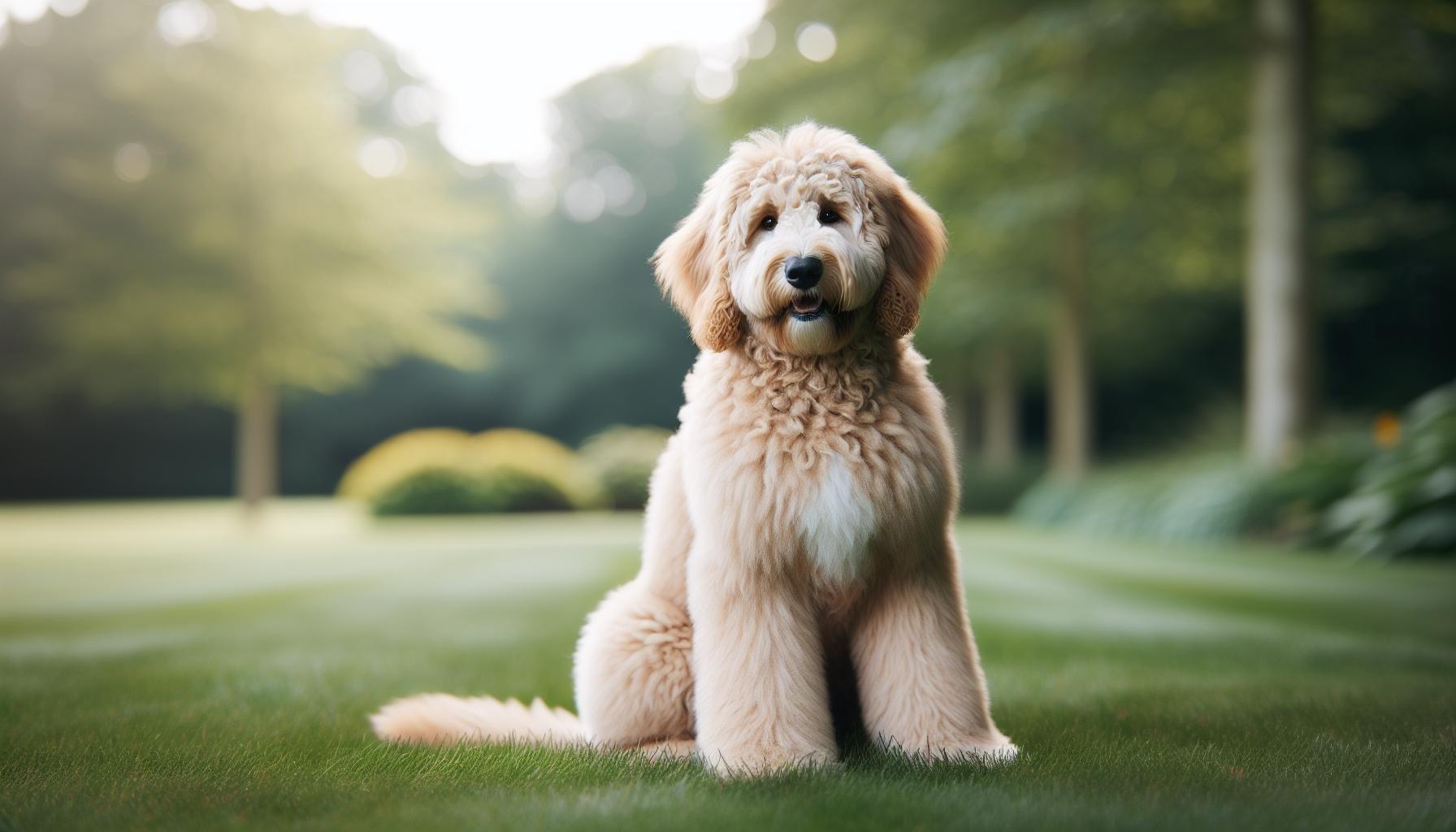
An F1B Labradoodle is a fascinating blend that captures the best traits of two popular breeds: the Labrador Retriever and the Poodle. Specifically, an F1B Labradoodle is the result of breeding an F1 Labradoodle (which is a first-generation cross between a Labrador and a Poodle) back to a purebred Poodle. This unique combination often results in a dog that possesses the desirable qualities of both parent breeds while also inheriting a more predictable coat type and temperament.
One of the standout features of F1B Labradoodles is their wavy to curly coat, which typically sheds less than that of their F1 counterparts. This makes them a popular choice for allergy sufferers. They often come in a variety of colors, including cream, chocolate, black, and apricot, adding to their appeal. It’s essential to note that their coat type and quality can vary widely depending on genetic inheritance, with some puppies exhibiting more of the Poodle’s hypoallergenic traits and others leaning toward the Lab’s fur characteristics.
When considering the F1B Labradoodle, it’s crucial to recognize that their lineage gives them a unique combination of the intelligence and trainability of the Poodle, along with the friendly and outgoing nature of the Labrador. This hybrid vigor often results in dogs that are not only highly social but also eager to please, making them excellent companions for families and singles alike. However, prospective owners should be prepared for a commitment to training and socialization, as these smart pups need mental stimulation and physical activity to thrive.
In summary, F1B Labradoodles offer a delightful mix of beloved traits from both the Poodle and Labrador breeds. Their adaptability, coupled with their charming personalities and striking appearance, makes them a fantastic addition to many households. Whether you’re looking for a playful family dog or a loyal companion, understanding the essentials of the F1B Labradoodle will help you make an informed decision.
Understanding Labradoodle Generations
Understanding the generational classifications of Labradoodles is key to appreciating the diversity and attributes of this beloved hybrid breed. Labradoodles come in various generations, each defined by the breeding practices between Poodles and Labradors. Starting with the F1 generation, which is the first cross between a purebred Labrador Retriever and a purebred Poodle, this combination yields pups with a blend of characteristics from both parent breeds.
As we move to the F1B generation, we see a distinct shift. An F1B Labradoodle results from breeding an F1 Labradoodle back to a purebred Poodle. This cross not only enhances the Poodle traits but often results in increased predictability regarding coat type and temperament. For example, F1B Labradoodles usually have a curlier, wavier coat, which is beneficial for those sensitive to dog allergens. The coat can also vary in regard to shedding, with many finding that F1B Labradoodles are lower shedders compared to their F1 counterparts.
In addition to F1 and F1B, other generations include the F2 generation, which is a cross between two F1 Labradoodles, and subsequent generations like F2B and F3, which can introduce a mix of traits and coat types. Understanding these differences is essential for prospective owners, as each generation can exhibit varying levels of energy, intelligence, and sociability. Your choice of which generation resonates best with your lifestyle will ultimately influence the success of your relationship with your new furry friend.
When choosing a Labradoodle, it’s crucial to not only consider what you desire in terms of physical appearance and hypoallergenic characteristics but also the personality traits linked to different generations. Knowing these differences helps make an informed decision tailored to your family’s dynamics, activity level, and living situation.
Characteristics of F1B Labradoodles
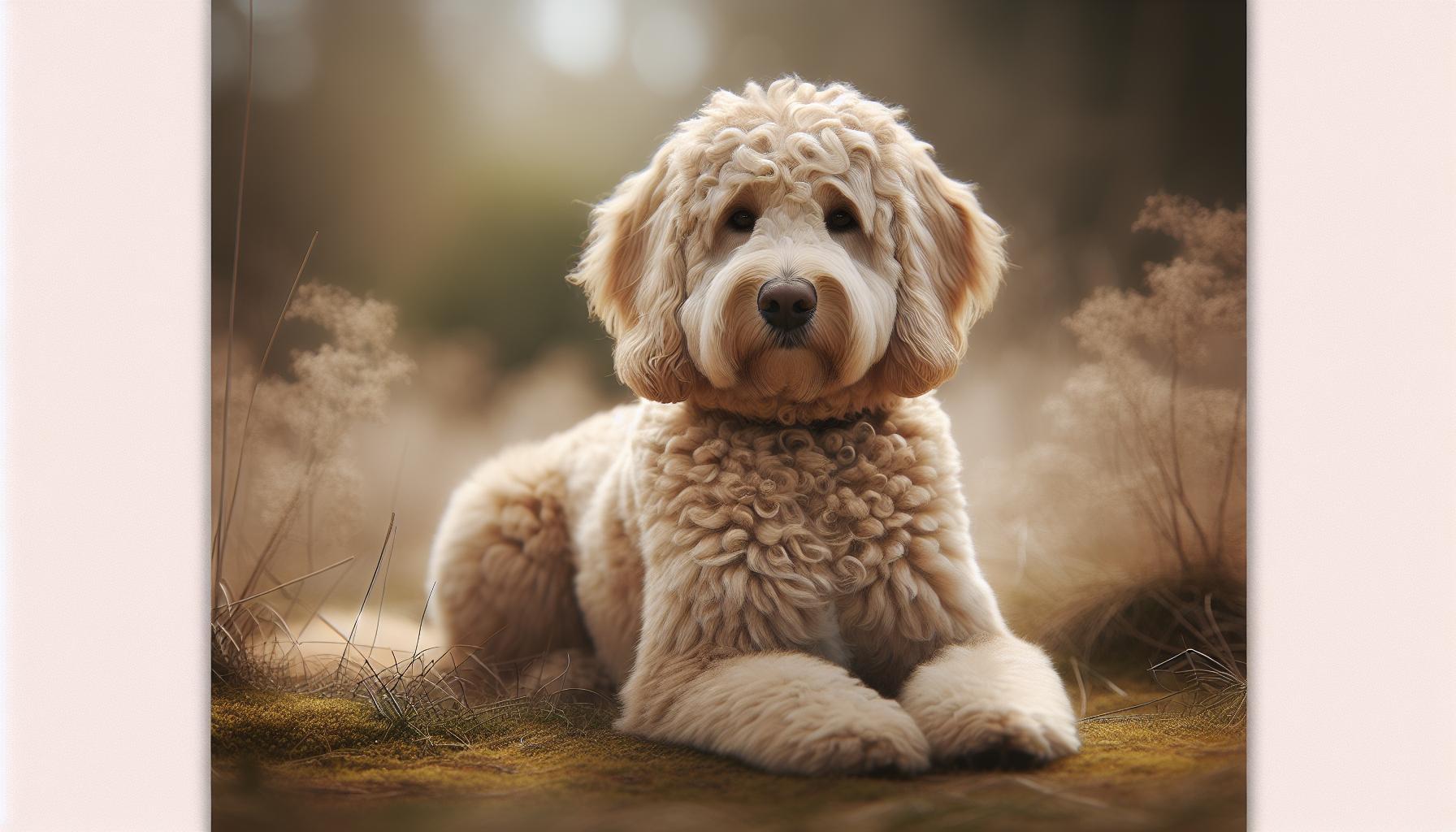
The F1B Labradoodle is a delightful hybrid that brings together the best characteristics of both the Poodle and the Labrador Retriever. These dogs are the result of breeding an F1 Labradoodle (a first-generation cross of a Poodle and a Labrador) back to a purebred Poodle. This breeding choice enhances certain traits, making F1B Labradoodles a popular choice among dog lovers, especially those looking for a hypoallergenic companion.
One of the standout features of F1B Labradoodles is their coat. Generally, they boast a curlier, wavier texture compared to their F1 counterparts. This coat not only provides a beautiful appearance but often means decreased shedding, which can be a big advantage for allergy sufferers. It’s a common misconception that all Labradoodles shed significantly; however, many owners find that F1B Labradoodles tend to shed less, making them easier to manage in homes sensitive to pet hair.
In terms of size, F1B Labradoodles can vary, often mirroring the size of their Poodle parent, which can range from miniature to standard. This variation provides potential owners with options based on their living space and lifestyle. Additionally, F1B Labradoodles are known for their friendly and intelligent nature, inheriting a balanced temperament from both parent breeds. They typically possess an eagerness to please, which can make training a rewarding experience for both the dog and the owner.
When considering an F1B Labradoodle, it’s vital to understand their need for socialization and mental stimulation. These dogs thrive in environments where they can engage with their families, take part in activities, and enjoy regular exercise. Establishing routines early on will help you forge a strong bond with your F1B Labradoodle, setting the stage for a happy and fulfilling companionship.
How F1B Labradoodles Differ from Other Generations
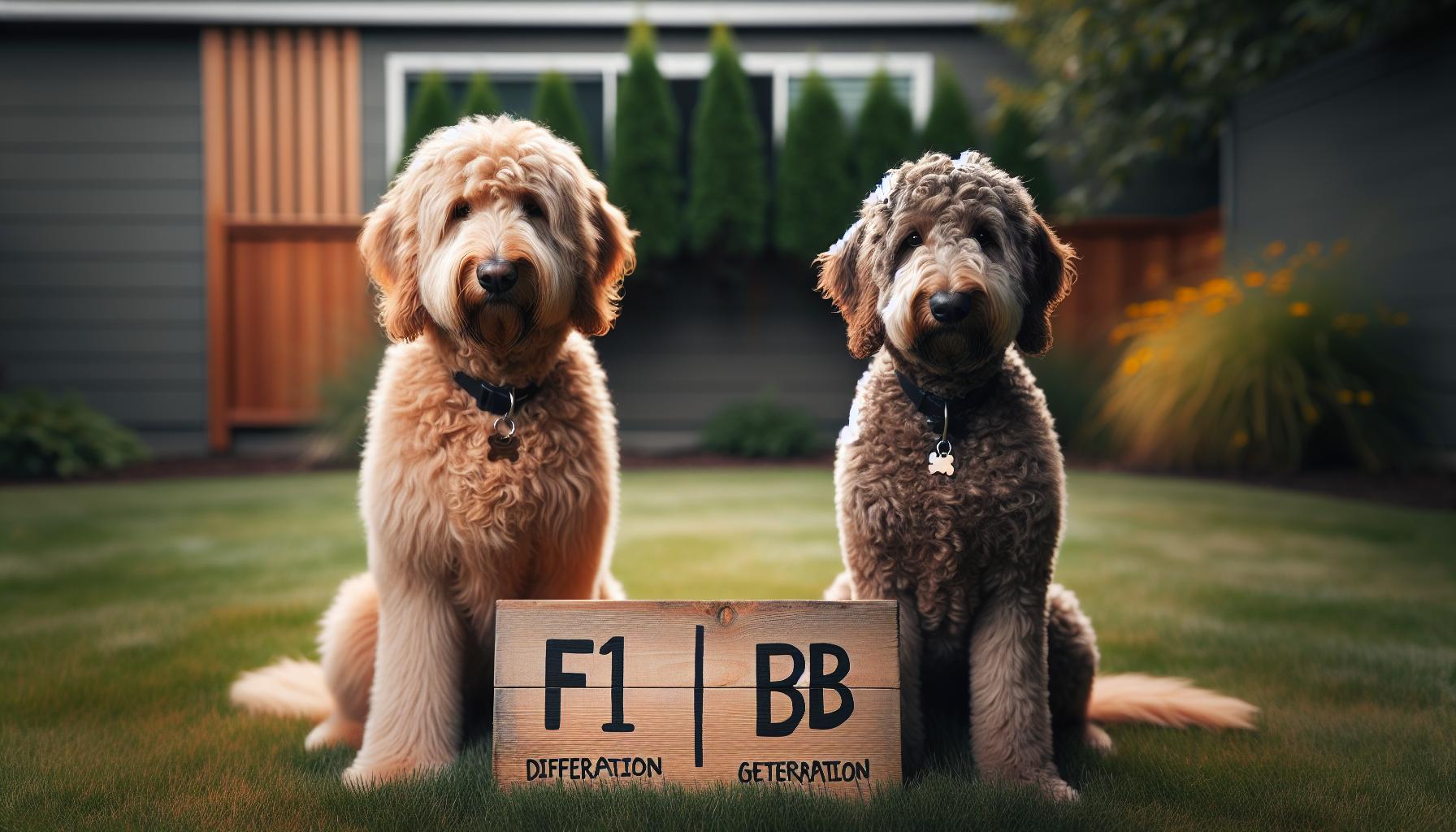
F1B Labradoodles stand out in the Labradoodle lineage due to their unique combination of traits inherited from their Poodle and Labrador parents. Unlike F1 Labradoodles, which are a first-generation mix of both breeds, F1B Labradoodles are bred by crossing an F1 Labradoodle back with a purebred Poodle. This breeding strategy enhances specific characteristics, making F1B Labradoodles particularly desirable for many aspiring dog owners.
One of the most notable differences between F1B Labradoodles and their F1 counterparts is the coat type. F1B Labradoodles typically possess a curlier and denser fur, similar to that of the Poodle, which can significantly decrease shedding. This trait is a key advantage for allergy sufferers or those looking to minimize pet hair in their homes. Conversely, F1 Labradoodles often have wavy coats that may shed more, reflecting their mixed lineage.
In terms of temperament, both F1 and F1B generations exhibit friendly and intelligent behavior, although F1B Labradoodles might display slightly more consistent traits owing to their Poodle lineage. They often show greater ease in training due to their inherent eagerness to please-an attribute particularly prevalent in Poodles. F1B Labradoodles may also have a calmer demeanor, making them excellent companions for families and individuals who appreciate a more stable, predictable dog personality.
When it comes to health considerations, F1B Labradoodles may have fewer genetic health issues than F1 Labradoodles when selectively bred from healthy parents. This hybrid is less likely to inherit the direct health risks associated with purebred Labradors, giving potential owners peace of mind when choosing an F1B Labradoodle over other generations. Understanding these differences can assist potential owners in selecting the right Labradoodle generation that best fits their lifestyle and requirements.
Temperament and Personality Traits of F1B Labradoodles
F1B Labradoodles are not just adorable companions; they embody a delightful fusion of temperament and personality traits inherited from their parent breeds. Positioned between the loving Labrador Retriever and the intelligent Poodle, F1B Labradoodles typically display a warm, friendly disposition that makes them exceptional family pets. Their sociable nature shines in settings where they interact with children and other pets, showcasing their inherent playfulness. Many owners rave about how quickly they adapt to home environments, often forming strong bonds with family members almost immediately.
These dogs are known for their high intelligence, a trait heightened by their Poodle lineage. This intelligence often manifests in an eagerness to learn and please, making F1B Labradoodles relatively easy to train. They respond well to positive reinforcement techniques, which can significantly enhance their learning experience. Engaging them in training sessions not only stimulates their minds but also strengthens the bond between dog and owner. Regular mental challenges, such as puzzle toys or new obedience commands, can keep them mentally sharp and satisfied.
Another key characteristic of F1B Labradoodles is their adaptability. They tend to thrive in various living conditions, whether in apartments or larger homes with yards, provided they receive adequate exercise and mental stimulation. This versatility makes them suitable for different lifestyles, from active individuals who love outdoor adventures to families seeking a relaxed companion. Their generally stable demeanor often leans towards a calm and loving presence, ensuring they fit seamlessly into diverse household dynamics.
However, it’s important to recognize that each dog is unique. The blend of genetic traits can vary, so while many F1B Labradoodles exhibit these loving and trainable qualities, it’s essential for potential owners to meet the individual dog and observe its personality before making a commitment. Ensuring that a F1B Labradoodle resonates with your family dynamics and lifestyle is key to fostering a harmonious and fulfilling relationship.
Health Considerations for F1B Labradoodles
While F1B Labradoodles are often celebrated for their endearing personalities and hypoallergenic coats, it’s crucial for potential and current owners to be aware of their health considerations to ensure a long, happy life together. Just like any mixed-breed dog, F1B Labradoodles can inherit health issues from either of their parent breeds-the Labrador Retriever and the Poodle. By staying informed and proactive, you can significantly reduce the risk of health complications.
One of the most common concerns for F1B Labradoodles is hip and elbow dysplasia. This genetic condition affects the joints and can lead to pain and mobility issues as dogs age. Regular veterinary check-ups that include orthopedic assessments can help catch early signs of dysplasia. To promote healthy joint development and maintenance, maintain a well-balanced diet and appropriate weight.
Additionally, F1B Labradoodles may be prone to certain eye conditions, such as progressive retinal atrophy and cataracts, particularly due to their Poodle lineage. Regular eye examinations by a veterinarian can ensure any potential issues are identified early. It’s also important to keep their eyes clean and free from irritation, which can prevent other complications.
In terms of skin health, F1B Labradoodles, while often having a low-shedding coat, can still face issues such as allergies or skin infections. Regular grooming and bathing not only keep their coat in good condition but also help you monitor for any signs of irritation or unusual changes. If you notice excessive scratching, redness, or hair loss, consult your veterinarian promptly to determine if allergies may be at play.
Finally, staying vigilant about vaccinations and preventive care-including flea and tick prevention and heartworm medication-is essential. This routine not only protects your F1B Labradoodle from common parasites and diseases but also contributes to their overall health and longevity. By taking these proactive measures, you can help ensure your F1B Labradoodle enjoys a vibrant and healthy life by your side.
Grooming Tips for Your F1B Labradoodle
To keep your F1B Labradoodle looking and feeling their best, establishing a solid grooming routine is key. These adorable dogs, thanks to their Poodle heritage, often sport a wonderful coat that can become tangled and mat if not cared for properly. Regular grooming not only maintains their charming appearance but also contributes significantly to their overall health and well-being.
Start with brushing your F1B Labradoodle several times a week, or ideally, daily. This helps to prevent matting and reduces shedding, making for a happier pup and a cleaner home. A slicker brush or a comb designed for long-haired dogs works beautifully for their wavy or curly fur. When brushing, pay special attention to areas like the ears, underbelly, and behind the legs, where tangles tend to form more easily. A thorough brush-through can also be a great opportunity for bonding with your furry friend.
Bathing should be done every four to six weeks, depending on your dog’s activity level and coat condition. Using a high-quality dog shampoo will keep their skin healthy and ensure the coat remains shiny and well-moisturized. Remember to rinse thoroughly to avoid any product buildup, which can lead to skin irritation. After bathing, a conditioning spray can help maintain the coat’s softness and manageability.
Trimming is another important aspect of grooming. Regularly check their paws, particularly the fur between the pads, as it can more easily trap dirt and debris. Some owners choose to take their Labradoodles to professional groomers for a more polished look, but learning how to trim their coat can be rewarding and saves money in the long run. If you decide to tackle this yourself, invest in good-quality grooming scissors and a clipper designed for dogs.
Lastly, don’t forget about their ears, nails, and teeth! Clean your Labradoodle’s ears weekly to prevent infections, and keep their nails trimmed to avoid discomfort while walking. Regular dental care is equally vital, so consider incorporating tooth brushing into your routine or offering dental chews approved by your veterinarian.
With these grooming tips in mind, caring for your F1B Labradoodle will be manageable and enjoyable. A well-groomed dog is not only a happy dog but also a healthy companion by your side!
Exercise Needs and Activity Level of F1B Labradoodles
F1B Labradoodles, a delightful cross between an F1 Labradoodle and a purebred Poodle, are known for their high energy levels and playful nature. This hybrid breed thrives on physical activity and mental stimulation, making it essential for owners to understand and meet their exercise needs. On average, an F1B Labradoodle will require about 60 to 90 minutes of exercise each day, which can come in various forms to keep them both fit and happy.
Exercise Activities
One of the best ways to ensure your F1B Labradoodle remains active is by incorporating a mix of walks, playtime, and interactive games into their daily routine:
- Daily Walks: Taking your dog for walks not only helps with their physical health but also provides essential mental stimulation through new sights and smells. Aim for at least one brisk walk in the morning and another in the evening.
- Fetch and Frisbee: Labradoodles love to chase, so games like fetch or frisbee are not just wonderfully fun but also an effective way to burn off energy. Make sure to take advantage of a local park or a backyard to let them run freely.
- Agility Training: Setting up a simple agility course can be an engaging way to combine training with exercise. Encourage them to jump over small hurdles, weave between cones, or crawl through tunnels.
- Social Playdates: Many Labradoodles benefit from socializing with other dogs. Scheduled playdates offer them a chance to run, jump, and play in a safe environment, which is key to their emotional well-being.
Mental Stimulation
In addition to physical exercise, F1B Labradoodles require mental challenges to prevent boredom and undesirable behaviors. Activities like puzzle toys, obedience training sessions, or scent work not only engage their intelligent minds but also strengthen the bond between you and your dog. Consider incorporating at least a few 10-15 minute training sessions into their day, focusing on tricks, commands, or even practice agility skills.
Remember, a tired dog is a happy dog! Keeping your F1B Labradoodle active and mentally stimulated will help them thrive and become a well-rounded companion. By meeting their exercise needs, you’ll not only ensure their happiness but also promote a healthy lifestyle that can lead to a longer, fulfilling life together.
Training Approaches for F1B Labradoodles
Training a F1B Labradoodle can be a rewarding experience, as these dogs are intelligent, eager to please, and highly motivated by praise and treats. Understanding the best training approaches for this energetic breed can set the foundation for a well-behaved companion. Positive reinforcement is the most effective method for training Labradoodles. This approach encourages good behavior and strengthens the bond between dog and owner. Every time your dog follows a command or behaves well, offer a treat, praise, or playtime as a reward. This not only motivates them but also makes learning a fun and enjoyable experience.
Incorporating a variety of training techniques will keep your F1B Labradoodle engaged. Consider using clicker training, which involves marking desired behaviors with a click sound followed by a reward. This technique helps clarify what you’re rewarding, speeding up the learning process. Short training sessions of 5-10 minutes are ideal, especially since Labradoodles can easily lose focus. Repeating commands in these brief sessions will reinforce their learning without overwhelming them. Incorporate basic commands first, like “sit” and “stay,” before progressing to more complex tricks like “roll over” or “play dead.”
Socialization is another critical aspect of training for F1B Labradoodles. Exposing them to new environments, people, and other animals helps them develop into well-rounded adults. Organized puppy classes or dog parks can offer great opportunities for socialization while also reinforcing the training skills they learn at home. Moreover, consider including regular outings in your training routine, as these experiences enhance their confidence and reduce the likelihood of behavioral issues like fear or aggression.
Lastly, consistency is key. Be sure to use the same commands and cues each time, and involve all family members in the training process to maintain a unified approach. A well-trained F1B Labradoodle is not just about obedience; it’s about creating a lifelong partnership built on trust, understanding, and fun. By investing time and energy into their training, you will not only cultivate good behavior but also enjoy deeper companionship with your furry friend.
Choosing the Right F1B Labradoodle for You
Choosing the right F1B Labradoodle can feel like a significant decision, similar to selecting a family member. These delightful dogs, a cross between an F1 Labradoodle (a mix of Labrador Retriever and Poodle) and a purebred Poodle, often inherit a striking blend of their parents’ positive traits: intelligence, friendliness, and a low-shedding coat. Here are some essential considerations to ensure you select the perfect companion for your lifestyle.
Start by assessing your activity level and living situation. F1B Labradoodles are known for their energetic nature and love for play. They thrive in environments where they can run, fetch, and explore. If you’re an active individual or family who enjoys outdoor activities, this breed might be a perfect match. However, if you lead a more sedentary lifestyle, ensure you’re ready to commit to daily walks and playtime. It’s essential that you can meet their exercise needs to prevent boredom and associated behavioral issues.
Another critical factor is temperament. F1B Labradoodles are generally sociable and friendly, but this can vary by individual, much like any other breed. Spend time interacting with potential puppies and their parents. A reputable breeder should allow you to see both the puppies and the parent dogs so you can gauge their personalities. Look for puppies that demonstrate curiosity, playfulness, and healthy interactions with their littermates. This early socialization is crucial for developing a well-adjusted dog.
Additionally, consider the puppy’s coat type. F1B Labradoodles are known for their curly, hypoallergenic coats, but variations may occur, resulting in wavy or straight fur. If allergies are a concern, try to evaluate how similar the pups’ coats are to their Poodle ancestors. Discuss coat care with the breeder, as grooming needs can become quite involved, including regular brushing and occasional professional groomer visits.
Lastly, familiarize yourself with the responsibilities of dog ownership and consider adopting an F1B Labradoodle from a rescue. Many wonderful dogs are in need of homes, and adopting can be a rewarding experience. Regardless of where you get your Labradoodle, ensure you’re ready for the commitment of training, exercising, and nurturing a loving, lifelong companion. By taking the time to evaluate your needs and the needs of the puppy, you’ll foster a rewarding relationship that brings joy to both you and your furry friend for years to come.
F1B Labradoodle Lifespan and Aging Care
As an F1B Labradoodle matures, understanding their lifespan and the special care they require during their golden years becomes crucial for providing a healthy and happy life. Generally, these lovely mixed-breed dogs enjoy a lifespan of 12 to 14 years, although individual longevity can be influenced by their genetics, diet, exercise, and routine veterinary care. Like any canine companion, they thrive on the love and attention of their owners, but as they age, their needs will evolve, necessitating a proactive approach to their health and well-being.
Aging F1B Labradoodles may experience various health concerns, so regular veterinary check-ups become increasingly important. Routine blood work, dental cleanings, and vaccinations help catch any potential issues early. Keep an eye out for common signs of aging, such as decreased energy, stiffness in movement, or changes in appetite. Noticing subtle shifts can make a significant difference in how quickly you address any health concerns. Additionally, while you might still see your furry friend with a playful spirit, their exercise needs will likely change. Consider adapting their routine with gentler, shorter walks and low-impact activities to keep them active without overexerting them.
Nutrition plays a vital role in maintaining a healthy weight and providing the necessary nutrients during their senior years. Look for high-quality dog food formulated for older dogs, which usually has fewer calories and additional supplements for joint health. Transitioning to smaller, more frequent meals can also help ease digestive issues as they age. Ensuring access to fresh water at all times can also support their overall health.
Grooming remains essential throughout their life and can become an enjoyable bonding experience as they age. Regular brushing will not only help manage their coat but also serve as an excellent opportunity to check for lumps, bumps, or skin issues. Plus, regular grooming sessions can be soothing and help maintain the quality of their hypoallergenic fur. Lastly, consider investing in non-slip mats around your home to prevent slips and falls, as older dogs may become more prone to such accidents.
As they enter this new stage of life, patience and understanding are key. Spend quality time with your F1B Labradoodle, adapting to their changing needs while cherishing their companionship. These delightful dogs have so much to give, and your support can make their aging journey as joyful and comfortable as possible.
Common Misconceptions About F1B Labradoodles
Many people have misconceptions about F1B Labradoodles, often leading to confusion on what to expect from this delightful breed. One common belief is that all Labradoodles are hypoallergenic. While F1B Labradoodles-who are a cross between an F1 Labradoodle and a Poodle-are more likely to inherit the non-shedding trait, it’s important to note that no dog is entirely hypoallergenic. They still produce dander and saliva, which can trigger allergies in sensitive individuals.
Another misunderstanding surrounds their temperament. Many assume that because Labradoodles are known for their friendly nature, all F1B Labradoodles will display the same traits. However, personality can vary significantly based on genetics and early socialization experiences. While most F1B Labradoodles tend to be social and friendly, some may inherit shyer traits or be more reserved, particularly if they are more closely related to the Poodle side. Comprehensive training and early exposure to various environments can help mitigate these characteristics, ensuring a well-adjusted pet.
People often think that choosing an F1B Labradoodle guarantees predictability in coat type and color. However, with any mixed breed, coat characteristics can vary widely. An F1B Labradoodle might have a curly, wavy, or even straight coat, depending on the genetic influence of its Poodle parent. This unpredictability can affect grooming needs, shedding levels, and even allergies. Prospective owners should prepare for regular grooming regardless of the coat type, as all F1B Labradoodles require maintenance to keep their coats healthy and mats at bay.
Lastly, there’s a myth that F1B Labradoodles are solely meant for families with children. While they are excellent companions for families, they also thrive in single-person households and with seniors. Their adaptable nature means they can fit into various living situations, as long as their exercise and socialization needs are met. Emphasizing the importance of an active lifestyle tailored to your F1B’s energy levels ensures a fulfilling life for both the dog and its owner.
By debunking these common misconceptions, you can better understand and appreciate the unique qualities of F1B Labradoodles, paving the way for a successful and loving relationship.
Q&A
Q: What is the difference between F1B and F1 Labradoodles?
A: An F1B Labradoodle is a crossbreed between an F1 Labradoodle and a purebred Poodle, resulting in a higher percentage of Poodle genetics. This often leads to a more predictable coat type and less shedding compared to F1 Labradoodles, which are a mix of a Labrador Retriever and a Poodle.
Q: Are F1B Labradoodles hypoallergenic?
A: While no dog is completely hypoallergenic, F1B Labradoodles are often considered more suitable for allergy sufferers due to their Poodle ancestry. They typically have a wavy or curly coat that traps dander and hair, reducing allergens in the environment.
Q: How much exercise does an F1B Labradoodle need?
A: F1B Labradoodles require at least 30 to 60 minutes of exercise daily. Activities like walks, playtime, and training sessions help channel their energy and maintain a healthy weight. Regular physical activity also supports their mental stimulation.
Q: What are common health issues in F1B Labradoodles?
A: Common health issues in F1B Labradoodles can include hip dysplasia, eye disorders, and allergies. Regular vet check-ups and a balanced diet can help monitor and mitigate these risks, ensuring a healthy life for your dog.
Q: How do I train an F1B Labradoodle?
A: Training an F1B Labradoodle involves positive reinforcement techniques such as treats and praise. Start with basic obedience commands like sit and stay, and gradually introduce more complex tasks. Consistency and patience are key for effective training.
Q: What should I feed my F1B Labradoodle?
A: An F1B Labradoodle should be fed high-quality dog food appropriate for their age, size, and activity level. Look for balanced nutrition with proteins, fats, and carbohydrates. Consulting with your veterinarian can help determine the best diet for your pet.
Q: How often should I groom my F1B Labradoodle?
A: F1B Labradoodles typically require grooming every 4 to 6 weeks to manage their coat, prevent matting, and reduce shedding. Regular brushing at home is also beneficial to maintain healthy fur and skin.
Q: What is the lifespan of an F1B Labradoodle?
A: The average lifespan of an F1B Labradoodle is around 12 to 14 years. Factors such as genetics, diet, exercise, and overall healthcare can influence their longevity. Regular vet visits help ensure they remain healthy throughout their life.
Concluding Remarks
As you embark on the journey of understanding the delightful F1B Labradoodle, remember that their unique traits and care needs will shape your experience as a pet owner. This hybrid breed combines the best of both worlds, providing a loving, intelligent companion that thrives on your attention and care. Looking for more practical tips? Don’t miss our comprehensive guides on grooming essentials and training techniques tailored for Doodles – your furry friend will thank you!
If you’re eager to enhance your knowledge further, subscribe to our newsletter for expert advice delivered straight to your inbox, and check out our community forum to share your experiences and connect with fellow Labradoodle enthusiasts. With every step you take in caring for your F1B Labradoodle, you’re not just raising a pet but nurturing a friend. Dive deeper, explore more, and embrace all the joy this breed brings into your life!