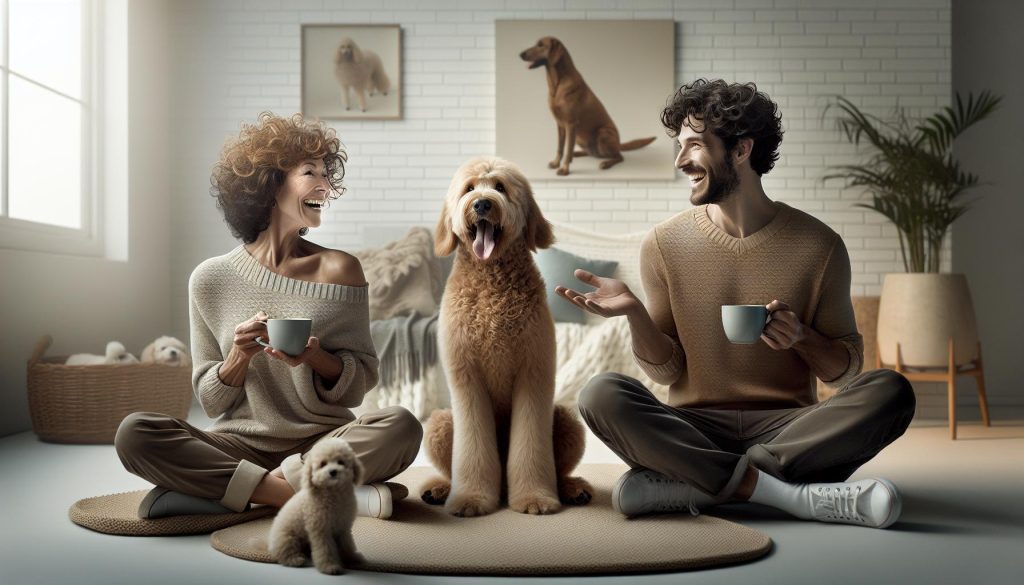
Have you ever wondered what makes a Labradoodle so special? This beloved mixed breed combines the friendly nature of the Labrador Retriever with the intelligence and hypoallergenic qualities of a Poodle. Understanding the parent breeds is crucial for prospective owners, as it helps you predict your Labradoodle’s temperament, grooming needs, and health considerations. Whether you’re a first-time dog owner or an experienced handler, knowing these traits allows you to create a nurturing environment tailored to your dog’s unique personality. Dive deeper into the fascinating world of Labradoodles and discover how their mixed heritage shapes their delightful characteristics. You may just find the perfect pup that suits your lifestyle!
What Are Labradoodles and Their Appeal?
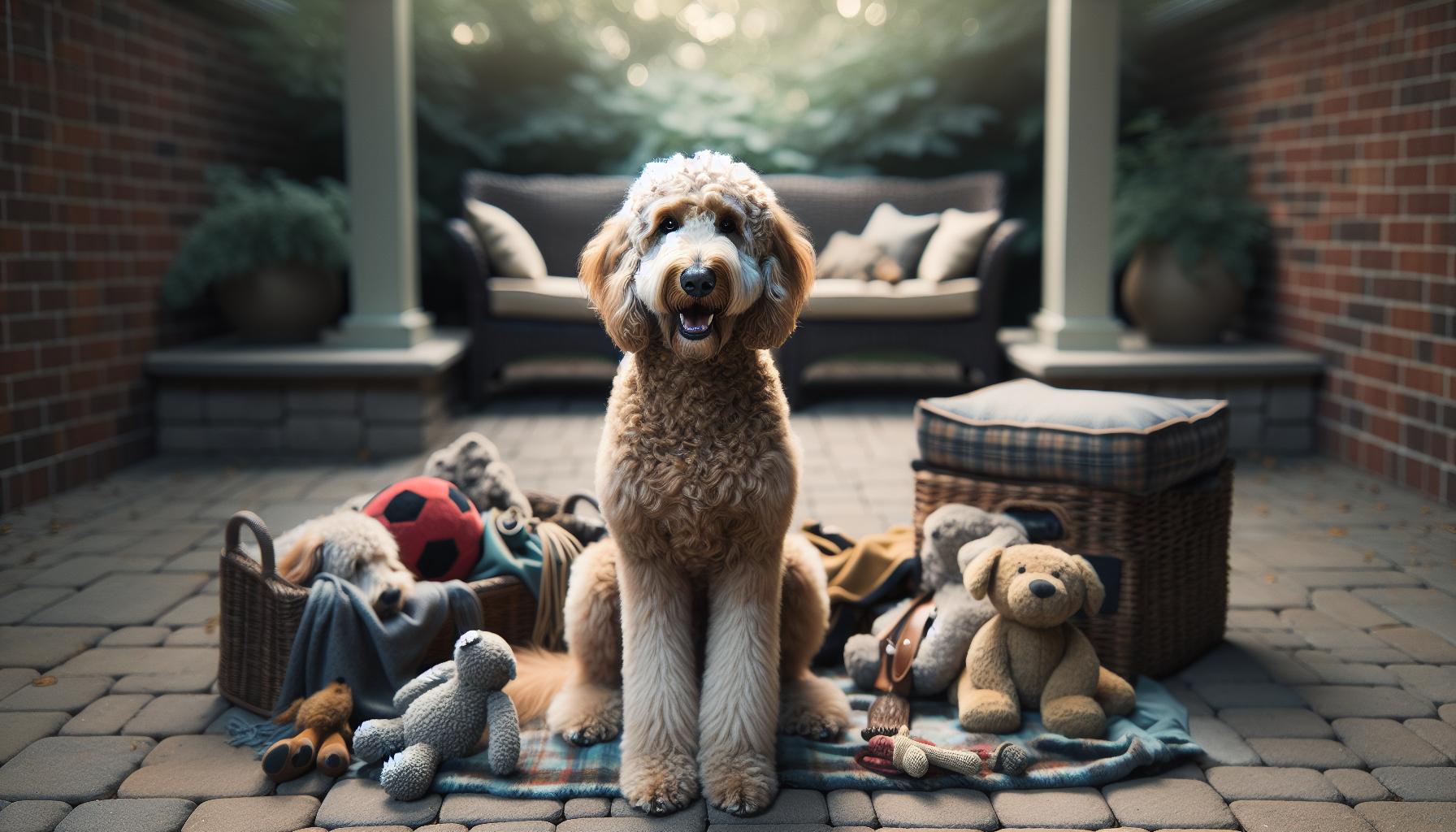
When it comes to selecting a furry companion, Labradoodles stand out due to their endearing personalities and versatile traits. These charming mixed-breed dogs, a cross between Labrador Retrievers and Poodles, are famous for their affectionate nature, intelligence, and hypoallergenic qualities. Their appeal is not just in their looks but also in their wonderful temperaments, making them ideal for families, singles, and seniors alike. With a Labradoodle, you get a loyal playmate who thrives on human interaction and craves both physical and mental stimulation.
Labradoodles inherit the best traits from their parent breeds. From the Labrador, they inherit a friendly demeanor and a playful spirit, making them excellent companions for children and adults. They love to be around people, ensuring that loneliness is a thing of the past. The Poodle influence brings a level of intelligence and trainability that many dog owners appreciate. Pocles tend to excel in obedience and agility training, and their Labradoodle offspring are no different. This combination of smarts means they require ongoing engagement, though their playful antics make this training enjoyable.
It’s no surprise that Labradoodles are sought after for service and therapy work, thanks to their adaptability and willingness to please. Whether they’re fetching your slippers or participating in agility competitions, Labradoodles embody a blend of joy and intelligence, enhancing their appeal as family pets and working dogs alike. They’re not just another dog; they’re companions who enrich our lives and bring a unique blend of fun and affection that is hard to match. Embracing a Labradoodle means welcoming a joyful spirit into your home-one that will cuddle with you on the couch and join you on adventures outdoors.
Understanding the Parent Breeds of Labradoodles
Understanding what goes into the making of a Labradoodle truly enhances your appreciation of this beloved breed. Originally created to be a hypoallergenic service dog, the Labradoodle is a mix between the Labrador Retriever and the Poodle. This combination brings together the best traits of both parent breeds, resulting in a furry companion that is not only intelligent and trainable but also friendly and social.
The Labrador Retriever contributes a warm, affectionate nature to the mix. Known for their playful spirit, these dogs thrive on human interaction, making them wonderful family pets. Their loyalty and friendliness extend to everyone, from young children to seniors, ensuring that they fit seamlessly into various households. Labradors are often described as eager to please, a trait that carries over into their Labradoodle offspring.
On the other hand, Poodles – whether Standard, Miniature, or Toy – add a significant level of intelligence and a non-shedding coat to the mix. Poodles are renowned for their exceptional trainability and problem-solving skills, which make them excellent candidates for obedience and agility training. The Poodle’s diverse coat options also allow for different grooming styles, enabling owners to choose a look that suits their lifestyle, while also keeping allergies in check due to the lower shedding levels.
While the standard Labradoodle is typically a blend of the Labrador Retriever and Standard Poodle, there are variations, including those with miniature Poodles. Each combination can result in subtle differences in size, coat texture, and temperament, providing prospective owners with a spectrum of options. When considering a Labradoodle, it’s essential to reflect on how these parent breeds influence the dog’s characteristics, ensuring that you select a pup whose traits align with your lifestyle and expectations.
Exploring the Poodle Influence on Labradoodles

The Poodle is a fundamental component of the Labradoodle’s genetic makeup and plays a pivotal role in shaping both its physical appearance and temperament. As one of the most intelligent dog breeds, Poodles contribute significant trainability and adaptability to the Labradoodle mix. Their ability to learn quickly and respond positively to commands makes Labradoodles highly trainable, which is particularly beneficial for families and first-time dog owners. This intelligence also means Labradoodles thrive in various environments, whether in a bustling family home or a more tranquil space.
Moreover, Poodles are renowned for their hypoallergenic, non-shedding coats, which can be a crucial deciding factor for potential owners with allergies. This genetic trait is inherited by Labradoodles, making them more suitable for people who are sensitive to dog dander. Poodle coats come in various textures and styles, from curly to wavy, giving Labradoodles a distinct look that many find appealing. Regular grooming is essential to maintain these coats, but the investment pays off with a beautiful and often low-shedding dog.
Choosing a Labradoodle also means you can enjoy the diversity of Poodle sizes. Standard, miniature, or toy Poodles can contribute to different sizes of Labradoodles, allowing potential owners to select a size that fits their lifestyle. Each size option can present unique temperamental and care requirements, so it’s wise to consider these aspects. For example, a mini Labradoodle may require less space and exercise compared to a standard one, making it a perfect option for apartment dwellers.
In short, the Poodle’s influence enhances the Labradoodle’s appeal, adding layers of intelligence, coat quality, and adaptability that many dog lovers seek. Understanding these characteristics and how they play into the overall nature of Labradoodles can help prospective owners make informed choices about which breed is best suited for their home and lifestyle.
The Role of Labrador Retrievers in Labradoodles

The Labrador Retriever significantly shapes the Labradoodle’s unique blend of traits, contributing to both its physical characteristics and revered temperament. Labrador Retrievers are known for their friendly demeanor, intelligence, and versatility, traits that perfectly complement their Poodle counterparts. This genetic fusion creates a dog that’s not only adorable but also possesses an ideal personality for family life and companionship. Labradoodles, inheriting the boundless energy and sociable nature of Labradors, thrive in active environments and are often seen darting through parks or playing fetch with their families.
One remarkable aspect of Labradors is their inherent loyalty and affectionate nature. As one of the most popular dog breeds, Labradors are renowned for forming strong bonds with their owners. This aspect is reflected in Labradoodles, who often display warmth and devotion, making them excellent family pets. They can be particularly great for families with children, as they typically have a patient and gentle disposition. However, prospective owners should be mindful that this breed also requires regular exercise and mental stimulation to keep them happy and healthy. Daily walks, play sessions, and engaging activities will help channel their energy positively.
In terms of physical appearance, Labrador Retrievers contribute to the Labradoodle’s robust build. They tend to have a sturdy, athletic frame, which is reflected in most Labradoodles. Their coats can also be a mixture of the Labradors’ short, dense fur and the Poodle’s varied textures, depending on which traits are more pronounced in the individual dog. This variance in coat type adds charm to Labradoodles, making them visually diverse, ranging from wavy to curly, often with beautiful color patterns.
Choosing a Labradoodle means embracing a dog that likely inherits the Labradors’ love for people along with an eagerness to please. They are generally easy to train due to their intelligence derived from both parent breeds. Early socialization and positive reinforcement training methods can enhance their natural tendencies towards being well-mannered companions. All these traits make Labradoodles not just a blend of two breeds, but a unique mixture that holds the promise of companionship, joy, and loyalty in every wag of their tail.
Popular Labradoodle Variations and Their Traits
Labradoodles are a delightful mix of two beloved breeds: the Labrador Retriever and the Poodle. This combination has led to a range of variations that cater to different preferences and lifestyles. Each variation not only showcases unique physical traits but also distinct personality characteristics. Whether you’re considering adopting one or simply want to learn more, understanding these popular Labradoodle variations can help you find the perfect furry friend.
One of the most commonly seen variations is the Standard Labradoodle, which results from crossing a Standard Poodle with a Labrador Retriever. Standard Labradoodles typically weigh between 50 and 65 pounds and stand about 21 to 24 inches tall. They are known for their friendly disposition and energetic nature, making them ideal companions for active families. The Medium Labradoodle, on the other hand, is a cross between a Medium Poodle and a Labrador, often weighing around 30 to 45 pounds. This size is perfect for those who desire a slightly smaller dog that still maintains the Labradoodle’s signature playful charm.
The Miniature Labradoodle, produced by mixing a Miniature Poodle with a Labrador, is another popular option. These smaller pups usually weigh between 15 to 30 pounds and are perfect for apartment living or families with limited space. They are just as affectionate and trainable as their larger counterparts but may require a little more patience during training due to their sometimes stubborn nature. Lastly, the Toy Labradoodle, which results from a Toy Poodle and a Labrador mix, is the tiniest of the group, typically weighing under 15 pounds. While they are a bit rarer, their compact size makes them a fantastic choice for anyone who values a small, snuggly companion.
Regardless of the size you choose, it’s essential to consider the grooming needs that come with each variation. Labradoodles can have a variety of coat types, from straight to wavy to curly. Those with curlier fur might require more frequent grooming to prevent matting, while those with straighter coats may need less. When selecting your Labradoodle, take time to assess which coat type aligns with your family’s lifestyle, as grooming can be a fun bonding activity, or a chore if not managed properly.
In conclusion, whether big or small, Labradoodles are sure to bring joy and companionship into your life. Their friendly nature, intelligence, and low-shedding coats make them a desirable choice for families, singles, or anyone looking for a loyal four-legged friend. Before you decide, be sure to reflect on the traits and needs of each variation to ensure a perfect match for your home.
How to Choose the Right Mixed Breed for You
Choosing the right mixed breed can be an exhilarating yet daunting task, especially when it comes to Labradoodles. The unique mix of Labrador Retrievers and Poodles across different sizes results in a variety of temperaments, energy levels, and grooming needs. One enlightening aspect is that Labradoodles not only combine the friendly nature of Labradors with the intelligence of Poodles, but they also encompass several variations, from Standard to Miniature, each catering to distinct lifestyles. Understanding these nuances can lead you to the perfect furry companion that aligns with your home dynamics.
When choosing a mixed breed, consider assessing your living situation, activity level, and family dynamics. For instance, a Standard Labradoodle might be ideal for larger homes with room to run and play, while a Miniature or Toy Labradoodle could be more suitable for apartment living or smaller spaces. Furthermore, think about the energy levels: do you have children who need an energetic playmate? Or would you prefer a more mellow companion to cuddle up with on the couch? This assessment plays a critical role in ensuring you select a pup whose personality meshes well with your lifestyle.
Grooming is another essential factor to reflect on, as Labradoodles can have various coat types-from straight to curly. Curlier coats often require more maintenance to prevent matting, making them a higher commitment in terms of grooming frequency. If you’re busy or prefer low-maintenance pets, you might want to consider this aspect carefully. Engaging in regular grooming can also provide quality time with your dog; the bond formed during grooming sessions can be incredibly rewarding.
Finally, research is key. Connect with reputable breeders or rescues to ask about the temperament and health of their Labradoodles. Personal experiences shared by current owners can provide valuable insights. Attend meet and greet events to interact with different sizes and backgrounds, giving you a better sense of what to expect. By combining careful consideration with practical knowledge about each unique variation and its specific traits, you position yourself to make an informed choice, paving the way for a joyful and fulfilling relationship with your new canine companion.
Care and Maintenance for Labradoodles Explained
To ensure your Labradoodle thrives, understanding their unique care and maintenance needs is essential. These dogs, being a hybrid of Labrador Retrievers and Poodles, exhibit a delightful blend of traits that influence their grooming, exercise, and health care requirements. Engaging in regular grooming is vital, as Labradoodles can have various coat types ranging from wavy to curly. The curlier coats require more frequent grooming to avoid matting and tangling, meaning daily brushing is often necessary. On the other hand, straighter coats may need less maintenance but still require regular brushing to reduce shedding and keep the coat healthy.
Grooming Essentials:
- Brushing: Use a slicker brush or a comb suited for their coat type. Aim for daily grooming sessions, especially for curly-haired Labradoodles.
- Bathing: Bathe your Labradoodle every few months or as needed, using a gentle dog shampoo that won’t irritate their skin.
- Nail Clipping: Regularly trim their nails to keep them comfortable and prevent injury, even if it requires some patience.
- Ear Cleaning: Labradoodles can be prone to ear infections, so cleaning their ears weekly is advisable, using a dog-friendly cleanser.
In addition to grooming, providing regular exercise is crucial to their well-being. Labradoodles are moderately active dogs; they thrive on daily walks, playtime, and mental stimulation. Activities like fetch or agility training can not only burn off excess energy but also strengthen the bond between you and your dog. Aim for at least 30 to 60 minutes of physical activity each day, depending on their age and energy level.
It’s equally important to schedule regular veterinary check-ups to monitor their health. Labradoodles can inherit health issues from either parent breed, including hip dysplasia and certain skin conditions. Regular vet visits will help catch any potential issues early on. Furthermore, keeping up with vaccinations and preventive care, like flea and heartworm treatments, is a vital part of their overall health maintenance.
By committing to proper care and maintenance, you can enjoy a wonderful companionship with your Labradoodle while ensuring they live a happy and healthy life.
Common Health Concerns in Labradoodles
Labradoodles, with their charming personalities and adorable looks, might steal your heart at first glance. Yet, like any breed, they come with specific health concerns that potential owners should be aware of. It’s crucial to understand these issues not only to prepare yourself but also to provide the best possible life for your furry friend. Among the most common ailments affecting Labradoodles are genetic conditions inherited from their parent breeds, the Poodle and the Labrador Retriever.
Hip dysplasia is particularly prevalent in Labradoodles. This genetic condition occurs when the hip joint doesn’t fit perfectly into the hip socket, leading to arthritis and discomfort over time. Keeping an eye on your dog’s mobility and ensuring they maintain a healthy weight can mitigate some of the risks associated with this condition. Regular vet check-ups and appropriate exercise are vital for early detection and management.
Another common issue is skin allergies, which Labradoodles are prone to due to their mixed heritage. Various allergens-from pollen to certain food ingredients-can trigger these reactions, resulting in itchy, uncomfortable skin. Observing your dog’s behavior and skin condition, along with involvement in discussions regarding diet, can help in managing these allergies. Routine grooming not only keeps their coat shiny but also allows you to check for skin irritations early on.
Also, Labradoodles can experience a range of ear infections, especially those with curly or woolly coats. The shape of their ears can trap moisture and debris, creating a breeding ground for bacteria. Regular ear checks and routine cleaning can significantly lessen this risk. Incorporating these healthy habits will help you enjoy a long and thriving companionship with your Labradoodle while navigating the most common health concerns this breed faces.
Training Tips for Labradoodle Owners
Training your Labradoodle can be a delightful experience, but it comes with its own unique set of challenges and rewards. These intelligent dogs inherit the cleverness of their Poodle parent and the playful nature of the Labrador Retriever, making them eager learners. The key to effective training lies in understanding these traits and using them to your advantage.
Firstly, it’s essential to incorporate positive reinforcement into your training regimen. Labradoodles respond exceptionally well to praise, treats, and playtime as rewards for good behavior. Keeping training sessions short-around 5 to 10 minutes-will help maintain their focus and prevent boredom. Consistency is crucial, so try to schedule daily training periods that align with your routine. This not only helps reinforce lessons but also encourages bonding between you and your furry friend.
Essential Training Tips
- Socialization: Early socialization is vital. Introduce your Labradoodle to various people, animals, and environments to help them become well-rounded adults. This exposure can reduce anxiety and fearfulness later in life. Activities like puppy classes or playdates can be beneficial.
- Structured Environment: Create a structured environment where your Labradoodle can learn boundaries. Setting clear rules about where they can go in the house and what behaviors are acceptable will help them understand your expectations.
- Engaging Activities: Given their high energy levels, Labradoodles thrive on engaging activities. Incorporate games that challenge their minds, like hide-and-seek or puzzle toys, to keep their interest piqued. These activities not only provide physical exercise but also mental stimulation.
- Patience and Encouragement: Remember that training is a process; patience is essential. Celebrate small milestones to keep both you and your dog motivated. If you encounter setbacks, remain calm and adjust your training techniques as needed.
By understanding your Labradoodle’s breed characteristics and using effective training methods, you’ll set the foundation for a strong and enjoyable relationship. With ongoing dedication and love, your Labradoodle will not only learn commands but also become a beloved family member.
Comparing Labradoodles with Other Doodle Breeds
When it comes to Doodle breeds, Labradoodles often stand out due to their friendly temperament, intelligence, and hypoallergenic coats. But they aren’t the only Doodle in town! Each type of Doodle, whether it’s a Goldendoodle, Bernedoodle, or Australian Labradoodle, brings unique characteristics to the table. Understanding these differences can help potential owners make informed decisions about which breed may best fit their lifestyle.
Labradoodles are a mix of Poodles and Labrador Retrievers, making them highly sociable and energetic. In contrast, Goldendoodles, which mix Poodles with Golden Retrievers, often inherit a more affectionate demeanor, being known for their gentle and friendly nature. Both breeds require regular exercise and mental stimulation, but Goldendoodles may slightly excel in therapy roles due to their even-tempered personality.
The Bernedoodle, another popular Doodle variety, combines Poodles with Bernese Mountain Dogs. These dogs tend to be larger and have a distinctively calm and protective nature, which makes them excellent family pets. However, their coat can require more maintenance than that of a Labradoodle, as it often has a curlier texture that can mat easily without regular grooming.
In addition to these primary Doodle varieties, the Australian Labradoodle deserves mention. Developed through several generations of Labradoodles, this breed has fewer shedding tendencies and a more diverse coat type. They come from a rich lineage of various breeds, including Cocker Spaniels and Irish Water Spaniels, which adds to their unique appearance and temperament. While Labradoodles can vary quite a bit based on their parental generations, Australian Labradoodles are bred for consistency and predictability in traits, making them a fantastic choice for those with specific goals in mind.
Comparative Table of Doodle Breeds
| Breed | Parent Breeds | Temperament | Coat Type |
|---|---|---|---|
| Labradoodle | Poodle & Labrador Retriever | Friendly, intelligent, energetic | Wavy or curly, minimal shedding |
| Goldendoodle | Poodle & Golden Retriever | Affectionate, gentle, intelligent | Curly, wavy, moderate shedding |
| Bernedoodle | Poodle & Bernese Mountain Dog | Calm, protective, loyal | Curly or wavy, regular grooming needed |
| Australian Labradoodle | Poodle, Labrador Retriever, & others | Social, friendly, versatile | Varied textures, less shedding |
In the end, when choosing between these breeds, consider your lifestyle, home environment, and personal preferences regarding maintenance and companionship. Each Doodle has its own set of qualities that can enrich your life, so take your time to find the perfect furry friend!
The Lifespan and Aging of Labradoodles
Labradoodles, known for their friendly temperament and intelligence, typically enjoy a lifespan of approximately 12 to 15 years. This range can be influenced by several factors including genetics, diet, exercise, and overall care. Smaller variations, like mini or toy Labradoodles, often tend to live longer than their standard-sized counterparts, reflecting a common trend seen in dog breeds: smaller dogs generally have longer lifespans.
As your Labradoodle ages, you’ll notice several changes that come with the territory of aging. Their activity levels may decrease, and they might require more downtime compared to their younger years. Regular veterinary check-ups become increasingly vital, as older dogs are more prone to health issues such as arthritis, diabetes, and heart disease. Therefore, maintaining a healthy diet and engaging them in appropriate exercises can help in managing their weight and overall health.
To support your Labradoodle through its golden years, consider implementing a senior care routine that focuses on:
- Nutritious diet: Choose high-quality dog food formulated for senior dogs to meet their changing nutritional needs.
- Regular vet visits: Biannual check-ups can catch potential problems early, making treatment more effective.
- Gentle exercise: Encourage walks and playtime that are suited to their energy level, ensuring it remains enjoyable and safe.
- Comfortable living space: Providing a cozy area with easy access to rest places can help your aging Labradoodle feel more secure and comfortable.
By actively participating in your Labradoodle’s aging process and adapting their care accordingly, you are likely to enhance not only their quality of life but also deepen the bond you share. Many owners have shared experiences of joy and challenges as their Labradoodles age, often remarking how these dogs continue to bring happiness even in their later years. Understanding their needs will ensure that you provide the best possible care as they navigate through the different stages of life.
Real Owner Experiences: What to Expect with Labradoodles
When it comes to owning a Labradoodle, the experiences of real owners often highlight the joys and challenges of this beloved mixed breed. Labradoodles are known for their affectionate nature and intelligence, making them excellent family pets and companions. Many owners share heartwarming stories of their Labradoodles’ endearing behaviors, such as their eagerness to play and their surprising ability to understand human emotions. For instance, one owner recounted how her Labradoodle, Charlie, could sense when she was feeling down and would cuddle close, providing comfort without needing to be told. These heartwarming connections form a strong bond between owner and pet, enhancing the rewarding experience of owning a Labradoodle.
However, alongside the joys, there are important realities to consider. Labradoodles, while often friendly and adaptable, require diligent training and socialization. Many owners have emphasized the need for consistency from an early age. A well-trained Labradoodle can be a dream companion, while an untrained one may develop unwanted behaviors, such as excessive barking or jumping. For example, another owner mentioned how her Labradoodle, initially a bit shy, blossomed into a social butterfly after she enrolled him in puppy classes and introduced him to various environments. This highlights the importance of active engagement in a Labradoodle’s training and socialization process, steering them towards being well-adjusted adult dogs.
In terms of care and maintenance, Labradoodles require regular grooming, especially if they inherit the curly coat of a Poodle. Many owners recommend establishing a grooming routine early on to acclimate the pet to the process. One owner shared her successful transition with her Labradoodle, Bella, by starting with short and gentle grooming sessions, gradually extending the time as Bella became comfortable. This set the foundation for maintaining her coat, preventing matting and tangles. Owners often agree that finding the right grooming tools and scheduling regular grooming appointments can transcend mere maintenance, becoming a bonding experience filled with love and trust.
Overall, the shared experiences of Labradoodle owners paint a picture of a breed that is not only loved for its intelligence and playful nature but also respected for the responsibility that comes with proper care and training. By embracing the journey and understanding their needs, newcomers to the Labradoodle family can expect to enjoy countless rewarding moments that create lasting memories.
Frequently asked questions
Q: What breeds make up a Labradoodle?
A: A Labradoodle is primarily a mix between a Labrador Retriever and a Poodle. The combination aims to bring together the friendly, social nature of the Labrador and the intelligence and hypoallergenic coat of the Poodle, resulting in a versatile and beloved companion.
Q: How does the Poodle influence Labradoodles?
A: The Poodle contributes significantly to the Labradoodle’s coat type, temperament, and intelligence. Due to the Poodle’s varying sizes (standard, miniature, and toy), Labradoodles can also vary in size and coat texture, offering options for different preferences among dog owners.
Q: Are Labradoodles hypoallergenic?
A: Labradoodles can be considered hypoallergenic to some extent, primarily due to the Poodle’s low-shedding coat. However, no dog is entirely hypoallergenic, so those with allergies should spend time with a Labradoodle before making a decision.
Q: What are the differences between F1 and F1B Labradoodles?
A: F1 Labradoodles are a first-generation mix of a Labrador and a Poodle. In contrast, F1B Labradoodles have one Poodle parent and one Labradoodle parent, offering more predictability in coat types and often increased hypoallergenic traits. More details can be found in the section about popular Labradoodle variations.
Q: Can Labradoodles come in different sizes?
A: Yes, Labradoodles can vary in size depending on the Poodle parent’s size. Standard Labradoodles are the largest, while mini and medium sizes are derived from miniature or medium Poodle parents. This variance allows families to choose a size that fits their lifestyle and living situation.
Q: What should I consider when choosing a Labradoodle?
A: When selecting a Labradoodle, consider factors like size, coat type, energy level, and temperament. Researching popular variations can help identify which type aligns best with your lifestyle and care preferences, as detailed in our article on choosing the right mixed breed.
Q: Do Labradoodles shed fur?
A: Labradoodles may shed less than other breeds due to their Poodle ancestry, but shedding levels can vary. Regular grooming helps manage shedding and keeps their coats healthy. For maintenance tips, see the section on care and maintenance for Labradoodles.
Q: Are there any common health concerns for Labradoodles?
A: Yes, like all breeds, Labradoodles can be prone to certain genetic health issues such as hip dysplasia, allergies, and ear infections. Regular veterinary check-ups and proper care can help mitigate these risks. More information can be found in the common health concerns section of our article.
The Conclusion
Now that you understand the fascinating parent breeds that make up the Labradoodle, you’re better equipped to make informed decisions about adding this lovable hybrid to your family. Remember, whether you’re drawn to their playful nature or their potential for hypoallergenic qualities, choosing the right breed companion is essential for a happy home. If you’re considering bringing a Labradoodle into your life, explore our detailed guides on training tips and behavioral insights to ensure a smooth transition.
Curious about how to best socialize your new pup? Check out our article on puppy socialization techniques, which can set your Labradoodle up for success. Don’t forget to subscribe to our newsletter for expert advice, resources, and the latest updates on dog care. By investing time in understanding your Labradoodle’s needs, you’ll not only enhance their happiness but also deepen the bond you share. Share your thoughts or experiences with Labradoodles in the comments below – we’d love to hear your stories!