Have you ever wondered what makes a Multigenerational Labradoodle so special? These beloved dogs are a result of multiple generations of selective breeding between Labradoodles, aimed at enhancing their desirable traits. Many dog lovers are drawn to their affectionate nature and hypoallergenic coats, making them ideal family pets. However, understanding the nuances of their breeding can significantly impact your experience as a potential owner. As you explore this guide, you’ll uncover essential facts about their lineage, care needs, and what you can expect from this unique breed. Whether you’re a first-time dog owner or an experienced handler, discovering the intricacies of Multigenerational Labradoodles can help you make informed decisions that benefit both you and your future furry companion. Let’s dive in and learn more about what truly sets these dogs apart!
What Is a Multigenerational Labradoodle?

Multigenerational Labradoodles represent an exciting step in the evolution of this beloved hybrid breed. These dogs are the result of carefully planned breeding between Labradoodles across various generations, specifically combining at least three generations of Labradoodles. The multigenerational approach aims to enhance desirable traits such as coat quality, health, and temperament, making them a favorite among dog lovers looking for a hypoallergenic family companion.
One of the most intriguing aspects of multigenerational Labradoodles is their diverse range of coat types and colors. Depending on the parentage, these dogs may inherit the curly coat of a Poodle, the wavy coat of earlier Labradoodles, or a variety of combinations thereof. This variability allows owners to find a Labradoodle that fits their specific lifestyle and preferences, particularly if allergies are a concern. Additionally, multigenerational breeding practices can help mitigate some hereditary health issues often associated with the original breeds. When breeding within the Labradoodle lineage, breeders are able to select for qualities such as fewer skin allergies and better overall vigor.
However, it’s essential for prospective owners to do their research. Multigenerational Labradoodles can vary in size and temperament, depending on their lineage. Understanding the differences among generational Labradoodles is key; for instance, first-generation Labradoodles (a direct cross between a Labrador Retriever and a Poodle) may differ significantly from those that are purposely bred across multiple generations. New owners should look for reputable breeders who focus not just on aesthetics but also on health screening and temperament testing to ensure they are welcoming a well-balanced pup into their home.
The Origins of Multigenerational Labradoodles
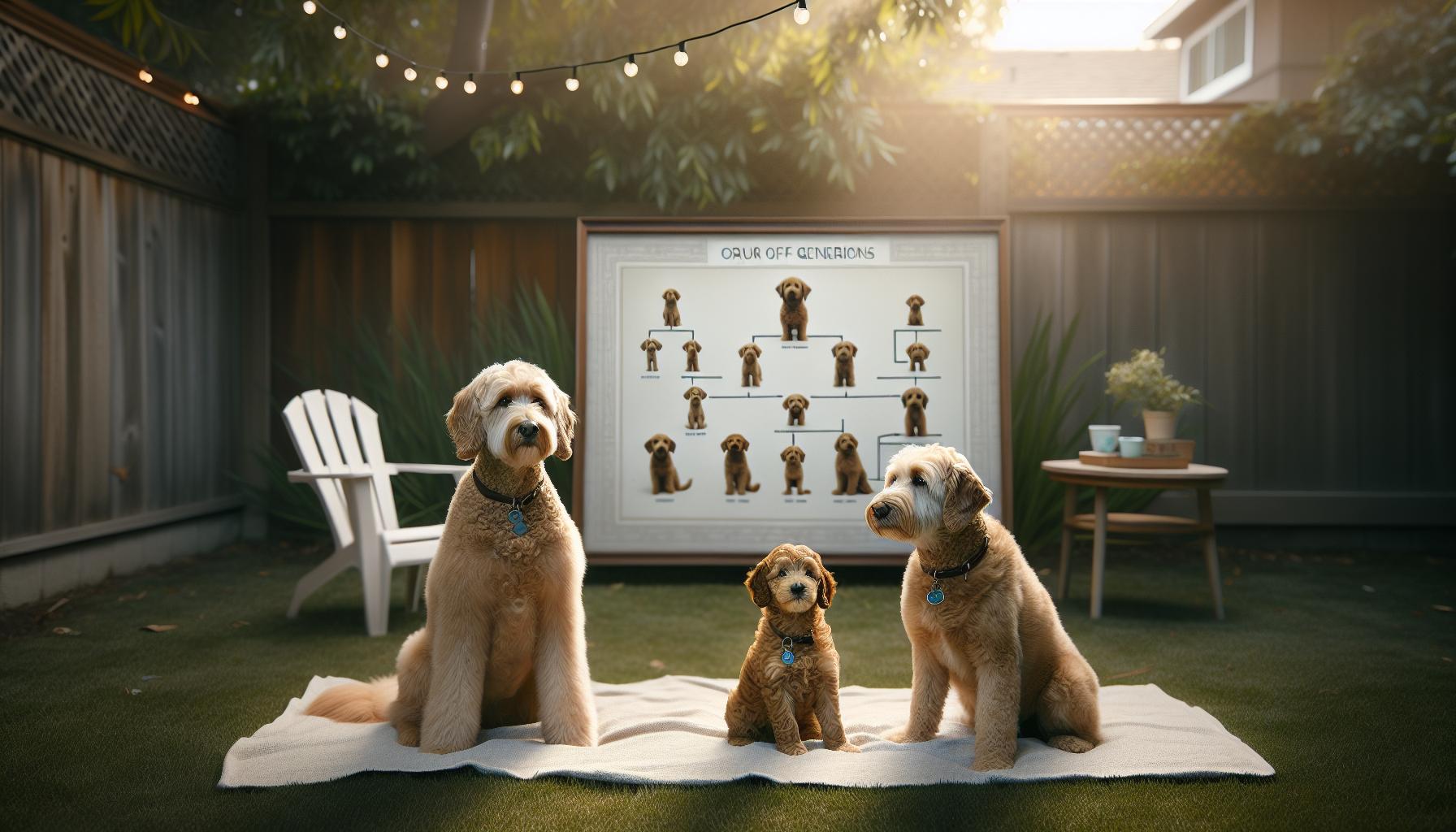
The journey of multigenerational Labradoodles is rooted in a dedication to improving and refining the hybrid breed known for its companionship and hypoallergenic qualities. Initially introduced in the late 1980s, the Labradoodle emerged from a cross between the Labrador Retriever and the Poodle, primarily intended as a guide dog for those with allergies. As the popularity of this breed grew, so did the interest in breeding them for more consistent and desirable traits. This is where the concept of multigenerational breeding came into play, allowing breeders to focus on enhancing specific qualities while maintaining the lovable charm of the Labradoodle.
When breeders choose to engage in multigenerational practices, they aim to create dogs that not only capture the best traits of their predecessors but also provide predictability in size, coat type, and temperament. This process can involve crossing multiple generations of Labradoodles rather than reverting back to the original parent breeds. By doing this, breeders can select for advantageous characteristics like hypoallergenic coats, reduced shedding, and improved health markers. With each new generation, breeders become more adept at recognizing which traits should be emphasized, allowing owners to find a Labradoodle that matches their lifestyle needs, whether they require a low-shedding dog or a playful family companion.
One of the appealing aspects of multigenerational Labradoodles is their diverse appearance and unique coat types. Depending on their lineage, these dogs can exhibit a variety of fur textures-from the tight curls of a standard Poodle to the loose waves typical of earlier Labradoodle generations. Many prospective owners appreciate this variety, especially when looking for a dog that may be more suitable for allergy sufferers. With careful breeding, the chances of inheriting serious health issues common in the parent breeds are also significantly reduced, as ongoing selection and breeding practices focus on overall vigor and wellness.
Choosing a multigenerational Labradoodle can come with its own set of responsibilities, but the rewards are equally significant. Owners are often welcomed into a community of enthusiastic dog lovers who appreciate the temperament, intelligence, and affectionate nature of these dogs. As you embark on the journey of welcoming a multigenerational Labradoodle into your home, remember that understanding their origins not only enriches your bond with your furry friend but also empowers you to provide a nurturing environment that encourages a happy, healthy life.
Understanding Multigenerational Breeding Practices

Engaging in multigenerational breeding practices is a fascinating journey that unveils the commitment of breeders to perfect the Labradoodle’s remarkable traits. Unlike traditional breeding, where a Labradoodle is often created by crossing a Labrador Retriever and a Poodle, multigenerational breeding involves several generations of Labradoodles, focusing on consolidating desirable characteristics while minimizing inherent risks. As breeders work across generations, they gather an increasing understanding of which traits come to the forefront, allowing for a more intentional outcome.
By selectively breeding Labradoodles that display admirable features-like hypoallergenic fur, friendly temperaments, and robust health-breeders aim to establish a more predictable and dependable breed. This is achieved through a careful process of pairing dogs based on their genetics and temperamental qualities. The goal isn’t merely to create more Labradoodles but to enhance specific traits over generations, such as agility, trainability, and appearance. For instance, a puppy from a breeder practicing multigenerational breeding may consistently inherit a curlier coat or a more stable temperament, making it easier for potential owners to find a Labradoodle that suits their lifestyle and preferences.
A practical example of this can be seen in coat types and energy levels. Breeders may recognize that crossing a Labradoodle with a softer, wavier coat to another Labradoodle with more defined curls results in a balanced litter where coat types are a mix of the best of both worlds. Similarly, selecting parent dogs known for their calm demeanor can help produce puppies that are more suited to families with young children or those new to dog ownership.
Ultimately, equips prospective owners with the knowledge to make informed choices. Not only do they help ensure that the puppy they choose comes from a lineage of health and temperament, but they also connect them to a broader community of Labradoodle enthusiasts committed to nurturing these wonderful companions. For any owner, embracing this knowledge will enhance their experience with their Labradoodle, ensuring a long, vibrant life together.
Key Differences Between Generational Labradoodles
The Labradoodle’s charm lies not just in its cuddly appearance but also in the intricate breeding practices that shape its characteristics. When we delve into the world of Labradoodles, understanding the differences between generational lines is critical for prospective owners. Multigenerational Labradoodles, often labeled as F2 or beyond, are the result of extensive breeding among Labradoodles rather than the initial cross of a Labrador Retriever with a Poodle (commonly referred to as F1). This breeding approach allows for more predictable traits, making it easier for owners to select a dog that aligns with their lifestyle.
One notable distinction is that multigenerational Labradoodles tend to have a more consistent coat type compared to first-generation (F1) Labradoodles, which can inherit the distinct fur characteristics of either parent breed. With multigenerational breeding, breeders aim to produce puppies that embody specific qualities such as fur texture, color, and poodle-like curls, ultimately appealing to those seeking hypoallergenic companions. For example, a multigenerational Labradoodle may consistently yield curly or wavy coats that are less prone to shedding, making them better suited for allergy sufferers.
Another essential factor to consider is temperament consistency. While F1 Labradoodles might showcase a wide range of behavioral traits due to the diversity of their parent breeds, multigenerational lines tend to reflect a more stable temperament. Breeders can select parent Labradoodles with desirable behavioral traits, such as calmness or sociability, which are then passed down through the generations. This intentional selection helps produce puppies that are not just physically appealing but also possess personality traits conducive to family life, including playfulness and affection.
Ultimately, understanding these differences empowers potential Labradoodle owners to make informed choices. By recognizing that multigenerational Labradoodles offer a greater degree of predictability in terms of coat type and temperament, one can appreciate the meticulous work that goes into crafting this delightful breed. Ensuring you select a Labradoodle that aligns with your family’s expectations requires asking the right questions of breeders and understanding the lineage of the dog you choose, paving the way for a joyful partnership with your new furry friend.
Temperament Traits of Multigenerational Labradoodles

The temperament of multigenerational Labradoodles is one of the breed’s most compelling features, making them a delightful choice for families and individuals alike. These dogs are renowned for their friendly nature, intelligence, and adaptability, traits that stem from their intentional breeding. By focusing on multigenerational lines, breeders can select for desirable characteristics over time, resulting in puppies that exhibit both stability and charm.
One of the remarkable aspects of multigenerational Labradoodles is their consistent temperament, marked by a friendly and sociable demeanor. Unlike first-generation Labradoodles, which can inherit a broader range of behaviors from their parent breeds, multigenerational Labradoodles tend to reflect more predictable personality traits. They are often affectionate and eager to please, making them great companions for children and other pets. This selectivity in breeding means that you can expect to find a multigenerational Labradoodle who thrives on interaction and enjoys being part of the family.
While energy levels can vary, many multigenerational Labradoodles possess a playful spirit that keeps them active and engaged. Their exuberance can be matched with a calm disposition, often leading to a balanced dog that enjoys both playtime and quiet moments at home. To nurture their sociable nature, it is essential to provide early exposure to different environments, people, and other animals, which helps cultivate confident and well-adjusted adults.
Moreover, these Labradoodles often exhibit a keen intelligence that allows them to learn commands and tricks quickly. This intelligence not only makes training sessions enjoyable but also strengthens the bond between the owner and their furry friend. Creating a structured training regime coupled with positive reinforcement techniques will encourage a happy, engaging learning environment. Thus, whether you’re a new dog owner or an experienced handler, the journey of training a multigenerational Labradoodle can be as rewarding as it is fun.
In summary, multigenerational Labradoodles embody a blend of playfulness, affection, and intelligence, making them wonderful companions. However, it’s vital for prospective owners to recognize the responsibility that comes with raising such a spirited breed. Providing them with ample love, socialization, and training will ensure they thrive in any home environment, turning them into cherished members of the family.
Health Considerations for Multigenerational Labradoodles
When welcoming a multigenerational Labradoodle into your home, understanding their health needs is paramount. These delightful dogs, a cross between Labradors and Poodles across multiple generations, often enjoy the hybrid vigor associated with mixed breeds. However, like any breed, they can be susceptible to specific health conditions. Being proactive in managing their health care can lead to a happier, longer life.
Common Health Issues
While multigenerational Labradoodles generally exhibit greater resilience, it’s essential to be aware of potential health issues inherited from their parent breeds. Some of the common concerns include:
- Hip Dysplasia: A genetic condition affecting the hip joint, this can lead to pain and arthritis.
- Elbow Dysplasia: Similar to hip dysplasia, this condition involves abnormalities of the elbow joint.
- Progressive Retinal Atrophy (PRA): This genetic eye disorder can eventually lead to blindness.
- Allergies: Labradoodles may suffer from skin allergies or sensitivities, requiring careful selection of food and grooming products.
- Ear Infections: Their floppy ears can trap moisture and debris, making them susceptible to infections.
Consulting with a veterinarian regularly is crucial for early detection of these issues. Schedule routine health check-ups and vaccinations, and establish a dental care routine to help prevent periodontal disease, which can affect overall health.
Nutrition and Weight Management
Maintaining a balanced diet is essential for the overall health of multigenerational Labradoodles. Feeding them high-quality, breed-appropriate food can help ensure they receive the nutrients they need. Be cautious with portion sizes, as both obesity and underweight conditions can lead to health complications. Here’s a quick guideline:
| Life Stage | Daily Food Intake |
|---|---|
| Puppies | 3-4 meals of high-quality puppy food |
| Adults (45-65 lbs) | 2 meals with a total of 1.5-2 cups daily |
| Seniors | Adjust diet based on activity level and health conditions |
Monitoring their weight and physical activity is critical. Engaging them in regular exercise, such as daily walks or playtime, can help keep them fit and healthy.
Preventive Care
Alongside regular veterinary visits and proper nutrition, preventive care plays a critical role in your Labradoodle’s health. Ensure they are up-to-date on vaccinations and parasite prevention treatments. Additionally, consider implementing a grooming schedule that includes regular brushing, ear cleaning, and nail trimming to prevent common issues related to their coat and ears.
Taking these steps not only enhances their quality of life but also fortifies the bond between you and your furry companion, setting the stage for many joyful years together. Embrace the journey that comes with raising a multigenerational Labradoodle, and you’ll be rewarded with loyal companionship and abundant love.
Grooming Needs: Care Tips for Your Labradoodle
Keeping your multigenerational Labradoodle looking their best is not only about aesthetics; it’s vital for their overall health and happiness. These dogs, with their luscious coats reminiscent of both Labradors and Poodles, require a grooming routine that suits their unique coat characteristics. Regular grooming helps prevent matting, reduces shedding, and allows for the early detection of skin problems, parasites, and other health issues.
To start, brushing your Labradoodle should be a frequent activity, ideally two to three times a week, especially for those with more Poodle-like curly coats. This frequency helps to keep their fur untangled and clean. Use a slicker brush or a comb designed for curly or wavy hair to detangle any knots gently. For dogs with a smoother coat, a bristle brush may suffice. Always be gentle, particularly around sensitive areas such as the ears and underbelly.
Bathing and Ear Care
Bathing your Labradoodle should occur every four to six weeks or as needed, depending on their activity level and environment. Use a mild dog shampoo that won’t irritate their skin. After bathing, it’s crucial to thoroughly dry their coat, paying special attention to the ears. Unfortunately, Labradoodles can be prone to ear infections due to their floppy ears, which trap moisture. Regular ear cleaning with a vet-recommended solution can help prevent these issues.
Nail Trimming and Teeth Cleaning
Nail care is another important aspect of grooming. Aim to trim your Labradoodle’s nails every three to four weeks. If you can hear their nails clicking on the floor, it’s time for a trim! Use a nail clipper designed for dogs or a nail grinder for a smoother finish.
Dental health should not be overlooked either. Regularly brushing your dog’s teeth, ideally several times a week, can prevent dental disease. Use toothpaste specifically formulated for dogs, as human toothpaste can be toxic to them. If brushing proves challenging, dental chews or vet-approved dental wipes can also be effective.
With proper grooming care, your multigenerational Labradoodle will not only look stylish but also enjoy improved health and well-being. Establishing a grooming routine from an early age will make the process easier and more enjoyable for both of you. Embrace these moments; grooming can be a wonderful bonding experience filled with lots of love and affection!
Training Multigenerational Labradoodles: What to Know
Training a multigenerational Labradoodle can be an incredibly rewarding experience, blending their high intelligence with their eagerness to please. As a breed that has been carefully developed through generations, multigenerational Labradoodles tend to exhibit a temperament that is friendly, sociable, and highly trainable. This makes them not just great companions but also highly capable learners.
To set the stage for effective training, start with positive reinforcement, which works wonders for this breed. Utilizing treats, praise, and play as rewards, especially when they achieve a desired behavior, can significantly enhance their learning process. Keep training sessions short-ideally 5 to 10 minutes each-so your Labradoodle remains engaged and doesn’t lose interest. Their playful nature allows for a variety of training approaches, from basic commands to more complex tricks or agility training.
Socialization: Key to a Well-Trained Dog
Socialization is another critical component of training. Exposing your Labradoodle to various environments, people, and other animals helps them develop a balanced and confident temperament. Start introducing your puppy to new experiences early on, as this breeds adaptability and resilience. Involve your dog in group classes or dog parks for practice; the more experiences they have, the better they will manage new situations as they grow. Always make these encounters positive, ensuring that they’re fun and rewarding.
Another aspect to consider is the unique individuality of each Labradoodle. Some may exhibit traits closer to their Labrador Retriever lineage, showing a strong desire for fun and high energy, while others take after the Poodle with a more aloof or reserved personality. Recognizing these differences will allow you to tailor your training methods to what suits your specific dog best. If they appear more independent, for example, it may be beneficial to incorporate puzzle toys into their training routine to appeal to their cognitive side.
Lastly, remain patient and understanding throughout the training process. Some techniques may work better than others, and it’s essential to adjust your approach as needed. Celebrate their successes, no matter how small, and build a trusting relationship that encourages them to learn and grow. With consistent training and socialization, your multigenerational Labradoodle will not only thrive but also become a cherished member of your family.
The Importance of Socialization in Labradoodles
Socialization is a crucial aspect of raising a happy and balanced multigenerational Labradoodle. These dogs thrive on interaction and are known for their friendly dispositions. Socialization ensures that your Labradoodle grows up to be confident, well-adjusted, and capable of handling a variety of environments and situations. Starting early is key; puppies are like little sponges, soaking up new experiences that will shape their behavior for life. By exposing your Labradoodle to different people, animals, and settings, you can greatly contribute to their social development.
Incorporating socialization into your Labradoodle’s life can take many forms. Group classes can be particularly beneficial as they provide structured environments where your dog can meet other dogs and people. Dog parks are excellent for fostering playful interactions, but it’s essential to monitor these playdates to ensure safety and positive experiences. Consider inviting friends over or going on outings to pet-friendly places. Each positive encounter helps your Labradoodle build confidence and reduces the likelihood of anxiety or fearfulness later on.
It’s important to remember that each multigenerational Labradoodle is unique, with their social tendencies shaped by their individual temperament and lineage. Some may be more outgoing, channeling their Labrador Retriever side, while others may exhibit a more cautious demeanor, akin to their Poodle heritage. Adapt your socialization tactics accordingly; for instance, if your puppy seems overwhelmed, introduce them to new experiences gradually, always ensuring these situations are positive. You can reward them with treats or praise during and after interactions to reinforce their confidence.
Creating a well-socialized Labradoodle not only enhances their personality but also strengthens the bond between you and your furry friend. With commitment and effort in socialization, you’ll find that your Labradoodle becomes not just a delightful companion but also a well-mannered dog ready to tackle the world with you by their side.
Finding a Reputable Breeder: What to Look For
Finding a well-bred multigenerational Labradoodle is essential for ensuring that your new furry friend not only meets breed standards but also exhibits the ideal temperament and health traits. With the increasing popularity of Labradoodles, particularly the multigenerational variety, the importance of selecting a reputable breeder cannot be overstated. A responsible breeder will prioritize the health and well-being of their dogs over profit and will see themselves as guardians of the breed. This is your chance to find a companion who is not only adorable but also healthy and temperamentally sound.
When searching for a breeder, start by gathering recommendations from trusted sources like veterinarians or local dog clubs. You can also explore online platforms dedicated to Labradoodle enthusiasts. As you narrow down your options, ask potential breeders specific questions such as:
- Health Testing: Do they perform health tests on their breeding dogs for common issues like hip dysplasia, progressive retinal atrophy (PRA), and allergies? Reputable breeders should be eager to share health clearances.
- Breeding Practices: How do they select breeding pairs? Ethical breeders focus on the health and temperament of both parents to produce well-balanced puppies.
- Socialization: What socialization techniques do they use for their puppies? A good breeder will raise puppies in a stimulating environment that allows them to interact with a variety of people and experiences.
- Breeder’s Knowledge: Are they knowledgeable about multigenerational breeding practices and can they discuss the differences in coats and temperaments among generations?
In addition, visit the breeder’s premises if possible. A responsible breeder maintains a clean, well-organized environment for their dogs and welcomes visits from potential owners. Observe the conditions where the puppies are raised and interact with the puppy’s parents if available. Healthy, happy dogs will typically show curiosity and friendliness.
Lastly, be wary of red flags such as breeders who cannot provide documentation for health testing, those who do not seem interested in the well-being of their puppies beyond the sale, or those who encourage impulse purchases. A reputable breeder will be just as concerned about finding the right home for their puppies as you are about finding the right dog. Remember, investing time in finding the right breeder can lead to a more joyful and fulfilling experience with your multigenerational Labradoodle for years to come.
Cost Considerations for Multigenerational Labradoodles
Investing in a multigenerational Labradoodle can be exhilarating, yet it’s essential to understand the financial implications involved in welcoming this lovable breed into your home. The price of a multigenerational Labradoodle typically ranges from $1,500 to $3,000, influenced by factors like breeder reputation, location, and the dog’s lineage. High-quality breeding practices that prioritize health and temperament attributes often come at a premium. Thus, opting for a reputable breeder who performs necessary health tests can lead to higher upfront costs but may save you from significant medical expenses down the line.
Here are some key cost considerations to keep in mind:
- Initial Purchase Price: Understand that a lower price tag might signal a less ethical breeding operation. Investing in a well-bred puppy ensures a healthier companion.
- Health Testing: Reputable breeders often conduct genetic testing on breeding pairs to minimize the risk of hereditary health issues. These costs are usually included in the puppy’s price but may result in a higher upfront investment.
- Supplies and Equipment: Budget for essential supplies such as food, leashes, crates, and grooming tools, which can add an additional $200 to $500 upfront.
- Ongoing Care Costs: These include regular veterinary check-ups, vaccinations, grooming, and food, which can amount to $800 to $1,500 annually. Large breed dogs like Labradoodles may require more frequent grooming due to their distinctive coats.
- Training and Socialization: Investing in training classes or socialization activities can enhance your dog’s behavior and may cost an additional $150 to $500 based on the programs you choose.
While the initial investment might sound steep, consider the long-term benefits of selecting a high-quality multigenerational Labradoodle. These dogs often exhibit fewer health problems, less anxiety, and generally have a better temperament, leading to a more harmonious relationship with their families. Preparing for these financial commitments not only helps in keeping your Labradoodle healthy and happy but also ensures a fulfilling companionship for years to come.
Lifelong Care: What Every Owner Should Know
Welcoming a multigenerational Labradoodle into your home means embracing a journey filled with love, joy, and responsibility. These affectionate dogs thrive on companionship and exhibit remarkable intelligence, making them eager participants in family life. To ensure a harmonious and fulfilling relationship with your Labradoodle, it’s vital to understand the ongoing care they require throughout their life stages.
Keeping your Labradoodle healthy should be a top priority. Routine veterinary check-ups are essential for catching potential health issues early. Ensure your dog stays up-to-date on vaccinations and preventive care, including periodic dental cleanings and flea/tick treatments, to ward off common ailments. Regular exercise is crucial, as Labradoodles are active and social dogs that require daily physical activity to stay healthy and mentally stimulated. Aim for at least 30 to 60 minutes of exercise each day. Interactive play sessions, like fetch or agility training, not only provide the necessary exercise but also strengthen your bond.
Nutrition also plays a pivotal role in your Labradoodle’s long-term health. Choose high-quality dog food, preferably formulated for their specific life stage-puppy, adult, or senior. Monitor their weight regularly, as Labradoodles can be prone to obesity, which can lead to other health issues. A balanced diet, combined with controlled portions, is key to maintaining a healthy weight.
Grooming is another significant aspect of care. Multigenerational Labradoodles have coats that can range from wavy to curly, requiring regular brushing to prevent matting and remove loose hair. Create a grooming schedule that includes baths every few months and routine brushing a few times a week, depending on their coat type. Additionally, take care to trim their nails regularly and check their ears for signs of wax buildup or infection.
Lastly, socialization is vital for your Labradoodle’s emotional well-being. Introduce them to various environments, people, and other animals, especially during their formative months, to instill confidence and reduce the likelihood of behavioral issues. Engage in puppy classes or community dog meet-ups to foster healthy interactions and learning experiences.
In summary, lifelong care for a multigenerational Labradoodle encompasses health monitoring, regular exercise, proper nutrition, grooming maintenance, and comprehensive socialization. By dedicating time and effort to these areas, not only will you enhance your pet’s quality of life, but you will also create a lasting and rewarding companionship filled with joyful moments together.
Q&A
Q: What is the difference between a Labradoodle and a Multigenerational Labradoodle?
A: A standard Labradoodle is typically a first-generation mix between a Labrador Retriever and a Poodle. In contrast, a Multigenerational Labradoodle consists of multiple generations of Labradoodles, meaning it can include Labradoodles bred with other Labradoodles, which aims to stabilize desirable traits such as temperament and coat quality.
Q: Why should I choose a Multigenerational Labradoodle over a first-generation?
A: Choosing a Multigenerational Labradoodle often means more predictable traits. With defined breeding practices, these dogs may exhibit better health, temperament, and coat types. This predictability can enhance the overall compatibility with your family lifestyle.
Q: What health issues are common in Multigenerational Labradoodles?
A: While Multigenerational Labradoodles generally have fewer health issues than their first-generation counterparts, they can still be prone to conditions that affect both parent breeds, such as hip dysplasia or certain skin issues. Regular vet check-ups and a healthy diet can mitigate these risks.
Q: How can I train a Multigenerational Labradoodle effectively?
A: Training a Multigenerational Labradoodle benefits from a positive reinforcement approach. Start with basic commands and gradually introduce advanced training. Consistent socialization and interactive play can help with obedience and behavior. Refer to the training section in your article for specific techniques.
Q: What grooming needs should I consider for a Multigenerational Labradoodle?
A: Grooming needs can vary, but Multigenerational Labradoodles typically require regular brushing to prevent matting and reduce shedding. Shampooing every few months and routine visits to a groomer can keep their coat healthy. For detailed care tips, check the grooming section in your article.
Q: When is the best age to introduce my Multigenerational Labradoodle to other pets?
A: The best age to introduce a Multigenerational Labradoodle to other pets is during the socialization period, ideally between 3 to 14 weeks. Early exposure to various pets can foster a positive experience and minimize any territorial behavior later on.
Q: How much do Multigenerational Labradoodles typically cost?
A: The price of a Multigenerational Labradoodle can vary widely based on breeder reputation, lineage, and location, often ranging from $1,500 to $3,000. It’s crucial to consider long-term care costs and ensure the investment is in a reputable breeder, as outlined in the cost considerations section of your article.
Q: What should I know about finding a breeder for Multigenerational Labradoodles?
A: When searching for a breeder, prioritize those who specialize in Multigenerational Labradoodles and provide health clearances for both parent breeds. Ask about their breeding practices and see if you can meet the puppies’ parents. For more details about finding reputable breeders, refer to the corresponding section in your article.
Concluding Remarks
As we’ve explored the fascinating world of Multigenerational Labradoodles, you’ve likely discovered the unique traits that make them exceptional family companions. Their delightful personalities and hypoallergenic coats offer both joy and practicality, making them a fantastic choice for various lifestyles. If you’re still on the fence about bringing one into your home, consider reaching out to breeders for consultations, or check out our guide on “Choosing the Right Labradoodle for Your Family” for deeper insights.
Don’t miss out on other valuable resources we offer, like our care checklist for bringing home your first Labradoodle or tips on grooming to keep your furry friend looking their best. Join our community by signing up for our newsletter, where you’ll receive expert advice and updates right in your inbox! Share your thoughts in the comments below or connect with fellow Labradoodle enthusiasts on social media; we’d love to hear about your experiences. Remember, choosing a Multigenerational Labradoodle is just the beginning of an exciting journey. Let’s make it incredible together!