
When it comes to finding the perfect furry companion, understanding the unique traits of various breeds can make all the difference. The Australian Labradoodle, known for its friendly demeanor and hypoallergenic coat, stands out as a popular choice for families and allergy sufferers alike. But what exactly makes this breed so special? In this article, we’ll dive into the key differences that set Australian Labradoodles apart from other breeds, exploring their history, temperament, and care needs. Whether you’re a first-time dog owner or a seasoned handler, this guide will equip you with valuable insights to help you decide if this lovable breed is the right match for your lifestyle. Let’s discover the wonders of the Australian Labradoodle together!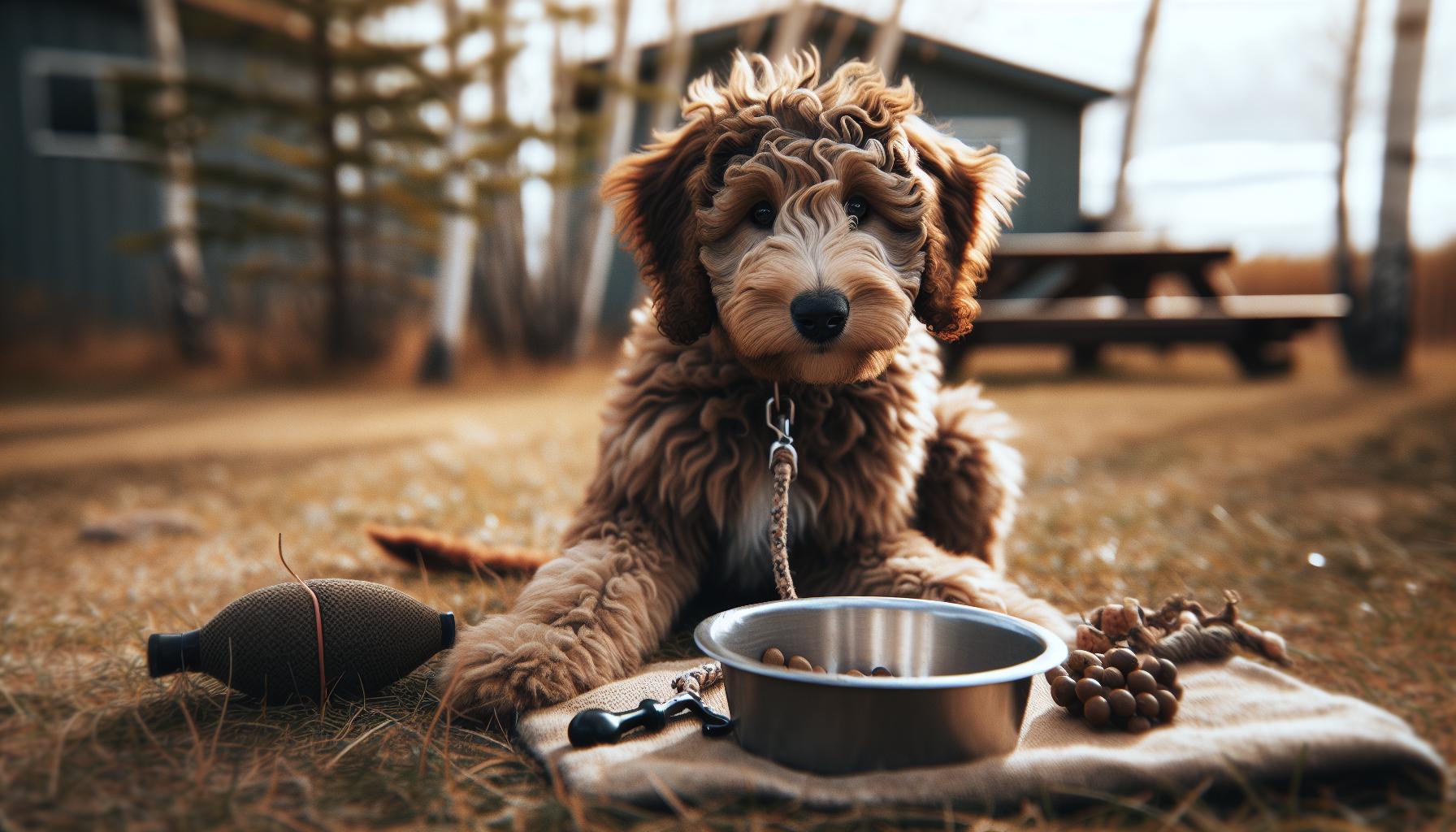
What Makes Australian Labradoodles Unique?
There’s something truly special about Australian Labradoodles that sets them apart from other breeds and mixes. Originally bred in Australia in the late 1980s as service dogs for people with allergies, these adorable canines have evolved into beloved family pets, known for their friendly demeanor and intelligence. One standout feature of the Australian Labradoodle is their unique coat, which can vary in texture from wavy to curly, contributing to their low-shedding characteristic. This quality is a significant draw for allergy sufferers, making them accessible companions for families that thought dog ownership was out of reach.
Beyond their hypoallergenic fur, the breed’s genetic diversity contributes to their unique blend of traits. Australian Labradoodles are a mix of three breeds: the Labrador Retriever, the Poodle, and the Cocker Spaniel or the Irish Water Spaniel. This mixture not only enhances their physical appeal-often resulting in a delightful range of colors including chocolate, caramel, and cream-but also makes for a dog that is highly trainable and eager to please. Their gentle and loving nature allows them to fit seamlessly into various family dynamics, from bustling households with children to quieter environments where they can be cherished companions.
Moreover, the Australian Labradoodle is recognized for its exceptional temperament. They are known to be sociable and adaptive, thriving on human companionship and interactive play. With an innate ability to read human emotions, they often act as emotional support animals, providing comfort and affection to their owners. Their playful yet calm disposition makes them excellent therapy dogs, often found in hospitals and schools, bringing smiles and joy wherever they go.
By considering these excellent traits, potential owners can understand why Australian Labradoodles are not just pets but cherished family members, embodying a unique blend of personality, aesthetic appeal, and emotional support capabilities that make them truly one of a kind.
Understanding the Different Australian Labradoodle Generations
Understanding the different generations of Australian Labradoodles can truly enhance your experience as a pet owner or prospective buyer. This breed is bred across several generations, which significantly influences their traits, coat types, and behaviors. The generations of Australian Labradoodles are primarily categorized into F1, F1b, F2, and F3, each representing a unique blend of parent breeds that contribute to the dog’s characteristics.
Generational Breakdown
- F1 Australian Labradoodle: This is a first-generation cross between a purebred Labrador Retriever and a purebred Poodle. F1 Labradoodles typically have a variety of coat types, ranging from wavy to curly, but they may also shed more compared to other generations.
- F1b Australian Labradoodle: The F1b generation is the result of crossing an F1 with a Poodle. This generation is especially popular for its low-shedding coat, often making it more hypoallergenic. F1b Labradoodles are also known for their enhanced temperament and trainability.
- F2 Australian Labradoodle: An F2 is produced by breeding two F1 Labradoodles. This generation can offer a mix of coat types and colors but may come with more variability in traits, as they are somewhat less predictable in terms of shedding and temperament.
- F3 and Beyond: F3 Australian Labradoodles are bred from two F2s or another combination of F2 or higher generations. The purpose of breeding F3 and beyond typically focuses on consistency in coat type and improved genetic health by maintaining diversity in the breeding pool.
When selecting your Australian Labradoodle, it’s important to consider which generation aligns best with your needs. For families with allergy concerns, opting for an F1b or an F2 could yield better results. Conversely, an F1 may provide a more classic combination of traits but with some added unpredictability in terms of coat and temperament. Many owners find that the diversity among these generations means they can choose a dog that best fits their lifestyle, activity level, and grooming preferences.
Ultimately, regardless of the generation, one thing remains constant: Australian Labradoodles are known for their friendly demeanor, intelligence, and adaptability. This makes them wonderful companions, whether in a bustling home with children or in a quieter setting where their loyalty can shine. By understanding the nuances of each generation, you’re better equipped to make an informed decision that will bring joy to your home.
Key Characteristics of the Australian Labradoodle Breed
The Australian Labradoodle is a captivating blend of intelligence, playfulness, and companionship, making it one of the most sought-after breeds among dog lovers. This unique breed was originally developed to create a hypoallergenic assistance dog, but it has since grown in popularity, thanks to its friendly temperament and endearing characteristics. Understanding the key traits that define Australian Labradoodles can help prospective owners appreciate what makes them special.
One of the most remarkable features of the Australian Labradoodle is their coat type. Their fur can range from wavy to curly, often referred to as “fleece” or “wool,” which tends to be low-shedding. This quality makes them suitable for allergy sufferers. However, the coat also requires regular grooming to prevent matting and tangles. Owners often enjoy the unique challenge of maintaining their dog’s coat, and many find joy in the grooming process itself as a bonding activity with their pet.
In addition to their coat, Australian Labradoodles are known for their intelligent and eager-to-please demeanor. They typically excel in training due to their quick learning abilities, which makes them excellent candidates for obedience training and various canine sports. This intelligence also means they enjoy mental stimulation, so incorporating puzzle toys and interactive play into their daily routine is essential for their well-being. Regular training sessions not only channel their energy but also strengthen the bond between the dog and owner.
Another defining characteristic is their social nature. Australian Labradoodles are typically very sociable and friendly, often getting along well with children, other pets, and even strangers. Their adaptability allows them to thrive in various living situations, whether in a bustling family home or a quieter environment. This breed tends to form strong attachments to their families, which means they often seek companionship and love spending quality time with their humans.
To summarize, Australian Labradoodles are characterized by their unique coat types, intelligence, and sociable personalities. By understanding these traits, new owners can better prepare for the joys and responsibilities that come with welcoming this delightful breed into their homes. Whether you’re training them, enjoying a romp in the park, or simply relaxing together, the love and companionship of an Australian Labradoodle is truly unparalleled.
Australian Labradoodle Size Guide: What to Expect
The excitement of bringing an Australian Labradoodle into your life often comes hand-in-hand with curiosity about their size. Knowing what to expect can help you create an ideal environment for your new furry friend. This breed is known for its three distinct sizes, which can vary widely based on the lineage of the parents. Understanding these differences is crucial for potential owners, especially in preparation for their new companion’s space, exercise needs, and lifestyle integration.
Size Categories
Australian Labradoodles are typically categorized into three sizes: Miniature, Medium, and Standard. Each category offers unique characteristics and care requirements.
| Size | Weight Range | Height Range |
|---|---|---|
| Miniature | 15-30 lbs (7-14 kg) | 14-16 inches (35-41 cm) |
| Medium | 30-45 lbs (14-20 kg) | 16-20 inches (41-51 cm) |
| Standard | 45-65 lbs (20-29 kg) | 20-24 inches (51-61 cm) |
Choosing the Right Size
When selecting an Australian Labradoodle, consider your living situation and activity level. Miniature Labradoodles are well-suited for apartment life, adapting easily to smaller spaces with plenty of playtime and exercise. On the other hand, if you have more room to spare, either a Medium or Standard Labradoodle may be a perfect fit, especially if you’re an active family that enjoys outdoor activities.
Additionally, their size influences personality and energy levels. Miniatures can be playful and spirited, while Standards often exhibit a more laid-back demeanor, wanting to enjoy both playtime and cuddles in equal parts.
Growth and Development
Regardless of size, Australian Labradoodles follow a general growth pattern. Puppies grow rapidly in their first six months and will continue to fill out until around one year of age. Observing their growth rate can help you adjust feeding schedules and exercise routines. Regular vet check-ups are crucial during this period to ensure they are developing properly and maintaining a healthy weight.
By understanding the size specifications and considering your personal lifestyle, you can make an informed decision that best suits your living environment and activity level, ensuring your Australian Labradoodle thrives and becomes a beloved member of your family.
Australian Labradoodle Temperament: Personality Traits Explored
The Australian Labradoodle is renowned for its friendly and vibrant personality, making it a favorite among dog lovers. Originating from a breed developed to be hypoallergenic and family-friendly, these dogs are often described as being sociable, intelligent, and eager to please. Their gentle temperament not only allows them to bond well with families-including children and other pets-but also makes them excellent therapy and service dogs. Since temperament can vary based on factors such as genetics and upbringing, it’s essential to consider these aspects when welcoming one into your home.
One of the key personality traits of an Australian Labradoodle is their high energy level. These dogs thrive on regular exercise and mental stimulation, which can include walks, playtime, and interactive toys. Engaging them in activities not only prevents boredom but also strengthens the bond between you and your furry friend. For potential owners, this means committing to daily activities that satisfy their playful nature. Socialization is another crucial factor. Early exposure to various people, environments, and other animals can enhance their sociable demeanor, leading to a well-adjusted adult dog that enjoys exploring new faces and places.
When compared to other Doodle breeds, the Australian Labradoodle stands out for its adaptability. Whether you live in a bustling city or a quiet country setting, this breed can adjust well to its environment, provided it receives the right amount of exercise and affection. Their eagerness to learn makes them highly trainable, with positive reinforcement methods yielding the best results. Consistency in training is key, as with any dog; however, you’ll find that their affectionate nature and desire to please often make this a rewarding process.
Incorporating structured routines into your daily life with an Australian Labradoodle can promote a harmonious living situation. From setting aside time for play and training to ensuring calm evenings for relaxation, these dogs thrive on a balanced lifestyle. With their unique blend of intelligence, friendliness, and adaptability, Australian Labradoodles can become cherished members of your family, bringing joy and companionship into your home.
Grooming Essentials for Your Australian Labradoodle
Caring for the luxurious coat of an Australian Labradoodle is more than just a chore; it’s an opportunity to bond with your furry friend while ensuring they look their best. This breed’s unique coat can vary in texture and length depending on their lineage, but regular grooming is essential to maintain its health and beauty. Not only does consistent grooming help avoid mats and tangles, but it also reduces shedding and promotes healthy skin.
To keep your Labradoodle’s coat in prime condition, establish a grooming routine that includes brushing at least a few times a week. Use a slicker brush for detangling and a comb to reach deeper into the coat. For those with a more wavy or curly coat, consider investing in a good quality de-shedding tool. Regular brushing not only removes loose fur but also stimulates the skin and promotes natural oil distribution, keeping the coat shiny and healthy.
Additionally, regular baths are vital. A gentle, dog-friendly shampoo can help keep the coat clean and free from excess oils. Depending on your dog’s activity level and coat type, bathing every 4 to 6 weeks is generally recommended. Always thoroughly dry your Labradoodle after a bath, preferably using a pet-specific dryer or towel, as wet fur can become tangled easily.
Don’t forget about the other grooming tasks that contribute to overall hygiene. Nail trimming should be done every few weeks, as overgrown nails can cause discomfort. Regular ear checks are important, especially since Labradoodles can be prone to ear infections due to their floppy ears. Gently cleaning the ears with a vet-recommended solution helps prevent buildup and keeps infections at bay. Lastly, dental care is vital; brushing their teeth a few times a week can help prevent dental issues in the long run.
By staying consistent with grooming and care routines, you’ll nurture a healthy, happy Australian Labradoodle that not only looks great but feels fantastic, too. Remember, this is more than grooming-it’s quality time that strengthens your bond and enhances your dog’s well-being!
Training Tips for a Well-Behaved Australian Labradoodle
Training an Australian Labradoodle can be a rewarding experience, as these dogs are known for their intelligence and eagerness to please. With the right approach, you can foster a well-obedient and well-rounded companion that thrives in various environments-be it at home, at the park, or among friends. One standout trait of Labradoodles is their sociable nature; they often bond closely with their families. This connection is an excellent foundation for training, making it essential to incorporate positive reinforcement techniques.
To initiate the training journey, begin with basic commands. Start with simple cues such as “sit,” “stay,” and “come.” These foundational commands not only enhance safety but also strengthen the bond between you and your dog. Use high-value treats to reward your Labradoodle for following commands successfully. Consistency is key; practice these commands in short, frequent sessions daily to prevent your dog from becoming bored or overwhelmed. Remember, your Australian Labradoodle thrives in an engaging environment-consider incorporating fun games into the training to keep the sessions lively!
Socialization is Vital
Socialization is a crucial aspect of your training regimen. Introduce your Labradoodle to a variety of people, pets, and environments from an early age. This exposure helps reduce anxiety and fosters good behavior in diverse situations. Organizing playdates with other well-mannered dogs can also provide positive experiences. If possible, take your dog to obedience classes; not only will this benefit their learning, but it can also create lasting friendships with both dogs and owners.
Advanced Training and Manners
As your puppy grows more confident in basic commands, consider expanding their training with advanced commands or tricks. This not only keeps their mind engaged but also reinforces their learning. For instance, teaching them to fetch specific items can be a fun game while training their intelligence and retrieving ability. Additionally, teaching your Australian Labradoodle essential manners, such as waiting patiently before eating or not jumping on guests, contributes significantly to their overall behavior and your household harmony.
Lastly, every training session should end on a positive note. Regardless of whether your dog completed the task perfectly, always reward their effort and enthusiasm. A well-structured training approach, infused with patience and love, will ensure that your Australian Labradoodle becomes a beloved and well-behaved member of your family!
Health Considerations for Australian Labradoodles
When considering the health of an Australian Labradoodle, it’s crucial to understand that these lovable companions can inherit health challenges from their parent breeds, namely the Labrador Retriever, the Poodle, and the Cocker Spaniel. This mixed-breed dog tends to have a robust constitution but is still predisposed to specific genetic conditions. Regular veterinary check-ups, coupled with an informed approach to care, can significantly enhance their quality of life.
One of the primary health concerns for Australian Labradoodles is hip dysplasia, a hereditary condition that affects the hip joint’s development and can lead to arthritis. Regular exercise and maintaining a healthy weight can help mitigate this risk, as obesity exacerbates joint problems. Additionally, monitoring their diet with high-quality dog food can promote overall health. It’s beneficial to consult with your veterinarian to determine the best nutrition plan tailored specifically for your dog’s age, size, and energy level.
Another important consideration is the potential for allergies. Australian Labradoodles may be more susceptible to skin conditions and food allergies, manifesting as itchy skin or gastrointestinal issues. Regular grooming, including baths and brushing, helps maintain a healthy coat and skin. Additionally, new owners should be aware of any changes in their dog’s behavior or physical appearance, as early detection and management of allergies are vital.
Lastly, regular veterinary care is essential for preventative health measures, including vaccinations and screenings for conditions like progressive retinal atrophy (PRA), which can lead to blindness. Establishing a schedule for preventative care not only helps catch potential issues early but also supports a longer, happier life for your Australian Labradoodle. By being proactive about your dog’s health, you ensure they are not only vibrant but also a cherished companion for years to come.
Australian Labradoodle Lifespan: What You Should Know
The average lifespan of an Australian Labradoodle ranges between 12 to 14 years. This welcoming statistic reflects not only their moderate life expectancy but also the fact that their lifespan can be influenced by numerous factors, including genetics, health care, diet, and overall lifestyle. By understanding these components, you can take proactive steps to ensure your furry friend enjoys a long and healthy life.
A well-balanced diet is crucial. High-quality dog food tailored to your Australian Labradoodle’s age, size, and activity level provides the necessary nutrients they need to thrive. For instance, puppies require different nutritional elements compared to adult dogs. Regular visits to the veterinarian for check-ups can also help catch any potential health issues early, facilitating timely treatment and management. Keeping them active with daily exercise not only helps maintain a healthy weight but also strengthens their joints and muscles, thus supporting their longevity.
It’s worth noting that mixed breeds like the Australian Labradoodle often have a genetic advantage known as hybrid vigor, which can contribute to a longer lifespan compared to some purebred counterparts. Nonetheless, they can carry genetic predispositions to certain health conditions, such as hip dysplasia or allergies. Therefore, maintaining a consistent routine for grooming, exercise, and veterinary care becomes paramount in mitigating these risks. Regular grooming not only keeps their coat healthy but also allows you to monitor any changes in their skin or overall appearance, catching early signs of problems.
Owners often find that fostering a warm environment with plenty of mental stimulation and love contributes significantly to their dog’s happiness and longevity. Engaging activities, socialization with other dogs, and training sessions can enhance both their physical and mental well-being. Ultimately, a blend of attentive care, regular health check-ups, and a fulfilling lifestyle can help your Australian Labradoodle thrive into their golden years.
Comparing Australian Labradoodles to Other Doodle Breeds
When exploring the delightful world of Doodle breeds, Australian Labradoodles stand out for their unique blend of traits that come from their interesting lineage. Unlike other Doodles such as Goldendoodles or Bernedoodles, which typically mix a Labrador Retriever with a Golden Retriever or Bernese Mountain Dog respectively, Australian Labradoodles have a more complex ancestry. They are created by crossing the Labrador Retriever with the Poodle, often allowing also for genetics from the American and English Cocker Spaniel, resulting in a dog that is not only versatile but often boasts a delightful temperament.
Key Differences in Characteristics
One of the most notable aspects differentiating Australian Labradoodles from other Doodle breeds is their coat. While Goldendoodles may have more variation in their coat types due to the curly fur of the Poodle and the straight or wavy fur of Goldens, Australian Labradoodles are prized for their unique fleece, which is wavy or curly and typically hypoallergenic. This coat type reduces shedding, making them a great choice for allergy sufferers.
Additionally, Australian Labradoodles come in various sizes-miniature, medium, and standard-allowing potential owners to choose a size that best fits their lifestyle compared to other Doodles which may have limited size ranges. This versatility is ideal for families living in smaller homes or for those looking for a larger companion.
Temperament and Trainability
Temperament-wise, Australian Labradoodles are known for their friendly and sociable nature, which aligns them more closely with Labradors than with the sometimes aloof nature of Poodles. They are typically eager to please, making them highly trainable-often on par with Goldendoodles, though they may require a bit more consistency due to their somewhat independent streak.
In practical applications, this means that Australian Labradoodles often excel in service roles, including therapy and assistance work, thanks to their intelligent and gentle demeanor. Comparatively, other Doodles may have varying levels of focus based on their respective breeds, which can impact their adaptability in similar roles.
Health Considerations
When assessing health, Australian Labradoodles benefit from a phenomenon known as hybrid vigor, stemming from their diverse genetic background. This generally leads to fewer health problems compared to purebred dogs, though they can still inherit specific issues from their parent breeds. For example, like all Doodle breeds, they may be prone to hip dysplasia or eye conditions. Regular veterinary check-ups and a good diet remain essential in ensuring they stay healthy-much like their cousins, the Goldendoodles and Bernedoodles.
In summary, the Australian Labradoodle shines in many respects, from their hypoallergenic coats and variety of sizes to their appealing temperament and trainability. This breed’s unique history and genetics contribute to its distinct place within the Doodle family, making it a wonderful option for potential dog owners seeking a loving and versatile companion.
How to Choose the Right Australian Labradoodle for You
Choosing the perfect Australian Labradoodle can be an exciting yet daunting task. With their friendly demeanor, hypoallergenic coats, and an array of sizes available, these dogs are beloved by many. However, understanding the specific needs of both the breed and your lifestyle is crucial to making the right choice. This process often starts with assessing what fits best for you and your household.
Begin by considering your living situation. Do you live in an apartment or a spacious house with a large yard? Australian Labradoodles come in three sizes: miniature, medium, and standard. Miniature Labradoodles are often ideal for smaller spaces and for individuals or families with limited mobility. Medium ones suit families looking for a balance of energy and space, while standard Labradoodles thrive in larger environments where they can run and play.
Next, think about your activity level and how much time you can dedicate to exercise and socialization. Australian Labradoodles are energetic and thrive on interaction. If you enjoy outdoor activities and have the time for daily walks and play, this breed will fit seamlessly into your lifestyle. Consider whether you’re looking for a companion for outdoor adventures, someone to join you on runs, or a gentle buddy to relax with at home. Be honest with yourself about your daily schedule; an active dog needs plenty of attention and mental stimulation.
Also, take into account your family dynamics. Do you have young children or other pets? Australian Labradoodles are known for their friendly and tolerant nature, making them great family pets. When selecting an Australian Labradoodle, consider meeting them in person to gauge how they interact with your family members. A meet and greet can provide valuable insight into their temperament and suitability for your household.
Finally, it’s critical to choose a reputable breeder who prioritizes health and temperament over looks. Ensure that the puppies have undergone appropriate health screenings and that the breeder can provide information about the lineage of the puppy. A good breeder will also be willing to discuss the traits of Australian Labradoodles extensively, including behavior, grooming needs, and training tips, ensuring you’re equipped to welcome your new furry friend into your life. By carefully considering these factors, you’re more likely to find an Australian Labradoodle that fits perfectly into your home and heart.
Real-life Experiences: Stories from Australian Labradoodle Owners
Every Australian Labradoodle owner has a unique story that showcases the charm and joy these dogs bring into our lives. They often describe their experience as a journey filled with affection, laughter, and a few challenges along the way. For example, Jane, a devoted dog lover from Melbourne, shares how her medium-sized Labradoodle, Max, became an integral part of her family. Max has a delightful knack for sensing moods, bringing comfort on rough days with his gentle demeanor and wagging tail. She notes that his irresistible charm has made him the unofficial family therapist, attracting cuddles from her children whenever emotions run high.
The adaptability of Australian Labradoodles is another common theme among owners. Tom, living in a bustling city, has a miniature Labradoodle named Bella. He emphasizes how her small size doesn’t hold her back-Bella enjoys daily adventures in nearby parks and is always eager to make new furry friends. Tom appreciates her playful energy, but he also highlights the importance of regular exercise to keep Bella happy and healthy. Her recent agility training sessions not only serve as a great bonding activity but also keep her mentally stimulated, showcasing the breed’s intelligence and eagerness to learn.
Owners often share insights about grooming, a key aspect of caring for an Australian Labradoodle. Rebecca, who runs a small grooming business, mentions how regular grooming has not only enhanced the bond with her Labradoodle, Charlie, but also significantly reduced the shedding issues they initially faced. By establishing a routine that includes brushing and occasional professional grooming, she has found that Charlie’s coat remains healthy and his temperament stays cheerful, making preparedness and sharing experiences vital for overcoming common grooming challenges.
These real-life experiences underscore the essence of Australian Labradoodles: loving companions with diverse personalities and needs. Whether it’s adapting to various living situations, engaging in training activities, or managing grooming routines, owners consistently express that the love and laughter these dogs bring far outweigh any challenges encountered. When considering joining this wonderful breed, prospective owners can find comfort in knowing they are not just gaining a pet; they are inviting a joyful, loyal friend into their lives.
Q&A
Q: What is an Australian Labradoodle?
A: An Australian Labradoodle is a crossbreed dog developed from Labrador Retrievers, Poodles, and English Cocker Spaniels. They are known for their hypoallergenic coats, friendly temperament, and intelligence, making them great family pets and service dogs.
Q: What are the main differences between Australian Labradoodles and standard Labradoodles?
A: The key differences include genetic background and coat type. Australian Labradoodles typically have a more diverse gene pool, including a mix of three breeds, while standard Labradoodles primarily come from Labrador Retrievers and Poodles. Australian Labradoodles also often have wavier, fleece-like coats.
Q: How do you train an Australian Labradoodle effectively?
A: Effective training for an Australian Labradoodle involves positive reinforcement methods, consistent commands, and socialization. Start training early with basic commands and gradually introduce more complex tasks. Keeping training sessions short and engaging will maintain their interest and focus.
Q: What should I expect in terms of grooming for an Australian Labradoodle?
A: Grooming an Australian Labradoodle requires regular brushing to prevent matting of their curly coat. They should also be bathed every 4-6 weeks and have their ears checked regularly to prevent infections. Consider a professional groomer if you’re unsure about grooming techniques.
Q: Are Australian Labradoodles prone to any health issues?
A: While generally healthy, Australian Labradoodles can be predisposed to certain genetic conditions, including hip dysplasia, eye conditions, and skin allergies. Regular veterinary check-ups and a balanced diet are essential for maintaining their health.
Q: How does the temperament of an Australian Labradoodle compare to other breeds?
A: Australian Labradoodles are known for their friendly, affectionate, and intelligent nature. They are typically more sociable and easier to train compared to some other breeds, making them excellent companions for families and individuals alike.
Q: What size can I expect my Australian Labradoodle to be?
A: Australian Labradoodles come in three sizes: standard, medium, and miniature. Standard Labradoodles typically weigh between 50-65 pounds, while mediums range from 30-45 pounds, and miniatures usually weigh 15-30 pounds.
Q: Why are Australian Labradoodles popular as family pets?
A: Australian Labradoodles are popular as family pets due to their friendly demeanor, intelligence, and low-shedding coats. Their adaptable nature makes them suitable for various living situations, and they generally get along well with children and other animals.
Key Takeaways
As we wrap up our exploration of Australian Labradoodles and their unique features, it’s clear that their charming personalities and low-shedding coats make them an ideal companion for many families. Whether you’re just starting your journey or already a proud owner, understanding these lovable dogs helps ensure a happy, healthy relationship. If you’re looking for tips on training or health care specifics, be sure to check out our other articles on Labradoodle training essentials and health tips for Doodles.
Don’t hesitate to leave a comment below to share your experiences or ask any lingering questions! Remember, taking the first step to learn more is vital for making informed decisions about your furry friend. For more insights straight to your inbox, subscribe to our newsletter today and keep your knowledge growing! More information awaits you on this wonderful breed-dive into our resource section for guidance on procedures like grooming and nutritional advice tailored just for Labradoodles. Your adventure with your Australian Labradoodle is just beginning!