
Did you know that Labradoodles come in three distinct sizes: standard, medium, and miniature? Understanding the dimensions and weight standards of this popular hybrid breed is crucial for potential owners, as it influences everything from living arrangements to exercise needs. Whether you’re drawn to their affectionate nature or their intelligence, knowing what size fits your lifestyle can help ensure a happy companionship. As you consider adding a Labradoodle to your family, it’s essential to grasp the implications of their size-not only to meet their physical requirements but also to match their energy levels with your own. By diving into this guide, you’ll gain insights into each size category and practical tips for making the best choice for your home, so you can embark on your Labradoodle journey well-prepared.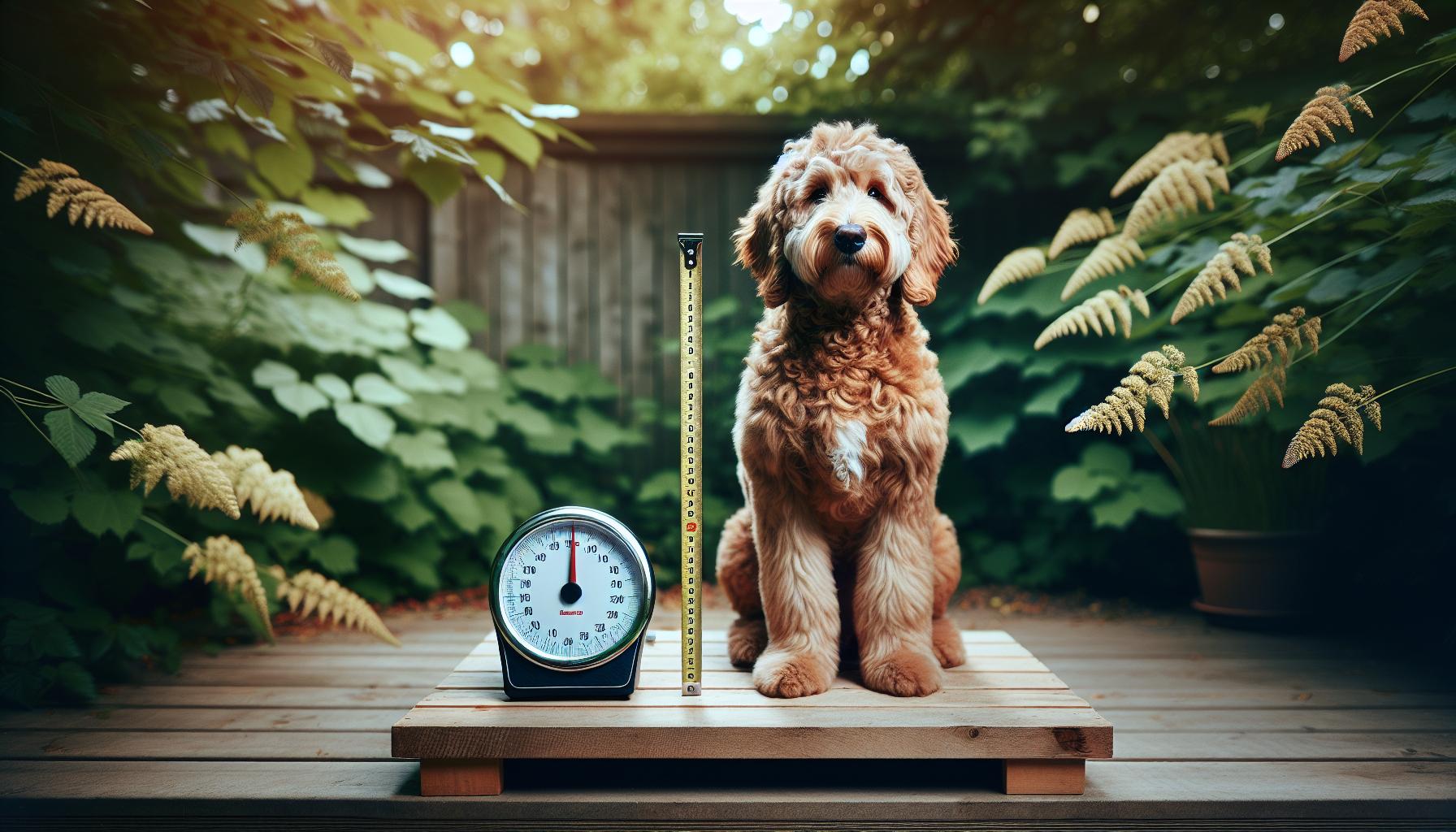
What Are the Different Sizes of Labradoodles?
When considering a Labradoodle, one of the most fascinating aspects is their size variety, which makes them suitable for various living situations and lifestyles. Labradoodles come in three primary sizes: Standard, Medium, and Miniature. Each size has its own distinct characteristics, allowing prospective owners to choose the perfect match for their homes and family dynamics.
Standard vs. Miniature vs. Medium Labradoodles
Standard Labradoodles typically weigh between 50 to 65 pounds and stand 21 to 24 inches tall at the shoulder. They are ideal for families with ample space and an active lifestyle. On the other hand, Miniature Labradoodles are smaller, weighing between 15 to 25 pounds and standing about 14 to 16 inches in height. They work well in smaller homes or apartments, offering a delightful companion that doesn’t require as much space. The Medium Labradoodle falls in between, generally weighing around 30 to 45 pounds and measuring about 17 to 20 inches tall. This size is less common but still a great option for those who desire a dog with a medium build.
Labradoodle Weight Ranges Explained
Understanding the weight ranges of each Labradoodle size can help you prepare for more specific care needs. Here’s a quick breakdown:
| Size | Weight Range | Height Range |
|---|---|---|
| Standard | 50-65 lbs | 21-24 inches |
| Medium | 30-45 lbs | 17-20 inches |
| Miniature | 15-25 lbs | 14-16 inches |
This acknowledgment of size differences not only plays a role in physical space but also impacts exercise needs, dietary requirements, and overall care throughout the dog’s life.
In summary, being aware of the different sizes of Labradoodles allows you to choose the right companion fitting your lifestyle and preferences while also ensuring you meet their specific needs. Whether you opt for a playful Standard, a cuddly Miniature, or a balanced Medium, understanding their characteristics will enrich your experience as a dog owner.
Standard vs. Miniature vs. Medium Labradoodles
Labradoodles are celebrated not just for their charming personalities, but also for the variety of sizes they offer to suit different lifestyles and living situations. Whether you’re looking for a dog to accompany you on outdoor adventures or a compact companion that fits comfortably in your apartment, there’s a Labradoodle just right for you. Each size comes with its own set of characteristics and care considerations that can greatly influence your choice.
When considering a Standard Labradoodle, you’ll find these dogs typically weigh between 50 to 65 pounds and stand 21 to 24 inches tall. Their larger size makes them well-suited for families that have ample space and an active routine, as they thrive on physical activities like running and playing. On the other end of the spectrum, Miniature Labradoodles are more petite, weighing in at about 15 to 25 pounds with a height of 14 to 16 inches. This size is perfect for urban dwellers or those seeking a cuddly, compact companion that doesn’t require extensive space. The Medium Labradoodle serves as a wonderful middle ground, generally weighing around 30 to 45 pounds and measuring about 17 to 20 inches tall, providing an appealing option for those who prefer a balance between the two extremes.
To outline these distinctions more clearly, here’s a quick reference table:
| Size | Weight Range | Height Range |
|---|---|---|
| Standard | 50-65 lbs | 21-24 inches |
| Medium | 30-45 lbs | 17-20 inches |
| Miniature | 15-25 lbs | 14-16 inches |
Understanding these physical dimensions is crucial not just for fitting a dog into your space but also for meeting their unique exercise and health needs. For instance, Standard Labradoodles often require more vigorous daily walks and playtime, while Miniatures may be perfectly content with shorter bursts of activity. Regardless of the size, all Labradoodles benefit from quality time spent with their owners, and ensuring you choose a size that aligns with your daily lifestyle can lead to a more fulfilling companionship. Embracing the character of each size-whether it be the playful exuberance of a Standard, the affectionate nature of a Miniature, or the well-rounded charm of a Medium-will only enhance the joy of dog ownership.
Labradoodle Weight Ranges Explained
Understanding the weight ranges of Labradoodles is essential for both prospective owners and those already nurturing these lovable companions. Weight is not just a number; it reflects the dog’s health, lifestyle needs, and how they fit into your home environment. Labradoodles come in three sizes-Standard, Medium, and Miniature-each with distinct weight parameters that cater to different lifestyles. Knowing what to expect can help you provide the best care and ensure a fulfilling partnership.
For Standard Labradoodles, the weight typically ranges from 50 to 65 pounds. These larger dogs are great for families with plenty of space and energy to spare, as they thrive on regular, vigorous exercise. If you have an active lifestyle, a Standard Labradoodle can be an ideal match, as they enjoy being included in outdoor adventures. In contrast, Miniature Labradoodles weigh between 15 and 25 pounds and are perfect for those looking for a smaller companion. Their weight allows them to adapt well to apartment living, where outdoor space may be limited. Medium Labradoodles fall in the middle, weighing approximately 30 to 45 pounds, making them an excellent option for those who desire a dog that’s neither too small nor too large.
Factors Influencing Weight
Several factors can influence a Labradoodle’s weight, including genetics, diet, and activity level. It’s crucial to keep your pup’s diet tailored to their size and life stage-puppies, for example, have different nutritional needs compared to adults. Ensuring consistent exercise is equally important; as Labradoodles are high-energy dogs, they need regular walks and playtime to maintain a healthy weight. Regular veterinary check-ups can also provide guidance on ideal weight maintenance and help to avoid potential obesity issues, which all too often stem from overfeeding or inadequate activity levels.
Understanding and managing your Labradoodle’s weight can tremendously impact their overall health. A healthy weight helps to prevent various health issues, such as joint problems and cardiovascular diseases. Regular monitoring of your dog’s weight, as well as visible signs of their health such as coat condition and energy levels, can all indicate if they are within the appropriate weight range. Remember, a happy Labradoodle is an active one, and managing their weight through a balanced diet and ample exercise is key to ensuring they live a long, vibrant life by your side.
Understanding Labradoodle Growth Stages
As your Labradoodle grows, understanding its growth stages is essential for providing the right care and ensuring a healthy development. Each stage in a Labradoodle’s life-from a curious and energetic puppy to a balanced adult-plays a crucial role in determining its final size and weight. Puppies undergo rapid growth, and this can often leave owners wondering how to best support their furry friend during these formative months.
During their initial months, puppies typically experience a significant increase in size. For instance, a Miniature Labradoodle might weigh around 5 to 15 pounds at eight weeks, but they can reach their maximum weight as quickly as 12 months, depending on genetics and diet. In contrast, Standard Labradoodles often take a bit longer to reach full maturity, which can be around 18 to 24 months when they achieve their adult weight of 50 to 65 pounds. Regular veterinary check-ups during this period are essential to monitor growth and make necessary dietary adjustments to support their health.
It’s important to tailor care to these stages. Young Labradoodles have high energy levels and require ample exercise to develop strong muscles and bones. As they grow, continue to provide a balanced diet to meet their nutritional needs, focusing on quality puppy food designed for growth. Furthermore, socialization is crucial during this period; introducing your puppy to different environments, people, and other dogs can positively impact their temperament as they mature.
Investing time in understanding your Labradoodle’s growth stages and fostering an appropriate environment can set the foundation for a happy, well-adjusted adult. By staying proactive in their care-monitoring their weight, ensuring regular activity, and consulting with your veterinarian-you bring out the best in your Labradoodle, preparing them for a fulfilled life by your side as a loving companion.
Factors Influencing Labradoodle Size and Weight
The size and weight of a Labradoodle can vary significantly due to several influencing factors, making each dog unique. One of the major determinants is the size of the parent breeds. Labradoodles can be bred from Standard, Miniature, or even Toy Poodles, resulting in distinct size categories. Generally, the size classifications break down into three main groups:
- Standard Labradoodles: Typically weigh between 50 to 65 pounds and stand about 21 to 24 inches tall at the shoulder.
- Medium Labradoodles: Weigh between 30 to 45 pounds and measure around 18 to 20 inches tall.
- Miniature Labradoodles: Usually weigh between 15 to 30 pounds and reach heights of 14 to 16 inches.
Another important factor influencing size is genetics. Various traits can be inherited from both the Labrador and the Poodle, and the combination may produce varied results within a single litter. For example, if both parents are on the smaller end of their breed standards, it’s likely their puppies will also be smaller.
Nutrition plays a crucial role during the puppy’s growth stages, affecting how they develop and how quickly they reach their adult size. High-quality, breed-appropriate food can promote healthy growth, whereas poor nutrition can stunt growth or lead to obesity, impacting the dog’s overall health. Training and exercise are also essential-active dogs build muscle and develop a healthy body composition, which can influence their weight.
Finally, environmental factors and lifestyle choices can impact a Labradoodle’s size and weight. A pup raised in a stimulating environment that encourages play and exercise is less likely to become overweight compared to one that leads a sedentary life. Abundant opportunities for activities, proper socialization, and mental stimulation help in maintaining an ideal weight throughout their life.
By understanding these factors, owners can take proactive steps to ensure their Labradoodle grows to its intended size, remaining healthy and vibrant throughout its life. Regular vet check-ups can provide personalized guidance tailored to the needs of your specific Labradoodle.
Average Dimensions of Adult Labradoodles
Understanding the is essential for prospective owners. These delightful dogs come in various sizes, as they are a cross between Labradors and Poodles. This blend results in three primary categories: Standard, Medium, and Miniature Labradoodles. Knowing their dimensions can help you prepare your home, select appropriate supplies, and set realistic expectations for their space and activity needs.
Standard Labradoodles
Standard Labradoodles are the largest of the three sizes, typically weighing between 50 to 65 pounds and standing about 21 to 24 inches tall at the shoulder. Their size makes them robust companions who require ample exercise, such as running or long walks. This energetic breed often loves to play fetch and swim, so having enough space to accommodate their activity level is crucial.
Medium Labradoodles
Medium Labradoodles offer a balanced option for those who might find Standard Labradoodles too large. They usually weigh between 30 to 45 pounds and are about 18 to 20 inches tall. This size makes them easier to manage in a variety of living situations, while still maintaining that playful Labradoodle spirit. They thrive on social interaction and activities, so ensuring they get regular playtime is essential.
Miniature Labradoodles
Miniature Labradoodles are the smallest, weighing between 15 to 30 pounds and measuring around 14 to 16 inches tall. Their compact size makes them ideal for apartment living or for owners seeking a more manageable dog without compromising on personality. Despite their smaller stature, Miniature Labradoodles are just as lively and affectionate as their larger counterparts, requiring regular exercise to keep them happy and healthy.
To give you a clearer idea of how these sizes compare, here’s a quick table of the average dimensions for each category:
| Size Category | Weight Range | Height Range |
|---|---|---|
| Standard Labradoodle | 50 – 65 lbs | 21 – 24 inches |
| Medium Labradoodle | 30 – 45 lbs | 18 – 20 inches |
| Miniature Labradoodle | 15 – 30 lbs | 14 – 16 inches |
These dimensions are reflective of the breed’s general averages. However, it’s important to remember that individual dogs may vary based on genetics, nutrition, and overall health. A well-cared-for Labradoodle can reach and maintain a healthy size, tailored to their specific needs. Whether you are considering a Standard, Medium, or Miniature Labradoodle, understanding their dimensions helps ensure that you provide them with a loving and accommodating environment.
Comparing Labradoodles to Other Breeds
When considering the vibrant and affectionate Labradoodle, one might wonder how their sizes stack up against other popular dog breeds. Understanding these comparisons not only aids in selecting the right breed for your lifestyle but also illuminates what to expect regarding space, exercise needs, and overall care. Labradoodles, with their varied sizes, can fit into diverse living situations, making them one of the more adaptable breeds available today.
For instance, let’s compare Labradoodles to Golden Retrievers, who share the same friendly disposition. While both breeds have similar temperaments, the size of a Standard Labradoodle, typically weighing between 50 to 65 pounds and standing 21 to 24 inches tall, is comparable to a medium to large Golden Retriever, which generally weighs between 55 to 75 pounds. Golden Retrievers, known for their robust frames, often require slightly more space due to their larger size, making the slightly smaller Standard or Medium Labradoodle a suitable option for more confined living spaces.
Additionally, if you are considering a Miniature Labradoodle, weighing between 15 to 30 pounds and measuring 14 to 16 inches, this can be an attractive alternative to smaller breeds, such as the Cavalier King Charles Spaniel, which typically weighs 13 to 18 pounds and stands about 12 to 13 inches tall. While both breeds are excellent for apartment living, Miniature Labradoodles pack a lot of personality and energy into their compact size, along with the added benefit of being a hypoallergenic option for dog lovers with allergies.
Here’s a helpful comparison table to outline some key size aspects between Labradoodles and other popular breeds:
| Breed | Weight Range | Height Range |
|---|---|---|
| Standard Labradoodle | 50 – 65 lbs | 21 – 24 inches |
| Golden Retriever | 55 – 75 lbs | 21 – 24 inches |
| Medium Labradoodle | 30 – 45 lbs | 18 – 20 inches |
| Miniature Labradoodle | 15 – 30 lbs | 14 – 16 inches |
| Cavalier King Charles Spaniel | 13 – 18 lbs | 12 – 13 inches |
Ultimately, the choice between a Labradoodle and another breed should align with your living environment, activity level, and personal preferences. Knowing how they measure up against other breeds will help guide prospective owners in making an informed decision-ensuring you choose a dog that fits seamlessly into your life while getting the love and care they deserve.
How to Measure Your Labradoodle Properly
To ensure you know exactly what size your Labradoodle is, measuring them correctly is crucial. This not only helps in choosing the right gear-like collars, harnesses, and crates-but also plays a role in tracking their growth and maintaining a healthy weight. Measuring a Labradoodle can be a fun bonding experience, so grab some treats to encourage your furry friend to stay still!
Start by gathering a few simple tools: a measuring tape, a notepad, and a pen. It’s best to measure your Labradoodle when they are standing straight on a flat surface, so consider having someone help keep them in place, or use a wall as a guide.
Measuring Height
To measure height, position the measuring tape from the ground to the highest point of the shoulder, known as the withers. This is generally the standard method for measuring a dog’s height. Ensure your dog is standing as tall as possible, without slouching, which means you may need to coax them with a treat or favorite toy. Write down the measurement in inches to keep track for future reference.
Measuring Weight
Next, for weight, simply use a digital scale. If your Labradoodle is large enough to stand on their own, you can let them step on the scale. If they’re a smaller variety or hesitant, try weighing yourself first, and then weigh yourself while holding your pup, subtracting the two weights to get your dog’s accurate weight. This method can be particularly effective for maintaining regular weight checks, helping to keep an eye on their health.
Weight and Height Checkpoints
It’s also a great idea to establish milestones for future measurements as your Labradoodle grows. Here’s a quick reference for the expected size ranges for each type of Labradoodle:
| Labradoodle Size | Weight Range | Height Range |
|---|---|---|
| Standard | 50 – 65 lbs | 21 – 24 inches |
| Medium | 30 – 45 lbs | 18 – 20 inches |
| Miniature | 15 – 30 lbs | 14 – 16 inches |
Regularly monitoring your Labradoodle’s measurements enables you to understand their size progression and adapt accordingly with food, exercise routines, and health check-ups. By following these simple steps, you can ensure your furry friend is happy and healthy at every stage of their life!
Healthy Weight Guidelines for Labradoodles
Maintaining a healthy weight for your Labradoodle is crucial for ensuring their overall well-being and longevity. Did you know that obesity in dogs can shorten their lifespan by up to two years? This makes it even more important for Labradoodle owners to be vigilant about their pet’s weight. Each size of Labradoodle-standard, medium, and miniature-has specific weight ranges that dictate what a healthy weight should be.
A great starting point is to familiarize yourself with the expected weight ranges for your Labradoodle. For instance, standard Labradoodles typically weigh between 50 to 65 pounds, while the medium variety should weigh between 30 to 45 pounds, and miniature Labradoodles range from 15 to 30 pounds. Regular check-ups with your veterinarian can help track your dog’s growth and ensure they remain within these ranges. It’s beneficial to measure your Labradoodle’s weight at least once a month during their growth periods and quarterly thereafter.
Recognizing Healthy Body Condition
Beyond just weight, monitoring your Labradoodle’s body condition is essential. Here are a few practical indicators to help assess whether your dog is at a healthy weight:
- Rib Check: You should be able to feel your dog’s ribs without excess fat covering. If you can’t feel them, your dog may be overweight.
- Waist Observation: When viewed from above, a healthy Labradoodle should have a noticeable waist.
- Abdominal Tuck: From the side view, your dog’s belly should show a tuck towards the back.
Nutritional Considerations
Feeding your Labradoodle a well-balanced diet is another pillar of maintaining a healthy weight. High-quality dog food tailored to their size and activity level is essential. Treats can be a part of their diet too, but it’s crucial to account for these in their daily caloric intake. Opt for healthy, low-calorie treats and always consider food portion sizes.
Additionally, exercise plays a significant role in weight management. Regular walks, playtime, and mental stimulation through activities like agility training or fetch can help keep your Labradoodle in shape. Aim for engaging daily workouts that are suitable for their age and energy level.
By staying proactive about your Labradoodle’s weight, observing their body condition, and providing a balanced diet and ample exercise, you can ensure your furry companion leads a happy and healthy life!
Nutrition’s Role in Labradoodle Growth
To nurture a Labradoodle through its crucial growth stages, understanding the importance of nutrition is paramount. Puppies, in particular, require a diet specifically formulated for their unique development needs. This means choosing high-quality puppy food that provides the right balance of proteins, fats, and carbohydrates to promote healthy bones and muscles. The ideal diet sets the foundation for their future size, weight, and overall well-being.
As your Labradoodle matures, recalibrating their diet based on their size-standard, medium, or miniature-is essential. Each size has specific nutritional requirements to maintain optimal health and energy levels. For instance, a standard Labradoodle may benefit from foods with higher protein content to support its larger frame, while miniature varieties might need a focus on lower calorie diets to prevent obesity. It is worthwhile to consult with your veterinarian regarding the best dietary plan tailored to your dog’s size and activity level.
The timing and manner of feeding also play critical roles in your Labradoodle’s growth. For puppies, dividing their daily food intake into several smaller meals will aid digestion and maximize nutrient absorption. Gradually transitioning to adult food should happen around the age of one, adjusting their portion sizes as they grow. This careful transition helps prevent digestive issues and ensures they are neither overfed nor underfed during critical growth phases.
Regularly monitoring your Labradoodle’s weight and adjusting their diet accordingly can prevent weight-related health issues down the line. Use simple indicators like the rib check, waist observation, and abdominal tuck to assess their body condition continuously. Remember, feeding them a balanced diet is not just about portion sizes-it’s also about offering a variety of nutritious foods and appropriate treats that align with their health goals. By prioritizing their nutrition, you’re setting your Labradoodle up for a vibrant and active life, filled with all the joy and companionship they bring to your own!
Stage-Specific Care: Size Considerations
When bringing a Labradoodle into your home, understanding the unique care requirements based on their size is essential for ensuring a happy and healthy dog. Labradoodles come in three distinct sizes-standard, medium, and miniature-each with specific needs that evolve as they grow. For instance, a standard Labradoodle may weigh anywhere from 50 to 65 pounds and require sufficient space to thrive, while miniature Labradoodles typically weigh between 15 to 25 pounds, making them more adaptable to smaller living areas. This variance in size impacts everything from exercise routines to dietary needs, making it crucial for owners to tailor their approach based on their Labradoodle’s specific requirements.
Feeding and Nutrition
Regardless of size, all Labradoodles benefit from a high-quality, balanced diet that caters to their growing bodies. For instance, larger standard Labradoodles require more protein-rich food to support muscle development and sustain energy levels, especially during their playful youth. In contrast, miniature varieties may benefit from a lower-calorie diet, helping to prevent obesity, which is a common concern in smaller breeds. It’s advisable to consult your veterinarian for personalized dietary recommendations suitable for your dog’s current size and life stage.
Exercise Needs
Exercise is another crucial aspect influenced by size. Standard Labradoodles thrive with vigorous activities like running or swimming, often needing at least an hour of exercise each day. Medium and miniature Labradoodles, while still energetic, can often get by with slightly less-about 30 to 60 minutes of playtime. Adapting your exercise routine not only helps in managing their weight but also supports their mental stimulation, essential for this intelligent breed. Obedience training and engaging games like fetch can also cater to their varying exercise needs effectively.
Health Considerations
Throughout their lives, the size of your Labradoodle can also affect health concerns. Larger dogs are at a higher risk for certain joint and mobility issues as they age. For this reason, maintaining a healthy weight and ensuring proper joint support through nutrition is paramount. Regular check-ups are vital, and adjustments in care may be necessary as they transition from puppyhood to adulthood.
By paying close attention to the specific care needs related to your Labradoodle’s size, you’re not just promoting their health and happiness; you’re building a strong bond through tailored attention and love. It’s about finding a balance and being proactive, paving the way for a fulfilling life together.
Preparing for Your Labradoodle’s Size Changes
As your Labradoodle grows, you’ll experience remarkable transformations that come with each stage of their life. Preparing for these size changes is essential to ensure their comfort and overall well-being. For instance, a puppy’s playful, spunky nature may initially mask their rapid growth, but by six months, you might notice they’re taking up more space than expected. To navigate these changes successfully, it’s important to adjust not just their diet and exercise, but also their living environment and care routines.
Understanding Transition Stages
Each size category-standard, medium, and miniature-will exhibit distinct growth patterns. Generally, a standard Labradoodle reaches their full size by around 12 to 18 months, weighing between 50 to 65 pounds, while miniature varieties stop growing around 8 to 12 months and typically weigh 15 to 25 pounds. During these critical growth phases, monitoring their weight through regular vet visits is vital. Keeping a growth chart can be a fun and practical way to track your pup’s progress, helping you to identify any necessary dietary adjustments early on.
Adapting Your Home Environment
As your Labradoodle grows, their spatial needs will also change. Larger dogs often require more room to roam and play, so consider adjusting your living space accordingly-whether it’s by providing a larger crate or creating a play area in your home or backyard. Smaller Labradoodles, on the other hand, can be more accommodating in smaller spaces. Think about incorporating dog-friendly furniture that allows them a cozy spot to rest. Pay attention to your dog’s growing size when selecting toys as well; larger dogs may need sturdier, larger toys, while smaller ones can enjoy softer, lighter options.
Exercise and Training Adjustments
As your Labradoodle transitions in size, their exercise needs will also evolve. While a standard Labradoodle may require at least an hour of vigorous activity, a miniature may be just as happy with 30 to 45 minutes of playtime. This adjustment is crucial not only for managing their health but also for providing sufficient mental stimulation. Tailoring your training sessions to their size can enhance both learning and bonding. For example, consider using agility training for larger Labradoodles, while incorporating more puzzle toys for miniature ones, keeping them both engaged and happy.
Health Monitoring
Lastly, regular veterinary checkups tailored to their size and growth stage are essential. Larger dogs can face unique health challenges, such as joint issues, which requires proactive care like weight management and targeted exercise. Conversely, smaller breeds may be more prone to dental issues; thus, maintaining a proper dental hygiene routine becomes even more important. Engaging with your vet to discuss these specifics during checkups will prepare you for any adjustments needed as your Labradoodle continues to grow.
In essence, being prepared for your Labradoodle’s size changes goes beyond simply anticipating their growth; it involves actively adapting every aspect of their care, from diet and exercise to environment and health. These adjustments will not only promote a fulfilling, balanced life for your dog but also strengthen the bond you share as you both navigate this exciting journey together.
Faq
Q: What are the different sizes of Labradoodles?
A: Labradoodles come in three main sizes: standard, medium, and miniature. Standard Labradoodles typically weigh between 50-65 pounds, mediums range from 30-45 pounds, and miniature Labradoodles weigh about 15-30 pounds. This diversification allows potential owners to choose based on their living space and lifestyle needs.
Q: How do I choose the right size Labradoodle for my home?
A: Consider your living space and activity level when choosing a Labradoodle size. Standard Labradoodles need more space and exercise, while miniature and medium varieties may be better suited for smaller homes or apartments. Assess your lifestyle to ensure a good fit for both you and the dog.
Q: What is the average height of a Labradoodle?
A: The average height of a standard Labradoodle is 21-24 inches, while medium Labradoodles typically stand 18-20 inches tall, and miniature Labradoodles reach about 14-16 inches. Measurements can vary depending on individual genetics and breeding practices.
Q: At what age do Labradoodles reach their full size?
A: Labradoodles generally reach their full size by 12-18 months, though larger dogs may continue to fill out until around two years. Monitoring their growth will help determine when they have reached their adult dimensions.
Q: How can I measure my Labradoodle accurately?
A: To measure your Labradoodle, have them stand on a flat surface. Use a measuring tape to measure from the ground to the highest point of their shoulder, known as the withers. Additionally, weigh them using a dog scale for accurate weight assessment.
Q: What factors affect a Labradoodle’s size and weight?
A: Several factors influence a Labradoodle’s size and weight, including genetics, diet, and exercise. The size of the parent breeds (Poodle and Labrador) also plays a crucial role, with crossbreeding affecting the offspring’s final size.
Q: How much should a Labradoodle weigh based on its size?
A: A standard Labradoodle should weigh between 50-65 pounds, a medium Labradoodle should be around 30-45 pounds, and a miniature Labradoodle typically weighs 15-30 pounds. Keeping your Labradoodle within these weight ranges is important for their health.
Q: What are the implications of having a larger versus smaller Labradoodle?
A: Larger Labradoodles generally require more exercise and space, making them better suited for active families with large homes. In contrast, smaller Labradoodles may adapt better to apartment living and are often easier to manage for owners who prefer a less energetic pet.
For more detailed insights into Labradoodle dimensions and weight standards, feel free to explore the aspects of sizes and care considerations in our main article.
Closing Remarks
Now that you have a clearer understanding of Labradoodle sizes and weight standards, it’s time to take the next step towards welcoming one of these lovable companions into your life! Remember, whether you’re considering a miniature, medium, or standard Labradoodle, each size brings its unique charm and energy. Check out our comprehensive guide on how to care for your Labradoodle, as well as our tips for training and socialization to ensure your new furry friend is happy and healthy.
Don’t forget to explore our resources on Labradoodle grooming and nutrition, which are equally vital for their well-being. If you have any questions left unanswered, we encourage you to comment below or reach out to our community. Join our newsletter for expert advice, success stories, and more to enhance your Labradoodle journey. By staying informed and connected, you’ll make the most of your experience with your new canine companion!