Did you know that Barbets are not only known for their adorable curly coats but also for their friendly, lively personalities? As a breed originally developed for waterfowl hunting, these medium-sized dogs have specific growth patterns that can impact their overall health and development. Understanding when Barbets stop growing is crucial for new owners and enthusiasts alike, as it helps ensure proper care, nutrition, and training during their early stages of life. In this article, we will explore the growth timeline of Barbets, key milestones that owners should watch for, and practical tips to support their development. Whether you’re a first-time dog owner or a seasoned handler, knowing the growth stages of your Barbet can enhance your companionship and contribute to a happy, healthy life together. Join us as we delve into the fascinating world of Barbet growth!
When Do Barbets Stop Growing: Understanding Their Growth Stages
The Barbet, a charming and versatile breed, goes through fascinating growth stages that every owner should be aware of. Understanding these stages not only helps you monitor your dog’s physical development but also supports their behavioral changes as they mature. Typically, Barbets grow significantly during their early months, with most reaching their adult height and weight by around 12 to 18 months. However, it is crucial to recognize that the rate of growth can vary, influenced by factors such as genetics, diet, and overall health.
In the first few weeks of life, puppies experience rapid development. At around 8 weeks, they are ready to go to their new homes, weighing between 8 to 15 pounds, depending on their breeding. This period is vital for socialization and setting up their foundational behaviors. By 6 months, a Barbet is usually half its adult size; they become more playful and energetic, revealing their inquisitive nature and desire for interaction. As they approach their first birthday, you’ll notice their physical structure becoming more robust, while their coat develops that signature thick, woolly texture.
It’s also important to note that while physical growth may slow down after the first year, mental and social maturity continues. Effective training and socialization during this period can significantly shape their temperament, ensuring they grow into confident and well-behaved adults. Overall, keeping a close eye on your Barbet’s growth stages will not only help you identify the best care practices but also strengthen the bond you share, setting the foundation for a loving and successful companionship.
Key Milestones in Barbet Development
One of the most exciting aspects of raising a Barbet is witnessing their development through key milestones. This breed not only grows physically but also experiences significant behavioral shifts that can shape their personality and strengths. Understanding these milestones helps owners provide the right support, care, and environment for their whimsical companions.
At around 8 weeks, Barbets are typically ready for their new homes, weighing between 8 to 15 pounds. This crucial period marks the beginning of their socialization journey. During these early weeks, puppies are like sponges, absorbing everything around them. Introducing them to various environments, people, and other pets creates a solid foundation for their future interactions. Early social experiences are essential for developing their temperament, so be sure to expose them to new sights and sounds while reinforcing positive behaviors.
By 6 months of age, your Barbet is likely to be about 50% of its adult size. This stage is characterized by an increase in energy levels and playfulness. It’s a perfect time to introduce basic obedience training and reinforce commands they’ve learned. Engaging in structured activities and play helps channel their abundant energy productively, preventing behavioral issues later on. It’s also a good idea to schedule their first veterinary visit for spaying or neutering, if you plan to do so, to ensure their long-term health.
As they approach their first birthday, you’ll notice significant physical changes. Barbets will develop their distinctive, thick, and curly coat, which requires proper grooming maintenance. This is also when they settle into their adult mindset, and behavior tends to mature significantly. Consistent training, positive reinforcement, and social activities will help them transition smoothly into adulthood, allowing you to enjoy a well-rounded, emotionally balanced dog.
As you prepare for these exciting milestones, it’s important to remember that every Barbet’s development can differ slightly based on various factors, including genetics and environment. Some pups may develop social skills more quickly, while others may need extra guidance. By staying engaged and responsive to your dog’s changing needs, you cultivate a strong bond that lasts a lifetime.
What Affects Barbet Growth Rates?
Barbets are fascinating dogs with a growth rate that can surprise many owners. One captivating aspect of this breed is that their development isn’t solely dictated by age; various factors significantly influence how quickly and effectively they grow. Understanding these elements not only helps you anticipate your Barbet’s journey but also enables you to support their growth optimally.
One of the primary influences on a Barbet’s growth rate is genetics. Just like humans, dogs inherit traits from their parents that affect not only their size but also their overall health and development trajectory. If a Barbet comes from a lineage of larger or smaller parents, this will likely influence their growth pattern. Veterinary professionals often emphasize the importance of knowing your puppy’s lineage. For instance, if you adopt a Barbet with parents that possess strong structures, you might find your puppy growing more robustly.
Another critical element is nutrition. The early months of your Barbet’s life are crucial for their physical development, and providing a balanced, high-quality diet that meets their specific needs is vital. Puppies require more protein, calories, and specific nutrients to fuel their rapid growth compared to adult dogs. It’s essential to consult with your veterinarian to determine the most suitable diet and feeding schedule. Overfeeding can lead to obesity and associated health issues, while underfeeding can stunt growth, so striking the right balance is key.
Environmental Factors
The environment in which your Barbet is raised also plays a crucial role. Factors such as living space, social interactions, and daily stimulation can significantly affect both physical and behavioral growth. For example, a Barbet raised in an active household with access to outdoor play will likely develop strength and coordination more effectively than one in a sedentary environment. Socialization opportunities are equally important, as they help in developing confidence and behavior, which can also influence their growth patterns.
Lastly, regular veterinary check-ups are imperative. During these visits, veterinarians can track your puppy’s growth and provide insights into any potential health concerns that may affect their rate of growth. Watching for signs of growth-related issues like joint pain can help catch problems early, ensuring your Barbet matures into a healthy and strong adult. By staying proactive and responsive to your pup’s needs throughout their developmental phases, you’re investing in a happy, healthy future for your furry companion.
In summary, while genetics lays the groundwork, the right nutrition, stimulating environment, and regular veterinary care create the supportive framework to nurture your Barbet through each growth milestone.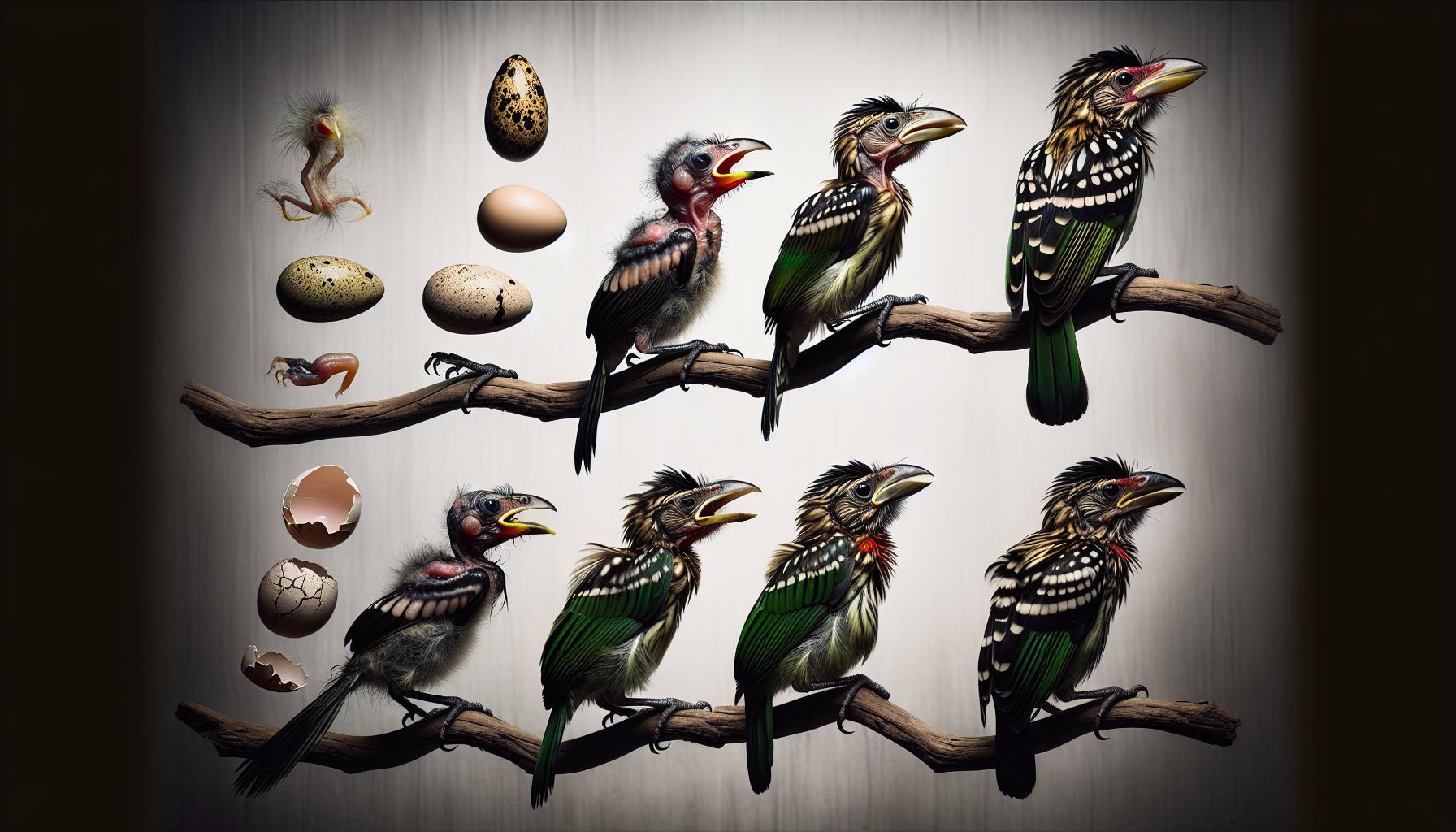
Physical Changes Throughout the Barbet’s Growth
As a Barbet matures from a playful puppy into a handsome adult, their physical changes are both striking and rewarding to witness. At around eight weeks, these delightful dogs are full of energy and curiosity, sporting a fluffy coat that promises a unique, dense texture as they grow. This initial stage is characterized by rapid growth in size, weight, and muscle development, which is crucial for laying down a strong foundation for their adult structure.
In the first few months, you’ll notice their legs becoming sturdier and longer, allowing them to begin developing their characteristic agility and grace. By six months, many Barbets will start to shed their soft puppy fur, revealing a more adult coat that consists of tight, curly hair. This phase can be quite adorable and is often marked by a playful new agility as they learn to control their emerging strength. You might also see their ears and tails becoming more pronounced, contributing to their elegant appearance.
Growth Milestones
Throughout their growth stages, Barbets undergo significant changes in body proportions. Here’s a brief overview of what to expect:
| Age | Physical Changes | Weight (average) |
|---|---|---|
| 8 Weeks | Fluffy coat, playful, starting to explore | 8-15 lbs |
| 4 Months | More coordinated, significant growth spurt | 15-30 lbs |
| 6 Months | Adult coat begins to develop, playful behavior peaks | 25-45 lbs |
| 12 Months | Fully developed adult coat, stable growth | 40-65 lbs |
As your Barbet grows, their activity level also increases, which can influence their physical development. Meeting their exercise needs becomes essential; this includes not only walks but also opportunities for swimming and interactive play. These activities help strengthen their muscles and coordination, as well as keep their energy levels healthy.
It’s also important to keep a close eye on their coat during these phases. Regular grooming is essential to prevent mats and tangles as their curly fur transitions from puppy to adult. A well-maintained coat will not only be healthier but will also enhance their stunning appearance as they grow into their full stature.
Watching your Barbet grow is as fulfilling as it is beautiful, and each stage brings new discoveries and joys, highlighting the unique traits that make this breed so beloved. It’s an adventure filled with milestones that will forge a lasting bond between you and your furry companion.
Nutritional Needs at Different Growth Stages
As your Barbet embarks on its journey from a fluffy puppy to a graceful adult, understanding their nutritional needs during these various growth stages is crucial for supporting their development and overall health. Puppies require special care to ensure they grow strong and healthy, and what you feed them can significantly impact their growth and well-being. The early stages of a Barbet’s life are marked by rapid growth, which necessitates a diet rich in the right nutrients.
During the first few months, from about 8 weeks to 4 months, your Barbet will be experiencing its most significant growth spurts. At this stage, it’s essential to provide a high-quality puppy food formulated to support developing bodies, which typically includes higher levels of protein and calories. Look for options that contain wholesome ingredients such as real meat, healthy fats, and vegetables. Feeding your Barbet approximately three to four meals a day can help to manage their energy levels and prevent overeating.
As your Barbet reaches the six-month mark, they continue to grow but will begin transitioning to their adult diet. This is a good time to switch to a large-breed puppy formula, as Barbets can benefit from a balanced diet that continues to support their joint development without promoting excessive weight gain. Gradually introducing adult food will help their digestive systems adjust smoothly. At this stage, measure their food carefully to ensure they’re getting the right amount-typically this is around 2 to 3 cups of high-quality food per day, depending on their activity level.
By the time your Barbet is a year old, their growth will begin to stabilize. At this point, you can fully transition to adult dog food. Choose a high-quality brand that lists meat as the first ingredient and contains balanced nutrients tailored to active dogs. Monitor their weight closely, as Barbets are susceptible to obesity if they are overfed or inactive. Regular adjustments based on their activity and lifestyle will help maintain their ideal weight.
To further support their growth and health, consider incorporating specific supplements recommended by your veterinarian, especially those aimed at joint health, given their future roles as active swimmers and playmates. Encouraging healthy eating patterns alongside a proper exercise routine can ensure your Barbet transitions beautifully into adulthood, full of joy and vitality.
Socialization and Behavioral Development in Barbets
Every Barbet begins its life filled with curiosity and a playful spirit, making early socialization a crucial component of their development. This breed is known for its friendly and affectionate nature, which can be enhanced through proper socialization from a young age. By exposing your Barbet to various environments, people, and other animals, you help create a well-rounded adult dog. This process ideally starts as early as possible, usually when your puppy is around 8 weeks old, and continues up to around 16 weeks when they are most receptive to new experiences.
To effectively socialize your Barbet, consider incorporating the following activities into your routine:
- Varied Environments: Regular outings to parks, pet-friendly stores, or community events help your Barbet adapt to different surroundings.
- Meeting Other Dogs: Schedule playdates with vaccinated dogs to teach your Barbet proper dog-to-dog interactions.
- Positive Reinforcement: Use treats and praise to reward your Barbet for calm behavior during social encounters. This establishes a positive association with new experiences.
- Exposure to Different People: Encourage interactions with various individuals, including both adults and children, to develop confidence and reduce fearfulness.
- Training Classes: Enroll in puppy training classes that focus on socialization; these classes provide a controlled environment for interaction.
During their development, Barbets are particularly sensitive, making it essential to approach socialization with patience and positivity. Overly stressful experiences can lead to anxiety or fear-based behaviors. As they navigate their growth stages, it’s also vital to observe their responses to different stimuli and adjust your training methods accordingly. Providing consistent training and social interaction during this formative period helps ensure your Barbet becomes a well-mannered, happy adult dog.
Barbets are naturally affectionate and thrive on companionship, so nurturing their social skills lays the foundation for a strong bond between you and your pet. Successfully socialized Barbets often transition into adulthood as confident and balanced dogs, ready to embrace all aspects of life alongside their human families.
Exercise Requirements for Growing Barbets
Providing adequate exercise for your growing Barbet is crucial for their physical and mental development. This breed is lively and energetic, thriving on activities that engage both their body and mind. As they grow, their exercise needs will evolve, so understanding these requirements will set the foundation for a healthy and happy adult dog.
During the early stages of life, such as between 8 weeks and 6 months, Barbets enjoy playful activities that are gentle yet stimulating. Short play sessions in the backyard or interactive games like fetch can be ideal. Aim for a total of about 30 minutes of playtime each day, broken into multiple shorter sessions to adapt to their puppy energy levels. As they mature, say around 6 months to 1 year, you can gradually increase their exercise duration to 1 hour per day. Incorporating a variety of activities is key-in addition to walks, consider swimming or even dog sports, which allow them to burn off excess energy while also honing their skills.
Types of Exercise for Barbets
Barbets are natural swimmers, thanks to their webbed feet, making water-based activities a favorite among them. Here are some top exercise ideas:
- Swimming: If you have access to safe swimming areas, let your Barbet enjoy the water. It’s a low-impact exercise that’s wonderful for their joints.
- Interactive Toys: Use puzzle toys that require them to think and work for treats, stimulating their minds during rainy days.
- Agility Training: Once they reach about 1 year, introducing agility courses can be a fun way to channel their energy and improve coordination.
- Fetch and Retrieve: These games not only help burn energy but also reinforce their retrieving instincts, which they inherently possess.
While it’s important to keep them active, also be mindful of their developing bodies. Avoid overly strenuous activities, especially during their early growth stages, to prevent injury. A general rule of thumb for exercise is about 5 minutes of activity for every month of age; for example, a 4-month-old Barbet can handle around 20 minutes of exercise.
Additionally, monitor your Barbet for signs of fatigue. After a rigorous play session, let them rest and recover. Establishing a consistent routine will not only foster a strong bond but also help your Barbet transition smoothly into adulthood, equipped to thrive in various activities and environments.
Common Growth-Related Health Issues in Barbets
As your Barbet adventures unfold, it’s essential to be aware of potential health issues that can arise during their growth stages. Like all breeds, Barbets are prone to specific conditions, particularly during their formative months. One common concern is hip dysplasia, a genetic condition where the hip joint doesn’t fit snugly into the hip socket. This can lead to arthritis and pain as they mature. Regular check-ups with a veterinarian can help monitor their development, especially for larger breeds like Barbets.
Another growth-related issue is growth plate injury, which can occur if puppies engage in overly strenuous activities. Since their bones are still developing, any excessive impact can result in long-term issues or deformities. It’s crucial to adhere to the guideline of approximately 5 minutes of exercise per month of age, providing balanced physical activity tailored to their development stage. Listening to their energy levels and allowing for adequate rest can prevent such injuries.
Additionally, nutritional balance plays a vital role in your Barbet’s health during growth. Over-supplementation of calcium and phosphorus can lead to skeletal abnormalities, so sticking to a vet-recommended diet formulated for puppies is key. Supplementing with fish oil can support joint health, while ensuring regular vet visits will help catch any nutritional imbalances before they manifest into larger health concerns.
Finally, keep an eye out for signs of allergies, particularly as Barbets grow into adulthood. This breed can be sensitive to certain foods and environmental factors, and early identification can help you manage symptoms effectively. Regular grooming will also play a role in minimizing skin issues, as dense, curly coats can trap dirt and moisture, potentially leading to skin irritations. Being proactive and informed about your Barbet’s growth-related health issues will pave the way for a healthy and playful companion for years to come.
Comparing Barbet Growth with Other Breeds
As a proud Barbet owner, you might find yourself wondering how your furry friend’s growth compares to that of other breeds. Understanding the growth trajectory of Barbets can help you set realistic expectations and encourage proper care tailored to their unique needs. Barbets are medium-sized dogs known for their distinctive curly coats and gentle demeanor. Typically, they will reach their full height by around 12 months of age, but they might not fill out and gain their full weight until about 18 months. This growth timeline is quite similar to that of other medium breeds like the Cocker Spaniel but differs significantly from larger breeds, such as the Golden Retriever, which can continue growing until around two years old.
Comparing Barbets to smaller breeds, such as the Dachshund, highlights notable differences in growth rates. While a Dachshund may reach its adult weight by 10 months, a Barbet requires additional time to develop fully. The variance in growth stages across dog breeds can be fascinating. For instance, while both breeds may have playful, energetic puppies, the Barbet’s more extensive size means they have more substantial bone growth to accommodate, leading to a longer infant and juvenile stage.
Here’s a quick comparison of the growth milestones among these breeds:
| Breed | Average Age to Reach Full Height | Average Age to Reach Full Weight |
|---|---|---|
| Barbet | 12 months | 18 months |
| Cocker Spaniel | 10-12 months | 14-16 months |
| Golden Retriever | 12-18 months | 18-24 months |
| Dachshund | 8-10 months | 10-12 months |
In terms of health implications, it’s essential to recognize that a Barbet’s slower growth might help in developing stronger muscles and healthier joints compared to faster-growing breeds, which can be more prone to developmental issues like hip dysplasia. Thus, understanding where your Barbet stands in relation to the growth patterns of other breeds can inform your approach to their care, training, and nutrition, ensuring they thrive throughout each stage of their development. As you navigate this journey, the key is maintaining a balanced routine that supports their unique growth trajectory, helping them transition smoothly into adulthood.
Understanding Barbet Size and Weight Expectations
Understanding the expected size and weight of your growing Barbet can be both exciting and crucial for their health management. Generally classified as a medium-sized breed, Barbets are known for their robust build and distinctive curly coats. By the age of 12 months, you can expect your Barbet to reach its full height, typically standing between 20 to 24 inches at the shoulder. However, the journey doesn’t stop there; it can take another six months for them to fill out and achieve their full weight, ranging from 35 to 65 pounds depending on their sex and genetics.
As you monitor your Barbet’s growth, it’s essential to recognize that their growth pattern may not resemble other breeds. For instance, comparably larger breeds such as the Golden Retriever may not reach maturity until 24 months, whereas smaller breeds like the Dachshund can be fully grown as early as 10 months. This variance emphasizes the importance of establishing routine veterinary check-ups to ensure that your Barbet is on track and experiencing healthy growth.
To support your Barbet’s development effectively, consider using a weight chart based on their age to guide you. Keeping track of their weight and adjusting their diet and exercise accordingly can help maintain their health. For instance:
| Age | Weight (approximate) |
|---|---|
| 8 weeks | 8-12 lbs |
| 4 months | 20-30 lbs |
| 6 months | 25-40 lbs |
| 12 months | 35-55 lbs |
| 18 months | 35-65 lbs |
Alongside their size and weight, dietary needs may change throughout their development phases. Puppies require a diet high in protein and calories to support their rapid growth, while adults need a balanced diet to maintain health and prevent obesity. Ensuring your Barbet has regular access to clean water and a consistent feeding schedule will also contribute positively to their growth.
By being proactive about your Barbet’s growth and development, you can enjoy a lifetime of companionship with a healthy and well-adjusted pet.
Preparing for Your Barbet’s Transition to Adulthood
As your Barbet approaches adulthood, the excitement of witnessing their transformation can be truly rewarding. This phase marks an essential period where your pup evolves from a playful, energetic bundle of fur into a more grounded, yet still lively companion. Typically, Barbets reach their full height by around 12 months but continue to develop both physically and mentally for several months after that. Preparing for this transition involves understanding their changing needs, adjusting their care routines, and embracing their evolving personality.
One critical aspect to focus on is diet. As your Barbet matures, their nutritional requirements shift from the high-calorie, protein-rich diets designed for rapid growth to a balanced adult diet that promotes long-term health. During this transition, consider gradually introducing adult dog food to avoid digestive upsets. Always consult with your veterinarian for recommendations on the best diet for your dog’s age and activity level. Maintaining a consistent feeding schedule with high-quality food will aid in their growth and overall well-being.
Mental and physical stimulation are equally important during this time. Adult Barbets need regular exercise to stay healthy and happy, but they also benefit from mental challenges. Engaging activities such as puzzle toys, agility training, or even simple obedience training can help keep their minds sharp and reduce boredom-related behaviors. Socialization remains crucial; exposing your dog to new environments, people, and other dogs will help them develop into a well-rounded adult.
Understanding your Barbet’s unique quirks and behaviors during this transition can also foster a deeper bond. For example, you may notice changes in their play style or energy levels. Some Barbets become more independent and may require encouragement to remain engaged in activities. Nurturing this independence while still providing guidance will help them build confidence as they step into adulthood. Prepare to switch from puppy playtime to more structured activities that challenge them both physically and mentally, solidifying their growth into a balanced adult dog.
Through thoughtful preparation and care, your Barbet can transition smoothly into adulthood, paving the way for a long, happy companionship built on trust, respect, and mutual understanding. Enjoy every moment, as this is a beautiful journey of growth for both you and your furry friend!
Tips for Monitoring Your Barbet’s Growth Progress
Monitoring your Barbet’s growth is not just about measuring their height or weight; it’s about understanding their developmental journey and ensuring they thrive physically and emotionally as they mature. One interesting aspect of Barbets is that while they typically reach their full height around 12 months, they continue to fill out and gain muscle until they’re about 18 to 24 months old. This means that being aware of key growth stages can help you provide better care and support as your furry friend grows.
To keep track of your Barbet’s progress, maintain a growth chart that notes their weight and height at regular intervals, such as every month. This can give you valuable insights into their growth patterns and help identify any concerning trends, like sudden weight gain or loss. Along with the physical metrics, it’s essential to monitor their behavior and mental development. Are they exhibiting playful puppy behavior or beginning to show signs of independence? Noting these observations can provide a fuller picture of their growth and maturity.
Also, consider incorporating a health checklist into your routine. Regular vet visits are crucial during their growth stages, particularly as Barbets can be prone to certain health issues like hip dysplasia or ear infections. Your vet can guide you on their overall health and development, which should include vaccinations and dental check-ups. Observing and recording any behavioral or physical changes can be instrumental in keeping your Barbet healthy and happy.
Lastly, enrich your Barbet’s environment with various stimulating activities throughout their growth period. This not only supports physical development but also aids in ensuring they can adapt well as adults. Activities like socialization with other dogs, interactive play, and training sessions will help you gauge their responsiveness to learning and adapting, giving you an idea of their confidence levels as they transition from playful puppies to balanced adults. A well-rounded approach to monitoring your Barbet’s growth can deepen your bond and ensure a vibrant and fulfilling life together.
Frequently Asked Questions
Q: When do Barbets reach their full height?
A: Barbets typically reach their full height by around 12 months of age. However, they may continue to fill out and gain muscle mass until they are about 18 months old. It’s essential to monitor their growth and adjust their nutrition accordingly during this period.
Q: How can I tell if my Barbet is growing at a normal rate?
A: To ensure your Barbet is growing at a normal rate, regularly track their weight and height against standard growth charts for the breed. Consulting your veterinarian during routine check-ups can also help assess their growth progress and overall health.
Q: What are the signs of stunted growth in Barbets?
A: Signs of stunted growth in Barbets include minimal weight gain, lethargy, and lack of appetite. If you notice these symptoms, it is crucial to consult a veterinarian to rule out any underlying health issues or nutritional deficiencies.
Q: Do male and female Barbets grow at the same rate?
A: Male and female Barbets may grow at slightly different rates, with males generally becoming larger and heavier. While females might reach their adult size a bit earlier, both sexes should be closely monitored during their growth phases for health and well-being.
Q: How does diet impact a Barbet’s growth?
A: A balanced diet is vital for a Barbet’s growth. Puppies require a diet formulated for large breeds, rich in protein and essential nutrients, to support healthy development. Regularly consult your vet on dietary adjustments as your Barbet matures.
Q: What growth milestones should I expect during my Barbet’s first year?
A: During the first year, expect major growth milestones: rapid growth in the first few months, slowing between 6 to 12 months, and the onset of adult behaviors around 8 months. Each stage is crucial for their development, requiring tailored care.
Q: How can I support my Barbet’s growth during their developmental stages?
A: Support your Barbet’s growth by providing proper nutrition, regular exercise, and routine vet check-ups. Engage them in socialization activities and gradual training efforts to foster both physical and behavioral development through different growth stages.
Q: When should I be concerned about my Barbet’s growth pattern?
A: Be concerned about your Barbet’s growth pattern if you observe significant deviations from expected growth rates, signs of pain or discomfort, or behavioral changes like decreased playfulness. Consulting a veterinarian will help address any potential issues early on.
Concluding Remarks
As we wrap up your exploration of when Barbets stop growing, it’s clear that understanding their growth timeline is vital for providing the best care for your furry friend. From their playful puppy days to a full-grown adult, each stage presents unique milestones. If you’re eager to learn how to support your Barbet’s health or discover tips on grooming their delightful curly coat, check out our comprehensive guides on Barbet care and training. Don’t leave any questions lingering-drop a comment below or share your experiences with fellow Barbet enthusiasts!
Ready to take the next step? Subscribe to our newsletter for expert insights delivered straight to your inbox, ensuring you’re always ahead in understanding your Barbet’s needs. Also, consider exploring related topics like the best nutrition for Barbets or the most effective training strategies-your journey with your Barbet is just beginning, and we’re here to guide you every step of the way!