
When it comes to Miniature Poodles, one of the most common questions new owners ask is, “When do they stop growing?” Understanding your pup’s maturity timeline is essential for their overall growth, health, and behavioral development. Miniature Poodles, known for their intelligence and lively personality, usually reach their full height and weight by around 12 months, but their growth can vary significantly. As a devoted owner, being aware of these milestones helps you tailor their care, training, and nutrition effectively. Whether you’re navigating the joys of puppyhood or preparing for adult dog challenges, insight into their growth stages equips you with the knowledge to support your furry friend properly. Let’s explore the timeline of their development and what you can expect as your Miniature Poodle matures.
When Do Miniature Poodles Begin Growing?
Miniature Poodles, known for their intelligence and playful disposition, embark on their growth journey almost immediately after birth. Within the first few weeks of life, these puppies begin to show noticeable growth as they thrive on their mother’s milk, gaining both size and strength. By the time they reach around 6-7 months of age, many Miniature Poodles will finish their height growth, but their bodies may continue to fill out and develop muscle until they are approximately one year old. This means that although you can expect to see your Miniature Poodle’s adult height relatively early, they’ll still have essential growth milestones to achieve as they mature into young adults.
The early months of a Miniature Poodle’s life are marked by rapid development, which can be both exciting and critical for their upbringing. During this time, providing a nutritious diet and abundant socialization can foster not only healthy physical growth but also proper behavioral development. Regular vet check-ups are crucial to monitor their growth and guide you on the best approach to caring for them during these formative stages. Additionally, as they grow, you may notice that their personalities begin to emerge, showcasing their unique traits and quirks.
As a new Miniature Poodle owner, you’ll want to keep an eye on specific growth indicators. Around the 12-month mark, your pup should ideally have reached their full size of about 10 to 15 inches in height and weigh between 10 to 15 pounds. However, as mentioned, they may continue to gain muscle and fill out until they’re about 18 months old. This gradual growth allows you to adapt their care, nutrition, and exercise needs appropriately to support their developing bodies and minds.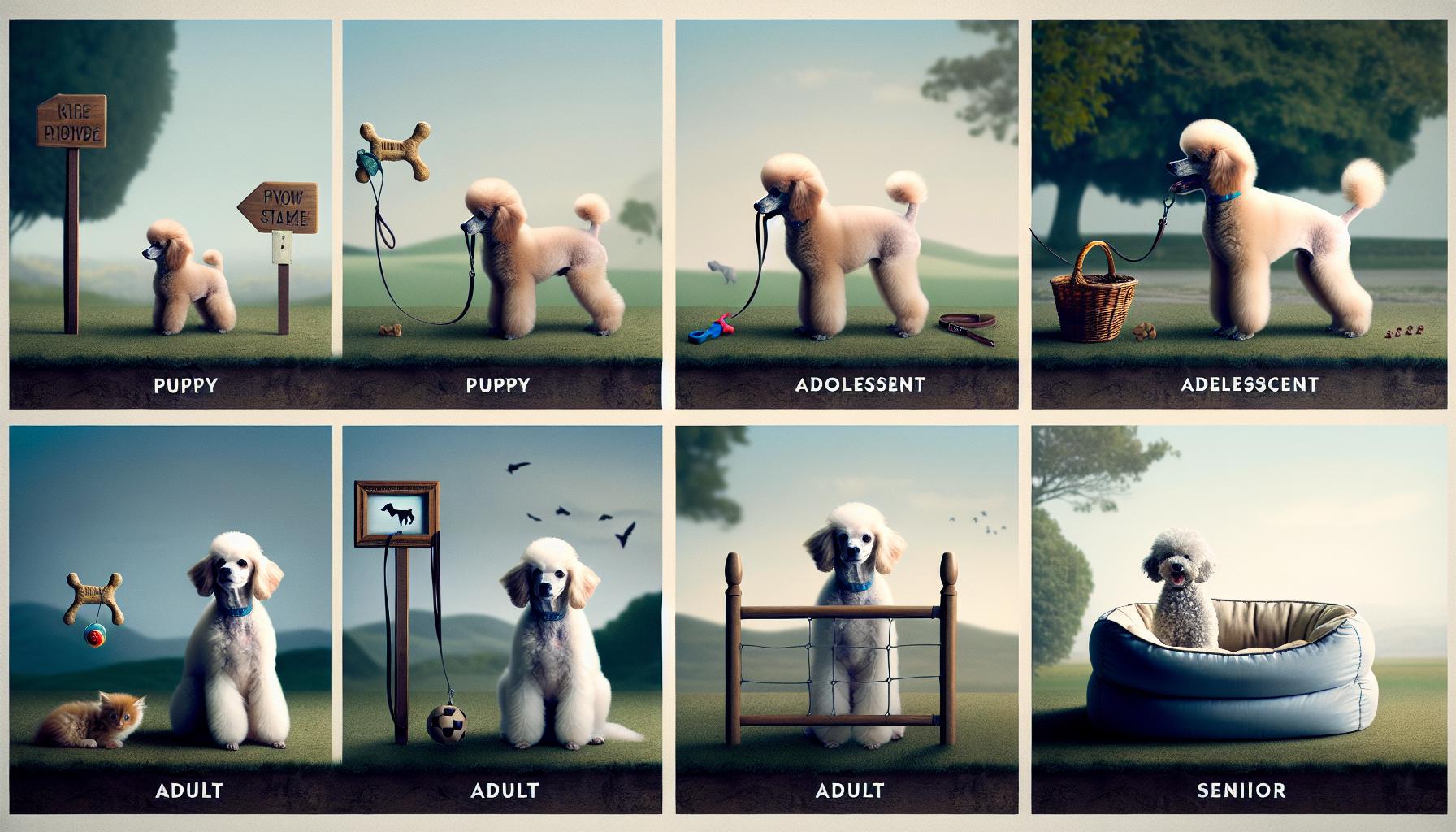
Understanding the Miniature Poodle Growth Stages
As Miniature Poodles grow, they transition through several defined stages, each crucial for their physical, emotional, and social development. At birth, these pint-sized puppies are entirely dependent on their mother’s milk, embarking on a rapid growth journey. By six to seven months, they often reach their adult height, typically between 10 to 15 inches. However, many owners might not realize that while height is established early, weight and body structure can continue to evolve significantly until the puppy is around 18 months old. This later stage is essential, as the body fills out with muscle and overall density.
During each growth stage, Miniature Poodles exhibit unique behavioral traits and energy levels that require specific management from their owners. For instance, during puppyhood (up to six months), playfulness and curiosity are at their peak. Owners should focus on fostering good socialization skills through exposures to diverse environments, sounds, and other pets, ensuring they grow into well-rounded adults. After reaching their height, the focus shifts slightly to reinforcing positive behaviors, as the young Poodle’s personality starts to become more pronounced. Consistent training during this period is crucial, as it sets the foundation for future behavior.
Nutrition plays a critical role across all growth stages. Puppies require high-quality puppy food rich in protein and fat to support healthy muscle growth, while adult Miniature Poodles need a balanced diet to maintain their ideal weight and energy levels. Keeping an eye on their body condition and adjusting food intake accordingly can help prevent obesity-a common concern in the breed. Regular veterinary check-ups can also guide adjustments in diet and exercise as your Poodle ages, ensuring they remain healthy and vibrant.
In summary, understanding the Miniature Poodle’s growth stages helps owners provide appropriate care tailored to their needs. Each phase, from puppyhood to full maturity, brings its own challenges and joys. Embracing these stages with knowledge and love will foster a strong bond and a healthy lifecycle for your furry companion.
Key Factors Affecting Miniature Poodle Growth
Understanding what influences the growth of your Miniature Poodle can be both enlightening and empowering for any dog owner. Various factors play essential roles in shaping not only the physical stature but also the health and temperament of your furry friend. Recognizing these elements can significantly enhance your ability to provide the best care and environment for your Poodle as they grow.
One prominent factor influencing growth is genetics. The hereditary traits passed down from the parents significantly dictate the size, weight, and general health of your Poodle. While you might get a good estimate from the parents’ size, it’s crucial to remember that each puppy is unique. Therefore, predicting the final adult size can vary widely, even within the same litter.
Another major aspect is nutrition. High-quality puppy food rich in protein, fats, vitamins, and minerals is vital for proper development in those early months. A well-balanced diet creates the building blocks for muscle, bone density, and overall vitality. As your Poodle matures, adjusting their diet to align with their reduced growth needs yet maintaining energy and weight balance becomes essential. Regular consultations with your vet can help tailor nutritional plans that are optimal for their growth stage.
Environmental factors also play a crucial role. A loving, stimulating environment that encourages play and exploration can foster healthy physical and social development. Socialization through interactions with other pets and people not only builds confidence but can also influence behavioral growth, which is just as important as physical growth.
To help keep track of your Miniature Poodle’s development, consider establishing a growth log that includes weight, age, and observations on their behavior and energy levels. This will not only help you identify any potential health issues but also guide your feeding and exercise routines.
These factors together create a comprehensive picture of what to expect as your Miniature Poodle grows. By understanding and addressing these key influences, you can ensure that your Poodle matures into a healthy and well-adjusted adult, ready to bring joy to your home for many years to come.
What is the Average Size of Adult Miniature Poodles?
Miniature Poodles are known for their compact stature and elegant appearance, making them a wonderful breed for many dog enthusiasts. When fully grown, Miniature Poodles typically reach a height between 10 to 15 inches and weigh between 10 to 15 pounds. This size allows them to be agile and adaptable, suitable for apartment living while still being playful and active companions. Their proportions give them a graceful look, and they are often confused with toy poodles due to their smaller size, but they maintain a solid build that reflects their breed’s characteristic strength and intelligence.
Size Range and Growth Timeline
Most Miniature Poodles will begin to show significant growth during their first few months of life. Typically, they may stop growing in height by around 6 to 12 months, although some may take up to 18 months to fill out fully. It’s important to note that individual growth patterns can vary based on genetics and nutrition. Keeping track of your pup’s growth through regular weigh-ins and height measurements can help ensure they stay on track toward their expected adult size.
Factors Influencing Size
While the average size guidelines provide a useful reference, it’s important to remember that genetics plays a pivotal role. Puppies from smaller parents are likely to be on the smaller side themselves. Nutrition also significantly influences growth; a well-balanced diet rich in essential nutrients can help ensure your Miniature Poodle reaches their optimal size. Quality puppy food will support their growth phases effectively.
To summarize, Miniature Poodles are charming little companions that pack a lot of personality into their manageable size. By understanding what influences their growth and being mindful of their nutritional needs, owners can help their Miniature Poodles grow into healthy, happy adults, ready to bring joy and companionship into their lives.
Nutrition’s Role in Miniature Poodle Growth
Providing the right nutrition for your Miniature Poodle during their growth stages is crucial to ensure they develop healthily and reach their full potential size. A balanced diet tailored for puppies supports their energetic and dynamic nature while laying the foundation for a strong skeletal structure and healthy muscles. Interestingly, a well-nourished puppy not only grows better physically but also tends to have a more vibrant personality, which reflects their well-being.
One key aspect to consider is the nutritional content of their food. Quality puppy food should be rich in proteins, carbohydrates, fats, vitamins, and minerals. Specifically, higher protein levels are essential for developing muscle mass, while fats provide the necessary energy boost for their playful antics. Whenever possible, opt for dog foods with real meat as the first ingredient, as this ensures your pup gets the essential amino acids they need for optimal growth. Here’s a quick overview of important nutrients and what they contribute to your puppy’s development:
- Proteins: Crucial for muscle development and overall growth.
- Fats: Key for energy and absorption of fat-soluble vitamins.
- Carbohydrates: Provide energy needed for daily activities and brain function.
- Vitamins and Minerals: Necessary for immune function and overall health; calcium and phosphorus support proper bone development.
As your Miniature Poodle ages, their dietary needs will shift, so it’s essential to transition them from puppy food to adult dog food around the 12-month mark or as directed by your veterinarian. Monitoring their weight regularly and consulting your vet can help you adjust feeding portions and ingredients based on your dog’s specific growth patterns and activity levels.
Creating a feeding schedule is also beneficial; typically, puppies should be fed three to four times a day, which can gradually reduce to twice a day as they mature. This routine not only aids digestion but also helps regulate their energy levels throughout the day.
Ultimately, understanding the role nutrition plays in your Miniature Poodle’s growth journey will enable you to make informed choices that set them up for a healthy and happy life. A vibrant pup today will likely become a spirited adult tomorrow, so invest the time in their nutrition, and you’ll both reap the rewards!
Common Myths About Miniature Poodle Development
Many aspiring or current Miniature Poodle owners may find themselves encountering various myths about their lovable companions’ growth and development. One prevalent myth suggests that Miniature Poodles will stop growing much earlier than they actually do. While these puppies may reach their maximum height by around 6 to 12 months, growth in weight and body structure can continue until they are about 12 to 18 months old. This misunderstanding can lead to misguided expectations during the developmental stages.
Another common misconception is that a Miniature Poodle’s personality and behavior will be set in stone once they reach their physical maturity. In reality, these dogs, noted for their intelligence and playfulness, continue to develop emotional maturity well into their second year. This means that socialization, training, and consistent mental stimulation are crucial throughout their formative months. Providing varying experiences, both positive and gentle corrections for misbehavior, is vital to raising a well-rounded adult dog.
Many also believe that smaller dogs, such as Miniature Poodles, do not require as much exercise as their larger counterparts. However, this myth is misleading; Miniature Poodles are energetic breeds that thrive on regular exercise. Owners should ensure their pups get ample playtime and structured activities to prevent boredom, which can lead to behavioral issues. Tailoring their exercise routine to their energy levels can significantly help in their physical and mental development.
To ensure your Miniature Poodle grows up to be happy and healthy, it’s important to separate fact from fiction. Regular vet check-ups are an indispensable part of this journey, as they provide opportunities to monitor growth, assess nutrition, and make any necessary adjustments. By fostering a supportive and informed environment, you’ll not only quash these myths but also help your furry friend flourish through every stage of life.
Behavioral Changes During the Growth Timeline
As Miniature Poodle puppies grow, their behavioral changes can be as fascinating as their physical development. From the moment they are born to about two years old, these dogs undergo a series of transformations influenced by their environment, experiences, and interactions. Understanding these changes is essential for creating an enriching atmosphere that nurtures their growth and shapes their personality.
During the first few months, Miniature Poodles are naturally curious and playful, mirroring their exploratory instincts. It’s this time that is crucial for socialization-introducing them to various people, pets, and environments. This exposure helps form their foundation of emotional responses and social skills. For example, a well-socialized puppy is less likely to become fearful or anxious as they mature. Aim to provide them with positive experiences in different settings, such as parks, busy streets, or with friendly strangers, which can significantly influence their adaptability throughout life.
As they transition into adolescence, around six months to one year, you may notice an increase in independence and a hint of stubbornness. This is typical for Miniature Poodles, as they begin to test boundaries and assert themselves. Understanding this behavior is vital; consistent training and positive reinforcement methods will help establish good habits. Engage their intelligent minds with interactive toys or training sessions that challenge their problem-solving skills. This not only curbs undesirable behaviors but also helps build a strong bond of trust and respect between you and your furry companion.
By the time they are around one to two years old, Miniature Poodles often settle into their unique personalities, showcasing traits like loyalty, affection, and playfulness. During this stage, you might observe their energy levels stabilizing, although they still require regular exercise and mental stimulation. Incorporate activities like agility courses or obedience training to satisfy their need for engagement while channeling their energy appropriately. These experiences, combined with your loving guidance, set the stage for a balanced and well-mannered adult dog.
In summary, being attentive to your Miniature Poodle’s evolving behavior is crucial to fostering a happy and well-adjusted companion. Through socialization, consistent training, and stimulating activities, you can ease their transitions through various growth stages and help them become the confident dogs they’re meant to be.
Physical Milestones of Miniature Poodles Explained
As Miniature Poodles grow, they pass through a series of physical milestones that define their development and health. Understanding these key stages is vital for any owner eager to provide the best care for their furry friend. Typically, Miniature Poodles experience rapid growth during their first few months, reaching significant height and weight milestones at various ages, which culminates around their first birthday when they generally stop growing in height.
During the first 8 weeks, Miniature Poodle puppies are tiny and primarily focused on basic needs like feeding and sleep. It’s crucial to ensure they receive proper nutrition and socialization in this phase. By 3 months, most puppies weigh between 3 to 5 pounds and may stand up to 8 to 10 inches tall. This stage is remarkable for building their immune systems, as vaccinations begin, and they become more robust and lively. Owners should engage in gentle play and start basic training to foster bonding.
Around 6 months, many Mini Poodles will have completed most of their height growth and will likely weigh between 8 to 12 pounds. However, they still experience changes in body composition as they develop muscle and fill out. This is a critical time for training; during this period of adolescence, they may display increased independence or stubbornness, making consistent and positive reinforcement training essential.
By their first birthday, many Miniature Poodles reach their adult height of around 10 to 15 inches and settle into adulthood, weighing between 10 to 15 pounds typically. While they may stop growing taller, they continue to develop through gaining muscle and refining their body shape. At this stage, your focus should shift to maintaining their health through balanced nutrition, regular exercise, and routine veterinary check-ups to ensure they remain in excellent condition.
Understanding these physical milestones not only marks your Miniature Poodle’s growth journey but also helps you as an owner to support them during significant changes. Regular weigh-ins, feeding practices, and an enriching environment play pivotal roles in their healthy development. By staying informed and proactive, you can ensure your Miniature Poodle grows into a happy, healthy adult dog.
Signs Your Miniature Poodle is Fully Matured
Knowing when your Miniature Poodle is fully matured is essential for recognizing their transition from puppyhood to adulthood. Typically, poodles reach their height by around one year old, but maturity encompasses more than just stopping growth. A fully matured Miniature Poodle exhibits several physical and behavioral traits that signal they are entering their adult phase.
Firstly, the physical signs of maturity can be quite noticeable. By their first birthday, Miniature Poodles usually weigh between 10 to 15 pounds and stand at a height of approximately 10 to 15 inches. At this stage, you should observe that their body is more defined; they will appear leaner and more proportionate compared to their fluffy puppy stage. The fur may also change slightly in texture and may become softer or coarser as it transitions into the adult coat.
Behavior plays a critical role in determining maturity. As they grow, Miniature Poodles often demonstrate increased calmness and stability in their temperament. Where they may have been more excitable or unpredictable during their puppy days, a mature poodle tends to settle into a routine, becoming more dependable and focused. You might also notice a shift in their social behaviors; they tend to become more assertive and confident, though this varies depending on their individual personality and socialization experiences.
To further understand if your Miniature Poodle has matured, consider their training and learning capacity. An adult poodle generally has a better attention span and is more receptive to complex commands and tasks. This is the perfect time to engage in more challenging training exercises or agility activities that stimulate their mind and body. Lastly, watch for signs of sexual maturity, such as female poodles going into heat or males displaying territorial behaviors.
Monitoring these signs will help you gauge your poodle’s maturity accurately. Embrace this transition by adjusting training and care routines to fit their developmental stage, ensuring they thrive as they move into adulthood. Regular veterinary check-ups can also help monitor their health and development during this pivotal time. With these insights, you’re well-equipped to support your Miniature Poodle through their growth journey toward a happy, mature life.
Tailoring Exercise for Growing Miniature Poodles
To help your Miniature Poodle thrive during their critical growth stages, it’s essential to tailor their exercise regimen to suit their developmental needs. Puppies are bundles of energy, and although they might seem ready for vigorous play, their bodies are still growing and adapting. Therefore, it’s important to balance fun with safety to ensure their physical and mental health.
During the initial months, easing your puppy into exercise is key. Start with short, controlled walks, gradually increasing the duration as they grow stronger and more coordinated. Aim for about 5 minutes of exercise per month of age, which means a 4-month-old puppy should have around 20 minutes of structured activity. Incorporate plenty of breaks and watch for signs of fatigue, such as panting or reluctance to continue. This not only encourages a healthy physical condition but also sets the stage for developing lifelong exercise habits.
To keep your Miniature Poodle mentally stimulated during these formative years, consider engaging them in various activities. Interactive play, such as fetch or hide-and-seek, can provide essential physical exertion while fostering their innate curiosity. Puzzle toys are also fantastic for keeping their minds sharp; they challenge your pup’s problem-solving skills and offer rewards in the form of treats. Additionally, training sessions that incorporate fun commands help reinforce their learning while providing a constructive outlet for their energy.
As your Miniature Poodle approaches adulthood, around the one-year mark, you can begin to diversify their exercise routine further. Adult Poodles typically require 30 to 60 minutes of exercise daily, which can include brisk walks, running, or even agility training. By this stage, their bodies are more developed, and they can handle increased intensity. Always balance higher energy activities with calmer sessions, such as leisurely walks, to reduce the risk of overexertion.
Remember, every Poodle is unique, so pay attention to their individual needs and preferences. Observing how they respond to different types of activities can provide invaluable insights into what best supports their growth. By thoughtfully tailoring your Miniature Poodle’s exercise, you not only enhance their physical health but also strengthen the bond between you as they grow into a well-rounded, happy adult.
Health Considerations During Growth Phases
As your Miniature Poodle embarks on its exciting journey from playful puppyhood to graceful adulthood, attentive health care is essential to support their development. This breed experiences noticeable growth phases, and understanding the health considerations during these moments can make a significant difference. One compelling fact is that these adorable pups typically reach their full height by around one year of age but continue to fill out and gain muscle until about 18 months old. This growth timeline highlights the importance of monitoring their health closely during these formative stages.
A balanced diet tailored to their size, age, and activity level is crucial. Miniature Poodles are prone to obesity, especially if they receive too many treats or lack proper exercise. Ensure that their nutrition consists of high-quality, breed-appropriate food rich in proteins and essential nutrients. Regularly consult with your veterinarian to adjust their diet as they grow. Keeping a close eye on their weight can prevent future health problems, including joint issues and diabetes, which are common in overweight dogs.
Regular veterinary check-ups are also indispensable. These visits should include vaccinations, parasite control, and screenings for common breed-specific health issues, such as hip dysplasia and eye disorders. By being proactive about their health care, you can catch potential problems early on, making intervention easier and more effective. Moreover, having an established relationship with your vet helps you feel more confident in managing your poodle’s health needs.
While providing physical care, don’t neglect their mental health. Engaging your Miniature Poodle in socialization and training classes not only strengthens your bond but also supports their emotional well-being. This breed thrives on human interaction and mental challenges, so incorporating puzzle toys, interactive games, and training sessions into their routine can significantly enhance their growth and confidence. Remember, a health-conscious approach will nurture not just your Miniature Poodle’s body, but their spirit as well, setting the foundation for a happy, healthy adult dog.
Tips for Raising a Healthy Miniature Poodle
Caring for a growing Miniature Poodle is a delightful journey filled with joy and learning. As these charming little dogs transition from playful puppies to poised adults, there are several essential tips to keep in mind that will support their health and well-being throughout their maturation timeline.
One of the most crucial aspects is to ensure your Miniature Poodle gets a balanced diet that is appropriate for their growth stage. Puppies require more calories and nutrients than adults because they are in a critical development phase. Opt for high-quality puppy food that is rich in proteins and essential vitamins. Always consult your veterinarian for recommendations tailored to your puppy’s specific needs and weight to prevent obesity, which many Miniature Poodles are prone to as they mature.
Exercise and Mental Stimulation
Engaging your Miniature Poodle in regular exercise is equally important. These dogs are energetic and intelligent, so they thrive on physical activity and mental challenges. Daily walks, playtime in the yard, or interactive fetch games not only help maintain a healthy weight but also strengthen the bond between you and your furry friend. Additionally, incorporating training sessions can enhance their obedience and mental agility. Consider puzzle toys or agility training, which can stimulate their minds and keep them happily exhausted.
Maintaining regular veterinary check-ups is vital during their growth phases. These visits can help monitor your pup’s development, ensure they are up-to-date on vaccinations, and screen for any breed-specific health issues. Establishing a good relationship with your veterinarian also helps create a proactive approach to your poodle’s overall health, allowing you to tackle any problems before they become serious.
Lastly, don’t underestimate the importance of socialization. Exposing your Miniature Poodle to various environments, people, and other animals will build their confidence and reduce anxiety as they mature. Attend puppy classes or arrange playdates with other dogs to ensure they develop good behavior patterns and become a well-rounded adult. By following these tips, you’ll set the stage for a happy, healthy, and confident Miniature Poodle!
Frequently Asked Questions
Q: At what age do Miniature Poodles reach their full height?
A: Miniature Poodles typically reach their full height by about one year of age. However, they may continue to fill out and gain muscle mass for several months beyond that timeframe[2].
Q: How much weight do Miniature Poodles gain during growth?
A: Miniature Poodles generally weigh between 10 to 15 pounds when fully grown. They are likely to gain weight steadily, reaching this range during their first year as they mature[3].
Q: What factors can affect when a Miniature Poodle stops growing?
A: Individual growth rates can vary based on genetics, nutrition, exercise, and overall health. Ensuring a balanced diet and appropriate exercise can help support healthy growth during this period[1].
Q: When do Miniature Poodles start showing signs of maturity?
A: Signs of maturity in Miniature Poodles generally emerge around 12 months of age. This includes behavioral changes and physical development, with some dogs continuing to mature both physically and mentally for up to 18 months[2].
Q: Do Miniature Poodles grow at the same rate as Standard Poodles?
A: No, Miniature Poodles grow slower than Standard Poodles. Standard Poodles are larger and will reach their adult size generally quicker, while Miniature Poodles take a bit longer to reach full maturity in weight and size[3].
Q: How can I tell if my Miniature Poodle is fully matured?
A: A Miniature Poodle is usually considered fully matured when it reaches its ideal weight and height, which occurs around 10 to 15 inches tall and 10 to 15 pounds in weight. Physical and emotional behaviors should stabilize around this age as well[3].
Q: Are there specific health considerations during a Miniature Poodle’s growth?
A: Yes, monitoring your Miniature Poodle’s growth is essential for preventing issues. Regular vet check-ups and vaccinations, along with a proper diet and exercise, can help ensure healthy development during their growth phases[1].
Q: What milestones should I expect during my Miniature Poodle’s growth phase?
A: Key milestones include reaching full height around one year, gradual weight gain, and developmental behavioral changes, such as increased energy and curiosity. These may occur in stages, requiring ongoing monitoring and support[2].
Closing Remarks
As you’ve discovered the growth timeline for Miniature Poodles, remember that every pup is unique! These delightful companions typically reach their adult size between 9 to 12 months. Understanding this maturity milestone is crucial for tailoring their care, training, and nutrition needs. If you have more questions about their development or breed-specific care tips, explore our articles on “Miniature Poodle Health Essentials” and “Effective Training Techniques for Mini Poodles” for deeper insights.
Don’t forget to subscribe to our newsletter for the latest tips and share your thoughts or experiences in the comments below – your engagement helps us build a vibrant community! Considering adopting a Miniature Poodle? Make sure to check our “Poodle Adoption Guide” to get started on the right paw. Your journey with this wonderful breed has just begun; let’s continue to learn and grow together!