
If you’re considering bringing a Labradoodle into your life, you may have come across some concerning opinions about this popular breed. While Labradoodles are often praised for their friendly nature and low-shedding coats, misconceptions abound that can mislead potential owners. In this article, we’ll explore the question, “Why are Labradoodles bad?” and debunk common myths surrounding them. By addressing these misconceptions head-on, we aim to provide you with a clearer understanding of what it’s really like to care for a Labradoodle. As passionate dog lovers, it’s important for us to highlight both the joys and realities of this unique breed, so you can make an informed decision that aligns with your lifestyle and expectations. Ready to dive in? Your journey toward discovering the truth about Labradoodles starts here!
Why Labradoodles Are Misunderstood: Common Myths Explained
Many people envision the Labradoodle as the perfect family pet-friendly, hypoallergenic, and a harmonious blend of the best traits of its parent breeds, the Labrador Retriever and the Poodle. However, this beloved designer breed is often misunderstood, leading to several common myths that need debunking. It’s crucial to tackle these misconceptions head-on to help potential owners make informed decisions.
One significant myth is that all Labradoodles are hypoallergenic. While it’s true that Poodles are known for producing fewer allergens, Labradoodles can inherit the coat characteristics of either parent breed. This unpredictability in coat type means that some Labradoodles may shed more than others, and not all will provide the hypoallergenic benefits that many expect. Thus, if allergies are a primary concern, it’s essential to spend time with various Labradoodle types before making a decision.
Another common misconception is that all Labradoodles behave similarly. In reality, their temperament can vary greatly depending on genetics and upbringing. Just like humans, each dog has its own personality traits, which may be influenced by their environment, training, and socialization. It is inaccurate to think of them as a singular breed with uniform behavior. New owners should be prepared for a spectrum of personalities, from energetic and playful to calm and cuddly, much like any mixed breed.
Moreover, there is a prevailing belief that Labradoodles are easy to train due to their intelligence. While it is true that both Labradors and Poodles are highly trainable, it’s important to acknowledge that every dog is an individual. Factors such as consistency in training, social experiences, and the dog’s natural temperament can greatly influence how easily a Labradoodle learns commands. Patience and positive reinforcement are vital components of successful training, as with any breed.
Ultimately, understanding these myths and approaching them with realism will prepare future Labradoodle owners for the joys and responsibilities that come with welcoming one into their home. Embracing the individuality of each dog is part of the rewarding experience of being a pet owner. By fostering a deeper appreciation for the breed and what makes each dog unique, potential owners can ensure a harmonious bond with their Labradoodle.
The Truth About Labradoodle Temperament
Labradoodles often steal hearts with their adorable looks and friendly demeanor, but many potential owners are left wondering why some people describe them as challenging companions. Understanding the nuances of a Labradoodle’s temperament is essential to debunking these misconceptions. First and foremost, it’s important to recognize that a Labradoodle’s temperament can vary significantly depending on genetics, upbringing, and individual personality traits. The blend of Labrador Retriever and Poodle qualities can create a delightful mix of behaviors-some Labradoodles may be outgoing and playful, while others could be more reserved and sensitive.
One common misconception about Labradoodles is that they are uniformly obedient and easy to train due to their intelligence. Although both parent breeds are known for their trainable nature, it’s critical to remember that every dog is unique. Factors such as previous training experiences, socialization, and even the dog’s mood on a given day can influence how eager they are to learn. For instance, a Labradoodle that has been exposed to positive reinforcement techniques may respond more readily than one lacking such experiences. Therefore, it’s vital to adopt a consistent, patient, and positive training approach, focusing on building a solid bond of trust with your furry friend.
In addition, the energy levels of Labradoodles can also lead to misunderstandings about their temperament. These dogs are generally quite energetic and require regular exercise to stay healthy and happy. Some may misinterpret this lively demeanor as hyperactivity. To mitigate any behavioral issues that arise from pent-up energy, daily activities such as walks, play sessions, and mental challenges (like puzzle toys) are essential. When owners provide adequate stimulation, they often find that their Labradoodles are not just manageable, but also joyful companions.
Ultimately, understanding that Labradoodles come with a variety of personality traits-each shaped by individual genetics, training, and experiences-will help potential owners prepare for the responsibilities and joys of dog ownership. Embrace the unique quirks of your Labradoodle and remember that nurturing their temperament with love, attention, and proper training will foster a strong, fulfilling bond.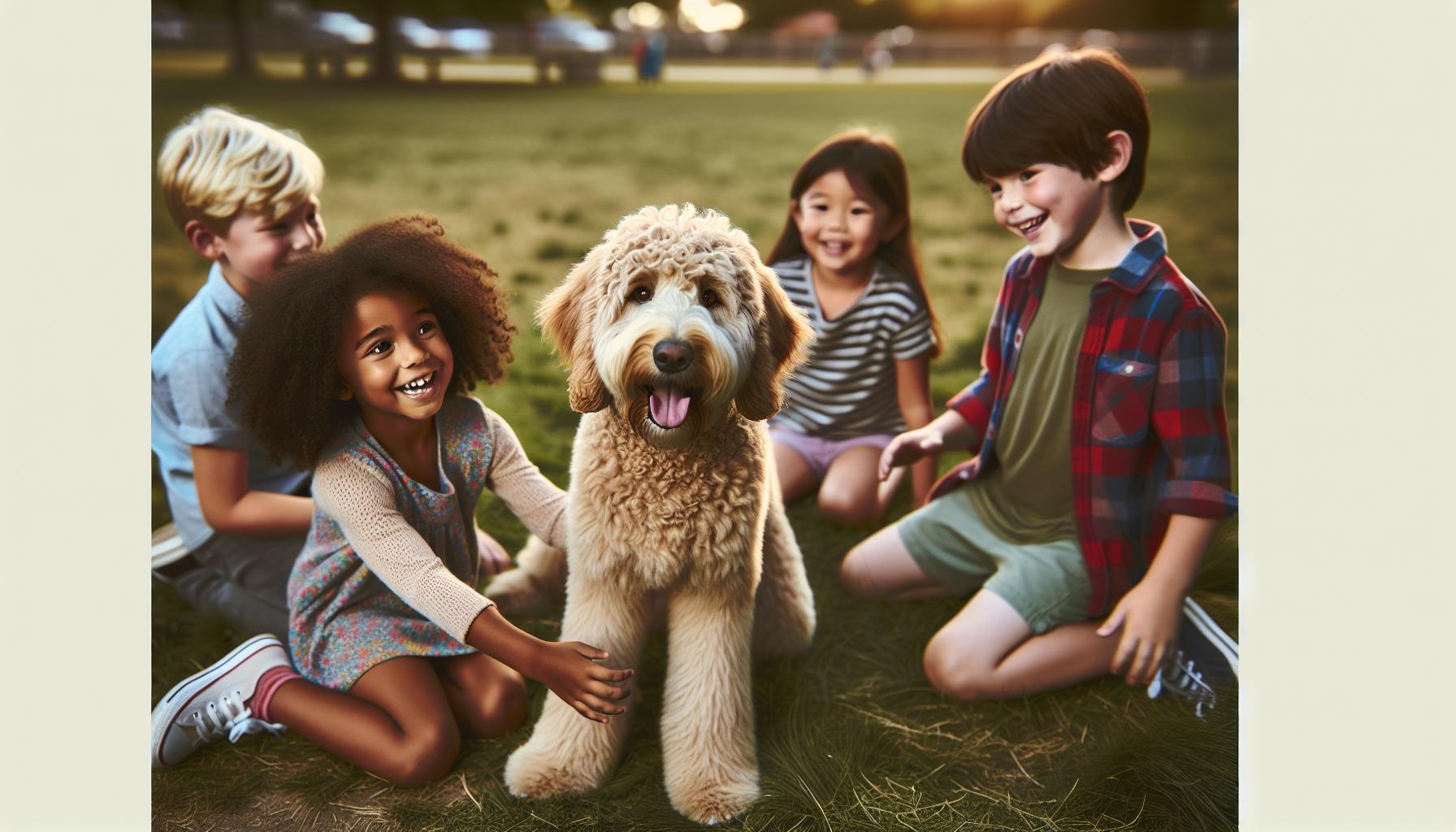
Labradoodles and Shedding: What to Know
When it comes to Labradoodles, one of the most common misconceptions is about their shedding. Many potential owners believe that because Labradoodles often have a fluffy coat, they must be high-shedding dogs. This myth can deter people who might be seeking a dog that generates less fur in the household. In reality, Labradoodles are known for having a more varied shedding pattern compared to other breeds, largely due to the Poodle influence in their genetics.
Labradoodles can be categorized into three main coat types: fleece, wool, and hair. Each type varies in terms of shedding and grooming needs. Fleece coats may shed minimally, similar to Poodles, making them ideal for allergy sufferers. Wool coats also tend to be low-shedding but may require regular grooming to prevent matting. In contrast, hair coats that resemble the Labrador parent can shed more noticeably. It’s essential for prospective owners to understand these coat types as it directly influences grooming routines and household cleanliness.
To ensure your Labradoodle’s coat stays healthy and minimizes shedding, regular grooming is crucial. A good grooming routine involves:
- Brushing: Aim to brush your Labradoodle at least two to three times a week, or more frequently if they have a wool or fleece coat.
- Bathing: Bathing your dog every few months can help reduce loose hair and maintain a clean coat, but don’t overdo it, as frequent bathing can strip natural oils.
- Professional Grooming: Consider taking your Labradoodle to a groomer for a trim and thorough grooming every couple of months to manage their coat effectively.
By embracing the grooming needs specific to your Labradoodle’s coat type, you can significantly reduce shedding and keep your home comfortable. Understanding these details not only helps you feel more prepared as a new dog owner but also empowers you to enjoy the delightful experience of sharing your life with a Labradoodle, without the burden of excessive shedding.
Health Issues in Labradoodles: Debunking Fears
When considering the health of Labradoodles, it’s crucial to separate fact from fiction. Many potential owners are apprehensive about adopting these lovable mixed breeds due to concerns about various health issues. However, understanding the facts behind these concerns can help alleviate fears and guide effective care for your furry friend.
Labradoodles can inherit health issues from both their Labrador Retriever and Poodle parents. Some common health concerns include hip dysplasia, elbow dysplasia, patellar luxation, and allergies. While these conditions can be serious, responsible breeding practices play a significant role in minimizing risks. It’s important to choose a reputable breeder who conducts health screenings on their breeding stock, which can significantly reduce the likelihood of genetic health problems manifesting in your puppy.
Routine veterinary care is essential for keeping your Labradoodle healthy. Regular check-ups can help catch any potential issues early on. You should also establish a balanced diet tailored to your dog’s age, size, and energy level, which can contribute to their overall well-being. Additionally, keeping their weight in check can help prevent obesity-related issues, which are more prevalent in Labradors.
It’s equally important to recognize that no dog is without its health risks, and Labradoodles are no exception. However, by staying informed and proactive, you can provide a loving home that fosters a long, happy life for your dog. Regular exercise, mental stimulation, and socialization will not only enrich their lives but also contribute to their physical health. With dedicated care and proper attention, many Labradoodles lead healthy, happy lives, dispelling the myths surrounding their health issues.
Training Challenges: Are Labradoodles Really Hard to Train?
Training a Labradoodle can sometimes seem like a daunting task, especially for first-time dog owners, but understanding their unique characteristics reveals that they are more eager to learn than many believe. These intelligent and sociable dogs are a delightful mix of the Labrador Retriever and Poodle, two breeds known for their trainability. With appropriate techniques and a commitment to consistency, training these charming hybrids can be a rewarding experience rather than a struggle.
Labradoodles thrive on engagement and mental stimulation, which means traditional training methods might not always hold their attention as effectively as creative, fun approaches. Utilizing positive reinforcement techniques-like treats, praise, or playtime-can foster quicker learning and a stronger bond. For instance, setting up simple, fun games that require obedience can turn training sessions into enjoyable activities. Keep an open mind to adapting your methods; what works beautifully for one Labradoodle might need tweaking for another.
Essential Training Tips
Here are some practical tips to ensure a smoother training journey with your Labradoodle:
- Start Early: Begin training as soon as you bring your puppy home. Early socialization helps establish good habits.
- Be Consistent: Use the same commands and hand signals within your household to avoid confusing your dog.
- Short Sessions: Keep training sessions brief but frequent-approximately 5-10 minutes- to match their attention spans.
- Make It Fun: Incorporate games, toys, and various locations during training to maintain high interest and motivation.
- Socialization is Key: Expose your Labradoodle to different environments, people, and other dogs to enhance their confidence and adaptability.
Real-world experiences abound where Labradoodles have flourished in training settings-many excel in obedience and agility classes, demonstrating their capability to learn and perform complex tasks. With the right blend of patience, encouragement, and exercise, training can transform into a shared bonding experience rather than a challenge. Instead of viewing them as “hard to train,” recognize these dogs for their remarkable potential and innate desire to please, which can turn every training session into a step forward in building a fulfilling relationship with your furry friend.
Socialization Needs of Labradoodles: Insights for Owners
Welcoming a Labradoodle into your home isn’t just about providing food and shelter; it’s also about ensuring they grow up to be well-adjusted and confident companions. Socialization plays a crucial role in this process, often being a key factor in debunking myths about Labradoodles being problematic or difficult. Early and consistent exposure to different environments, people, animals, and experiences can significantly enhance a Labradoodle’s temperament and behavior.
To start, incorporating socialization into your puppy’s daily routine can be both fun and beneficial. Trips to dog parks, puppy classes, or simply walking in different neighborhoods can provide valuable interactions. Aim for a variety of experiences-introduce them to different surfaces like grass, concrete, or sand; various sounds such as traffic, children playing, or construction sounds; and diverse groups of people. This exposure helps them learn to navigate the world confidently and reduces the likelihood of developing fear or aggression towards unfamiliar stimuli later in life.
It’s also essential to remember that positive reinforcement should guide these socialization efforts. When your Labradoodle encounters something new, immediately rewarding them with treats or affection can help them associate the experience with positivity. For example, if they meet a new dog and behave calmly, offer them praise or a small treat right away. This reinforces good behavior and builds a foundation of trust and confidence.
Ultimately, well-socialized Labradoodles tend to be happier and more adaptable, showcasing their affectionate nature rather than any undesirable traits. By committing to a well-rounded socialization plan, you can not only enhance your Labradoodle’s quality of life but also tackle misconceptions about their temperament, proving that with proper guidance and care, they can be the wonderful family companions they are known to be.
Labradoodles vs. Other Breeds: A Comparative Look
Labradoodles have garnered much love for their friendly demeanor and charming appearance, but they also face a host of misunderstandings when compared to other breeds. Many potential pet owners may weigh the decision of choosing a Labradoodle against breeds like Golden Retrievers, Poodles, or even Beagles, often with preconceived notions that may not align with reality. Each breed has its unique characteristics, strengths, and quirks, making it essential to look at them comparatively to understand where Labradoodles fit in the canine family tree.
One major factor to consider when comparing Labradoodles to other breeds is their temperament and temperament variability due to crossbreeding. Labradoodles are a mix of Labrador Retrievers and Poodles, and while they generally exhibit the playful and friendly nature of both parents, there can be significant differences in behavior and energy levels even within the same litter. In contrast, purebred dogs such as Golden Retrievers tend to have a more consistent temperament, as they have been selectively bred over generations for specific traits. Nonetheless, this variability can be a double-edged sword; some owners appreciate the diversity and uniqueness of Labradoodles, while others might find it challenging if they expect a specific behavioral pattern.
Another important consideration is shedding and grooming needs. Labradoodles are often marketed as hypoallergenic due to their Poodle lineage, but this isn’t universally true. Their coats can vary from curly to wavy, and some individuals shed less than others. On the other hand, breeds like Beagles have short, dense coats that shed year-round but require less grooming overall. This discrepancy means that prospective owners should consider their grooming capabilities, as Labradoodles often require regular grooming to prevent matting and maintain coat health, making them a more involved choice than some lower-maintenance breeds.
Health Considerations
When it comes to health issues, crossbreeding often leads to a wider genetic pool, potentially reducing some hereditary problems associated with purebreds. Labradoodles, for instance, might escape some common issues found in Labradors and Poodles, although they aren’t immune to breed-specific diseases. In contrast, purebreds like Poodles might be more predisposed to conditions like hip dysplasia or ear infections but can be well-documented due to their breed standards. Understanding these health traits can greatly impact your choice based on lifestyle and long-term commitments.
To finalize the comparison effectively, it’s crucial to consider the energy levels and exercise needs of each breed. Labradoodles are known for being active and playful but can adapt well to various home environments. A Labradoodle often thrives in homes with ample space to play or families that can devote time to walks and outdoor activities. Comparatively, a breed like the Bulldog has significantly lower energy levels, making them perfect for more sedentary lifestyles but perhaps a poor match for active families seeking a jogging companion.
In summary, understanding the nuanced differences between Labradoodles and other breeds like Golden Retrievers, Poodles, Beagles, and Bulldogs can empower potential pet owners to make informed decisions. Each breed brings its unique attributes to the table, and recognizing these can help dispel myths about Labradoodles while shining a light on what makes them such joyful family members when well cared for. Adopting a Labradoodle, like any breed, requires careful consideration, but with love, training, and socialization, they can certainly live up to their reputation as wonderful companions.
Understanding Labradoodle Energy Levels and Exercise Needs
Labradoodles are a whirlwind of energy and enthusiasm, often leaving you in awe of their zest for life. This hybrid breed, a delightful mix of Labrador Retrievers and Poodles, embodies high energy and a love for activity, making them a fantastic companion for those who lead an active lifestyle. Whether it’s a game of fetch at the park or a vigorous jog, these pups thrive on regular exercise, typically requiring at least 60 minutes of moderate to intense activity each day [[2](https://www.thelabradoodlecorral.com/BreedInformation/EnergyLevel)]. But don’t worry; it’s not all about rigorous workouts! Engaging mental stimulation, like obedience training or puzzle toys, plays a crucial role in keeping their minds sharp and happy.
To successfully channel a Labradoodle’s exuberance, consider integrating a mix of exercise routines to cater to their playful nature. Here are some practical strategies:
- Daily Walks: A brisk 30-minute walk can do wonders, but mixing in a few different routes can keep things interesting.
- Agility Training: Many Labradoodles excel in agility courses, providing both physical and mental benefits.
- Interactive Play: Games like hide-and-seek or fetch aren’t just fun-they help strengthen the bond between you and your dog.
- Swimming: Given their love for water, swimming can be a fantastic low-impact exercise for your Labradoodle.
It’s important to understand that not all Labradoodles will have the same energy level; it can vary significantly based on their individual temperament, age, and even the specific lineage. Some may approach life with more zest than others, leading to potential disappointments for owners expecting a couch potato when they have a bundle of energy instead. In comparison to breeds like Bulldogs, which may require minimal exercise due to their lower energy levels, Labradoodles demand more engagement and activity to prevent unwanted behaviors such as chewing or excessive barking [[2](https://www.thelabradoodlecorral.com/BreedInformation/EnergyLevel)].
Overall, understanding a Labradoodle’s exercise needs is essential for anyone considering adding this breed to their family. By providing ample opportunities for physical and mental stimulation, you’ll ensure your Labradoodle remains content and well-adjusted. With the right balance of structured playtime and relaxation, your energetic companion will be the embodiment of happiness, making them one of the most rewarding breeds to include in your life.
Labradoodles: Allergies, Hypoallergenic Claims, and Reality
It’s a common misconception that Labradoodles are hypoallergenic, making them an ideal choice for families with allergies. While the intent behind breeding them was to create a low-shedding dog, the reality is more complex. Some Labradoodles do produce fewer allergens than other breeds, but this varies widely among individuals. The mix of genetic traits from both Labrador Retrievers and Poodles means that not every Labradoodle will have the same coat type or shedding patterns. It’s crucial to understand that although many Labradoodles are lower in dander, they are not completely hypoallergenic. Individuals allergic to dog fur may still react to Labradoodles, making it essential for potential owners to spend time with the breed before committing to bringing one home.
Allergies in Labradoodles can also be a concern from a health perspective. Like many breeds, Labradoodles are susceptible to various allergens themselves, including food, environmental, and skin allergies. Common symptoms include itching, digestive issues, and skin irritations, which can lead to secondary health problems if not managed properly [[2]]. Understanding what contributes to these allergies can empower owners to create a healthier environment. For instance, a balanced diet tailored to your dog’s specific needs can help mitigate food allergies. Consulting with a veterinarian for allergy testing and tailored dietary recommendations is often a smart step for new Labradoodle owners.
Moreover, providing regular grooming is essential for managing any potential shedding and dander. Keeping your Labradoodle’s coat clean and well-maintained not only enhances their appearance but also helps limit allergens present in your home. Regular baths with suitable hypoallergenic shampoos can significantly reduce dander and make living with your furry friend more comfortable for allergy sufferers.
Ultimately, while Labradoodles can still be loving companions for those with allergies, it’s important to remain informed and proactive in managing potential issues. By understanding the breed’s characteristics and implementing practical measures, you can enjoy the joyful, energetic nature of a Labradoodle while keeping allergy-related challenges at bay.
Is a Labradoodle Right for Your Family? Key Considerations
Choosing the right dog for your family can be a joyous yet daunting task, especially with so many breeds and personalities to consider. Labradoodles, a mix of Labrador Retrievers and Poodles, have gained immense popularity due to their friendly nature and playful spirit. However, potential owners often wonder if this breed truly fits their lifestyle and family dynamics. Understanding the unique traits of Labradoodles can help you make an informed decision that benefits both you and your future furry friend.
When evaluating if a Labradoodle is the right choice, consider the following aspects:
Temperament and Energy Levels
Labradoodles are known for their gentle temperament, often described as friendly and outgoing. They thrive on companionship and are typically great with children, making them ideal family pets. However, their energy levels can vary significantly, with some individuals being more active than others. Regular exercise is crucial; without it, boredom can lead to destructive behaviors. For families that enjoy outdoor activities and play, a Labradoodle can be the perfect partner.
Grooming Needs
One common concern among potential owners is grooming. Labradoodles often inherit a curly coat, reminiscent of their Poodle ancestry, which can require regular maintenance to prevent matting. A suitable grooming routine includes brushing at least once a week and periodic professional grooming every few months. If you enjoy the bonding experience of grooming and don’t mind the extra responsibilities, then a Labradoodle could be a great fit. Otherwise, consider whether you’re ready to commit time and possibly finances to their grooming needs.
Training and Socialization
While Labradoodles are generally intelligent and eager to please, early training and socialization are vital. Introduce your pup to various environments, people, and experiences to foster their adaptability. Engaging in obedience training classes not only enhances their skills but also strengthens the bond between you and your dog. This breed responds well to positive reinforcement techniques, making training an enjoyable process for both of you.
Allergies and Health Considerations
As you assess if a Labradoodle is right for you, take into account any allergies within your household. While they are often marketed as hypoallergenic, the truth is that no dog is entirely free of allergens. Some families have found success with Labradoodles due to their lower shedding traits, but individual reactions can still vary. If allergy management is a concern, spend time around the breed prior to making a commitment.
Ultimately, making the decision to welcome a Labradoodle into your home involves balancing your family dynamics, lifestyle, and the responsibilities of dog ownership. The key is to approach this decision with a clear understanding of what both your family and a Labradoodle need to thrive together. Embracing the joy and challenges of dog ownership can lead to a rewarding and fulfilling relationship with your new furry family member.
Essential Care Tips for New Labradoodle Owners
Welcoming a Labradoodle into your home is an exciting journey filled with joy, companionship, and a few challenges along the way. To ensure that your new furry friend thrives, understanding their unique needs and characteristics is essential. These dogs are not only intelligent and affectionate but also require diligent care, especially when it comes to training, grooming, and overall health management.
First and foremost, routine training is vital. Labradoodles, while eager to please, thrive on structure and guidance. Start with basic commands like “sit,” “stay,” and “come,” using positive reinforcement techniques such as treats and praise. Early socialization plays a critical role as well; expose your Labradoodle to various environments, dogs, and people to help them become well-adjusted adult dogs. This breed often excels in obedience classes which can also provide an opportunity for bonding with your pet.
In terms of grooming, a regular regimen is necessary due to their coat type. Although Labradoodles can be less prone to shedding compared to other breeds, their curly fur needs weekly brushing to prevent matting and reduce tangles. Additionally, professional grooming every few months can maintain their coat’s health and appearance. Alongside grooming, keeping their ears clean and checking their nails regularly will contribute to overall well-being.
Don’t forget the need for exercise. Labradoodles are energetic dogs that require daily physical activity to stay happy and healthy. Whether it’s a long walk, a game of fetch at the park, or some playtime in your backyard, regular exercise helps to prevent behavioral issues stemming from boredom. Consulting with a veterinarian about the appropriate exercise schedule based on your Labradoodle’s age and energy level will keep them fit and engaged.
Finally, staying informed about potential health concerns associated with the breed is essential. Regular vet check-ups, vaccinations, and discussions about diet can help catch any health issues early on. Labradoodles are generally healthy, but being aware of common conditions such as hip dysplasia or ear infections can aid in proactive health management.
By understanding and addressing these essential care aspects, you create a loving and supportive environment that helps your Labradoodle thrive, debunking any myths about them being ‘bad’ dogs. Remember, the benefits of having a Labradoodle-loyalty, love, and laughter-are boundless when you invest the time and effort into their care.
Common Misconceptions: Facts Every Potential Owner Should Know
It’s not uncommon for potential Labradoodle owners to fall prey to misconceptions about this beloved breed. One of the most pervasive myths is the belief that all Labradoodles are hypoallergenic. While Labradoodles tend to have a lower tendency to cause allergies compared to many other breeds, they aren’t completely hypoallergenic. Individual dogs can vary significantly in their coat types and the dander they produce, which means that if you have severe allergies, it’s essential to spend time with a Labradoodle before deciding to adopt.
Another common misunderstanding is that all Labradoodles are created equal in terms of temperament and looks. Labradoodles can inherit traits from either parent breed, the Labrador Retriever or the Poodle, leading to a variety of appearances and personalities within the same litter. This genetic diversity means that some Labradoodles may be more energetic or stubborn, while others might be calmer and more docile. Understanding that variability is key for prospective owners as they consider their lifestyle and whether a particular Labradoodle’s personality aligns with their expectations.
When it comes to shedding, many people assume that Labradoodles don’t shed at all. While it’s true that their unique coats can be less prone to shedding than many other breeds, they do still shed to some extent. Regular grooming is necessary to manage this, and owners should be prepared for routine brushing and occasional professional grooming sessions to keep their Labradoodle looking and feeling their best while minimizing loose hair around the house.
Training and Socialization Challenges
Some potential owners might shy away from adopting a Labradoodle due to the belief that they are hard to train. In reality, Labradoodles are intelligent and eager to please, which generally makes them responsive to training. However, consistent training methods and early socialization are crucial for developing good behavior. It’s not unusual for owners to mistakenly believe that training should only occur in puppies; in fact, older dogs can benefit greatly from training as well, and socialization should be an ongoing process throughout their lives.
By busting these myths, prospective Labradoodle owners can better prepare for the unique joys and responsibilities that come with bringing one of these affectionate dogs into their home. With a commitment to understanding their needs and personalities, you can create a loving environment where your Labradoodle can thrive.
FAQ
Q: Why do some people think Labradoodles are bad pets?
A: Some believe Labradoodles are bad pets due to misconceptions about their temperament and behavior. Misunderstandings regarding their shedding, health issues, and training challenges contribute to this negative perception. However, with proper care and training, Labradoodles can be great companions. Explore more about their temperament in our article.
Q: Are Labradoodles known for behavioral problems?
A: While Labradoodles can exhibit behavioral issues, these are often linked to lack of training or socialization rather than the breed itself. Proper training and structured socialization can mitigate these problems, leading to well-adjusted pets. For deeper insight, refer to our section on training challenges.
Q: Do Labradoodles require more exercise than other dog breeds?
A: Labradoodles typically have higher energy levels and require regular exercise. Without adequate physical activity, they may develop behavioral issues. Consistent walks, playtime, and mental stimulation can help meet their needs. For detailed exercise tips, check our section on energy levels.
Q: Can Labradoodles have severe allergies?
A: Labradoodles can be prone to certain allergies, but this varies among individual dogs. Regular veterinary check-ups and attention to environmental changes can help manage allergies effectively. Learn more about their hypoallergenic claims in our article.
Q: What health issues should potential Labradoodle owners be aware of?
A: Potential owners should be aware of genetic predispositions to certain health issues, including hip dysplasia and eye conditions. Regular vet visits and responsible breeding practices can help mitigate these risks. For comprehensive health insights, see our section on health issues.
Q: Are Labradoodles difficult to train?
A: Labradoodles are generally intelligent and eager to please, making them relatively easy to train. However, they benefit from consistent training methods and early socialization. Discover effective training strategies in our article on training challenges.
Q: How does the temperament of Labradoodles compare to other breeds?
A: Labradoodles are often friendly, social, and affectionate, which can enhance their compatibility with families. Comparatively, some breeds may have more reserved or dominant traits. For a detailed look at temperament comparisons, see our section on Labradoodles vs. other breeds.
Q: Is a Labradoodle suitable for first-time dog owners?
A: Yes, Labradoodles can be a great choice for first-time dog owners due to their friendly disposition and trainability. However, new owners should be prepared for regular grooming and exercise needs. For guidance on family suitability, check our key considerations section.
The Conclusion
Thank you for exploring the truths about Labradoodles with us! Understanding the myths surrounding this popular breed is essential for any potential owner. While Labradoodles can have their quirks, educating yourself on their grooming needs and temperament is crucial to ensure a harmonious relationship. Don’t let misconceptions deter you; knowing what to expect can lead to an incredibly rewarding experience.
If you’re ready to dive deeper, check out our detailed care checklist for Labradoodles and our expert tips on managing their unique grooming requirements. Plus, join our community by signing up for our newsletter to receive more insights and resources tailored to dog lovers. Remember, knowledge is power-equip yourself for a happy life with your Labradoodle! We’d love to hear your thoughts or experiences, so feel free to share in the comments below. Your journey with your furry friend is just beginning!