
Did you know that Poodles consistently rank among the smartest dog breeds? Their impressive intelligence and trainability make them not just excellent companions, but also top performers in obedience, agility, and various dog sports. Understanding what contributes to their cognitive abilities can help current and prospective owners appreciate the breed’s unique qualities and effectively nurture their potential. If you’re a dog lover or considering adding a Poodle to your family, it’s essential to recognize how their brainpower impacts training and behavior. In this article, we’ll explore the reasons behind Poodles’ exceptional intelligence, practical training tips, and why fostering their mental agility is crucial for a happy and fulfilling canine life. Join us as we delve into the mind of this remarkable breed and discover how you can unlock their full potential.
Why Poodles Stand Out: Understanding Intelligence
Poodles are often lauded as one of the most intelligent dog breeds, and this reputation is well-deserved. Known for their sharp minds and ability to learn quickly, they excel in various activities, making them a favorite among dog owners and trainers alike. One captivating fact about Poodles is that they often rank among the top three most intelligent dog breeds, along with the Border Collie and German Shepherd. This exceptional intelligence not only allows them to perform complex tasks but also to bond deeply with their human companions, leading to a highly interactive and fulfilling relationship.
The intelligence of Poodles is not just about being quick learners; it also encompasses their problem-solving abilities and adaptability. They thrive on mental stimulation and are always eager to learn new tricks or commands, often displaying impressive feats of agility and obedience. This capacity for understanding complex cues and commands makes training them a rewarding experience. Their intelligence can be attributed to their history as working dogs, which required them to perform various tasks, from retrieving waterfowl to participating in circuses, showcasing their multifaceted skill set.
When considering the practical implications of owning such an intelligent breed, it’s essential to provide them with consistent mental challenges. Engaging in activities that stimulate their minds, such as puzzle toys, obedience training, or agility courses, can enhance their learning and keep them mentally fit. New owners should be encouraged to utilize training methods that are both rewarding and fun, as a positive reinforcement approach resonates well with Poodles. By recognizing and nurturing their unique blend of intelligence and playfulness, owners can foster an enriching environment that benefits both the dog and their relationship.
The Science Behind Poodle Intelligence
Poodles are not just clever companions; they possess a remarkable cognitive ability that has fascinated dog lovers and trainers alike. Scientific research suggests that their intelligence stems from their history as working dogs, which necessitated the ability to think on their paws and respond quickly to their handlers’ needs. For example, studies indicate that Poodles excel in tasks requiring problem-solving, memory, and adaptability. Their brains are wired to engage with their environment, making them exceptional at learning new commands and tricks.
One key aspect of Poodle intelligence is their exceptional memory. Poodles can retain a large number of commands and can often remember them over long periods. This trait is particularly helpful in a training environment, where consistent reinforcement can lead to an impressive proficiency in a variety of skills. For instance, many Poodles can learn up to 165 words, comparable to a young child. Their ability to understand not just verbal commands but also gestures and cues illustrates how their intelligence extends beyond simple obedience.
Moreover, Poodles display a unique ability to process social cues, which makes them so adept in public settings or agility competitions. They can pick up on the emotions of their human companions, making them sensitive and responsive to their environment. This attribute also enhances their trainability; when they sense positivity and enthusiasm from their trainer, they are more likely to engage and perform well. To nurture this aspect of their intelligence, owners should incorporate varied training methods that emphasize interaction and emotional connection, such as clicker training or interactive play.
To harness the full potential of a Poodle’s intelligence, it’s crucial to provide mental stimulation regularly. Activities like hide-and-seek, advanced obedience exercises, or puzzle games can keep their minds sharp and engaged. These challenges not only enhance their cognitive skills but also strengthen the bond between dog and owner, leading to a fulfilling companionship. By understanding the science behind their intelligence, Poodle owners can create enriching experiences that appeal to their dog’s remarkable brainpower.
Trainability: How Poodles Learn Differently
Poodles are renowned not just for their intelligence, but for their unique way of learning, making them one of the most trainable breeds. Their intelligence is matched by their eagerness to please, which sets them apart from many other dog breeds. When it comes to training, Poodles don’t just respond to commands; they actively engage in the learning process, showcasing a remarkable ability to understand nuances in communication. This blend of intelligence and enthusiasm means that training sessions can be both effective and enjoyable.
One of the key aspects of how Poodles learn is their sensitivity to human emotions and cues. They possess a keen ability to pick up on their owner’s body language, tone of voice, and even facial expressions. This emotional intelligence allows them to adjust their behavior based on what they sense from their trainer. For instance, a Poodle may respond faster to a happy and excited tone than to a neutral or frustrated one. Therefore, establishing a positive training environment-filled with encouragement and rewards-is crucial. Engaging in methods such as positive reinforcement not only boosts their motivation but also fosters a stronger bond between the dog and the owner.
Another important factor contributing to their trainability is the Poodle’s memory capacity. Studies show that these dogs can learn and remember a wide range of commands, sometimes up to 165 distinct words. This capability allows them to transition smoothly from simple commands to more complex tricks. To take advantage of this, owners can introduce a variety of tasks and games, gradually increasing the difficulty to keep the Poodle mentally stimulated. Regularly rotating training exercises will prevent boredom and encourage continuous learning, making practice a fun and rewarding experience for both the dog and owner.
To maximize a Poodle’s learning experience, owners should utilize structured training plans that outline clear objectives and skill progression. Incorporating short but frequent training sessions can make a significant difference, as Poodles thrive in environments where training feels less formal and more like playtime. Involving family members in training can also enhance socialization and reinforce commands through consistent practice. Ultimately, understanding how Poodles learn differently allows owners to tailor their training strategies, leading to more successful outcomes and a happy, well-adjusted companion.
Comparing Poodle Intelligence to Other Breeds
Poodles are consistently ranked among the smartest dogs, but how do they stack up against other breeds in terms of intelligence and trainability? A well-known canine psychologist, Dr. Stanley Coren, has conducted extensive studies that reveal fascinating insights into canine intelligence. In his book *The Intelligence of Dogs*, he categorizes dog’s intelligence into three main types: instinctive, adaptive, and working obedience. Poodles excel in all three areas, often ranking within the top five breeds alongside the brilliant Border Collie and the versatile German Shepherd.
When comparing Poodles to breeds like Golden Retrievers or Labrador Retrievers, both of which are celebrated for their trainability and friendly demeanor, it becomes clear that Poodles possess a unique blend of traits. While Goldens and Labs are often praised for their eager-to-please attitude and strong social nature, Poodles combine that eagerness with a sharpness that allows them to soak up commands and tricks at an astonishing rate. For instance, a trained Poodle can swiftly learn complex tasks, such as agility courses or obedience routines, potentially outperforming Retrievers in challenging settings that demand both precision and speed.
Another notable comparison is with the intelligence of Herding breeds, known for their problem-solving skills and independence. Breeds like the Australian Shepherd are natural thinkers, often requiring less guidance from their owners. In contrast, while Poodles are indeed independent, they thrive on their human companionship and guidance. This companionship enriches their learning experiences and creates a bond that’s deeper and more interactive, making training sessions enjoyable and engaging for both the dog and the owner.
Encouraged by their intelligent nature, many Poodle owners have reported that their dogs can understand over 165 words, a feat that is particularly impressive compared to other breeds. This remarkable vocabulary opens the door to more enriched interactions. It’s not just the commands that matter but how quickly these dogs can adapt to various situations, responding effectively based on their understanding and emotional cues from their humans, which further clarifies their position as one of the top contenders in the intelligence stakes.
In summary, when considering the intellectual capabilities of Poodles, it’s clear that they offer a truly exceptional combination of mental agility, adaptability, and a playful spirit that distinguishes them further from their canine counterparts. Their unique skill set makes them not only trainable but also a joy to own, fostering a fulfilling relationship that can last a lifetime.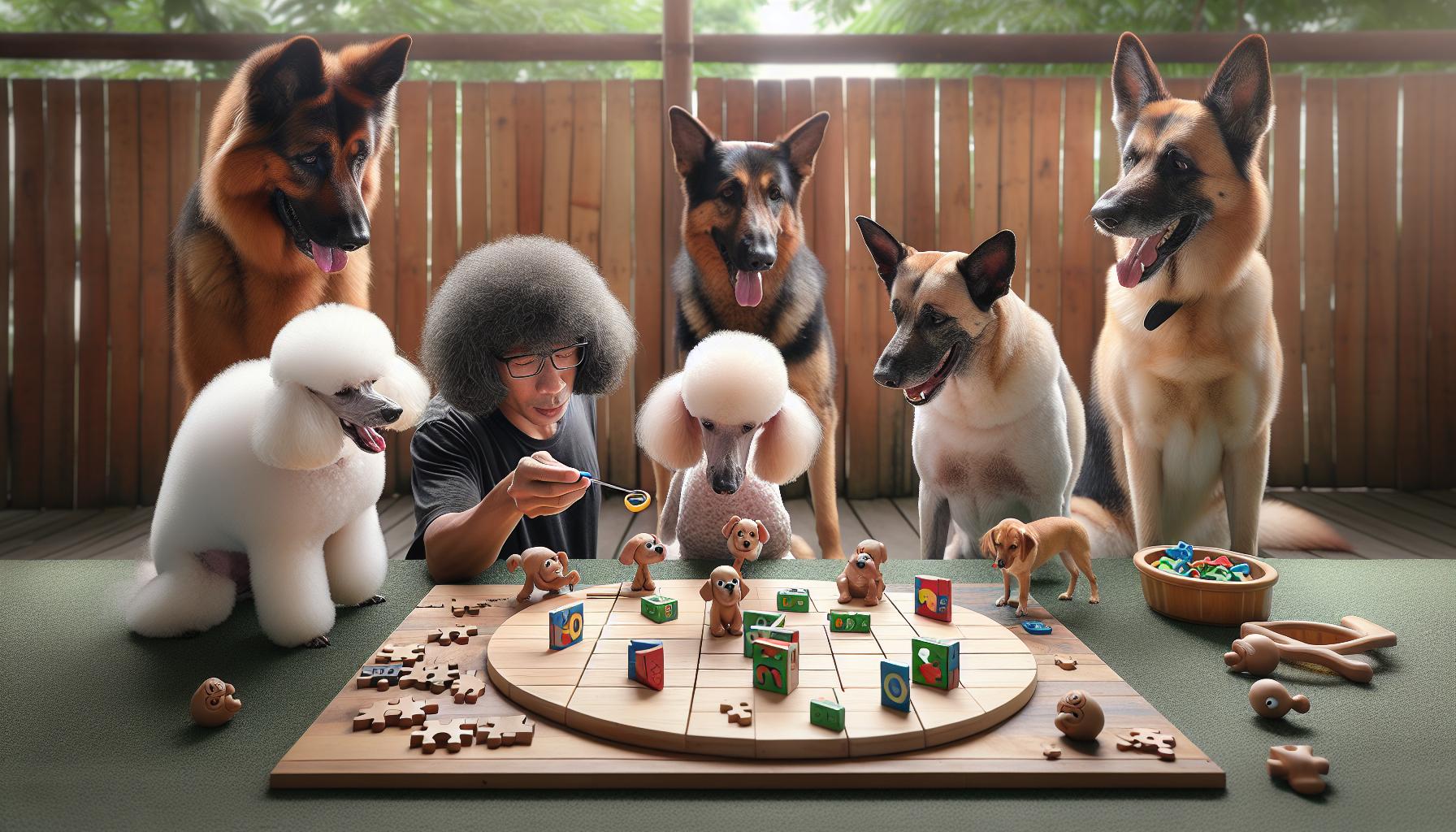
Factors Influencing Poodle Smartness
Poodles showcase their remarkable intelligence for a variety of reasons, making them stand out among canine companions. One compelling factor influencing their smarts is genetics. The legacy of Poodles as hunting and water retrieval dogs means they are bred for performance. This genetic predisposition endows them with a keen ability to solve problems, learn quickly, and adapt to different environments. In fact, studies note that Poodles can often outperform many breeds in intelligence assessments, demonstrating a brainstorming approach to challenges.
Moreover, environmental factors play a significant role in developing a Poodle’s intellectual capabilities. A stimulating home environment filled with interactive toys, training exercises, and regular mental challenges keeps their minds sharp. Engaging with varied activities helps to foster their innate curiosity. For example, a daily routine that includes puzzle toys or agility course training can enhance their cognitive abilities. This type of enrichment is essential for Poodles, who thrive on mental challenges as much as they do on physical activity.
Another crucial element is the training style and the owner’s involvement. Positive reinforcement and consistent training can profoundly influence a Poodle’s learning curve. They are sensitive to their owners’ emotions and responses, making it vital to maintain an encouraging atmosphere during training. An owner who incorporates fun and play into commands, such as mixing in games of fetch with training sessions, can reinforce learning effectively. Observing how quickly a Poodle picks up new tricks highlights their ability to turn structured learning into enjoyable experiences.
Lastly, socialization increases Poodles’ confidence and adaptability. Regular exposure to different environments, people, and other animals not only combats behavioral issues but also enriches their understanding of the world. A well-socialized Poodle often displays a balanced temperament and is more open to new experiences, further enhancing their learning potential. By nurturing their intelligence through genetics, environmental stimulation, training, and socialization, owners can cultivate a well-rounded and exceptionally smart companion.
Practical Training Tips for Poodle Owners
Poodles are often celebrated not just for their beauty but also for their exceptional intelligence, making them highly trainable companions. A key to unlocking their cognitive potential lies in how you approach training them. Begin by establishing a strong bond with your Poodle; this emotional connection will foster trust and encourage them to learn from you. Make your training sessions engaging by integrating play, praise, and small treats as rewards to reinforce successful behaviors. These methods not only make learning enjoyable but also turn your training sessions into quality time together.
Utilize Positive Reinforcement
One effective strategy is to use positive reinforcement consistently. This method involves rewarding your Poodle immediately after they display the desired behavior, which can significantly enhance their learning process. For instance, if your Poodle responds correctly to a command like “sit”, a joyful “good dog!” paired with a tasty treat will help them associate the action with a positive outcome. Another helpful tip is to avoid punishing unwanted behaviors; instead, redirect their energy by offering an alternative action to focus on. For example, if they start chewing on furniture, guide them towards a chew toy and praise them for using it.
Keep Training Sessions Short and Fun
Poodles, like many smart breeds, can easily become bored or frustrated with long sessions. Aim for brief training periods of about 5 to 10 minutes, and intersperse commands with fun games. Consider mixing in activities like hide and seek or fetch during your practice. Not only does this diversify the learning experience, but it also helps maintain your Poodle’s attention and enthusiasm. Regular positive interactions foster an eagerness to learn, leading to better outcomes in skill acquisition and retention.
Introduce Variety to Skill Sets
As your Poodle masters basic commands, gradually introduce more complex tricks and tasks. You can combine commands for learning exercises, such as teaching them to “shake hands” followed by a “stay” command. This layered approach helps improve their focus and problem-solving capabilities. Furthermore, engaging your Poodle in other activities, like agility training or obedience classes, can enhance their physical and mental fitness. Being around other dogs and handlers also contributes to their socialization, boosting their confidence and adaptability.
Be Patient and Observant
Lastly, patience is crucial when training your Poodle. Each dog has its unique learning pace, and some may take longer to grasp new concepts than others. Take time to observe how your Poodle reacts to different commands and adjust your training style to meet their needs. Celebrate small victories, and always maintain an encouraging demeanor. Your dedication and understanding will not only strengthen your Poodle’s intellectual growth but also deepen the unique bond you share.
By using these training techniques with motivation and patience, you can nurture your Poodle’s impressive intelligence, leading to a well-mannered and engaged companion.
Common Behavioral Traits of Intelligent Poodles
Poodles possess a unique combination of behavioral traits that stem from their extraordinary intelligence. Their heightened awareness and ability to connect with their human companions make them stand out in the canine world. These dogs are not only quick learners but also exhibit a playful curiosity that drives them to explore and understand their environment. Whether it’s figuring out how to open doors or mastering complex tricks, Poodles thrive on mental challenges, showcasing a determination that can be incredibly rewarding for owners.
One significant behavioral trait is their tendency to be problem-solvers. Poodles often approach challenges with an analytical mindset. They enjoy puzzles and interactive toys that stimulate their thinking. For instance, consider incorporating treat-dispensing toys or games that require them to figure out how to retrieve a reward. This not only keeps their minds sharp but also helps alleviate boredom, which can lead to unwanted behaviors. Engaging their intellect through games reinforces their natural instincts and keeps them occupied, creating a win-win situation for both the dog and the owner.
Additionally, Poodles exhibit a strong emotional intelligence, which is vital in their relationships with people. They are often attuned to their owner’s moods, responding with empathy and affection. This ability makes them excellent therapy dogs, as they can sense when someone is feeling down or stressed. Providing comfort through their playful antics or simply being a supportive companion are behaviors many Poodle owners cherish. Fostering this connection can involve regular cuddle sessions and individualized attention, which heightens your bond and encourages the dog to continue displaying this supportive behavior.
Furthermore, Poodles display remarkable adaptability, thriving in various settings from bustling households to serene environments. Their social nature means they generally get along well with other dogs and different pets, which is essential for their emotional well-being. Regular interaction with other dogs through playdates or puppy classes not only enhances their social skills but also serves as an essential tool for their training. By introducing them to various experiences, you help cultivate their confidence and adaptability, which are critical for this intelligent breed.
In summary, understanding the common behavioral traits of Poodles is fundamental to harnessing their intelligence effectively. By providing stimulating activities, nurturing emotional bonds, and ensuring socialization opportunities, owners can unlock their Poodle’s full potential while enjoying the delightful companionship they offer.
Engaging Activities to Stimulate Your Poodle’s Mind
Engaging a Poodle’s agile mind is both a fun and rewarding experience, as these intelligent dogs thrive on challenges that stimulate their cognitive abilities. One of the most effective ways to keep your Poodle mentally active is through interactive games and puzzles. These can range from treat-dispensing toys to more complex puzzle boards that require them to manipulate pieces to reveal hidden rewards. Not only do these activities engage their problem-solving skills, but they also help reduce boredom-related behaviors, ensuring your Poodle remains happy and healthy.
Incorporating training sessions into your daily routine can also be a fantastic way to engage your Poodle’s mind. These sessions don’t have to be long; even a few minutes of focused training on new commands or tricks can provide valuable mental exercise. You could teach them to fetch specific items, play hide and seek with treats, or even explore advanced tricks like rolling over or playing dead. Positive reinforcement through treats and praise will make these sessions enjoyable, strengthening your bond while enhancing their intellectual growth.
Social Engagement
Don’t underestimate the power of social interaction in stimulating your Poodle’s intelligence. Regular playdates with other dogs or participation in dog sports, like agility or obedience competitions, can offer both physical exercise and mental challenge. These environments encourage your Poodle to think critically and adapt quickly to new situations, fostering important social skills. Additionally, classes that focus on agility or scent work tap into their natural instincts and can be incredibly enriching.
Daily Challenges
Creating a routine that incorporates various engaging activities ensures that your Poodle remains mentally challenged day after day. Consider incorporating a mix of the following into your weekly plan:
- Daily walks with varied routes: Exploring different environments can pique their curiosity and offer new scents to discover.
- Obstacle courses at home: Set up a mini agility course using household items. Encourage them to navigate through tunnels, jump over cushions, or weave between chairs.
- Interactive training games: Use clicker training to teach tricks that involve both mental and physical exercise, like fetching specific toys by name.
- Scavenger hunts: Hide treats around the house or yard to encourage their keen sense of smell and problem-solving skills.
By integrating these activities into your Poodle’s life, you’ll not only keep their minds sharp but also enrich your relationship, creating a fulfilling and joyful partnership. Remember, a happy Poodle is one that is both mentally stimulated and physically active, ensuring they remain the playful and loving companions we cherish.
The Role of Genetics in Poodle Intelligence
The remarkable intelligence of Poodles is not a mere coincidence; it can be largely attributed to their genetics. Research indicates that certain traits linked to intelligence and temperament are heritable, meaning that a Poodle’s mental capabilities can be influenced by its lineage. Breeders who select for high intelligence and trainability contribute to the overall cognitive success of the breed. When you choose a Poodle from a well-regarded breeder who prioritizes intelligence in their breeding program, you’re more likely to adopt a dog that excels in learning and problem-solving.
Genetic diversity within the Poodle breed also plays an essential role in their intellectual abilities. Poodles come in different sizes-Standard, Miniature, and Toy-all of which share a common ancestry. This diverse gene pool can introduce a range of traits, including varying levels of energy, temperament, and intelligence. Breeders who focus on producing dogs that have been successful in performance events, such as agility or obedience, bring out traits in their dogs that not only aid in learning but also enhance interaction with their human companions.
Furthermore, understanding the genetic makeup of your Poodle can be beneficial for tailoring training approaches. For instance, some individuals may exhibit more sensitivity than others. By acknowledging these traits, owners can adapt their training strategies accordingly. Dogs that inherit a tendency for resilience might thrive in competitive environments, while those with a gentler disposition may excel in quieter, more supportive settings. This customization creates a more harmonious relationship between Poodle and owner, fostering a conducive atmosphere for learning.
In summary, genetics undoubtedly shapes a Poodle’s intelligence, providing a solid foundation for their exceptional trainability. As a Poodle owner, being aware of these genetic influences can guide you in developing effective training techniques that cater specifically to your dog’s unique traits, ensuring both mental challenge and personal fulfillment in your journey together.
Why Socialization Matters for Smart Poodles
Socialization is a critical aspect of raising a smart and well-adjusted Poodle. These dogs, known for their intelligence, benefit immensely from being exposed to various environments, people, and other animals from an early age. A well-socialized Poodle is not only more confident and comfortable in its surroundings but also possesses a heightened ability to learn and adapt. Proper socialization can reduce behavioral issues and enhance your dog’s ability to interact positively with the world, making it crucial for any Poodle owner.
To effectively socialize your Poodle, start during puppyhood, as this is when they are most receptive to new experiences. Introduce them to a variety of stimuli-different sounds, sights, and smells-and engage them in positive encounters with people of different ages, sizes, and other animals. Classes specifically designed for socialization, or even playdates with well-behaved dogs, can provide safe environments for these interactions. Regular exposure helps Poodles develop a flexible mindset, allowing them to handle diverse situations without stress or fear.
Another key aspect is to maintain ongoing socialization throughout your Poodle’s life. While early socialization lays the groundwork, the learning process doesn’t stop. Take your Poodle on daily walks and explore new places together. Visits to dog parks, pet-friendly cafes, or even trips to the local hardware store can provide enriching experiences. Each new encounter serves as an opportunity for your dog to practice their social skills and improve their adaptability, which supports their impressive cognitive abilities.
Furthermore, consider that each Poodle has its own personality and pace when it comes to social experiences. Some may thrive in bustling environments, while others might prefer quieter interactions. Tailor your approach according to your Poodle’s needs; this customization not only fosters a trusting relationship but also encourages a more enjoyable learning experience. When your Poodle feels secure and understood, you may witness an even greater eagerness to engage and explore.
In summary, socialization is indispensable for smart Poodles. It empowers them to navigate their world confidently, which, in turn, stimulates their intellect and trainability. The lessons learned during socialization create a foundation for a lifetime of learning, making it a rewarding experience for both you and your Poodle.
Fun Facts About Poodles and Their Intelligence
Did you know that Poodles consistently rank among the top smartest dog breeds in the world? This remarkable intelligence is not just a trait; it’s a blend of characteristics that make them unique companions. Poodles are not only quick learners but also exhibit exceptional problem-solving skills. Whether it’s figuring out how to fetch a toy or mastering complex tricks, their cognitive abilities are truly impressive.
One fascinating aspect of Poodle intelligence is their adaptability to various training methods. They thrive on positive reinforcement, which means they respond best to encouragement, treats, and praise. This breed’s innate eagerness to please their owners makes training sessions an enjoyable experience for both parties. As you train your Poodle, you’ll likely find they can learn new commands within just a few repetitions, which is a testament to their extraordinary brainpower.
Poodles also possess a great deal of emotional intelligence, which contributes to their strong bond with humans. They can pick up on cues and emotions, making them sensitive companions. This trait not only enhances their ability to learn but also allows them to be excellent therapy dogs. Their calm demeanor and keen understanding of human emotions make them ideal candidates for providing comfort and support.
It’s interesting to note that Poodles come in three sizes-Standard, Miniature, and Toy-yet all share similar intelligence traits. Regardless of size, every Poodle has the potential to impress with their smartness. Engaging your Poodle with mentally stimulating activities, such as puzzle toys, agility training, or interactive games, can harness their intelligence and keep them both physically and mentally satisfied.
So, if you’re considering bringing a Poodle into your life, prepare to be impressed by their wit and charm. With a little patience and consistent training, you’ll discover the incredible capabilities of your Poodle companion, ensuring both of you enjoy a fulfilling and exciting journey together.
Challenges and Solutions for Training Poodles
Training a Poodle is often a delightful experience, but like any intelligent breed, it comes with its own set of challenges. One captivating truth about Poodles is their tendency to become easily bored, which can lead to unwanted behaviors if not addressed. Since these dogs thrive on stimulation and mental engagement, setting the right training routine is crucial for both their happiness and for building a solid bond between you and your furry friend.
One significant challenge Poodle owners may face is their propensity for stubbornness at times. While they are eager to please, Poodles can also be independent thinkers. To navigate this, it’s essential to implement strategies tailored to their unique personalities. Utilizing a mix of positive reinforcement methods, such as tasty treats and cheerful praise, can greatly enhance motivation. It’s advisable to keep training sessions short but engaging, perhaps lasting no longer than 10-15 minutes, to maintain their interest and excitement.
Another common issue is the potential for over-excitement during training sessions, which can lead to a lack of focus. This energetic disposition is often what makes Poodles so lovable and fun, but it can be counterproductive when learning new commands. To combat this, establishing a calm environment during training is key. Begin with brief periods of gentle exercise to help expend excess energy. Once your Poodle is settled, incorporate a structured training routine that combines commands with fun activities, ensuring that mental and physical energy are both balanced.
Ultimately, patience and consistency are your best tools. Regular socialization with other dogs and people will also enrich your Poodle’s training experience, helping them learn acceptable behaviors in various environments. Seek opportunities for group obedience classes or playdates which allow your Poodle to practice skills in real-world scenarios, building not only their skills but also their confidence. By recognizing and addressing these challenges with tailored solutions, you can foster a more harmonious training process that taps into the true brilliance of your Poodle.
FAQ
Q: What makes Poodles one of the smartest dog breeds?
A: Poodles are highly intelligent due to their exceptional problem-solving abilities, eagerness to please, and capacity to learn quickly. Their historical use as working dogs in various roles, such as hunting and performing, has honed their trainability and cognitive skills.
Q: How can owners enhance their Poodle’s trainability?
A: Owners can enhance trainability by incorporating positive reinforcement techniques, such as treats and praise. Engaging in regular training sessions and offering mental stimulation through interactive toys can further enhance a Poodle’s learning experience and cognitive development.
Q: Are Poodles more trainable than other breeds?
A: Yes, Poodles often rank among the most trainable breeds due to their intelligence and adaptability. Their willingness to learn and bond with humans makes training particularly effective compared to breeds that may be more independent or stubborn.
Q: What are some common training challenges specific to Poodles?
A: Poodles may exhibit challenges such as boredom or distraction during training. To counter this, vary training sessions with new exercises and games to maintain their interest. Consistent routines and positive reinforcement also help overcome these obstacles.
Q: How do genetics impact a Poodle’s intelligence?
A: Genetics plays a significant role in a Poodle’s intelligence, as breeding practices have selected for traits that enhance cognitive abilities. Poodles are often bred for intelligence and adaptability, which contributes to their high learning capacity.
Q: What type of activities stimulate a Poodle’s brain?
A: Engaging activities like puzzle toys, agility training, and obedience courses help stimulate a Poodle’s brain. Regular socialization and interactive games also promote mental engagement, allowing Poodles to utilize their intelligence effectively.
Q: Why is socialization important for intelligent breeds like Poodles?
A: Socialization helps Poodles develop their cognitive skills, reducing behavioral issues and enhancing their adaptability to different environments. Positive interactions with people and other animals promote their understanding of social cues and boost overall confidence.
Q: How does a Poodle’s environment affect their intelligence?
A: A stimulating environment encourages Poodles to explore and learn, enhancing their cognitive development. Providing varied experiences, such as different sights and sounds, along with training and play, can maximize their brainpower and behavioral adaptability.
In Retrospect
As we wrap up our exploration of why poodles are renowned for their exceptional intelligence and trainability, it’s clear that these breeds offer not just companionship but also a unique opportunity for engaging learning experiences. From their ability to grasp commands quickly to their eagerness to please, poodles truly stand out. If you’re excited about enhancing your training techniques, check out our guides on Effective Training Strategies for Poodles and Poodle Care Essentials to keep the learning momentum going!
Don’t miss out on transforming your relationship with your poodle-subscribe to our newsletter for expert tips and exclusive resources. Whether you’re a new owner or a seasoned handler, engaging with our community through comments or sharing your experiences can inspire others and foster a supportive network. Now that you understand the brilliance behind poodles, explore more about their unique traits and care needs in our articles. Remember, every moment spent training and bonding is a step towards a more fulfilling companionship!