When it comes to grooming your poodle, trimming their ears effectively is essential not only for aesthetics but also for their overall health and comfort. Many poodle owners find themselves hesitant about ear trimming, fearing they might harm their beloved pet or achieve less-than-desired results. However, learning safe techniques can empower you to maintain those adorable poodle ears with confidence!
In this article, we will explore step-by-step methods for cutting poodle ears, ensuring you have the knowledge and tools you need to do it right. Whether you’re a new poodle owner looking to enhance your pup’s appearance or an experienced groomer seeking to refine your skills, our practical guidance will help you prioritize your dog’s well-being while achieving beautiful results. Read on to discover tips, tricks, and techniques that will make ear trimming a stress-free part of your grooming routine!
Choosing the Right Tools for Cutting Poodle Ears Safely
When it comes to grooming your Poodle, having the right tools for trimming their ears is essential for both safety and effectiveness. Improper tools can lead to discomfort for your pup, resulting in a stressful experience for both of you. Prioritizing comfort and precision will make ear trimming a more enjoyable process. A well-maintained grooming routine not only keeps your Poodle looking their best but also promotes their overall well-being by preventing matting and infections.
Essential Tools to Consider
To get started, here’s a list of recommended tools that will make ear trimming smoother and safer:
- Scissors with Rounded Tips: These specialized scissors prevent accidental cuts while allowing you to trim hair precisely.
- Thinning Shears: Ideal for blending and softening the edges of the ear, thinning shears can help achieve a natural look.
- Comb: A wide-toothed comb can help detangle any knots before you start, ensuring you have a clean surface to work on.
- Nail Clippers: Keeping your Poodle’s nails trimmed will make it easier to manage their overall grooming, including ear trimming.
- Blower or Dryer: If your Poodle isn’t a fan of water, using a low-heat dryer can help keep their ears dry and tidy.
Understanding Your Needs
It’s also important to choose tools that fit your level of experience. If you’re new to dog grooming, look for ergonomic designs that enhance grip and control, making it easier to maneuver around sensitive areas. Consider investing in a grooming kit specifically designed for Poodles, as these kits often include breed-appropriate tools and instructions. For seasoned groomers, high-quality professional tools may enhance efficiency and provide finer control over styling.
Being well-prepared with the right equipment not only makes the task at hand less daunting but also places your Poodle’s comfort and safety at the forefront of your grooming routine. Taking the time to select the proper tools will lead to more successful and enjoyable grooming sessions, fostering a positive relationship between you and your furry companion.
Understanding Poodle Ear Types and Grooming Needs
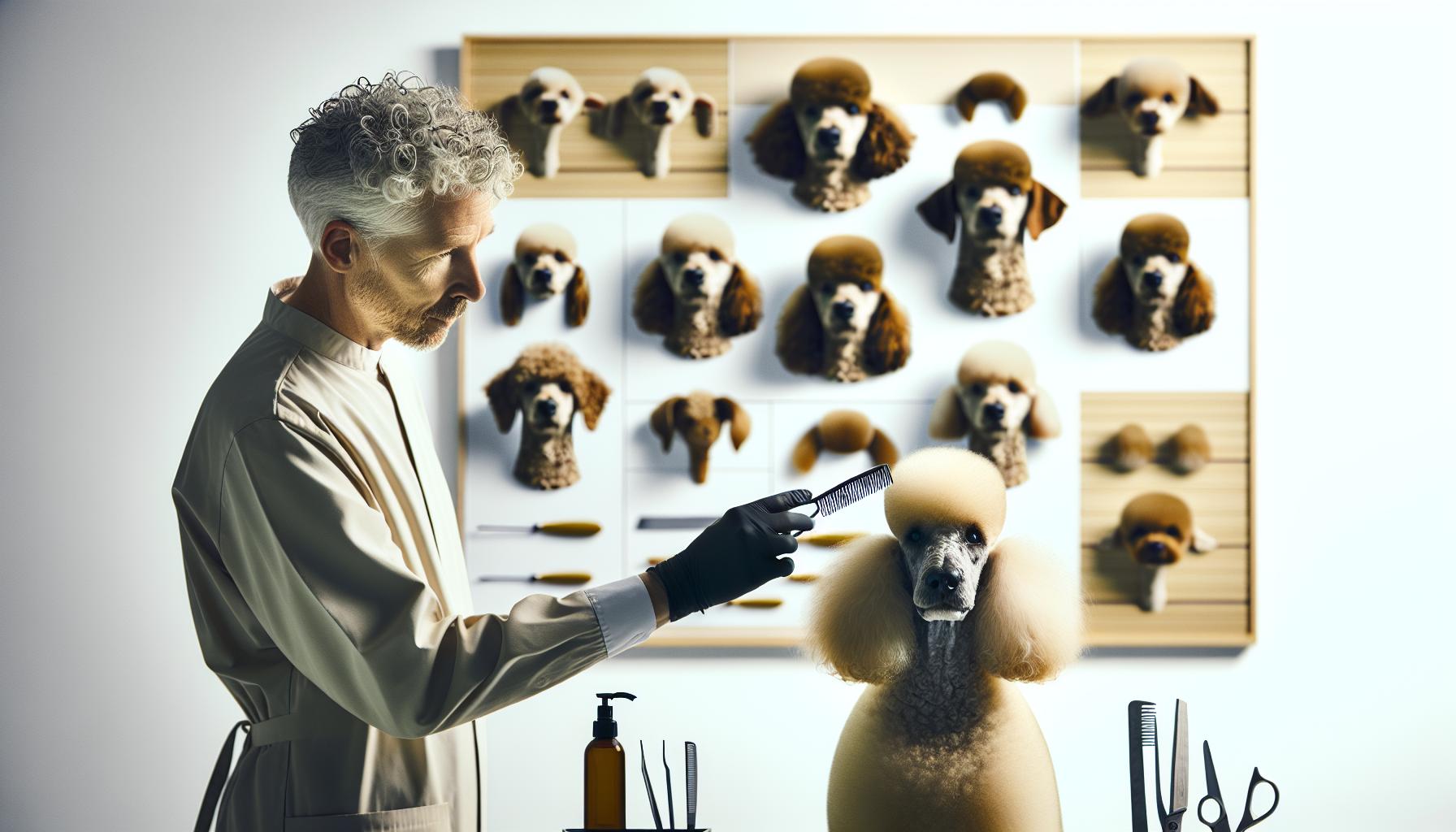
Poodles boast distinct ear types that not only contribute to their charming looks but also require specific grooming considerations. Understanding the anatomy and grooming needs of your Poodle’s ears is crucial for maintaining their health and style. Most commonly, Poodles have long, flowing ears adorned with dense, curly fur that can mat easily if not properly cared for. This ear structure creates an inviting environment for moisture and dirt, leading to potential infections if grooming is neglected.
When grooming, it’s important to remember that different styles-such as the puppy cut, continental clip, or sporting clip-can affect how you approach ear trimming. For instance, if your Poodle sports a longer, stylistic look, the ears may need more frequent trims to maintain that tidy appearance. Conversely, shorter styles may require less attention but will still benefit from regular brushing to prevent matting. Aim to familiarize yourself with your Poodle’s specific style as well as their comfort level during grooming sessions, as this will influence how you handle their ears.
To kick off your grooming routine, start by carefully inspecting the ear area for any signs of irritation or build-up of wax, dirt, or foreign objects. A soft, damp cloth often helps wipe away debris. For a more thorough cleaning, you might consider using a vet-approved ear cleaner, which can help dissolve wax and keep the ears healthy. Additionally, brushing the ear fur gently with a wide-toothed comb will help detangle any knots that could complicate the trimming process. Regular checks and maintenance can ensure that your Poodle’s ears remain not only aesthetically pleasing but healthy as well, preventing discomfort or health issues down the line.
Incorporating these practices into your grooming routine will create a positive experience for your Poodle, fostering their comfort and trust in you as their caretaker. Joining community forums or engaging with seasoned Poodle owners can also provide valuable insights and tips tailored to your dog’s unique needs, making ear grooming an empowering task rather than a daunting one.
Step-by-Step Guide to Trimming Poodle Ears
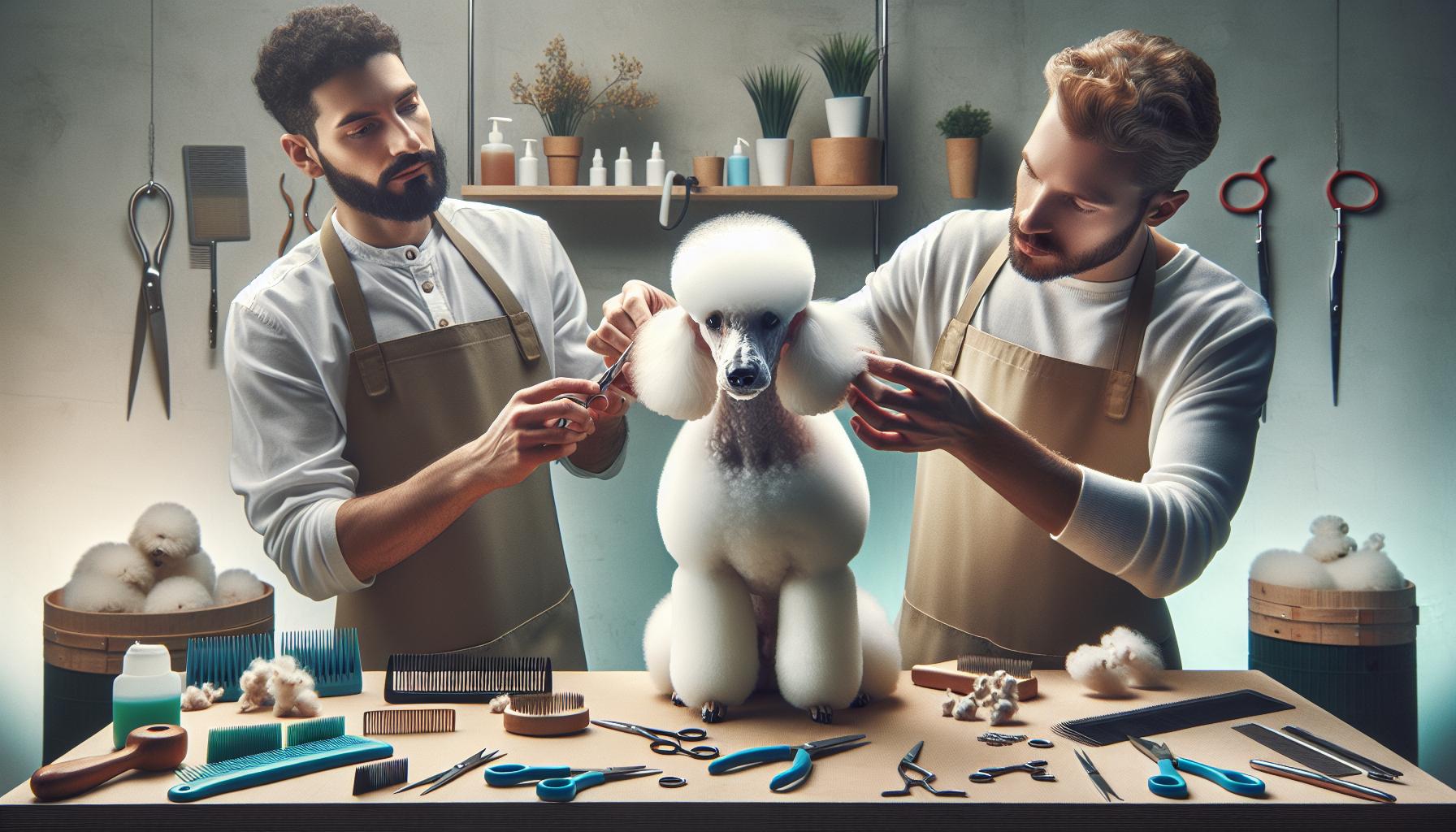
When it comes to trimming your Poodle’s ears, the key is to approach the task with patience and care. A well-trimmed ear not only enhances your dog’s appearance but also contributes to their overall ear health. Start by preparing your space: ensure you have good lighting and a comfortable, non-slip surface for your Poodle to sit or lie down. A calm environment can significantly ease the grooming process, allowing your pup to relax.
First, gather your tools: sharp scissors, thinning shears, a wide-toothed comb, and an ear cleaner. Begin by gently brushing your Poodle’s ear fur to remove any tangles or mats. This step is crucial, as it prevents discomfort during trimming. Look for any signs of irritation or infection, such as redness or excessive wax, which should be addressed before proceeding.
Next, hold the ear flap and carefully trim the fur along the outer edge using your scissors or thinning shears. Aim for a natural shape that complements your Poodle’s face without making it look too harsh or uneven. As you trim, periodically step back to assess your work from different angles. This allows you to create a balanced look while avoiding over-trimming. For the inner ear, it’s usually best to cut less fur and maintain a softer appearance. This area can be sensitive, so your approach should be gentle, always ensuring that your Poodle remains comfortable throughout the process.
Finally, after you’ve achieved the desired shape, use a cotton ball with ear cleaner to wipe the inner ear gently, ensuring it remains clean and healthy. Reward your Poodle with treats and praise after the session to create a positive association with ear grooming. This step will help ease any anxieties they might have for future trims, making the process enjoyable for both of you. Remember, consistency is key, and with practice, you’ll become more confident in your ear-trimming technique, benefiting your furry friend in the long run.
Common Mistakes to Avoid When Trimming Ears
Trimming your Poodle’s ears can transform their look and enhance their overall grooming routine, but many owners unknowingly make mistakes that can lead to uneven cuts or even discomfort for their furry friends. One common pitfall is cutting too much fur at once, particularly around the sensitive inner ear area. This not only risks creating an unnatural shape but can also leave your Poodle feeling vulnerable or irritated. Instead, take your time and trim in small increments to maintain control and ensure a gentle touch.
Another frequent error is neglecting to check for signs of ear infections or skin irritation before starting the grooming process. Fur mats and debris can hide underlying issues, and trimming without investigating may worsen any existing conditions. Always inspect your Poodle’s ears carefully, and if you notice redness, excessive wax, or any unusual odor, consider consulting your veterinarian before proceeding with trimming.
Moreover, using the wrong tools can lead to subpar results or even accidents. Avoid using dull scissors or non-grooming shears, as they can pull on your Poodle’s fur, causing discomfort. Always opt for sharp, high-quality grooming scissors and thinning shears specifically designed for pet grooming. This ensures that you can achieve a clean cut and a professional-looking finish without distressing your pet.
Lastly, failing to create a comfortable and relaxed atmosphere can lead to a stressful experience for both you and your Poodle. Make sure to provide treats and positive reinforcement during the grooming session, helping to establish a trustful relationship. After all, successful ear trimming is as much about technique as it is about ensuring that your Poodle feels safe and secure throughout the process. Keeping these common mistakes in mind will help you perfect your ear-trimming skills and keep your Poodle looking fabulous and feeling their best.
Aftercare Tips for Healthy Poodle Ears
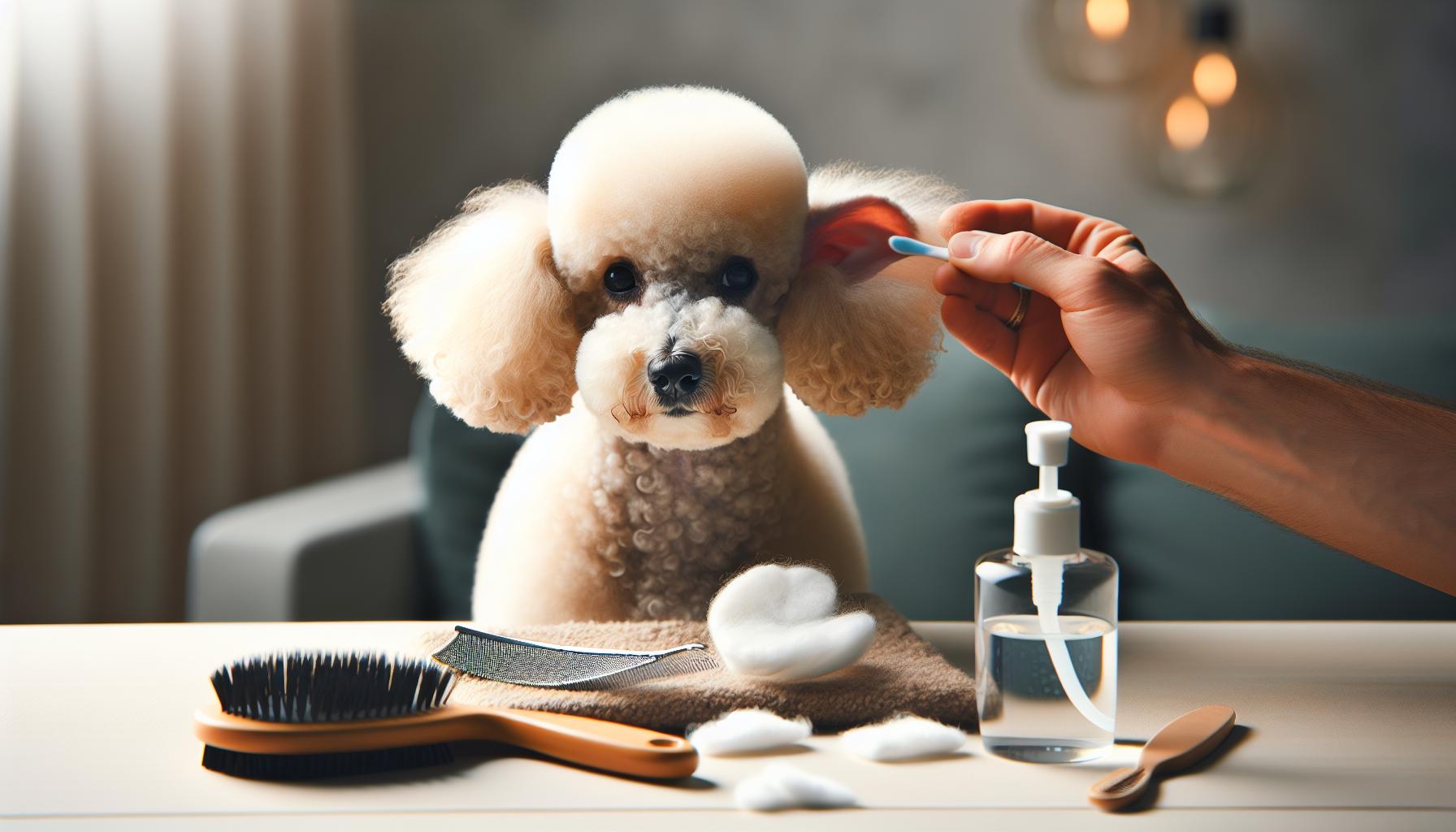
Caring for your Poodle’s ears after trimming is crucial for maintaining their health and preventing any unwanted issues. After a grooming session, the delicate skin surrounding the ears can be sensitive, and it’s important to ensure they remain clean and irritation-free. A well-structured aftercare routine can go a long way in promoting overall ear health and comfort for your furry friend.
Gentle Cleaning
Once you’ve finished trimming, gently clean your Poodle’s ears using a soft, damp cloth. This will help remove any hair, dust, or debris that may have collected during the grooming process. Avoid using cotton swabs inside the ear canals, as these can push debris further down and cause wax buildup or even damage the delicate ear structures. Instead, consider using a veterinarian-recommended ear cleaning solution to help keep the ear canal healthy and clean.
Moisturizing the Skin
Applying a soothing and veterinarian-approved ear conditioner can help maintain moisture in the ear skin, preventing dryness and irritation. Look for products specifically designed for dogs, as human lotions can contain ingredients that may not be safe for pets. Regular grooming can sometimes lead to dryness, especially if you’ve trimmed a lot of hair, so this step is particularly important.
Monitoring for Issues
Keep an eye out for any signs of discomfort or infection in your Poodle’s ears, such as:
- Redness or swelling
- Excessive scratching or shaking of the head
- Unpleasant odors
- Discharge from the ears
If you notice any of these symptoms, consult your veterinarian immediately to address potential issues before they escalate. Regular ear checks can help catch problems early, contributing to your Poodle’s overall health.
Consistency is Key
Integrating ear care into your Poodle’s regular grooming routine enhances their comfort and appearance. By consistently cleaning and monitoring their ears, you not only promote good hygiene but also strengthen the bond you share with your pet. Remember, a little extra care goes a long way in ensuring your Poodle remains happy and healthy.
When to Seek Professional Help with Ear Trimming
Knowing when to enlist the help of a professional for ear trimming is an essential aspect of responsible pet ownership. While many Poodle owners happily take on grooming tasks at home, certain situations warrant a trip to the groomer or veterinarian to ensure the process is safe, effective, and stress-free for your furry friend. If you ever find yourself feeling unsure during trimming or your Poodle exhibits signs of discomfort, these are critical indicators that seeking professional help may be the best course of action.
One of the primary reasons to consult a professional is if your Poodle has particularly sensitive skin or a history of ear infections. Such conditions can make the ear area more prone to irritation, and a skilled groomer or veterinarian will know how to navigate these potential pitfalls while minimizing discomfort. Additionally, if your Poodle’s ear hair is matted or tangled, attempting to trim it yourself can lead to more damage or pain. Groomers are equipped with specialized tools and techniques to safely address these issues without harming your dog.
Furthermore, if your Poodle has an unusual ear shape or length, such as those of certain Poodle mixes, tricky grooming tasks may be better left to experts. Experienced groomers can handle various ear styles and ensure that the final look is both stylish and comfortable for your pet. It’s also crucial to recognize when your Poodle is overly anxious or agitated during trimming. Signs like excessive panting, thrashing, or trying to pull away can indicate that they are not tolerating the grooming well. A professional can provide a calmer environment and the expertise needed to handle anxious dogs, ensuring a more relaxed experience for everyone involved.
Lastly, the potential for accidental injury or cutting into sensitive areas during a DIY trim is a real concern for many Poodle owners. If you’re uncertain about how to perform a specific technique or tool usage, err on the side of caution. Consult with a professional who can guide you and help you understand the best practices while still ensuring your Poodle’s safety and comfort. Ultimately, prioritizing your Poodle’s well-being is what matters most-whether that means stepping in for expert assistance or continuing to learn and refine your grooming skills.
Poodle Ear Trimming Techniques for Different Styles
Maintaining your Poodle’s ear appearance can enhance their cuteness factor while ensuring comfort. Different Poodle styles-Standard, Miniature, and Toy-bring unique ear grooming needs and techniques. Understanding these variations is crucial for achieving that perfect look while keeping your furry friend at ease. Whether you’re aiming for a sleek, show-ready cut or a playful, fluffy finish, there are specific techniques tailored to your Poodle’s ear type and overall style.
For a rounded fluffy style, commonly seen in Toy and Miniature Poodles, you’ll want to emphasize softness. Start by using blunt-tip scissors to gently round the edges of the ears, being cautious not to cut too much. This trim should enhance their fluff without making the ears look cropped. A light fade into the body coat can provide an effortless transition, ensuring the ears look naturally integrated with the overall fur style. Regular maintenance, ideally every 4-6 weeks, will keep the ears looking pristine.
In contrast, Standard Poodles may exhibit longer, more elegant ear shapes. When grooming, consider using thinning shears to remove bulk without sacrificing length. This technique allows you to maintain the long, flowing appearance typical of a Standard Poodle. If your Standard Poodle has a lot of ear hair, careful plucking can help maintain a clean look, but it’s essential to do this gently to avoid discomfort. Trimming the ears to a more tapered look can add an elegant touch, aligning with the breed’s graceful stature.
If you’re looking to achieve an afro style, popular in both breed-specific shows and casual settings, the key is consistent shaping. Begin with a basic trim to remove any overly long hair and make sure the ears have a uniform shape. Use clippers with a guard to give the ear area a full-bodied look without going too short. Regular maintenance is crucial; aim for a trim every 3-4 weeks to keep that bouncy volume.
Lastly, consider your Poodle’s temperament when participating in ear trimming. A calm, relaxed Poodle will be more receptive to different styles and techniques. Always check for signs of discomfort during grooming sessions. Providing positive reinforcement and ensuring breaks during the process can create a more comfortable experience for your pet. To help you keep track of your Poodle’s grooming needs and preferences, maintaining a grooming log with notes on techniques used and their reactions can be immensely helpful.
Understanding Your Poodle’s Comfort During Grooming
To make your Poodle grooming sessions pleasant and stress-free, understanding your dog’s comfort level is paramount. Poodles, being intelligent and sensitive, can react to their grooming experience based on how calm and comfortable they feel. Engaging them in a relaxed atmosphere can make a significant difference. Start by creating a calming environment: use soft music and ensure that any grooming tools are nearby but not overly visible until you need them. This approach helps your Poodle associate grooming with a positive experience rather than a stressful one.
During the grooming process, pay close attention to your Poodle’s body language. Signs of discomfort can include fidgeting, pulling away, or excessive panting. Taking a moment to reassess your approach can be beneficial. Perhaps your Poodle is feeling a little overwhelmed. In such cases, give them short breaks: a few minutes to stretch and relax can ease their anxiety. Offering treats or praise during and after your efforts can reinforce their positive feelings about grooming.
Furthermore, establish a grooming routine; consistency can help your Poodle become more accustomed to the ear trimming process. For example, if you’re cutting their ears, consider incorporating it into playtime or rewarding them with their favorite toy afterward. Keeping sessions short and engaging will help them maintain a calm demeanor throughout. Incorporating gentle handling and familiar commands during grooming not only helps to distract your Poodle but also builds trust between you and your furry friend.
Ultimately, your dog’s comfort is the priority. Remember that every Poodle is different, and what works for one might not work for another. As an experienced handler or a new dog owner, being mindful of your Poodle’s needs during grooming is essential for creating a positive experience that both you and your pet will look forward to.
Essential Safety Precautions for Ear Trimming
When it comes to trimming your Poodle’s ears, safety should always be your top priority. A well-prepared environment and the right techniques can significantly minimize the risk of injury to both you and your furry friend. It’s essential to create a grooming space that feels secure and calming; consider using a non-slip surface and providing plenty of light to ensure visibility. Not only does this enhance your confidence, but it also helps your Poodle feel more at ease during the grooming process.
Before you start, ensure you have the right tools at hand. A pair of sharp, high-quality scissors or clippers specifically designed for pets is vital. Using blunt or incorrect tools may lead to nicks and cuts, which can be painful for your Poodle. Additionally, make sure to have styptic powder readily available in case of any minor cuts. This acts as a quick blood coagulant to stem bleeding and soothe the area. Always inspect your tools before use-damaged equipment can pose serious safety risks.
While trimming, take your time and maintain a gentle hold on your Poodle’s head to keep them steady. Avoid making sudden movements, as they could startle your dog. It’s also wise to use treats as positive reinforcement during the process. Not only does this build a positive association with the grooming session, but it can also help distract them if they start to feel nervous or anxious. If your Poodle seems uncomfortable at any time, pause the trimming and check in with them; a break can be a great way to alleviate their fears.
Finally, ensure you have someone or a sturdy restraint system to help keep the dog stabilized during the procedure, especially if it’s their first time. Many owners find that having a helper can make the process easier and safer. As a responsible pet owner, remember to pay close attention to your Poodle’s comfort level throughout the grooming session, reinforcing a sense of security and trust between you and your pet. This not only helps prevent accidents but also enhances your dog’s overall grooming experience.
Poodle Grooming Frequency and Maintenance
To keep your Poodle looking sharp and feeling comfortable, grooming frequency and maintenance are essential components of their care routine. Poodles have a unique coat that requires regular attention to avoid matting, tangles, and skin issues. In general, you should aim to groom your Poodle at least every 4 to 6 weeks, but the specific needs may vary based on their coat type, lifestyle, and personal preferences.
Regular grooming sessions not only keep your Poodle’s coat in great condition but also provide an excellent opportunity to check their ears, eyes, teeth, and paws for any abnormalities. During grooming, make it a habit to check for signs of discomfort, mats, or any skin irritations. If your Poodle enjoys getting groomed, it can strengthen your bond and help them become more accustomed to the grooming process, making ear trimming sessions much easier.
Here’s a quick guide to help you structure your Poodle’s grooming routine:
- Daily grooming: Brush your Poodle’s coat daily to prevent tangles and mats, especially if they have a curly coat. Use a high-quality grooming brush suitable for Poodles.
- Weekly checks: Take a couple of minutes each week to inspect their ears for dirt or wax buildup, and gently wipe them clean if necessary.
- Full grooming sessions: Every 4 to 6 weeks, perform a comprehensive grooming session that includes a bath, ear cleaning, nail trimming, and a full brushing.
By incorporating these practices, not only will you maintain your Poodle’s signature look, but you will also contribute to their overall health and well-being. Keeping a consistent grooming schedule demonstrates your commitment to your furry friend’s comfort and confidence, ensuring they feel loved and cared for every day.
Comparing Ear Trimming Techniques for Various Breeds
When it comes to ear trimming, there’s no one-size-fits-all approach-different breeds have unique ear shapes, sizes, and grooming needs. Understanding these differences can help you master the art of trimming your Poodle’s ears while ensuring the process remains a positive experience. Like Poodles, other breeds with longer ears, such as Cocker Spaniels and Basset Hounds, often require specialized care. For instance, Cocker Spaniels typically have heavy, feathered ears that often need more frequent grooming to prevent matting and ear infections.
Poodles, with their distinctive curly coats, can benefit from regular ear trimming to maintain a clean and polished look while promoting ear health. The key is to adapt your techniques to suit the ear structure of each breed. For example, a Poodle’s ear hair may be trimmed shorter to avoid tangles, whereas a Dachshund’s longer, more delicate ears might require careful feathering to maintain their shape without risking discomfort. Always make sure to use proper tools for each breed-while electric clippers may be suitable for a Poodle, scissors might be preferred for more delicate trimming on a Cocker Spaniel.
Here are some practical tips to keep in mind when comparing ear trimming techniques among various breeds:
- Adapt Your Technique: Adjust your trimming method based on ear length and texture. Use rounded scissors for Poodles to avoid cuts, while for Spaniels, a straight scissor cut may work better.
- Frequency of Grooming: Poodles may require ear trims every 4-6 weeks, while breeds with heavier ears like Basset Hounds may need more frequent checks to prevent buildup of dirt and wax.
- Watch for Signs of Discomfort: Always be aware of your Poodle’s reactions during grooming. If they show distress, consider whether your technique aligns with their comfort level, similar to what you would do for a sensitive breed such as a Shih Tzu.
By tailoring your grooming strategy to your breed’s specific needs, you not only ensure your pet’s comfort but also help keep them looking their best. Remember that consistent practice and gentle handling will build trust and ease during grooming sessions for both you and your Poodle, or any breed you may care for.
Listening to Your Poodle: Signs of Discomfort during Grooming
Recognizing your Poodle’s comfort level during grooming is crucial for creating a positive experience for both of you. Since grooming can be a sensitive process, being attuned to your Poodle’s reactions can prevent potential stress and discomfort. Just like people, dogs have individual preferences; some Poodles may be more tolerant of grooming than others, making it essential to observe their body language and vocalizations closely.
Look out for specific signs that may indicate your Poodle is feeling uneasy. For instance, if your pup starts panting excessively, licking their lips, or turning their head away, these can be signals of anxiety. Additionally, watch for alterations in their body posture-cowering, tensing up, or attempting to escape may suggest they are not comfortable. Taking a moment to notice these cues can help you adjust your approach; perhaps you need to take breaks more often or work in shorter sessions to keep your Poodle calm.
Incorporating positive reinforcement during grooming can also help alleviate discomfort. Offering treats or praise when your Poodle remains calm can create a more rewarding experience. Engaging in playtime or affection before and after grooming sessions gives your Poodle something to look forward to, reinforcing a positive association with the process. Moreover, making sure that you have a comfortable grooming space-free from loud noises or distractions-can significantly enhance their comfort, allowing for a smoother trimming session.
Ultimately, being patient and respectful of your Poodle’s feelings will foster trust and cooperation. With time and gentle handling, your Poodle will likely become more accustomed to ear trimming, viewing it as a normal part of their grooming routine rather than a stressful ordeal. This mutual understanding not only promotes a healthier relationship with your pet but also ensures their grooming needs are met effectively.
Frequently asked questions
Q: How should I prepare my Poodle for ear trimming?
A: To prepare your Poodle for ear trimming, make sure to create a calm environment. Have all the necessary tools ready, including scissors, thinning shears, and clippers. Spend time familiarizing your Poodle with the tools and practice handling their ears gently to reduce anxiety.
Q: What are the safest techniques for trimming Poodle ears?
A: The safest techniques involve using sharp, clean scissors or clippers specifically designed for dogs. Always trim small sections gradually, checking for your Poodle’s comfort and reaction. Keep your hand steady and avoid cutting too close to the skin to minimize the risk of injury.
Q: When is the best time to trim my Poodle’s ears?
A: The best time to trim your Poodle’s ears is when they are calm and relaxed, such as after a walk or play session. Avoid grooming when they are stressed or anxious, as this can lead to a negative experience for both you and your Poodle.
Q: How can I tell if my Poodle is uncomfortable during ear trimming?
A: Signs that your Poodle may be uncomfortable include squirming, pulling away, whining, or growling. If you notice any of these behaviors, take a break and comfort your dog before continuing. Listening to your Poodle is essential for a positive grooming experience.
Q: What is the best way to clean Poodle ears before trimming?
A: Before trimming, clean your Poodle’s ears using a veterinarian-recommended ear cleaner. Apply the solution, gently massage the base of the ear, and use a cotton ball to wipe away dirt and wax. This not only improves hygiene but also allows for a better view during trimming.
Q: How often should I trim my Poodle’s ears?
A: It is generally recommended to trim your Poodle’s ears every 4 to 6 weeks, depending on their coat growth and activity level. Regular maintenance can prevent matting and discomfort, ensuring your Poodle remains healthy and comfortable.
Q: Should I consider professional grooming for my Poodle’s ears?
A: If you are unsure or uncomfortable trimming your Poodle’s ears, seeking professional grooming services is a great option. Professionals have the experience and tools to perform the task safely and effectively. It can also provide an opportunity to learn techniques for future grooming.
Q: Can I use human hair cutting tools for trimming my Poodle’s ears?
A: It is not advisable to use human hair cutting tools on Poodles. Dog grooming scissors and clippers are designed specifically for canine fur and are safer and more effective. Using the right tools helps avoid injury and stress during the grooming process.
Wrapping Up
Congratulations on taking the first steps toward mastering the art of ear trimming for your Poodle! By following the safe techniques outlined in this guide, you’re not only ensuring your furry friend looks their best but also keeping their ears healthy and comfortable. If you have any lingering questions or specific concerns about the process, don’t hesitate to reach out. We’re here to help you enjoy every moment with your Poodle.
For deeper insights, check out our articles on grooming essentials for Poodles and the importance of regular ear maintenance. Don’t miss our tips on choosing the right tools for your grooming needs-your Poodle deserves the best!
Ready to elevate your pet care routine further? Sign up for our newsletter for expert advice, special offers, and updates tailored just for dedicated Poodle owners like you. Share your ear trimming experience in the comments, and let’s create a community that celebrates the joy of pet ownership together!