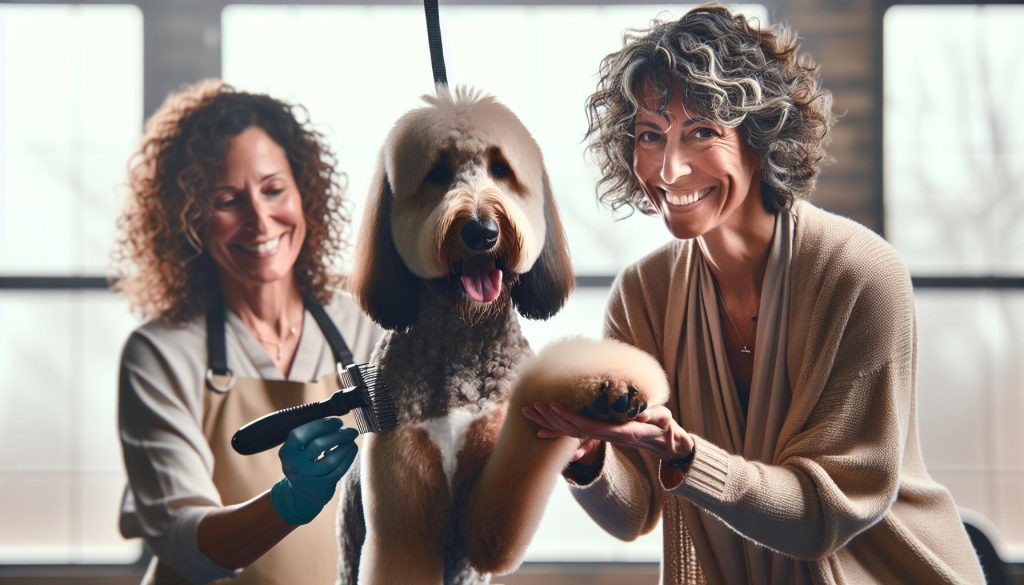
Grooming a Labradoodle is not just about keeping them looking fabulous; it’s essential for their health and well-being. Did you know that their unique coat, a delightful mix of a Labrador’s sleekness and a Poodle’s curliness, requires regular upkeep to prevent matting and skin issues? As a proud Labrador-Poodle parent, you want your furry friend to shine both inside and out, and understanding effective grooming techniques is key. Whether you’re a new dog owner or have years of experience, mastering the art of grooming can strengthen your bond with your Labradoodle and help them feel comfortable and happy. Dive into our expert tips that will transform your grooming routine into a delightful experience for you and your beloved pup!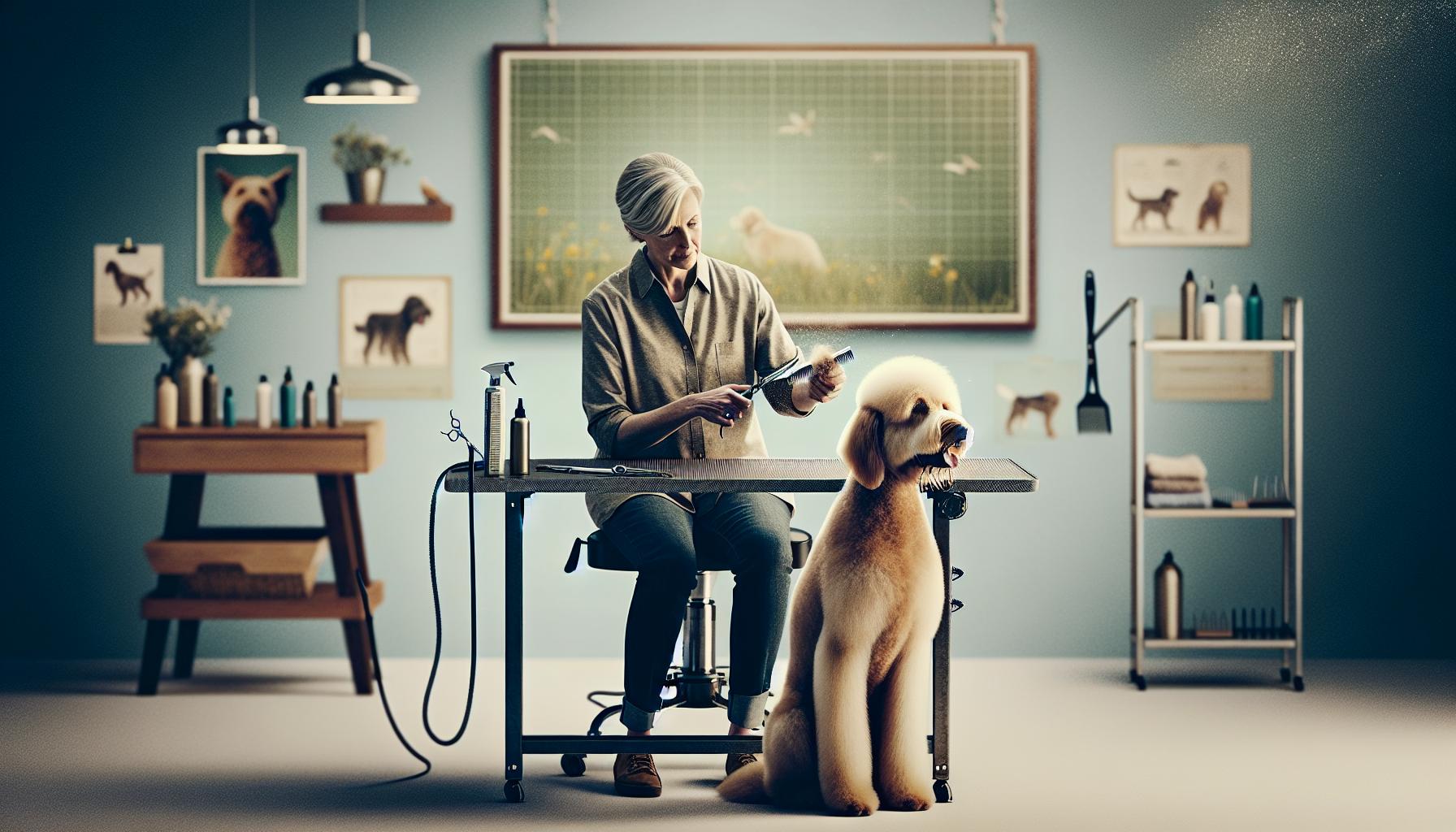
Essential Labradoodle Grooming Tools You Need
To keep your Labradoodle looking its best, investing in the right grooming tools is essential. These delightful dogs, known for their lovable temperaments and beautiful coats, benefit from a well-planned grooming routine. With the right tools, you can make the process smoother, not just for you, but for your puppy as well.
Start your grooming toolkit with the basics: a quality slicker brush for brushing out loose fur and detangling knots, a de-shedding tool to manage their unique coat types, and a wide-toothed comb for finer grooming on areas that are more prone to matting, like the ears and underbelly. Additionally, investing in a pair of scissors with rounded tips is wise for minor trims around sensitive areas. Don’t forget a dog nail clipper or a grinder for keeping those adorable paws in tip-top shape, as well as ear cleaning solution to maintain their floppy ears.
Essential Grooming Tools
- Slicker Brush: Perfect for detangling and removing loose fur.
- De-Shedding Tool: Helps reduce shedding and manage their curly coat.
- Wide-Toothed Comb: For finer grooming, particularly in sensitive areas.
- Rounded-Tip Scissors: Ideal for trimming delicate areas without risking injury.
- Nail Clipper/Grinder: Essential for keeping nails at a comfortable length.
- Ear Cleaning Solution: Helps maintain ear hygiene and prevent infections.
Getting your hands on these tools will place you on the right path to successful grooming. By having the proper gear, not only will you make the grooming experience more enjoyable for both you and your Labradoodle, but you will also contribute to their overall health and happiness. The right tools are an investment in quality time spent together, and will foster a relaxed and trusting relationship through consistent grooming sessions. Happy grooming!
Step-by-Step Guide to Bathing Your Labradoodle
Bathing your Labradoodle is not only essential for their hygiene but also a fantastic opportunity to bond with your furry friend. Their beautiful, curly coat can trap dirt, dander, and oils, making regular baths a part of their grooming routine. It’s crucial to approach this process thoughtfully to ensure it’s enjoyable for both you and your dog. Here’s a detailed guide to making bath time a breeze!
Begin by gathering all your supplies: dog-friendly shampoo (preferably sulfate-free to avoid skin irritation), a rinse bucket or detachable shower head, towels, and a non-slip mat for the tub. Setting the scene is important, as a familiar environment can help keep your Labradoodle calm. If your dog is unfamiliar with bathing, consider introducing them to the bathtub or shower area beforehand with treats and praise to create positive associations.
When you’re ready for bath time, start by brushing your Labradoodle thoroughly to remove any tangles and loose fur. This step helps prevent matting when the fur gets wet and makes the bathing process smoother. Wet your dog’s coat thoroughly, ensuring that the water is warm but not hot. Be mindful to avoid getting water directly in their ears to prevent any moisture buildup which can lead to infections.
Apply a small amount of dog shampoo, starting at the neck and working your way down to the tail. Use gentle, circular motions to lather the shampoo, making sure to clean under the belly and between the toes. While scrubbing, be attentive to the areas commonly missed, like under the arms and collar area. Once you’re done washing, rinse thoroughly to ensure no soap residue remains, as it can irritate their skin.
After rinsing, it’s time to dry your Labradoodle. Gently towel-dry your pup to soak up excess water before using a pet-safe dryer or letting them air dry in a warm, draft-free space. Some owners find that a blow dryer on a low, cool setting can be effective, but be sure to keep it a safe distance away to avoid overheating their skin. To finish up, comb through their coat one more time, checking for any mats or tangles that may have formed during the bath.
Bath time can be a fun adventure, and with the right approach, your Labradoodle will be clean and beautiful in no time! By maintaining a positive and relaxed atmosphere, you’ll help your furry companion see bathing as a special routine, enhancing both their hygiene and your bond.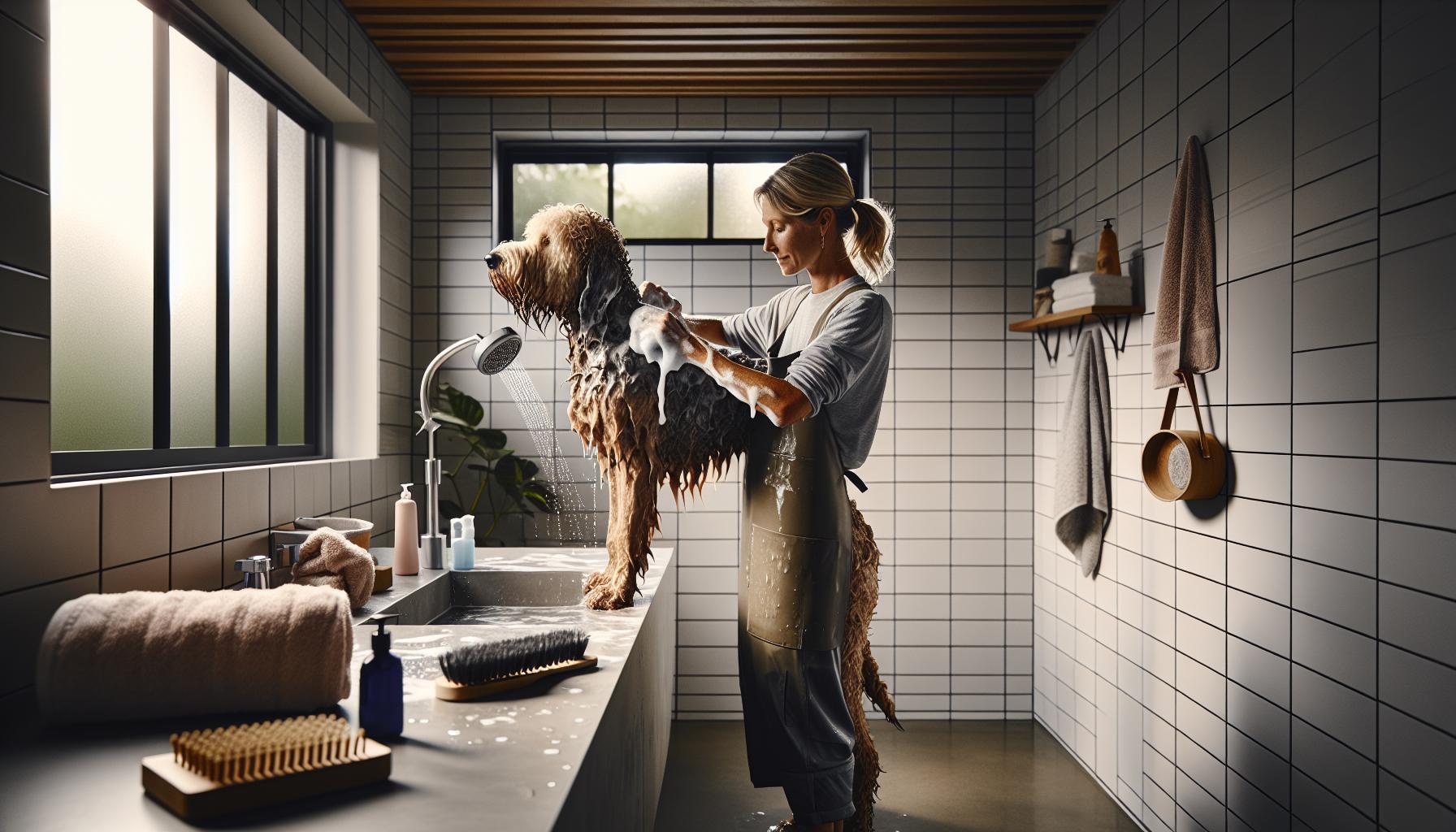
How to Brush Your Labradoodle: Techniques That Work
Brushing your Labradoodle isn’t just about keeping their coat looking fabulous; it’s also a vital part of maintaining their overall health and well-being. With their unique blend of Labrador and Poodle heritage, Labradoodles can have various coat types, including curly, wavy, or straight, each of which requires specific brushing techniques. Establishing a regular brushing routine can prevent matting, reduce shedding, and strengthen your bond with your furry companion.
Start by choosing the right tools for the job. For most Labradoodles, a slicker brush is highly effective for removing tangles and loose hairs, while a wide-toothed comb can help smooth out any remaining knots. If your Labradoodle has a thicker coat, consider using a de-shedding tool to manage loose fur. Make sure to work in a calm environment to keep your dog relaxed and comfortable during the process, as this can help create a positive experience for both of you.
When brushing, it’s best to follow an efficient system. Begin by gently brushing the coat in the direction of hair growth, which generally starts from the head and moves toward the tail. Concentrate on areas that are more prone to matting, such as behind the ears, under the legs, and around the collar. For particularly stubborn mats, try using your fingers to gently separate the fur before using the brush. If you encounter a difficult knot, avoid pulling hard; instead, use the comb to work through it gradually.
Consistency is key when it comes to grooming. Make it a routine activity, ideally brushing your Labradoodle several times a week. Not only does this help keep their coat healthy, but it also provides an opportunity to check for any skin irritations, parasites, or unusual lumps that may need veterinary attention. Always use positive reinforcement, like treats or praise, after grooming sessions to encourage your Labradoodle to look forward to the process. By investing time in regular brushing, you will ensure a healthy, happy coat while strengthening the bond with your furry friend.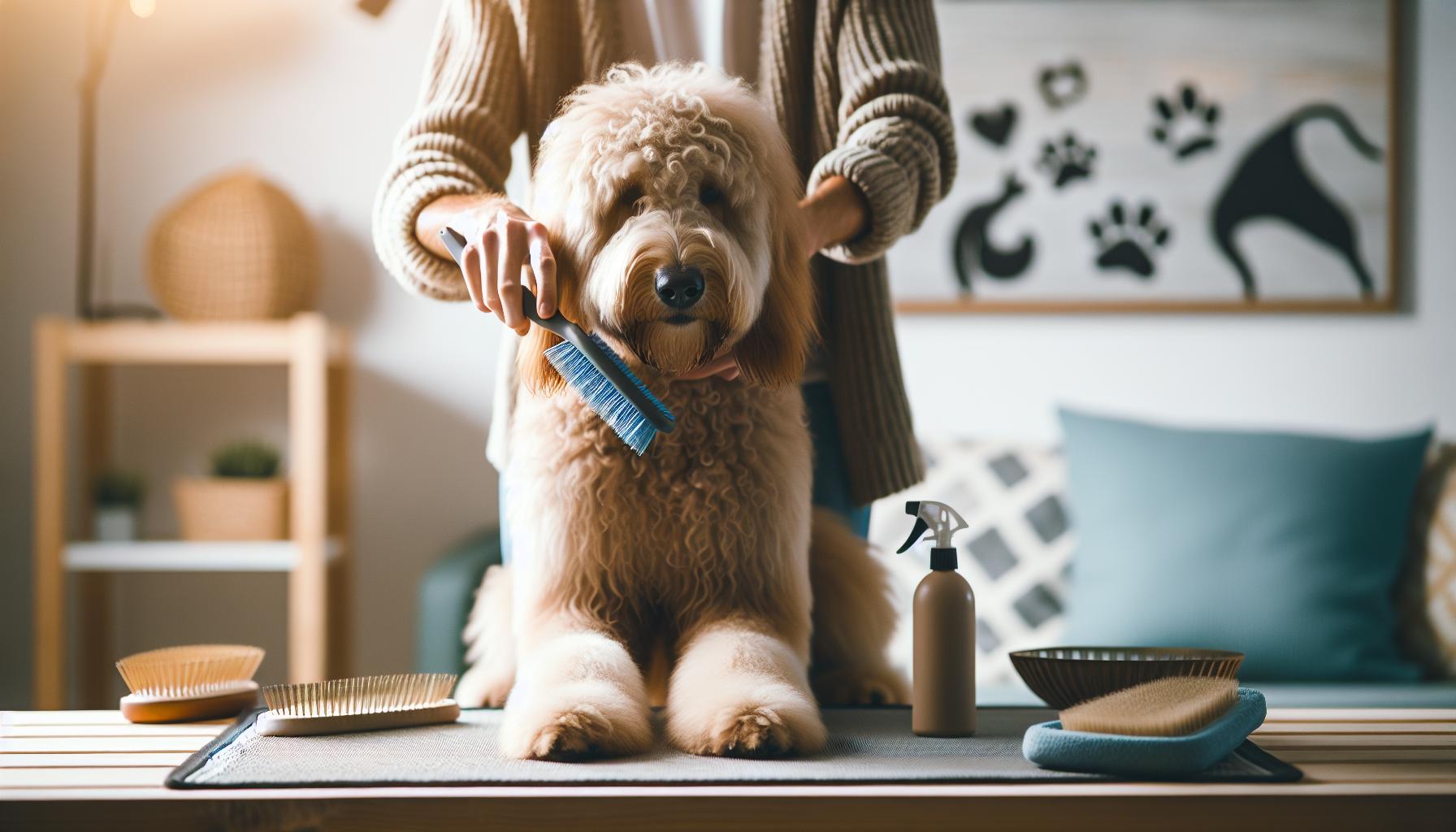
Dealing with Labradoodle Matting: Tips and Tricks
Dealing with matting in your Labradoodle’s coat isn’t just a cosmetic issue; it impacts their comfort and health. Matting occurs when loose fur tangles and binds together, creating clumps that can pull at the skin and lead to irritation or even infection if left unchecked. Here’s how you can effectively manage and prevent these pesky mats while keeping your furry friend happy.
First and foremost, regular grooming is essential. Establish a routine of brushing your Labradoodle at least two to three times a week. This helps to minimize knots from forming. For those with particularly curly or wavy coats, a slicker brush is your best friend. Gently work through the coat, starting from the ends and gradually moving closer to the skin to ease out any tangles without causing discomfort. It’s crucial to be patient and work slowly-never rush a grooming session, as it can lead to resistance from your pup.
Tips to Handle Matting
When you encounter a mat, use a few strategic techniques:
- Fingers First: Start by using your fingers to gently separate the matting. This can loosen the fur without pulling on the skin, which minimizes discomfort.
- Spray for Relief: If the mat is stubborn, consider using a detangling spray designed for dogs. This can make brushing easier and less painful.
- Comb It Out: After loosening the mat with your fingers, follow up with a wide-toothed comb. This can help you further detangle the area and prepare it for the slicker brush.
If you’re facing a larger mat, especially one that’s close to the skin, you might need to use scissors. Be extremely careful during this process-always cut away from the skin and only as a last resort. A good rule of thumb is to avoid cutting mats completely if possible, as this could lead to injury.
Prevention is Key
To prevent matting in the first place, consider the following strategies:
- Regular Baths: Keeping your Labradoodle clean helps reduce oil buildup that can lead to tangling. Use a gentle dog shampoo suitable for their coat type.
- Professional Grooming: For those tougher to manage coats or infrequent grooming routines, consider seeking help from a professional groomer. They can provide trimming services that help maintain your dog’s coat health.
- Hydration: Healthy skin and fur stem from proper hydration. Make sure your Labradoodle has access to fresh water, which can contribute to a healthier coat overall.
Developing a consistent grooming routine and knowing how to handle mats can transform grooming from a chore into a soothing bonding experience. Remember, if you establish a positive environment and utilize the right tools and techniques, you’ll help your Labradoodle maintain a beautiful, healthy coat while enjoying grooming time together.
Ear Care and Cleaning for Your Labradoodle
Keeping your Labradoodle’s ears clean is essential for their overall health and comfort. Due to their floppy ears, Labradoodles can be prone to ear infections or excessive wax build-up, making regular ear care vital. A well-maintained ear routine can help prevent bumps and irritations, ensuring your furry friend stays happy and itch-free. With some simple steps and the right tools, you can make ear cleaning a seamless part of your grooming routine.
To start, gather your supplies: you’ll need a soft, lint-free cloth or cotton balls, an ear cleaning solution specifically designed for dogs (avoid using alcohol or vinegar, as they can irritate the ear canal), and some treats to reward your Labradoodle for their cooperation. Take a moment to familiarize your pup with the process; gently holding their head and speaking softly can make a big difference in their comfort.
Begin by applying a few drops of the ear cleaner into the ear canal. Gently massage the base of the ear for about 20-30 seconds, allowing the solution to break down any debris or wax. You might hear a squelching sound-this is normal! Next, allow your dog to shake their head, which helps to disperse the solution and any loosened debris. After this, use your cloth or cotton ball to wipe the visible parts of the ear and remove any remaining dirt or wax. Avoid inserting anything deep into the ear canal; this could cause injury.
Regular Maintenance
To maintain a healthy ear environment, aim to check and clean your Labradoodle’s ears weekly or bi-weekly, depending on their activity level and environmental exposure. Be sure to monitor for any signs of infection, such as redness, swelling, discharge, or an unusual odor. If your pup seems to be scratching at their ears or shaking their head excessively, it might be time for a professional check-up. Keeping a consistent routine not only promotes a healthy ear environment but also strengthens the bond between you and your furry friend.
Establishing a positive atmosphere during ear cleaning can make the experience much more enjoyable for both of you. Reinforce your Labradoodle’s good behavior with praise and treats, transforming ear care into a rewarding experience. With patience and practice, your Labradoodle will come to associate ear cleaning with love and attention, rather than as a chore, allowing you both to enjoy a healthy grooming routine.
Nail Trimming: Keeping Your Labradoodle Comfortable
Keeping your Labradoodle’s nails trimmed is an essential part of their grooming routine, not only for aesthetic reasons but also for their overall health and comfort. Long nails can cause discomfort or even pain when your dog walks, potentially leading to orthopedic problems. While many Labradoodle owners might feel apprehensive about nail trimming, with the right approach and tools, it can become a quick and painless task.
To begin, gather your supplies: you’ll need a pair of high-quality dog nail clippers, a nail file or grinder, and some treats for positive reinforcement. Create a calm and comfortable space for nail trimming, perhaps with your dog resting on a non-slip surface. Start by getting your Labradoodle acclimated to the clippers; let them sniff and investigate the tool to ease any anxiety. It’s also beneficial to handle their paws regularly, so they become accustomed to you touching their feet.
When you’re ready to trim, gently hold one paw at a time. It’s important to identify the quick-the pink area within the nail that contains blood vessels and nerves. For dogs with dark nails, this might be tricky; trimming little by little will help avoid cutting into the quick. Trim only the tip, keeping the clipping angle in line with the natural curve of the nail. If your dog becomes anxious or fidgety, take breaks and reassure them with gentle strokes and treats. This will help make the experience positive, rather than stressful.
After trimming, use a nail file or grinder to smooth any rough edges, which can snag on floors or furniture. If your Labradoodle’s nails are particularly thick or if you’re unsure about doing it yourself, don’t hesitate to seek professional help. Regular nail trimming not only prevents discomfort but also strengthens the bond between you and your furry friend as you both navigate this important aspect of their care together. With patience and practice, your Labradoodle can learn to enjoy this grooming session, making it a breeze for both of you!
Tips for Grooming a Labradoodle’s Coat by Type
Grooming a Labradoodle can be a delightful experience, especially when you understand their unique coat types. This crossbreed tends to inherit a variety of coat characteristics from both the Labrador Retriever and the Poodle, resulting in three primary types: wavy, curly, and straight. Each coat type requires tailored grooming techniques to keep your furry friend looking and feeling their best.
Wavy Coats
Dogs with wavy coats usually have a mix of textures that can be both beautiful and challenging. This type often lies flat against the body with soft waves. Grooming is vital to prevent matting and tangling. A regular brushing routine, ideally two to three times a week, can help maintain smooth, healthy hair. Use a slicker brush to gently detangle any knots while being careful not to pull too hard, as this can irritate their skin. Don’t forget to check areas behind the ears and under the legs, where tangles often form.
Curly Coats
Curly-coated Labradoodles showcase tight, springy curls that resemble those of a Poodle. While these luxurious curls are adorable, they can easily mat if not properly maintained. A daily brushing routine is important, especially for those curls close to the skin. Consider using a wide-tooth comb or a metal comb to get through the curly locks without causing breakage. Regular professional grooming or a good bath and trim every 4 to 6 weeks can also help keep their coat in check while providing added hydration to prevent dryness.
Straight Coats
If your Labradoodle has a straight coat, grooming might be a bit easier, but it still requires attention to avoid shedding and skin irritation. Straight coats tend to be less prone to matting, but you should still brush them at least once a week to remove loose hair and prevent buildup. A deshedding tool can be particularly effective in managing shedding, especially during seasonal changes when they may lose more fur. Bathing should be done every 6 to 8 weeks to ensure their coat stays clean and healthy.
General Coat Care
Regardless of coat type, there are some grooming principles that apply universally. Always use high-quality grooming tools suited for the specific type of coat, and be mindful of your dog’s comfort during grooming sessions. Incorporating treats and positive reinforcement can make the experience enjoyable for your Labradoodle, fostering a trusting relationship between you. Understanding your dog’s unique coat type not only simplifies the grooming process but also enhances their overall well-being, ensuring they stay happy, healthy, and confident in their own furry skin.
Understanding Labradoodle Coat Types: What to Expect
Understanding the different coat types of Labradoodles is essential to providing the right grooming care for your furry friend. Labradoodles can inherit a combination of coat characteristics from their Labrador and Poodle parents, resulting in three main types: wavy, curly, and straight. Each type offers unique grooming challenges and requires specific care routines to keep your dog comfortable, healthy, and looking fantastic.
Wavy Coats
Wavy-coated Labradoodles possess a silky texture that lies flat against the body with lovely soft waves. While they often look stunning, their coats can be prone to matting if not properly groomed. To maintain their luster, it’s important to brush them two to three times a week using a slicker brush. This helps detangle knots gently, especially in areas behind the ears and under the legs where tangles frequently form. Regular grooming not only keeps their coat looking great but also distributes natural oils for healthier skin.
Curly Coats
For Labradoodles with curly coats, you’ll find those adorable tight, springy curls similar to those of a Poodle. While these fluffy locks are charming, they can mat easily, making daily brushing crucial. Using a wide-tooth comb or a metal comb can effectively navigate those curls without breaking the hair. Additionally, consider scheduling professional grooming sessions every 4 to 6 weeks for a bath and trim-this helps manage the curls and provides hydration to prevent dryness that can come from tangling.
Straight Coats
Straight coats tend to be less maintenance than wavy or curly coats but still require regular care to prevent shedding and potential skin issues. Brushing your straight-coated Labradoodle at least once a week is important to remove loose hair and maintain a clean coat. A deshedding tool can be particularly helpful during seasonal shedding periods, where they may lose more fur than usual. Routine bathing every 6 to 8 weeks will keep their coat clean and promote a healthy shine.
Regardless of the coat type, consistent grooming is vital for a Labradoodle’s overall well-being. By understanding your dog’s specific coat needs and implementing a tailored grooming routine, you’ll not only keep them looking fabulous but also strengthen your bond through these shared care sessions. Always remember that patience, positive reinforcement, and the right tools can turn grooming from a chore into a pleasurable experience for both of you.
Seasonal Grooming: Adapting to Climate Changes
As the seasons change, so do the grooming needs of your Labradoodle. Whether the warm sunshine of summer or the chilly winds of winter are at play, understanding how to adapt your grooming routine can ensure your furry friend remains comfortable and healthy year-round. For instance, during the warmer months, Labradoodles may benefit from a lighter grooming schedule to keep those luxurious coats less dense and airy. This is particularly true for those with curly coats, as it can help prevent overheating and matting from excess moisture that gets trapped close to the skin.
In the summer, it’s important to keep an eye out for signs of dryness and irritation that can result from higher temperatures and humidity. Consider the following tips for effective summer grooming:
- Regular Baths: Frequent baths using a dog-friendly shampoo can help maintain coat cleanliness and reduce any potential odors from outdoor activities.
- Hydration: Ensure your Labradoodle has plenty of fresh water to drink as they play outside, helping keep their skin and coat hydrated.
- Brushing Sessions: Increase brushing to combat shedding, especially if you notice more loose fur around your home. Aim for at least every two days to keep their coat free of tangles.
- Schedule Grooming Appointments: Consider professional grooming for trims and de-shedding treatments. Keeping that coat manageable is essential as summer heat sets in.
As the seasons transition to fall and winter, the grooming focus shifts slightly. Colder weather may mean heavier shedding as your Labradoodle prepares for a thick winter coat. It’s time to ensure your grooming tools are ready for a more intensive routine. Here are some winter grooming strategies:
- Brushing More Often: Increase brushing frequency to 3-4 times a week to tackle the seasonal shedding. Using a slicker brush or de-shedding tool will help efficiently reduce that loose fur.
- Moisturizing Coat Treatments: Cold weather can sap moisture from your dog’s skin. Consider using a moisturizing spray or conditioner after baths to help prevent dryness and irritation.
- Protecting Paws: Snow and ice can be harsh on your Labradoodle’s paws. Trim the fur around their paws and consider doggy boots for walks to protect their pads.
- Routine Check-Ups: Winter is a great time to schedule any additional grooming sessions since longer hair can hide skin irritations and matting that could worsen in colder weather.
By being proactive and adapting your grooming routine to suit the climate, you’ll not only ensure your Labradoodle stays looking fabulous but also foster their overall well-being and comfort. Good grooming, especially during seasonal changes, is beneficial for your dog’s health and can strengthen the bond between you as you both enjoy these care routines together!
Common Grooming Mistakes to Avoid with Labradoodles
While grooming your Labradoodle can be a bonding experience filled with joy, new owners often make common mistakes that can lead to frustration for both dog and handler. Understanding these pitfalls can transform the grooming process into a more enjoyable and effective routine. One of the most frequent mistakes is neglecting to brush your dog regularly. Labradoodles have a unique coat that can mat easily, and leaving too much time between brushing sessions can lead to painful tangles. Aim to brush your Labradoodle at least a few times a week, focusing on areas where mats are likely to form, such as behind the ears and under the legs.
Another common error is using the wrong tools. Each coat type requires specific grooming tools to maintain a healthy appearance. For curly coats, a slicker brush and a de-shedding tool can work wonders, while wavy coats might benefit from a pin brush. Using the appropriate tools makes the process smoother and more pleasant for your furry friend. Moreover, owners sometimes make the mistake of only grooming their Labradoodles when they appear dirty or matted. This reactive approach overlooks the benefits of routine grooming, which should include regular baths and diligent coat inspection to prevent issues before they arise.
Overbathing your Labradoodle can also be detrimental. While cleanliness is essential, frequent bathing can strip the coat of its natural oils, leading to dryness and irritation. A good rule of thumb is to bathe them every 4 to 6 weeks unless they roll in something particularly messy. When you do bathe your Labradoodle, always use a mild, dog-specific shampoo to keep their skin and coat healthy.
Lastly, many owners underestimate the importance of ear cleaning. Labradoodles, with their floppy ears, can be prone to ear infections if not regularly checked and cleaned. It’s easy to forget about those adorable ears, but routine checks and gentle cleaning can prevent painful conditions. Be sure to incorporate ear care into your grooming routine and always use products specifically formulated for dogs.
By avoiding these common grooming missteps, you’ll promote a happy, healthy life for your Labradoodle while enhancing the bond you share. Regular grooming is not just about aesthetics; it’s a vital aspect of their health and well-being that paves the way for a long, happy companionship.
Boosting Your Labradoodle’s Confidence During Grooming
Creating a positive grooming experience for your Labradoodle can significantly enhance their confidence and overall well-being. It’s crucial to remember that grooming is not only about keeping your dog looking good; it’s also an essential aspect of their health that should be enjoyable. For many dogs, especially those with the Labradoodle’s fine, wavy coat, grooming can be an intimidating experience if not approached correctly. Emphasizing rewards and positive interactions can help transform grooming time into a bonding session rather than a stressful chore.
Start by familiarizing your Labradoodle with the grooming tools you’ll be using. Allow them to sniff and explore brushes or combs while offering praise and treats. This is a simple yet effective way to associate the tools with positive experiences. Be gentle during the first several grooming sessions, gradually increasing the duration and complexity of the routine. If your dog seems anxious, take breaks and provide them with their favorite toys or treats to ease their nerves.
Positive Reinforcement Techniques
Implementing positive reinforcement techniques is an excellent way to boost your Labradoodle’s confidence. Here are a few practical strategies:
- Use Treats Generously: Offer small treats throughout the grooming process, especially when they remain calm and relaxed. This will help them understand that grooming leads to rewards.
- Acknowledge Good Behavior: Use a cheerful tone to praise your Labradoodle when they sit still or let you brush a tough spot. Positive affirmation goes a long way in building their confidence.
- Start with Easy Sessions: Begin with simple tasks, like brushing small sections of the coat, and gradually introduce more challenging grooming tasks, such as nail trimming or ear cleaning. It ensures they don’t feel overwhelmed.
Additionally, establish a calm environment during grooming sessions. Playing soft music or keeping the area quiet can help reduce anxiety levels. Remember, the key is consistency-with each grooming session, your Labradoodle will learn to trust you and the process more, ultimately leading to a more confident and relaxed pup.
Finally, if your Labradoodle has specific fears or anxiety triggers, consider consulting with a professional dog trainer or a veterinarian who specializes in animal behavior. They can provide tailored strategies that address any behavioral issues, ensuring that grooming remains a positive experience for both you and your furry friend.
When to Seek Professional Grooming Help for Your Labradoodle
Understanding when it’s time to seek professional grooming help for your Labradoodle can make a significant difference in their overall health and happiness. With their unique coat that can vary from wavy to curly, Labradoodles often require more maintenance than typical breeds. While many owners can manage regular grooming routines at home, certain situations may necessitate professional assistance, ensuring that your pup enjoys a healthy and beautiful coat.
One of the primary indicators for professional grooming is matting. If you notice that your Labradoodle’s fur has formed significant mats that are beyond your ability to detangle safely, it might be wise to consult with a groomer. Not only can matting cause discomfort and skin issues, but the grooming process can also be stressful for your dog if not done correctly. A professional will have the right tools and experience to handle stubborn knots without risking injury to your pet.
Another scenario that warrants professional help is a lack of time or confidence in your own grooming skills. Grooming can be a time-consuming task, especially for a breed like the Labradoodle, which often requires frequent brushing and regular trimming. If your schedule is tight or you feel unsure about how to maintain your dog’s coat, a groomer can provide a thorough clean-up and particular styling that meets breed standards. This will not only keep your Labradoodle looking its best but also ensure their coat remains healthy and free of issues.
It’s also worth considering professional grooming if your Labradoodle is older, has health conditions, or displays anxiety during grooming sessions. Elderly dogs might have more sensitive skin or be less tolerant of brushing. Health issues can complicate the grooming process, as certain conditions may require special attention. A professional groomer is trained to manage these situations with care and compassion, creating a positive experience for your pup around grooming.
Lastly, if you’re planning a significant change, such as preparing for a special occasion, a professional groomer can help achieve a polished look. Whether it’s a family gathering, holiday, or just wanting your Labradoodle to look fabulous, experienced groomers can provide hints on coat styling that suits your dog best. In all these cases, seeking professional help can save you time and provide peace of mind, ensuring that your Labradoodle remains comfortable and stylish.
Faq
Q: How often should I groom my Labradoodle?
A: You should groom your Labradoodle every 4 to 8 weeks, depending on their coat type and length. Regular grooming helps prevent matting and keeps the coat healthy. For detailed grooming schedules, refer to the “Seasonal Grooming” section of the article.
Q: What tools do I need for grooming a Labradoodle?
A: Essential grooming tools for a Labradoodle include slicker brushes, combs, nail clippers, and a high-quality pet shampoo. For a complete list, check the “Essential Labradoodle Grooming Tools” section of the article for further insights.
Q: Why does my Labradoodle’s coat mat?
A: Labradoodles commonly mat due to their curly or wavy coat, which can trap dirt and debris. Regular brushing helps to prevent matting. Learn more about managing matting in the “Dealing with Labradoodle Matting” section of the article.
Q: Can I bathe my Labradoodle too often?
A: Yes, bathing your Labradoodle too often can strip their coat of natural oils, leading to dryness. Aim for a bath every 4 to 6 weeks, unless they get particularly dirty. For bathing tips, see the “Step-by-Step Guide to Bathing Your Labradoodle.”
Q: How can I make grooming more comfortable for my Labradoodle?
A: To make grooming comfortable, create a calm environment and start with short grooming sessions. Reward your Labradoodle with treats to positively reinforce the experience. For more tips, check out the “Boosting Your Labradoodle’s Confidence During Grooming” section.
Q: What do I do if my Labradoodle is afraid of grooming?
A: If your Labradoodle is afraid, take it slow and gradually introduce grooming tools. Use treats and praise to build positive associations. Consult the article’s section on “Boosting Your Labradoodle’s Confidence During Grooming” for additional strategies.
Q: How can I tell if my Labradoodle needs a haircut?
A: You should consider a haircut if the coat becomes difficult to manage or mats frequently. Additionally, if you notice excessive shedding or dirt accumulation in the coat, it’s time for a trim. More details are found in the “Tips for Grooming a Labradoodle’s Coat by Type” section.
Q: What should I consider when choosing a groomer for my Labradoodle?
A: When selecting a groomer, look for experience with Labradoodles and a gentle approach to grooming. Ask for recommendations and observe how they handle your dog. For more guidance, check “When to Seek Professional Grooming Help for Your Labradoodle.”
Closing Remarks
Grooming a Labradoodle is an essential part of keeping your furry friend happy and healthy, and the tips we’ve shared will certainly help you maintain that beautiful coat! Remember, regular grooming not only prevents matting but also enhances your dog’s overall well-being. If you have any lingering questions about Labradoodle grooming techniques or care tips, feel free to join our community in the comments below-we love hearing from fellow dog lovers!
To dive deeper into dog care, check out our guides on “Choosing the Right Grooming Tools” and “Understanding Labradoodle Temperament” to ensure you’re fully equipped to pamper your pet. Don’t forget to sign up for our newsletter for exclusive tips and resources delivered right to your inbox. Your Labradoodle deserves the best, and with the right knowledge and tools, you can create an enjoyable grooming routine that strengthens your bond. Let’s make tail-wagging moments together!