Did you know that just like humans, dogs can also experience health issues from drinking too much water? Overhydration, though less common, can be just as serious as dehydration. It’s essential for dog owners to understand this aspect of pet care, as excessive water intake can lead to a dangerous condition known as water intoxication. If you’ve ever wondered how much water is too much for your furry friend, or if your pup’s drinking habits are concerning, you’re not alone. Many dog owners grapple with striking the right balance in hydration, and recognizing the signs of overhydration is crucial in keeping your canine companion safe. In this article, we’ll explore the causes, symptoms, and preventive measures you can take to ensure your dog remains healthy and happy without the risks of overhydration.
Signs of Overhydration in Dogs to Watch For
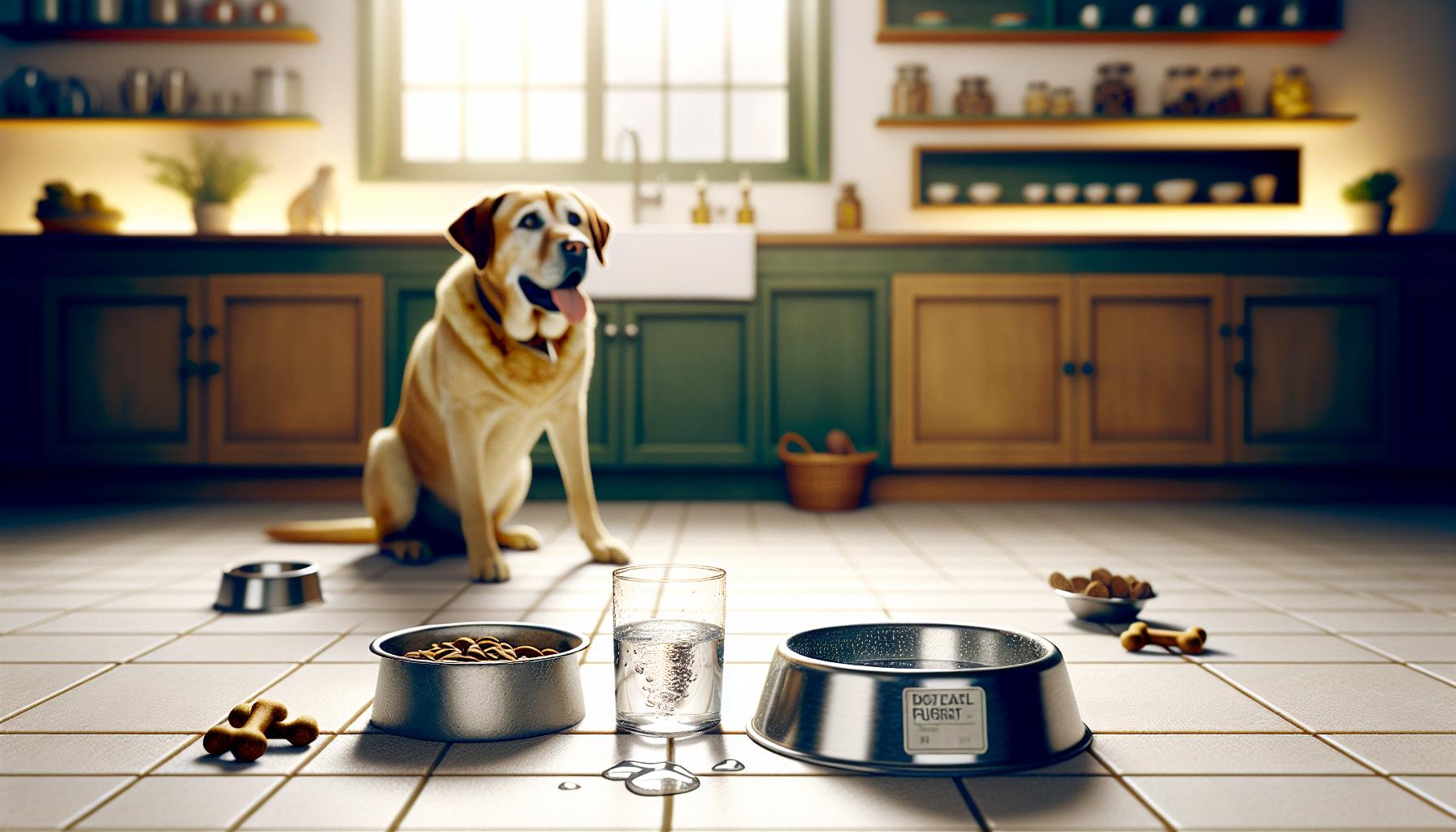
Recognizing the signs of overhydration in dogs is crucial for pet owners, as excessive water intake can lead to serious health complications. Dogs, like humans, require a balanced intake of water, but too much of a good thing can be dangerous. It’s essential to be observant of your dog’s behavior and physical state, particularly after significant exercise or in hot weather, as these conditions may lead to increased drinking.
Some common signs that your dog may be suffering from overhydration include:
- Vomiting: Frequent vomiting can be an immediate response to excessive water intake, as the stomach tries to expel the overload.
- Swelling: Watch for signs of swelling in the abdomen or limbs, which may indicate fluid retention.
- Disorientation: If your dog seems confused, lethargic, or uncoordinated, it could be due to an electrolyte imbalance caused by overhydration.
- Frequent Urination: While it’s normal for dogs to need to relieve themselves, a noticeable increase in the frequency will raise concern.
- Excessive Drooling: Sudden increases in drooling might signal that your dog’s body is trying to regulate its hydration levels.
Being vigilant and knowing these signs can help you take immediate action if necessary. If you suspect your dog has been drinking too much water, it’s vital to consult with your veterinarian promptly. Early detection and intervention can make all the difference in ensuring your furry friend remains happy and healthy.
The Risks of Excessive Water Intake
Every responsible dog owner knows that hydration is essential for a pup’s health, but many might not recognize that too much water can be just as dangerous as too little. Overhydration in dogs can lead to a serious condition called water intoxication, which occurs when the balance of electrolytes in the body is disrupted. This can happen if a dog consumes an excessive amount of water in a short period, overwhelming their kidneys and leading to potential complications. Understanding the risks associated with excessive water intake can help you keep your furry friend safe and healthy.
One of the most significant risks of overhydration is hyponatremia, a condition characterized by low sodium levels in the blood. Sodium is vital for many bodily functions, including nerve and muscle function. When sodium levels drop too low, various symptoms may appear, such as seizures, coma, or even death in severe cases. It’s not just about how much water your dog drinks; the speed of consumption is crucial as well. Some breeds, particularly those predisposed to gulping their food or water, may be at heightened risk. For example, Labrador Retrievers often drink quickly, which can lead to excessive intake if not monitored.
Other potential complications from overhydration include bloating and swelling. As fluid accumulates in the body, it may strain the heart and lungs, leading to increased respiratory distress. If you notice any changes in your dog’s behavior-like excessive lethargy or confusion-this could indicate that they are struggling with an electrolyte imbalance. Your dog’s general health can also play a role; pups with pre-existing conditions or on certain medications may be at greater risk for complications from overhydration. Always be attentive to your furry companion’s habits and consult with your veterinarian if you have any concerns about their water intake.
Taking precautions can prevent these potentially life-threatening issues. Ensure your dog has access to fresh water at all times, but monitor their drinking habits, especially after exercise or during hot weather when they may be inclined to drink heavily. Understanding your dog’s unique needs and behaviors can make a significant difference in maintaining their health and happiness.
Understanding Canine Hydration Needs
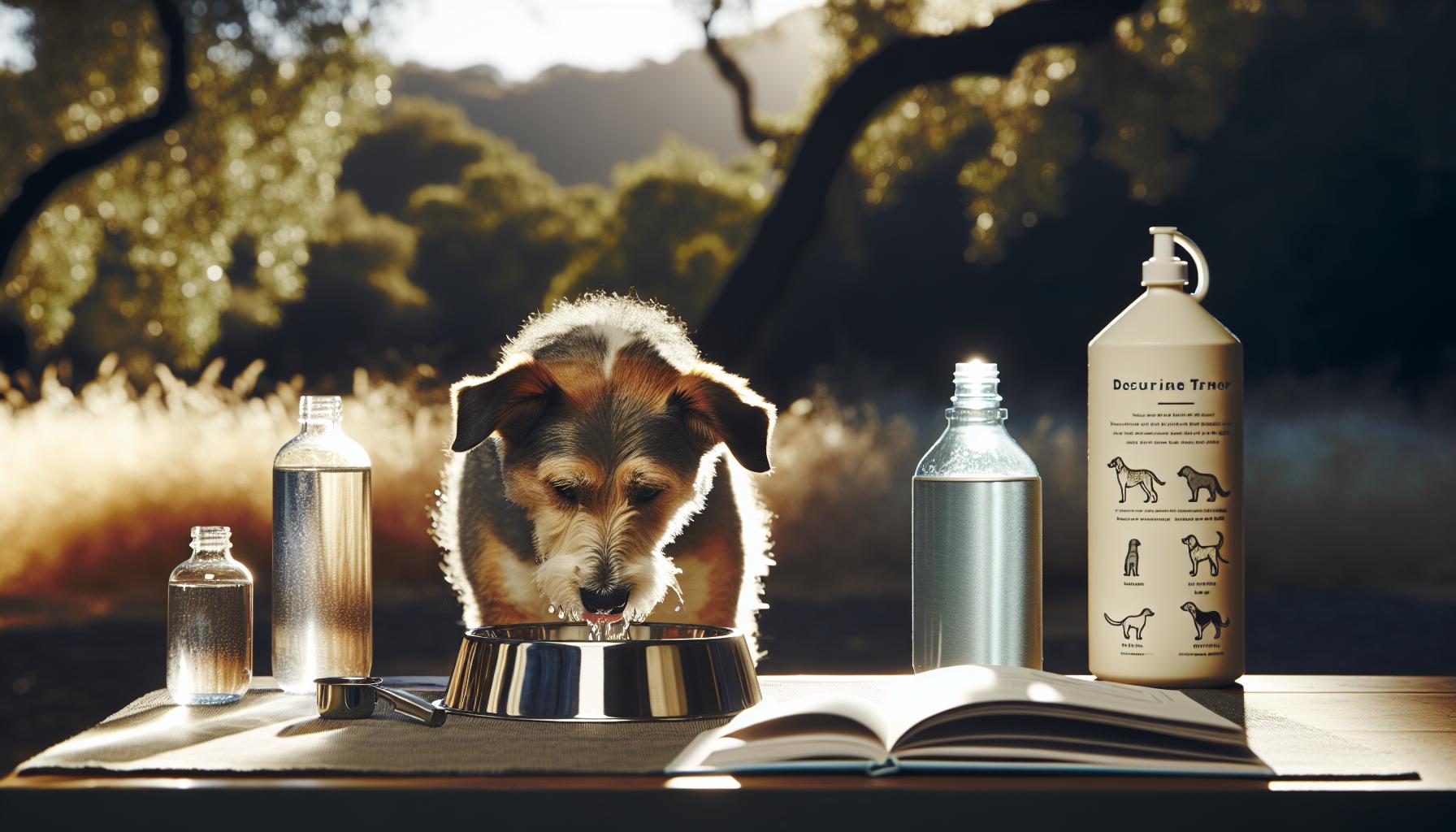
Understanding your dog’s hydration needs is essential for their overall health and well-being. Just like humans, dogs require water to survive, but the amount can vary significantly based on a range of factors, including size, age, activity level, and environmental conditions. It’s essential to find the right balance because while water is vital, too much of it can lead to overhydration and serious health risks.
A general guideline is that dogs should drink about one ounce of water per pound of body weight each day. However, this is just a starting point. For example, an active dog or one living in a hot climate might need significantly more water, especially after vigorous play or exercise, while a sedentary or older dog may drink less. Monitoring your dog’s behavior during different seasons and activities can help you adjust their water intake appropriately.
Certain breeds also tend to have unique hydration needs. Breeds known for their strong drives to fetch, like Labrador Retrievers and Golden Retrievers, may drink large quantities quickly, especially after strenuous exercise, increasing their risk of overhydration. On the other hand, breeds such as Bulldogs, which may struggle with exertion due to their brachycephalic nature, might not drink as readily, making proper hydration a critical part of their routine.
To ensure your dog remains well-hydrated, it’s helpful to establish a consistent routine. Offer fresh water multiple times a day and consider using a bowl that discourages rapid drinking, such as those with built-in obstacles. Observing how much water your dog consumes can provide insights into their health-consistently low or excessively high intake could indicate underlying issues that may need veterinary attention. Regularly checking your dog’s water intake will not only keep them healthy but can also foster a deeper understanding of their needs, ensuring they’re happy and thriving.
How Much Water is Too Much for Your Dog?
When it comes to ensuring your dog’s health, understanding their hydration needs is crucial. While water is vital for maintaining your pup’s overall well-being, it’s essential to recognize that just like humans, dogs can overconsume. This overhydration can lead to serious health issues, including water intoxication, which can be life-threatening. A common guideline suggests that dogs should drink approximately one ounce of water per pound of body weight daily; however, this does not mean that drinking significantly more than this amount is safe.
The signs of excess water intake can vary from dog to dog, with active breeds, such as Labrador Retrievers, particularly prone to drinking large amounts quickly after vigorous activities. On the contrary, brachycephalic breeds like Bulldogs may not need to drink as much due to their unique anatomical structure. As a responsible pet owner, it’s vital to monitor your dog’s drinking habits. If you notice your furry friend drinking an excessive amount of water consistently, especially if they seem restless or unusually lethargic, it could be a sign that they are overdrinking.
To help gauge how much water may be too much for your furry companion, consider factors like their age, activity level, and any recent changes in their routine. For example, a dog recovering from surgery or one taking certain medications may have altered thirst levels, necessitating careful observation. It’s also wise to determine if there are environmental factors, like high temperatures or humidity, contributing to your dog’s thirst. Here’s a handy checklist to help you assess your dog’s water intake:
- Monitor daily water consumption against the one ounce per pound guideline.
- Observe changes in behavior, like increased urination or lethargy.
- Be aware of your dog’s activity level; more active dogs may need more water.
- Consider any underlying health conditions or medications your dog may be taking.
If you suspect that your dog might be drinking too much, it’s best to consult your veterinarian. They can provide insights on managing your pup’s hydration needs and help avoid potential health risks associated with overhydration. Remember, a balanced approach to hydration is key to keeping your dog happy and healthy!
Factors Influencing a Dog’s Water Consumption
Understanding exactly why some dogs drink more water than others can help pet owners manage their hydration effectively. Various factors play a crucial role in influencing a dog’s water consumption, and recognizing these can significantly impact their health and well-being.
One major factor is activity level. Dogs that are more active or engaged in vigorous play require additional water to replenish what they lose through panting and sweating (although dogs sweat minimally through their paw pads). For instance, high-energy breeds like Border Collies or Australian Shepherds may drink more after a long day of exercise compared to couch-loving breeds like the Bulldog, who tend to be less active. Owners should ensure that active dogs have consistent access to fresh water, especially during and after strenuous activities.
Environmental conditions also have a big influence on hydration needs. Hot weather or high humidity can drive a dog to drink more to regulate their body temperature. For example, a Golden Retriever playing in the summer sun might guzzle more water than a Shih Tzu lounging indoors. It’s essential for pet owners to adjust their water offerings based on the climate and always provide extra water during warmer days.
Breed-specific tendencies are another factor to consider. Brachycephalic breeds (dogs with short snouts like Bulldogs or Pugs) often face respiratory limitations during physical exertion, making them less likely to drink excessively. Conversely, breeds such as Labrador Retrievers might drink a lot, especially after engaging in retrieving games. Understanding your dog’s breed characteristics can help you anticipate hydration needs and monitor their drinking habits accordingly.
Lastly, age and health status can significantly influence a dog’s thirst. Puppies typically require more water relative to their size due to their rapid growth, while older dogs may experience health issues like kidney problems, leading to increased thirst. It’s wise for pet owners to keep a close eye on any sudden changes in their dog’s drinking patterns and consult their veterinarian if anything seems amiss.
In summary, being aware of these factors-activity levels, environmental conditions, breed-specific behaviors, and individual health needs-can empower pet owners to ensure their furry friends stay properly hydrated, while avoiding the risks associated with overconsumption. Regular monitoring and adjustments in water access can help foster a healthy balance for your canine companion.
How to Recognize Water Intoxication Symptoms
Recognizing water intoxication in dogs can be a lifesaver, as this condition can escalate quickly and lead to serious health issues. If you notice your furry friend drinking excessively, it’s crucial to monitor them closely for signs of overhydration. One key symptom to watch for is lethargy; if your dog seems unusually tired or sluggish after drinking a lot of water, it could indicate that their system is overwhelmed. Another signal is vomiting; dogs with water intoxication may start to regurgitate, as their bodies attempt to rid themselves of the excess fluid.
Additionally, pay attention to any changes in your dog’s behavior. Disorientation or a lack of coordination could be warning signs that your dog is experiencing disturbances in their electrolyte balance, particularly sodium levels. You might also observe bloating in their abdomen, as gas and fluid build-up can occur when a dog drinks too much too quickly. In severe cases, dogs may exhibit symptoms like seizures or even loss of consciousness, which require immediate veterinary intervention.
What To Do If You Suspect Water Intoxication
If you spot any of these alarming symptoms, it’s essential to act swiftly. {Immediate veterinary attention is necessary, as only a professional can properly assess and treat the condition. In the meantime, try to keep your dog calm and avoid letting them drink more water until you can consult a veterinarian.
Monitoring hydration levels is crucial for keeping your dog healthy. Familiarize yourself with your dog’s regular drinking habits, and keep track of any sudden increases. If you’re aware of their baseline, you can more easily recognize when something is amiss. In the case of certain breeds, for instance, larger breeds like Great Danes or Labs tend to drink more due to their size, but drastic changes in drinking behavior should always be addressed. Understanding their typical patterns will empower you to safeguard their well-being.
Emergency Steps to Take If Your Dog Overdrinks
If you ever find yourself in a situation where your dog has overdrunk water, it’s vital to act quickly and calmly. First and foremost, assess your dog’s condition. If you notice any unusual behavior, such as lethargy, vomiting, bloating, seizures, or any signs of disorientation, you must take these symptoms very seriously. Unfortunately, water intoxication can lead to severe health complications if not addressed promptly, so your dog’s safety should always come first.
While on your way to the veterinarian, you can help stabilize your dog’s condition by keeping them as calm and comfortable as possible. Try to avoid any further water intake; this is crucial to prevent exacerbating the situation. If your dog attempts to drink more water, gently redirect their attention with a toy or a soothing voice. Monitor them closely for worsening symptoms, and take detailed notes about what you’ve observed, including how much water they drank and the time frame. This information will be invaluable to the vet for effective diagnosis and treatment.
Once you arrive at the veterinary clinic, the veterinarian may perform a physical examination and run tests to evaluate your dog’s electrolyte levels and kidney function. Treatment for water intoxication typically requires intravenous fluids to restore electrolytic balance and prevent further complications. Depending on the severity, your dog might also need medications to manage symptoms like seizures or vomiting.
For future reference, understanding how to prevent such situations is essential. Keep an eye on your dog’s water intake, especially during playtime or hot weather, and be mindful of their specific hydration needs based on size, age, and breed. Some breeds, like Labradors, are known for their penchant for drinking excessively, so essentially knowing your furbaby’s habits can aid in preventing overhydration.
Preventing Overhydration: Essential Tips for Pet Owners
It’s surprising how often pet owners overlook the importance of monitoring their dog’s water intake. Just as we understand the risks of dehydration, it’s equally crucial to recognize that overhydration can pose serious health risks. To keep your furry friend safe and healthy, implementing proactive measures can make all the difference.
Start by regularly observing your dog’s water habits. Different breeds and sizes have varying hydration needs; for example, active breeds like Labrador Retrievers might naturally drink more water due to increased activity. Establish a baseline by noting how much water your dog typically consumes in a day. This will help you identify any unusual spikes in their drinking behavior. Consider using a measuring cup when filling their bowl, so you can keep track and compare if there’s a sudden change.
Another effective strategy is to manage water access, especially during playtime or strenuous activities. Limit the amount of water available during these times and encourage breaks where they can rest and hydrate gradually instead of gulping large amounts. This approach helps prevent water intoxication and allows you to monitor their behavior more closely.
To further ensure your dog stays within a safe hydration range, create a hydration schedule based on activity level, environmental conditions, and their specific needs. For instance, dogs engaged in vigorous play on a hot day might need more frequent small amounts of water, whereas a sedentary dog might only need access to fresh water throughout the day.
A quick breed comparison can also be beneficial here.
Hydration Needs by Breed Size
| Breed | Daily Water Intake (Approx.) |
|---|---|
| Small Breeds (e.g., Chihuahua) | 1-2 cups |
| Medium Breeds (e.g., Beagle) | 2-4 cups |
| Large Breeds (e.g., Labrador) | 4-8 cups |
By being aware of your dog’s specific hydration needs and the signs of water intoxication, such as lethargy and difficulty breathing, you can act promptly if needed. Remember, being a responsible pet owner means not just knowing when to refill the water bowl but being proactive in maintaining a balanced hydration level for your beloved companion.
Breed-Specific Hydration Considerations
Understanding the specific hydration needs of different dog breeds is crucial for preventing overhydration. Each breed has its unique characteristics, energy levels, and physical requirements that influence how much water they should consume daily. For new owners and seasoned pet parents alike, recognizing these differences can help ensure the health and well-being of your furry friend.
For instance, large breeds like the Labrador Retriever and German Shepherd are known for their energetic nature and higher water consumption due to more substantial body mass and activity levels. These breeds typically require 4-8 cups of water daily. On the other hand, small breeds such as Chihuahuas or Yorkshire Terriers have a lower water intake requirement, usually around 1-2 cups per day. It’s essential to monitor their drinking habits closely since smaller dogs can be at risk of overhydration as they tend to gulp water more rapidly, especially after intense play.
Activity level also significantly impacts hydration needs. During hot weather or after vigorous exercise, dogs, regardless of their breed size, might be more prone to drink excessively. For instance, a Border Collie, known for its agility and herding capabilities, may need more frequent water breaks during playtime to prevent dehydration and excessive water intake post-activity. Creating a hydration schedule tailored to your dog’s activity level can help regulate their water intake.
Consider the following factors when assessing your dog’s hydration needs:
- Climate: Dogs in warmer regions may need more water.
- Age: Puppies and older dogs often require different amounts of water.
- Health Conditions: Dogs with certain health issues, such as kidney disease, may require special hydration attention.
Finally, a quick reference table can help you keep track of breed-specific hydration needs:
| Breed | Daily Water Intake (Approx.) |
|---|---|
| Small Breeds (e.g., Chihuahua) | 1-2 cups |
| Medium Breeds (e.g., Beagle) | 2-4 cups |
| Large Breeds (e.g., Labrador) | 4-8 cups |
| Giant Breeds (e.g., Great Dane) | 8+ cups |
By being attuned to the hydration needs of your dog’s specific breed, you can better navigate the balance between ensuring they stay hydrated and preventing the risks associated with overhydration. Always consult your veterinarian if you notice any significant changes in your dog’s drinking habits or if you have any concerns.
Hydration Myths: Misconceptions About Dog Drinking Habits
It might surprise you to learn that many dog owners don’t realize that their furry companions can actually drink too much water, leading to serious health risks. There’s a common misconception that as long as water is available, dogs can hydrate freely, but that isn’t necessarily true. While hydration is crucial for your dog’s overall well-being, it’s essential to strike a balance and understand the signs indicating that your pet might be overdoing it.
One frequent myth is that dogs will regulate their water intake perfectly on their own. However, factors like excitement, play, and even stress can drive a dog to drink excessively. This is particularly true during hot weather or after vigorous exercise, when dogs may gulp down water without stopping to catch their breath. In reality, keeping an eye on their drinking habits is vital. If you notice your dog drinking noticeably more or less than usual, it could be a sign of an underlying issue or even overhydration.
Another misconception is that certain breeds don’t have to worry about overhydration. While larger breeds may require more water due to their size, it doesn’t exempt them from the risks associated with drinking too much. In fact, giant breeds like Great Danes are particularly vulnerable because of their large stomach capacity, which can exacerbate the dangers of water intoxication. It’s crucial for owners to be aware of the unique needs of their specific breed and to monitor their water intake accordingly.
Lastly, many pet parents believe that providing their dog with unrestricted access to water is the best approach. While hydration is important, it’s also wise to implement a structured feeding and drinking schedule. This not only helps regulate their intake but also allows you to recognize when something may be off. Providing smaller, more frequent water options throughout the day can help maintain a healthy balance and give you better control over your dog’s hydration levels.
In conclusion, understanding and dispelling these common hydration myths can go a long way in ensuring your dog remains healthy and happy. Keeping a watchful eye on their drinking habits, factoring in breed-specific needs, and maintaining proper hydration practices will help prevent the risks associated with excessive water intake. Regular vet check-ups can further assist in determining if your dog’s hydration needs are being met appropriately.
When to Contact Your Veterinarian About Water Intake
Recognizing when to involve your veterinarian regarding your dog’s water intake can make a world of difference in safeguarding their health. While it’s critical for dogs to stay hydrated, an excessive intake can lead to serious risks such as water intoxication, which can be life-threatening. If you notice any unusual changes in your dog’s drinking habits, it’s essential to take these signs seriously and seek professional guidance.
A good rule of thumb is to contact your veterinarian if your dog’s water consumption appears inconsistent with their normal behavior. For instance, if your dog suddenly begins drinking significantly more or less than usual-whether because of stress, dietary changes, or physical activity-this discrepancy may indicate an underlying health issue, such as diabetes or kidney problems. In particular, small breeds and puppies can be more sensitive to changes in hydration, making it especially important to monitor their water intake closely.
Additionally, if you observe symptoms such as vomiting, bloating, lethargy, or confusion alongside increased water intake, these may be signs of water intoxication. This condition occurs when your dog consumes an excessive amount of water, disturbing their electrolyte balance and potentially leading to swelling of the brain. If any of these symptoms occur, it’s crucial to contact your veterinarian immediately, as prompt medical intervention can be vital.
Ultimately, maintaining an open line of communication with your veterinarian can provide peace of mind and ensure your dog remains healthy. Regular check-ups can also help you establish what a healthy hydration level looks like for your specific breed, aiding you in identifying deviations from the norm early on. Don’t hesitate to reach out for advice on the best practices for monitoring your dog’s water consumption and any breed-specific considerations that may apply. Your vigilance plays a crucial role in your dog’s long-term health and well-being.
Long-Term Effects of Overhydration in Dogs
Understanding the long-term consequences of overhydration in dogs is crucial for maintaining their health and ensuring their well-being. Just like humans, dogs require a delicate balance of water intake to support their bodily functions. However, when that balance tips toward excessive consumption, it can lead to a series of health complications. This condition, often referred to as water intoxication, can disrupt normal electrolyte levels, resulting in brain swelling and other severe neurological issues if not addressed promptly.
One of the most alarming long-term effects of overhydration is the potential for lasting damage to a dog’s brain and nervous system. When a dog ingests too much water in a short period, it can cause an imbalance in sodium levels, which is essential for nerve function. This disturbance can lead to symptoms like seizures, tremors, and in severe cases, permanent brain damage or even death. It’s important for pet owners to be vigilant about the amount of water their dogs consume, particularly in scenarios where they may be likely to overdrink, such as after vigorous exercise or during play in warm environments.
The risk of developing secondary health issues also increases with chronic overhydration. Dogs that consistently drink excessive amounts of water may suffer from gastrointestinal problems as their bodies struggle to process the excess fluid. Frequent urination can lead to a more permanent condition known as polydipsia, where the dog feels an unending need to drink, further perpetuating the cycle of overhydration. In some cases, this can signal underlying health concerns, including kidney disease or diabetes, which should be promptly assessed by a veterinarian.
To minimize these risks, pet owners should adopt proactive measures, such as monitoring their dog’s water intake, ensuring that their overall hydration aligns with their activity levels and health conditions. It can be beneficial to establish a routine where water is offered in controlled amounts rather than leaving it out all day. Keeping an eye on breed-specific hydration needs is essential too; for example, working breeds may need more water due to their activity levels, while smaller breeds may require less. Engaging a veterinarian for personalized advice can provide significant support in maintaining a healthy drinking routine for your furry friend.
By being attentive to your dog’s drinking habits, you can help prevent the potentially devastating long-term effects of overhydration, ensuring a happy and healthy life for your beloved pet.
Faq
Q: What are the dangers of overhydration in dogs?
A: Overhydration in dogs can lead to water intoxication, which disrupts electrolyte balance, causing symptoms such as vomiting, lethargy, and seizures. Severe cases can be life-threatening, so it’s crucial to monitor your dog’s water intake, especially after vigorous exercise or during hot weather.
Q: How can I tell if my dog is drinking too much water?
A: Signs of excessive water intake include frequent urination, bloating, vomiting, and unusual lethargy. If you notice these symptoms, consult your veterinarian. Keeping a daily record of your dog’s water consumption can help identify potential issues early.
Q: What should I do if my dog drinks too much water?
A: If your dog drinks excessively, monitor them for signs of overhydration. If symptoms appear, such as vomiting or lethargy, seek veterinary assistance immediately. Reducing their access to water temporarily, under vet guidance, can help control intake until you assess their health.
Q: Can certain dog breeds be more prone to overhydration?
A: Yes, some breeds, like Labradors and Retrievers, may have a higher tendency to overdrink due to their playful nature and love for water. It’s essential to tailor hydration habits based on your dog’s breed and activity level to prevent overhydration.
Q: Are there specific conditions that make a dog more susceptible to drinking too much water?
A: Dogs with certain medical conditions, such as diabetes or kidney disease, may drink more due to thirst. Medications, such as corticosteroids, can also increase thirst. Regular check-ups can help identify any underlying health issues that affect water consumption.
Q: How does exercise affect a dog’s water consumption?
A: After exercise, dogs may drink more due to increased fluid loss through panting and sweating. However, it’s crucial to manage their water intake to avoid overhydration. Offer water in small amounts and monitor their response to prevent any adverse effects.
Q: Can overhydration lead to long-term health issues in dogs?
A: Yes, repeated episodes of overhydration can lead to chronic health issues, including electrolyte imbalances and kidney problems. Regular monitoring of your dog’s drinking habits and consultation with a vet can help ensure healthy hydration levels over time.
Q: When is it essential to consult a veterinarian about my dog’s water intake?
A: Consult your veterinarian if you see signs of overhydration, such as excessive drinking, vomiting, or lethargy, especially after changes in activity level or diet. It’s better to be cautious and assess potential health risks early to ensure your dog’s well-being.
Feel free to explore our article sections to learn more about these aspects of canine hydration and ensure your pet stays healthy!
In Retrospect
Knowing the signs of overhydration can be crucial in ensuring your dog’s health and happiness. If you suspect your furry friend may be drinking too much water, it’s important to take a closer look at their habits and consult with your veterinarian right away. Remember, a well-informed pet owner is the best advocate for their pet’s well-being!
For more insights on dog care, check out our articles on “How Much Water Should My Dog Drink?” and “Top Signs Your Dog Needs More Hydration.” Stay proactive about your dog’s health by subscribing to our newsletter for the latest tips and resources, or visit our breed-specific care sections for tailored advice. Together, let’s keep our pups safe, healthy, and hydrated. Don’t forget to share your experiences in the comments below-your insights could help fellow dog owners navigate these common concerns!