Did you know that dogs can actually face serious health risks from something as simple as drinking water too quickly? Many pet owners might not realize that this common behavior can lead to potentially fatal conditions, such as bloat or water intoxication. If you’re a devoted dog owner, understanding the dangers of rapid water consumption is essential to keeping your furry friend safe and healthy. In this article, we’ll explore the risks involved, share insights on how to recognize the signs of distress, and offer practical tips on encouraging safe drinking habits. Your dog’s well-being is paramount, so let’s dive into this critical discussion together!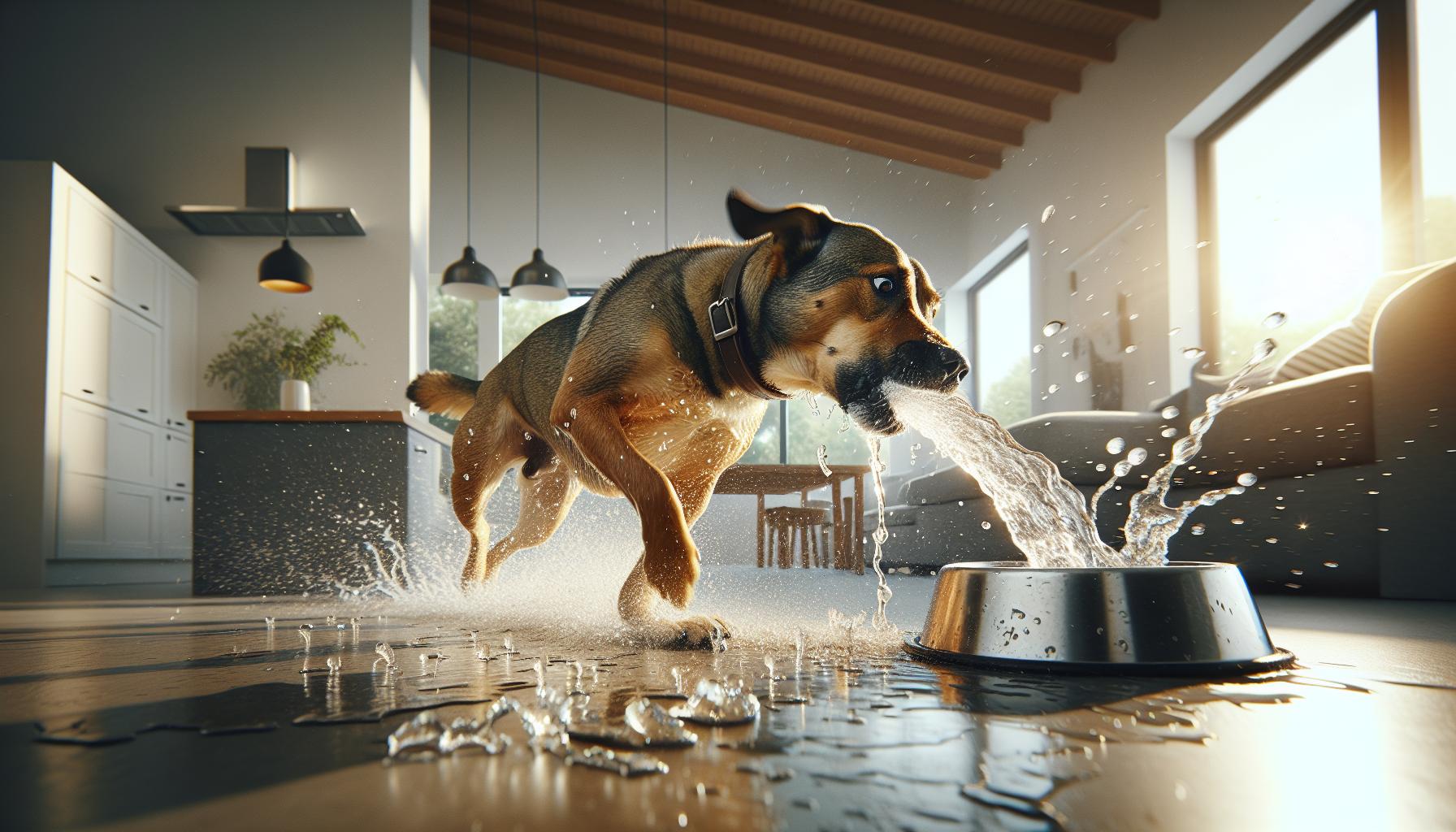
Signs Your Dog is Drinking Water Too Fast
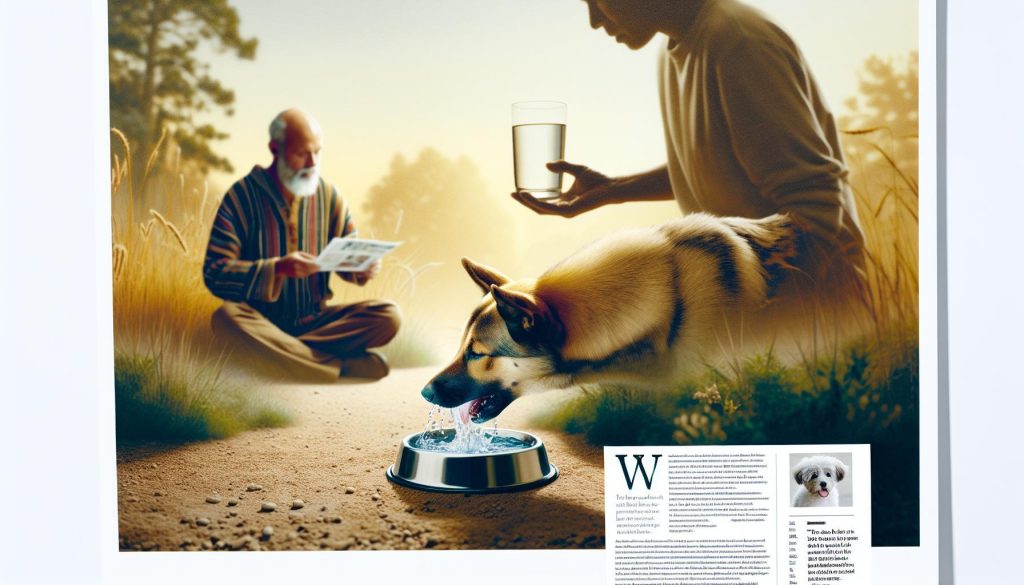
Recognizing when your furry friend is gulping water too quickly can be a game-changer in ensuring their health and safety. Fast drinking might seem harmless, but it can lead to significant issues, including water intoxication, which is potentially life-threatening. If you notice your dog suddenly chugging water with fervor after playtime or during a hot day, it’s crucial to observe their behavior closely for signs that indicate they might be overdoing it.
One of the first signs that your dog is drinking too fast is the presence of excessive drooling or coughing after drinking. Dogs may also exhibit signs of distress, such as pacing or restlessness, which can indicate discomfort. You may also notice that after drinking too quickly, your dog seems lethargic or uncoordinated, or they might display a bloated stomach. These are all red flags that your dog could be in trouble. Always keep an eye out for these symptoms, especially if your dog seems unusually agitated or goes to their water bowl more frequently than normal.
Another aspect to consider is your dog’s breed. Some breeds are more prone to gulping air along with their water due to their physical characteristics-think of those with short snouts like Bulldogs or Pugs. If your dog belongs to these breeds or if they’re known for enthusiastic behavior, monitor their drinking habits closely. Implementing a slow feeder or water bowl designed to deter fast drinking can help manage the situation effectively.
In moments when you see your dog drinking quickly, it’s wise to intervene. Try offering smaller amounts of water at intervals rather than one large bowl. You can also encourage breaks if you’re engaging in physical activities. Such proactive measures not only aid in preventing fast drinking but also promote better hydration practices overall. Keep your dog’s health a priority by being attentive to their drinking habits, and you’ll ensure a happier, healthier companion!
Understanding the Risks of Fast Drinking
Understanding the risks associated with your dog drinking water too quickly can save their life. While we often think of water as a harmless necessity, it’s important to recognize that rapid consumption can lead to severe health issues. When dogs gulp water with fervor, they can inadvertently swallow air, which not only leads to discomfort but can also provoke life-threatening conditions like bloat. Bloat occurs when the stomach fills with gas and twists, cutting off blood flow and requiring immediate veterinary intervention.
Another critical risk that pet owners should be aware of is water intoxication. Much like humans, dogs can suffer from imbalances in electrolytes if they consume an excessive amount of water too quickly. This condition can cause cells to swell dangerously and impact the central nervous system. Signs of water intoxication include lethargy, uncoordinated movements, or a bloated appearance, which means acting quickly is vital. If your dog shows any of these symptoms after drinking a large amount of water, it’s essential to seek veterinary assistance immediately.
To mitigate these risks, new and seasoned dog owners alike should adopt strategies that encourage safe drinking habits. Consider investing in bowls designed to slow down drinking or simply monitor your dog during hydration breaks. When engaging in physical activities, such as playing fetch on a hot day, provide them with water at intervals instead of allowing them to drink freely from one large bowl. Not only will these precautions help safeguard their health, but they will also promote a more mindful approach to hydration, fostering a better understanding of your dog’s needs and health. Remember, being proactive can prevent small issues from escalating into severe emergencies.
How Water Consumption Affects Dog Health
Many pet owners might be surprised to learn that while hydration is essential for health, the manner in which dogs consume water can significantly impact their wellbeing. A dog’s drinking habits can not only affect their hydration status but also their overall health. For instance, rapid water intake can lead to a condition called water intoxication, which disrupts electrolyte balance and can result in dangerous swelling of cells. This highlights the importance of being vigilant about how your dog drinks, particularly after intense play or exercise.
When dogs drink too quickly, they may unintentionally swallow air along with water, leading to discomfort and, in severe cases, bloating (gastric dilatation-volvulus or GDV). This condition can cause the stomach to expand and twist, potentially cutting off blood flow and posing a life-threatening emergency requiring immediate veterinary attention. Some dogs, especially breeds like Great Danes and Boxers, are genetically predisposed to such risks, making it even more crucial for their owners to monitor their drinking habits.
Water consumption patterns also relate to exercise and outdoor activities. Dogs are naturally inclined to drink more after vigorous play, but allowing them to gulp large amounts of water indiscriminately can pose serious health risks. It’s recommended that you provide water at regular intervals, especially on hot days or after exercise, and consider using specialized slow-feeding bowls designed to control their drinking pace. Incorporating breaks during playtime for hydration not only helps in maintaining a healthy thirst response but also prevents dangerous health issues.
By understanding how water consumption impacts dog health, owners can implement proactive measures to ensure a safe and healthy drinking routine. Whether you’re a seasoned dog handler or a new puppy parent, cultivating mindful hydration habits nurtures your furry friend’s wellbeing and can prevent potentially life-threatening situations in the future.
Can Dogs Suffer from Water Toxicity?
No matter how much we love our dogs, it’s easy to underestimate the dangers associated with their hydration habits. Did you know that dogs can suffer from water toxicity if they drink too much water too quickly? This condition, also known as water intoxication, occurs when a dog consumes an excessive amount of water in a short period, disturbing their electrolyte balance and leading to serious health issues. It’s crucial to understand that while hydration is vital, the manner in which our furry friends hydrate can make all the difference.
When dogs rapidly consume large quantities of water, their bodies can become overwhelmed. This can cause their cells to swell, leading to a dangerous condition called hyponatremia, where sodium levels drop to life-threatening lows. The symptoms can range from mild to severe, including lethargy, vomiting, loss of coordination, and, in extreme cases, seizures or coma. Recognizing these signs early and acting swiftly is vital.
Certain breeds are more susceptible to water-related risks. For instance, larger breeds like Great Danes, Boxers, and Labrador Retrievers may be at a higher risk due to their size and propensity to gulp water. Keeping an eye on breed-specific tendencies can help owners take proactive measures. Implementing practices such as providing water in smaller, more frequent amounts and using slow-feed water bowls can encourage safer drinking habits.
To ensure that your dog stays healthy, consider the following tips for safe hydration:
- Monitor water intake, especially after exercise or play.
- Use specialized bowls designed to slow down drinking.
- Give your dog breaks during playtime to catch their breath and hydrate appropriately.
- Be aware of the signs of water intoxication and seek immediate veterinary assistance if needed.
Being mindful of your dog’s hydration routine is essential. Understanding the risks associated with water consumption can lead to improved health and safety for your canine companion. Stay vigilant, ensure those water breaks are controlled, and keep your furry friend happy and healthy!
Breeds Prone to Water-Related Risks
While all dogs require proper hydration, some breeds are particularly vulnerable to the dangers of drinking water too quickly. Understanding which breeds have a predisposition to this risk can empower dog owners to take precautions and protect their furry friends from serious health issues related to water intoxication.
Certain larger and more athletic breeds tend to gulp water rapidly, increasing the risk of water intoxication. For instance, breeds like Labrador Retrievers, Boxers, and Great Danes are known for their exuberance, which often translates into a tendency to drink quickly, especially after vigorous play or exercise. This can lead to the dangerous electrolyte imbalance known as hyponatremia, where low sodium levels can cause serious complications, including swelling of the brain and seizures. On the other hand, Bulldogs and Pugs, due to their brachycephalic (flat-faced) features, may also struggle with managing their breath while drinking, potentially leading to hurried consumption of water.
Breed-Specific Guidance
To help manage the drinking habits of these at-risk breeds, owners can implement a few practical strategies:
- Supervised Drinking: Always supervise your dog’s water intake, especially after exercise. Consider breaking up playtime with regular water breaks to encourage slower drinking.
- Slow-Feed Bowls: Invest in specialized water bowls designed to slow down drinking. These bowls have obstacles that force your dog to take smaller sips rather than gulping large amounts at once.
- Hydration Schedule: Establish a hydration schedule where smaller amounts of water are offered throughout the day instead of providing unrestricted access all at once.
By being proactive and attentive to your dog’s drinking habits, especially for breeds that are more at risk, you can ensure their safety during hydration. Implementing these techniques not only promotes their overall health but also fosters a mindful relationship with water consumption. Remember, a little awareness and preparation can go a long way in safeguarding our beloved companions from avoidable health scares.
Tips to Help Dogs Drink Safely
Providing your dog with safe drinking habits can be a game-changer in preventing health issues associated with fast drinking. Did you know that dogs, especially larger breeds, can suffer from life-threatening conditions like water intoxication if they gulp down water too quickly? Implementing strategies to slow down their drinking can significantly enhance their well-being and safety.
One effective approach is to incorporate slow-feed water bowls into your dog’s routine. These specially designed bowls have barriers that require dogs to take smaller sips instead of large gulps, minimizing the risk of rapid intake. Additionally, establishing a structured hydration schedule can be beneficial. Rather than allowing your dog free access to water at all times, you can offer smaller portions throughout the day. This practice not only helps in managing their water intake but also encourages them to drink more regularly, which is crucial for hydration.
Another practical tip is to break up their playtime with frequent water breaks. This gives your dog the opportunity to cool down and rehydrate gradually rather than in a rush after vigorous exercise. Being attentive to your dog’s drinking habits, especially after active play, will help you recognize when they might need a pause. When dogs are excited or panting, they can be more prone to gulping, so offering water during calm moments can help create a safer drinking environment.
Finally, don’t underestimate the importance of supervision. By keeping an eye on your dog while they drink, you can intervene if you notice them drinking too quickly. This not only helps manage their hydration but fosters a supportive training environment where they learn to drink more mindfully. With these strategies, you can safeguard your furry companions while also strengthening the bond you share through thoughtful care.
Recognizing Symptoms of Distress After Drinking
Recognizing the signs that your dog may be in distress after drinking too fast is essential for timely intervention and ensuring their health. Dogs can’t always communicate their discomfort in a way we understand, so it’s crucial to be diligent in observing their behavior following hydration. For instance, if your dog starts to gag, cough, or show signs of discomfort immediately after drinking, this may indicate they have swallowed too much water too quickly, which can lead to choking. Additionally, sensitivity around the abdomen or a bloated stomach can signal a more serious issue that needs immediate attention.
When a dog drinks water rapidly, they may also exhibit signs of anxiety or restlessness. Watch for pacing, whining, or an unwillingness to settle down. These behaviors can be indicative of underlying distress that could escalate into more serious conditions, such as water intoxication or gastric dilatation volvulus (GDV), commonly known as bloat. It’s essential to note whether they also exhibit lethargy or disorientation after drinking, as these can be signs of potential complications requiring veterinary attention.
Furthermore, keep an eye out for symptoms such as vomiting or excessive salivation. If your dog vomits soon after drinking, particularly if it’s frequent or contains foam, it could be indicative of excessive water consumption impacting their stomach. In severe cases, water toxicity can occur when electrolytes become diluted, leading to more severe symptoms such as seizures, loss of consciousness, or even death.
To support your furry friend in these moments, always ensure that your dog drinks in a calm environment. Implementing slow-feed bowls, as mentioned earlier, can help prevent these distressing symptoms from arising in the first place. Always take the time to monitor their drinking habits, especially after play or exercise, and consult your veterinarian if you notice persistent troubling behaviors. Keeping your dog healthy and happy is a shared responsibility, and being alert can make all the difference.
Best Practices for Hydration During Activity
Ensuring your dog stays properly hydrated during activities is crucial, especially in high-energy situations like playtime or exercise. Did you know that a dog can overheat quickly, leading them to gulp water excessively? This rapid intake not only increases the risk of water intoxication, but also poses a threat of bloat-a serious and potentially fatal condition. Proper hydration practices can help avoid these dangers while keeping your furry friend healthy and safe.
To start, always provide access to clean, fresh water during and after physical activity, especially during warm weather. If you’re out for a hike or at the dog park, take breaks to let your dog drink small amounts frequently rather than gulping a large bowl at once. Carry a portable water bottle and a collapsible bowl, which are not only convenient but also encourage your dog to hydrate gradually. This practice can make a significant difference in their health outcomes.
Moreover, timing plays a vital role in hydration. Before engaging in strenuous activities, allow your dog a chance to drink a reasonable amount of water, but limit it to avoid overconsumption. Consider these helpful tips to create a safe drinking environment:
- Monitor Consumption: Keep an eye on how much water your dog drinks during play. If they seem overly thirsty, pause the activity and allow for some controlled sipping.
- Use Slow-Feed Bowls: If your dog tends to gulp their water, slow-feed bowls or specialized water fountains can help regulate their intake, encouraging more thoughtful drinking.
- Set a Routine: Develop a hydration schedule during activities. Offer water after every 20-30 minutes of play to instill healthy drinking habits.
Lastly, be attentive to your dog’s behavior. After drinking, watch for signs of distress such as coughing, vomiting, or restlessness. If they seem uncomfortable or exhibit unusual symptoms, consult your veterinarian immediately. Keeping your dog safe and healthy during active times requires vigilance and a proactive approach-but it’s all part of the joy of being a dedicated pet owner! By following these best practices, you can help your dog enjoy their adventures while reducing the risks associated with fast drinking.
Hydration Habits: What Every Owner Should Know
The importance of maintaining proper hydration in dogs cannot be overstated, especially considering the potential dangers that accompany rapid water intake. It’s fascinating to note that just like humans, dogs can also face severe health risks if they consume water too quickly, including the perilous condition known as water intoxication. Understanding effective hydration habits is key to keeping your furry friend safe during those playful, active moments.
First and foremost, always ensure your dog has access to clean, fresh water at all times. This is especially crucial during play and exercise. Rather than allowing them to drink large quantities in one go, encourage them to take small sips instead. You can achieve this by implementing a structured hydration routine. For instance, offer water every 20-30 minutes during play sessions, and make it a habit to pause for hydration during exciting activities like fetch or agility training. This not only helps prevent overconsumption but gives you the opportunity to monitor their behavior more closely.
To assist with controlled drinking, consider using slow-feed bowls or specialized water fountains. These tools can effectively encourage your pet to drink at a steadier pace, reducing the likelihood of gulping. Additionally, you might find it beneficial to keep your dog engaged with intermittent breaks where they can rest, cool down, and hydrate without feeling rushed. This is particularly vital for breeds prone to water-related issues, such as Labradors and Golden Retrievers, who may be especially eager to dive into bodies of water and drink greedily afterward.
Ultimately, successful hydration habits involve both prevention and observation. Pay attention to changes in your dog’s behavior after drinking; symptoms like coughing, lethargy, or unusual restlessness may be signs of distress and should prompt an immediate consultation with your veterinarian. By staying proactive and informed about your dog’s hydration needs, you can help ensure that they enjoy their activities safely and healthily, keeping both fun and welfare in balance.
When to Seek Veterinary Help
Monitoring your dog’s drinking habits is crucial, especially since rapid water ingestion can lead to serious health concerns. If you notice any signs that your dog may have drunk water too quickly, it’s essential to act swiftly. Dogs can experience water intoxication, which can be life-threatening and requires immediate veterinary attention. Symptoms to watch for include excessive drooling, vomiting, bloat, uncoordination, and lethargy. If your dog exhibits any of these symptoms after drinking, don’t hesitate-contact your veterinarian right away.
Understanding can be challenging for dog owners. If you suspect that your pet has consumed a large volume of water in a short period, assess their behavior closely. Normal behaviors might include a playful demeanor and interest in their environment; however, if your dog suddenly seems disoriented or unusually tired, these changes could indicate a problem. As passionate caregivers, many dog owners are aware of their pet’s routines and habits, so trust your instincts. If something feels off, it’s better to err on the side of caution.
Prevention is always preferable, but even the most attentive pet parents can’t predict every situation. After vigorous exercise or a day at the beach, proactively limit water access and encourage breaks instead. This strategy reduces the risk of excessive drinking post-activity. Regularly discuss hydration practices with your vet, who can provide tailored advice based on your dog’s breed and activity level.
To sum up, recognizing the signs of distress and knowing when to act can be lifesaving. Always remember: if you’re ever in doubt about your dog’s health or hydration habits, don’t hesitate to seek veterinary advice. Their well-being is worth the call!
Preventing Fast Drinking: Training Techniques
When it comes to ensuring our furry friends stay healthy and safe, one critical concern is their drinking habits. Did you know that teaching your dog to drink at a controlled pace can significantly lessen the risk of water intoxication? Dogs tend to gulp water rapidly, especially after vigorous exercise, leading to dangerous situations. Luckily, there are effective training techniques you can implement to help slow down their drinking habits.
To start, consider using a special water bowl designed to slow down their drinking. These bowls often have obstacles inside that force your dog to navigate around them to access the water, promoting a more controlled drinking speed. This method not only helps prevent gulping but also engages your dog’s brain, making it a fun activity. You can also try placing ice cubes in their water bowl; the dog will have to lick and chew them to access the water, naturally encouraging a slower drinking pace.
Incorporating training commands can also be beneficial. During water breaks, teach your dog cues like “easy” or “slow.” Use these commands consistently whenever they approach their water source, rewarding them with praise when they heed your command. This technique can gradually condition them to be more mindful while drinking. For instance, after performing a command, allow them to drink a small amount before stopping them again to reinforce the habit.
Finally, creating a routine around drinking can also help manage their behavior. Establish set times for water breaks throughout the day rather than allowing free access at all times. This control gives you the opportunity to monitor their intake more closely while ensuring they take adequate breaks between drinking sessions. Always keep an eye on their behavior post-drink to reinforce positive drinking habits-the more proactive you can be, the safer and healthier they will be.
By integrating these techniques into your dog’s routine, you can be confident in your efforts to prevent fast drinking while fostering a happier and healthier hydration habit. Remember, a little consistency can go a long way!
Breeder and Owner Perspectives on Water Safety
Understanding the importance of hydration for our dogs is crucial, but equally vital is knowing how to keep them safe while they drink. Many breeders and seasoned dog owners emphasize that preventing fast drinking habits can save lives. It’s a surprising fact that just like humans, dogs can suffer from water intoxication, where excessive water intake overwhelms their body’s electrolyte balance, leading to potentially fatal consequences.
A popular method suggested by breeders is to use specially designed water bowls that encourage a slower drinking pace. These bowls contain obstacles that require dogs to work a bit harder to reach the water, promoting a more measured drinking rhythm. It’s also noted that adding ice cubes to the water can help slow them down since they’ll lick and nudge the ice, naturally promoting a calmer drinking habit. Experienced owners recommend always supervising your dog during drinking, especially after playtime, to ensure they don’t gulp water too quickly.
Breeders frequently share anecdotal evidence about certain breeds that are particularly prone to water-related issues. For instance, larger breeds like Great Danes and Labrador Retrievers often exhibit fast drinking behaviors, making them more susceptible to water toxicity. By observing how different breeds approach drinking, owners can adopt tailored approaches to hydration. For example, smaller breeds might benefit from a more open bowl design, while larger dogs might require a bowl with barriers to promote slower drinking.
Incorporating training commands such as “easy” or “slow” can also reinforce good drinking habits. Many owners find success in integrating these commands during regular training sessions; rewarding their dogs with treats and praise when they engage in cautious drinking can encourage this behavior over time. Providing water during structured times rather than allowing constant access can further help manage their drinking habits, ensuring they remain healthy and hydrated without the rush.
Frequently Asked Questions
Q: Can dogs get sick from drinking water too fast?
A: Yes, dogs can become ill if they drink water too quickly. Rapid consumption can lead to stomach bloating, discomfort, and in extreme cases, water intoxication, which can be life-threatening. Monitor your dog’s drinking habits and encourage slow sipping.
Q: How can I help my dog drink water slowly?
A: To encourage your dog to drink water slowly, use a slow-feed water bowl or place a few rocks in their water dish. You can also limit the amount of water available at once and encourage pauses in drinking by offering it in smaller portions throughout the day.
Q: What are signs my dog is drinking too fast?
A: Signs of fast drinking include gulping sounds, immediate regurgitation, excessive drooling, and signs of distress like pacing or whining. If you notice these behaviors, try to intervene by calming your dog and encouraging slower drinking.
Q: Can fast drinking lead to water intoxication in dogs?
A: Yes, fast drinking can lead to water intoxication, a serious condition caused by an electrolyte imbalance from excessive water intake. Symptoms include lethargy, bloating, confusion, and seizures. If you suspect water toxicity, contact your veterinarian immediately.
Q: How does water consumption affect different dog breeds?
A: Certain breeds, like deep-chested dogs (e.g., Great Danes), are more prone to fast drinking and subsequent bloat. Understanding your dog’s breed characteristics can help you manage their drinking habits and reduce health risks.
Q: What should I do if my dog shows symptoms after drinking water?
A: If your dog displays symptoms after drinking water too quickly, such as vomiting or distress, observe them for additional signs and consult your veterinarian. It’s crucial to ensure they are hydrated but doing so safely.
Q: Are there specific water bowls designed for fast drinkers?
A: Yes, there are specially designed water bowls that promote slow drinking, often featuring obstacles or sections that force dogs to take smaller sips. Investing in one can minimize the risks associated with fast drinking habits.
Q: When should I be worried about my dog’s drinking habits?
A: You should be concerned if your dog consistently gulps water rapidly, shows signs of distress, or exhibits symptoms like vomiting, lethargy, or bloating. Consult your veterinarian for advice on managing their hydration safely.
Key Takeaways
It’s crucial to remember that while dogs can enjoy their water, drinking too quickly can pose serious health risks. By understanding how to manage your dog’s hydration-especially during excitement or play-you can help prevent potentially dangerous situations. If you’re concerned about your dog’s drinking habits or need tailored advice for your specific breed, don’t hesitate to consult your veterinarian.
For more insights on pet care, check out our articles on “Identifying and Preventing Bloat in Dogs” and “Essential Hydration Tips for Active Dogs.” Sign up for our newsletter to stay informed on all the latest tips that will keep your furry friend healthy and safe. If you found this information valuable, please share your thoughts or experiences in the comments below, and feel free to share this post with other dog lovers!
Your dog’s health is a priority-you have the power to ensure they drink safely and enjoyably. Let’s keep the conversation rolling and explore more about dog health together!