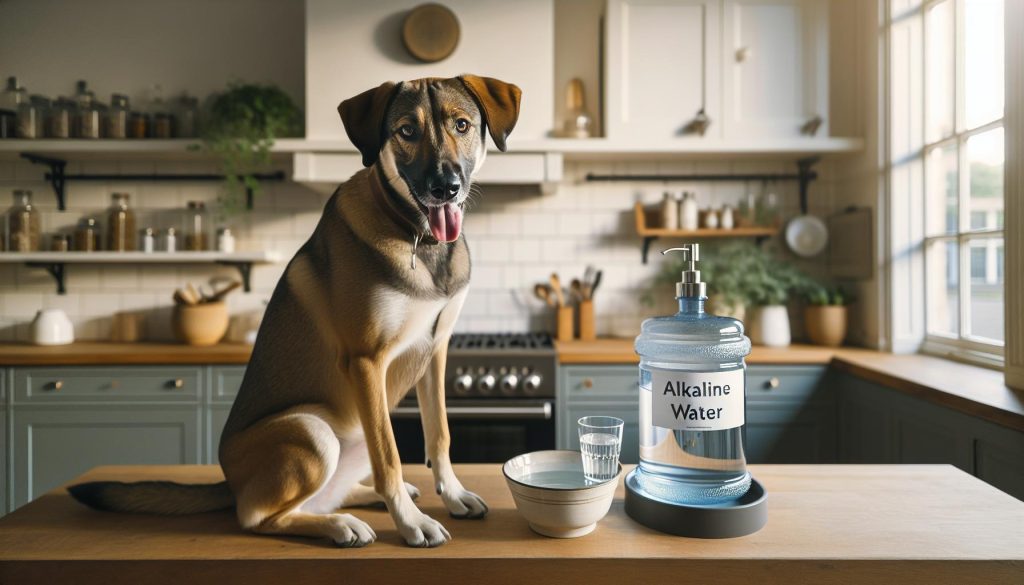
Did you know that the water your dog drinks can significantly impact their health? As our beloved pets age or face certain health challenges, many owners are turning to alkaline water, touted for its potential benefits. But can dogs really drink alkaline water, and what effects might it have? In this article, we’ll explore the science behind alkaline water, its benefits, and considerations for your furry friend’s overall hydration. Understanding the intricacies of your dog’s diet and hydration can lead to better health outcomes and happier, more energetic days. So, let’s dive into whether alkaline water is a good choice for your canine companion!
Can Dogs Benefit from Alkaline Water?
Many dog owners are exploring the potential benefits of alkaline water for their furry friends. While the traditional notion of water being crucial for hydration is undisputed, alkaline water presents a new frontier that may offer additional advantages. Some proponents argue that alkaline water, which typically has a higher pH level, can help neutralize acidity in the body, potentially promoting better overall health. However, it’s essential to approach this topic with a balanced view, considering both potential benefits and any associated risks.
Research is still limited when it comes to the specific benefits of alkaline water for dogs, but anecdotes from pet owners suggest a range of positive effects. For instance, some owners report improvements in their dog’s energy levels and coat health after introducing alkaline water into their diet. Additionally, the enhanced hydration properties attributed to alkaline water might be beneficial, especially for active breeds that require more fluid intake. It’s important to note that every dog is unique; some may feel revitalized from the change, while others may not notice any difference.
Before making any changes to your dog’s drinking habits, there are a few considerations to keep in mind. It’s crucial to ensure that the alkaline water does not exceed a pH level of 9.5, as excessively alkaline water may disrupt the dog’s natural digestive processes. Additionally, introducing it gradually can help monitor how your dog adapits; sudden changes can lead to gastrointestinal upset. Observing for any adverse reactions, such as changes in stool consistency or behavior, will provide insight into whether alkaline water is right for your dog.
Ultimately, the decision to incorporate alkaline water should hinge on your dog’s specific health needs and preferences. Consulting with a veterinarian can provide personalized recommendations and ensure that any changes to your dog’s hydration routine align with their overall health strategy.
Understanding Alkaline Water and Its Composition
Alkaline water is garnering attention not just for humans but also for our beloved canine companions. With a pH level above 7, alkaline water is often marketed as a health-enhancing beverage, thought to neutralize acidity in the body. But what does this mean for dogs, and what exactly is in this special water that could lead to potential benefits?
Alkaline water typically contains minerals such as calcium, magnesium, and potassium, which contribute to its higher pH. The presence of these minerals may positively influence hydration and overall health. For dogs, who can be particularly sensitive to their hydration needs, the possibility of enhanced absorption and better hydration from alkaline water can sound enticing. The added minerals can also contribute to bone health and muscle function, which is especially important for active breeds or older dogs experiencing mobility issues.
To understand alkaline water in practical terms, consider how it contrasts with regular tap water. While most standard water has a neutral pH of around 7, alkaline water’s elevated pH indicates a lower concentration of hydrogen ions, theoretically resulting in less acidity. This difference in composition could make it more palatable for some dogs, encouraging them to drink more, which is crucial for their overall well-being. Furthermore, for dogs prone to urinary crystals or stones, the alkaline nature may help promote a healthier urinary tract environment.
When introducing alkaline water into your dog’s routine, it’s essential to monitor their response to this change. Keep an eye on their energy levels, hydration habits, and any changes in digestion. Dogs, much like humans, can have varying preferences and tolerances, so this transition might need some patience and observation to ensure it’s beneficial for your furry friend.
Potential Health Benefits of Alkaline Water for Dogs
Drinking is an essential part of a dog’s daily routine, as hydration is critical for their overall health and well-being. The shift to alkaline water has sparked interest among pet owners who seek to provide the best for their furry companions. The could offer an exciting avenue for enhancing hydration and promoting wellness, especially for those who might struggle with traditional water.
One primary benefit of alkaline water lies in its mineral content. Enriched with minerals like calcium, magnesium, and potassium, alkaline water may boost essential nutrient intake, encouraging better hydration and overall health. Specifically, active breeds or older dogs may find relief in these benefits, as the minerals support muscle function and bone health. Additionally, improved hydration can lead to enhanced energy levels and mobility, making playtime even more enjoyable for your pup.
Moreover, alkaline water can be a valuable option for dogs prone to urinary issues. The alkalizing effect may help mitigate the formation of urinary crystals and stones, promoting a healthier urinary tract environment. This is particularly significant for breeds that are genetically predisposed to such conditions. By maintaining a more alkaline urine, pet owners can contribute to their dog’s long-term urinary health.
When considering introducing alkaline water to your dog, it’s all about the right approach. Transition slowly and observe how your dog reacts. Note changes in drinking habits, energy levels, and any digestive alterations. Each dog’s response can vary, so a tailored approach not only shows your commitment to their health but can also turn hydration into a more enjoyable experience for them.
Are There Risks for Dogs Drinking Alkaline Water?
Some pet owners are enthusiastic about the trend of alkaline water for dogs, believing it enhances hydration and health. However, with any dietary shift, it’s crucial to consider potential risks that could affect your furry friend. While alkaline water can provide benefits, it’s essential to approach it with caution and awareness.
One significant concern is the alteration of your dog’s natural pH balance. Dogs’ bodies are designed to maintain a specific pH level, and excessive alkaline intake may disrupt this balance, potentially leading to health issues. For example, a consistently high intake of alkaline water might result in metabolic alkalosis, a condition where the body becomes too alkaline, causing symptoms such as muscle twitching, lethargy, or even seizures. Monitoring your dog’s behavior when introducing any new water source is essential, particularly if you notice unusual symptoms.
Additionally, when switching your dog to alkaline water, it’s important to consider their individual health status. Dogs with pre-existing kidney or urinary conditions may react negatively to a significant change in water pH. In such cases, it is advisable to consult with a veterinarian before making any changes.
Another aspect to keep in mind is the source and quality of the alkaline water. Not all alkaline waters are created equal; some may contain additives or contaminants that could be harmful. Always opt for high-quality, bottled alkaline water that is specifically formulated for dogs or filtered water with a regulated pH. This precaution ensures that your dog gets the benefits of alkaline water without any hidden risks.
In summary, while alkaline water could enhance your dog’s hydration, it’s vital to understand the potential risks involved. Taking a cautious approach, monitoring for signs of distress, and consulting with your veterinarian can help make this transition safer for your beloved pet.
Alkaline Water vs. Regular Water: A Comparative Look
While many dog owners are eager to explore the potential benefits of alkaline water, it’s essential to understand how it stacks up against regular water, the foundation of canine hydration. Most tap and bottled waters are neutral or slightly acidic, with a pH level around 7.0. In contrast, alkaline water typically maintains a pH above 7.0, often marketed as crucial for enhancing hydration and promoting overall health.
One of the key differences between alkaline and regular water lies in their mineral content. Alkaline water often contains added minerals like calcium, magnesium, and potassium, which can contribute to its elevated pH. These minerals not only help buffer acidity but also can play a role in a dog’s diet by supporting various bodily functions, such as bone health and muscle function. Regular water, however, usually lacks these elements unless specifically enhanced through mineralization. This distinction may lead some pet owners to believe that introducing alkaline water could better support their dog’s hydration needs, particularly in active breeds or during warmer months.
However, it’s crucial to consider not just the composition but also the individual needs of your dog. For puppies and certain breeds prone to kidney issues, regular water may be the safest bet to avoid pH imbalance. Moreover, dogs with specific health conditions can have varying tolerances to dietary changes, making it critical to monitor their response when transitioning to alkaline water.
Ultimately, ensuring your dog’s hydration strategy is balanced and appropriate for their lifestyle is vital. Regular water remains an excellent option for most dogs; however, if you’re considering introducing alkaline water, it’s advisable to do so gradually. Mixing alkaline water with regular water can help your dog adjust while you observe any changes in their behavior or health. Keeping a close eye on your furry friend during this transition will empower you to make informed decisions that best suit their hydration needs.
How to Introduce Alkaline Water to Your Dog
Introducing your dog to alkaline water can be a rewarding journey that supports their hydration in a fresh way. Many pet owners jump at the chance to enhance their furry friend’s wellness, but it’s essential to take it slow and steady to ensure that your dog adjusts comfortably to this change in their drinking habits. Here’s a thoughtful approach to making the transition as smooth as possible.
Start by gradually blending alkaline water into your dog’s routine. You might begin with a 50/50 mix of regular water and alkaline water. This allows your dog to acclimate to the new taste and pH level without overwhelming them. Monitor your pup’s reaction over the course of a few days-look for any signs of digestive discomfort or changes in their drinking behavior. If your dog drinks the mixture readily, you can slowly increase the proportion of alkaline water over time.
Additionally, observe your dog’s overall health during this transition. Keep an eye out for any indicators of discomfort, such as excessive drinking, lethargy, or changes in appetite or bathroom habits. If your dog is a specific breed known for kidney issues, such as Dachshunds or Bulldogs, it’s particularly important to consult with your veterinarian about any changes in their water intake. They may have specific recommendations based on your dog’s unique health profile.
For best practices, consider the following tips:
- Check pH Levels: Ensure the alkaline water is within a safe pH range, typically between 7.5 and 8.5.
- Quality Matters: Choose high-quality alkaline water, preferably with added minerals that can benefit your dog’s health.
- Hydration Stations: Create multiple drinking stations around your home to encourage hydration, one with regular water and one with alkaline water for easy access.
- Consistency is Key: Stick to a routine once your dog adjusts; this helps reinforce their preference for alkaline water.
By taking these careful steps, you’ll give your dog the chance to benefit from alkaline water while ensuring that their health remains your top priority. It’s all about balance, communication with your vet, and listening to your dog’s needs. Remember, the goal is to keep your furry friend happy and hydrated!
Breed-Specific Considerations for Alkaline Water Intake
When considering alkaline water for your dog, it’s crucial to recognize that different breeds may react differently to enhanced hydration methods. Some dogs can thrive on alkaline water, while others might need more careful introductions or considerations, especially if they have health issues. For example, breeds predisposed to kidney problems, such as Bulldogs, Dachshunds, or Shih Tzus, could have varying tolerances to changes in their water’s pH levels.
Large breeds like Great Danes or Rottweilers may benefit from alkaline water due to their higher need for hydration, particularly after exercise. Their larger body mass can handle a broader range of dietary shifts, including water pH. However, monitor them for any signs of bloating or discomfort, which can be a risk with rapid water consumption, particularly after vigorous activity. In contrast, smaller breeds like Chihuahuas or Pomeranians should be introduced to alkaline water more cautiously. Since their systems are smaller and more sensitive, starting with a diluted mix of regular and alkaline water is a smart strategy.
Breed-Specific Recommendations
For a clearer understanding, here’s a simple table of breed-specific recommendations regarding alkaline water intake:
| Breed | Considerations | Recommended Start |
|---|---|---|
| Bulldogs | Susceptible to kidney issues; check with a vet. | 50% water, 50% alkaline |
| Dachshunds | Prolonged alkaline water needs vet guidance. | Start with very dilute alkaline water |
| Great Danes | Hydration is critical, watch for overconsumption. | 75% alkaline water after workouts |
| Chihuahuas | Highly sensitive; gradual introduction necessary. | 25% alkaline water, 75% regular |
It’s important to maintain open lines of communication with your veterinarian regarding your dog’s hydration choices. Regular check-ups can offer tailored insights into whether a shift to alkaline water is beneficial or if moderation is required. Be proactive in observing how your breed adjusts to the change, and don’t hesitate to make adjustments based on their reactions and overall health. Tailoring your approach to your dog’s specific needs can help you ensure they remain healthy and hydrated, regardless of the type of water you choose.
Consulting Your Veterinarian: When and Why
Understanding your dog’s hydration needs is vital for their overall health, and introducing alkaline water is a significant decision that should not be taken lightly. While many pet owners are drawn to the potential benefits of alkaline water, consulting your veterinarian is crucial to ensure that any changes you make are appropriate for your dog’s specific circumstances. This step not only helps prevent potential health issues but also empowers you as a responsible pet owner.
Veterinarians can provide valuable insights based on your dog’s breed, age, weight, and any existing health conditions. For instance, breeds like Bulldogs and Dachshunds might have sensitivities related to kidney health, making it essential to seek professional guidance before introducing alkaline water. Your vet can help determine whether alkaline water could be beneficial or if it poses any risks, giving tailored advice that reflects your dog’s unique needs. Open conversations can also illuminate the best practices for transitioning to alkaline water, such as recommended starting ratios and monitoring your dog’s reactions.
Each breed reacts differently to dietary changes. Large breeds like Great Danes might require more hydration, so they could benefit from alkaline water after exercise. However, smaller breeds need more gradual adjustments to avoid digestive distress. Your vet will outline these differences and may suggest a hydration plan that includes balance and moderation. Additionally, they might encourage regular follow-ups to assess how your dog is adjusting, making adjustments as needed based on their responses.
Finding the optimal balance for your dog’s hydration will not only keep them healthy but also enhance their overall quality of life. Regular check-ups and consultations with your veterinarian can be the key to unlocking the benefits of alkaline water while mitigating any potential downsides. Your proactive approach ensures that you are making informed decisions that contribute to your furry friend’s well-being and happiness.
Real Owner Experiences: Dogs and Alkaline Water
Many dog owners are exploring the effects of alkaline water on their pets, often sharing positive experiences and insights. A common takeaway from multiple pet blogs and forums is that many dogs seem to enjoy the taste of alkaline water, leading to increased hydration levels. One owner noted that since switching to alkaline water, her Golden Retriever appears more energetic and less prone to post-exercise fatigue. This has prompted her to recommend it to fellow dog lovers, especially for larger breeds that may benefit from optimal hydration during playtime.
Another anecdote comes from a Dachshund owner who initially worried about the potential effects of alkaline water on her dog’s sensitive stomach. After consulting her veterinarian, she gradually introduced alkaline water mixed with regular water. Over time, she noticed that her dog had fewer signs of gastrointestinal discomfort. This gradual approach not only helped her Dachshund acclimate to the change but also provided peace of mind. The owner emphasizes the importance of closely monitoring any changes in behavior or health, reinforcing the idea that each dog is unique.
Some owners have reported variable experiences based on their dog’s breed and health status. For instance, the owner of a senior Boxer expressed that the transition to alkaline water correlated with improved hydration-essential for elderly dogs who may face kidney challenges. Conversely, a Maltese owner found that her dog was hesitant to drink most alkaline brands, stressing the point that taste preference plays a significant role. Based on these experiences, it might be helpful for new owners to experiment with different brands to find what their dog prefers while keeping vet discussions a priority for tailored advice.
Transitioning to alkaline water isn’t without considerations. For example, owners should be mindful of how their dog’s behavior changes and consult with their veterinarian if the dog experiences any adverse reactions. Engaging with a community of dog lovers online can also provide support and further testimonials, helping to create a more informed decision on whether alkaline water is a good fit for your furry friend. Encouragingly, many responsible pet owners are taking these transitions seriously, recognizing the importance of tailored approaches to their pet’s health and hydration needs.
Recommended Products: Choosing Quality Alkaline Water
When it comes to ensuring your dog enjoys the potential benefits of alkaline water, the quality of the water you choose is paramount. Not all alkaline waters are created equal, and selecting a reputable brand can make a significant difference in your dog’s hydration experience. Start by looking for products that clearly specify their pH level, ideally between 7.5 and 9.5, as this range is considered beneficial for dogs without going overboard.
Additionally, opt for alkaline water that contains essential minerals such as calcium, magnesium, and potassium. These minerals not only enhance hydration but may also support overall health and vitality in your furry friend. Many dog owners have found that water with a balanced mineral profile not only tastes better to their pets but also promotes increased water intake, which is vital for their well-being.
Here are some practical tips for choosing quality alkaline water for your dog:
- Check for filtration methods: Ensure that the water goes through a filtration process to remove contaminants, ensuring it’s safe for your dog.
- Read labels carefully: Look for certifications or endorsements from veterinary professionals, which can provide added assurance regarding the product’s safety and efficacy.
- Trial different brands: Just as humans may have preferences, dogs can be picky about their water. It may take a few tries to find a brand that your dog enjoys.
- Consult veterinarians: Always discuss with your vet whether alkaline water is appropriate for your dog, especially if they have specific health conditions or dietary needs.
Engaging with the community can also guide your choice. Many pet owners share their experiences with various brands online, offering insights that can lead you to the best options for your pet. Sharing effective brands and personal anecdotes not only enriches your knowledge but builds a supportive network for responsible pet ownership. Whether your dog is a playful Labrador or a delicate Chihuahua, a thoughtful approach to choosing high-quality alkaline water will contribute positively to their hydration routine and overall health.
Common Myths About Dogs and Alkaline Water
There’s a fair share of curiosity around the topic of alkaline water for dogs, often leading to a myriad of myths that can misinform pet owners. One prevalent myth is that alkaline water is a magical cure-all for health issues in dogs. While it’s true that this type of water can have benefits, it’s not a substitute for proper veterinary care or a balanced diet. Just as humans require a variety of nutrients to thrive, dogs too need a wholesome diet tailored to their specific needs. Alkaline water can be a part of their hydration routine, but it should not take the place of regular care.
Another common misconception is that all dogs can handle any pH level of water without issue. In reality, while dogs generally tolerate water with a higher pH, extreme alkalinity can lead to digestive upset or other health problems. Therefore, it’s crucial to select alkaline water with a pH level in the recommended range of 7.5 to 9.5. Prioritizing moderation is key; introducing alkaline water gradually and observing any reactions can help ensure your dog adjusts well.
Additionally, some pet owners believe that switching exclusively to alkaline water will improve their dog’s overall health dramatically. However, hydration is about balance. Dogs can thrive on regular fresh water, and while introducing alkaline variations can be beneficial in moderation, relying solely on it may overlook other essential aspects of a dog’s well-being. It’s all about finding what works best for your furry friend.
Moreover, many people worry that giving their dog alkaline water could alter the acidity of their stomach, leading to issues with digestion. The truth is, dogs’ stomachs are quite adaptable and are designed to handle a range of dietary conditions. However, if you have concerns-especially if your dog has pre-existing health conditions-it’s wise to consult your veterinarian before making any major changes to their water supply. Being informed and cautious is the best approach to ensuring a healthy and happy pup.
Hydration Tips for Healthy Dogs
Keeping your dog well-hydrated is essential for their overall health and well-being, and there are several effective ways to ensure they are getting the right amount of water-whether it’s regular or alkaline water. Did you know that dogs can become dehydrated quickly, especially in warmer weather? Understanding their hydration needs can significantly impact their energy levels, coat health, and even digestion.
To start, always offer fresh, clean water. Dogs need access to water at all times, particularly after play or exercise. When considering alkaline water, introduce it gradually to see how your dog reacts. You can replace a quarter of their regular water with alkaline water at first, then increase it to half if they seem to enjoy it and tolerate it well. Make sure the pH level is within the recommended range of 7.5 to 9.5; anything outside this could lead to health issues. Observing your dog for any signs of discomfort can guide you in making this transition smoothly.
Hydration Best Practices
Here are some practical tips to keep your dog hydrated and healthy, whether using regular or alkaline water:
- Monitor Water Intake: Keep an eye on how much your dog drinks daily. Generally, they should consume about one ounce of water per pound of body weight.
- Fresh vs. Alkaline: Mix both types of water into their routine, but remember that fresh water should always be available. Alkaline water can complement their hydration but not replace regular water.
- Seasonal Adjustments: In hot weather or after exercise, offer more frequent water breaks. Adding ice cubes might make the water more enticing for your dog!
- Breed-Specific Needs: Larger breeds like Great Danes may drink more than smaller breeds, while some breeds are more prone to specific health issues that can affect their hydration needs.
While hydration is critical, it’s important to focus on a balanced diet and regular veterinary check-ups to address any other health considerations. Always consult with your veterinarian if you have questions about how alkaline water might fit into your dog’s routine. Keeping a close eye on their drinking habits is not just a good practice-it’s fundamental for a happy, healthy pup!
Faq
Q: Is alkaline water safe for dogs to drink?
A: Yes, alkaline water is generally safe for dogs to drink in moderation. It’s important to ensure that the water is of high quality and free from harmful additives. Start by mixing it with regular water to see how your dog reacts before fully transitioning. Consult the section on “Are There Risks for Dogs Drinking Alkaline Water?” for more insights.
Q: How does alkaline water benefit dogs compared to regular water?
A: Alkaline water can help maintain your dog’s pH balance, potentially improving hydration and digestion. Its higher mineral content may contribute to better overall health. Read “Alkaline Water vs. Regular Water: A Comparative Look” for more detailed comparisons.
Q: What specific health issues might alkaline water help dogs with?
A: Alkaline water may aid in reducing acidity in the body, potentially benefiting dogs with digestive issues or inflammatory conditions. However, results can vary by individual case; always consult your veterinarian for tailored advice.
Q: Can puppies drink alkaline water safely?
A: Puppies can drink alkaline water, but it should be introduced gradually and mixed with regular water. Their developing systems may react differently, so monitoring is essential. Refer to the “Breed-Specific Considerations for Alkaline Water Intake” for tailored guidance.
Q: How should I introduce alkaline water to my dog?
A: Start by mixing a small amount of alkaline water with their regular water to assess tolerance. Gradually increase the alkaline water as your dog becomes accustomed. For detailed steps, see the section on “How to Introduce Alkaline Water to Your Dog.”
Q: Are there any downsides to giving dogs alkaline water?
A: Potential downsides include digestive upset or changes in urine pH if consumed in excess. It’s crucial to provide it in moderation and monitor your dog’s health. Check out “Are There Risks for Dogs Drinking Alkaline Water?” for additional information.
Q: How often can dogs drink alkaline water?
A: Dogs can drink alkaline water daily but moderation is key. Ideally, it should not replace all regular water. Aim to offer it a few times a week, adjusting based on your dog’s reaction. For more on hydration tips, see the section on “Hydration Tips for Healthy Dogs.”
Q: What should I look for when choosing alkaline water for my dog?
A: Choose alkaline water with a balanced mineral content and ensure it’s free from harmful chemicals. Look for reputable brands and consider filtration systems. Explore the “Recommended Products: Choosing Quality Alkaline Water” for specific product suggestions.
Concluding Remarks
As we’ve explored, dogs can indeed benefit from alkaline water when offered in moderation. It may help with hydration and pH balance, contributing to their overall well-being. If you’re considering adding alkaline water to your dog’s diet, remember to consult your vet first to address any potential concerns.
Want to delve deeper into your dog’s hydration needs? Check out our guides on best water bowls for dogs and understanding canine nutrition to keep your furry friend healthy and hydrated. Don’t forget to subscribe to our newsletter for expert tips and insights tailored to your pet’s needs!
We invite you to share your thoughts and any experiences you have with alkaline water for dogs in the comments below. Your feedback not only enriches our community but also helps fellow dog lovers make informed choices for their beloved pets. Let’s keep the conversation going and ensure our dogs lead happy, healthy lives!