
Did you know that a dog’s hydration can significantly affect its energy levels, mood, and overall health? As a responsible pet owner, you might wonder if bottled water is a safe and beneficial option for your furry friend. While tap water is usually just fine, there are specific situations where bottled water might be the better choice-especially when traveling, during extreme weather, or if your dog has certain health issues. Understanding when and why to choose bottled water can help you make informed decisions that contribute to your dog’s well-being. In this guide, we’ll explore the ins and outs of canine hydration, examining the benefits, potential concerns, and practical tips to ensure your pup stays happy, healthy, and hydrated. So, let’s dive in!
Can Dogs Drink Bottled Water: Understanding the Basics
Providing your dog with safe and clean drinking water is essential for their health and well-being. Many dog owners wonder if bottled water is a suitable option for their furry friends. The good news is that dogs can indeed drink bottled water, but there are a few key points to keep in mind to ensure it meets their needs.
Bottled water often comes from natural springs or municipal sources and is typically filtered and treated to remove contaminants. This means it can be a great alternative when tap water is unavailable or trustworthiness is in question-like during travel or in regions where water quality may be compromised. While bottled water is generally safe, it’s important to check for any added minerals or flavors that may not be suitable for your dog. Plain bottled water is the best bet to avoid any unnecessary additives.
If you’re considering making the switch or incorporating bottled water into your dog’s hydration routine, it’s worth noting that they don’t require the same levels of minerals and electrolytes that human bodies might. Therefore, regular water should be their primary source of hydration under most circumstances. Observing your dog and ensuring they have access to fresh water-whether bottled or tap-can help you identify what works best for them.
Make sure to introduce any new water source gradually, monitoring for any adverse reactions, and consult your veterinarian if you have specific questions regarding your dog’s hydration needs. Overall, when done mindfully, bottled water can be a convenient and safe choice for your canine companion.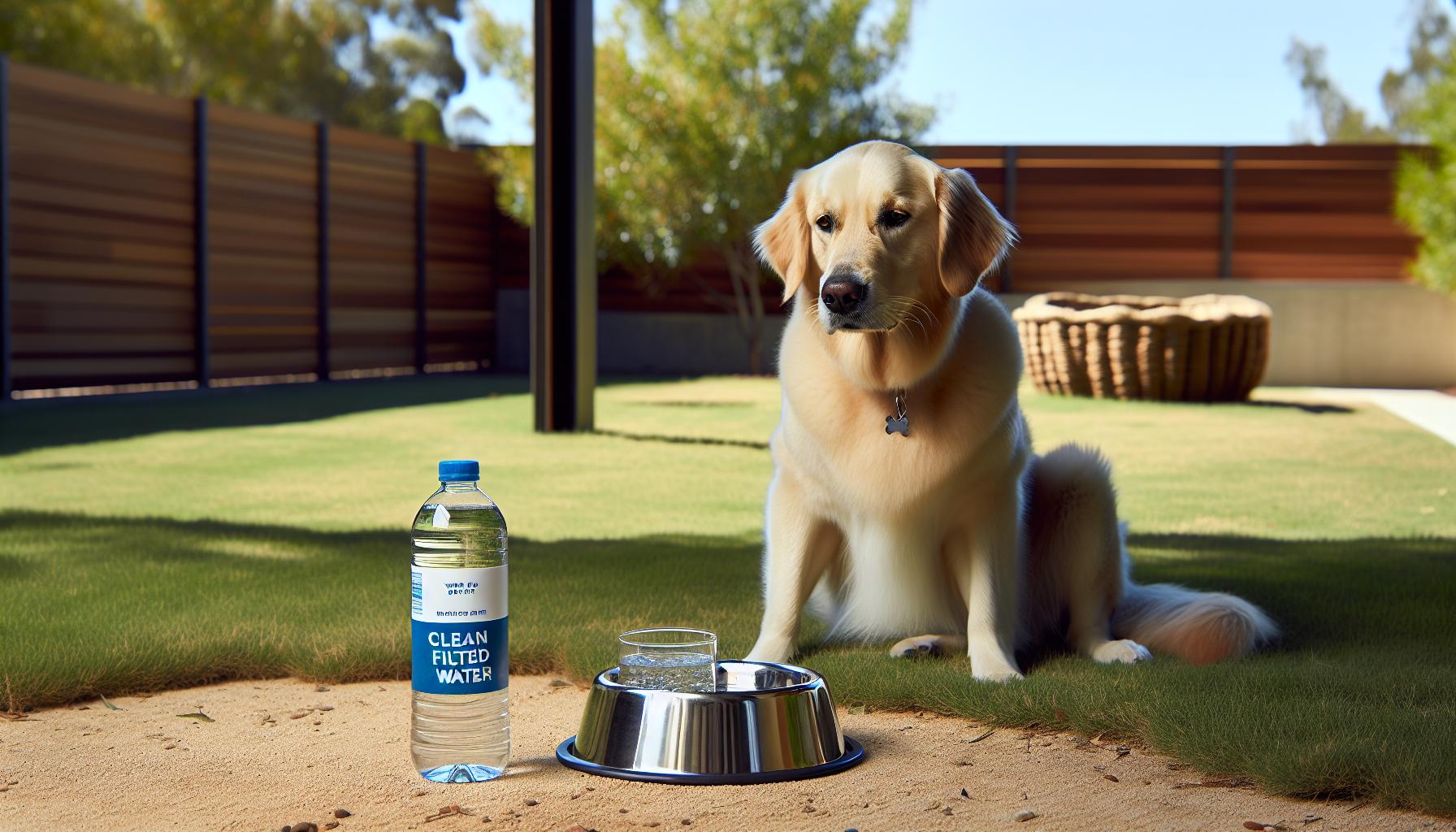
The Benefits of Bottled Water for Dogs
Providing your dog with quality hydration is essential, and many pet owners are discovering the benefits of offering bottled water. It’s not just about convenience; the purity and quality of bottled water can play a significant role in your dog’s health. Bottled water usually undergoes comprehensive filtration processes and is often sourced from natural springs, meaning it’s generally free from contaminants that might lurk in some municipal supplies. This enhanced purity can be especially important for dogs with sensitive stomachs or specific dietary needs.
Moreover, the easy portability of bottled water makes it a fantastic choice for travel. Whether you’re embarking on a road trip or just a day at the park, having bottled water on hand ensures your dog stays hydrated without having to worry about finding a safe water source. It also eliminates the need to carry large bowls or jugs, making it easier to keep your furry friend refreshed on the go. Just pop open a bottle, pour it into a dog-friendly bowl, and you’re set!
It’s also worth noting that bottled water often has a consistent taste and quality that can appeal to some dogs. Many pets may be more inclined to drink water that tastes cleaner or fresher, which can encourage better hydration-a vital aspect of their overall health. If you’ve ever noticed your dog turning away from their water bowl in hot weather, offering a bottle of cool water might just be the refreshing change they need.
In summary, the benefits of bottled water extend beyond convenience; it can be a safer, cleaner, and often more appealing hydration option for dogs. However, it’s important to remember that not all bottled waters are created equal. Always opt for plain bottled water without added minerals or flavors to ensure your dog’s health and well-being. This mindful approach to hydration can make a remarkable difference in your dog’s daily routine, keeping them energized and happy.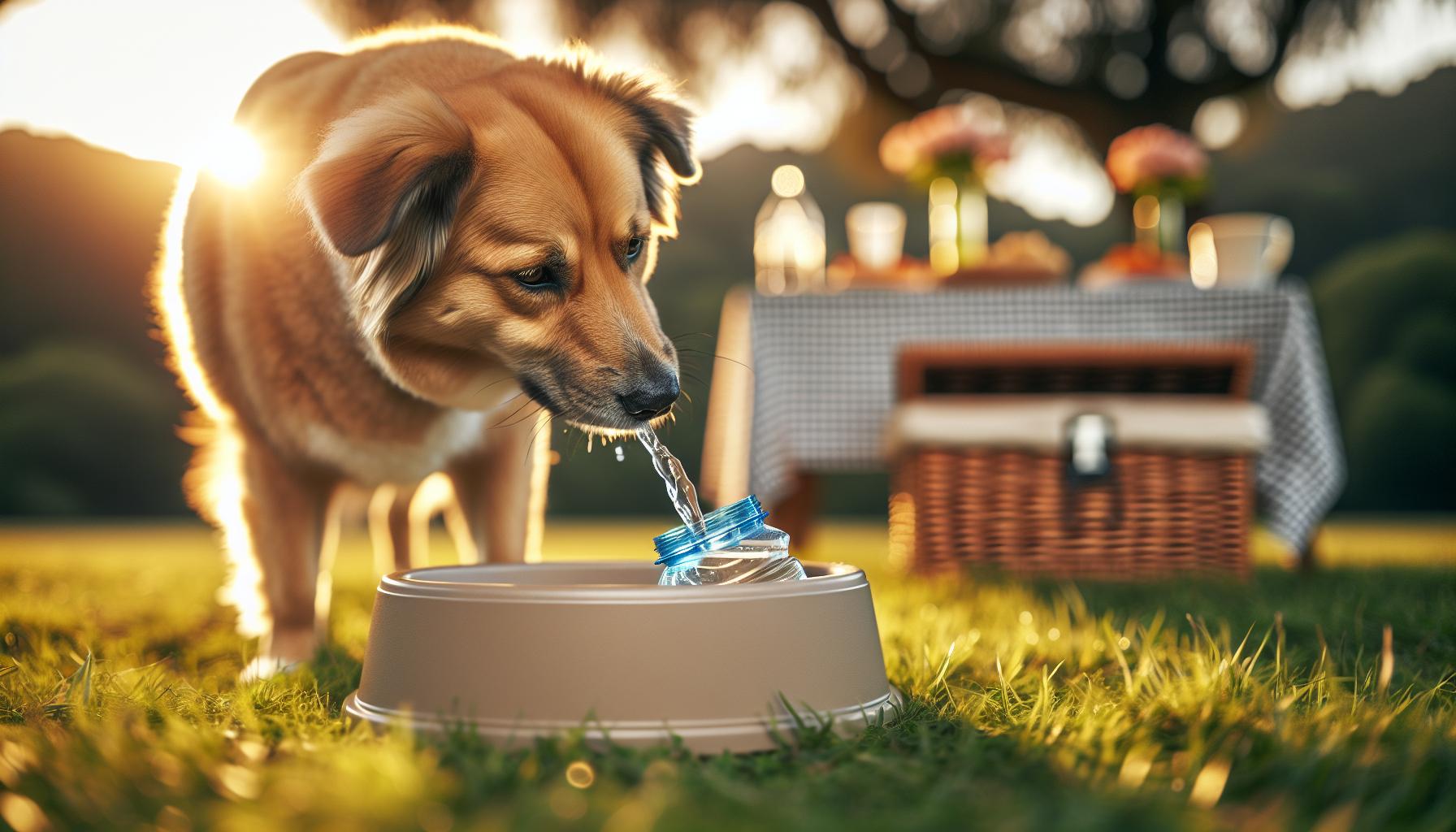
When Bottled Water is a Smart Choice
Providing your furry friend with the right hydration can make all the difference, especially when you find yourself in certain situations where bottled water becomes a particularly smart choice. For many pet owners, the journey of dog care is filled with challenges, and knowing when to opt for a convenient solution like bottled water can streamline your efforts and ensure optimal health for your dog.
Think about road trips or outdoor adventures; having bottled water readily available can alleviate the stress of finding clean drinking water on the go. It’s not just about convenience-when you are traveling, your dog may be exposed to new environments and potential contaminants in water sources that aren’t under your control. Using bottled water during these times offers peace of mind, knowing that your pet is drinking something pure and safe.
Additionally, for dogs that struggle with gastrointestinal issues or have a sensitive system, bottled water can be a game changer. The consistent quality and taste mean you’re likely to encourage better hydration habits. Many dogs may have preferences when it comes to water sources-some are more inclined to drink if the water tastes fresh and is cool. Offering bottled water in these situations could be the gentle nudge they need to drink more during especially hot days or after vigorous exercise.
Bottled water can also be a thoughtful choice for specific breeds that may be predisposed to health issues that affect their hydration. Dogs like Bulldogs or Pugs, which can have particular sensitivities or respiratory issues, might benefit from the extra caution that comes with providing bottled water. Always keeping a case handy not only prepares you for outings but also protects the well-being of dogs who may need a more tailored approach to hydration.
In essence, whether you’re navigating a travel day or addressing specific health needs, bottled water can be a practical, safe choice for your dog’s hydration needs, promoting overall wellness and encouraging them to drink more frequently.
Comparing Bottled Water to Tap Water for Dogs
When it comes to keeping your furry friend hydrated, the choice between bottled water and tap water can feel a bit overwhelming. But here’s a captivating thought: just like us, dogs can have preferences for their drinking water, which can significantly impact their hydration levels. So, how do you decide what’s best for your pup? Let’s break it down in an easy-to-understand way.
First, consider the quality of tap water versus bottled water. While tap water is generally safe to drink in many areas, it can sometimes contain contaminants such as chlorine, lead, or other impurities depending on your local water supply. If your dog is particularly sensitive or has a health condition that necessitates a stricter diet, bottled water may provide a peace of mind. Bottled water is usually filtered and contains fewer contaminants, which can be beneficial if you’re traveling or unsure about the local water quality.
Flavor and Freshness
Dogs, like humans, can be picky when it comes to taste. Some dogs prefer the taste of bottled water over tap water. This slight difference can encourage them to drink more, especially during hot weather or after a play session. A well-hydrated dog is a healthy dog! If you notice your pup turning its nose up at the water bowl, switching to bottled water might just do the trick.
Environmental Considerations
However, it’s essential to think about the environmental impact of using bottled water. Large quantities of plastic waste can be harmful to the planet. Look for eco-friendly bottled water options or consider purchasing a good quality water filter for your home. This way, you can provide your dog with clean, fresh water without the environmental footprint of single-use bottles.
In summary, both bottled water and tap water have their pros and cons. Depending on your dog’s specific needs, location, and personal preferences, one option may be better than the other. Always observe your dog’s habits and consult with your veterinarian if you’re unsure, ensuring that your canine companion stays happy and healthy with adequate hydration.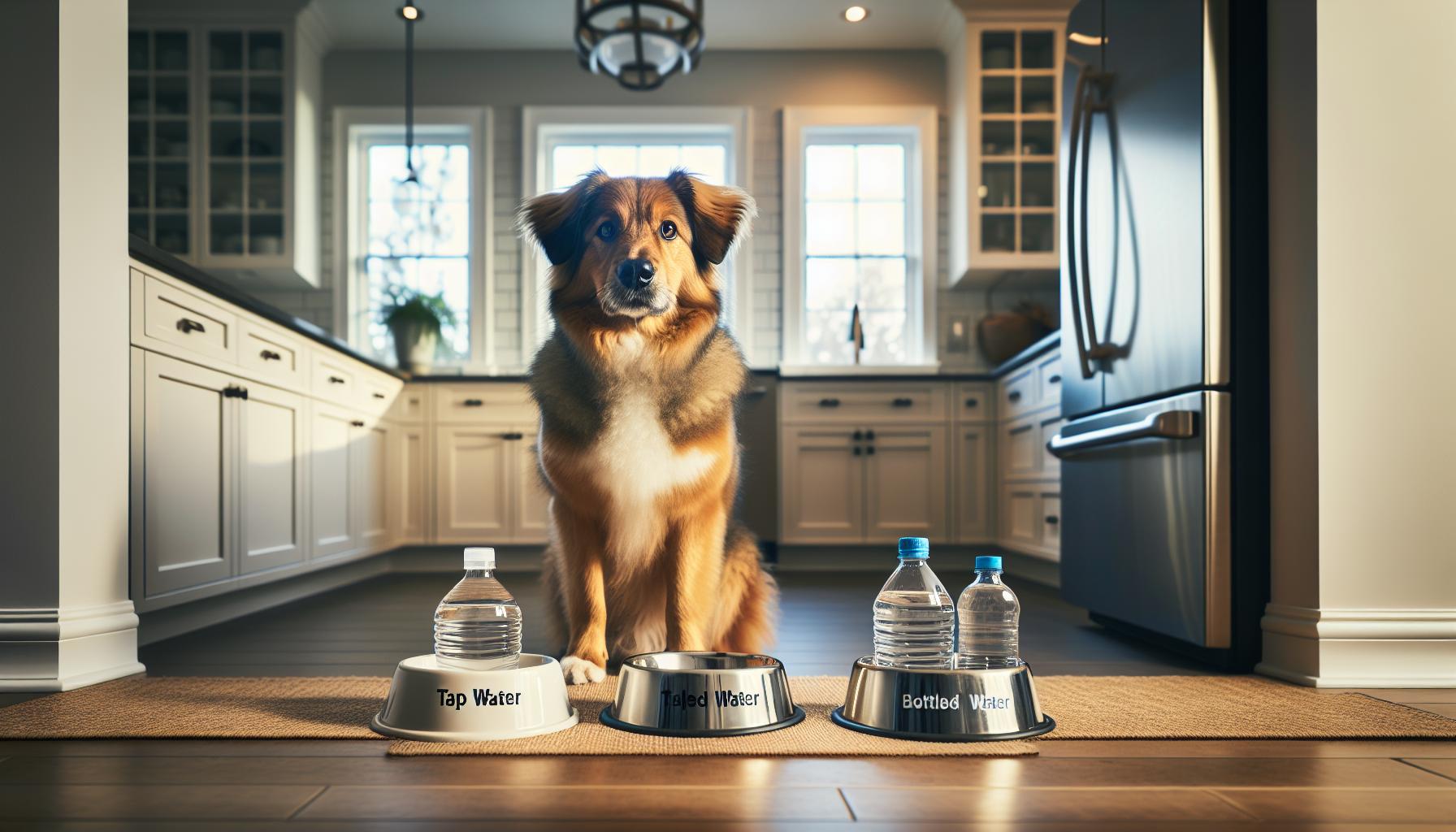
Ingredients and Additives in Bottled Water
When choosing bottled water for your dog, it’s essential to consider the ingredients and additives that may be present. Unlike tap water, which can vary in quality based on your local supply, bottled water is typically filtered and may contain different types of minerals, depending on its source. Many brands advertise their water as “pure” or “natural,” but the reality can be more complex. Knowing what goes into your pup’s water can help you make a more informed decision about their hydration.
Most bottled water is sourced from either springs, wells, or municipal supplies, with varying levels of mineral content. Spring water is often rich in natural minerals that dogs may benefit from, such as calcium and magnesium, potentially contributing to their overall health. However, it’s vital to avoid waters that contain added sugars, artificial flavors, or sweeteners, as these can be harmful to dogs. Always check the label to ensure that the bottled water is free of such additives.
Another critical component is fluoride, often found in larger quantities in bottled water than in tap water. While fluoride can support dental health in humans, it’s a different story for dogs. Too much fluoride can lead to dental and skeletal issues, especially in puppies and younger dogs whose bones are still developing. Therefore, it’s crucial to look for bottled waters that either are low in fluoride or contain none at all, particularly if your dog is at risk for dental problems.
To sum it up, when selecting bottled water for your dog, aim for options that are free from additives and excessive minerals. Look for labels that communicate a natural source and minimal processing. Additionally, consult your veterinarian for recommendations on the best type of bottled water suited to your dog’s specific health needs. By doing so, you’re ensuring that their hydration remains a top priority without compromising their health.
Recognizing the Limits: Is Bottled Water Always Safe?
While many pet owners see bottled water as a premium choice for their furry friends, it’s essential to delve deeper into whether it’s always the safest option. Not all bottled waters are created equal, and the suitability of bottled water for dogs can vary dramatically based on its source and composition. For instance, some bottled waters may boast enticing packaging and marketing, claiming to be the ultimate hydration solution for your dog. However, hidden within the fine print might be concerning additives or minerals that could pose risks to your pet’s health.
One of the key factors to consider is the mineral content in bottled water. While certain minerals like calcium and magnesium can be beneficial, right balances are crucial. High levels of sodium, for instance, may not be ideal, particularly for dogs with underlying health issues such as kidney problems or heart disease. Furthermore, some bottled waters come with added flavors or sugar, which can be enticing to us but potentially harmful for dogs. It’s a good practice for pet owners to carefully read label ingredients to ensure their dog’s water is genuinely pure and devoid of harmful substances.
Additionally, fluoride is worth noting. While it can be a beneficial addition for human dental health, dogs are much more sensitive to fluoride exposure. Excess fluoride levels can lead to dental fluorosis and potentially more severe skeletal problems over time. When choosing bottled water, look for options specifically labeled as low in fluoride or completely free of it, especially if your dog is prone to dental issues.
Remember, though bottled water can be a great option in many situations, it shouldn’t replace access to clean, fresh water consistently. Instead of relying solely on bottled water, consider it as an occasional treat or a backup during travel or special outings. Always consult your veterinarian for advice tailored to your dog’s specific needs, ensuring their hydration strategy supports their overall health and well-being.
Best Practices for Serving Water to Your Dog
Providing your dog with clean and safe water is crucial for their health and well-being, yet many dog owners are unsure about the best practices for serving it. Whether you opt for bottled water or stick with tap, your dog’s hydration habits can directly impact their overall health. For instance, did you know that even mild dehydration can affect a dog’s energy levels, digestion, and skin health? Keeping this in mind can motivate pet owners to be proactive about their dog’s water intake.
When serving water, a few key guidelines can help ensure your dog stays well-hydrated. First, make sure to provide fresh water daily-regardless of the source. Water bowls should be cleaned regularly to prevent the buildup of bacteria, which can affect your dog’s health. If using bottled water, always choose brands that have a reputation for quality and transparency in their sourcing and composition. Before filling your dog’s bowl, inspect the expiration date of the bottled water; while water doesn’t spoil, the plastic can leach harmful chemicals if left too long.
Another practice to consider is monitoring your dog’s drinking habits. Some breeds, particularly those with high activity levels like Border Collies or Labrador Retrievers, have greater hydration needs. Keeping an eye on how much they drink can reveal whether you need to adjust your approach. If your dog seems unenthusiastic about drinking, you might try different bowl types, such as stainless steel or ceramic, which may be more appealing than plastic.
For those traveling with their furry friends, always carry a portable water bowl and a supply of bottled water or filtered water. This ensures your dog has access to fresh water at all times, especially in unfamiliar environments or during hot weather. Implementing these practices not only enhances your dog’s hydration habits but also cultivates a routine that promotes a healthy lifestyle. Overall, whether you opt for bottled or tap water, the key is in being attentive and responsive to your dog’s hydration needs.
Dog-Specific Hydration Needs by Breed
Understanding the unique hydration needs of different dog breeds is essential for keeping them healthy and active. Just like humans, dogs have varying levels of hydration requirements based on their size, activity level, and health conditions. For instance, active breeds like Border Collies and Labrador Retrievers may require more water during hot weather or after vigorous playtime. In contrast, smaller breeds such as Chihuahuas or Pomeranians may not drink as much simply because they have smaller bodies and therefore less need for fluid intake.
Hydration Needs by Size
Generally, larger breeds typically need more water than smaller ones. A quick guide can help you gauge how much water your dog should drink daily:
- Small Breeds (up to 20 lbs): 1/2 to 1 cup of water daily
- Medium Breeds (20 to 50 lbs): 1 to 2 cups daily
- Large Breeds (over 50 lbs): 2 to 3 cups, or more depending on activity
However, it’s important to remember that these are just guidelines. Factors such as climate, diet (wet vs. dry food), and individual health can greatly affect your dog’s hydration needs.
Activity Levels Matter
Highly active dogs need more water compared to those that are more sedentary. For example, breeds like German Shepherds and Australian Shepherds are known for their energy and agility and should have readily available water at all times. If you notice your dog panting heavily or seeking cool surfaces after playing, it’s a sign they might be dehydrated.
In these instances, choosing bottled water can be a smart choice, especially when traveling or during outdoor adventures where clean water sources may be questionable. Bottled water often has a more consistent quality than tap water, which can be beneficial for sensitive stomachs.
Age and Health Conditions
Don’t forget that age and individual health conditions also play critical roles in determining hydration needs. Puppies, for example, require more frequent hydration compared to adult dogs due to their growth and development needs. Senior dogs may also have altered hydration requirements due to health issues such as kidney disease or diabetes. Monitoring their drinking habits can guide you in adjusting their water source and overall intake.
If you notice any significant changes in your dog’s drinking behavior-such as increased thirst or reluctance to drink-consulting your veterinarian can provide tailored advice that considers your pup’s specific circumstances while ensuring they stay well-hydrated and happy.
Hydration Tips for Traveling with Your Dog
Traveling with your dog can be an adventure filled with joy, but it also comes with the responsibility of keeping your furry friend hydrated. Did you know that dogs can lose a significant amount of water through panting and sweating? This is especially true during road trips or outdoor excursions where the heat is on. Choosing the right water source is crucial, and bottled water can be a convenient option when you’re away from home.
When on the go, always carry bottled water that is free of additives or flavorings, as these could upset your dog’s stomach. Additionally, packing a portable water bowl or collapsible container will make it easy for your dog to hydrate whenever they need to, whether during breaks or at parks. To encourage your pup to drink more while traveling, consider offering bottled water at regular intervals, especially after playtime or walks. Some dogs may prefer the taste of bottled water over tap water, particularly if they’re not accustomed to any peculiar flavors or smells that might come from different sources.
Keep in mind the unique needs of your dog’s breed when planning your hydration strategy. Active breeds like Border Collies and Labrador Retrievers will require regular hydration breaks, while smaller breeds like Chihuahuas might not drink as much but still need to have water available at all times. Always monitor your dog for signs of dehydration, such as dry gums, lethargy, or excessive panting. If you’re traveling through hot climates, you may want to offer chilled bottled water to help them cool down while staying hydrated.
Your dog’s health and comfort should always be your priority while traveling. Whether you’re heading to a nearby park or embarking on a long road trip, being proactive about your dog’s hydration will ensure they have a pleasant and enjoyable experience. Remember, hydration is key to keeping your furry friend feeling their best, no matter where your adventures take you!
Signs Your Dog Needs More Water
Dogs are incredible companions, but their ability to communicate their needs is quite limited, especially when it comes to hydration. Recognizing the signs that your furry friend needs more water is crucial for their well-being. For instance, did you know that dogs can underestimate their thirst, especially during hot weather or after vigorous play? Here are some key signs to watch for that indicate your dog might need a drink.
One of the first signs that your dog may be dehydrated is unusual behavior. If your dog becomes lethargic, is less playful than usual, or seems withdrawn, it could be a sign that they need hydration. Look for changes in their energy levels; if they’re opting to lie down instead of engaging in normal activities, they may be dehydrated. Additionally, dry or tacky gums can be an immediate red flag. When you gently press your finger against their gum, it should return to a healthy pink color quickly. If this takes more than a few seconds, it’s time to offer some water.
Another important indicator is their panting and thirst levels. While dogs naturally pant to regulate their body temperature, excessive panting, especially after short periods of play, can point to overheating and dehydration. Be attentive to their water bowl-if it’s consistently empty and they seem to visit it often, your dog may be signaling that they need more hydration.
In addition to these behavioral changes, keep an eye out for the consistency of their urine. A well-hydrated dog will have light yellow to clear urine. If you notice dark yellow or orange urine, consider it a signal that it’s time to increase their water intake. Dogs’ needs for hydration can vary significantly by breed, age, and activity level, so it’s always good practice to observe your individual dog carefully.
Lastly, consider the environmental factors affecting hydration. Higher temperatures, humidity, and activity levels require your dog to drink more. Carrying bottled water during outings is a great practice. When you spot any of these signs, offering your dog chilled bottled water can not only quench their thirst but also help them cool down, especially after an energetic play session or a walk on a warm day. Being aware and attentive to these signs can enhance your dog’s health and quality of life immensely-ensuring they stay happy, hydrated, and ready for your next adventure together!
Alternatives to Bottled Water for Dogs
Exploring alternatives to bottled water for your dog can be both practical and budget-friendly. Many pet owners wonder if their furry friends really need the convenience of bottled water or if there are equally safe options available. Tap water, when treated properly, is often just as hydrating and can be a great choice for most dogs. Always ensure that your tap water is filtered and free from contaminants to keep your pup healthy. You might consider investing in a quality water filter to make sure your dog is drinking clean, fresh water from the tap-all while being mindful of the environment.
Flavorful Infusions
If you find that your dog is a bit picky when it comes to water, adding a splash of flavor can encourage them to drink more. Try adding low-sodium chicken or beef broth to their water bowl. This can be a particularly effective strategy for older dogs or those recovering from illness, as the enticing aroma can stimulate their appetite for hydration. Just be sure to choose broth that doesn’t contain onion or garlic, which can be harmful to dogs.
Home-Made Doggie Iced Treats
Another fun alternative is to create your own frozen dog treats using water and pet-safe ingredients. Blending water with pureed fruits like blueberries or bananas, then pouring them into ice cube trays, can provide your dog with hydration and a tasty snack. These frozen delights can be especially refreshing on hot days and serve to keep your pup hydrated while also providing them with a fun activity as they chew and lick at the ice.
Hydration Stations for Travel
When traveling or spending time outdoors, a collapsible water bowl paired with a supply of filtered or tap water can work wonders. This setup makes it easy to hydrate your dog on the go without the need for bottled water. Keeping a portable dog water bottle handy can also help ensure your pup stays hydrated during your adventures.
Ultimately, while bottled water can be a useful option in certain situations, it’s essential to explore these alternatives that are not only safe but also appealing to your furry friend. By considering these methods, you can create a nurturing hydration routine that promotes your dog’s health without relying solely on bottled water. Remember, the goal is to keep your dog happy and hydrated, regardless of the source!
Environmentally Friendly Options for Dog Owners
For pet owners who are conscious about their ecological footprint, the good news is that there are many environmentally friendly options available for keeping your dog well-hydrated without relying on bottled water. The key is to focus on sustainable practices and alternatives that promote both your dog’s health and the health of our planet.
One excellent option is to invest in a high-quality water filtration system for your home. Installing a filter can provide your dog with clean, fresh water straight from the tap, drastically reducing plastic waste from bottled water. This system not only ensures that your furry friend is drinking safe water free from contaminants but also encourages you to use refillable containers instead of single-use plastics. Consider using a durable stainless steel or glass water bowl which is much safer and more sustainable than plastic.
Another effective strategy is to adopt a zero-waste lifestyle when it comes to pet hydration. Use refillable water bottles made for pets, which often come with built-in bowls, and fill them with filtered tap water for on-the-go hydration. These smart designs are convenient and minimize waste, making hydration easier during walks, travels, or trips to the park.
Additionally, consider rainwater harvesting as a novel way to collect and utilize this resource for your pet. Setting up a simple rain barrel can provide fresh drinking water when filtered correctly while helping to conserve water from traditional sources. Just remember to ensure that any collected water is clean and suitable for your dog’s consumption.
Incorporating Sustainable Practices
To enrich your commitment to sustainability, try implementing the following practices:
- Choose compostable or recyclable dog items.
- Practice mindful shopping for pet products that prioritize eco-friendly packaging.
- Support local brands that utilize sustainable practices in their manufacturing.
By embracing these environmentally friendly practices, you’ll not only provide your dog with hydration but also contribute to a healthier planet. Remember, every small effort counts when it comes to supporting a sustainable lifestyle for you and your furry companion!
Frequently asked questions
Q: Is bottled water safe for dogs to drink?
A: Yes, bottled water is generally safe for dogs to drink. However, it’s important to ensure that the water contains no harmful additives, such as artificial sweeteners or flavorings. Always check the label for ingredients to ensure your dog’s safety and wellbeing.
Q: How does bottled water compare to tap water for dogs?
A: Bottled water often has fewer contaminants than tap water, making it a good choice in areas with questionable water quality. However, if your tap water is clean and safe, it can provide adequate hydration for your dog. Explore the differences in quality in the section “Comparing Bottled Water to Tap Water for Dogs.”
Q: Should I choose spring water or purified water for my dog?
A: Both spring water and purified water can be good options for dogs. Spring water typically contains natural minerals, while purified water is treated to remove impurities. Consider your dog’s specific health needs and preferences when choosing between the two.
Q: Can puppies drink bottled water?
A: Yes, puppies can drink bottled water as long as it is free from harmful additives. Ensure they stay hydrated, especially during hot weather or after physical activity. Familiarize yourself with their hydration needs specific to their breed.
Q: What signs indicate that my dog is dehydrated?
A: Signs of dehydration in dogs include excessive panting, dry gums, lack of energy, and loss of skin elasticity. If you notice these signs, ensure your dog has access to fresh water, whether bottled or tap, and consult a veterinarian if necessary.
Q: Are there specific types of bottled water that are better for dogs?
A: Look for bottled waters that are labeled as mineral water without added flavors or sweeteners. Avoid sparkling waters, as the carbonation may upset your dog’s stomach. Check the ingredients list to ensure it meets your dog’s needs.
Q: How can I keep my dog hydrated while traveling?
A: When traveling, using bottled water is a convenient option for keeping your dog hydrated. Always carry a portable water bowl and encourage your dog to drink regularly. Refer to the “Hydration Tips for Traveling with Your Dog” section for more practical advice.
Q: Can I give my dog flavored bottled water?
A: It’s best to avoid flavored bottled waters, as they may contain artificial sweeteners or other additives that are harmful to dogs. Always choose plain bottled water to keep your dog safe and healthy while hydrating.
To Conclude
As we’ve explored, while bottled water can be a safe and convenient option for your furry friend, it’s essential to weigh the benefits against the potential downsides, like the environmental impact of plastic. Always prioritize your dog’s health by ensuring they stay hydrated with clean, safe water, whether from a bottle or your tap. Remember, your dog’s hydration needs may vary, so consult with your vet if you have concerns.
Ready to make informed decisions for your canine companion? Dive into our guides on choosing the best dog food and tips for maintaining a healthy lifestyle for dogs. Don’t forget to check out our resources on common dog health issues and how you can support their overall well-being.
Join our community of dog lovers by subscribing to our newsletter for more valuable insights and tips! Together, let’s ensure every puppy and adult dog enjoys a long and happy life. Share your thoughts in the comments below-what water choices have you found best for your pup?