
As a dog owner, you want to provide the best for your furry friend, and that includes ensuring they stay hydrated. But can dogs drink distilled water? This question is essential as you explore their dietary needs and general health. Distilled water, known for its purity and lack of contaminants, might seem like a safe choice, but there are crucial factors to consider. Understanding the pros and cons of distilled water can help you make informed decisions about your dog’s hydration. In this article, we’ll dive into everything you need to know, helping you navigate this often-overlooked aspect of dog care. So, let’s quench your curiosity and make the best choices for your loyal companion!
Can Dogs Drink Distilled Water: Understanding the Basics of Canine Hydration
Dogs, much like humans, rely heavily on hydration for their overall well-being, playing a crucial role in their bodily functions. Understanding what types of water are best for your furry friend is vital in ensuring they remain healthy and energized. Distilled water undergoes a process of steam distillation, removing impurities, minerals, and contaminants that might be present in regular tap water. While this means it’s very pure, it also means it’s devoid of essential minerals that can contribute to a dog’s overall health.
For many pet owners, the question often arises: is distilled water the best option for hydration? It’s important to recognize that while distilled water is safe for dogs to drink, it may not provide the necessary minerals that your pet requires. Canines, especially those on a balanced diet, may not need the extra minerals that spring or tap water provides. However, for dogs with specific health issues or those who are particularly sensitive to changes in their water, some might benefit from the purity of distilled water.
When considering hydration for your dog, keep in mind their activity level, size, and any existing health conditions. Puppies and active dogs generally require more water than older or less active ones. Also, always ensure your dog’s water bowl is clean and free from debris to encourage them to drink regularly. Frequent changes of water, regardless of the type, can make a difference in your pet’s hydration habits. If you ever feel uncertain about what type of water is best for your furry companion, consulting with your veterinarian is a wise step in finding the best hydration practices for their unique needs.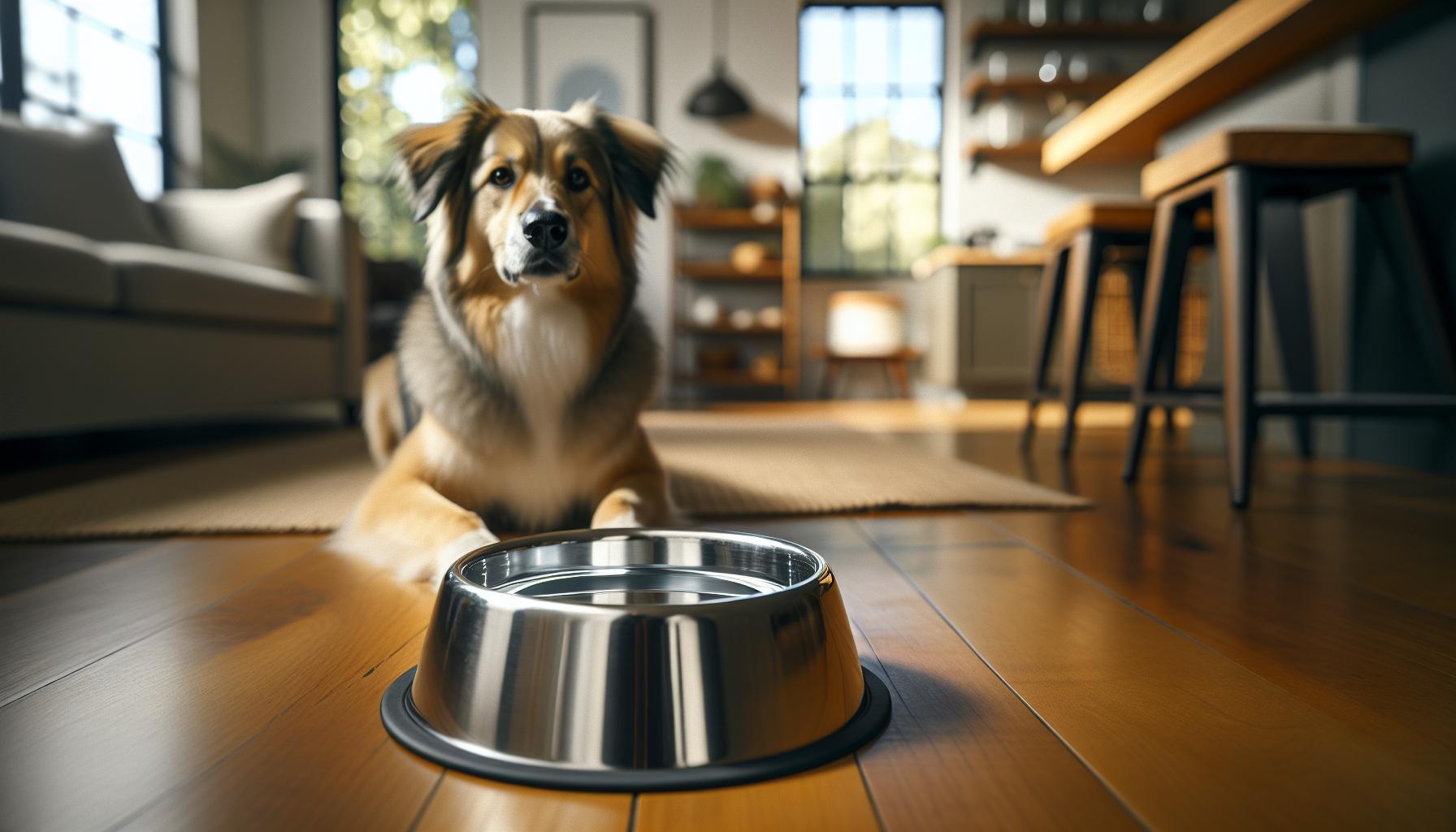
The Benefits of Distilled Water for Dogs
Distilled water’s unique qualities can make it a compelling option for keeping your dog hydrated and healthy. Many pet owners might be surprised to learn that the purity of distilled water-achieved through steam distillation that eliminates impurities and contaminants-can lead to several benefits for canine companions. One significant advantage is that distilled water is devoid of chemicals, pollutants, and micro-organisms that may be present in tap water, making it a safer alternative, particularly for dogs with sensitive stomachs or compromised immune systems.
Moreover, for those dogs that might be prone to urinary tract infections (UTIs), feeding distilled water could be beneficial. The absence of minerals and additives may help prevent the formation of certain types of bladder stones, thereby reducing the risk of UTIs. Additionally, dogs recovering from medical treatments, surgeries, or those on specialized diets may find distilled water easier on their systems, as it provides clean hydration without any added substances that might complicate their recovery.
Ease of Digestion
Another aspect to consider is that distilled water can be easier for some dogs to digest. Purity in their drinking water often translates to fewer gastrointestinal upsets and disturbances. If you’re transitioning to a new diet or introducing a new breed into your home, using distilled water can provide a consistent element in their hydration that helps to minimize digestive stress. It can also be particularly beneficial during hot summer months when dogs tend to drink more; keeping water pure helps ensure they’re drinking effectively without the added worry of contaminants.
In conclusion, while distilled water isn’t necessary for all dogs and their hydration needs, it certainly has benefits worth considering. Whether it’s helping a dog with health issues or ensuring the safety of your water source amidst concerns about local tap water quality, distilled water can serve as a clean and dependable option for your furry friend. Always keep an eye on how your dog reacts to any changes in their drinking water, and don’t hesitate to reach out to your veterinarian if you have any questions or concerns about their hydration.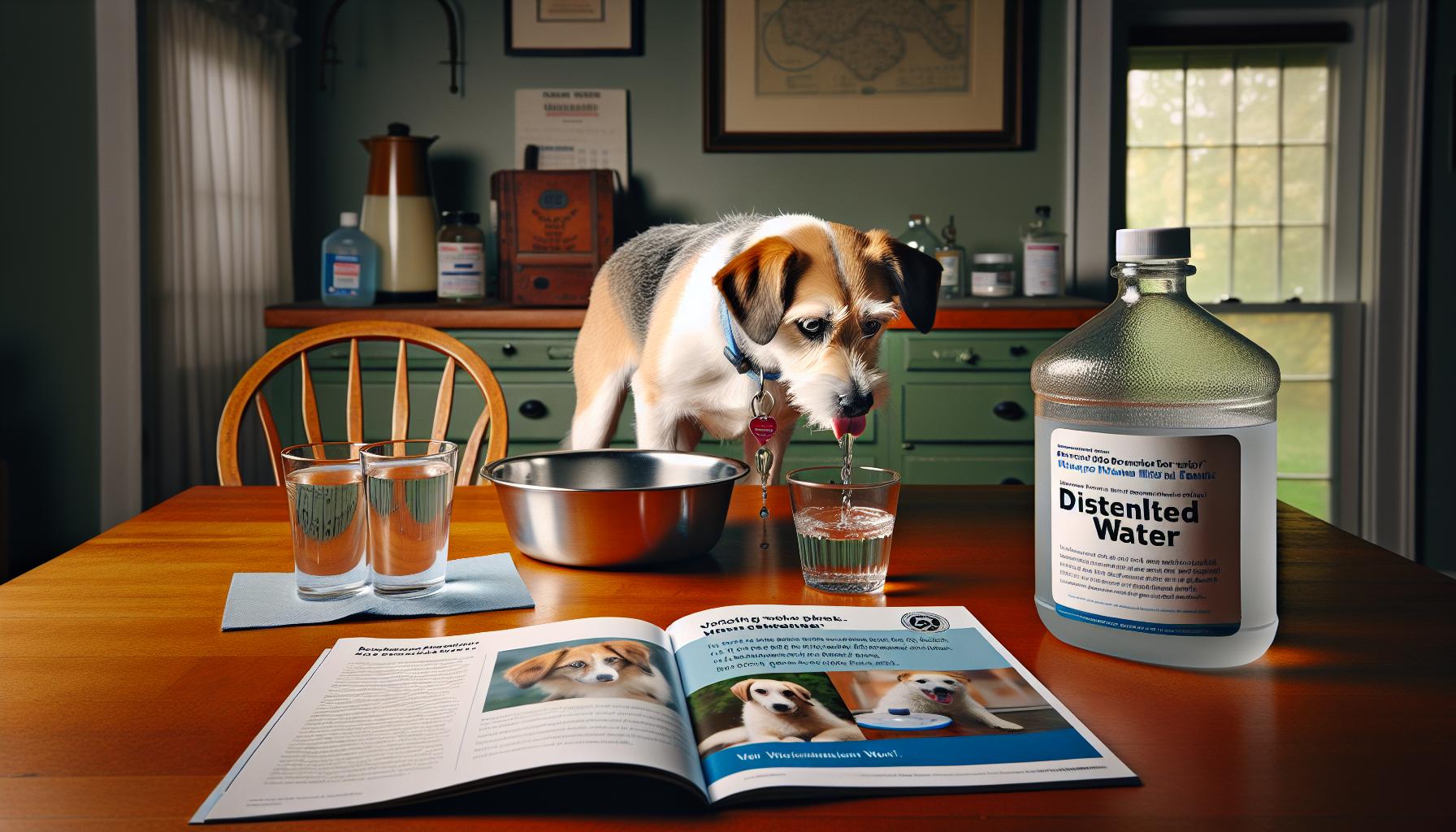
The Potential Risks of Distilled Water for Your Dog
While distilled water offers many benefits, it’s important to consider some potential risks associated with its use for your furry friend. One of the primary concerns is the absence of essential minerals typically found in regular water. Distilled water is devoid of electrolytes like calcium and magnesium, which can be beneficial for hydration and overall health. Dogs, especially those who are active or live in warmer climates, require these minerals to maintain optimal bodily function. Over time, a lack of necessary minerals in their diet-if distilled water is the sole source of hydration-could lead to deficiencies that affect their vitality.
Another consideration is how dogs acclimate to distilled water compared to their previous water sources. Transitioning to distilled water might cause some dogs to experience changes in their drinking habits. If your dog is used to the taste of tap or spring water, they might not willingly drink distilled water, potentially leading to dehydration. Observing your dog’s water intake during this transition is crucial. If you notice a decline in the amount they drink, it may indicate their displeasure with the change in flavor and texture.
For some dogs, particularly those predisposed to urinary issues, switching to distilled water could alter urine composition. The lack of minerals can lead to urine that is more dilute, which might raise the risk of urinary tract infections or urinary crystals in certain breeds. It’s vital to monitor for any signs of discomfort or changes in urination patterns, especially for breeds like Shih Tzus or Miniature Schnauzers that are more vulnerable to such conditions.
Ultimately, while distilled water can be a safe and clean option, it should be part of a balanced approach to hydration. Make sure it is not the only source of hydration in your dog’s diet; consider using it alongside other water types to ensure they receive the minerals they need or consult with your veterinarian to create the best hydration plan for your dog’s specific needs.
How Distilled Water Compares to Tap and Spring Water
When comparing distilled water to tap and spring water, it’s essential to understand how each type contributes to your dog’s hydration and overall health. Distilled water is purified through a process of boiling and condensation, which removes contaminants and minerals. While this makes it a clean option, it lacks the natural electrolytes found in other water sources, such as tap or spring water. Moreover, dog owners should keep in mind that many dogs thrive on the minerals present in these alternative water sources; deficiencies over time can affect their health.
Tap water varies widely in quality based on location, as municipal systems can introduce chemicals for purification, such as chlorine or fluorine, which may not be ideal for every dog. However, in many regions, tap water contains beneficial minerals that can help support your pup’s hydration. Spring water, on the other hand, is sourced from natural springs and typically retains a balanced mineral composition, which may aid in hydration and even contribute to better water palatability for fussy drinkers. Dogs often prefer the taste of spring water due to its natural flavor profile, which can encourage them to drink more, particularly during hot weather or after exercising.
An observation to consider is that some dogs are particularly sensitive to changes in water taste, which could make transitioning to distilled water challenging. If your dog has always consumed tap or spring water, a sudden switch to distilled could result in decreased water intake. Keeping track of your dog’s drinking habits will be crucial during a transition. If you notice your dog turning away from the bowl or drinking less, introduce distilled water gradually, perhaps by mixing it with flavored water or slowly increasing its proportion in the bowl.
Ultimately, while distilled water can be a safe choice, it’s wise to view it as part of a broader strategy for hydration. Some dog owners find success alternating between distilled and mineral-rich waters to ensure their furry friends receive an adequate intake of essential nutrients without compromising on quality. Just remember, keeping your dog hydrated and healthy is the top priority, so understanding these differences can help you make informed decisions for your pet’s hydration needs.
Signs Your Dog May Be Dehydrated
Recognizing when your furry friend is becoming dehydrated is crucial for their overall health and well-being. Dogs, like humans, rely heavily on water for a multitude of bodily functions, and even slight dehydration can lead to discomfort or serious health issues. As a responsible pet owner, being vigilant about the signs of dehydration can make a significant difference in your dog’s life.
One of the first and most noticeable signs of dehydration in dogs is a reduction in their appetite. If your dog suddenly shows less interest in food or treats, it may be time to check their hydration levels. Another key indicator is the condition of their gums; healthy gums should be moist and pink, while dry or sticky gums can signal dehydration. A simple test to assess this is the skin tent test-gently pinch the skin at the back of your dog’s neck. If the skin doesn’t return to its original position quickly, your dog may be dehydrated.
It’s also important to watch for the following signs:
- Excessive panting: While dogs do pant to cool down, excessive panting, especially in cooler temperatures, can indicate that they are trying to manage their body temperature and are not adequately hydrated.
- Reduced energy: If your usually playful pup seems lethargic or uninterested in their favorite activities, it might be due to dehydration.
- Dark urine: A change in a dog’s urine color can be a significant sign. Healthy urine is typically light yellow; dark urine can suggest that your dog isn’t drinking enough.
- Sunken eyes: Pay attention to your dog’s eyes. Sunken eyes can be a visible sign of dehydration and require prompt attention.
Incorporating these observations into your dog’s daily care routine will help ensure they stay well-hydrated. As every dog has unique needs based on age, activity level, and health status, customizing their hydration plan-potentially including distilled water, tap water, and spring water-will contribute to their overall health. Always consult with your veterinarian if you notice any signs of dehydration, especially if they persist, as timely intervention can prevent more severe health problems.
Best Practices for Keeping Your Dog Hydrated
Ensuring your dog stays properly hydrated is fundamental to their well-being, but with so many options for water out there, you might be wondering how to best support your pup’s hydration needs. Dogs can easily become dehydrated, especially during warm weather or after vigorous play. One of the best practices for keeping your canine companion well-hydrated is to provide them with fresh water at all times, regardless of the type you choose-be it distilled, tap, or filtered water.
To start, establish a daily routine for replenishing your dog’s water bowl. It’s essential to change their water frequently to keep it clean and appealing, ideally two to three times a day. Consider placing multiple water bowls throughout your home, especially if you have a larger space or multiple pets, to make it easier for your dog to access water whenever they need it. In addition to standard bowls, you might explore dog water fountains; many dogs are attracted to running water, which can encourage them to drink more.
When it comes to specific types of water, distilled water can be a great option for dogs, just like it is for humans. It is free from contaminants and impurities, making it a safe choice. However, be mindful that some dogs may have different preferences. For instance, larger breeds or active dogs may drink more water when it is flavored-consider adding low-sodium broth or mashed fruits like watermelon to entice your furry friend. Keep in mind that while distilled water is beneficial, it shouldn’t be the only source of hydration. Mixing in other types of water, like filtered or mineral water, can provide varying nutrients that they need.
Here’s a quick checklist to help keep your dog’s hydration levels optimal:
- Change water at least twice daily.
- Provide fresh, clean water at all times.
- Implement a hydration routine around exercise, especially during warm weather.
- Monitor your dog’s drinking habits; increase water intake if they are particularly active or on a hot day.
- Experiment with different water types and flavors to find what your dog enjoys most.
Remember, your veterinarian is an invaluable resource when it comes to understanding your dog’s unique hydration needs. Especially if you notice any signs of dehydration, don’t hesitate to reach out for advice. Keeping your dog hydrated not only supports their physical health but also contributes to their happiness and energy levels, making every moment you spend together that much more enjoyable!
Distilled Water: Safe for All Breeds?
Many dog owners often wonder whether distilled water is a safe and beneficial choice for their furry friends. The good news is that distilled water is indeed safe for all breeds of dogs. This type of water is purified through boiling and condensation, which removes impurities, chemicals, and contaminants. As a result, distilled water is clean and free of harmful substances that could affect your dog’s health. However, understanding your dog’s individual needs and preferences is key to determining whether this should be their primary source of hydration.
While distilled water does not contain any minerals, which some believe may be beneficial for dogs, it can still be a healthy option. Dogs that experience certain health conditions, such as kidney issues or urinary problems, may even benefit from the absence of minerals in distilled water. However, larger, more active breeds like Golden Retrievers or Alsatians might require added electrolytes or minerals in their water, especially if they are highly active or live in warmer climates. For these dogs, blending distilled water with a bit of low-sodium broth or including occasional mineral water can ensure they are getting all the nutrients they need.
It’s also important to consider a dog’s drinking habits. Some breeds are known to be more particular about their water preferences, which could affect their hydration levels. For instance, small dog breeds like Chihuahuas or toy poodles might be less likely to drink water that has a bland taste, suggesting that a mix with flavored options could encourage them to drink more. If your dog shows hesitance towards drinking distilled water, experimenting with smart additions can help keep them hydrated while ensuring their water remains clean and safe.
In conclusion, while distilled water is safe for all dogs, including different breeds and their unique hydration needs will help ensure your furry friend’s water intake is both enjoyable and beneficial. A thoughtful approach to hydration, customized to your dog’s needs, not only promotes their physical well-being but also contributes to their overall happiness and vitality. Always remember to check in with your veterinarian to confirm what works best for your pet, particularly if they have specific health concerns or dietary needs.
When to Consult Your Vet About Your Dog’s Water Needs
Determining when to reach out to your veterinarian about your dog’s water needs can feel daunting, but understanding the signs and circumstances surrounding hydration can simplify this process. If your furry friend is experiencing sudden changes in drinking habits-such as increased thirst or refusal to drink-it could indicate an underlying health issue. For instance, increased water consumption may signal conditions like diabetes or kidney disease, while a decreased desire to drink might point to dental problems or nausea. Keeping a close eye on their behaviors will empower you to take action at the right time.
Regular vet check-ups are also an essential part of establishing a solid hydration routine for your pet. If your dog belongs to a breed prone to specific health issues-like Huskies, who can be more susceptible to heatstroke, or small breeds like Dachshunds that may face unique dental challenges-it’s wise to discuss their water intake with your vet. Bringing up any concerns during these visits allows you to tailor their hydration plan based on breed-specific needs and personal habits.
Moreover, if you decide to introduce distilled water into your dog’s diet and observe any adverse reactions, consulting your vet is crucial. Allergies, digestive upset, or changes in bowel habits reinforce the need to keep your vet in the loop, especially when making adjustments to their water sources. Not every dog will take to distilled water easily, and understanding your pet’s preferences can ensure they remain hydrated and happy.
Lastly, never hesitate to ask your veterinarian questions about the right mix of water types. They can offer personalized recommendations based on your dog’s age, activity level, and overall health status. By fostering a collaborative relationship with your vet, you can ensure your beloved pet not only stays hydrated but thrives in their environment.
Alternatives to Distilled Water for Your Furry Friend
When it comes to caring for your furry friend, hydration is key, and while distilled water can be a good option, there are several other water types you can consider that may better suit your dog’s needs. Many pet owners find that a change in water can positively impact their dog’s health and hydration levels. Let’s explore some alternatives to distilled water that can help keep your canine companion happy and healthy!
One of the most common alternatives is filtered water. Using a good-quality water filter can remove impurities and chlorine found in tap water while retaining beneficial minerals. Filtered water often tastes fresher to dogs, making them more inclined to drink. If you’ve noticed your dog being picky about their water, switching to filtered could entice them to hydrate more effectively.
Another excellent option is spring water. This natural source of hydration can be rich in minerals, depending on where it comes from. Many dogs enjoy the taste of spring water, and it can provide essential electrolytes that are beneficial, especially for active or working breeds. However, it’s vital to choose a brand that is free from added chemicals and has a good reputation for safety and quality.
For a more creative approach, consider making homemade broth. Simply simmering bones and vegetables in water can create a nutritious and flavorful liquid that dogs often love. Just be sure to avoid onions and garlic, as these can be toxic to dogs. Once your broth is cooled and strained, it can serve as a tempting hydration option or even poured over their dry food to encourage increased fluid intake.
Lastly, you can also provide water enhancers or electrolyte solutions specifically designed for pets. These products can help replenish lost electrolytes during hot weather or after exercise, making them particularly beneficial for sporty dogs or those recovering from illness. Always check with your veterinarian before introducing new products to ensure they are suitable for your dog’s specific health needs.
By exploring these alternatives, you can keep your dog hydrated in a way that suits their taste and lifestyle. Remember, every dog is unique, and it may take some experimentation to find the right hydration solution for your furry friend. Always observe how they respond to changes and reach out to your vet whenever you have concerns or questions about your pet’s hydration needs. Happy hydrating!
Tips for Transitioning Your Dog to Distilled Water
Transitioning your furry friend to distilled water can be a smart move for their hydration needs, especially if you want to eliminate impurities and contaminants often found in tap water. However, some dogs can be picky about changes in their water, so it’s crucial to approach this transition thoughtfully. Here are some effective strategies to help your dog embrace this change without any fuss.
Start by mixing distilled water with their current water source. Gradually increase the proportion of distilled water over several days to help your dog adjust to the new taste. For instance, you might begin with a mixture of 75% tap water and 25% distilled water, and every couple of days shift that ratio until they are drinking 100% distilled water. This slow introduction helps them acclimate to the flavor, minimizing any hesitations.
Pay attention to the temperature of the water, as dogs can be sensitive to this as well. Many dogs prefer fresh, cool water, so make sure the distilled water is chilled before serving. You might even consider adding some ice cubes to their bowl, which can not only keep the water cool but also make it more enticing. Moreover, some dogs get excited about a water change-it’s worth observing their reaction to ensure the transition stays positive.
Finally, reinforce this new habit with positive experiences. If your dog drinks the distilled water, reward them with praise or a small treat. This not only reinforces the behavior but also associates the new water with something enjoyable. Remember, transitions can take time, and consistency is key. If your dog seems reluctant, don’t hesitate to consult a veterinarian for tailored advice or tips based on your dog’s breed and individual preferences. Happy hydrating!
Creating a Hydration Routine for Your Dog
Creating a consistent hydration routine can significantly enhance your dog’s overall health and well-being. Just like humans, dogs need regular access to clean, fresh water to stay hydrated, and incorporating distilled water into their routine can be a beneficial choice. A well-structured hydration schedule not only ensures your dog’s thirst is quenched but also helps in preventing dehydration and related health issues.
To start, establish specific times during the day when you will provide your dog with fresh distilled water. Consistency is key; dogs thrive on routine. You might choose to offer water before or after meals, following playtime, or at regular intervals throughout the day. For instance, designate times such as early morning, mid-morning, afternoon, and evening for water refills. This helps your dog learn when to expect water and can cultivate a habit of hydration.
In addition, it’s important to monitor the amount of water your dog drinks daily. Keep a record of their water intake, noting any significant changes. Make adjustments as needed, especially during hot weather or after increased physical activity. If you notice your dog consistently drinking less than usual, it may be time to evaluate their hydration routine and explore why they might be reluctant.
Another great tip is to choose water bowls that are appealing to your dog. Some dogs prefer wider bowls, while others like deeper ones. Ensure the bowls are clean and easy for your pet to access at all times. For dogs that thrive on interaction, consider using a water fountain; many pets find running water more enticing than still water, which can encourage them to drink more.
Lastly, always be mindful of your dog’s unique needs. Factors such as age, size, activity level, and any health considerations can influence their hydration requirements. If you have concerns about your dog’s hydration habits, consult with your veterinarian for tailored advice. This proactive approach will help ensure that your furry friend remains healthy, happy, and well-hydrated!
Understanding Your Dog’s Unique Drinking Needs
Every dog is unique, and understanding your furry friend’s individual drinking needs is essential for maintaining their health and well-being. Just like humans, dogs have different requirements based on factors such as age, size, breed, activity level, and overall health. For instance, a lively Labrador Retriever might require more water due to their higher activity levels, while a less active Bulldog may drink less. It’s not only about the quantity of water but also the quality-knowing when to offer distilled water versus tap or spring water can make a difference.
Factors Affecting Hydration Needs
Different breeds have diverse hydration needs influenced by their size and lifestyle. For example, smaller breeds, like Chihuahuas, may need less water than larger breeds, such as Great Danes. However, energetic breeds or those with thicker coats may need more frequent hydration, especially in warmer weather. Furthermore, certain health conditions, such as kidney disease or diabetes, can increase a dog’s need for water. It’s imperative to adapt your dog’s hydration routine to their unique circumstances.
The Role of Activity Level
Keeping track of your dog’s activity level can also guide their hydration needs. Active dogs that enjoy long walks, play sessions, or agility training will naturally need to replenish fluids more frequently. Make a habit of offering water after vigorous play or exercise and keep a bowl within reach during outings. Sometimes, dogs may show reluctance to drink, particularly if they are distracted during play. In these cases, training them to associate water with positive experiences-like a treat or gentle play-can encourage better hydration habits.
Age and Health Considerations
Puppies and senior dogs have distinct hydration requirements as well. Puppies are often more exploratory and may overlook their water bowl when they’re busy, so monitoring their intake is crucial. Conversely, senior dogs may suffer from decreased thirst drive or kidney issues, making it vital to monitor their hydration closely. If you notice signs of dehydration-like dry gums or lethargy-consider consulting your vet for personalized recommendations.
By understanding these aspects of your dog’s drinking needs, you’ll be empowered to provide them with the best hydration possible. Remember, when in doubt, consulting with a veterinarian can offer tailored guidance for your beloved companion’s specific needs, ensuring they stay healthy, happy, and properly hydrated!
Frequently asked questions
Q: Can dogs drink distilled water every day?
A: Yes, dogs can drink distilled water daily. It’s free of minerals and impurities, making it a safe choice. However, ensure that your dog maintains a balanced diet that provides necessary minerals, as distilled water lacks these essential nutrients.
Q: Is distilled water bad for dogs?
A: Distilled water is not bad for dogs but can be less beneficial over time due to its lack of minerals. While it’s safe for hydration, regular consumption should be balanced with other water types or food that provides necessary nutrients.
Q: How does distilled water affect a dog’s health?
A: Distilled water does not harm a dog’s health but can lead to mineral deficiencies if consumed exclusively. It’s essential to monitor your dog’s overall diet to ensure they receive the minerals they need for optimal health.
Q: What are the benefits of distilled water for dogs?
A: The primary benefit of distilled water is its purity. It’s free from contaminants and chemicals found in tap water. This can be beneficial for dogs with sensitive systems or specific health conditions requiring pure hydration.
Q: Should puppies drink distilled water?
A: Puppies can drink distilled water, but it’s crucial to ensure they also receive proper nutrition and hydration from their diet. Consult your vet for personalized advice based on your puppy’s specific needs.
Q: Can I mix distilled water with my dog’s food?
A: Yes, you can mix distilled water with your dog’s food. This can help ensure they stay hydrated and encourage them to eat, especially if they are picky or recovering from an illness.
Q: How to introduce distilled water to my dog?
A: To introduce distilled water, mix it with your dog’s regular water gradually over a week. This helps your dog adapt to the change in taste. Monitor their response and adjust based on their preferences.
Q: Is distilled water safer for older dogs?
A: Distilled water can be a safe option for older dogs, especially those with specific health issues or sensitivities. However, consult your veterinarian to ensure it meets your dog’s individual hydration needs and dietary balance.
The Conclusion
As we wrap up our discussion on whether dogs can drink distilled water, remember that while it’s safe in moderation, it’s important to prioritize your furry friend’s overall hydration needs. Be sure to explore our related articles on the best types of water for dogs and tips for maintaining their hydration levels to keep them healthy and happy.
Don’t let any lingering questions hold you back-join our community by leaving a comment below or signing up for our newsletter for expert tips right in your inbox! For those eager to dive deeper, check out our guide on dog nutrition and the importance of hydration, or browse our product recommendations to find the best water bowls for your pet.
Taking these next steps will ensure you’re equipped with the best care practices for your dog. Your pup deserves the best!