
Did you know that hydration is crucial for your dog’s health, especially during hot summer days or after vigorous play? As beloved companions, our dogs rely on us to keep them healthy and hydrated. You might wonder if electrolyte water can enhance their rehydration, especially in certain situations like illness or exertion. In this article, we’ll explore the benefits of electrolyte water for dogs, demystifying whether it’s a good choice for your furry friend. By understanding the pros and cons, you’ll be better equipped to make informed decisions that promote your dog’s well-being. Stay with us as we delve into how you can help your pup stay hydrated and happy!
The Importance of Hydration for Dogs
Did you know that just like humans, dogs can experience serious health issues if they don’t stay properly hydrated? Water is fundamental for canine health, as it supports every physiological function from digestion to joint lubrication. Without sufficient hydration, dogs may suffer from dehydration, which can lead to severe complications, including organ failure in extreme cases. As a responsible pet owner, understanding the role of hydration in your dog’s life is essential for keeping them happy and healthy.
When it comes to hydration, the needs of dogs can vary significantly based on factors such as age, size, activity level, and even breed. For instance, active breeds like Border Collies or Labradors may require more water than more sedentary breeds like Bulldogs or Shih Tzus. Puppies and senior dogs also have different hydration needs; puppies tend to have higher metabolic rates and may require more fluid intake to support their growth, while older dogs might need encouragement to drink enough due to potential health issues.
Offering your dog access to fresh water at all times is crucial, but there are moments when their hydration needs increase significantly, such as during hot weather, after intense exercise, or during illnesses that cause vomiting or diarrhea. In these situations, electrolyte solutions can serve as a supplementary option to help replenish lost fluids and minerals. Electrolytes, including sodium, potassium, and chloride, play a vital role in maintaining hydration levels and supporting overall bodily functions, making them an important consideration during rehydration efforts.
If you’re concerned about your dog’s hydration, keep an eye out for common signs of dehydration, such as dry gums, excessive panting, or reduced skin elasticity. Regular check-ups with your veterinarian can also provide valuable insight into your dog’s specific hydration needs, helping you to tailor their water intake and management effectively. By prioritizing proper hydration, you ensure that your furry friend can thrive in all aspects of their life.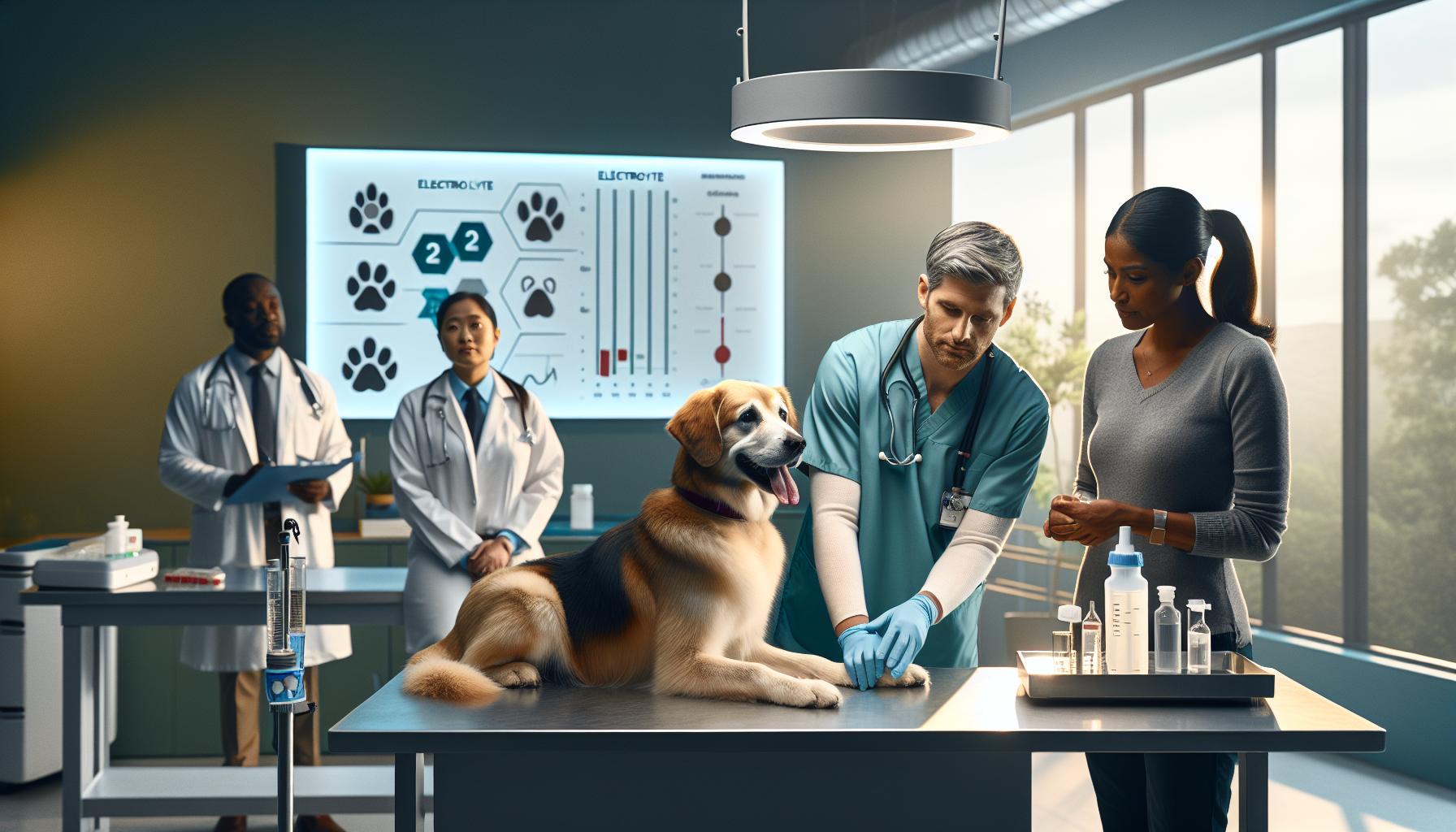
Understanding Electrolyte Imbalance in Dogs
Dogs, just like humans, rely on a delicate balance of electrolytes to maintain proper hydration and support critical bodily functions. Electrolytes are minerals that carry electrical charges and are essential for a variety of physiological processes, including nerve transmission, muscle function, and maintaining fluid balance within cells. An imbalance can occur when there is a loss or excessive intake of these minerals, often influenced by changes in diet, intense physical activity, or environmental factors.
Electrolyte imbalance in dogs typically results from dehydration, which can occur due to conditions such as vomiting, diarrhea, or excessive heat. For example, a playful Labrador who spends a day frolicking at the beach might not drink enough water, leading to decreased levels of vital electrolytes like sodium and potassium. Without prompt attention, this imbalance can hinder your dog’s ability to operate normally, resulting in muscle cramps, confusion, and severe fatigue. In extreme cases, it could even lead to serious health issues like seizures or cardiac arrest.
Knowing how to recognize electrolyte imbalances is crucial. Signs can include increased thirst, lethargy, and changes in urination patterns. If your dog shows any of these symptoms, it may indicate that its electrolyte levels are off. Your role as a dedicated dog owner is to be vigilant, ensuring your furry friend has constant access to clean water and, when needed, electrolyte supplements designed specifically for dogs.
It’s essential to consult your veterinarian before introducing any supplements into your dog’s diet, particularly if your pet has existing health issues. Understanding these dynamics can help keep your canine companion healthy and thriving, ensuring that they stay hydrated and their electrolyte levels balanced, regardless of the circumstances they face. Offering them occasional electrolyte solutions, especially after strenuous activities or during hot weather, can provide an added layer of support for their health. Always prioritize your dog’s well-being by incorporating best practices for hydration and staying informed on their specific nutritional needs.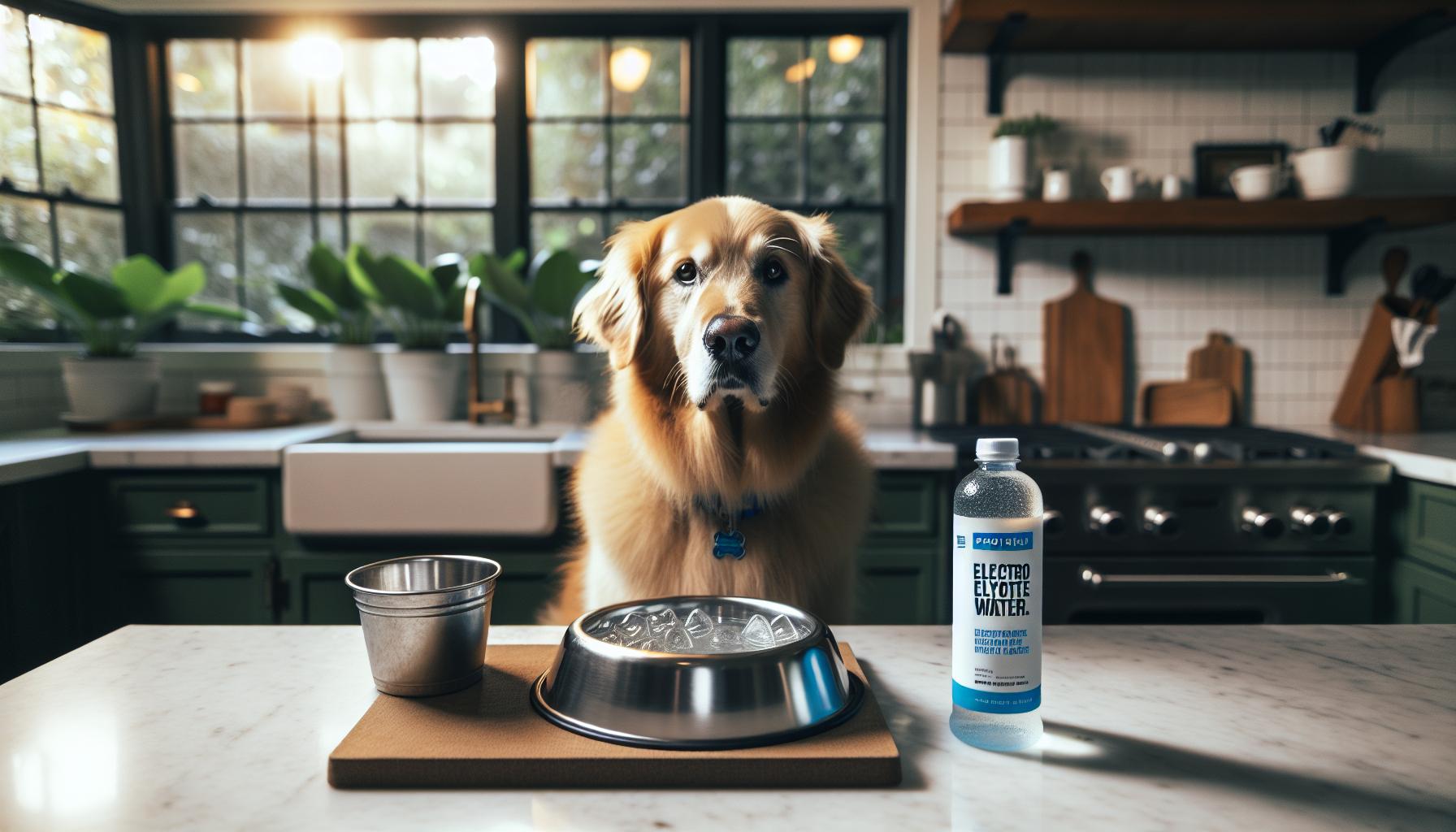
Can Dogs Safely Drink Electrolyte Water?
Canines can indeed benefit from electrolyte water, but the key is choosing the right type specifically designed for dogs. Unlike human sports drinks packed with sugars and additives, the electrolyte solutions made for pets are tailored to meet their unique hydration needs without harmful ingredients. These specialized formulations typically contain essential minerals like sodium, potassium, and magnesium at levels that are safe and effective for dogs.
When considering if your dog should drink electrolyte water, it’s crucial to assess the context. If your dog has just participated in vigorous exercise or is exposed to heat, their electrolyte balance may be disrupted, making a carefully chosen electrolyte solution beneficial. Increased thirst, panting, or signs of fatigue may hint that they could use a rehydration boost. However, be sure that the electrolyte water does not contain xylitol or other artificial sweeteners, as these can be toxic to dogs.
Always introduce new hydration options with caution. Start with small amounts of electrolyte water and monitor your dog’s response. It’s a good idea to mix it with regular water initially to avoid overwhelming their system. Ensuring that your furry friend transitions safely is vital; you wouldn’t want to add any unnecessary strain to their tummy during a time when they need gentle care and support.
As every dog is different, consulting with your veterinarian regarding when and how much electrolyte water to offer is wise. They can provide advice tailored to your dog’s specific health status and lifestyle. By prioritizing hydration needs with appropriate solutions, you set your dog up for optimal health and vitality, especially in those hot summer days or after a long hike in the woods.
Potential Rehydration Benefits of Electrolyte Water
Proper hydration is vital for maintaining your dog’s overall health, and electrolyte water can play a crucial role in replenishing lost fluids during times of increased activity or stress. Dogs, like humans, can experience fluctuations in their electrolyte balance, especially after vigorous exercise, exposure to heat, or during recovery from illness. Providing them with a specially formulated electrolyte solution can yield numerous benefits, helping them to recover more efficiently and maintain optimal health.
One of the primary advantages of electrolyte water is its ability to quickly restore hydration levels. When dogs lose fluids due to sweating (in a limited capacity), panting, or illness, they lose not only water but also essential minerals such as sodium, potassium, and magnesium. These minerals are critical for muscle function, nerve transmission, and maintaining proper bodily functions. By administering an electrolyte solution, you can help to balance these levels and ensure your dog remains energetic and alert.
Additionally, electrolytes can help stimulate your dog’s thirst response. If you’ve ever noticed that your furry friend seems reluctant to drink water after an intense play session or a long walk, an electrolyte solution can entice them to hydrate. The taste of these solutions can be more appealing than plain water, making it easier for your dog to consume what they need. This increased fluid intake can be particularly beneficial during hot summer days or after a strenuous activity, such as hiking or running.
While considering the introduction of electrolyte water, it’s helpful to keep in mind your dog’s unique needs and preferences. For instance, certain breeds prone to heat stress or those with specific dietary requirements may benefit more from these solutions than others. Always ensure that the electrolyte product is formulated for pets, as many human sports drinks contain harmful ingredients like xylitol. It’s also a smart idea to consult with your veterinarian to determine the best course of action for your dog’s hydration and overall health, especially if they have pre-existing conditions or are of advanced age.
- Recovery After Exercise: After a long run or intense play session, electrolyte water can help replenish lost fluids and minerals.
- Encouraging Hydration: The more appealing taste of electrolyte solutions can stimulate your dog’s thirst, encouraging them to hydrate more effectively.
- Specific Needs by Breed: Consider the specific hydration needs of breeds that are more susceptible to heat or dehydration, such as Bulldogs or Dachshunds.
Incorporating these strategies into your dog’s routine can significantly enhance their hydration and help maintain their overall well-being, ensuring they remain happy and healthy companions.
Differences Between Sports Drinks and Electrolyte Solutions
When it comes to rehydration for dogs, not all drinks are created equal. Understanding the differences between sports drinks made for humans and specially formulated electrolyte solutions for dogs is essential for ensuring your furry friend receives the right nutrients during recovery. While humans often reach for sugary sports drinks packed with artificial flavors and added sugars, these beverages can be detrimental to dogs’ health and do not fulfill their hydration needs effectively.
Dog-specific electrolyte solutions are designed to provide a balanced ratio of essential minerals, such as sodium, potassium, and magnesium, that help maintain proper hydration. These formulations are typically lower in sugar and free from harmful additives like xylitol, which is toxic to dogs. Instead of focusing on performance enhancement like many sports drinks do for athletes, canine electrolyte solutions prioritize replenishing lost fluids without the extra calories or unhealthy ingredients. This is particularly critical when your dog is recovering from heat exposure or intense exercise, where rehydration must be quick and safe.
Choosing the right electrolyte solution can also depend on your dog’s specific needs – for example, dogs with certain health conditions like kidney disease may require a specific formulation to avoid additional strain. It’s important to consult with your veterinarian about the most suitable options. Many veterinarians recommend solutions that are designed specifically for pets, as these are carefully balanced to meet canine dietary requirements.
In summary, while a sports drink may seem like a tempting idea, never substitute it for a canine-friendly electrolyte solution. Always remember to read labels carefully and prioritize your dog’s health by selecting products tailored for their unique biological needs. This careful consideration not only promotes hydration but also supports overall health and well-being in your beloved companion.
When to Offer Electrolyte Water to Your Dog
When you observe your dog panting heavily or acting out of sorts after a strenuous walk or play session, it’s essential to consider offering electrolyte water. Just like humans, dogs can become dehydrated, especially during hot weather or after intense exercise. This is where electrolyte solutions come into play, as they help restore essential minerals lost through sweat and panting, promoting faster recovery.
Electrolyte water should be offered in specific situations, such as after vigorous activities or during hot summer days when your pup is at risk of overheating. Furthermore, if your dog is recovering from illness or has been vomiting or experiencing diarrhea, incorporating electrolyte solutions can be beneficial. Many pet owners find that serving these solutions can help stimulate their dog’s interest in hydration, especially when they’re feeling under the weather.
For active breeds like Labrador Retrievers or Border Collies, consider providing electrolyte water after rigorous activities, like hiking or running, to help maintain their energy levels and hydration status. On the other hand, smaller or elderly dogs may require more frequent hydration, and offering electrolyte solutions at intervals can ensure they avoid dehydration during their daily routines.
Monitoring your dog’s behavior is key. If they show signs of fatigue, disinterest in their usual activities, or exhibit any symptoms of dehydration, such as dry gums or reduced skin elasticity, it’s a good time to introduce electrolyte water into their routine. This proactive approach can make a significant difference in your dog’s overall health and vitality.
Recognizing Signs of Dehydration in Dogs
One of the most heart-wrenching sights for a dog owner is witnessing their beloved pet showing signs of dehydration. Just like us, dogs need adequate hydration to maintain their health, energy, and overall well-being. Recognizing the subtle signals of dehydration can be the difference between a minor issue and a more serious health crisis. Research indicates that a dog’s body is roughly 70% water, vital for regulating body temperature, aiding digestion, and facilitating nutrient absorption. Therefore, understanding how to spot dehydration early can lead you to take prompt action, ensuring your furry friend stays healthy and vibrant.
Dogs may exhibit several signs when they are dehydrated, and keen observation can go a long way. Common signs to watch for include:
- Dry Gums and Nose: A hydrated dog typically has moist gums and a cool, wet nose. If you notice dryness, this could indicate dehydration.
- Skin Elasticity: You can check this by lightly pinching the skin on the back of your dog’s neck or between their shoulder blades. If the skin doesn’t snap back quickly, it’s a sign of dehydration.
- Excessive Panting: While panting is common after exercise, continuous heavy panting-especially in cooler temperatures-can signal your dog is struggling to cope with heat and may be dehydrated.
- Reduced Energy or Lethargy: If your normally playful pup becomes lethargic or shows a lack of interest in activities, dehydration could be the culprit.
To visually assess the severity of hydration, consider the following incremental signs that can guide your actions:
| Hydration Level | Signs | Recommended Action |
|---|---|---|
| Normal | Moist gums and normal energy | Continue regular hydration |
| Mild Dehydration | Dry gums, slight lethargy | Encourage drinking and offer electrolyte water |
| Moderate Dehydration | Poor skin elasticity, excessive panting | Consult your vet if signs persist |
| Severe Dehydration | Sunken eyes, extreme lethargy | Seek emergency veterinary care immediately |
By staying vigilant and responding quickly to these signs, you can help safeguard your dog’s health. Offering electrolyte water after they display early signs of dehydration is a proactive step to support their recovery and restore their vitality. Always keep fresh water available, and consider incorporating electrolyte solutions during hot weather or after vigorous exercise to keep your furry friend feeling their best!
Best Practices for Hydrating Your Dog
Keeping your dog properly hydrated is essential not only for their comfort but also for their overall health and well-being. Did you know that even slight dehydration can affect a dog’s energy levels and mood? To ensure your furry friend stays well-hydrated, let’s explore some best practices that can make a significant difference.
- Regular Access to Fresh Water: Always have fresh, clean water available for your dog. Dogs can be picky about their water, so make sure to regularly clean their water bowl to keep it odor-free and appealing. Consider using a pet water fountain, as some dogs are more inclined to drink flowing water.
- Monitor Water Intake: Pay attention to how much your dog drinks daily. A good rule of thumb is that dogs need approximately one ounce of water per pound of body weight each day. If you notice a significant decrease in their water consumption, that might indicate a health issue.
- Encourage Hydration During Activity: If you’re going on a long walk, hike, or play session, bring water along. Encourage your dog to take frequent breaks and drink water, especially on hot days or after vigorous exercise.
- Consider Electrolyte Solutions: On particularly hot days or after intense exercise, electrolyte solutions can help replenish lost fluids and minerals. Select options specifically formulated for dogs, avoiding those meant for humans, as they may contain harmful ingredients.
Remember, some breeds may have different hydration needs based on their size, activity levels, and coat types. For instance, breeds like Huskies or St. Bernards may require extra hydration during summer months due to their thick coats, whereas smaller breeds might need just a bit less. Keeping a hydration checklist based on your dog’s unique needs can help ensure you’re always aware of their hydration status.
It’s also a good idea to integrate moisture-rich foods into their diet. Offering wet dog food or adding water to dry kibble can significantly boost their fluid intake. Through consistent monitoring and proactive measures, you can ensure your dog remains healthy, happy, and well-hydrated.
Comparing Commercial Electrolyte Solutions for Dogs
When it comes to keeping your dog hydrated, finding the right electrolyte solution can make all the difference. Just like humans, dogs can experience dehydration, and their bodies require certain electrolytes to maintain balance and health. Not all commercial electrolyte solutions are created equal, so it’s essential to compare various products to ensure your furry friend is getting the best possible care.
Key Ingredients to Look For
When evaluating different electrolyte solutions for dogs, the first thing to consider is the ingredient list. Look for products that contain essential electrolytes such as sodium, potassium, and magnesium. These are crucial for fluid balance and muscle function. Additionally, some solutions may include vitamins like B complex to help boost your dog’s energy levels, especially after vigorous activities.
Dog-Specific Formulations vs. Human Products
One common mistake pet owners make is using human electrolyte drinks for their dogs. Many of these beverages contain sugars, artificial sweeteners, or other additives that can be harmful to pets. Instead, invest in dog-specific electrolyte solutions designed to meet canine dietary needs. Brands such as Pet Hydrate and K9 Power offer formulations tailored specifically for dogs, ensuring safety and efficacy.
Comparison Table of Popular Commercial Electrolyte Solutions for Dogs
| Brand | Key Ingredients | Flavor Options | Purpose |
|---|---|---|---|
| Pet Hydrate | Sodium, Potassium, Vitamin B | Chicken, Beef | Post-activity hydration |
| K9 Power | Sodium, Electrolytes, Natural Flavors | Peanut Butter, Chicken | Exercise recovery |
| Vet’s Best | Sodium, Electrolytes, Natural Plant Extracts | Variety | Daily wellness |
How to Choose the Right Solution
Consider your dog’s specific needs when selecting an electrolyte solution. For example, active breeds such as Border Collies or Labrador Retrievers that engage in strenuous activity may benefit from solutions designed for recovery. On the other hand, older dogs or those with health conditions might require more straightforward hydration options that focus on electrolyte balance without excess sugars or flavor additives.
By understanding the differences between the various commercial electrolyte solutions available for dogs, you can make informed decisions that support your pet’s health. Choose products that meet their unique lifestyle needs while ensuring they enjoy the taste, as this will encourage them to drink more and stay hydrated effectively. Always consult your veterinarian if you’re uncertain about which product is best suited for your furry friend, especially if they have pre-existing health conditions or dietary restrictions.
Homemade Electrolyte Solutions: Recipes and Tips
One of the most gratifying aspects of being a dog owner is knowing that you can support your furry friend’s health and happiness in ways that are both effective and loving. When it comes to hydration, particularly during hot weather or after vigorous exercise, homemade electrolyte solutions can provide essential minerals that help maintain your dog’s health. Not only can these solutions assist in hydrating your pet, but they can also help prevent imbalances that may lead to serious health issues.
Creating an electrolyte solution at home isn’t complicated, and the ingredients are often readily available. A basic recipe includes water, salt, and sugar, but you can also incorporate natural flavorings that your dog loves. Here’s a simple recipe to try:
Homemade Electrolyte Solution Recipe
- 1 quart (4 cups) of water
- 1 teaspoon of salt (preferably Himalayan or sea salt for extra minerals)
- 1 tablespoon of honey or maple syrup (for energy and flavor)
- Optional: 1/4 cup of unsweetened coconut water (adds potassium)
Mix all the ingredients in a bowl until well combined, and store it in the refrigerator. Serve it cool, especially in the summertime, to encourage your dog to hydrate. You can offer this solution in a bowl, or mix it with their regular water to enhance the flavor.
Best Practices When Preparing Homemade Electrolyte Solutions
While homemade solutions can be beneficial, it’s crucial to ensure they are balanced correctly:
- Consult your vet: If your dog has health issues or dietary restrictions, always seek advice from your veterinarian before introducing new solutions.
- Portion control: Start with small amounts to see how your dog reacts to the flavor and consistency.
- Monitor for reactions: Keep an eye on your pet after giving them the solution. If they exhibit any digestive upset or unusual behavior, discontinue use and consult a vet.
By taking charge of your dog’s hydration with homemade solutions, you’re not only ensuring they receive the necessary electrolytes but also reinforcing the bond through wholesome care. A well-hydrated dog is a happy dog-one who can enjoy a day of play and adventure, knowing they have the support they need from you at all times.
Consulting Your Veterinarian: When and Why
When it comes to your dog’s hydration, consulting with your veterinarian can be one of the best decisions you make as a responsible pet owner. Whether you’re considering introducing electrolyte water into your dog’s routine or suspecting that your pet might be dehydrated, a professional’s insight is invaluable. Veterinarians can offer tailored advice that considers your dog’s breed, age, health status, and activity level, ensuring that their hydration needs are met effectively.
For instance, certain breeds, like Bulldogs or Pugs, are predisposed to respiratory issues, which can complicate hydration during hot weather. If your dog falls into this category, discussing hydration strategies with your vet can help you find the right balance. They may recommend specific types of electrolyte solutions or hydration methods to keep your pup cool and safe. Moreover, if your dog has underlying health conditions such as kidney disease or diabetes, your vet can guide you on safe quantities and appropriate products to use that won’t interfere with their treatment plan.
In addition to preventive care, recognizing symptoms of dehydration in dogs-such as excessive panting, lethargy, or dry gums-is crucial. If you observe any of these signs, it’s essential to seek veterinary advice promptly. Your vet might suggest immediate measures, like rehydration solutions, or may need to assess whether your dog requires intravenous fluids for severe cases. Remember, being proactive can make a critical difference in your dog’s well-being, and no question is too small when it comes to your pet’s health.
Lastly, your vet can help demystify the types of electrolyte solutions available on the market, clarifying when and how to use them effectively. They can assist you in comparing commercial products with homemade remedies. In doing so, you’ll gain peace of mind, knowing that you’re providing the best possible care for your furry friend.
Breed-Specific Hydration Needs and Recommendations
Ensuring your dog stays well-hydrated is crucial for their overall health, but it’s not a one-size-fits-all approach. Different breeds have varying hydration needs based on their size, activity level, and specific health concerns. For instance, brachycephalic breeds like Bulldogs and Pugs often struggle with heat regulation due to their short snouts, which can make them more susceptible to dehydration, especially in warmer weather. Owners of these breeds should ensure they provide fresh water frequently and may consider introducing electrolyte solutions during hot days, after vigorous play, or if they’re feeling under the weather.
On the other hand, large breeds like Great Danes and Labradors require significant water intake due to their size and higher metabolic rate. An active Labrador, especially one engaged in rigorous play, can benefit from electrolyte water to replace lost fluids and minerals. When managing hydration for these dogs, it’s important to monitor their water consumption, especially after exercise, and provide access to water frequently.
Additionally, working breeds like Shepherds or Retrievers, which are often highly active and energetic, should be closely monitored during warm weather or intense activity. These breeds may experience electrolyte imbalances due to excessive sweating, which can lead to fatigue and lethargy. Offering a balanced electrolyte solution can help restore their energy levels and encourage hydration during and after activities.
To make hydration more manageable, consider the following recommendations:
- Monitor Water Intake: Keep track of how much water your dog is drinking, adjusting as needed for active or warmer days.
- Electrolyte Solutions: Use veterinarian-approved electrolyte solutions for hydration following exercise or illness.
- Homemade Options: Consider beneficial recipes for homemade electrolyte drinks – consult your vet for safe ingredients.
- Regular Breaks: Ensure all dogs, especially those in training or those with higher hydration needs, take regular water breaks.
Incorporating these strategies tailored to breed-specific needs can greatly enhance your dog’s hydration, ensuring they remain happy and healthy. Remember, if you’re ever in doubt, a quick chat with your veterinarian can provide insights tailored to your dog’s unique situation.
Q&A
Q: Can electrolyte water help with dog hydration after exercise?
A: Yes, electrolyte water can effectively rehydrate dogs after exercise, especially in hot weather. It replenishes essential salts lost through sweat, improving recovery and performance. For best results, provide it in moderation along with fresh water. Refer to the section on “When to Offer Electrolyte Water to Your Dog” for guidance.
Q: Are there any risks associated with giving dogs electrolyte water?
A: While electrolyte water can be beneficial, excessive sodium levels can lead to health issues like hypertension or electrolyte imbalances. It’s important to choose products specifically formulated for dogs and consult your vet if you’re unsure. Check “Consulting Your Veterinarian: When and Why” for more details.
Q: What ingredients should I look for in commercial electrolyte solutions for dogs?
A: Seek solutions containing sodium, potassium, and magnesium without added sugars or artificial flavors. These electrolytes help maintain proper hydration. The section on “Comparing Commercial Electrolyte Solutions for Dogs” provides in-depth product comparisons for better choices.
Q: How often can I give my dog electrolyte water?
A: You can give your dog electrolyte water during intense exercise or hot weather, but limit it to small doses. Always ensure fresh water is available. Visit the “Best Practices for Hydrating Your Dog” section for practical hydration tips.
Q: Can puppies drink electrolyte water?
A: Generally, electrolyte water isn’t recommended for puppies unless under veterinary guidance, as their nutritional needs differ. It’s crucial to provide them with proper hydration based on their growth stage. Refer to “Breed-Specific Hydration Needs and Recommendations” for tailored advice.
Q: How can I make a homemade electrolyte solution for my dog?
A: To create a homemade electrolyte solution, mix water, a pinch of salt, and a small amount of honey or sugar. This provides essential electrolytes and energy. For detailed recipes, see the section on “Homemade Electrolyte Solutions: Recipes and Tips.”
Q: Why is hydration important for dogs?
A: Hydration is vital for maintaining overall health, as it regulates body temperature, supports digestion, and ensures proper circulation. Insufficient hydration can lead to serious health problems. Explore “The Importance of Hydration for Dogs” for more insights.
Q: What signs indicate my dog may be dehydrated?
A: Signs of dehydration in dogs include dry gums, lethargy, loss of skin elasticity, and reduced appetite. If you notice these signs, offer water or electrolyte solutions and consult your veterinarian. For recognition techniques, check “Recognizing Signs of Dehydration in Dogs.”
In Retrospect
Keeping your dog well-hydrated, especially with electrolyte water, is crucial for their health, particularly in hot weather or after vigorous activities. Remember, while electrolyte water can provide benefits, it’s essential to use it properly and consult your vet to address any specific health concerns. If you’re looking for personalized feeding tips, check out our guide on “Best Hydration Practices for Dogs” and explore our post on “Signs Your Dog Might Be Dehydrated”.
Don’t forget to subscribe to our newsletter for more insights and tips on canine care, and consider visiting our shop for top-rated hydration products designed specifically for dogs. Your furry friend’s well-being is our priority, and your commitment to their health starts now. Share your experiences or questions in the comments below-let’s keep the conversation going and support each other in raising happy and healthy dogs!